How to Select Outdoor Disconnect Switch for High Voltage Projects
2026-07-15 17:24:29
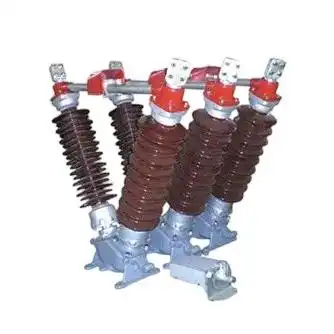
Matching the voltage and current ratings of your project to the equipment's specifications is the first step in choosing the right Outdoor disconnect switch. Safety certifications and long-lasting performance in harsh environments should also be given top priority. For setups with high voltages between 72.5kV and 126kV, you need switches made of materials that don't rust, like hot-dip galvanised steel, and parts made of stainless steel that work reliably in a wide range of temperatures. Knowing these basic requirements will help you keep your investment safe and make sure that you follow the rules and operate the equipment safely for as long as it lasts.
 |
 |
Understanding Outdoor Disconnect Switches and Their Role in High Voltage Projects
Outdoor disconnect switches are crucial isolation devices in electrical distribution systems, allowing for safe maintenance and emergency shutdowns without jeopardising the integrity of the grid as a whole. Unlike indoor versions made for controlled environments, these strong units have to work in tough weather like high or low temperatures, high or low humidity, UV rays, and the acid atmospheres found at the coast or in factories.
Operating Principles and Safety Benefits
Their main job is to make an obvious space between live wires and grounded equipment. This makes it clear that the circuits are safely turned off before repair workers start their work. Dual-break isolation systems are used in modern designs. These create two separate points, giving more safety margins than single-break configurations. This clear disconnect point lowers the chance of mistakes during lockout/tagout processes, directly saving technicians working in power plants, substations, and utility infrastructure.
Weather Resistance and Structural Integrity
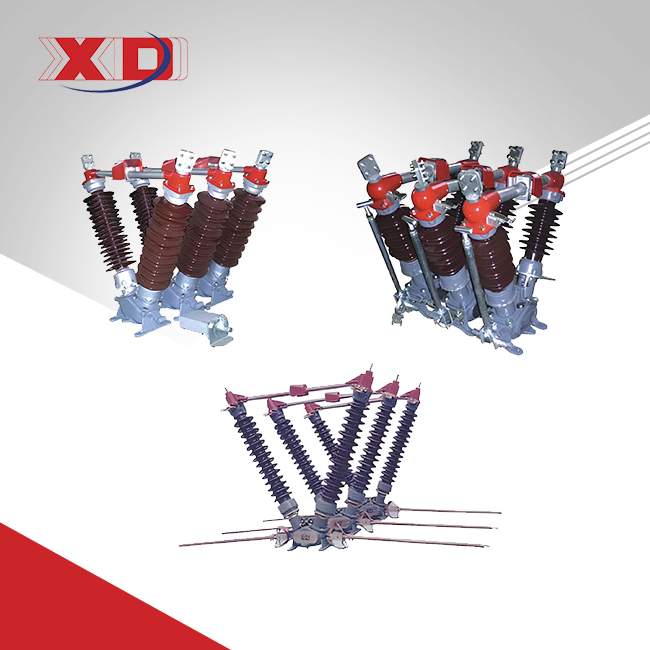
Manufacturing plants that use sensitive CNC machines and data centers that run mission-critical computers can't handle downtime that comes up out of the blue when equipment breaks down. Outdoor units of good quality have sealed gearbox systems and waterproof housings that keep water and dirt out. This way of thinking is shown in the GW5 series, which has aluminium alloy profiles that help heat escape and hot-dip galvanised steel parts that won't rust for decades. These ways of building make sure that switches keep their best conductivity and mechanical stability even when they are put in harsh industrial settings or places up to 4,000 meters above sea level.
Application-Specific Configurations
Different projects need different ways to switch between tasks. By reducing friction travel, horizontal pantograph designs keep arcs from forming during operation. This increases contact life and lowers the frequency of maintenance. Being able to place equipment on two base sides gives engineers more options when they need to make the most of the room they have in a substation without sacrificing accessibility. Knowing these little practical details helps procurement teams choose equipment that works with the site's limitations and long-term repair plans.
Key Selection Criteria for Outdoor Disconnect Switches in High Voltage Projects
Effective equipment selection starts with matching electricity factors to the needs of the project. To get effective long-term performance, your choice process needs to take into account technical specs, safety standards, and how easy it will be to install.
Voltage and Current Rating Compatibility
Transmission and distribution systems work with a range of voltages, from 126kV transmission lines to 72.5kV distribution networks. Continuous current equipment rated for 2000A can handle the heavy loads found in steel mills, petrochemical plants, and large commercial complexes without breaking down due to heat. When the contact resistance is less than 75ohms, there is little voltage drop and heat production during regular operation. This directly affects energy efficiency and lowers running costs for building managers who handle thousands of kilowatt-hours every day.
Environmental Durability and Certification Standards
For outdoor disconnect switches, purchasing managers must verify compliance with IEC 62271-102 and IEEE C37.32 standards covering temperature rise, mechanical endurance, and dielectric strength. Approved units undergo 48-hour ageing tests simulating 20 years of use. Dielectric testing at 230kV for one minute confirms insulation integrity during faults, giving engineering teams confidence for utility substation applications.
In addition to basic certifications, environmental ingress protection ratings tell you where the installation can be done. Substations near the coast need gearbox systems made of stainless steel with pins, bushings and joints that don't rust and keep the structure strong even when exposed to salt spray. When temperatures rise above 45°C, desert sites in the southwestern United States need materials that are resistant to UV light and better at transferring heat.
Maintenance Accessibility and Lifecycle Costs
The total cost of ownership is much higher than the price of the car itself. Stainless contact springs that are compressed from the outside keep the contact force stable without needing to be adjusted on a regular basis. This means that service times are 40% shorter than with traditional spring mechanisms that are kept in sealed sections. Bent copper plates that can be replaced without tools make it possible to fix things quickly during planned outages. This keeps utility companies from losing money and factories from having to stop production. When figuring out long-term maintenance budgets and spare parts inventory needs, EPC firms that build turnkey projects like these serviceability features.
In more advanced designs, the horizontal pantograph mechanism makes very little friction during switching operations. This means that the machine will last longer and critical parts will wear out less quickly. This engineering method fixes a common problem that older rotor designs have: pivot points and touch surfaces wear down faster when they are used over and over again.
Spotlight on the GW5 High Voltage Disconnect Switch
Real-world performance data and proven reliability metrics are more important than marketing claims when procurement teams are looking at different pieces of equipment. The GW5 series has a good reputation because it has been used in more than 50 countries with a wide range of climates and in tough situations.
Engineering Excellence in Materials and Construction
Hot-dip galvanised steel parts make up the structure's backbone and can survive decades of changing temperatures and mechanical stress. This process goes through the base metal to make a stronger bond that lasts longer than painted finishes or thin zinc coats that are popular on cheaper options. The shape of the aluminium alloy profile strikes the best balance between strength and weight. It also allows natural convection cooling, which stops hotspots from forming when the current is kept high for a long time.
Performance Validation Through Comprehensive Testing
The stainless steel gearbox system is a big improvement over older designs that used brass or bronze mechanisms. When pins, bushings, and joints are made from corrosion-resistant alloys, they don't rust or seize up, which can happen in high-humidity environments and cause unexpected failures. This choice of material directly supports the maintenance-free operation that is necessary for remote sites where service trips are hard to arrange and cost a lot of money.
Factory acceptance testing is done on every unit, which goes above and beyond what is needed for approval. Material traceability paperwork keeps track of raw materials from mill certificates to final assembly. This makes an audit trail that meets the standards for quality assurance in important building projects. The 30-year design lifespan rating is based on conservative engineering margins instead of hopeful estimates. This gives asset managers peace of mind when they are planning long-term cycles for replacing capital.
Temperature qualification testing from -40°C to +85°C shows capability across the full operating envelope seen in North American sites, from substations in Canada that deal with harsh winters to facilities in the southwestern desert that have to deal with high summer heat. This range of tested performance levels takes away the guessing and risk that come with using tools beyond its tested limits.
Application Versatility Across Industry Sectors
Surge current handling that can reach 100 times rated capacity is helpful for industrial plants because it protects expensive motors and automation equipment during grid disturbances or capacitor bank switching events. Hospitals and businesses that are replacing old infrastructure like small models that are designed for electrical rooms with limited space because the size of the installation area directly affects the cost of the installation. Utility companies that are in charge of big projects to integrate green energy choose versions that are connected to the internet of things and have sensors that can predict when problems will happen so that they don't cause unplanned power blackouts.
For outdoor disconnect switches, the optional grounding switch interlock prevents accidental energization during maintenance by mechanically blocking main blade closure when ground connections are engaged. This fail-safe design addresses a critical safety concern for utility lineworkers and industrial electricians working on high-voltage equipment at risk of arc flashes.
Procurement Strategies for B2B High Voltage Projects
Decisions about where to get materials affect how long a job takes, how much it costs, and how reliable it is in the long run. Structured buying methods help businesses avoid mistakes that cost a lot of money and build relationships with suppliers who can meet their specific needs.
Supplier Qualification and Certification Verification
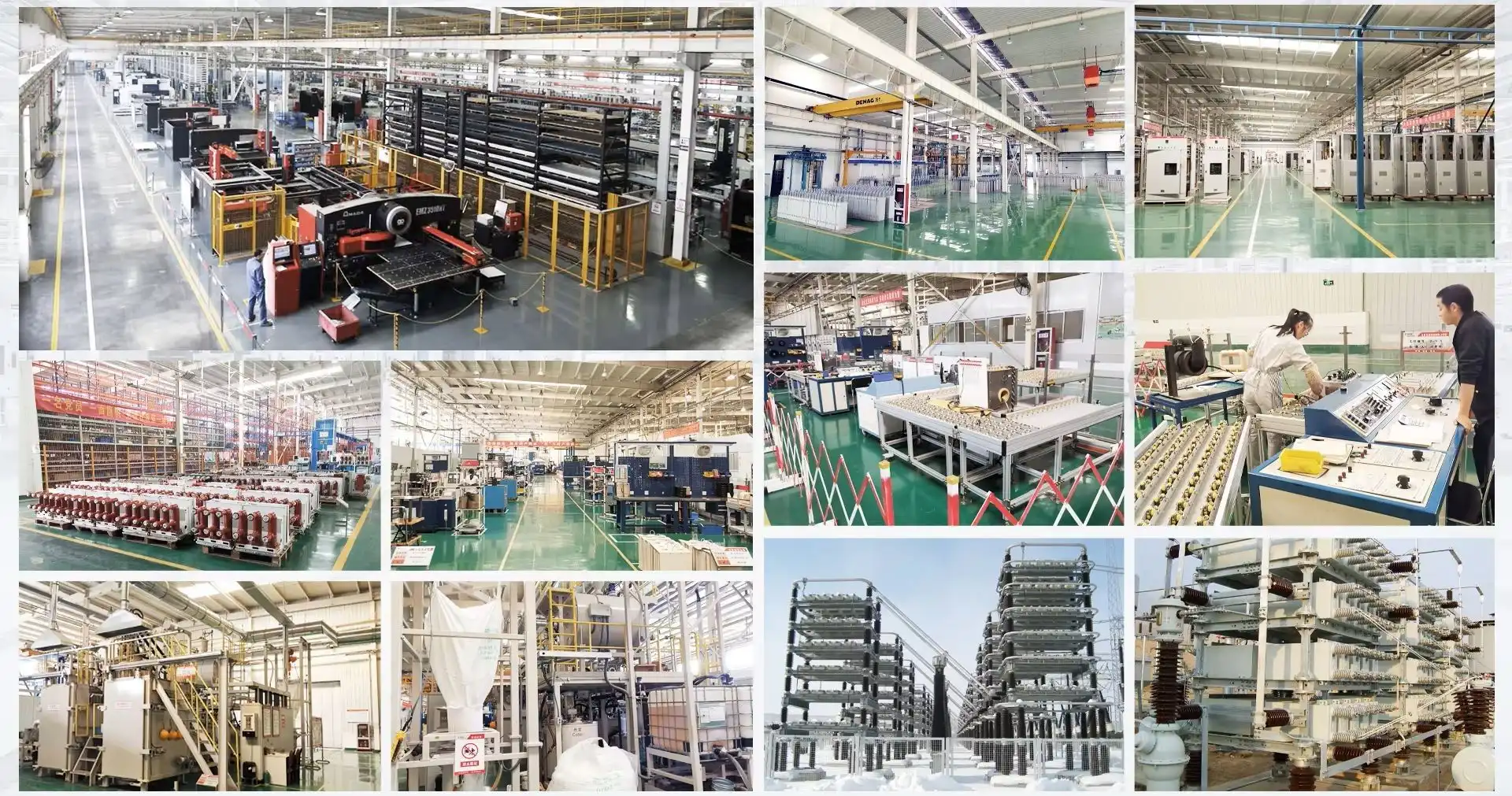
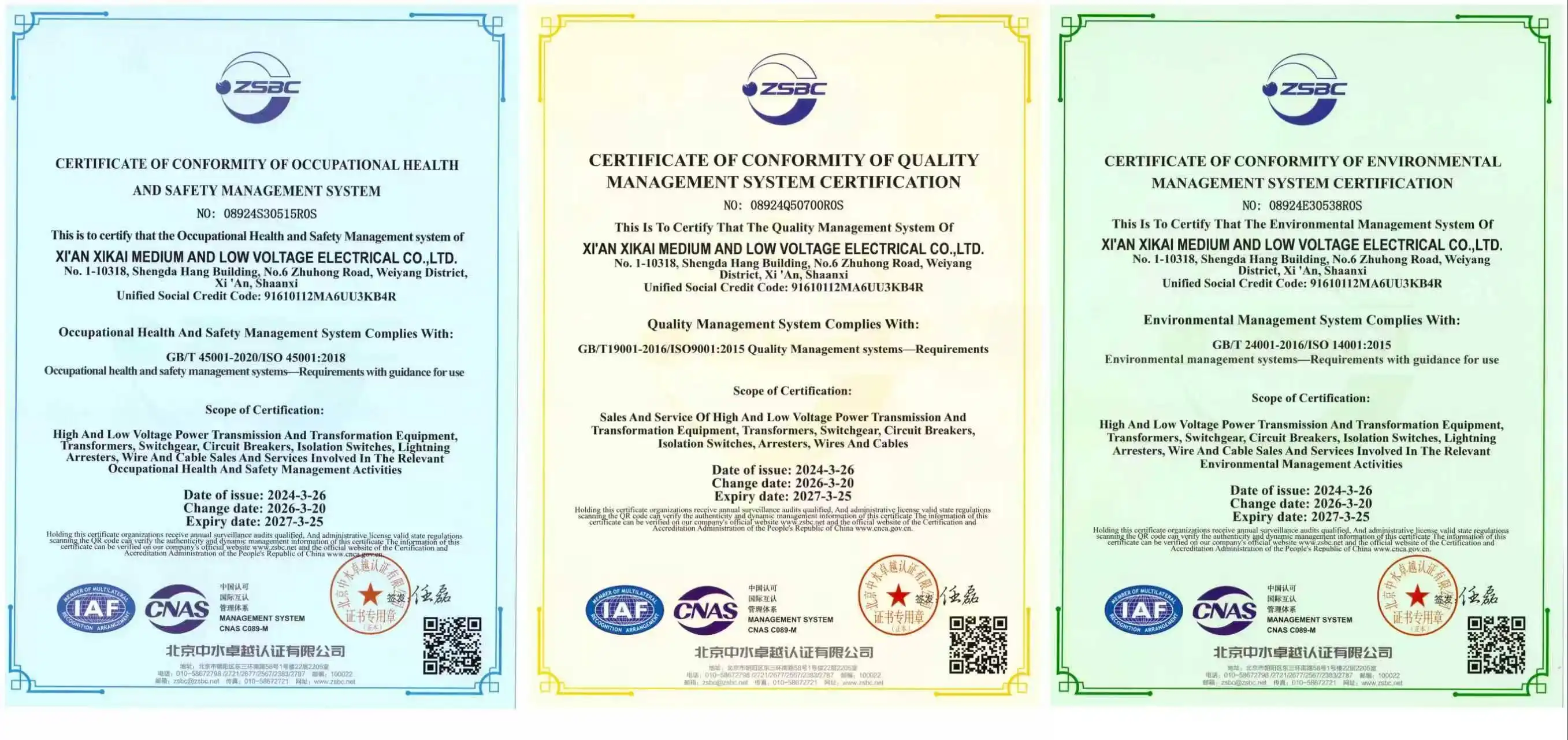
Reliable suppliers keep their production sites ISO 9001-certified and have quality control systems that cover every step of the manufacturing process, from inspecting the raw materials at the beginning to checking the finished product at the end. Instead of believing what the seller says, ask for factory audit reports and third-party certification documents that prove they follow UL, CE, and GOST-R rules. Manufacturers with more than 40 years of experience and more than 15 patents have shown a long-term dedication to new ideas and technical excellence, which leads to more reliable products.
When there is an emergency, having distribution partners that offer 24/7 international technical support is very helpful because it keeps blackouts from lasting too long. Check guarantees for reaction times and service coverage in your area to make sure that the help you can get meets your business needs. Companies that use tools in multiple time zones gain the most when their providers keep engineering staff in key geographic areas.
Customization Options and Volume Considerations
Standard catalogue items can be used in a lot of different situations, but for more complicated projects, they often need custom setups to fit the site's conditions or meet performance needs. Arctic versions that can work in temperatures as low as -60°C are used in sites in northern latitudes, and small models are used in urban substations that don't have a lot of room. Manufacturers that offer modular designs make it easier for systems to grow in the future and for new equipment to work with infrastructure that was built to different standards.
Utility companies that use the same systems for all of the equipment in their service areas can save money by using volume buying programs. Negotiated pricing structures, longer warranty terms, and guaranteed availability of spare parts all lower the total cost of ownership and make it easier to keep track of inventory. EPC companies that are working on multiple projects at the same time use large orders to boost their profit margins and speed up delivery times by allocating specialised production resources.
Lead Time Management and Logistics Coordination
Specialised manufacturing methods and careful quality checks are needed to make high voltage equipment, which can't be sped up without affecting its dependability. Realistic lead times usually range from 12 to 16 weeks from the time the purchase order is placed until the package is ready and the plant accepts it. There may be extra fees for rush orders, and the products that get to customers may not be checked for quality as thoroughly as usual.
Shipping damage and customs delays that throw off project plans can be avoided by working with goods forwarders who know how to handle large electrical equipment. Using the right packaging, shipping insurance, and getting inspection processes will keep your investment safe all along the supply chain. Setting these logistics details during the contract negotiation process makes it clear who is responsible for what and stops arguments when the equipment gets to the site.
Installation and Maintenance Best Practices
The right way to install equipment and keep it in good shape will make it last longer and keep people safe from electrical hazards. These operational factors affect the choice of equipment by drawing attention to features that make work easier in the field and lower costs over the life of the product.
Site Preparation and Foundation Requirements
Level fixing surfaces keep post insulators in the right vertical position. This stops stress from being distributed unevenly, which can cause cracks or mechanical failure before its time. Local building rules say that foundation structures must be strong enough to hold the weight of the tools and survive seismic loads. Before the equipment is made, make sure that the dimensions on the supplier's mounting patterns match the ones on the civil engineering drawings. If they don't, it will cost a lot and cause the project to be delayed.
For outdoor disconnect switches, clearance standards around switching mechanisms ensure safe use and easy upkeep. NEC minimum approach distances depend on voltage class and equipment design. Verify site layout allows sufficient space for manual operation, regular inspections, and emergency repairs without requiring temporary de-energization of adjacent circuits.
Wiring and Connection Integrity
The torque requirements for terminal connections have a direct effect on the resistance of the contact and its long-term dependability. Too-tight or too-loose bolts can damage threads or crack insulated parts, creating high-resistance joints that produce too much heat. Follow the manufacturer's instructions in the installation manual and use torque wrenches that have been measured. Copper-to-aluminum transitions should be covered in conductive grease to stop galvanic corrosion, which raises contact resistance over time.
Phase spacing rules keep neighbouring wires from flashing over during switching transients or when contamination builds up. Keep the required gaps during the whole connection process, and make sure the end sizes are correct by measuring them in the field before turning the power on. Phasing checks with the right test equipment make sure that the right conductors are being identified. This stops catastrophic failures from happening because of phase reversal or cross-connections.
Routine Inspection and Preventive Maintenance
Well-designed equipment that works in normal conditions only needs to be inspected every five years. Installations that are subject to heavy industrial contamination or extreme weather may need service more often. Inspection lists should keep track of the state of the insulator, the wear on the contacts, the function of the working mechanism, and the tightness of the mounting hardware. Use approved methods to clean contaminated surfaces that get rid of conductive deposits without hurting insulation materials.
Lubricating the mechanism with the right products keeps it running smoothly and keeps parts from seizing up, which could lead to incomplete switching operations. If you use petroleum-based goods on plastic insulators, the surface will break down and the dielectric strength will go down because the chemicals won't work with each other. Check the position and state of the contacts on the auxiliary switch to make sure it works properly with interlocking systems and remote monitoring equipment.
Conclusion
Selecting Outdoor disconnect switches for high voltage projects requires careful evaluation of electrical ratings, weather conditions, safety certifications, and upkeep requirements. Hot-dip galvanised steel construction, stainless steel mechanisms, and performance validation tests have shown that equipment works reliably in a wide range of demanding settings, from utility substations to industrial facilities. Through careful choice of materials, thorough testing, and design features that make installation and maintenance easier, the GW5 series is a great example of engineering excellence. Partnering with well-known makers that offer a wide range of certifications and quick expert support lowers the risk of buying and ensures long-term operating success. The tools you choose today will have long-lasting effects on the system's dependability, the safety of your employees, and the costs of running the business.
FAQ
1. For utility uses, what voltage levels should Outdoor disconnect switches have?
Depending on the network voltage class, utility gearbox systems usually need gear with a rating of 72.5kV to 126kV. Most of the time, distribution substations work with lower voltages. On the other hand, bulk power transmission lines need higher ratings, which means they need more space between lines and stronger insulation.
2. How do the conditions of the environment affect the choice of equipment?
Stainless steel and galvanised parts are better at resisting corrosion in coastal installations, while better UV stability and heat dissipation are needed in desert environments. Temperature qualification ranges must include the coldest and warmest parts of the local climate. Arctic versions are available for places where the temperature drops below -40°C.
3. How often do you need to maintain current break switches?
Most of the time, quality equipment that doesn't need to be maintained only needs to be checked every five years. Facilities that are subject to a lot of contamination or that switch processes often may benefit from shorter gaps. During inspections, thorough testing protocols check the mechanical function, the condition of the contacts, and the integrity of the insulation.
Partner with Xi'an Xikai for Proven High Voltage Solutions
With 40 years of engineering excellence supporting power infrastructure around the world, Xi'an Xikai Medium & Low Voltage Electric Co., Ltd. is your dependable Outdoor disconnect switch manufacturer. With its hot-dip galvanised construction and stainless steel mechanisms that have been tested in temperatures ranging from -40°C to +85°C, our GW5 line is reliable and doesn't need any upkeep. Our production sites are ISO 9001-certified, and each unit goes through a lot of tests, such as 48-hour ageing cycles and dielectric proof to 230kV. Our technical team creates unique setups for business buildings, data centers, utility substations, and industrial plants. They offer engineering help 24 hours a day, seven days a week, and full spare parts programs. Contact our procurement specialists at serina@xaxd-electric.com, amber@xaxd-electric.com, or luna@xaxd-electric.com to discuss your project requirements and receive detailed specifications tailored to your voltage class, current rating, and environmental conditions.
References
1. Institute of Electrical and Electronics Engineers. (2019). IEEE Standard for High-Voltage Switches - Rated Voltages Above 1000 V. IEEE Std C37.32-2019.
2. International Electrotechnical Commission. (2021). High-voltage switchgear and controlgear - Part 102: Alternating current disconnectors and earthing switches. IEC 62271-102:2021.
3. National Fire Protection Association. (2020). National Electrical Code (NEC) Article 490: Equipment Over 1000 Volts, Nominal. NFPA 70-2020 Edition.
4. Electric Power Research Institute. (2018). Maintenance Guide for High-Voltage Air Disconnect Switches in Transmission Substations. EPRI Technical Report 3002013667.
5. American National Standards Institute. (2017). American National Standard for High-Voltage Switchgear and Controlgear - Requirements for Outdoor Disconnect Switches. ANSI C37.37-2017.
6. International Council on Large Electric Systems. (2020). Technical Brochure on Selection and Dimensioning of High-Voltage Equipment for Extreme Environmental Conditions. CIGRE Working Group B3.45 Report.
_1774319435501.png)