Why Choose Outdoor Disconnect Switch for Substation Protection?
2026-07-15 17:24:24
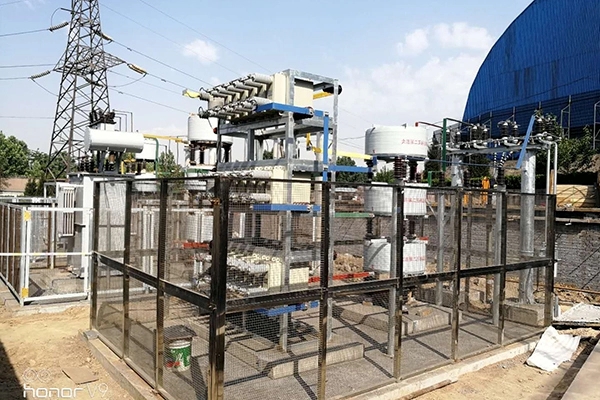
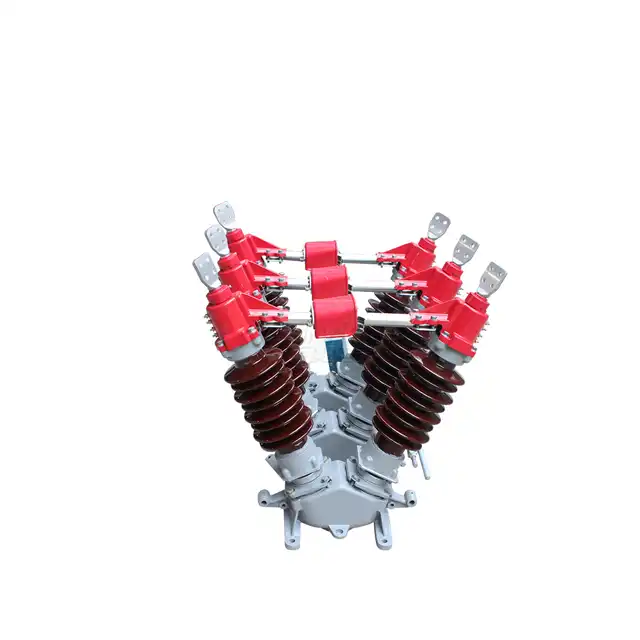
Outdoor disconnect switches are the most important safety feature in a substation because they keep the electricity off during repairs and emergencies. By making a clear break in the circuits, these devices protect both people and equipment, especially in open areas where weather resistance and durability are important. When manufacturing facilities, utilities, and system designers choose the right disconnect switch, they invest in business uptime, safety compliance, and long-term cost savings.
 |
 |
Understanding Outdoor Disconnect Switches in Substation Protection
Defining the Core Function of Isolation Switches
An Outdoor disconnect switch is a switching device that is airtight and is used to physically separate parts of electrical lines in transmission systems and substations. Instead of stopping fault currents like circuit breakers do, these switches work when there is no or very little load on them to make a clear gap that allows for safe repair access. The GW5 High Voltage Disconnect Switch is a good example of this because it can handle rated voltages of 72.5kV to 126kV and currents of up to 2000A while keeping the contact resistance below 75μΩ.
Weather-Resistant Design Features That Matter
Environmental problems that substations have to deal with all the time include toxic salt spray from the coast, dust storms in the desert, and temperatures below zero. Disconnect switches that last a long time are made with hot-dip galvanised steel parts that create a zinc shield that keeps rust away for decades. Transmission systems made of stainless steel, like pins and bushings, don't have common failure points that are caused by water getting in. Advanced models use aluminium alloy profiles that help heat escape, so there are no hotspots when the machine is running continuously at temperatures from -40°C to +85°C.
Manual Versus Motorized Operation Explained
For circuit isolation, manual disconnect switches use hand-operated mechanisms. They work well in smaller substations where switching needs don't happen very often. Motorised versions work with SCADA systems, so they can be controlled from a distance, protecting people from high-voltage areas. Which one to use depends on how often it needs to be used, safety rules, and how well it needs to work with existing control systems. Compared to traditional rotary designs, modern designs like the horizontal pantograph system cut down on friction during switching. This means that repair intervals are 40% longer and mechanical wear is 40% less.
The Critical Role of Outdoor Disconnect Switches in Substation Safety and Reliability
Protecting Maintenance Personnel Through Visible Isolation
Safety in electrical maintenance depends on lockout-tagout procedures that need to be physically checked to make sure the power is off. Disconnect switches give this guarantee by separating the blades in a way that can be seen. This creates an air gap that proves the circuit is off before people approach the equipment. The GW5 type has externally squeezed stainless contact springs that keep the contact force stable and rust-proof for the life of the device. This makes sure that it works as expected when safety rests on a reliable disconnect.
Environmental Resilience in Harsh Operating Conditions
In substation settings, the difference between tools rated for indoor and outdoor use becomes very important. Indoor switches don't have the insulation and rust protection that they need to be out in the weather. Outdoor disconnect switches have transmission systems that are sealed and insulation materials that are resistant to UV light, so they can last for years without breaking down. Hot-dip galvanised finishes don't rust, even in coastal settings where salt fog speeds up the rusting process. This resilience directly leads to lower upkeep costs and a longer service life of more than 30 years in the right situations.
Compliance With Industry Standards and Certifications
Decisions about procurement must be in line with legal standards that change from place to place and application to application. High-voltage switchgear and controlgear are governed by the IEC 62271-102 standard, which sets limits for temperature rise, mechanical endurance, and dielectric strength. IEEE C37.32 gives additional standards that focus on grid situations in North America. Products that meet both standards, along with CE, UL 508, and GOST-R approvals, make sure that they work with other products in foreign projects and are accepted by regulators during inspections. These certifications come after a lot of testing, like dielectric testing at 230kV for one minute and 48-hour ageing protocols that make the product work like it has for 20 years.
How to Select the Right Outdoor Disconnect Switch for Substation Procurement?
Matching Voltage and Current Ratings to System Requirements
Each substation works within set electricity limits that tell the equipment what it needs to do its job. Ratings for voltage must be higher than the system voltage by a safe amount. For example, an Outdoor disconnect switch rated at 126kV can work with 110kV transmission lines and provide enough insulation coordination. When figuring out current rates, you need to look at both regular load currents and the ability to handle short-circuits. The GW5 series can handle surge currents of up to 100 times its rated capacity. This is very important for systems that are experiencing inrush currents from starting a motor or transformer.
Environmental Factors Influencing Product Selection
Moisture getting in, dust building up, and weather changes can all affect how well a disconnect switch works. The NEMA enclosure ratings categorise the levels of protection. For example, NEMA 3R is good for general outdoor use, while NEMA 4X is better for chemical processing environments because it resists corrosion better. Elevation changes how well dielectrics work. Standard equipment works at sea level up to 1000 meters, but plateau-type equipment keeps working up to 4000 meters, where the thinner air makes the insulation less strong. Understanding the conditions at a site keeps things from breaking down too soon and requiring expensive repairs.
Evaluating Manufacturer Credentials and Product Support
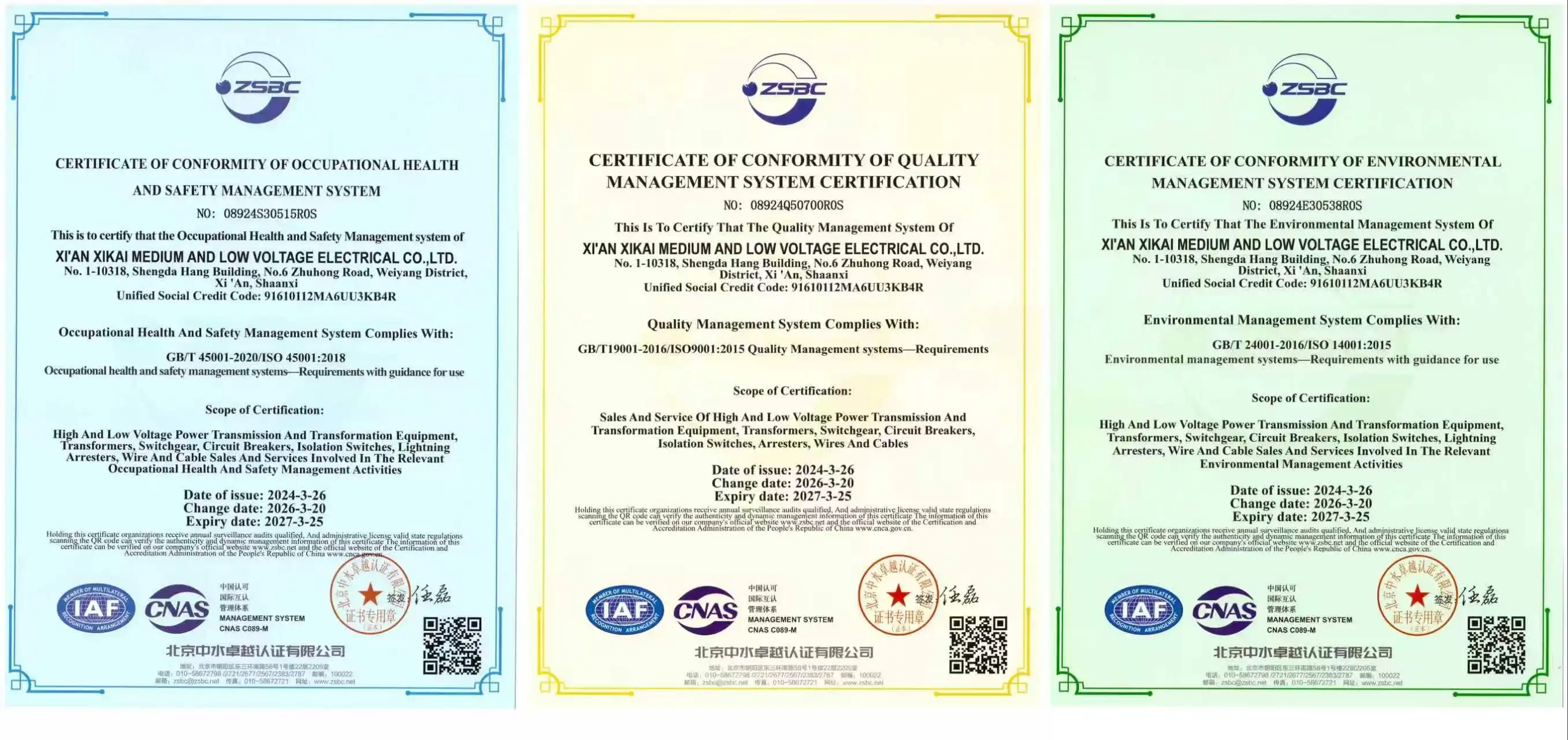
There's more to choosing a disconnect switch provider than just looking at datasheets. Quality security in manufacturing is important. ISO 9001-certified production makes sure that quality is always the same by writing down methods and inspecting each step of the manufacturing process. The warranty terms show that the maker is confident in their products. The GW5 series has a 30-year working life and all of its parts can be tracked from the raw materials to the final assembly. The total cost of ownership is affected by the availability of technical support. For example, when problems happen in the field, 24-hour emergency response from multilingual engineering teams keep downtime to a minimum. Companies that have been in the business for more than 40 years and have launched more than 200,000 units show that they are reliable in a wide range of situations.
Installation and Maintenance Best Practices for Outdoor Disconnect Switches in Substations
Site Preparation and Foundation Requirements
For a job to be done right, the foundations must be level and strong so that the insulators and operating mechanisms don't have to deal with mechanical stress. Foundation structures must line up within 1mm of each other so that the blade doesn't get stuck while it's moving. Before the bolts are tightened on both the moving and fixed contact sides of the base, they need to be horizontally levelled with precision tools. Modern designs offer the option of installing on both sides, which gives you more options in substations with limited room where space efficiency is important.
Step-by-Step Installation Process
After the foundation is ready, the base is put together, paying close attention to how the insulators are positioned. Support insulators are mounted vertically, with their center lines running perpendicular to the base plane. This makes sure that the stress is spread out evenly. Operating insulators must be able to spin easily around their axial line, with no side-to-side movement that would show that they are not aligned correctly. When installing a conductive blade, it needs to be temporarily supported while it is being placed, and the flange holes need to line up with the radial axle at certain angles. Bent copper plates make maintenance easier in the future because they can be easily replaced without taking the whole thing apart. Before turning on the power, commissioning tests make sure that the mechanical operation, contact resistance, and dielectric withstand are all correct.
Maintenance Schedules to Maximize Equipment Life
When to do routine inspections depends on how often Outdoor disconnect switches are used and how exposed the surroundings is. Utility guidelines say that moderate-duty uses should be inspected every five years, and that short-circuit events should be checked right away. As part of maintenance, insulator surfaces need to be cleaned to get rid of electrical contamination. Connection tightness at terminals also needs to be checked, and conductive grease needs to be applied to contact surfaces. The stainless steel pin and bushing systems don't need to be oiled as often because they don't need to be maintained, and the contact springs can be inspected without taking the system apart. Insulator tracking from pollution buildup and contact wear from improper current breaking are two common failure modes that can be avoided by using the equipment correctly and cleaning it regularly.
Future Trends and Innovations in Outdoor Disconnect Switch Technology for Substations
Smart Monitoring and Predictive Maintenance Integration
Power tools and computer technology are coming together, which is changing how substations are managed. IoT-enabled Outdoor disconnect switches have sensors that measure the temperature of the contacts, the number of working cycles, and the time it takes for the device to move. This information is used by predictive algorithms to find trends of wear and tear before they happen. This lets condition-based maintenance happen, which cuts down on both downtime and checks that aren't needed. Remote tracking lets centralised control of geographically dispersed substations happen, which makes operations more efficient for utility companies that are in charge of thousands of switching locations.
Sustainable Materials and Environmental Considerations
Material innovations in electrical equipment are being driven by government rules and companies' commitments to being environmentally friendly. Because hexavalent chromium is limited, manufacturers are switching to eco-friendly coatings instead of the old chromate conversion coatings that were used to protect against rust. Compared to steel equivalents, aluminium alloy parts are lighter and contain less carbon, but they still do their job as structural elements. Modular designs let you replace parts instead of throwing away the whole device, which extends its useful life and lowers its environmental impact over its entire lifecycle.
Evolving Safety Standards and Global Harmonization
International electrical standards are always changing. The most recent changes put more emphasis on reducing arc-flash hazards and meeting requirements for seismic qualification. The move toward harmonising global standards between the IEC and IEEE systems makes it easier to buy things for multi-national projects by letting a single set of guidelines meet the needs of many different regions. Improvements to safety interlocks that stop accidental activation during maintenance are based on what was learned from investigating incidents. These protect workers through designed measures instead of just following procedures.
Conclusion
Choosing an Outdoor disconnect switch is an investment in the safety, dependability, and practical efficiency of the center. Solutions that last for decades without any problems are different from those that need to be replaced too soon. The most important things to look for are voltage and current ratings that match the needs of the system, environmental resistance through tested materials and coatings, and compliance with strict international standards. Modern designs, like the GW5 High Voltage Disconnect Switch, have parts that don't need to be maintained, visual proof of isolation, and smart tracking options that protect infrastructure investments for the future. When procurement managers, facility operators, and system integrators know these selection criteria, they can choose equipment that protects people and property while keeping the total cost of ownership low over long service lives.
FAQ
1. Can Outdoor Disconnect Switches Be Used in Residential Substations?
Outdoor disconnect switches in home distribution substations usually work at lower voltages (12–35kV), even though they are technically possible to work at higher voltages. For residential uses, small sizes and automatic operation that works with distribution management systems are most important. On the other hand, industrial and utility substations need higher voltage ratings and the ability to manually lockout equipment for maintenance safety. The choice is based on the voltage of the system, the amount of space that is available, and the specific needs of each application.
2. How Do Disconnect Switches Differ From Circuit Breakers in Function?
Disconnect switches cut off circuits when there is no or little load on them, making a clear break for safety during repair. Circuit breakers stop fault currents when something is wrong and put out sparks using special tools. Breakers and disconnect switches work together to keep things safe. Breakers protect against overloads and short circuits, and disconnect switches keep things safe after breakers clear faults. Using a disconnect switch to try to stop load current could cause catastrophic arcing and damage to the equipment, which shows how important it is to follow the right steps in the right order.
3. What Inspection Intervals Do Industry Standards Recommend?
IEEE and IEC standards suggest five-year routine maintenance intervals for outdoor disconnect switches under normal operating conditions, with immediate inspection following system faults or short-circuit events. High-pollution environments may require annual cleaning to prevent insulator contamination. Contact resistance measurements every 5-10 years verify connection integrity, while visual inspections during routine substation patrols identify obvious damage or corrosion requiring attention. Condition-based monitoring through smart sensors enables predictive maintenance that optimizes inspection timing based on actual equipment condition rather than fixed schedules.
Partner With Xi'an Xikai for Reliable Substation Protection Solutions
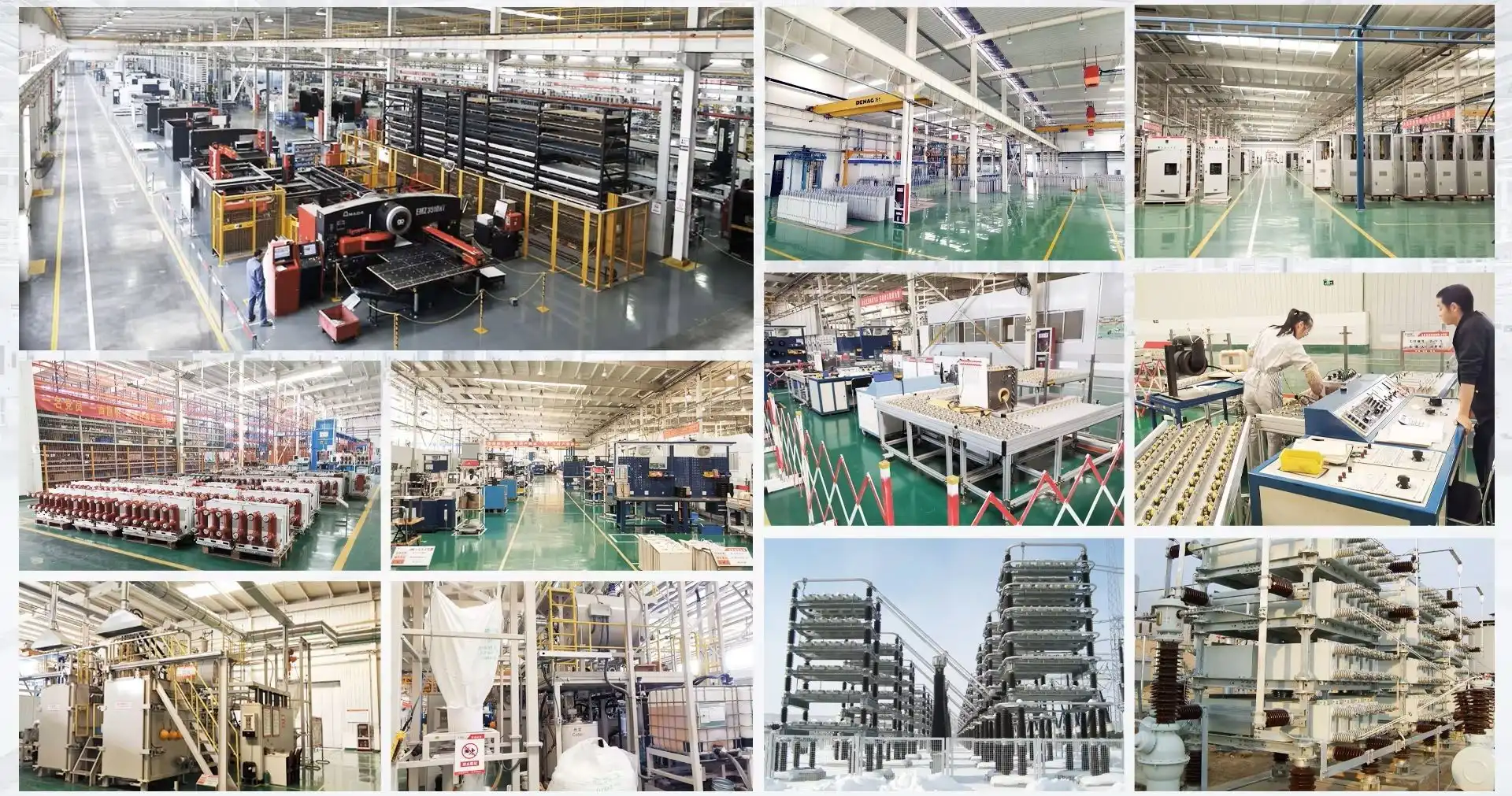
Xi'an Xikai Medium & Low Voltage Electric Co., Ltd. has been making high-quality products for over 40 years and can help you protect your substation. Our GW5 High Voltage Outdoor disconnect switch supplier guarantees certified dependability with hot-dip galvanised construction, stainless steel gearbox systems and maintenance-free aluminium alloy parts that can handle 72.5kV to 126kV. Our production is ISO 9001-certified, meets IEC 62271-102 and IEEE C37.32 standards, and is used in more than 50 countries around the world. This means we can give your vital infrastructure the engineering knowledge and high-quality products it needs. Send an email to serina@xaxd-electric.com, amber@xaxd-electric.com, or luna@xaxd-electric.com to talk about custom purchasing options, competitive pricing for large projects, and technical specifications that are made to fit your substation needs.
References
1. Institute of Electrical and Electronics Engineers, "IEEE Standard for High-Voltage Switches: IEEE Std C37.32-2002," IEEE Standards Association, 2002.
2. International Electrotechnical Commission, "High-Voltage Switchgear and Controlgear - Part 102: Alternating Current Disconnectors and Earthing Switches," IEC 62271-102, 2018 Edition.
3. Zhang, Weiming, "Design and Application of High Voltage Disconnect Switches in Substation Engineering," Electric Power Press, Beijing, 2019.
4. National Electrical Manufacturers Association, "Enclosures for Electrical Equipment (1000 Volts Maximum)," NEMA Standards Publication 250, 2020.
5. Anderson, Paul M., "Power System Protection," IEEE Press Series on Power Engineering, Wiley-IEEE Press, 2022.
6. Grigsby, Leonard L., "Electric Power Substation Engineering: Third Edition," CRC Press, Taylor & Francis Group, 2021.
_1774411186884.png)