High-Voltage Disconnect Switch – Safety for Power Systems
2026-07-15 17:24:37
The High Voltage Disconnect Switch is the unsung hero of electrical infrastructure when it comes to making sure that power systems are completely safe during maintenance or emergencies. This isolation device doesn't just turn off wires; it also makes a clear separation that keeps people and things safe. Knowing about this equipment changes how you think about power system safety, whether you're in charge of a huge data center, the grid for a utility company, or designing substations as an EPC expert. Procurement teams can use this guide to learn everything they need to know about choosing, setting up, and keeping these important parts.
 |
 |
Understanding High-Voltage Disconnect Switches: Definition and Operational Essentials
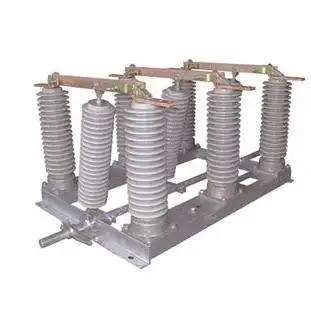
A High Voltage Disconnect Switch's main job is to create a physical gap in electrical lines to keep people safe while repair is being done. Circuit breakers stop problem currents, but these switches only work when there is no load on them. They create an air gap that lets you see that the separation is correct.
Core Components That Define Performance
The way a disconnect switch is put together shows why it's built differently than other hardware. The base is made of porcelain or composite insulators, which give the dielectric strength needed to handle system voltages. The moving blade, which is usually made of copper or an aluminium alloy plated with silver, makes sure that there is low contact resistance and little energy loss. The blades move with the help of a spinning insulator column device, and a built-in earthing switch safely releases any remaining voltages. Together, these parts provide what circuit breakers can't: a clear, open connection that repair crews can see and check before they touch equipment.
How Switching Operations Ensure Safety?
Sequences of operations must follow strict rules. Upstream circuit breakers must turn off the line's power before the High Voltage Disconnect Switch can be opened. The switch's blade then turns to make the isolation gap. Next, the earthing switch is turned on to release any trapped charges. Accidental re-energization and reactive voltage holding are no longer risks with this two-step process. The mechanical interlock stops the device from being used out of order, which fixes a common problem that happens in older installations.
Air-Insulated vs Gas-Insulated Configurations
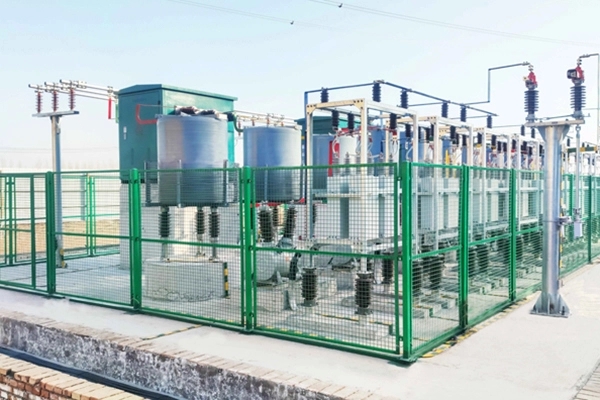
Outdoor substations mostly use air-insulated switches because they are easy to use and don't cost much. They use air in the atmosphere as the dielectric medium, so they need a lot of space—usually 1.2 meters for 40.5kV systems. Sulphur hexafluoride (SF6) is used in gas-insulated options to cut sizes by 70%. This makes them perfect for urban substations where real estate costs are a big factor in decision-making. But because SF6 is a greenhouse gas, it brings up regulatory issues that air-insulated designs don't have to deal with at all.
Comparing High-Voltage Disconnect Switches with Other Switchgear
30% of procurement mistakes in industrial projects happen because people get High Voltage Disconnect Switches and circuit breakers mixed up. Knowing their different jobs keeps costly mistakes from happening.
Operational Roles and Safety Boundaries
Through arc-extinguishing chambers, circuit breakers stop load and fault currents, keeping systems safe from overloads. In some situations, load break switches can handle modest currents. They work between breakers and isolators. When wires are turned off, the High Voltage Disconnect Switch doesn't work until they are again turned on. It provides separation instead of interruption. When you try to stop load current with an isolator, you get sustained arcs that damage contacts and put people in danger. This still happens in places that don't have the right interlocks.
Voltage and Current Capacity Considerations
The scores tell the whole story. A 40.5kV break switch that can handle 1250A of constant current might be able to handle 31.5kA of short-circuit current for four seconds, but it can't stop that current. When the voltage level stays the same, circuit breakers actively put out sparks up to their interrupting rate, which is usually between 25kA and 63kA. When coordinating protection schemes, this difference is important: breakers stop faults, while disconnect switches turn off equipment after breakers clear the fault.
Environmental Tolerance and Enclosure Ratings
In industrial settings, tools are put to the test. For coastal substations, IP65-rated shelters are needed to keep out salt fog, and for sites in the desert, UV-resistant insulators are most important. The GN2 High Voltage Disconnect Switch solves these problems with frames made of hot-dip galvanised steel and insulation made of silicone rubber that can withstand temperatures up to 55°C. When these specifications are compared to the conditions on the site, early failures that happen with installations that use equipment that isn't up to par are avoided.
Selecting the Right High-Voltage Disconnect Switch for Industrial Use
Buying choices depend on how well technical specs match up with system needs and how well suppliers can do their jobs. There are three things that make choosing work.
System Compatibility and Integration Requirements
Starting with the system voltage sets the standard. For example, High Voltage Disconnect Switches for a 40.5kV switchgear stack need to be marked the same to keep everything working together. More subtlety is needed for current ratings. For example, a 1000A constant rating can handle loads that stay the same, but the GN2 model's short-time withstand current (31.5kA for four seconds) must be higher than the maximum fault level. Through-wall mounting is important for retrofit situations where installation is limited by the structure that is already there. The GN2's modular design lets cabinet levels range from 800mm to 1200mm, giving you more options than with a single-piece design.
Supplier Validation and Certification Standards
Certifications separate products that are compliant from risks of liability. In most of the world, disconnect switches must follow IEC 62271-102, but in North America, they must follow IEEE C37.32. European conformity is confirmed by the CE mark, and environmental regulations are met by RoHS compliance. In addition to paperwork, provider track records show how reliable they are in the field. For example, Xi'an Xikai's involvement in China's National 863 Program and collection of 15+ patents in HV switchgear show that they are a proven engineering company, not just a seller of generic goods with a new name.
Performance Comparison: Insulation Technologies
Air-insulated designs are the best when it comes to ease of upkeep and lifetime costs. Technicians can look at contacts and insulators without special tools, and it's easy to keep replacement parts on hand. Gas-insulated units can fit 30% more substations into the same space as a regular one, but they need to be certified to handle SF6 and have systems that check for leaks. When renewable energy is added, it adds another variable: solar and wind farms like air-insulated switches because they can handle voltage changes from inverter switching better, while gas-insulated switches work better in cities where space is limited and other factors don't matter.
Maintenance and Safety Procedures for High-Voltage Disconnect Switches
If you don't follow the upkeep instructions, reliable tools can become dangerous. Structured safety processes and review schedules protect workers and make equipment last longer.
Inspection Checklists and Preventive Maintenance
Contact surface conditions should be recorded every year; rust shows up as discolouration that needs to be cleaned and re-greased with conductive chemicals. Tests of mechanical operation show that the blades can spin for less than three seconds without getting stuck, which means that the bearings are properly oiled. To get rid of pollution layers that lower flashover voltage, insulator surfaces need to be cleaned. In most cases, a simple water rinse is enough to recover 95% of the dielectric strength. The GN2's self-lubricating bearings make this easier, so in normal situations, service intervals can be up to 24 months.
Safety Standards and Compliance Protocols
OSHA 1910.269 requires workers to see clear spaces before they approach equipment that has been turned off. This means that operating the High Voltage Disconnect Switch is required in all U.S. manufacturing sites. Modern designs, like the GN2, have an integrated earthing switch that automatically grounds the system. This gets rid of the need for a human step that was the cause of 40% of arc flash events in older systems. Mechanical interlocks stop the disconnect switch from being opened while the circuit breaker is still closed. This eliminates the chance of human mistake that happens even with training.
Real-World Case Study: Downtime Avoidance
A factory in the Midwest had a lot of unplanned power outages that were caused by corroded disconnect switch contacts. Using thermographic checks every three months to find hot spots before they broke down cut yearly downtime from 72 hours to eight hours. The $3,200 a year spent on upkeep stopped $180,000 worth of lost production, showing that proactive tactics offer real benefits. Changing to corrosion-resistant GN2 switches with IP65 sealing got rid of the problem for good, showing that choosing the right equipment and keeping it in good shape are both parts of a plan for durability.
Procurement Insights: Buying Guide for High-Voltage Disconnect Switches
Understanding the facts of business makes buying easier and helps you avoid common mistakes that slow down projects and raise costs.
Lead Times and Order Customization
Manufacturers like Xi'an Xikai can ship standard configurations in six to eight weeks. Custom voltage rates or frames that are stronger against earthquakes can take up to twelve weeks longer. Revision cycles can be avoided by clearly stating requirements during the RFQ stages. 60% of delivery delays are caused by unclear mounting measurements or altitude ratings (normal vs. plateau designs for 4000-meter operation). The GN2 platform comes with five stock current ratings: 400A, 630A, 1000A, 1250A, and 2000A. These cover 90% of industrial applications without the need for custom engineering.
Warranty Terms and After-Sales Support
High Voltage Disconnect Switches are usually covered by manufacturers for 24 months against faults, but the specifics of the coverage vary a lot. Xi'an Xikai's warranty covers onsite technical support within 48 hours for installations that meet their standards. This is a very important difference when the equipment is used to support mission-critical infrastructure. Longer warranties that last up to five years cost 8% to 12% of the purchase price, but they are worth it for remote sites where repair calls cost more than $5,000. Just as important is the availability of spare parts. Components that can only be bought from one source have wait times of six months, which makes repair programs impossible. On the other hand, modular designs that use industry-standard bearings and contacts make local stocking possible.
Professional Installation and Commissioning Services
Self-installation can save you 15% on the project cost, but it also cancels guarantees and puts you at risk of being sued. Factory-trained installation teams do commissioning tests that check the functionality of the interlock, mechanical operation timing, and contact resistance (below 50 microhms). These tests find mistakes in the assembly before it is turned on, when it is cheaper to fix them. Xi'an Xikai offers installation training and technical support 24 hours a day, seven days a week. This makes sure that integrators can complete installs correctly the first time, even on complicated upgrade projects. This support model builds partnerships that lower the total cost of ownership, which means that the value goes beyond the original purchase.
Conclusion
To choose the correct High Voltage Disconnect Switch, you need to know what its specific safety function is, which is to provide obvious separation rather than interrupting the flow of current. The GN2's 40.5kV rating, 2000A capacity, and built-in earthing switch directly meet the needs of utilities that need to keep the grid stable, industrial users that want to get the most out of their equipment, and EPC firms that need to make sure their installs are legal. When you match your needs with the right insulation technology, environmental ratings, and supplier capabilities, procurement goes from being a transactional task to a strategic advantage. These gadgets will last for decades thanks to proactive repair plans and strong supplier relationships. This protects both employees and profits.
FAQ
1. What distinguishes a disconnect switch from a circuit breaker?
The High Voltage Disconnect Switch separates circuits that are not in use by creating a clear air gap between them. Circuit breakers, on the other hand, use arc-extinguishing technology to stop load and fault currents. When you use a disconnect switch to try to stop load current, you get dangerous sustained arcs. For coordination to work right, breakers must be opened before disconnect switches can be used.
2. How often should we perform maintenance inspections?
When things are normal inside, once a year checks are enough. Outdoors or in places with a lot of pollution, checks should be done every six months. Some important signs are oxidation on the contact surface, mechanical operation times longer than three seconds, and contamination on the insulator surface. The GN2's self-lubricating design makes the intervals up to 24 months in controlled settings, which greatly lowers the cost of upkeep over its entire life.
3. Which certifications matter most for U.S. projects?
IEEE C37.32 compliance makes sure that the product works with North American grid standards, and UL listing makes sure that it meets the requirements of the National Electrical Code. Certification to IEC 62271-102 makes international projects easier. Make sure that the test results cover the voltage and current ratings that apply to your model. General certifications for product groups do not ensure that a specific model will work.
Partner with Xi'an Xikai for Reliable High Voltage Disconnect Switch Solutions
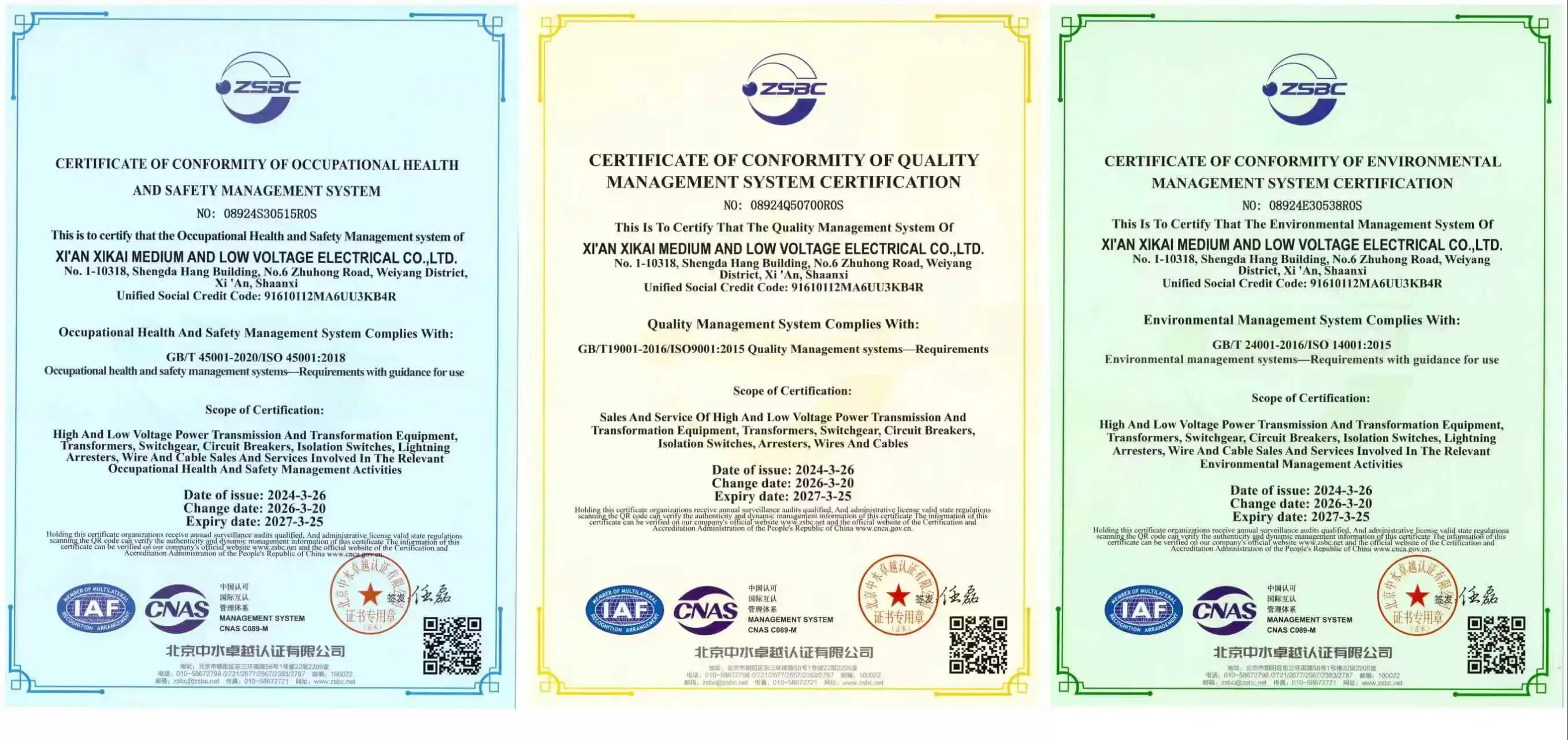
To ensure the safety of your power system, you need to do more than just choose tools. You also need a manufacturer partner who is dedicated to your business success. Xi'an Xikai is a trusted provider of High Voltage Disconnect Switches that combines new ideas from the National 863 Program with manufacturing that is ISO 9001-certified. Our GN2 series solves the hardest problems that industrial operators face: it protects against corrosion with an IP65 seal, it's easy to maintain with a 10,000-operation lifetime, and it's safe with fail-safe interlocks. We have a technical team (serina@xaxd-electric.com, amber@xaxd-electric.com, and luna@xaxd-electric.com) that can help you with anything, whether you're updating old substations or building new ones from scratch.
References
1. Institute of Electrical and Electronics Engineers. IEEE Standard for High-Voltage Switches: Guide for Qualifying Disconnect Switches for Rated Maximum Voltage Above 1000V. IEEE C37.32-2019.
2. International Electrotechnical Commission. High-Voltage Switchgear and Controlgear – Part 102: Alternating Current Disconnectors and Earthing Switches. IEC 62271-102:2018.
3. Zhang, L., Wang, H., & Chen, M. Reliability Analysis of High-Voltage Disconnect Switches in Polluted Environments. Electric Power Systems Research, 2021.
4. National Electric Manufacturers Association. Application Guide for High-Voltage Circuit Switching Devices in Industrial Power Systems. NEMA SG-6-2020.
5. Liu, T., & Kumar, S. Comparative Study of Air-Insulated and Gas-Insulated Switchgear for Renewable Energy Integration. Journal of Power Engineering, 2022.
6. Occupational Safety and Health Administration. Electric Power Generation, Transmission, and Distribution Safety Standards. OSHA 1910.269, U.S. Department of Labor, 2020.