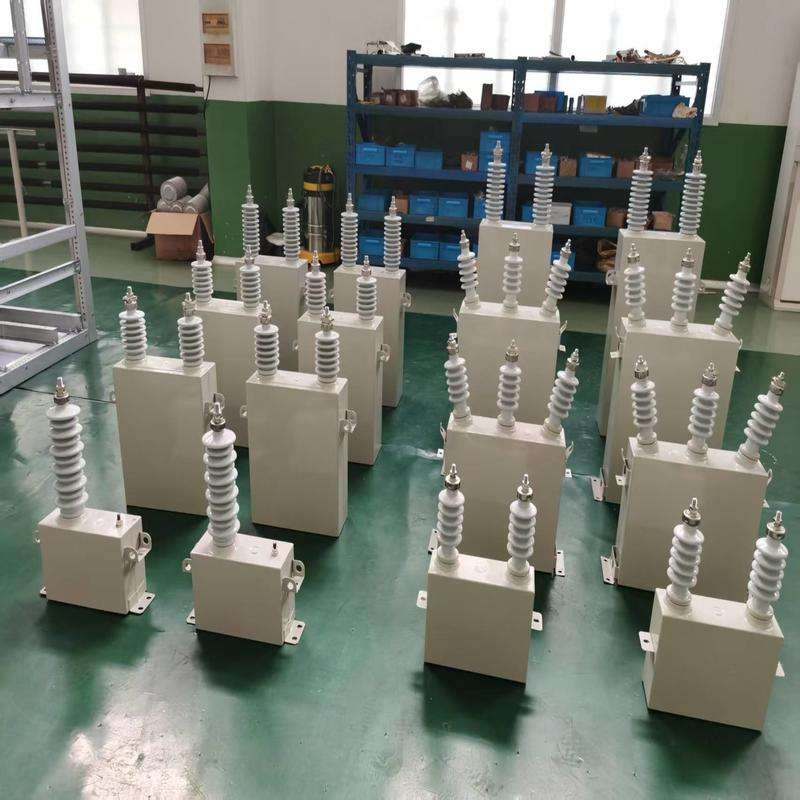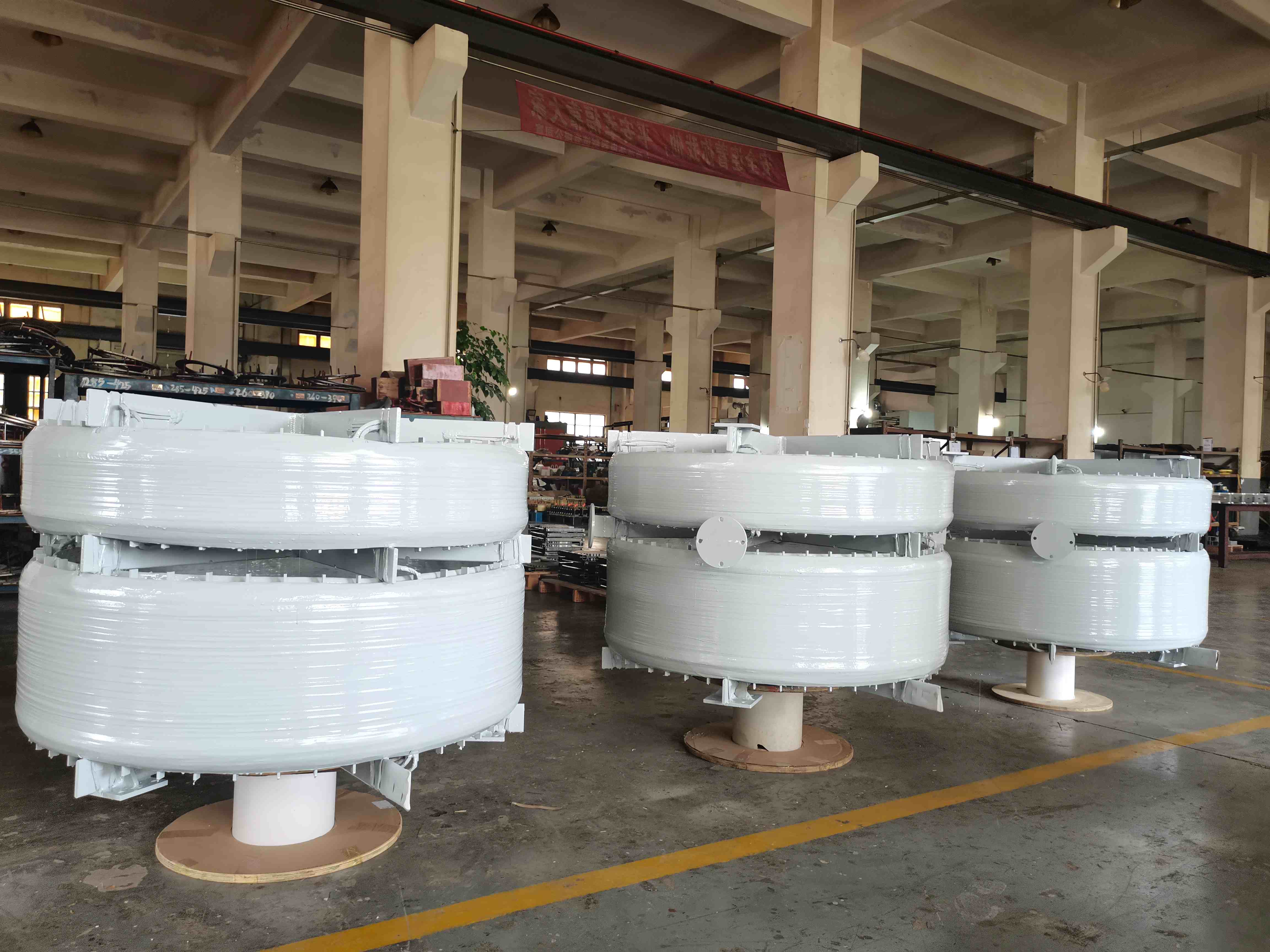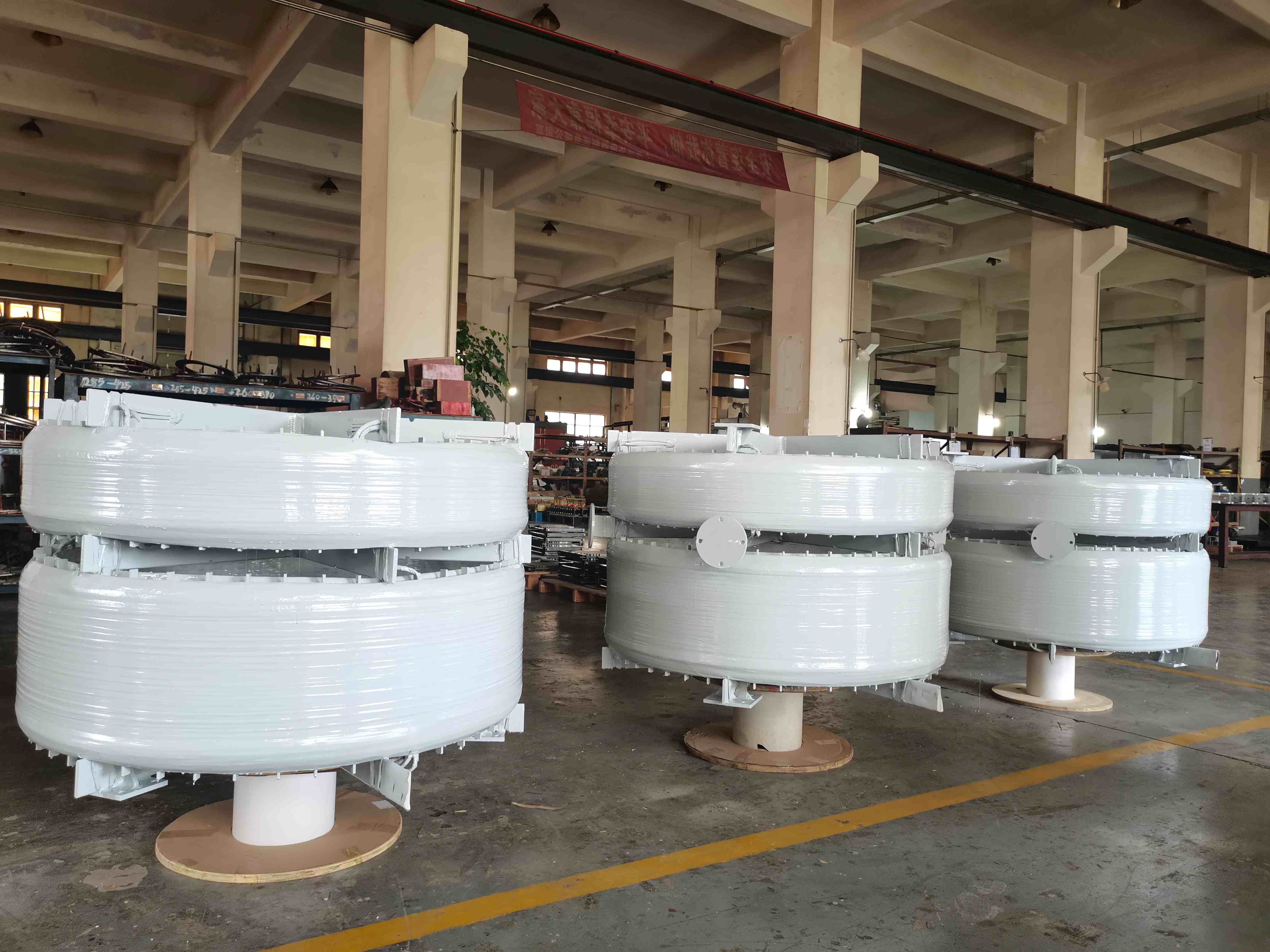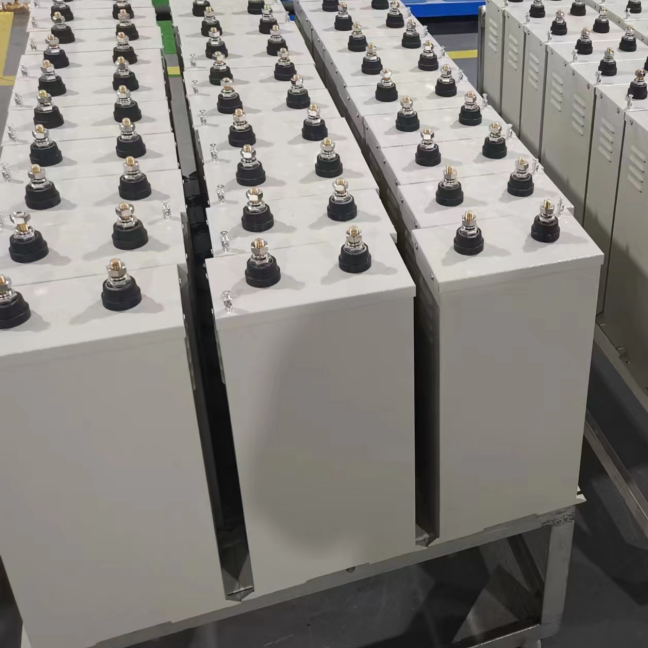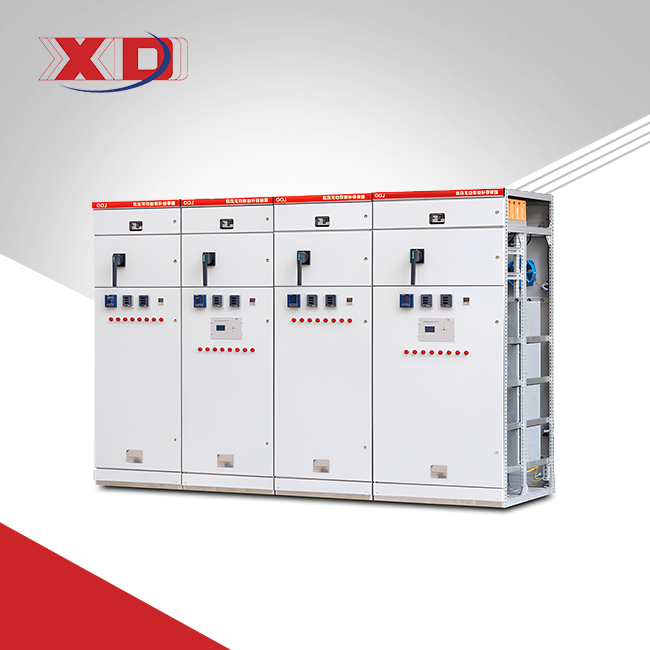
GGJ Low Voltage Reactive Power Intelligent Compensation Device
How to Select the Right Capacitor Voltage Transformer for Your Needs
2026-06-08 17:31:21
Choosing the right capacitive voltage transformer requires careful evaluation of your system's voltage rating, environmental conditions, accuracy requirements, and operational demands. Whether you manage a data center, utility substation, or manufacturing facility, understanding how CVTs deliver precise voltage measurement through capacitor dividers and electromagnetic circuits is fundamental. Matching technical specifications—such as insulation strength, transient response, and compliance with IEC 61869 or IEEE standards—to your application ensures reliable performance, minimizes downtime, and protects sensitive equipment from voltage irregularities.
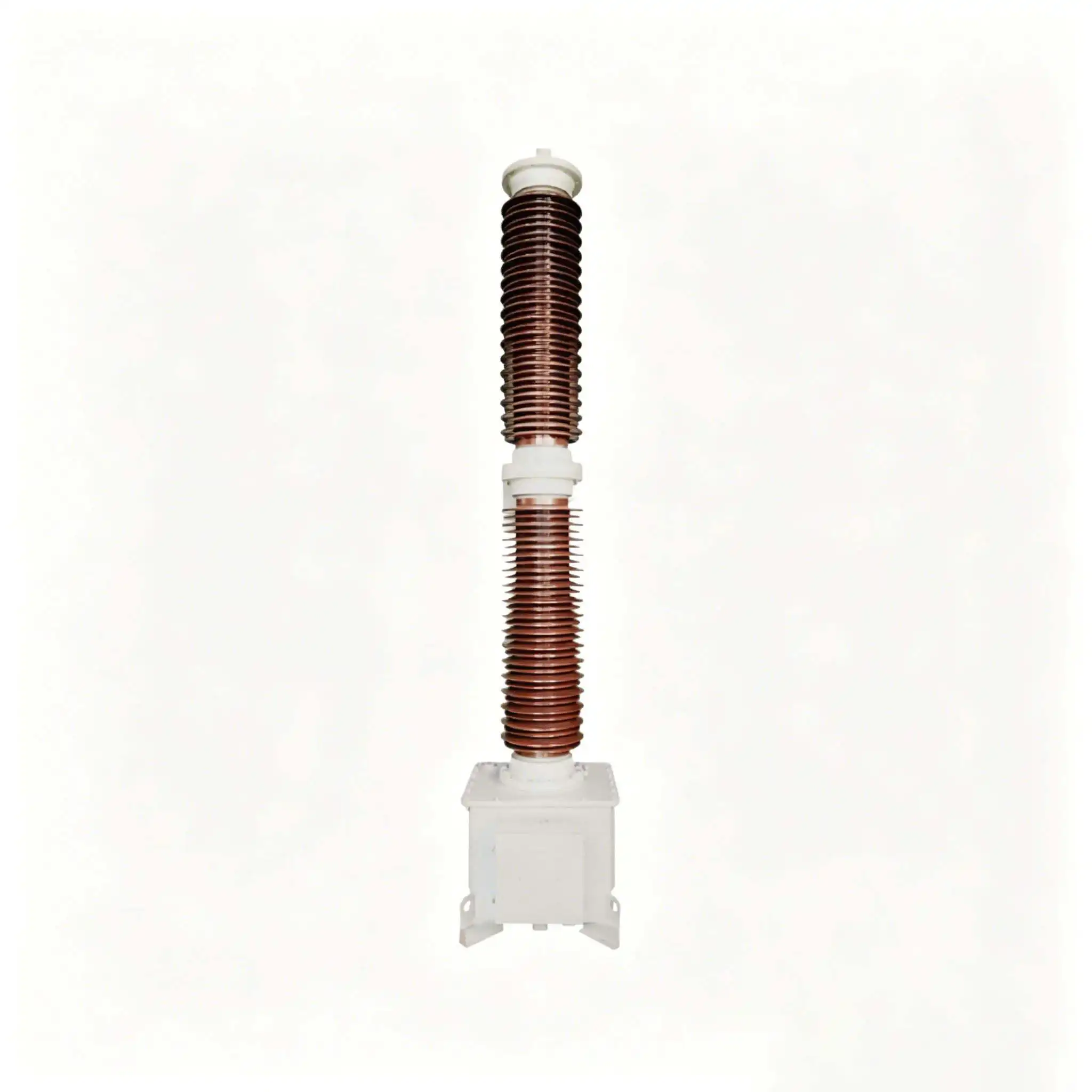
Understanding Capacitive Voltage Transformers and Their Importance
How Capacitive Voltage Transformers Operate
A capacitor divider network and a middle transformer work together to lower high transmission voltages to safe levels that can be measured. Capacitive voltage transformers use high-voltage capacitors protected with ultra-low-loss dielectric materials to step down voltage, unlike electromagnetic options that only use magnetic coupling. This modular method has a damping device that stops ferroresonance and voltage spikes, which makes sure the signal output is stable. Typical voltage levels are between 35kV and 550kV, and accuracy classes for metering range from 0.1 to 0.5. For safety uses, precision classes range from 3P to 6P. Knowing these operating principles helps procurement teams match the skills of tools with the needs of the grid.
Applications Across Power Systems
CVTs are most common in substations, where room is limited, and dependability is important. Their small size—often 60% smaller than inductive voltage transformers—lowers the cost of installation and makes it easier to make changes to buildings that are already there. By giving correct voltage data to automatic compensation systems, CVTs get rid of power factor fees in factories. Utility companies count on CVTs to keep the grid stable when the load changes. Commercial buildings gain from operating at less than 45dB, which meets NFPA 70 fire codes. Surge currents of up to 100 times the rated capacity can flow through these devices. This makes them essential for keeping computers, medical equipment, and other sensitive gear safe from short-term overvoltages.
Compliance with International Standards
CVTs can handle earthquakes, high temperatures, and electromagnetic pollution as long as they follow the rules set by IEC 61869 and IEEE 693. Certifications like CE, UL, and RoHS prove that a product is safe and good for the environment, which are very important when buying things for international projects. Products that meet GB/T standards work with Chinese power grids, and products that meet IEC 60815 pollution rates will work in seaside or industrial areas where salt, dust, or chemicals are present. For B2B buyers who want to reduce risk, third-party testing results from approved labs should be used to confirm the manufacturer's certifications. These identities make operations reliable and protect against compliance mistakes that could delay projects.
Key Criteria for Selecting the Right Capacitive Voltage Transformer
Evaluating Voltage Rating and Frequency Requirements
The rated voltage of your system decides how the CVT's main capacitor is set up. To stop flashovers, a 110kV capacitive voltage transformer made for transmission networks has an insulation strength greater than 110kV and a creepage distance greater than 25mm/kV. To avoid measurement mistakes, frequency specs—usually 50 Hz or 60 Hz—must match grid conditions. When voltage values don't match, insulation breaks down too soon, and when frequency settings are wrong, phase angles get messed up, which causes relays to stop working. Before choosing tools, engineering teams should do load flow studies to find out what the high voltages and harmonics are. Environmental factors, like altitude—our plateau-type CVTs work consistently up to 4,000 meters—also have an effect on temperature management and insulation gaps.
Comparing Transformer Technologies
In high-voltage situations, CVTs work better than electromagnetic transformers because they are lighter and don't have any oil-filled parts that could catch fire. When the voltage is low, inductive voltage transformers are more accurate, but they become too expensive above 145kV because the core gets too hot. Optical voltage transformers use fiber optics to block electromagnetic interference, but they need special tuning tools that aren't always available. A lifecycle cost study shows that CVTs have many benefits, including low upkeep, a service life of 30 years or more, and the ability to work with current protective relays. Their 3PT1-level transient response—with leftover voltage below 2%—ensures quick coordination of relays during grid faults, which is something that electromagnetic units have a hard time matching.
Environmental Conditions and Mechanical Strength
The operating climate determines the materials and finishes used to build CVTs. For devices to work in coastal substations, they need anti-pollution silicone rubber housings that meet IEC 60815 standards. For sites near chemical plants, they need hardware that doesn't rust. A temperature range from -40°C to +55°C, proven by thermal cycle tests, keeps the dielectric from breaking down in harsh environments. In earthquake zones, where IEEE 693-compliant systems can handle horizontal accelerations of more than 0.5g, mechanical strength is very important. Our CVTs have high-mechanical-strength capacitor separators and frames that are designed to withstand shocks and vibrations that happen during shipping by rail or sea. These features cut down on warranty claims and make assets last longer in tough conditions.
Market Overview: Leading CVT Suppliers and Product Models in 2026
Global Manufacturers and Technological Differentiation
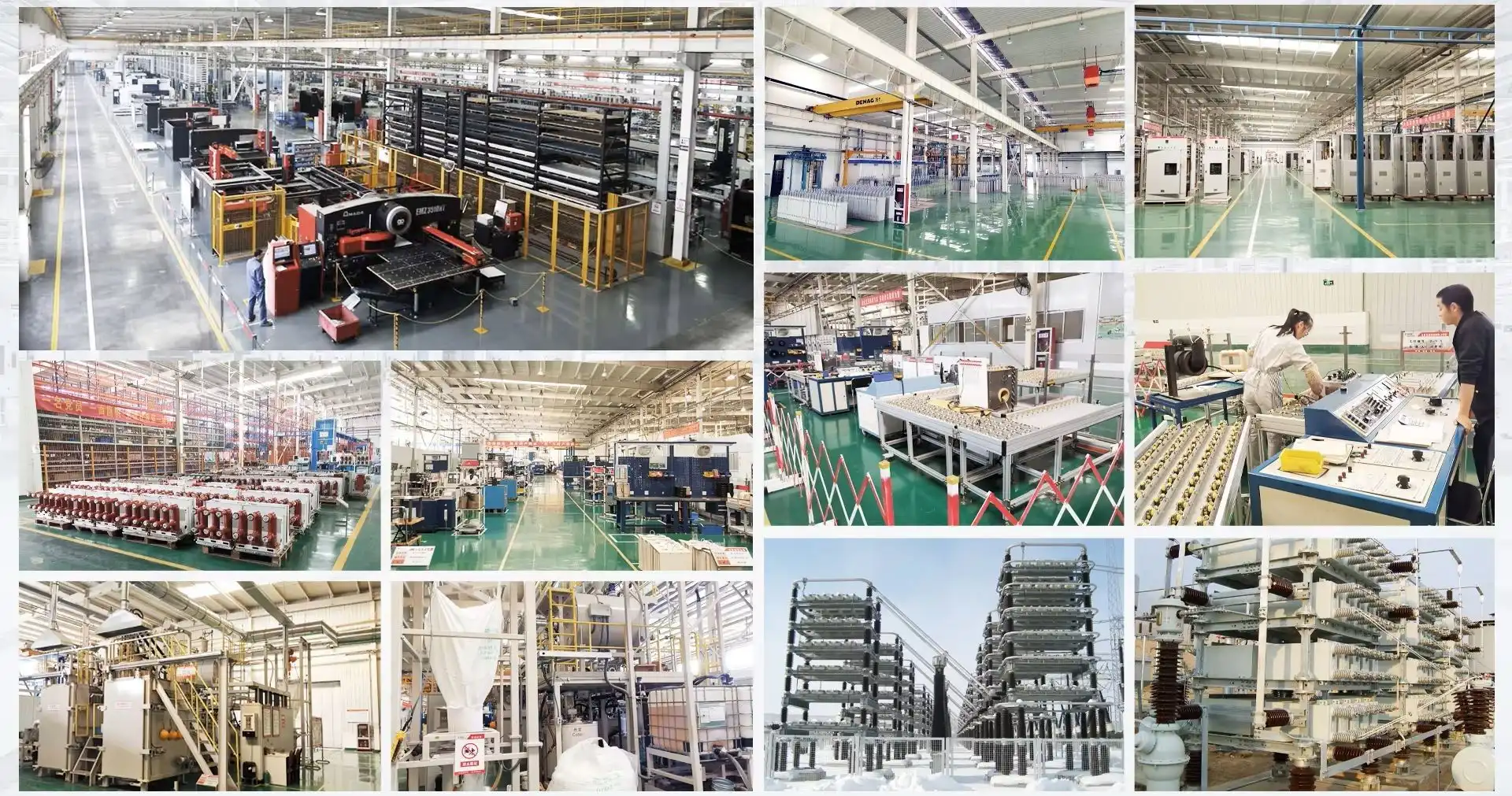
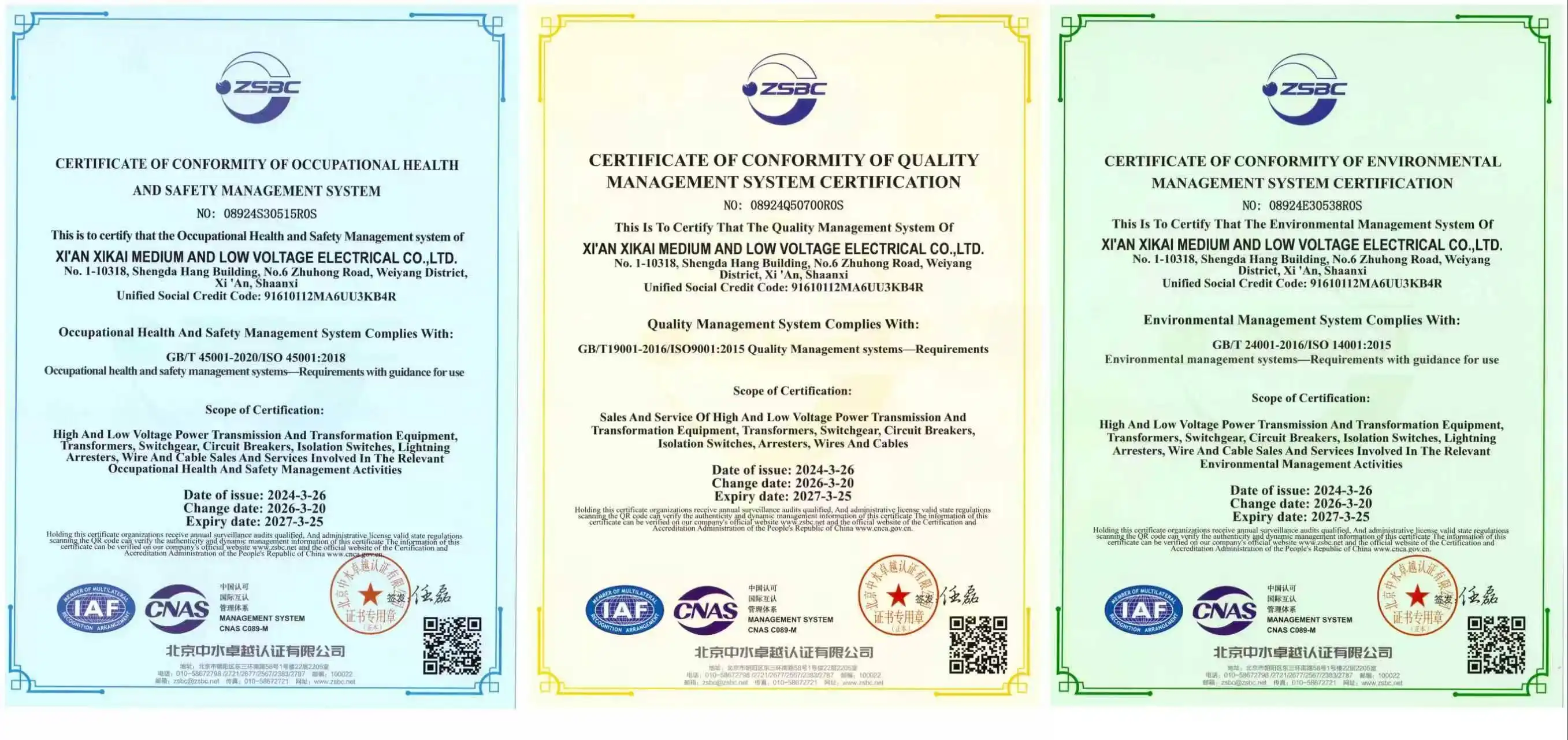
Siemens and ABB control the European market for CVTs with digital output connections for smart grid integration. GE and Schneider Electric, on the other hand, focus on North American utilities that need UL approval. Asian companies like Toshiba, Hitachi, and Xi'an Xikai offer low-cost options that don't skimp on quality. They have ISO 9001, ISO 14001, and ISO 45001 certifications to back this up. The 110kV capacitive voltage transformer from Xi'an Xikai has a dielectric loss of less than 0.08% tanδ and a partial discharge of less than 5pC. It has the same specs as high-end European names but costs less. Some problems that people often have are measurement drift over time and not being able to work with older safety systems. Our patented damping technology and on-site recalibration stations solve these problems.
Performance Benchmarking and Application Suitability
When you compare the best models from 2026, you can see that accuracy, cost, and environmental stability are all trade-offs. Premium CVTs from Siemens have 0.1-class accuracy in measuring, but they cost 40% more than Chinese goods that do the same thing. The JDZX9-35RW model from Xi'an Xikai is a good compromise between performance and price. It has 0.2-class accuracy, which is good for income metering, and 3P-class windings for distance safety. Because it has an outdoor-rated enclosure (W suffix) and casting insulation (Z name), it can be installed in substations that are out in the open without the need for extra buildings. Low dielectric loss is important for data centers to cut down on energy waste, while hospitals need materials that don't catch fire and meet strict fire safety standards. By matching CVT specs to application goals, you can avoid over-engineering, which raises capital costs, and underperformance, which lowers reliability.
Procurement Considerations: Where and How to Buy Capacitive Voltage Transformers
Pricing Dynamics and Lead Time Planning
CVT prices depend on the voltage class, the level of accuracy, and the level of modification. Standard 110kV units usually ship between 8 and 12 weeks. Custom designs, like those with remote tracking sensors or fixing brackets that aren't standard, can take up to 16 weeks longer. When you place a bulk order with a maker like Xi'an Xikai, you can get savings and faster production times. Problems in the supply chain that affect the sale of capacitor film or SMC molding compounds can cause shipping delays. For projects that need to be finished quickly, it is important to buy these things early. Payment terms usually include 30% deposits, with the rest due after the goods have been tested and approved by the factory. This protects buyers from errors and keeps makers' cash flow steady while they buy good materials.
Sourcing Strategies: Local Distributors vs. Global Manufacturers
Local distributors can bring goods faster and make operations easier, but they charge 15–25% more than the factory price. Working directly with suppliers around the world lowers costs and lets you make technical changes, like changing the creepage distance for different pollution levels or adding communication standards like IEC 61850. Xi'an Xikai offers full system solutions for turnkey substation projects by combining CVTs with circuit breakers and switchgear. This bundled method makes managing vendors easier and makes sure that all the parts work together, so there aren't any of the integration problems that come up with buying from more than one seller. EPC companies benefit from having a single point of responsibility, and utilities get lifetime support, such as training for installation and programs for predictive maintenance.
Logistics and Quality Assurance
Specialized packing is needed to ship fragile electrical equipment. Shock-absorbing boxes, moisture barriers, and tilt signs keep the equipment from getting damaged during transport. When you need to replace something quickly, air freight is best, while ocean shipping is cheaper for big jobs. As part of Xi'an Xikai's quality assurance procedure, capacitor elements are X-rayed, tested for partial discharge by approved labs, and put through an environmental simulation that mimics temperature cycling, vibration, and pollution exposure. Insist on plant acceptance tests that are watched by your engineering team to make sure that the rules are followed before shipment. Certificates of conformity showing compliance with IEC 61869 and material tracking records provide audit trails that regulators and insurance companies are happy with.
Practical Tips for Ensuring Long-Term Satisfaction with Your CVT Investment
Commissioning and Installation Best Practices
The first step in a professional installation is to compare the site conditions to the capacitive voltage transformers weather grades. To stop voltage transients, grounding systems must have resistance below 1 ohm, and according to IEEE 693, supporting structures must have earthquake bracing. Specifications for terminal connections, like 15-20 Nm for secondary circuits, keep contacts from coming free, which can cause heat and lower accuracy. During commissioning tests, secondary injection is used to make sure the ratio is correct, precise analyzers are used to check the phase angle, and insulation resistance readings greater than 10GΩ are taken for capacitive voltage transformers. The expert support team at Xi'an Xikai walks customers through these steps over video calls or in person, cutting the time it takes to set up from days to hours. Documenting correctly, including initial measures and configuration settings, makes it easier to fix problems and do audits for legal compliance in the future.
Preventive Maintenance and Diagnostics
Ultrasonic monitors should be used for yearly checks to make sure the insulation is clean, the terminals are tight, and there are no partial discharges. Trending readings of dielectric loss show that insulation is breaking down before it fails, which lets you change parts before they break. Thermographic scans find spikes that mean there is too much current or bad connections. Oil analysis (for fluid-filled CVTs) finds contamination or moisture getting in. Xi'an Xikai's remote tracking systems send accurate voltage, temperature, and partial discharge data to SCADA platforms in real time, which sets off repair alerts. These prediction tools make CVTs last longer than 30 years and cut down on unexpected breakdowns that cost businesses thousands of dollars an hour in lost production.
Upgrade and Replacement Strategies
Because of improvements in technology like digital output ports and self-healing capacitors, CVTs that were installed before 2010 should be upgraded. Adding new units to old systems makes measurements more accurate, boosts cyber security through protected messaging, and works with smart grid projects. For lifetime upgrades, budget planning should set aside 2% to 3% of the value of the asset every year. This way, you can avoid having to buy things quickly and at high prices. Xi'an Xikai has trade-in programs where used CVTs can get credit toward new purchases. This helps with environmental goals and lowers the cost of removal. Engineering teams should keep an eye on how industry standards change, like when IEC 61869-5 is updated, so they can predict when compliance requirements will make equipment obsolete.
Conclusion
To meet the needs of utilities, industrial facilities, and business buildings, choosing the right capacitive voltage transformer means finding a balance between technical specs, environmental durability, and lifecycle costs. Purchasing professionals get equipment that will last for decades by focusing on voltage values that meet system needs, making sure that the equipment meets IEC and IEEE standards, and checking the dependability of the seller by looking at their certifications and support options. This balance is shown by Xi'an Xikai's 110kV CVT, which has unique damping technology, a design that doesn't pollute, and reasonable prices backed by full expert support. When you use strategic sourcing, like working directly with manufacturers or known distributors, you can get the best shipping times and budget allocation. Predictive diagnostics and skilled testing help with proactive maintenance that gets the best return on investment and keeps the grid stable and operations going.
FAQ
1. What distinguishes capacitive voltage transformers from electromagnetic types?
When voltage is stepped down, capacitive voltage transformers use capacitor dividers. They are smaller and lighter than electromagnetic transformers, which use iron cores. When the voltage is higher than 110kV, electromagnetic systems aren't realistic because the insulation is too bulky and expensive. This is where CVTs come in handy. The capacitor-based method gets rid of parts that are filled with oil, which lowers the risk of fire and makes environmental compliance easier.
2. How do I determine the appropriate accuracy class for my application?
For billing purposes, revenue metering needs an accuracy class of 0.1 or 0.2, but safe relaying can handle classes of 3P or 6P. When both tasks are needed, applications call for dual windings with different accuracy rates. As too much impedance hurts precision, think about burden, which is the load linked to secondary circuits. For more information on what accuracy means and how to test it, see IEC 61869-3.
3. Can CVTs be customized for unique power system requirements?
Customization options from companies like Xi'an Xikai include voltage ratios that aren't standard, residual voltage windings for finding ground faults, and contact units for tracking from afar. Give details about the climate, like how cold it is or how much pollution there is, to get insulation and building materials that are made just for you. Custom designs add to the time it takes to make something, but they make sure it works perfectly in certain situations.
Partner with Xi'an Xikai for Reliable Capacitive Voltage Transformer Solutions
Xi'an Xikai makes 110kV capacitive voltage transformers that are precisely designed to meet the needs of utilities, industrial operators, and EPC firms that put stability and cost-effectiveness first. With more than 40 patents for innovations in damping technology and insulation design, we can guarantee 3PT1-level transient response and a service life of 30 years or more. This is all backed up by ISO 9001 quality management. Our expert team can help you with everything, from reviewing your specifications to putting the JDZX models into service. This is true whether you need normal models or custom configurations for plateaus up to 4,000 meters. Get in touch with our purchasing experts at serina@xaxd-electric.com, amber@xaxd-electric.com, or luna@xaxd-electric.com to talk about your project needs and get quotes from a reliable capacitive voltage transformer source.
References
1. International Electrotechnical Commission, "IEC 61869-5: Instrument Transformers – Additional Requirements for Capacitor Voltage Transformers," 2018 Edition.
2. Institute of Electrical and Electronics Engineers, "IEEE Standard 693: Recommended Practice for Seismic Design of Substations," 2018 Revision.
3. Zhang, L., & Wang, H., "Transient Performance Analysis of Capacitive Voltage Transformers in Smart Grid Applications," Journal of Electrical Engineering & Technology, Vol. 16, 2021.
4. National Electrical Manufacturers Association, "NEMA Standards Publication VT 1-2019: Voltage Transformers for Revenue Metering," 2019.
5. Brown, R., "Asset Management Strategies for High-Voltage Substations: Lifecycle Cost Optimization," IEEE Power & Energy Magazine, November 2023.
6. Liu, Y., Chen, Q., & Zhao, X., "Dielectric Loss Characteristics of Modern CVTs Under Pollution and Humidity Stress," International Conference on High Voltage Engineering, 2022 Proceedings.