How to Use High Voltage Disconnect Switch Safely Guide
2026-05-06 16:57:36
When using electrical isolation equipment in a business setting, you need to be careful and precise. As the foundation of safe maintenance, a High Voltage Disconnect Switch makes a clear physical separation between equipment segments that are not connected to any circuits and those that are. Breakers automatically stop fault currents, but this device is very different from breakers. High-Voltage Disconnect Switches only provide a manual isolation point after circuits are turned off. Understanding this difference keeps operators from making terrible mistakes that could put people's safety and the integrity of the system at risk. Modern units have pantographs with two blades that create air gaps that show that the unit is isolated, and their enclosed transmission systems keep environmental contaminants from getting to the internal parts.
Understanding High Voltage Disconnect Switches
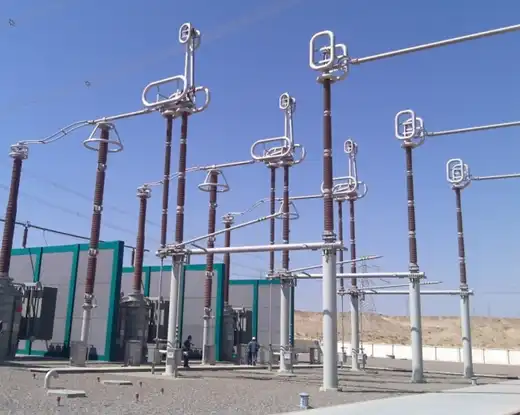
Specialized isolation devices are needed to keep industrial power systems safe while maintenance work is being done. There is a lot more to these parts than just turning them on and off.
Core Functionality and Design Principles
The High Voltage Disconnect Switch provides mechanical isolation by physically separating conductors rather than interrupting fault currents. It uses lightweight aluminum alloy conductors that are corrosion-resistant and about 40% lighter than copper, improving installation efficiency and reducing structural load. Pantograph mechanisms ensure synchronized blade movement for clear, visible air gaps. Self-lubricating bushings enable up to 10,000 operation cycles with minimal maintenance. These features improve installation flexibility in uneven substations and ensure long-term reliability with reduced mechanical wear.
Applications Across Industrial Sectors
Industrial systems face different power quality challenges. Manufacturing plants experience harmonic distortion from CNC equipment, while modern switches handle surge currents up to 100 times rated capacity, protecting sensitive devices. Pharmaceutical facilities rely on stable isolation to prevent process disruption. Renewable energy substations require High Voltage Disconnect Switch equipment that operates from -40°C to +85°C, resisting dust and salt corrosion. Data centers benefit from modular isolation, enabling maintenance without downtime and ensuring uninterrupted operation of critical IT infrastructure.
Distinguishing Device Categories
Isolation switches, load-break switches, and circuit breakers serve different functions. Circuit breakers interrupt fault currents using SF6, vacuum, or oil technologies, while load-break switches operate under normal load conditions. The High Voltage Disconnect Switch provides only no-load isolation and must follow strict operational rules. Misapplication can lead to arc flash hazards. Proper selection ensures correct system design: breakers for faults, load-break switches for operational switching, and disconnect switches for maintenance isolation, especially in high-voltage substations.
Importance of Safety When Using High Voltage Disconnect Switches
At high voltage levels, where energy concentrations can instantly vaporize conductive materials, electrical dangers get a lot worse. Professional operations are kept safe from tragedies that could have been avoided by following a set of rules for safety.
Prevalent Operational Hazards
Arc flash is the most dangerous risk, producing plasma temperatures above 35,000°F that vaporize metal and eject molten debris. Modern High Voltage Disconnect Switch systems include interlocks, but human error in lockout procedures can still bypass protections. Mechanical issues such as misalignment or insulation cracks may develop from thermal stress. Porcelain insulation can fail internally without visible signs. Even durable materials require regular inspection and maintenance to prevent catastrophic switching failures.
Essential Safety Protocols
Personal protective equipment is critical, including arc-rated clothing, dielectric gloves, and face shields to protect against thermal and electrical hazards. Lockout/tagout systems ensure circuits remain de-energized through physical locking and warning tags. Voltage verification using certified detectors is mandatory before work begins. Relying on visual confirmation alone has caused fatal accidents, making strict procedural compliance essential for safe High Voltage Disconnect Switch operation in all high-energy environments.
Case Studies in Safety Adherence
A 2019 factory accident occurred due to missed backfeed isolation, resulting in severe injuries. In contrast, a utility implementing dual verification—control center confirmation and on-site testing—eliminated incidents across 240 substations in three years. This demonstrates that structured switching procedures significantly reduce human error and improve operational safety in high-voltage systems.
Step-by-Step Guide to Using High Voltage Disconnect Switch Safely
Systematic operational procedures make safety principles work in the real world. There are important checkpoints in every step of the switching sequence that stop dangerous situations from happening.
Pre-Operation Inspection Requirements
Inspection ensures safe operation before energizing equipment. Check insulators for cracks, contamination, or tracking marks. Conductors must be clean and corrosion-free. Blade alignment must be verified to ensure proper mechanical positioning. Mechanical testing confirms smooth operation without binding. Electrical verification ensures correct voltage conditions. Coordination with control centers is essential to avoid communication errors during High Voltage Disconnect Switch operations.
Executing Safe Switching Operations
Circuits must be fully de-energized before operation. Upstream breakers are opened first, followed by voltage verification. A waiting period allows residual charges to dissipate. Earthing switches ground isolated conductors to eliminate induced voltage. Mechanical interlocks prevent unsafe operations, but manual verification is still required. Load-rated switching requires coordination with dispatchers. Improper use of standard High Voltage Disconnect Switch equipment under load conditions can lead to destructive failure.
Post-Operation Maintenance Verification
Post-operation checks identify wear such as contact pitting or oxidation. Thermal imaging detects hidden overheating caused by loose or corroded connections. Annual lubrication maintains mechanical performance. Maintenance records track operational cycles toward the 10,000-cycle standard. Data analysis helps identify aging units for replacement before failure occurs, ensuring long-term system reliability.
Comparing High Voltage Disconnect Switches: Selection Criteria
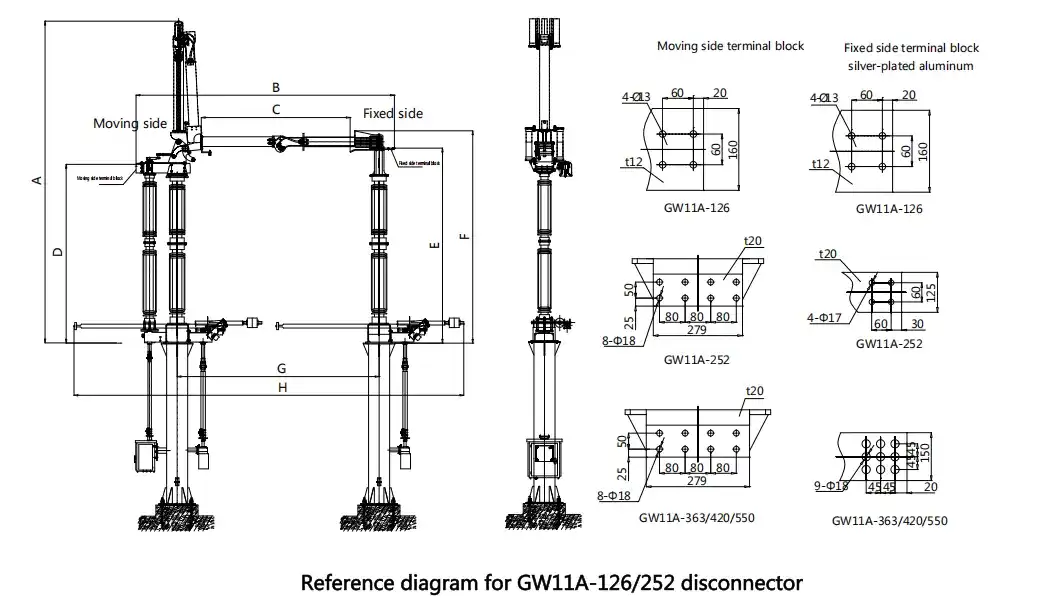
For decades, the choice of equipment has an effect on how reliable operations are. Knowing what makes a product different helps you make purchases that are in line with your facility's long-term goals.
Durability and Environmental Adaptability
Environmental conditions strongly affect material selection. Coastal areas require corrosion-resistant coatings that extend service life by 15–20 years compared to painted finishes. Aluminum maintains conductivity under temperature variation, while polymer insulators resist UV degradation better than porcelain, though porcelain performs better under seismic stress. At high altitudes, reduced air density lowers dielectric strength, requiring design adjustments above 1,000 meters. Specialized High Voltage Disconnect Switch systems maintain performance up to 4,000 meters through insulation enhancement.
Maintenance Considerations and Lifecycle Costs
Maintenance accessibility impacts lifecycle cost. Ground-mounted systems are easier to service, while enclosed designs reduce contamination and cut maintenance needs by up to 60%. Standardized components across voltage levels simplify inventory management and reduce supply chain risks. Long-term part availability is essential for infrastructure stability. Standardized equipment families also reduce training complexity, improving operational consistency and lowering costs in High Voltage Disconnect Switch applications.
Evaluating Supplier Capabilities
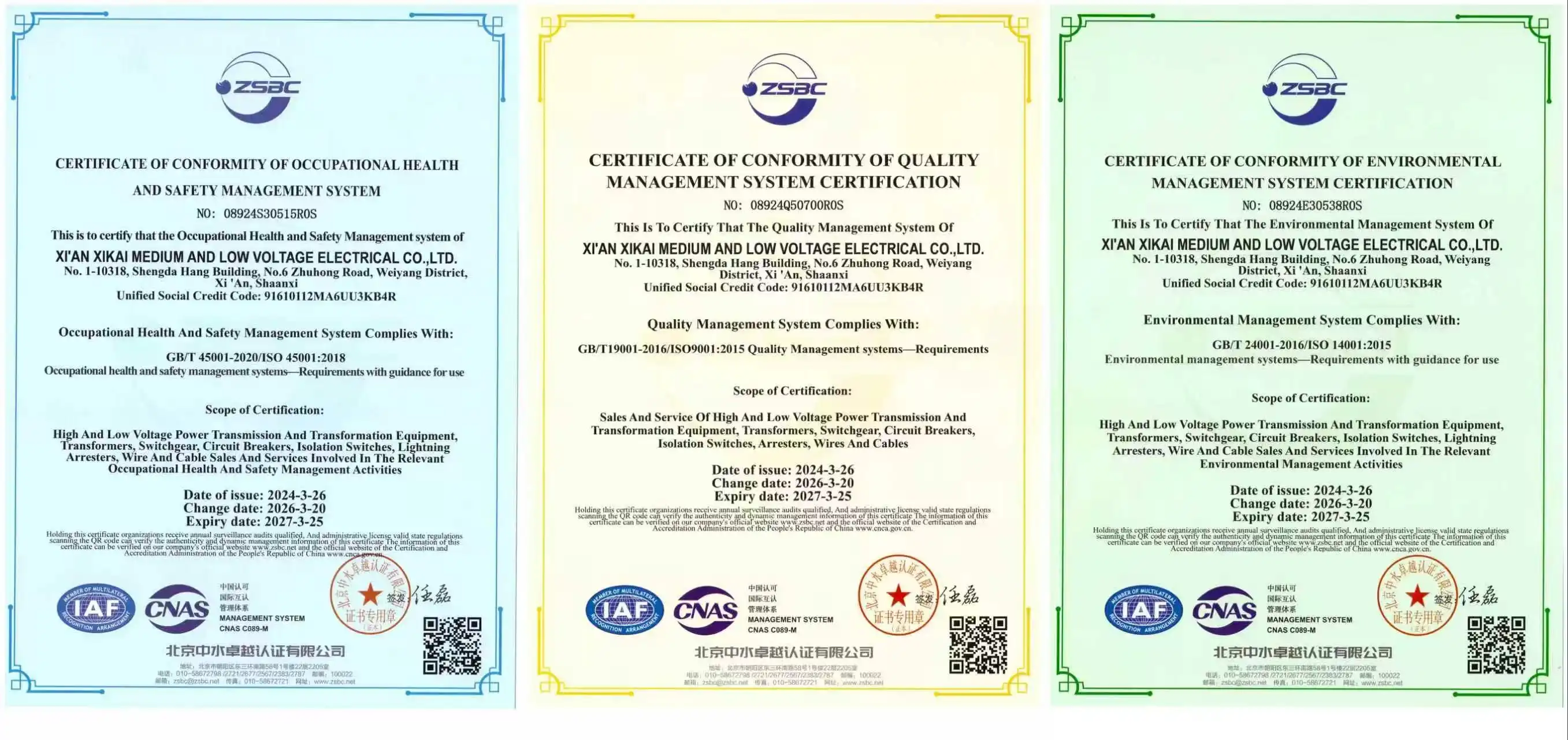
Supplier support quality is a key factor. 24/7 engineering assistance ensures faster problem resolution than limited-hour support. Local technical teams reduce communication delays caused by time zones or language barriers. Flexible customization—such as blade or insulation modifications—ensures compatibility with retrofit substations. Certification compliance with IEC, IEEE, GB/T, CE, RoHS, and ISO standards ensures reliability and traceability. Authenticity verification is necessary to avoid counterfeit documentation in procurement processes involving High Voltage Disconnect Switch systems.
Maintenance and Longevity Best Practices for High Voltage Disconnect Switches
Proactive maintenance extends the life of equipment and stops it from breaking down without warning. Structured programs balance the number of inspections with the amount of resources that can be used.
Routine Maintenance Protocols
Visual inspections done every three months find obvious problems. Check the insulators for cracks, tracking paths, or dirt that needs to be cleaned. Aluminum conductors should have a uniform color and no corrosion deposits on them. Use calibrated torque wrenches to check how tight the hardware is—as fasteners come loose, connection resistance goes up, which creates heat that speeds up degradation. Photographs of the results should be used to record them so that trends can be seen across inspection cycles.
Scheduled lubrication extends the life of mechanical parts. Apply the right greases to the exposed pivot points once a year, making sure to choose formulations that can handle the wide range of temperatures at the installation site. Modern High-Voltage Disconnect Switches have self-lubricating bushings that don't need much extra lubrication, but relying only on the embedded lubricants could cause them to wear out too quickly. Too much lubrication attracts dust that turns into abrasive compounds, so use only as much as the manufacturer recommends.
Troubleshooting Common Issues
Unusual operations are signs that problems are starting to happen. If you hear strange noises while switching, it means that the mechanical parts are binding or not aligning properly. Look into it right away because continuing to run it could lead to a catastrophic failure. Take apart mechanisms to find sources of interference, such as buildup of debris around moving parts or linkages that have become deformed from past mechanical stress.
When connection points get hot, it means that the resistance has gone up. When the power is on, thermal imaging can find problem areas without stopping service. Hotspots that are 40°C or higher above the surrounding temperature need to be fixed by retorquing connections or replacing hardware that has rusted. Galvanic corrosion forms insulating oxide layers that stop current flow at aluminum-to-copper interfaces, so they need extra care.
Tracking or flashover are signs that an insulator is failing. Surface contamination lowers the dielectric strength, which lets current flow between insulator bodies. Clean the insulators with the right solvents and use high-potential testing to make sure the dielectric recovery is good. Cracked insulators need to be replaced right away because letting water in makes conductive paths that lead to breakdown at full voltage.
Warranty and Service Agreement Considerations
Manufacturer warranties usually cover defects for five years, so you don't have to worry about problems with the material or the way it was made breaking down too soon. Knowing the limits of coverage helps keep disagreements from happening. Normal wear and tear items like contact surfaces are often not covered, even if they happen during the warranty period. Keep records of proper maintenance because manufacturers may not pay claims if there is evidence that failures were caused by neglect.
For important installations, extended service agreements are a good deal. Manufacturer inspections once a year add specialized knowledge to in-house maintenance programs. As part of these services, detailed condition assessments, thermographic surveys, and operational testing that compares performance to original specs are provided. Costs are usually between 2% and 4% of the value of the equipment per year. This is worth it because unplanned outages cost thousands of dollars per hour in lost production.
Replacement indicators help make lifecycle management work better. When equipment gets close to 10,000 operational cycles, it should be thoroughly checked out to see how much longer it will last. If newer technology offers big performance gains, like IoT-enabled monitoring or better arc resistance, you might want to replace the old one before it breaks. Plan outages for replacements so that they have the least possible effect on the grid.
Conclusion
When using electrical isolation equipment, you have to pay close attention to safety rules and regular maintenance procedures. By knowing the basic differences between High Voltage Disconnect Switches, circuit breakers, and load-break devices, you can avoid using them in the wrong way, which could be dangerous. When properly maintained, high-quality equipment with aluminum alloy conductors, self-lubricating mechanisms, and enclosed transmissions will give years of reliable service. Instead of just looking at initial costs, procurement decisions should take into account how long something will last, how well it will work in different environments, and how well the supplier can support it. Companies that want to be operationally excellent know that spending money on tried-and-true technology and thorough training pays off in the form of less downtime and safer working conditions for employees for more than 30 years.
Frequently Asked Questions
1. How does a disconnect switch differ from a circuit breaker?
Arc-quenching devices, such as SF6 gas or vacuum bottles, are used by circuit breakers to stop fault currents automatically. High-Voltage Disconnect Switches allow manual isolation after circuits are turned off, but they don't stop arcs, so they can't be used to stop a load. Breakers keep systems safe when things go wrong, and isolation switches make clear separation points for maintenance workers.
2. Can disconnect switches operate under load conditions?
Because they can't stop arcs, standard High-Voltage Disconnect Switches should never be used to open circuits that are already live. Load-break switches are a separate type of switch that can only interrupt a small amount of current. They are useful for certain applications. Always check the equipment's ratings and make sure you follow the operating instructions to avoid misusing it in a way that leads to destructive arc flash incidents.
3. What safety certifications should I verify?
The equipment you buy should be in line with IEC 62271 and IEEE C37.32 standards, which make sure the design is good by testing it thoroughly. The CE mark shows that a product meets the rules of the European Union, and the RoHS mark shows that the product doesn't contain any dangerous substances. Make sure the manufacturer has the ISO 9001 quality management certification, which shows that they have strict controls over the production process.
Partner with Xi'an Xikai for Reliable High Voltage Isolation Solutions
For decades, choosing the right High Voltage Disconnect Switch supplier will have an effect on how you run your business. Xi'an Xikai has been making medium and low-voltage electrical equipment for over 30 years, and they work with a wide range of industries, from power generation to renewable energy. Our switches have aluminum alloy conductors that don't rust, self-lubricating mechanisms that don't need to be maintained, and hot-dip galvanized bases that are made to last 30 years or more. Our equipment is certified to meet the strict needs of State Grid systems, petrochemical facilities, and data centers across the country. It is also certified to meet IEC, IEEE, and GB/T 1985 standards. We make sure that the blade configurations and insulator specifications fit the needs of your site and offer technical support throughout the lifecycle of the equipment. Send your application to serina@xaxd-electric.com, amber@xaxd-electric.com, or luna@xaxd-electric.com to talk about it with our team. You can look through our whole catalog at xaxd-electric.com and get in touch with experienced High-Voltage Disconnect Switch manufacturers who want your business to succeed.
References
1. Institute of Electrical and Electronics Engineers, "IEEE Standard for High-Voltage Switchgear Rated Above 1000V," IEEE C37.32-2020, Standards Department, 2020.
2. International Electrotechnical Commission, "High-Voltage Switchgear and Controlgear - Part 103: Switches for Rated Voltages Above 1kV up to and Including 52kV," IEC 62271-103:2021, Geneva, Switzerland, 2021.
3. National Fire Protection Association, "Standard for Electrical Safety in the Workplace," NFPA 70E-2021, Quincy, Massachusetts, 2021.
4. Zhang, L., Chen, M., and Wang, H., "Reliability Analysis of High-Voltage Disconnect Switches in Smart Grid Applications," Journal of Electrical Engineering Technology, Vol. 16, No. 4, pp. 1847-1856, 2021.
5. American National Standards Institute, "American National Standard for High-Voltage Air Disconnect Switches," ANSI C37.37-2018, Washington D.C., 2018.
6. Brown, R.E. and Freeman, L.M., "Maintenance Strategies for Electrical Distribution Equipment," IEEE Transactions on Power Delivery, Vol. 35, No. 2, pp. 985-993, 2020.
_1774416563318.png)