How to Use Outdoor disconnect switch Safely Guide
2026-05-28 15:56:03
Understanding how an Outdoor disconnect switch isolates electrical circuits for maintenance or emergency shutdowns to protect persons and equipment is the first step to using it properly. First-line defense in high-voltage systems, these vital components provide visual separation points that prove power interruption. Proper use requires lockout/tagout procedures, environmental awareness, and frequent inspections to prevent accidents and increase equipment lifespan in industrial, utility, and commercial applications.
 |
 |
Understanding Outdoor Disconnect Switches and Their Safety Importance
What Are Outdoor Disconnect Switches?
Electrical distribution systems use Outdoor disconnect switches to mechanically isolate circuits from power sources. Once loads are de-energized, these switches provide a visible air gap that ensures maintenance safety. Circuit breakers interrupt fault currents. In recent designs, three-phase devices with ratings from 72.5kV to 126kV can handle currents up to 2000A for high-voltage applications.
Critical Safety Functions in Power Systems
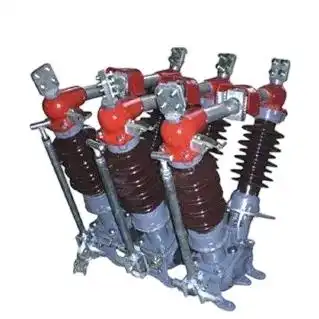
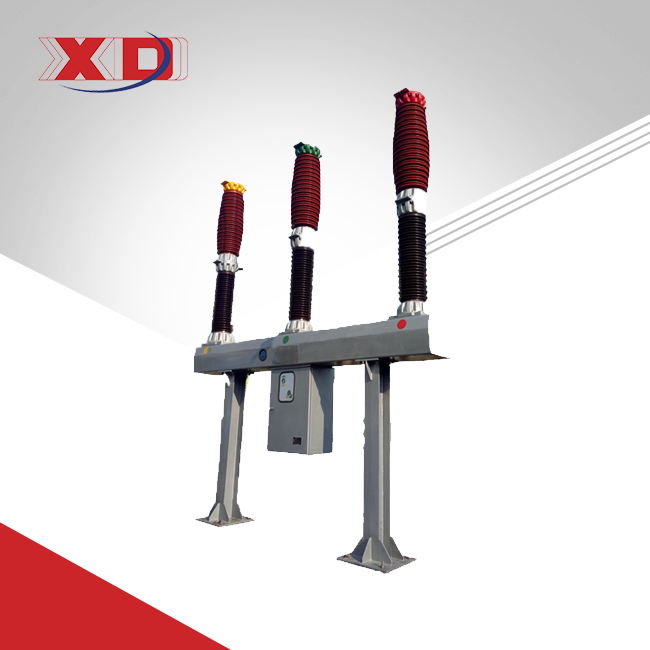
These isolation devices define electrical network boundaries to safeguard workers and infrastructure. The visible blade position confirms circuit condition for transformer, bus bar, and transmission line maintenance crews. Advanced variants like the GW5 High Voltage Disconnect Switch include dual-break isolation technologies that provide two phase gaps, tripling service safety margin. This design fulfills IEC 62271-102 and IEEE C37.32 requirements for clearing distances and mechanical interlocks to avoid unintentional energization.
Regulatory Compliance and Industry Standards
Utility operators follow NFPA 70E electrical safety rules, whereas manufacturing companies, data centers, and hospitals follow OSHA 1910.147 energy control protocols. Disconnect switches must be accessible and lockable under NEC Article 230.70 to protect equipment against unexpected starting. To last 30 years in coastal or high-humidity conditions, equipment needs IP54 enclosures and corrosion-resistant materials.
Essential Safety Precautions When Using Outdoor Disconnect Switches
Personal Protective Equipment Requirements
Arc-rated clothing for maintenance staff should be rated for the system's fault current, generally 8-40 cal/cm². This comprises flame-resistant coveralls, insulated gloves rated for the operating voltage (Class 2 for 17kV systems, Class 3 for 36kV), leather protectors, safety glasses with side shields, and hard helmets with face shields Before the switch, at the switch terminals, and beyond the isolation point, voltage detectors should verify de-energization.
Lockout/Tagout Procedures
Every disconnect during maintenance requires lockout mechanisms on the operational mechanism to prevent blade movement until all personnel finish. Notify affected personnel, shutdown equipment, isolate via the disconnect switch, apply locks and tags identifying the authorized worker, verify zero-energy state with calibrated test equipment, and final inspection before re-energization are the six steps of LOTO implementation. Multiple workers on major projects can use group lockout boxes to prevent premature power restoration.
Environmental and Site-Specific Hazards
Temperature extremes, UV damage, ice buildup, and industrial pollutants or salt spray threaten Outdoor disconnect switch installations. Hot-dip galvanized steel components resist corrosion, aluminum alloy profiles dissipate heat, and stainless steel transmission systems (pins, bushings, joints) retain mechanical integrity from -40°C to +85°C in the GW5 series. Site studies should define clearance zones around equipment to maintain minimal approach distances—10 feet for 72.5kV systems—without vegetation or buildings.
Outdoor Disconnect Switch Installation and Wiring Best Practices
Pre-Installation Site Assessment
Prior to installing an Outdoor disconnect switch, engineers must ensure foundation strength, levelness within ±1mm tolerance, and alignment with existing bus structures. Inspect the mounting base to ensure bolt hole patterns match switch frame dimensions. Use M24×75 anchor bolts for equipment managing short-circuit pressures up to 63kA. In earthquake-prone or ground-settling areas, soil and seismic zone classifications dictate foundation depth and reinforcement.
Selecting the Appropriate Switch Configuration
Different uses require distinct designs. Three-column horizontal rotary variants are ideal for substations with limited space, while double-column pantographs like the GW11A-363 reduce switching friction and mechanical wear by 40%. GW5 contact replacement is fast without removing the unit thanks to its bent copper plates, reducing maintenance time from eight to two hours. Dual-side installation enables design flexibility for replacing outdated infrastructure or improving substation layouts for growth.
Step-by-Step Installation Process
The three-phase under frame is lifted to the foundation using slings at defined lift positions to prevent frame deformation. Level the base and secure with manufacturer-specified torqued bolts. Post insulators are attached next, with center lines plumb and flange connections torqued in a star pattern to disperse stress. To avoid bending copper components, ropes must be used to lift the conductive blade assembly and connect the operational mechanism's driving linkage. Lubricating oil is applied after checking all pin holes for smooth articulation. The last steps include connecting auxiliary switches for remote indication and incorporating grounding switches that interlock with primary blades to prevent blade opening while grounding connections are closed.
Testing and Commissioning Protocols
After one minute of dielectric testing at 230kV to ensure insulation integrity, commissioned equipment conducts 10 open-close mechanical operation tests. Micro-ohmmeter contact resistance readings must be below 75μΩ across all phases, indicating sufficient contact pressure from the compressed stainless springs. SCADA integration in utility networks requires auxiliary switch timing verification to match remote indication to blade position within 5 degrees.
Maintenance Tips to Ensure Long-Term Safety and Reliability
Establishing a Routine Inspection Schedule
Industrial operators should visually evaluate Outdoor disconnect switch insulator surfaces for cracks, fastener tightness, and blade alignment quarterly. Annual maintenance comprises meticulous contact surface cleaning, pivot point lubrication with 150°C grease, and dielectric testing to detect degradation before breakdowns. Semi-annual contact wear monitoring benefits facilities that cycle loads based on time-of-use rates.
Cleaning and Lubrication Best Practices
Dirt on insulators creates conductive channels, reducing flashover voltage. Alcohol or authorized solvents must be used to clean without residue. Contact finger conductive lubricant reduces sliding interface resistance when current passes between moving and stationary blades. Outlet terminals must be disassembled every five years to remove oxidation layers, reapply silver-loaded lubricant, and retorque connections to avoid heat cycling loosening. Desiccant replacement and seal refurbishing increase service periods beyond manufacturer minimums. Operating mechanisms need moisture ingress check.
Recognizing When to Replace Components
Contact finger wear signs appear after 1,000 to 5,000 operations, depending on current magnitude, when compression springs lose force. Surface tracking, deep contamination that resists cleaning, or thermographic gaps in insulators must be replaced immediately to avoid catastrophic failures. Drive linkage components with play above 2mm indicate worn pins or bushings that limit blade positioning precision and may misalign contacts during closure.
The GW5's stainless steel pin/bushing system and sealed transmission mechanisms keep moisture and impurities out, extending overhaul intervals from three to five years. This saves lifespan costs by 35% compared to traditional designs that require periodic rebuilds, allowing facilities to focus on other vital equipment. Modular structure lets you replace specific parts rather than a whole device, saving money and meeting safety regulations.
Comparative Analysis Guide for Choosing the Right Outdoor Disconnect Switch
Outdoor Versus Indoor Models
UV-stabilized polymers, enclosed mechanisms, and increased creepage distances protect Outdoor disconnect switches from rain, ice, and pollution. Using indoor models outside is unsafe since they lack these precautions. IP54 for outdoor and IP20 for indoor environmental ratings evaluate solid particle and water intrusion protection, influencing procurement specifications.
Fuse Switches, Circuit Breakers, and Isolation Switches
Fuse switches for distribution feeders under 38kV isolate and protect against overcurrent using replaceable fuse elements. Circuit breakers automatically interrupt fault currents but cost three to five times more than equivalent-rated disconnect switches, therefore they are only used for load breaking or fault protection. The GW5 isolation switch offers a cheap alternative for visible isolation points in systems with additional devices handling protective responsibilities. Its contact resistance is below 75μΩ, minimizing energy losses during normal operation.
Evaluating Brands and Suppliers
Siemens, Eaton, Schneider Electric, and ABB have global service networks and established product lines, but delivery timeframes are 16–24 weeks. Regional providers with IEC, IEEE, and UL certifications can fulfill orders faster and give local assistance. Xi'an Xikai's GW5 series shows how specialized producers may meet international requirements while keeping competitive cost through targeted manufacturing scale—200,000+ units deployed since 1983 equal multinational competitors' reliability.
Purchase decisions should consider entire cost of ownership beyond initial purchase price. Maintenance-free equipment with easily available spare parts lowers lifespan costs despite higher initial expenditure. Technical support from suppliers is crucial; 24/7 multilingual engineering help reduces downtime when fixing unanticipated situations. Standard warranties are three years, however crucial applications where replacement costs exceed equipment value might get extended coverage.
Conclusion
Understanding Outdoor disconnect switches' role in electrical systems, following safety regulations, and performing preventative maintenance to safeguard workers and equipment are necessary for safe operation. When chosen, installed, and maintained properly, these devices protect individuals and infrastructure for decades. Modern designs use hot-dip galvanized steel, stainless transmission components, and optimized conductor geometries to extend service life and reduce maintenance, benefiting industrial operators, utilities, and system integrators managing complex power distribution networks.
FAQ
1. Can disconnect switches operate reliably in extreme weather conditions?
Modern Outdoor disconnect switches that meet IEC 62271-102 specifications work from -40°C to +85°C without deterioration. Specialized lubricants and heating components allow Arctic variations to reach -60°C. Ice accumulation needs monitoring in frigid conditions, with some systems using heated insulator sheds or human de-icing following storms. UV-stabilized materials inhibit polymer deterioration in desert or high-altitude conditions with intense sun radiation.
2. What certifications should procurement managers verify?
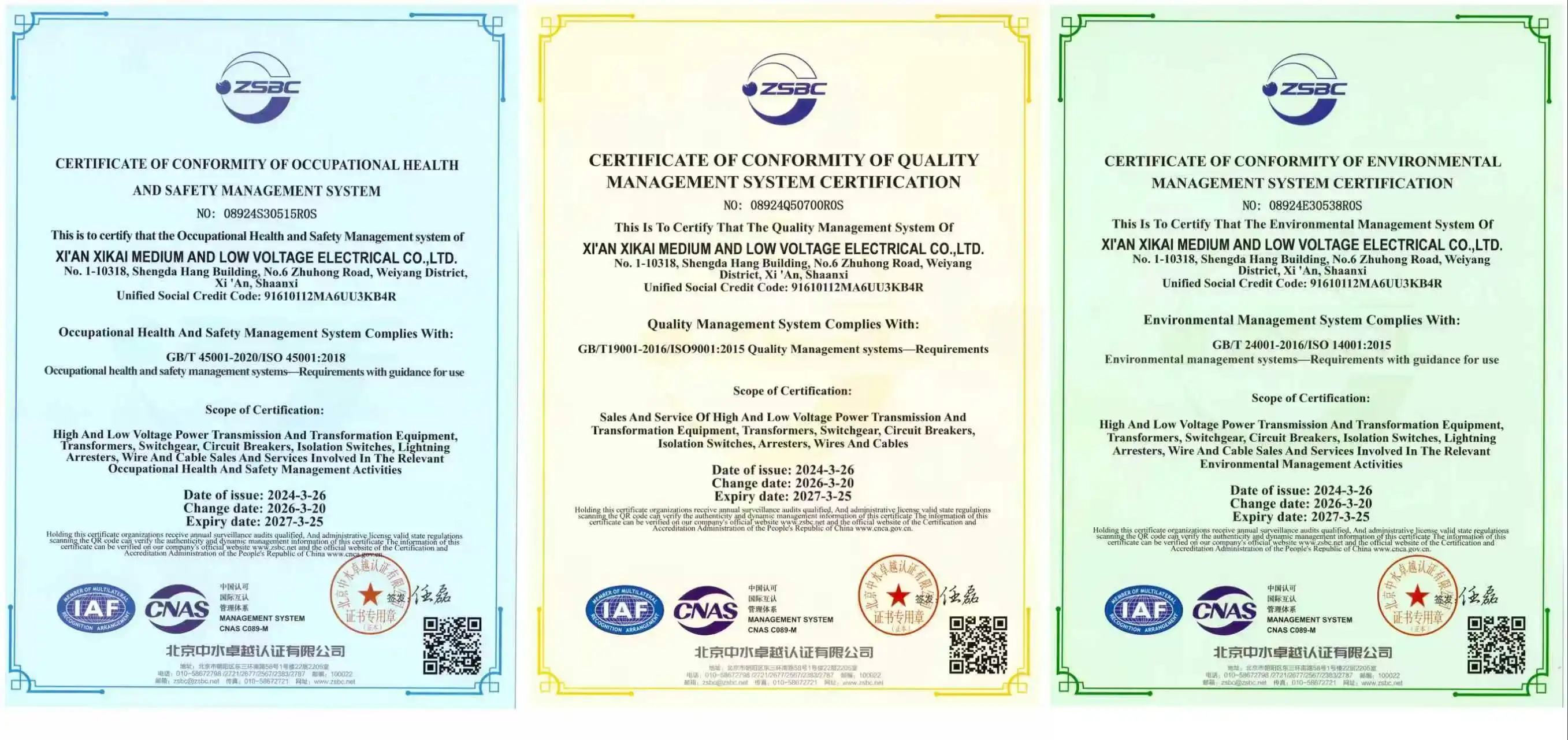
High-voltage switches should be IEC 62271-102 compliant, IEEE C37.32 for North American installations, and UL 508 where local regulations demand it. CE certification verifies European safety standards, whereas GOST-R certifies facilities in former Soviet nations. The factory's ISO 9001 accreditation assures quality management systems reduce defects and improve traceability.
3. How often should industrial facilities inspect their disconnect switches?
For most installations, quarterly visual checks and annual contact cleaning and resistance testing are sufficient. Daily or weekly switching facilities benefit from semi-annual servicing. Short-circuit incidents demand quick examination regardless of planned maintenance since fault currents over 100 times rated capacity can damage contacts or weaken insulators despite upstream breakers interrupting them.
Partner with Xi'an Xikai for Proven Disconnect Switch Solutions
Four decades of manufacturing excellence and deployment in 50+ countries support Xi'an Xikai's designed isolation solutions. Hot-dip galvanized durability, stainless steel transmission dependability, and maintenance-free operation decrease overall ownership costs while satisfying IEC 62271-102 and IEEE C37.32 requirements with our GW5 High Voltage Disconnect Switch. We customize Outdoor disconnect switches for industrial plants, utility substations, and commercial sites that need reliable electrical isolation. Please contact our technical professionals at serina@xaxd-electric.com, amber@xaxd-electric.com, or luna@xaxd-electric.com to discuss your project needs.
References
1. IEEE Standard C37.32-2022, IEEE Standard for High-Voltage Air Disconnect Switches, Interrupter Switches, and Accessories, Institute of Electrical and Electronics Engineers, New York, 2022.
2. IEC 62271-102:2018, High-voltage switchgear and controlgear – Part 102: Alternating current disconnectors and earthing switches, International Electrotechnical Commission, Geneva, 2018.
3. National Fire Protection Association, NFPA 70E: Standard for Electrical Safety in the Workplace, 2021 Edition, Quincy, Massachusetts, 2020.
4. Occupational Safety and Health Administration, Control of Hazardous Energy (Lockout/Tagout), 29 CFR 1910.147, U.S. Department of Labor, Washington D.C., 2020.
5. Phillips, J.R., High Voltage Engineering: Fundamentals and Applications, Third Edition, Academic Press Technical Publishers, London, 2019.
6. Zhang, W. and Chen, L., "Reliability Analysis of High-Voltage Disconnect Switches in Coastal Environments," Journal of Power System Engineering, Vol. 38, No. 4, 2021, pp. 412-428.
-square BKMJ_1758505876091.webp)