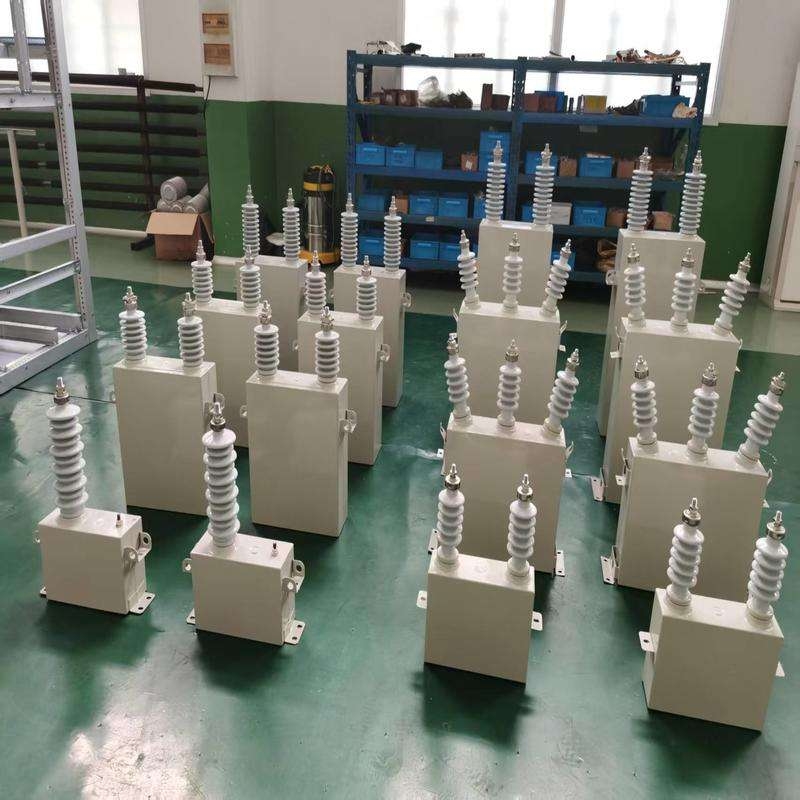
All You Need to Know About Outdoor disconnect switchs
2026-05-28 15:56:02
The outdoor disconnect switch protects you when repairing high-voltage equipment or reacting to electrical crises. This device lets operators physically separate electrical circuits from power sources, producing a visible separation that protects maintenance workers and guarantees safety compliance. Understanding how these switches work and which types are best for your data center, industrial plant, or utility substation may save downtime and improve worker safety.
 |
 |
Understanding Outdoor Disconnect Switches
What Are Outdoor Disconnect Switches?
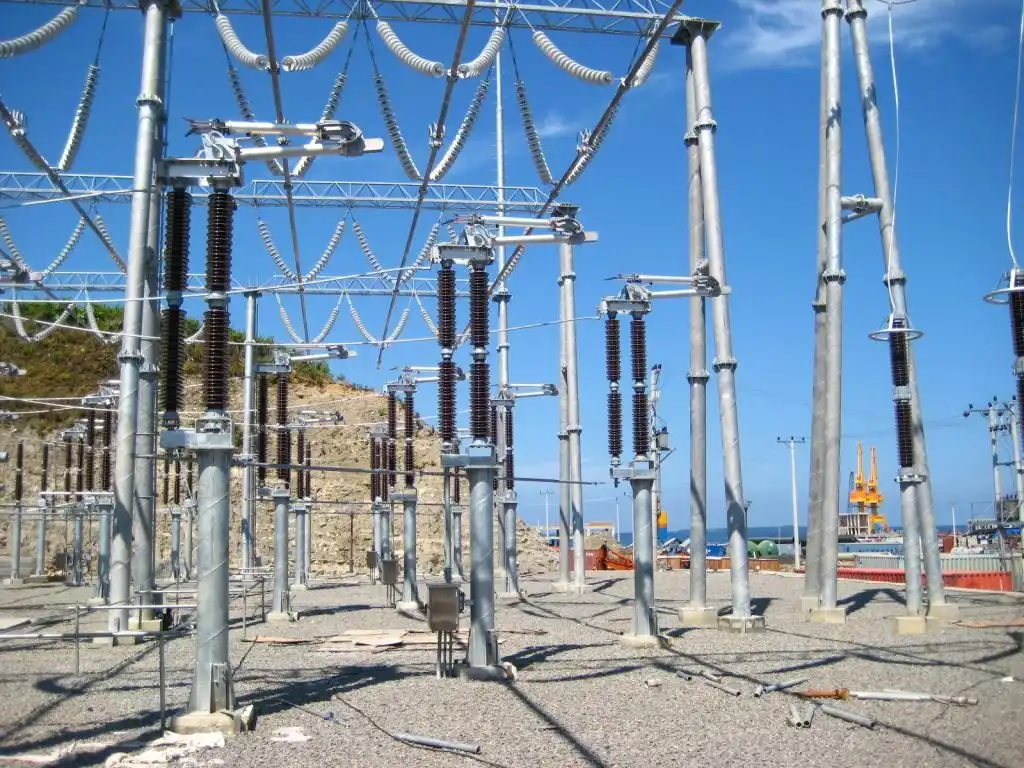
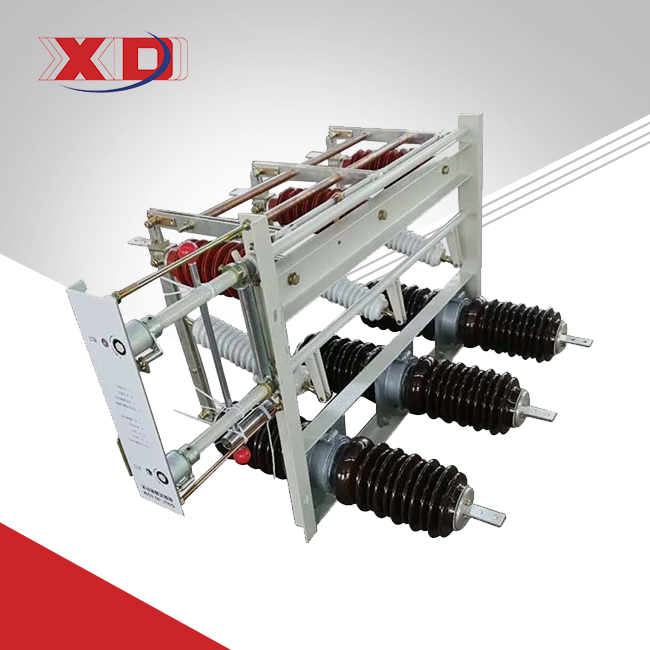
Outdoor disconnect switches, as electrical isolation devices, safely disconnect electricity from equipment or circuits for maintenance, repairs, or emergencies. These switches generate a visible air gap between wires manually or motorizedly, unlike circuit breakers. Technicians may check complete de-energization before working on downstream equipment due to this physical isolation.
Key Components and Operating Principles
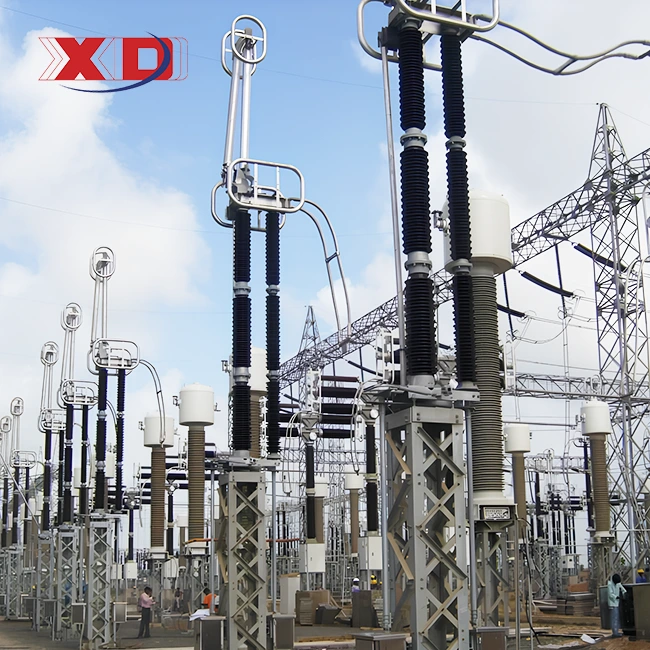
Stationary and moving contacts are enclosed in weatherproof enclosures. Mechanical linkages—often stainless steel transmission systems with pins, bushings, and bearings—separate connections when operators engage the switch. GW10 high-voltage versions use vertical pantograph systems where insulated arms push contacts upward to terminate the circuit without arcing. Grading rings and shields around contact points enhance electric field distribution and prevent radio frequency interference, while contact springs maintain pressure during closed positions.
Types of Outdoor Disconnect Switches
The right Outdoor disconnect switch type depends on voltage, current, and surroundings. For branch circuit protection, fused disconnect switches include integrated fuse cartridges for isolation and overcurrent protection. Transmission substations with separate protective relays for fault detection employ non-fused types for pure isolation. Balanced systems use multi-pole switches to disconnect all three phases, whereas single-pole switches regulate individual phases. Weatherproof versions with IP65 or greater ingress protection are necessary for coastal or rainy environments. Solar farms and facilities with sensitive electronics benefit from surge-protected metal oxide varistors that clamp transient overvoltages.
Outdoor vs. Indoor Disconnect Switches
Environmental demands affect construction. To survive -40°C to +60°C temperatures, salt fog, and ultraviolet deterioration, outdoor units use hot-dip galvanized steel frames and UV-resistant polymer insulators. Their porcelain or silicone rubber insulators prevent leakage current tracing due to surface contamination. As they function in regulated environments, indoor switches have lighter casings and conventional insulation. Per IEEE 693, outdoor switches must be installed on foundation bases that can sustain wind and seismic stresses, whereas indoor variants attach directly to switchgear panels or walls.
Installation, Wiring, and Safety Standards
Step-by-Step Installation Guide
Proper installation requires foundation preparation. Because uneven surfaces misalign insulators and prematurely wear contact, level the mounting base using precise tools. Lift the base frame over anchor bolts in concrete footings using manufacturer-marked lifting points. Before attaching the base, make sure all four corners are flat with the foundation. Attach post insulators next, keeping center lines perpendicular to base plane. On multi-pole switches, use calipers to measure pole distances—differences above 1mm can preclude synchronization.
Wiring Diagrams and Electrical Schematics
The outdoor disconnect switch is usually between the power supply and the protected equipment in single-line layouts. Control wiring avoids harmful switching sequences via interlocking circuits that prohibit switch closure while downstream circuit breakers are closed. IEC three-phase wiring uses brown/black for L1, blue/gray for L2, and black/red for L3. For switches above 200A, grounding wires must connect to specific earth terminals on the switch frame using NEC Article 250 copper cables, usually 2 AWG.
Safety Codes and Standards
NEC Article 230.70 requires service disconnect switches to be visible and labeled to identify circuits they operate. IEC 62271-102 requires mechanical endurance testing (10,000 operations), dielectric strength verification, and short-circuit tolerance for high-voltage switches over 1kV. Switches with UL 98 certification fulfill North American disconnect device safety standards. CE marking is required for Low Voltage Directive 2014/35/EU and EMC Directive 2014/30/EU compliance in Europe.
Inspection and Certification Procedures
Certified inspectors manually cycle mechanical parts to check for binding or abnormal movement before commissioning. High-potential (hipot) testing checks insulation at 1.5 times the rated voltage. For accurate current conduction, micro-ohmmeter contact resistance measurements should be below 100 microohms. Initial load thermographic scans reveal hot regions indicating weak connections. For regulatory audits, test reports, as-built drawings, and manufacturer certificates are required.
Benefits, Maintenance, and Troubleshooting
Safety and Operational Advantages
Outdoor disconnect switches show circuit isolation, a safety characteristic missing in electronic switches. Maintenance workers may visually check the air gap before approaching de-energized equipment, eliminating arc flash dangers. Modern switches like the GW10 have self-cleaning insulators and bent copper plates for easy repairs, reducing planned outages. Optimized contact geometry reduces thermal deterioration under constant 5000A stress. Externally squeezed stainless contact springs sustain pressure for 10,000+ operation cycles without modification, assuring 30-year product performance.
Practical Maintenance Tips
Deionized water should be used to clean insulator surfaces annually to eliminate salt deposits and industrial impurities. Check all fastened connections with calibrated torque wrenches and tighten any below specification. Use outdoor-rated high-temperature oil on pivot points and bearings. Check contact fingers for erosion or pitting—30% material loss requires replacement. Use specialist ground testers to check grounding connections for less than 0.1 ohms.
Troubleshooting Common Faults
If switches don't close completely, check contact assemblies for foreign items or ice in cold weather. Mechanism boxes with heating elements prevent moisture condensation from causing control circuit failures. Corroded auxiliary switch contacts cause intermittent functioning. Spray contact cleaning removes moderate oxidation, but seriously damaged switches must be replaced. Normal operation overheating indicates low current ratings or contact pressure. Infrared cameras show temperature rises beyond 30°C, requiring prompt examination.
Comparing Outdoor Disconnect Switch Brands and Models
Leading Manufacturers and Product Lines
The right outdoor disconnect switch manufacturer affects dependability and support. Siemens provides the 3WL air circuit breaker series with disconnect for medium-voltage applications up to 72kV. Eaton's DTU line of molded-case switches with UL 98 certifications is used in 1200A industrial power distribution. Schneider Electric Masterpact MTZ withdrawable circuit breakers with front-accessible disconnect mechanisms ease maintenance. ABB manufactures 800kV and 4000A continuous current transmission network disconnect switches.
Functional Comparisons: Disconnect Switches vs. Circuit Breakers
Learn the difference between disconnect switches and circuit breakers to avoid misapplication. Conductors are protected against overload damage by electromagnetic or thermal circuit breakers. Plasma from high-current interruptions is extinguished using arc chutes. Opening disconnect switches under load causes prolonged arcs that can damage equipment and injure workers. Circuit breakers safeguard branch circuits from fires by automatically removing faults, while disconnect switches provide visible verification of circuit de-energization.
Weatherproof Ratings and Environmental Protection
IP ratings indicate solid particle and moisture intrusion protection. IP54 enclosures are suitable for covered outdoor use since they withstand dust and water. For pressure-washed installations, IP65 grades seal dust and protect against water jets. The IP65-compliant GW10 has sealed bushing penetrations and gasketed inspection covers for offshore platforms and coastal substations exposed to salt spray. Lightning-prone areas and facilities with noisy variable frequency motors need surge protection.
Procurement and Purchasing Guide for Outdoor Disconnect Switches
Sourcing Strategies for Industrial Buyers
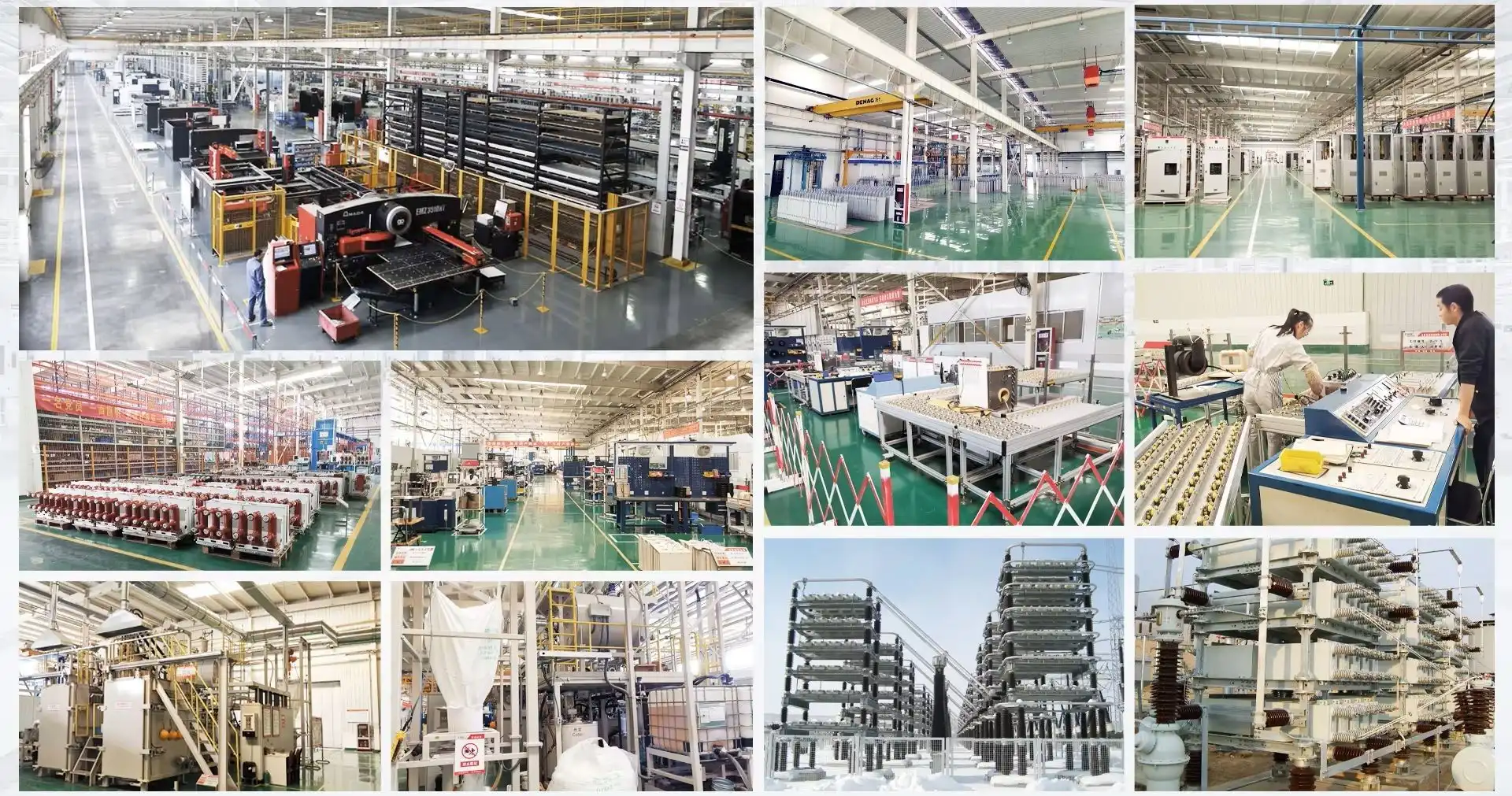
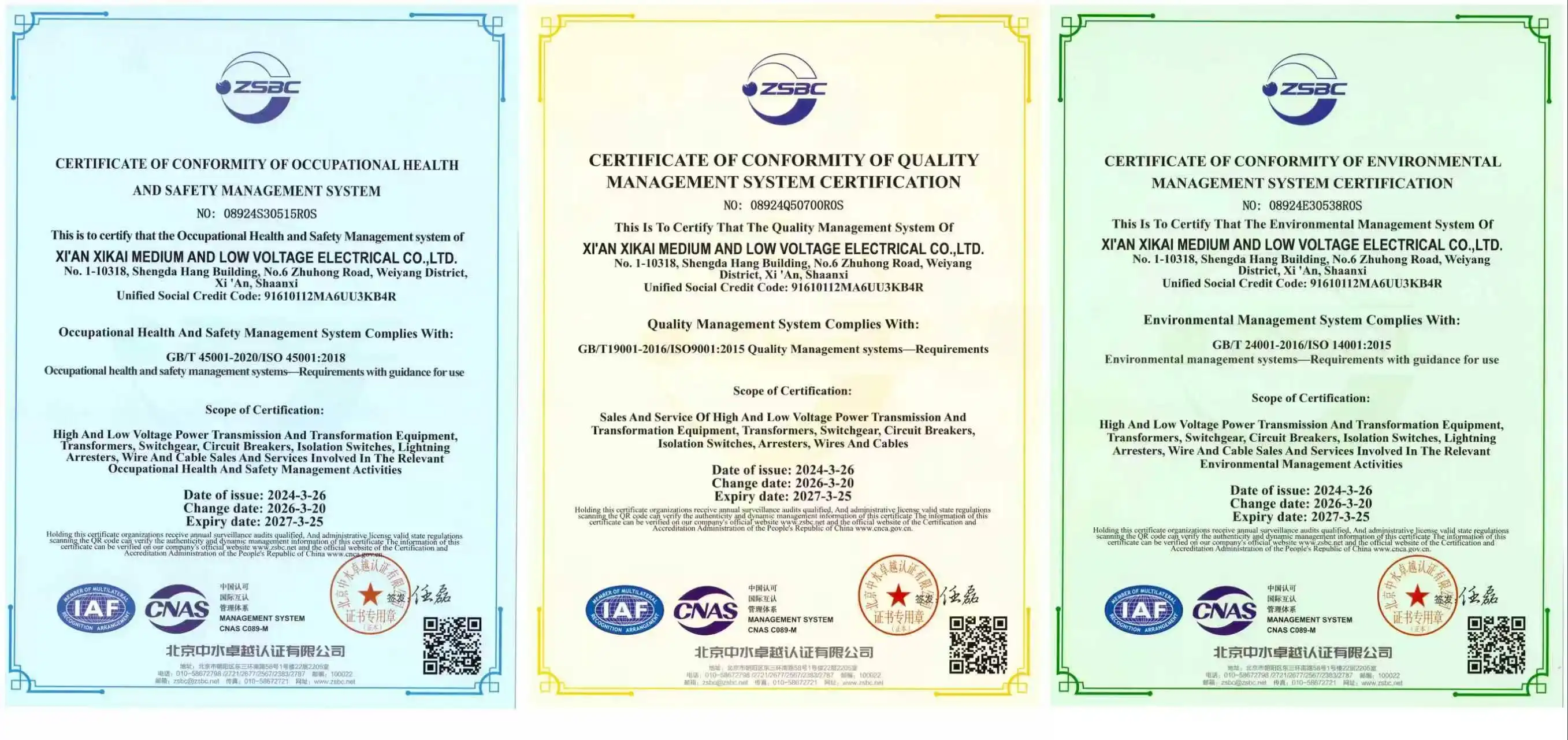
Selecting dependable suppliers includes assessing production and quality systems. ISO 9001 certifies industrial controls, whereas ISO 14001 certifies environmental management. Request factory audit reports from TÜV or CSA to verify requirements. Examine patent portfolios—contact spring and insulator material producers frequently do better. Distribution networks impact lead times; authorized wholesalers have regional inventories, lowering delivery times to 2-4 weeks.
Cost Structures and Warranty Terms
Outdoor disconnect switch prices vary by voltage class and features. Medium-voltage (15-38kV) variants cost $800 to $3,000 per pole, whereas 550kV units cost over $15,000. Bulk purchases above 50 pieces receive 15-20% savings. Evaluate total cost of ownership including installation labor and projected maintenance. Standard warranties cover manufacturing faults for 18-24 months. Manufacturers like Xi'an Xikai provide 5-year full guarantees for mechanical wear and environmental deterioration.
Application-Specific Selection Criteria
System nominal voltage ratings must be exceeded with safety margins. For 480V distribution systems, provide 600V switches for fault-related overvoltages. The NEC 430.110 motor feeder rating multiplies continuous load by 1.25 to account for peak demand and motor starting inrush. Environment influences material choice; coastal areas need salt fog-resistant stainless steel fittings and hot-dip galvanized frames, while thermal conductivity from aluminum alloy structure prevents desert installations from overheating.
Conclusion
Outdoor disconnect switches are essential for safe electrical system functioning in industrial, commercial, and utility sectors. Understanding your facilities' voltage, environmental, and operational limits helps choose models. The GW10 High Voltage Disconnect Switch shows how corrosion-resistant materials, optimum contact shape, and versatile installation choices meet current transmission network demands. NEC and IEC-compliant installation and routine maintenance assure decades of reliable service for these vital safety devices.
FAQ
1. What distinguishes fused from non-fused outdoor disconnect switches?
Replaceable fuse cartridges in fused outdoor disconnect switches immediately interrupt overcurrent circumstances, protecting branch circuits and allowing manual isolation. Non-fused variations employ upstream safety relays or circuit breakers to clear aberrant currents and switch operations without fault protection. Fused switches are utilized for motor feeders and transformer primary in industrial facilities due to size restrictions, while utility substations prefer non-fused variants with complex relay systems.
2. How often should outdoor disconnect switches undergo inspection?
Annual visual inspections are enough for switches in benign settings with light duty cycles. Semi-annual inspections benefit facilities with severe industrial emissions, coastal salt exposure, or 500 operations. If the environment is severe, contact resistance testing and insulator cleaning are done every 3-5 years. Inspection periods are extended by self-cleaning insulators and sealed bearing assemblies in the GW10.
3. Can outdoor disconnect switches integrate with solar power systems?
Modern disconnect switches allow NEC 690.13-required separation between inverters and utility connectors in solar installations. PV arrays provide continuous DC that inhibits arc self-extinguishment, thus choose models with DC voltage withstand. Utility-scale solar farms at medium-voltage collecting sites with inverters that convert DC to AC can meet grid interconnection regulations with the GW10's AC-rated design.
Partner with Xi'an Xikai for Reliable Outdoor Disconnect Switch Solutions
Engineers at Xi'an Xikai Medium & Low Voltage Electric Co., Ltd. have over two decades of experience solving power distribution problems for industrial operators, utilities, and EPC contractors. We supply ISO 9001-certified outdoor disconnect switches to State Grid systems, petrochemical plants, and renewable energy projects in harsh areas. The GW10 High Voltage Disconnect Switch's IEC 62271-102 compliance, unique contact spring technology, and field-proven dependability in 126-550kV applications demonstrate this dedication.
Connect with our technical team to discuss your specific voltage requirements, environmental conditions, and project timelines. Contact at serina@xaxd-electric.com, amber@xaxd-electric.com, or luna@xaxd-electric.com to request detailed specifications, pricing for bulk procurement, or arrange factory inspections.
References
1. Institute of Electrical and Electronics Engineers. IEEE Standard 693: Recommended Practice for Seismic Design of Substations. IEEE Power and Energy Society, 2018.
2. International Electrotechnical Commission. IEC 62271-102: High-voltage switchgear and controlgear - Part 102: Alternating current disconnectors and earthing switches. IEC Technical Committee 17, 2020.
3. National Fire Protection Association. NFPA 70: National Electrical Code. NFPA Standards Council, 2023 Edition.
4. Transmission and Distribution World. "Advances in High-Voltage Disconnect Switch Technology for Modern Grid Applications." T&D World Magazine, Industrial Information Resources, Volume 74, 2022.
5. Electric Power Research Institute. Maintenance Guide for High-Voltage Substation Equipment: Disconnect Switches and Circuit Breakers. EPRI Technical Report 3002011815, 2021.
6. Underwriters Laboratories. UL 98: Standard for Safety of Enclosed and Dead-Front Switches. UL Standards and Engagement, Ninth Edition, 2019.
_1774321455861.png)