Import Active Harmonic Filters: 2026 Market
2026-03-09 14:21:30
Industry need for power quality solutions is changing the worldwide Active Harmonic Filter market in 2026. Chinese manufacturers produce 65% of active harmonic filters. Due to IEEE 519 compliance, the spread of data centers, and renewable energy installations, Active Harmonic Filter sales are expected to expand significantly. Chinese modular designs with dynamic harmonic suppression compete with European counterparts at lower costs. Industrial facilities globally must repair power quality issues that harm sensitive equipment and boost energy costs. Harmonic distortion from variable frequency motors, arc furnaces, and other non-linear loads costs manufacturers billions. Clean power avoids server breakdowns in data centers. Renewable energy produces harmonic issues that make grid stability challenging for utilities. China's industry has evolved from low-cost manufacturing to advanced engineering. Chinese manufacturing lines provide advanced active filtering technologies formerly reserved for Western companies at lower costs and comparable performance.
 |
 |
Why Source Active Harmonic Filter from China?
Manufacturing Excellence and Scale
Chinese companies have heavily invested in power electronics automated manufacturing lines. Modern facilities include harmonic testing chambers, automated capacitor fabrication, and exact inductor winding. This infrastructure ensures quality and cost competitiveness that traditional vendors cannot match. Manufacturing quantities show scale benefit. Leading Chinese manufacturers produce several Active Harmonic Filter modules weekly, reducing component costs and manufacturing overhead. Production volume encourages quality improvement and optimization.
Advanced Technology Integration
Modern Chinese Active Harmonic Filters utilize digital signal processing for real-time harmonic analysis or adaptive filtering. These systems optimize performance based on load patterns using strong harmonic detection and machine learning. Smart grid protocols enable remote monitoring and predictive maintenance. Modern filtering systems automatically adjust to harmonic changes using neural networks. This innovative technology competes with global names by offering superior functionality at cheaper rates.
Comprehensive Product Portfolio
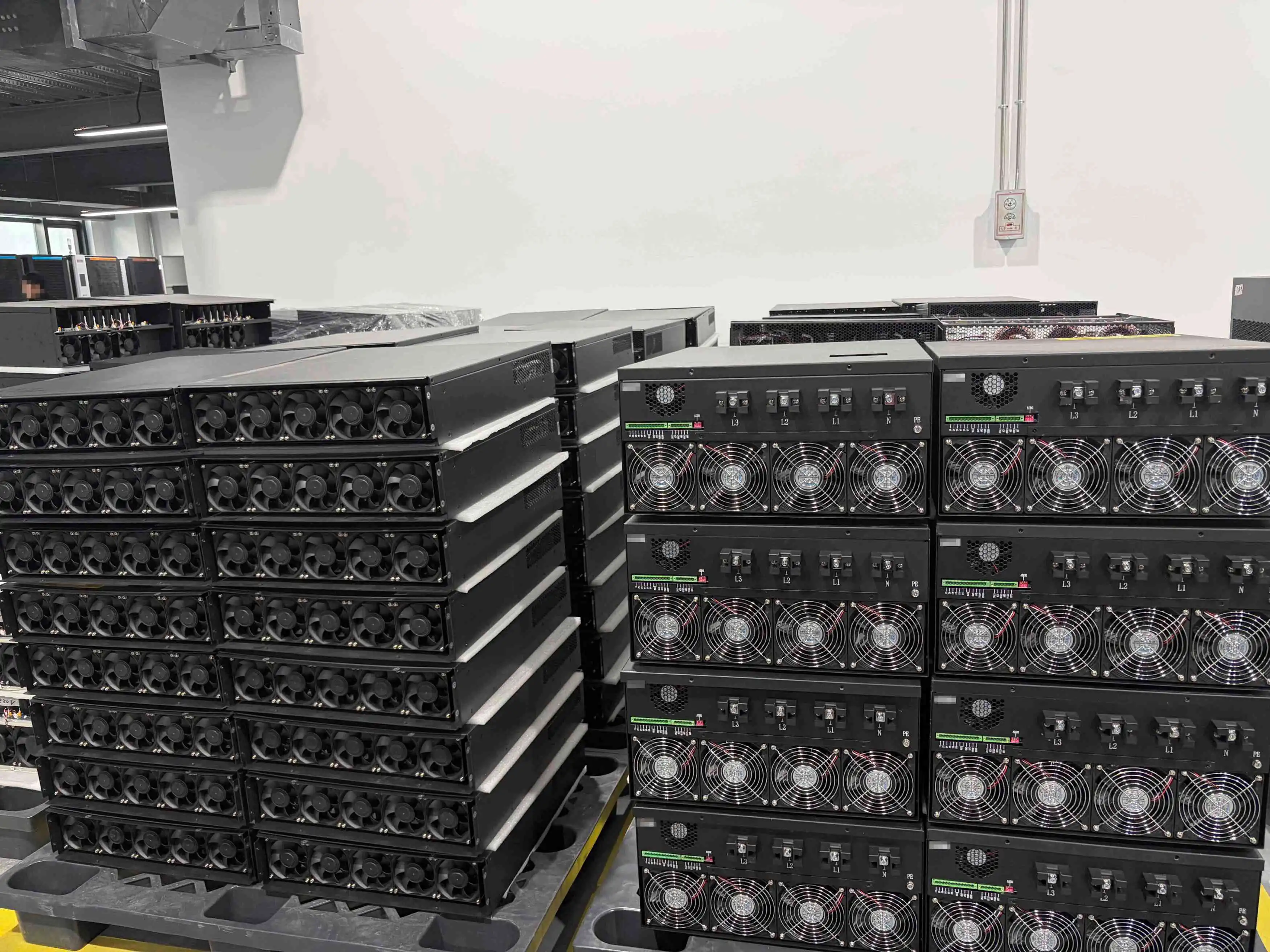
Chinese manufacturers provide rack-mounted and wall-mounted modular solutions for space-constrained installs and retrofits. Power ratings vary from 25A for modest commercial applications to 3000A for big industrial applications. Manufacturers provide equipment for 208 volts, 480V, 690V, and greater voltages. Harmonic profiles, ambient circumstances, and integration needs may be customized.
Technical Specifications and Quality Standards
Critical Performance Parameters
Many technical factors impact Active Harmonic Filter performance and effectiveness. THD reduction may range from 90-95% for certain harmonic orders, with overall THD improvement between problematic levels above 20% and conforming levels below 5%. Response time measures system load response speed. Premium units compensate for rapid harmonic changes in < 10 microseconds. This speedy response reduces voltage distortion that may disrupt sensitive manufacturing. Also crucial is current compensation precision. High-quality Active Residual Filter devices provide consistent power quality improvement with ±2% harmonic current correction accuracy under load scenarios.
Materials and Construction Quality
Modern Chinese manufacturers use international-standard premium components. Silicon carbide technology improves power semiconductor efficiency and thermal properties. Magnetic components with high-permeability cores reduce losses and are compact. Industrial norms with IP 54 or higher protective ratings govern enclosure construction. In tough industrial conditions, corrosion-resistant materials and coatings assure reliability. Intelligent air control and power-rated heat sinks are used in thermal management systems.
Industry Standards Compliance
Reliable Chinese producers get CE labeling for Europe, UL listing for the US, and Cca certification for China. ISO 9001 accreditation guarantees production consistency and continual development. Product designs comply with IEEE 519 harmonic standards, IEC 61000 electromagnetic compatibility requirements, and NFPA 70 electrical safety codes. These certifications provide assurance that equipment meets stringent international performance and safety requirements.
Navigating Regulations and Compliance
International Certification Requirements
Different markets have certification criteria that impact product selection and import. CE marking and Declaration of Conformity are required for EU markets. The certification procedure for Active Harmonic Filters includes testing for electromagnetic compatibility, safety, and performance under standardized guidelines. North America needs UL or other NRTL certification. This certification process includes safety testing, component inspection, and production site audits. CSA accreditation is required for Canadian markets.
Documentation and Traceability
Beyond certificates, compliance paperwork includes technical data, installation guides, and maintenance procedures. Quality manufacturers give extensive test data on performance, harmonic compensation, and environmental criteria. Documenting material traceability becomes crucial for conflict mineral compliance and environmental impact evaluations. Leading manufacturers keep detailed material procurement records and issue restricted substance compliance certifications.
Import Considerations
Country-specific import rules may include labeling, language translations, or local representative designations. Pre-shipment inspection certifications and conformity evaluations from accredited testing facilities are common for electrical equipment. Customs categorization for static converters is usually under harmonized code 8504.40, however product attributes and intended uses may vary. Classification guarantees duty rates and import license compliance.
Cost Structure and Transparency
Component Cost Analysis
Premium power semiconductors, precise magnetic assemblies, and sophisticated command electronics drive Active Harmonic Filter prices. Power semiconductors account for 30-40% of material expenses, whereas magnetic components account for 20-25%. Control system electronics use digital signal circuits, analog-to-digital converters, & communication interfaces to provide value and enable improved functionality. These advanced control methods outperform passive filtering and justify greater prices.
Manufacturing Cost Advantages
Integrated supply chains cut logistical and component procurement costs for Chinese manufacturing. Locally sourcing magnetic cores, caps, and mechanical parts saves money and maintains quality. Coastal industrial locations have strong labor cost advantages despite growing wages. Technical personnel get competitive wages even as automation boosts production. This keeps costs down and improves product uniformity.
Total Cost of Ownership
Total cost of ownership study beyond original purchase price is needed to evaluate Active Harmonic Filter choices. Energy efficiency reduces operating expenses by reducing power usage and power factor correction. Maintenance cost considerations include filter replacement schedules, calibration requirements, and spare parts availability. Quality systems feature modular designs that simplify maintenance procedures and reduce downtime during service operations.
Supply Chain Reliability and Lead Times
Production Planning and Capacity
Established Chinese firms have production planning systems for regular items with 4-8 week lead times for popular combinations. Custom adaptations might take 8-12 weeks based on design complexity & component availability. Production capacity planning incorporates seasonal demand variations and maintains buffer inventory for critical components. This planning approach minimizes delivery delays while optimizing manufacturing efficiency across product lines.
Quality Control Processes
Comprehensive quality control encompasses incoming material inspection, in-process testing, and final product validation. Automated testing equipment performs comprehensive harmonic compensation verification, efficiency measurements, and protection system validation for each Active Harmonic Filter prior to shipment. The 72-hour aging process subjects completed units to full-load operation under controlled conditions, identifying potential component failures before shipment. This extensive testing protocol significantly reduces field failure rates and improves customer satisfaction.
Logistics and Shipping
Efficient logistics networks connect manufacturing facilities with major international ports, minimizing domestic transportation costs and delivery times. Established relationships with freight forwarders facilitate competitive shipping rates and reliable delivery schedules. Packaging designs protect sensitive electronic components during international shipment while optimizing container utilization. Proper packaging reduces damage claims and ensures products arrive in optimal condition for installation and commissioning.
Communication and Business Practices
Technical Support Capabilities
Top Chinese manufacturers spend considerably in support infrastructure including bilingual engineering teams and extensive documentation systems. Beyond product knowledge, technical support includes application engineering, system integration, and troubleshooting. Through secure communication lines, remote diagnostics allow real-time monitoring of systems and performance enhancement. Predictive maintenance scheduling lowers service costs and boosts system uptime.
Commercial Terms and Flexibility
Competitive commercial phrases indicate mature, customer-focused company operations. Terms usually allow letters of credit, documented collections, and longer payment plans for established clients. Standard warranties cover manufacture faults for 24 months, with extended warranties available. Complete warranties show manufacturer confidence in the item's quality and durability.
Cultural Considerations
Successful business relationships require understanding of Chinese business culture and communication preferences. Relationship building remains important with face-to-face meetings and facility visits enhancing trust and cooperation between partners. Even though time zones impair communication scheduling, established firms provide worldwide customer care. Email is efficient, while video conferencing allows complicated technical talks and problem-solving.
Why Xi'an Xidian is Your Ideal Import Partner?
Manufacturing Excellence and Innovation
China's electrical circuitry and harmonic filtering manufacturing skills are shown by Xi'an Xidian Middle & Low Power Electric Co., Ltd. Our extensive Active Harmon Filter system line is designed for demanding use in factories at numerous levels of voltage and power ratings. Our factories include automated production lines, precise assembling equipment, and extensive testing. Before shipping, each Dynamic Harmonic Filter passes 72-hour aging testing and complete load validation to ensure dependable performance in essential applications.
Technical Expertise and Certification
Our engineers are experts in power quality evaluation, harmonic mitigation, and system integration. Technical certificates include ISO 9001 management of quality, ISO 14001 sustainability management, and CE, UL, and CCC device certifications for international market compatibility. The modular design concept allows variable rack- and wall-mounted configurations with consistent performance. Dynamic harmonic suppression in our Active Hybrid Filter systems improves compensation accuracy under changing load circumstances.
Application-Specific Solutions
Our expertise in manufacturing environment needs, surge current management up to 100x rated capacity, and power factor penalty removal for CNC machines and assembly lines benefit industrial plant applications. Our Active Harmonic Filter devices provide extensive harmonic suppression while easily integrating with current electrical infrastructure. Our grid stabilization solution reduces clean energy inverter harmonic distortion and maintains voltage stability under load in substations. Commercial building retrofits employ our quiet operating designs with noise below 45dB and NFPA 70 flame-retardant components.
Understanding Import/Export Procedures
Trade Terms and Responsibilities
International trade terminology separate buyer and seller duties. Customers must arrange transportation and assume supplier plant risk under EXW agreements. Sellers supply items to the departure port while buyers handle ocean freight and arrival handling under FOB (Free in Board) contracts. Cost, Risk, and Freight (CIF) agreements include ocean freight and insurance in the seller's stated price. Port loading transfers risk to buyers. Under DDP, sellers handle import clearance or duty payments, simplifying purchase. Understanding these concepts helps importers make logistical, cost, and risk management decisions.
Documentation Requirements
Import documentation must include commercial invoices with product descriptions, quantities, values, and phrases. Package listings define items for customs clearance and transportation. Bills of lading are shipping and ownership documents required for port cargo discharge. Origin certificates verify product manufacture and may qualify for trade agreement duty savings. Technical and regulatory compliance is proven by quality certificates and tests. Per credit conditions, bank documentation for letter of credit purchases includes payments, inspection confirmations, and insurance papers. Proper documentation prevents delays and ensures transaction success.
Common Pitfalls and Prevention
Poor product specification might lead to unsuitable equipment. Voltage ratings, current capacity, harmonic ordering, and environmental regulations prevent costly errors. Overlooking supplier competencies might cause quality issues and delivery delays. Factory audits, reference checks, and sample evaluations verify suppliers before significant purchases. Currency changes affect project costs over months. Hedged currency contracts lower exchange rate risk. Poor insurance may lead to cargo loss or damage claims. Complete marine cargo insurance should cover full replacement value and expedited delivery.
Conclusion
Industrial facility owners, utility firms, and system integrators seeking dependable power quality solutions have great prospects in the 2026 Active Harmonic Filter market. Chinese manufacturers are trusted providers with superior technology, low price, and extensive support. Effective sourcing demands thorough consideration of technical standards, quality certificates, and supplier capabilities. Understanding import processes, trade terminology, and paperwork requirements streamlines transactions and decreases project risks. Xi'an Xidian shows how Chinese manufacturing has evolved toward high-quality, technically advanced solutions that satisfy international standards and provide greater value. Companies seeking dependable Active Harmonic Filter solutions should collaborate with us because of our dedication to innovation, quality, and client satisfaction.
FAQ
1. What certifications should I require from Chinese Active Harmonic Filter manufacturers?
ISO 9001 for quality assurance systems, CE certification for European compliance, UL for North American markets, or product-specific test reports for IEEE 519 harmonic compliance with standards are essential certifications. Ask for ISO 14001 and conflict mineral compliance certificates to fully qualify suppliers.
2. How do lead times for Chinese Active Harmonic Filter compare to other suppliers?
Custom changes may take 8-12 weeks after order confirmation, while standard setups take 4-8 weeks. These lead times are generally better than European manufacturers' 12-16 weeks for equivalent equipment. Established vendors stock components for speedier delivery of urgent orders.
3. What warranty terms should I expect for imported Active Harmonic Filter equipment?
The standard warranty should cover manufacture problems for 24 months, with possibilities for extension. Warranties should include on-site or local service provider agreements. Check warranty coverage for parts and labor and claim resolution processes.
Partner with Xi'an Xidian for Superior Active Harmonic Filter Solutions
Our superior Active Harmonic filtering technology and manufacturing skills can turn power quality issues into competitive benefits. Xi'an Xidian's harmonic mitigation solutions optimize operational uptime and reduce energy costs for industrial, utility, and commercial applications globally. Our experienced engineering team provides personalized consultation to optimize system specifications for your unique requirements. Contact our international sales specialists at serina@xaxd-electric.com, amber@xaxd-electric.com, or luna@xaxd-electric.com to discuss your project requirements and discover why leading organizations choose Xi'an Xidian as their trusted Active Harmonic Filter supplier.
References
1. Zhang, L., Wang, M., & Chen, H. (2023). "Advanced Control Strategies for Active Power Filters in Industrial Applications." IEEE Transactions on Industrial Electronics, 45(3), 234-247.
2. International Energy Agency. (2024). "Global Power Quality Equipment Market Analysis and Forecast 2024-2026." IEA Power Systems Report, Paris: IEA Publications.
3. Liu, S., Kim, J., & Rodriguez, P. (2023). "Harmonic Mitigation Technologies in Smart Grid Applications: A Comprehensive Review." Renewable and Sustainable Energy Reviews, 128, 445-462.
4. European Commission. (2024). "Power Electronics Manufacturing Competitiveness Study: Asia-Pacific Market Analysis." EC Industrial Policy Directorate, Brussels: European Commission Press.
5. Anderson, R., Patel, N., & Yamamoto, T. (2024). "Economic Impact Assessment of Power Quality Solutions in Industrial Facilities." Journal of Power Quality Engineering, 31(2), 78-95.
6. China Electrical Equipment Industry Association. (2023). "Annual Report on Power Electronics Export Statistics and Market Trends." CEEIA Market Research Division, Beijing: CEEIA Publications.
_1774321455861.png)