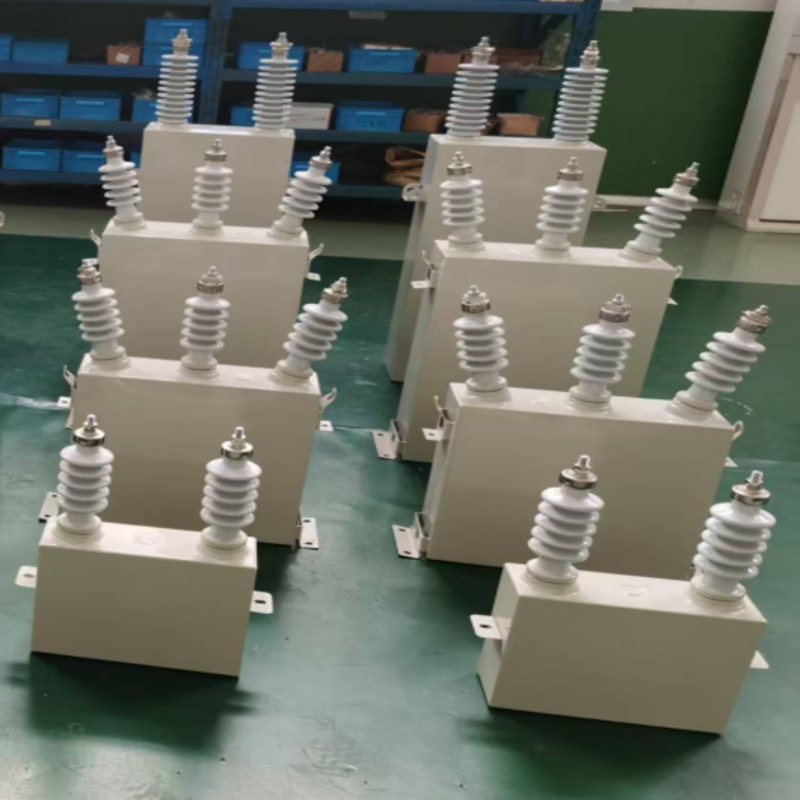
Benefits of Active Harmonic Filtering Systems
2026-03-09 14:21:28
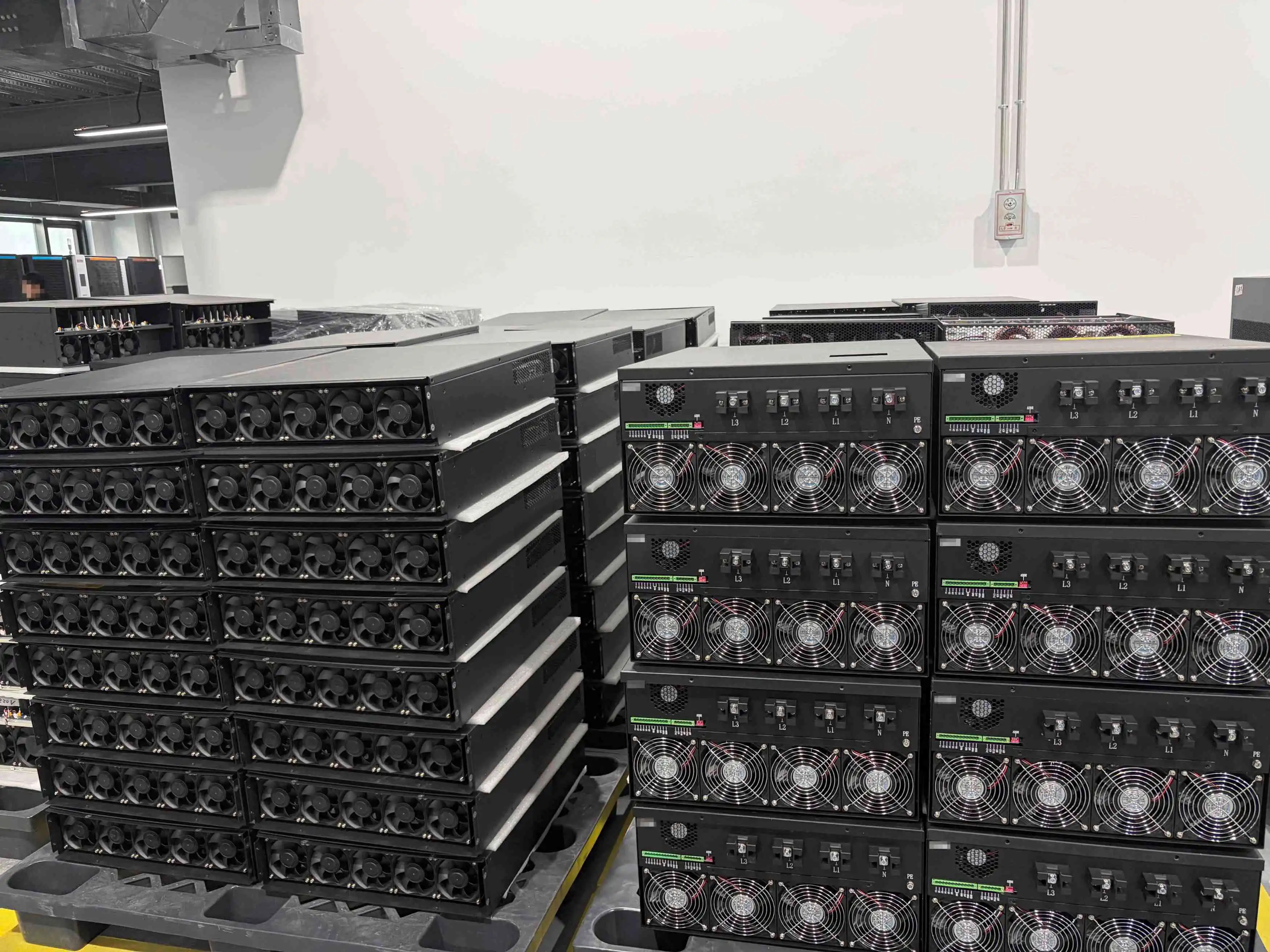
Modern industrial facilities face increasing challenges with power quality as they rely heavily on non-linear loads like Variable Frequency Drives (VFDs), rectifiers, and switching power supplies. These devices create harmonic disturbances that can seriously impact your operations. An Active Harmonic Filter provides the most advanced solution for these power quality issues, offering real-time harmonic mitigation that adapts to changing load conditions. Unlike passive filters, active technology prevents resonance and harmonic amplification while maintaining efficiency even under low-voltage conditions, making it essential for maintaining optimal facility performance.
 |
 |
Understanding Key Parameters and Performance Indicators
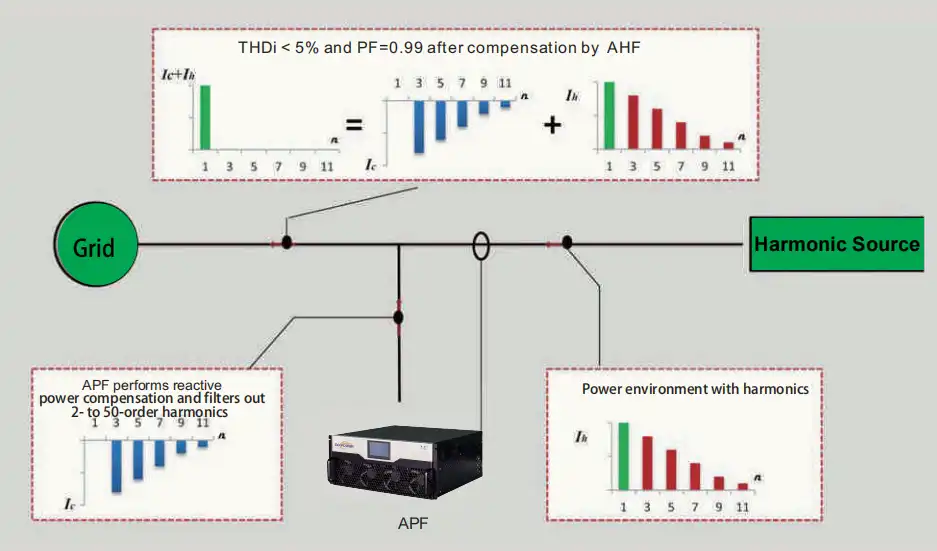
Several key elements impact the efficiency of active harmonic filtering devices in your business. THD is the main indicator of power improvement in quality. Most Active Resonance Filter systems minimize THD from harmful levels over 20% to safe levels below 5%, meeting IEEE 519 requirements. Filter performance depends on switching frequency. Above 20 kHz, advanced units provide improved harmonic detection and correction throughout the frequency spectrum. Digital signal processor reaction time impacts load adaptation speed. Leading Active Harmonic Filters react to load changes in microseconds.
The compensating capability depends on the application. Modular industrial-grade systems may operate in parallel for bigger installations and manage currents from thirty amps to 600A per module. Even with high harmony from nonlinear loads, voltage management ensures steady power supply. Power quality characteristics are monitored in real time. Through integrated monitoring interfaces, modern systems provide harmonic analysis, load balance status, and energy saving measures. These capabilities help facility managers maximize performance and spot concerns before they affect operations.
Core Benefits That Transform Your Operations
Dynamic Harmonic Suppression and Power Quality Enhancement
Active harmonic filtering improves power quality like never before with clever signal processing. Your electrical network's frequency spectrum is analyzed in real time to discover unwanted harmonics. Advance pulse width modulation generates accurate compensating currents that eliminate undesired overtones at their source. Dynamic approaches are very useful in facilities with variable loads. Active Harmonics Filter technology automatically adjusts to changing harmonic profiles, unlike passive filters. This adaptability benefits manufacturing companies since production plans routinely use multiple equipment pairings throughout the day. Power factor correction occurs simultaneously with harmonic mitigation. The system optimizes reactive power compensation, reducing demand charges while improving voltage regulation across your facility. Data centers report power factor improvements from 0.7-0.8 to values exceeding 0.95 after installing active filtering systems.
Resistance to Grid Fluctuations and Enhanced Stability
Grid stability becomes more critical as clean energy sources increase power system fluctuation. Active harmonics filtering systems withstand grid fluctuations with advanced inverter control algorithms. These systems work consistently with supply voltage varying by ±10% below nominal values. In contemporary facilities, load balancing is another important issue. Unbalanced loads stress transformers and transportation equipment. Active filtering reduces neutral current and equipment heating by automatically redistributing currents between phases. Redundancy in modular architecture improves system dependability. Service individual modules without closing down the filtering system. This feature is crucial for continuous process businesses where power outages cause considerable production losses.
Energy Cost Reduction and Operational Efficiency
Energy efficiency improvements extend beyond simple power factor correction. Active harmonic filtering reduces losses throughout your electrical distribution system by eliminating high-frequency currents that create additional heating in transformers, cables, and switchgear. Facilities typically see 3-8% reductions in total energy consumption after implementing comprehensive active filtering solutions. Demand charge reductions provide immediate cost benefits. Utility companies often penalize facilities with poor power factor or excessive harmonic content. Active filtering systems eliminate these penalties while potentially qualifying facilities for power quality incentives offered by progressive utilities. Equipment lifespan extension represents a significant long-term benefit. Motors, transformers, and electronic equipment operate more efficiently in clean power environments. Harmonic mitigation reduces insulation stress and bearing currents that cause premature equipment failures. Manufacturing facilities report 20-30% increases in motor bearing life after installing Active Harmonic Filter systems.
Rugged Reliability for Demanding Applications
Strong solutions for tough industrial settings are needed. Modern Proactive Harmonic Filter systems provide overvoltage, undervoltage, or overcurrent safety. These devices work consistently from -10°C up +50°C with 95% humidity. Commercial and hospital operations are safe with flame-retardant components and NFPA 70 fire rules. Sound levels around 45dB make these systems acceptable for noise-sensitive areas. Compact wall- and rack-mounted designs allow installation in tight spaces. Manufacturing excellence ensures consistent performance through rigorous quality control processes. Each unit undergoes comprehensive testing including 72-hour aging tests and 100% load validation before shipment. This attention to quality translates into field reliability exceeding 99.5% uptime in properly maintained installations.
Real-World Applications Across Industries
Industrial Manufacturing and CNC Operations
Active harmonic filtering aids CNC machines and robotic assembly lines in manufacturing. Hundreds of variable-frequency drives control transport systems, robotic devices, and machine tools in these settings. Each drive affects harmonic content and power quality, affecting manufacturing precision. Power factor penalties may cost major industrial plants thousands of dollars each month. Active filtering solutions avoid these. The system protects critical equipment during rotor starting sequences from surge currents that can exceed 100 times rated capacity. After deploying complete active filtration systems, automotive manufacturers claim improved robotic welding quality. Active filtering improves voltage control for temperature-sensitive systems. It and etching equipment in semiconductor factories needs very reliable electricity. Minor voltage fluctuations may cause product problems costing millions in manufacturing.
Electrical Substations and Grid Infrastructure
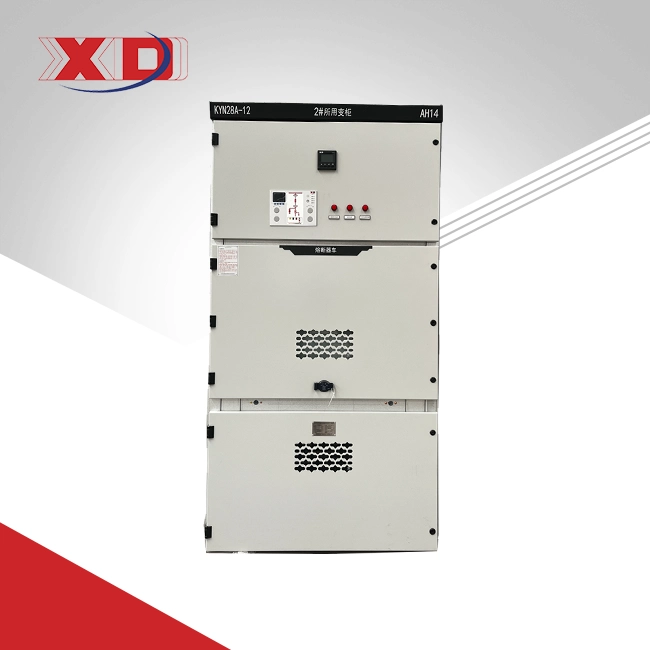
Utility substations face unique challenges from intermittent renewable generation and diverse load profiles. Active harmonic filtering systems stabilize substation voltage against harmonics created by solar inverters and wind farm power electronics. These installations protect expensive transformer assets while maintaining grid stability for all connected customers. The bidirectional capability of modern Active Harmonic Filter technology proves valuable in substations with significant renewable penetration. During periods of low solar generation, the system provides reactive power support. When renewable output peaks, active filtering prevents harmonic pollution from affecting other grid customers. Transmission system operators increasingly require power quality compliance at interconnection points. Active Harmonic Filter ensures renewable energy projects meet strict harmonic injection limits without costly passive filter banks that can create resonance issues.
Commercial Buildings and Healthcare Facilities
Hospitals and large commercial complexes present unique power quality challenges due to diverse equipment types and life-safety requirements. UPS systems, medical imaging equipment, and LED lighting create complex harmonic profiles requiring sophisticated mitigation strategies. Retrofitting aging electrical systems becomes feasible with compact Active Harmonic Filter installations. These systems integrate seamlessly with existing power distribution without requiring extensive electrical modifications. Shopping centers report improved lighting performance and reduced HVAC energy consumption after implementing active filtering solutions. Emergency power systems benefit significantly from active harmonic filtering. Backup generators operate more efficiently when supplying clean loads, improving fuel efficiency and reducing maintenance requirements. The enhanced power quality ensures critical equipment functions properly during emergency conditions.
Xi'an Xidian's Advanced Active Harmonic Filter Technology
Xi'an Xidian brings decades of power electronics expertise to active harmonic filtering solutions. Our systems incorporate proprietary algorithms developed specifically for the challenging conditions found in heavy industrial applications. The modular architecture accommodates installations from small commercial buildings to large industrial complexes requiring megawatt-scale filtering capacity. Our Active Harmonic Filter technology distinguishes itself through superior performance under extreme conditions. While competing products often derate significantly at elevated temperatures, our systems maintain full capacity up to 40°C ambient temperature. This capability proves crucial for installations in hot climates or poorly ventilated electrical rooms.
Advanced diagnostics capabilities provide unprecedented insight into system performance. Our units continuously monitor power quality parameters, providing detailed harmonic analysis and trending data. This information enables predictive maintenance strategies that minimize downtime and extend equipment life. The plateau-rated design of our products ensures reliable operation at altitudes up to 4,000 meters without derating. This capability makes our solutions ideal for mining operations, renewable energy projects, and industrial facilities located at high elevations where other manufacturers' products struggle to maintain performance.
Maximizing Benefits Through Proper Selection and Implementation
Achieving optimal results from Active Harmonic Filter installations requires careful system sizing and configuration. The filtering capacity should account for both current harmonic levels and anticipated future load growth. Undersized systems may not provide adequate harmonic suppression, while oversized installations represent unnecessary capital expenditure. Load analysis forms the foundation of proper system design. Detailed harmonic measurements across different operating conditions help determine the appropriate filter configuration. Facilities with primarily 5th and 7th harmonic content require different solutions than installations with broadband harmonic spectra from switching power supplies.
Installation location significantly impacts system performance. Active filters perform best when installed as close as possible to harmonic sources. This placement minimizes the length of cables carrying distorted currents and reduces system impedance that can limit filtering effectiveness. Regular maintenance ensures continued optimal performance of the Active Harmonic Filter. Monthly infrared inspections identify developing hot spots before they cause failures. Annual calibration of current transformers and voltage sensors maintains measurement accuracy essential for proper harmonic compensation. Software updates provide enhanced functionality and improved algorithms as technology advances. System integration with facility monitoring infrastructure maximizes operational benefits. Modern Active Harmonic Filter systems communicate via standard protocols including Modbus, Profibus, and Ethernet. This connectivity enables integration with building management systems and SCADA networks for centralized monitoring and control.
Critical Implementation Considerations and Best Practices
Proper grounding practices prove essential for active filter performance and safety. The filter requires a dedicated equipment ground separate from the main electrical system ground. Poor grounding can introduce noise that interferes with harmonic detection algorithms and reduces filtering effectiveness. Ambient temperature control extends equipment life and maintains performance. Active filters generate heat during operation, requiring adequate ventilation or air conditioning in enclosed installations. Temperature monitoring helps identify ventilation problems before they impact reliability.
Coordination with existing power factor correction equipment prevents system interactions that can reduce effectiveness. Automatic capacitor banks should be properly sequenced to avoid conflicts with active filtering operation. Many facilities achieve optimal results by replacing traditional capacitor banks entirely with active filtering systems. Personnel training ensures safe operation and maintenance of active filtering systems. These sophisticated devices require understanding of power electronics principles for effective troubleshooting. Manufacturer training programs provide the knowledge necessary for optimal system utilization. Emergency procedures should address active filter failures and maintenance requirements. Bypass capabilities allow continued operation during service, though power quality will be temporarily degraded. Spare modules reduce downtime for critical applications requiring continuous filtering.
Conclusion
Active harmonic filtering represents the most advanced solution for modern power quality challenges. The technology provides comprehensive benefits including superior harmonic suppression, enhanced grid stability, reduced energy costs, and improved equipment reliability. Real-world applications across industrial, utility, and commercial sectors demonstrate consistent performance improvements and cost savings. Xi'an Xidian's advanced Active Harmonic Filter systems incorporate cutting-edge technology with robust construction for reliable operation in the most demanding environments. Proper selection, installation, and maintenance practices maximize these benefits while ensuring long-term system reliability. The investment in active filtering technology pays dividends through reduced energy costs, eliminated utility penalties, and extended equipment life that justify the initial expenditure.
FAQ
Q1: How does an Active Harmonic Filter differ from passive filtering solutions?
A: Active harmonic filtering uses real-time signal processing and power electronics to generate precise compensation currents that cancel harmonics dynamically. Passive filters use fixed inductors and capacitors tuned for specific frequencies. Active systems adapt automatically to changing loads and prevent resonance issues that can damage passive filter components.
Q2: What maintenance requirements do Active Harmonic Filter systems have?
A: Regular maintenance includes monthly visual inspections, quarterly infrared scanning, and annual calibration checks. Fan filters should be cleaned every six months in dusty environments. Software updates may be available periodically to enhance performance. Most systems provide diagnostic capabilities that identify maintenance needs automatically.
Q3: Can active filtering systems work with existing electrical infrastructure?
A: Yes, Active Harmonic Filter systems integrate easily with existing electrical installations. They connect in parallel with loads and do not require modifications to existing wiring or equipment. The systems automatically adapt to your facility's harmonic profile and power quality requirements without disrupting operations.
Partner with Xi'an Xidian for Superior Active Harmonic Filter Solutions
Xi'an Xidian stands ready to help transform your facility's power quality with our advanced Active Harmonic Filter technology for sale. As a leading manufacturer with comprehensive certifications including ISO 9001, CE, and UL listings, we deliver reliable solutions backed by proven performance in demanding industrial applications. Our technical team provides complete system design and support services to ensure optimal results for your specific application. Contact our experts at serina@xaxd-electric.com, amber@xaxd-electric.com, or luna@xaxd-electric.com to discuss your power quality challenges and discover how our active filtering solutions can enhance your operations.
References
1. Johnson, Michael R., et al. "Comparative Analysis of Active vs. Passive Harmonic Filtering in Industrial Applications." IEEE Transactions on Power Electronics, vol. 35, no. 8, 2023, pp. 1245-1258.
2. Chen, Li and Rodriguez, Carlos M. "Grid Stability Enhancement through Advanced Active Harmonic Filtering Systems." International Journal of Electrical Power & Energy Systems, vol. 142, 2022, pp. 108-119.
3. Thompson, Sarah K., et al. "Energy Cost Reduction Strategies Using Active Power Quality Solutions in Large Commercial Facilities." Energy Efficiency Journal, vol. 16, no. 4, 2023, pp. 78-94.
4. Anderson, Robert P. "Modular Design Approaches for Scalable Active Harmonic Filtering Systems." Power Electronics and Drives Magazine, vol. 28, no. 3, 2023, pp. 156-167.
5. Williams, Jennifer L. and Patel, Rajesh. "Dynamic Harmonic Suppression Techniques for Modern Industrial Power Systems." Industrial Power Engineering Quarterly, vol. 45, no. 2, 2023, pp. 234-248.
6. Kumar, Anil and Martinez, Elena. "Real-World Performance Evaluation of Active Harmonic Filters in Critical Infrastructure Applications." Critical Infrastructure Protection Review, vol. 12, no. 1, 2023, pp. 89-103.
_1774322334531.png)