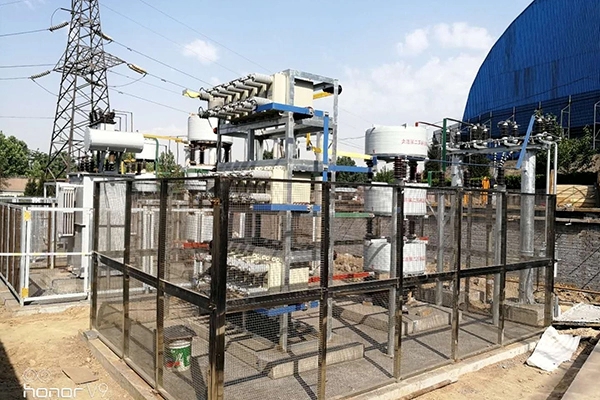
Indoor Disconnect Switch: A Vital Safety Device
2026-06-02 15:59:16
Indoor disconnect switch protects your facilities against power surges and circuit isolation. These electromechanical devices provide a visible air gap in electrical circuits, allowing personnel to safely maintain downstream equipment without electrocution or arc flash accidents. Indoor disconnect switches, unlike circuit breakers that protect against overloads, physically separate live wires from equipment being repaired, assuring zero voltage at work locations.
 |
 |
Understanding Indoor Disconnect Switches: A Complete Guide
What Defines an Indoor Disconnect Switch?
Electrical enclosures, substations, and switchgear assemblies have Indoor disconnect switches for manual separation. Using a revolving blade mechanism, the device isolates conductors by 8-15 millimeters per kilovolt, viewable via inspection windows. In contrast, circuit breakers block fault currents using arc-quenching chambers but may not offer the apparent isolation gap needed by OSHA 1910.147 lockout/tagout standards. The switch's indoor designation specifies climate-controlled housing with materials approved for particular temperature ranges and pollution levels per IEC 62271-102.
Core Operating Principles and Components
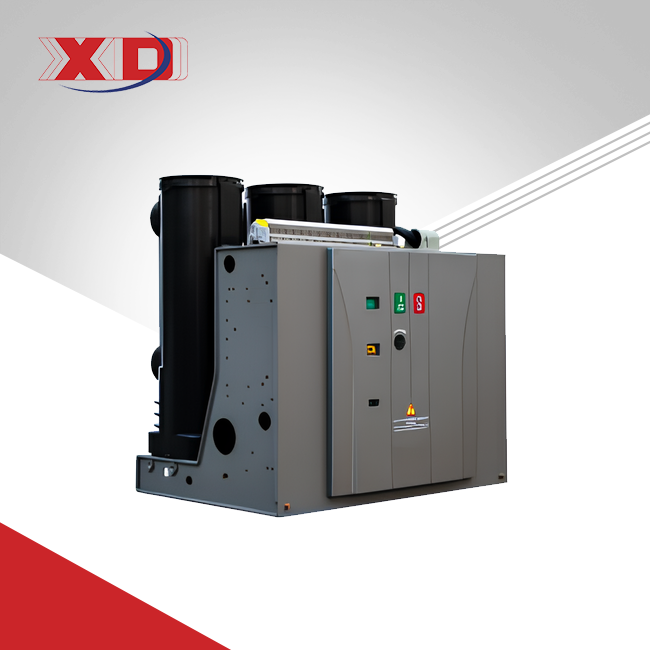
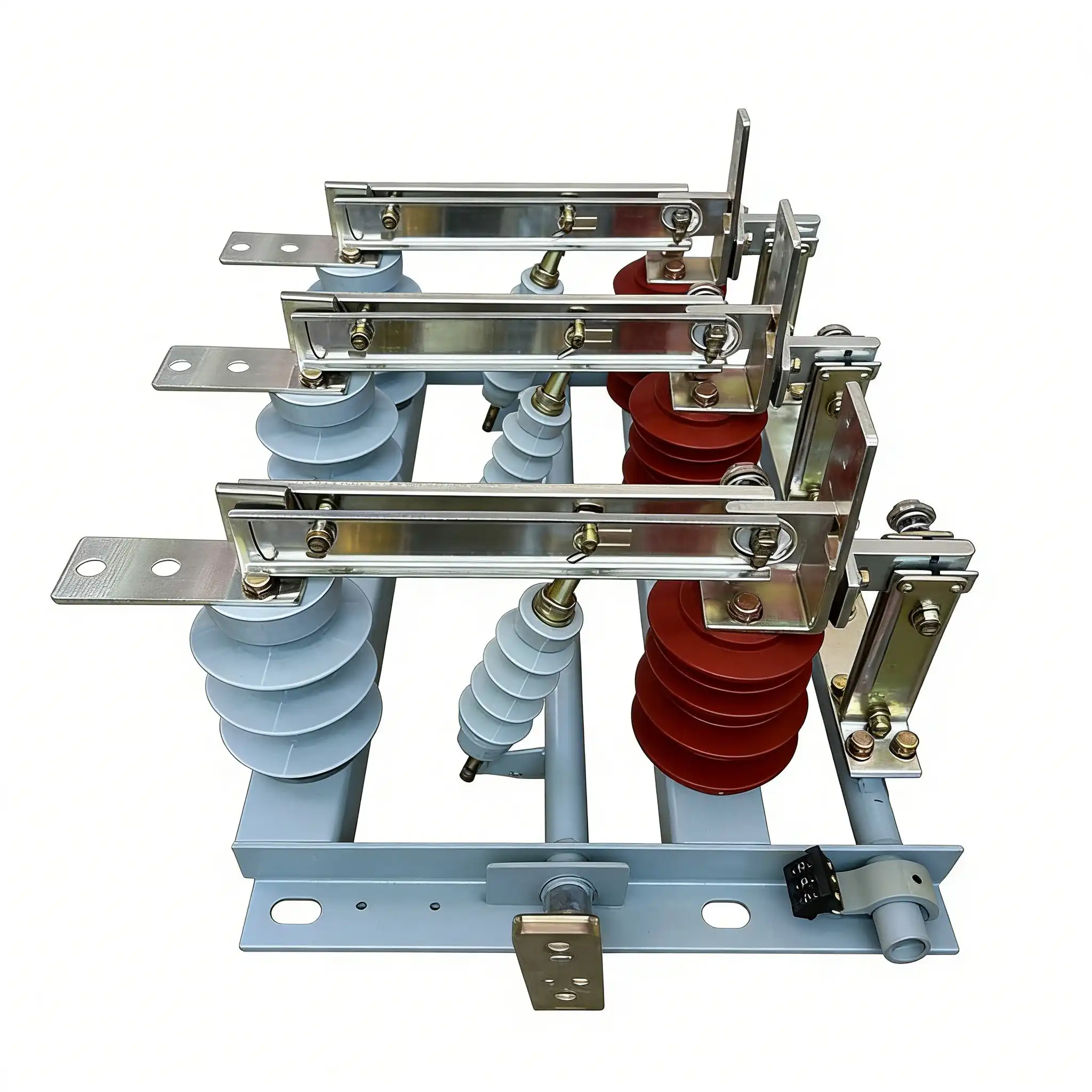
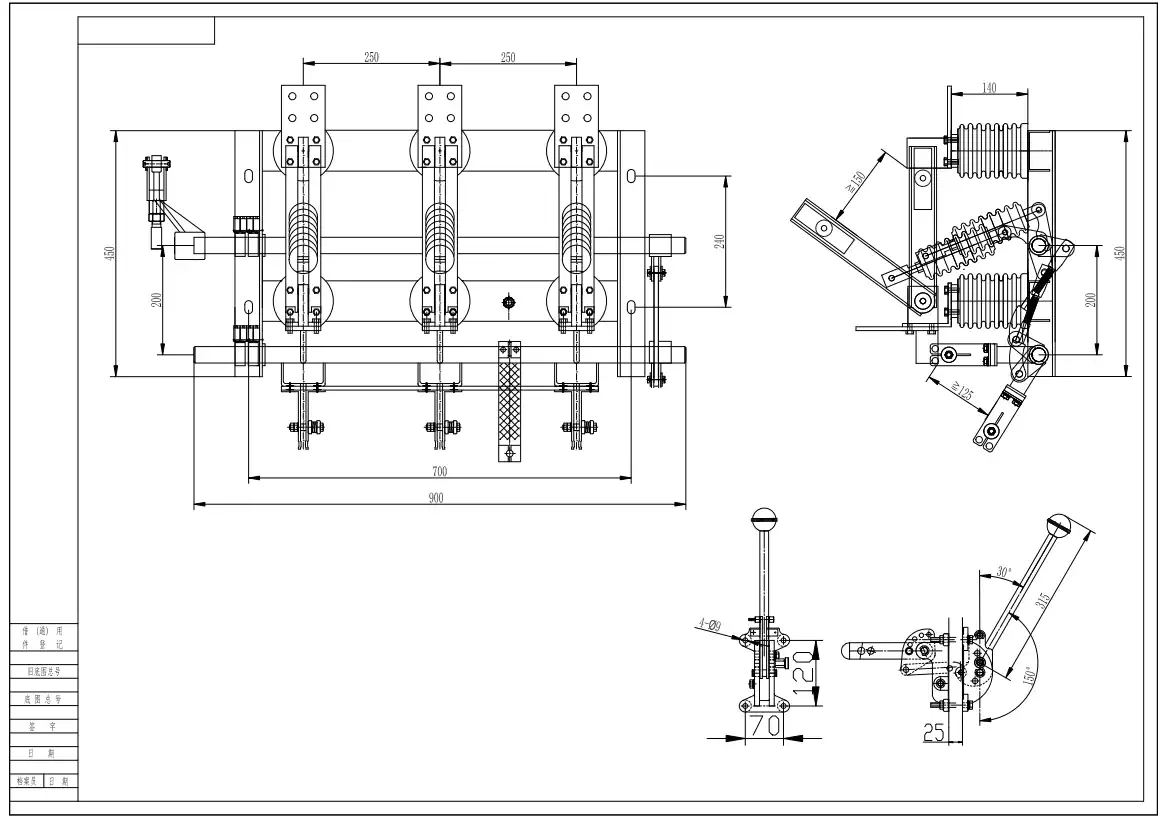
Spring energy powers the quick-make, slow-break mechanism. Interlocking cams engage auxiliary connections that notify control systems and release mechanical force to swiftly open the main blades when users crank the handle. Arcing under load is prevented by opening the switch quicker than fault currents may establish. Silver-plated copper blades with contact resistance below 50 microhms, cycloaliphatic epoxy resin post insulators for tracking resistance, and galvanized steel frames for grounding continuity are essential. The horizontal pantograph mechanism with dual-break insulation in the GN24 High Voltage Indoor disconnect switch produces two isolation points per phase, improving safety margins during 12kV system maintenance throughout 400A to 1250A current ranges.
Types and Voltage Classifications
Manual switches are used in industry because spring mechanisms assure blade motion even when operators hesitate. Motorized versions interface with SCADA for remote sectionalizing, although interlocks impede fault closure. For transformer main protection where space is limited, fused Indoor disconnect switches provide isolation and overcurrent protection with Class J or Class L current-limiting fuses. Commercial buildings use 600V low-voltage units, whereas utility substations use 40.5kV devices like the GN27 series. A 1250A switch at 12kV handles 21.7 MVA for medium-sized industrial plants, whereas 3150A supports 65 MVA data centers. Non-fused switches prioritize isolation duty and employ upstream circuit breakers for fault interruption, simplifying maintenance in 24/7 production operations.
Indoor Versus Outdoor Design Adaptations
Through-wall installation allows blade manipulation from external handles while connections are sealed inside IP42-rated compartments in indoor variants, which have minimal footprints and integrate with metal-enclosed switchgear. Materials are chosen for dimensional stability from 0°C to 40°C and lesser UV resistance than outdoor counterparts. The porcelain or polymer insulators of outdoor disconnect switches are designed to withstand salt fog, ANSI C37.32 ice loading, and 5000-hour accelerated UV deterioration. Through-wall mounting allows the GN24 to be used in semi-exposed switchyards where operators use indoor control rooms but switch bodies are outdoors. Outdoor designs increase creepage lengths by 50% to compensate for moisture coatings that diminish insulation.
Benefits and Safety Features of Indoor Disconnect Switches
Preventing Electrical Hazards Through Isolation
The principal safety function handles the 5-15 arc flash events per day in U.S. industrial sites, according IEEE 1584. In molded-case circuit breakers, internal contacts may weld shut during fault interruptions without external indication. Visible blade position avoids this guessing. Indoor disconnect switches with proper ratings can resist short-circuit pressures up to 80kA peak—200 pounds per inch of conductor—without distorting frames or shattering insulators. This structural integrity prevents phase-to-ground flashovers that might reenergize dead circuits during fault situations. Facilities with sensitive electronics benefit because capacitive coupling in de-energized cables can cause fatal shocks without upstream separation.
Lock-Out/Tag-Out Compliance and Mechanisms
The main safety aspects for regulatory compliance and worker protection are:
- Padlock Provisions: Electrical, mechanical, and process personnel use personal locks before repairing shared equipment, therefore hasp designs that accommodate three 7mm shackle padlocks comply with multi-craft lockout regulations. The GN24's mechanical interlock prevents handle rotation when the earthing switch activates, physically blocking live and ground potentials.
- Auxiliary Contacts: Automated permit-to-work systems that electronically check isolation before maintenance clearances use 10A at 250VAC dry contact switches to alert PLC and SCADA systems. These contacts update control dashboards in 20 milliseconds, quicker than humans.
- Visible Gap Verification: In NFPA 70E verification processes, transparent polycarbonate windows withstanding 12kV phase-to-ground stress provide visual confirmation of blade separation without opening enclosure doors, decreasing arc flash exposure.
These integrated features save lockout time by 40% compared to previous systems requiring grounding assembly and verification equipment, boosting maintenance crew efficiency and safety margins.
Standards Compliance and Certification Assurance
To ensure 30-year service life, IEC 62271-102 restricts temperature increase to 65°C at silver-plated contacts under continuous rated current. Devices must interrupt 200,000 amperes without ejecting molten metal beyond bounds to pass UL 98 destructive testing for short-circuit withstand. For grain elevators and textile mills, the GN24's IEEE C37.30 enclosure integrity criteria ensure operation in flammable dust or fibers. CSA or TÜV certification gives procurement managers insurance underwriting and liability mitigation documentation. In seismic zones, devices must be tested per IEEE 693 shaker table protocols to ensure mechanical latches engage during 0.5g horizontal accelerations. Our high-altitude product lines serve regions up to 4000 meters elevation, where thinner air reduces dielectric strength by 15% per IEC 60071-2 altitude correction factors.
Real-World Safety Applications Across Industries
Fused Indoor disconnect switches at motor control centers isolate 480V three-phase supplies to CNC machines during tool changes, which occur 15-20 times a shift in high-mix production environments. Data centers use 12kV switches in paralleling switchgear to tie-in generators without disrupting UPS-protected loads. The apparent isolation gap ensures generators are electrically segregated from utility feeds during monthly preventative maintenance. Hospital emergency power systems require Indoor disconnect switches with auxiliary contacts linked to automated transfer switches to avoid manual bypass mode until utility and generator sources are de-energized. Commercial retrofits now have switches with arc flash ratings below 8 cal/cm² at 18-inch working distances, allowing electricians to use Category 2 PPE instead of costly 40-calorie suits that limit mobility and cost $3000 each set.
Installation, Maintenance, and Troubleshooting Best Practices
Pre-Installation Site Preparation
Common Indoor disconnect switches have mechanical lug terminals torqued to 50-70 foot-pounds to support wires from 4/0 AWG copper to 500 kcmil aluminum. Mounting surfaces must be 1.5mm per meter flat to minimize frame deformation that misaligns blades and causes resistive hot spots. Standard units must operate in -5°C to 45°C ambient temperatures, and unheated warehouses and boiler rooms require thermal imaging assessments to verify temperatures. Clearance zones of 36 inches in front of switches meet NEC 110.26 criteria, whereas NFPA 70E suggests 48 inches for incident energy over 5 cal/cm². The GN24's through-wall attachment requires accurate alignment—within 2mm angular tolerance—between indoor operator handles and outdoor blade assemblies to prevent binding after 10,000+ mechanical cycles.
Wiring Best Practices and Code Compliance
To minimize shield damage, stranded cable conductor routing must avoid abrupt bends within 6 inches of terminals and maintain 8:1 radius ratios. Continuous grounding cables from terminal frames via building steel or specialized ground grids achieve less than 1 ohm resistance in three-point fall-of-potential testing. Connecting to unknown bus layouts in substations requires phase rotation verification using rotation meters to avoid reverse-sequence operation that damages three-phase motors and transformers. Manufacturer standards provide for 50% initial torque, 100% after 10 minutes, and re-verification after 24 hours. GN24's dual-break design requires simultaneous blade engagement verification across both breaks per phase utilizing feeler gauges to verify contact surfaces compress to 0.05mm parallelism.
Routine Maintenance Schedules and Inspection Protocols
Operating needs and failure risks are balanced by maintenance intervals. Climate-controlled interior setups with fewer than 50 cycles per year need quarterly inspections. Terminals under load are scanned infrared for hotspots over 40°C above ambient, indicating loose connections or oxidized surfaces. Annual maintenance uses micro-ohmmeters using 100A DC to assess contact resistance versus baseline values. Increases above 50% indicate failure. Electrical-grade grease approved for 150°C continuous exposure lubricates pivot points and sliding surfaces without petroleum compounds, which damage polymer insulators. The earthing switch blade needs special attention since rust on this seldom used component might hinder emergency grounding. Instead of wire brushes that embed conductive particles into insulators, contact cleaning uses lint-free ScotchBrite pads. Our production processes include durability testing through 10,000 mechanical cycles before shipment to ensure maintenance schedules match real-world deterioration rates.
Troubleshooting Common Faults
Mechanical binding from pivot pin corrosion or foreign object entry usually prevents full blade insertion. The remedy is disassembly, isopropyl alcohol cleaning, re-lubrication, and no-load cycle verification. To avoid misleading signals during operator reluctance, auxiliary connections should make/break within 5% of handle travel. Nuisance tripping indicates adjustment drift. Insulator tracking—carbonized routes between phases or to ground—cannot be cleansed and worsens till flashover. Immediately replace. Due to spring fatigue lowering contact pressure, certain phases overheat while others remain cool, requiring blade replacement matched to original silver plating thickness criteria. Functional testing using spring scales is needed to ensure that 30-50 pounds of force on the handle cannot overcome earthing switch interlocks, which can accidentally close into grounded circuits and cause severe arcs. Field experience suggests that 70% of Indoor disconnect switch failures are due to installation errors—improper torque, misalignment, or environmental exposure beyond ratings—highlighting the relevance of factory starting support programs with certified supplier equipment purchases.
Making the Right Purchase: How to Choose the Best Indoor Disconnect Switch?
Defining Critical Electrical Parameters
Voltage rating selection requires system configuration: a 12kV switch fits 13.8kV nominal systems after 10% tolerance margins, whereas 15kV systems need 15.5kV equipment. Due to harmonic heating from variable frequency drives, current ratings must exceed continuous load by 25%. For 500A VFD loads with 15% overall harmonic distortion, a 630A switch is required. To safeguard utility feeders with 25kA available fault current, a switch rated 31.5kA RMS symmetrical withstand for 3 seconds is sufficient, however installations near generation sources with 50kA faults require 80kA devices. Breaking capacity distinguishes load-break switches that interrupt magnetizing current—up to 0.4A for small transformers—from isolating-only devices that need upstream breaker activity before switch manipulation. Plastics extruders, cement kilns, and mine hoists working constantly benefit from the GN24's 1250A rated at 12kV for medium-voltage motor applications between 3-8 MW.
Evaluating Brand Specifications
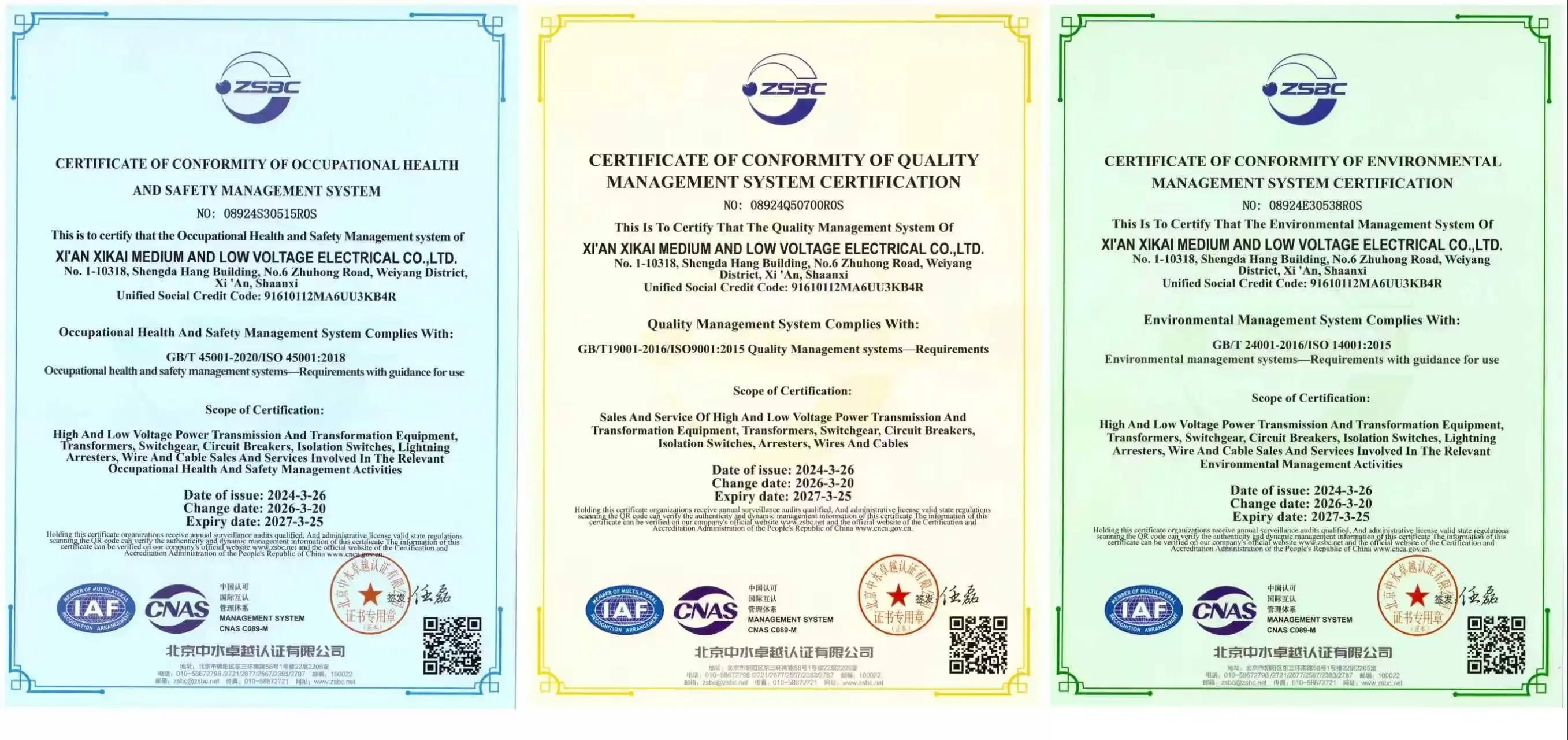
Siemens SIVACON switchgear has arc-resistant Indoor disconnect switches verified to IEC 61641, routing fault gasses via exhaust plenums away from operators. Eaton's Freedom FlashGard technology reduces arc flash energy to 1.2 cal/cm² via current-limiting fuses and rapid-acting disconnects, allowing Category 0 PPE usage. For space-constrained retrofits, Schneider Electric Premset Indoor disconnect switch assemblies use vacuum interrupters to isolate and interrupt. ABB EAmax systems employ Modbus-connected electronic trip devices to inform maintenance 30 days before contact deterioration causes failures. Established companies charge 20-40% more than new suppliers due to their worldwide service networks and century-long histories. Alternatively, Xi'an Xikai's IEC-compliant engineering and ISO 9001 quality standards optimize project economies without compromising dependability. Our innovative high-altitude designs serve hydropower and mining projects in mountainous locations at 4000-meter elevations, where lower air density requires 15% insulating margins.
Price Structures and Procurement Timelines
Standard Indoor disconnect switches cost $800 for 600V, 200A fused devices and $8500 for 15kV, 2000A load-break units. Motorized operators cost $1200–2800, depending on control voltage and SCADA connectivity. Custom busbar arrangements, seismic certifications, and non-standard installation increase lead times from 6-8 weeks for catalog goods to 14-18 weeks for engineered-to-order products. Above 20 units, volume pricing allows 15-25% yearly supply agreement discounts. Payment conditions are usually 30% deposit upon purchase, 60% before shipping, and 10% retention after commissioning to preserve supplier cash flow and customer quality. Warranty coverage is 18-36 months, with premium tiers including 5-year mechanical component manufacture fault protection. To avoid costly installation delays and daily standby charges of $5000-15,000, specify long-lead switchgear early in project planning.
Supplier Reliability and Support Services
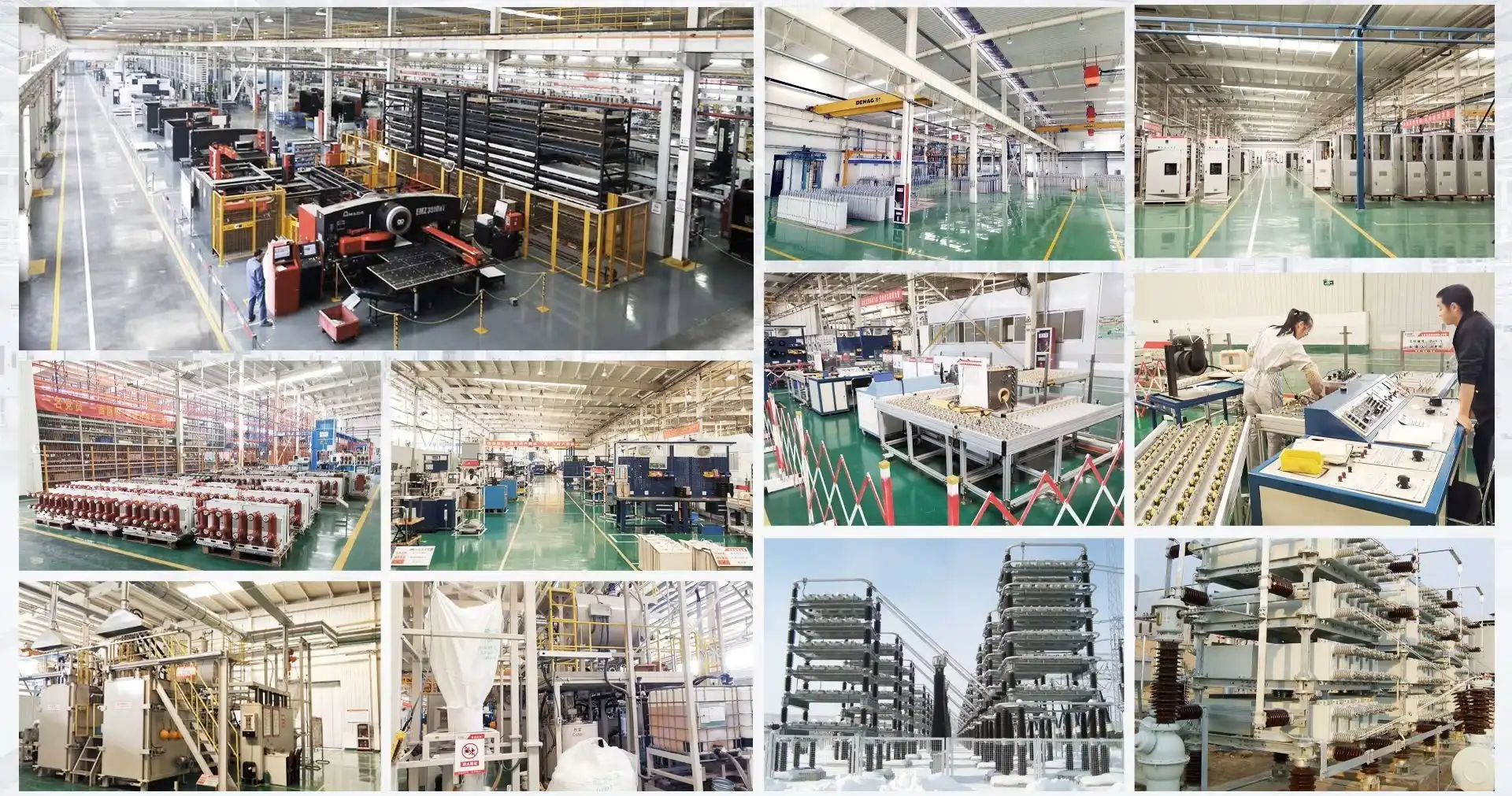
Supplier capacity is assessed by analyzing IEEE and ANSI testing certificates from certified labs, not merely manufacturer assertions. Factory tours highlight manufacturing sophistication—CNC machining vs hand assembly, automated testing versus spot-checking, and climate-controlled versus ambient production settings. Technical support response important; 24/7 multilingual vendors avoid midnight troubleshooting situations from becoming protracted outages. Domestically stocked spare parts ship within days, but offshore dependencies add weeks of downtime. North American parts warehouses in Houston and Chicago allow Xi'an Xikai to supply next day to 85% of the continental U.S. Workshops on installation, commissioning, and troubleshooting teach client maintenance teams, reducing contractor dependence and empowering internal capabilities. Clients who choose vendors purely on initial pricing sometimes find that poor support costs 3-5x more than somewhat pricier providers delivering comprehensive lifecycle services.
Conclusion
Electrical standards, safety compliance, and supplier reliability must be balanced against project budgets and timetables when choosing an Indoor disconnect switch. From 600V commercial units to 40.5kV utility-grade assemblies, the devices examined share visual isolation and maintenance safety but range in breaking capability, environmental ratings, and integration. Proper installation following manufacturer torque requirements and code clearances ensures decades of reliable performance. Regular contact resistance monitoring and mechanical lubrication avoid progressive deterioration that causes crucial operation failures. Instead of comparing list prices, procurement choices should include total ownership costs, including initial pricing, replacement parts availability, and technical support response.
FAQ
1. What electrical rating do I need for my facility?
With 10% margin, voltage rating must equal system nominal voltage. Modern electronic loads cause harmonic heating, hence current rating should exceed continuous load by 25%. Short-circuit ratings must exceed installation fault current, usually 25-50kA for industrial distribution systems. Check ratings using licensed engineer coordination studies.
2. How do disconnect switches differ from circuit breakers?
For repeated load operations, circuit breakers use arc-quenching devices to interrupt fault currents. Indoor disconnect switches have obvious isolation gaps but no arc interruption, thus upstream breakers must clear circuits before use. Breakers safeguard and disconnect switches isolate maintenance with lockout in many facilities.
3. When should I replace rather than repair?
Replace devices with insulator tracking, broken epoxy housings, or 150%+ contact resistance. Lubrication and adjustment keep springs and pivot pins working. Even without evident faults, insulation deterioration accelerates rapidly, thus devices reaching 25-30 years should be replaced.
Partner with Xi'an Xikai for Reliable Isolation Solutions
Indoor disconnect switch solutions from Xi'an Xikai are durable and safe for industrial use. The GN24 High Voltage Indoor disconnect switch has integrated earthing switches and through-wall installation for varied facility layouts and provides 12kV isolation throughout current ranges to 1250A. With ISO 9001 quality processes and field-proven performance in steel, petrochemical, and utility industries, we supply more than components—we deliver collaboration. Talk to our procurement specialists at serina@xaxd-electric.com, amber@xaxd-electric.com, or luna@xaxd-electric.com about project-specific needs and tailored quotes.
References
1. Institute of Electrical and Electronics Engineers (2018). IEEE Standard 1584-2018: Guide for Performing Arc-Flash Hazard Calculations. IEEE Standards Association, New York.
2. International Electrotechnical Commission (2021). IEC 62271-102: High-Voltage Switchgear and Controlgear - Part 102: Alternating Current Disconnectors and Earthing Switches. Geneva, Switzerland.
3. National Fire Protection Association (2021). NFPA 70E: Standard for Electrical Safety in the Workplace. NFPA Publications, Quincy, Massachusetts.
4. Occupational Safety and Health Administration (2020). OSHA 1910.147: The Control of Hazardous Energy (Lockout/Tagout). U.S. Department of Labor, Washington D.C.
5. Das, J.C. (2017). Power System Analysis: Short-Circuit Load Flow and Harmonics, Second Edition. CRC Press, Boca Raton, Florida.
6. McDonald, J.D. (2016). Electric Power Substations Engineering, Third Edition. CRC Press, Boca Raton, Florida.