Top LV Intelligent Capacitor Devices in 2026
2026-03-12 15:42:20
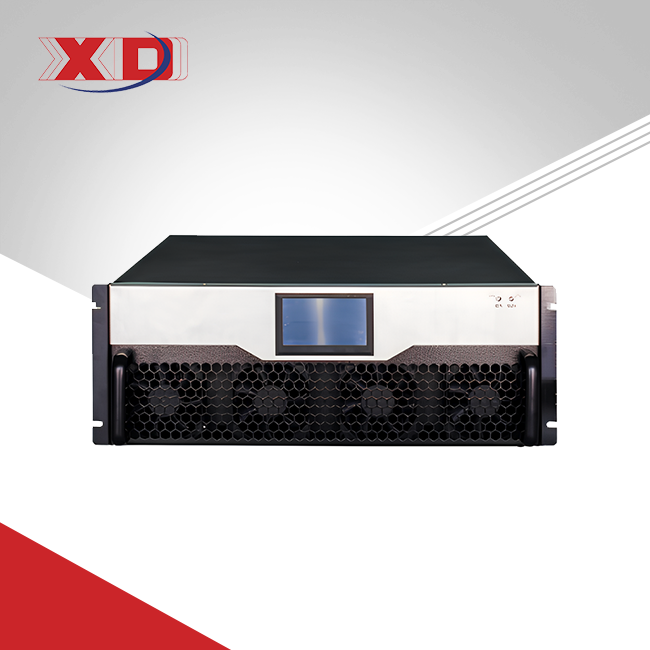
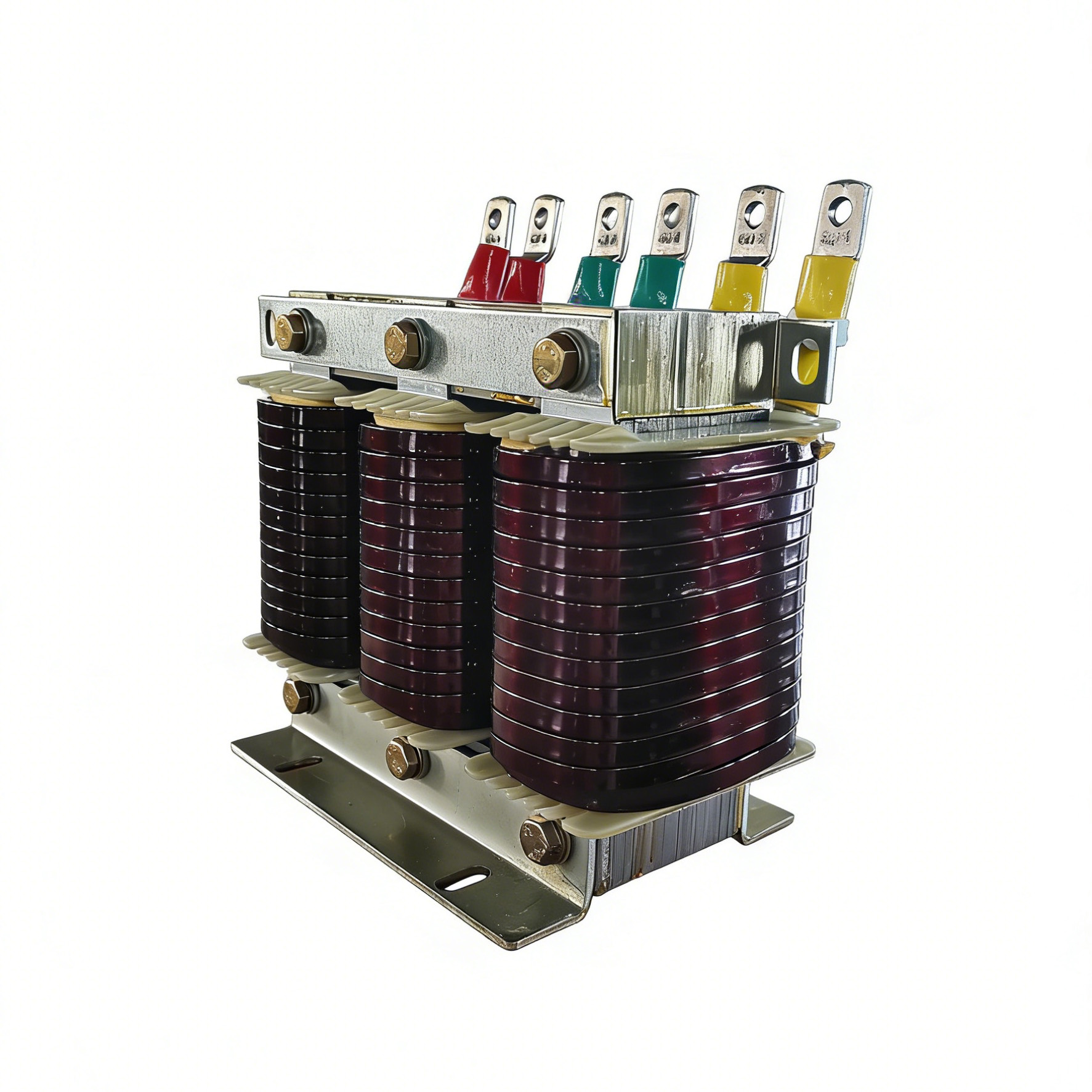
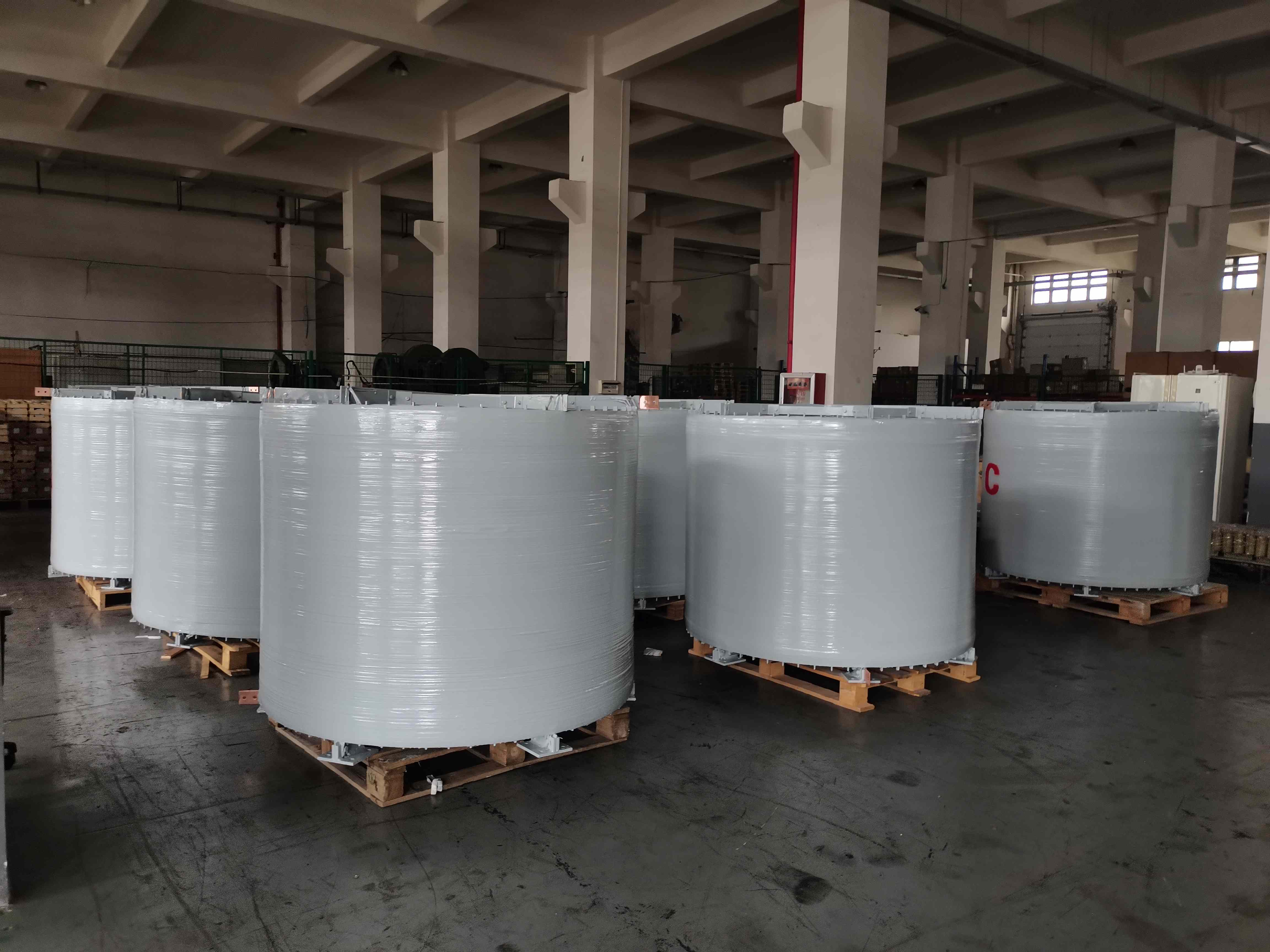
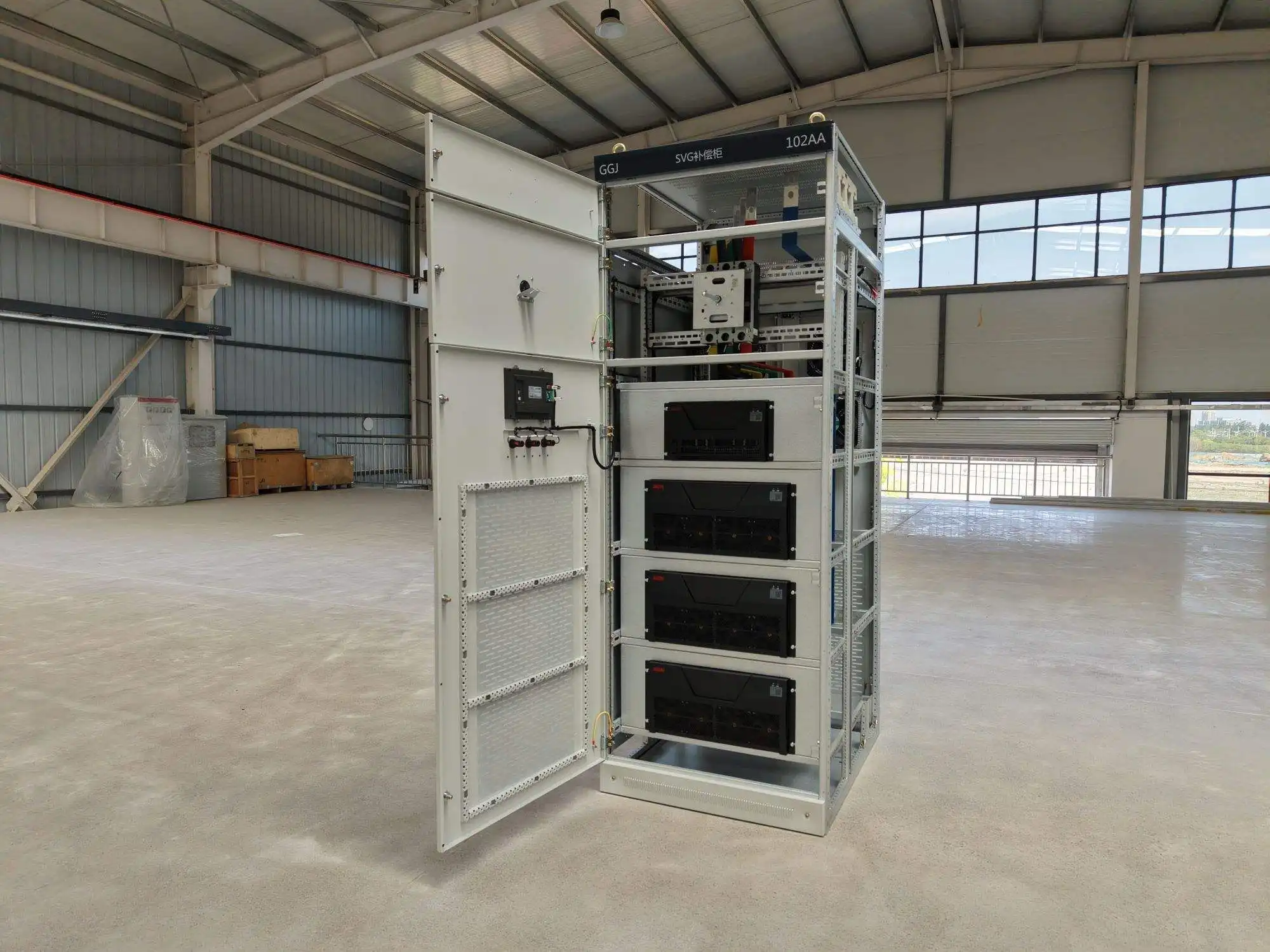
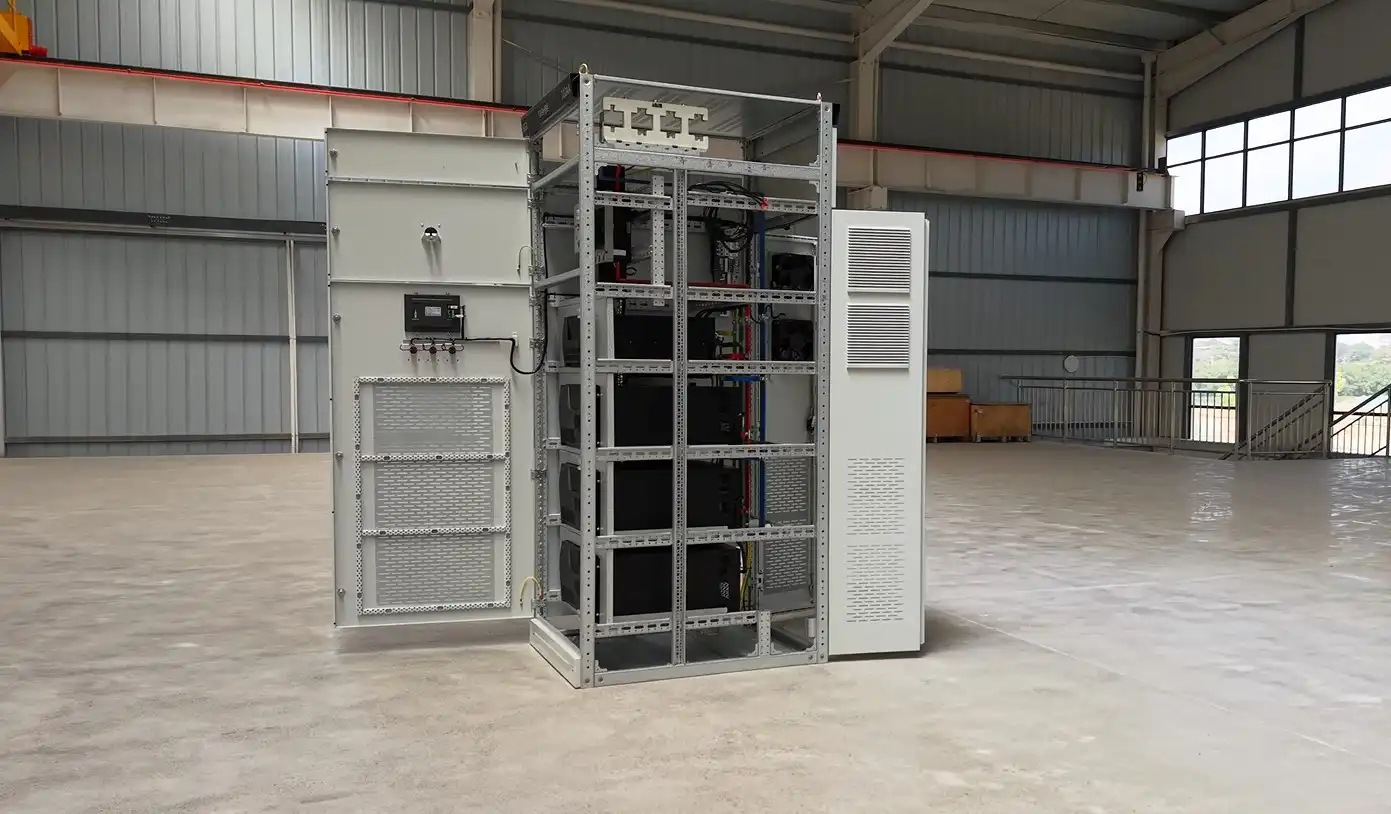
In 2026, the electrical equipment landscape will have been significantly changed by advanced LV Intelligent Capacitor Compensation Devices that deliver improved power quality and efficiency. These smart reactive power solutions integrate microprocessor controls, zero-crossing switching technology, and real-time monitoring capabilities to optimize power factor correction across diverse industrial applications. Modern LV Intelligent Capacitor Compensation Device designs feature modular architectures that reduce traditional cabinet complexities while providing effective harmonic suppression and grid stability enhancement for manufacturing plants, data centers, and commercial facilities.
 |
 |
Introduction
Low Voltage (LV) Intelligent Capacitor Compensation Devices are important components of current electrical systems, driven by the global shift toward more sustainable energy management. These advanced power quality solutions address key challenges faced by building managers, utility companies, and system designers who require reliable and cost-effective reactive power compensation. Traditional capacitor banks use mechanical contactors and centralized control systems, while intelligent compensation devices utilize advanced microprocessor technology and real-time monitoring. This evolution represents significant progress in power factor adjustment, enabling systems to respond dynamically to load changes while reducing equipment stress and operational costs. Industrial sites worldwide face increasing pressure to reduce energy consumption while maintaining operational reliability. The integration of variable frequency drives, LED lighting systems, and renewable energy sources has created harmonic conditions that traditional compensation methods struggle to handle effectively. LV Intelligent Capacitor Compensation Devices provide the technology needed to meet these evolving needs and ensure compliance with strict energy-saving standards.
Understanding LV Intelligent Capacitor Compensation Devices
Core Technology and Operating Principles
LV Intelligent Capacitor Compensation Devices differ significantly from traditional methods of addressing power instability. The advanced zero-crossing switching technology in these devices minimizes the harmful inrush currents associated with mechanical contactors. By precisely timing the engagement and disengagement of capacitors with voltage and current zero-crossings, these systems extend equipment lifespan while maintaining effective power factor correction. The addition of microprocessor-based control systems allows for real-time analysis of electrical parameters such as voltage, current, power factor, and harmonic content. Thanks to continuous monitoring, LV Intelligent Capacitor Compensation Devices can adjust compensation levels based on actual load conditions, rather than relying on predetermined settings.
Advanced Features and Capabilities
Modern compensation devices are equipped with metallized LV Intelligent Capacitor Compensation Devices, polypropylene film capacitors that can self-heal after minor dielectric breakdowns. This self-healing process occurs when weak points in the dielectric layer break down under voltage, generating high temperatures that evaporate the metallized layer around the breakdown point, restoring insulation and allowing the capacitor to continue stable operation. This technology enhances system stability by ensuring continued operation even when individual capacitor components fail due to stress. Communication protocols such as Modbus RTU and IEC 61850 facilitate seamless integration with existing SCADA networks and energy management systems. This connectivity simplifies monitoring and decision-making, and supports planned maintenance that minimizes unplanned downtime. These devices feature protection systems that automatically isolate faulty components while maintaining overall system operation, safeguarding against overvoltage, undervoltage, overcurrent, and overtemperature. The distributed control design ensures that malfunctions in one unit do not affect the performance of the entire compensation system.
Top LV Intelligent Capacitor Devices in 2026 — Detailed Review
Performance Evaluation Criteria
When evaluating high-quality intelligent capacitor devices, a range of performance factors should be considered. Reliability metrics include switching cycle count, harmonic tolerance, and temperature stability under varying load conditions. Efficiency factors encompass adjustment accuracy, response time, and energy consumption of control systems. Manufacturing quality standards are critical for long-term dependability. High-end devices undergo rigorous testing, including 72-hour load testing, harmonic stress evaluation, and thermal cycling, to ensure consistent performance across diverse environments. Certification to standards such as IEC 60831, GB/T 15576-2020 (the current national standard for low-voltage reactive power compensation assemblies), and regional safety standards ensures design
Technology Innovation Highlights
In 2026, leading devices offer enhanced harmonic reduction through built-in reactor systems tuned to specific frequencies. These configurations effectively block harmful harmonics while maintaining effective compensation performance even as loads change. For systems with large load variations, this adaptability is particularly valuable, as fixed-type capacitors often lead to over-compensation during extended periods. Advanced diagnostic features enable continuous monitoring of capacitor health, switching system stability, and safety circuit functionality. Real-time data analysis supports preventive maintenance planning and early fault detection before issues escalate. Smart grid integration features allow these devices to participate in demand response programs and grid stabilization efforts. This capability becomes increasingly valuable as energy providers adopt dynamic pricing systems and grid optimization techniques.
Application-Specific Considerations
In manufacturing settings with high motor loads, devices with fast response times that can handle frequent load changes are particularly suitable. For data center applications, units require effective harmonic filters to protect sensitive electronics from power quality fluctuations. Commercial building installations favor compact, low-noise designs to maintain occupant comfort while meeting energy-saving goals. Hospitals and other healthcare facilities require high levels of LV Intelligent Capacitor Compensation Devices reliability and backup protection systems to ensure uninterrupted power for critical medical equipment.
How to Choose the Right LV Intelligent Capacitor Compensation Device
Technical Specifications Assessment
Selecting the appropriate compensation equipment requires careful evaluation of electrical system characteristics, including load patterns, harmonic content, and power factor requirements. System voltage support up to AC450V ensures compatibility with standard low-voltage distribution systems while providing adequate safety margins. A compensation accuracy standard of ±1% reactive power adjustment provides the precision needed for effective power factor correction without the inefficiency of overcorrection. Response times of less than 20 milliseconds enable handling of rapidly changing industrial loads while maintaining grid stability, exceeding the general requirement of ≤1 second for devices using semiconductor or composite switches.
System Integration Compatibility
Modern facilities require devices that can integrate seamlessly with existing electrical systems. Compatibility with common cabinet systems such as MNS, GCK, and GGD configurations simplifies installation without the need for major modifications to existing hardware setups. Support for communication protocols enables integration with energy monitoring platforms and building control systems. This connectivity facilitates comprehensive energy management strategies and helps meet energy-saving reporting standards.
Economic Considerations
Total cost of ownership analysis should include equipment purchase costs, installation expenses, maintenance requirements, and energy-saving potential. Installing a high-quality LV Intelligent Capacitor Compensation Device typically achieves payback within 12 to 24 months through reduced electricity bills and improved energy efficiency, though payback periods can be as short as 4 months in some applications, depending on energy costs and load conditions. Long-term operating costs are influenced by warranty terms and after-sales support availability. Reputable manufacturers offer comprehensive technical support, including remote diagnostic capabilities and prompt access to replacement parts to ensure uninterrupted operation.
Installation, Maintenance, and Troubleshooting Tips
Installation Best Practices
Proper installation is essential for optimal performance of LV Intelligent Capacitor Compensation Device systems. Environmental considerations include ensuring adequate airflow for heat dissipation and protecting electrical control systems from moisture, dust, and damaging vibrations. Close attention to torque specifications and contact integrity is critical to prevent electrical connection overheating and voltage drops that could affect correction accuracy. Proper grounding devices, LV Intelligent Capacitor Compensation Devices, are essential for safety and electromagnetic compatibility, especially in high-harmonic environments.
Maintenance Protocols
Routine maintenance includes visual inspections of enclosures, verification of tight connections, and cleaning of cooling surfaces to maintain optimal thermal performance. Advanced diagnostic systems enable continuous monitoring and early fault detection before equipment failure occurs. Regular testing of safety systems ensures proper functionality during fault conditions, including verification of overvoltage, overcurrent, and temperature protection features to maintain safe system operation at all times. Additionally, discharge tests should confirm that capacitors discharge from rated voltage peaks to 50V in no more than 3 minutes, as required by GB/T 15576-2020.
Troubleshooting Strategies
Common issues with intelligent capacitor systems include communication failures, incorrect settings, or external factors affecting control system performance. Systematic diagnostic processes help identify root causes and implement appropriate corrective actions. Remote monitoring enables rapid fault identification and access to technical expertise for complex issues, reducing downtime and ensuring prompt resolution of operational problems.
Future Trends and Innovations in LV Intelligent Capacitor Technology
Emerging Technologies
Active power adjustment methods are evolving with the integration of AI and machine learning algorithms. These technologies enable predictive compensation adjustments based on historical load trends and real-time grid conditions, optimizing energy savings while meeting power quality standards. IoT connectivity expands the capabilities of LV Intelligent Capacitor Compensation Device systems beyond basic compensation tasks. Cloud-based analytics platforms provide valuable energy management insights and enable remote monitoring and control from anywhere.
Smart Grid Integration
Advanced grid integration features allow these devices to participate in demand response programs and grid stabilization services. This capability provides facility owners with additional revenue opportunities while supporting overall grid efficiency and reliability goals. As renewable energy sources and energy storage systems become more prevalent, distributed energy resource integration requires more advanced power quality control capabilities. Modern compensation devices enable effective management of these complex interactions while maintaining stable electrical conditions.
Sustainability Initiatives
Environmental concerns are driving innovations in capacitor technology, LV Intelligent Capacitor Compensation Devices, including the development of more eco-friendly insulating materials and improved component recycling methods. These advancements help companies achieve their environmental objectives while maintaining technical performance standards. Parasitic losses associated with reactive power compensation equipment continue to decrease as control systems and switching technologies become more energy-efficient. These improvements contribute to reduced carbon emissions and overall facility energy efficiency.
Conclusion
In 2026, the development of LV Intelligent Capacitor Compensation Device technology represents significant progress in power quality management. These advanced devices offer the reliability, efficiency, and intelligence needed to address the complex requirements of modern power systems while supporting sustainability goals. When making procurement decisions, buyers should prioritize devices with proven reliability, comprehensive protection features, and seamless integration with existing systems. Investment in high-quality compensation equipment delivers long-term value through reduced utility costs, improved energy efficiency, and enhanced operational reliability, offsetting the initial purchase cost.
FAQ
1. What distinguishes an LV Intelligent Capacitor Compensation Device from traditional capacitor banks?
Traditional capacitor banks use centralized controls with mechanical contactors that create large initial currents and need to be serviced often. LV Intelligent Capacitor Compensation Device systems combine individual controllers with zero-crossing switching technology. This gets rid of damaging inrush currents and provides a spread control design that keeps the system running even if some units fail.
2. How do harmonic suppression reactors enhance system performance?
To stop unwanted harmonics from happening, harmonic suppression reactors are tuned to certain frequencies. This keeps the correction working well. A 7% reactor configuration targets the 5th and 7th harmonics that are common in most industry settings. A 14% reactor configuration targets the 3rd harmonics that are common in lighting and single-phase load settings.
3. What communication capabilities are available for system integration?
Professional LV Intelligent Capacitor Compensation Device systems have RS485 ports that support the Modbus-RTU protocol. This lets you watch voltage, current, power factor, and harmonic data from afar. For utility-grade SCADA integration needs, advanced units also handle the IEC 61850 standard.
4. How do these devices handle internal component failures?
Full self-diagnostic features constantly check the integrity of the switching system and immediately disconnect failed units from the compensation network. When an internal switch fails, the damaged device sends out an alarm while the other units keep working normally. This makes sure that the whole system is reliable.
5. What maintenance requirements do intelligent capacitor devices have?
Compared to contactor-based systems, their design life is usually 10 to 15 years, and they don't need as much upkeep. Annual upkeep includes cleaning out the dust, tightening up the connections, and checking the safety system. Compared to standard compensation equipment, this equipment has a lot less running cost.
Partner with Xi'an Xidian for Advanced Power Quality Solutions
Xi'an Xidian Medium & Low Voltage Electric Co., Ltd. offers complete LV Intelligent Capacitor Compensation Device options that are made to meet the strictest power quality needs in business and industry. Our advanced compensation systems are more reliable, efficient, and easy to integrate. They are backed by a lot of technical knowledge and excellent production.
Our expert team focuses on making unique power factor correction solutions for a wide range of settings, such as factories, data centers, hospitals, and utility substations. Xi'an Xidian's smart compensation devices have tried-and-true zero-crossing switching technology, full safety systems, and easy integration with current electricity infrastructure to provide the best performance and long-term dependability. As a top maker of LV Intelligent Capacitor Compensation Devices, we offer full support, including application engineering, installation help, and ongoing expert support to make sure that projects go smoothly. Send an email to serina@xaxd-electric.com, amber@xaxd-electric.com, or luna@xaxd-electric.com to talk about your unique power quality needs and get full technical specifications that are made to fit your business.
References
1. International Electrotechnical Commission, "Power Capacitors for Low-Voltage Systems: Performance Standards and Testing Protocols," IEC Publication 60831-2, 2024 Edition.
2. Zhang, M. et al., "Advanced Zero-Crossing Switching Technologies in Smart Capacitor Systems: A Comprehensive Analysis," Journal of Power Quality Engineering, Vol. 45, No. 3, 2026.
3. Industrial Power Quality Association, "Harmonic Mitigation Strategies in Modern Manufacturing Environments: Best Practices Guide," IPQA Technical Report 2026-04.
4. Liu, H. and Chen, W., "Reactive Power Compensation in Smart Grid Applications: Technology Trends and Implementation Challenges," IEEE Transactions on Power Systems, Vol. 41, No. 2, 2026.
5. American Society of Power Engineers, "Economic Benefits of Intelligent Power Factor Correction in Commercial and Industrial Facilities," ASPE Research Publication, March 2026.
6. European Commission Directorate-General for Energy, "Energy Efficiency Standards for Low-Voltage Electrical Equipment: Regulatory Framework and Compliance Guidelines," EU Technical Standard EN 50160:2026.