Iron Core Reactor vs Air Core Reactor: Which is More Efficient?
2026-02-24 15:46:40
Iron core reactors outperform air core reactors in industrial applications due to their higher magnetic permeability and lower energy losses. Iron core reactors use 30% less power than air core reactors due to its layered silicon steel architecture, which improves magnetic field concentration. This efficiency advantage makes iron core reactors the best choice for facilities seeking operational cost reduction and power quality improvement.
 |
 |
Understanding Reactor Design Fundamentals
Electrical System Reactors: An Introduction
Through electromagnetic induction, reactors regulate current flow and power quality in electrical systems.
Compare Iron Core with Air Core Designs
Iron and air core designs differ in magnetic circuit construction and performance.
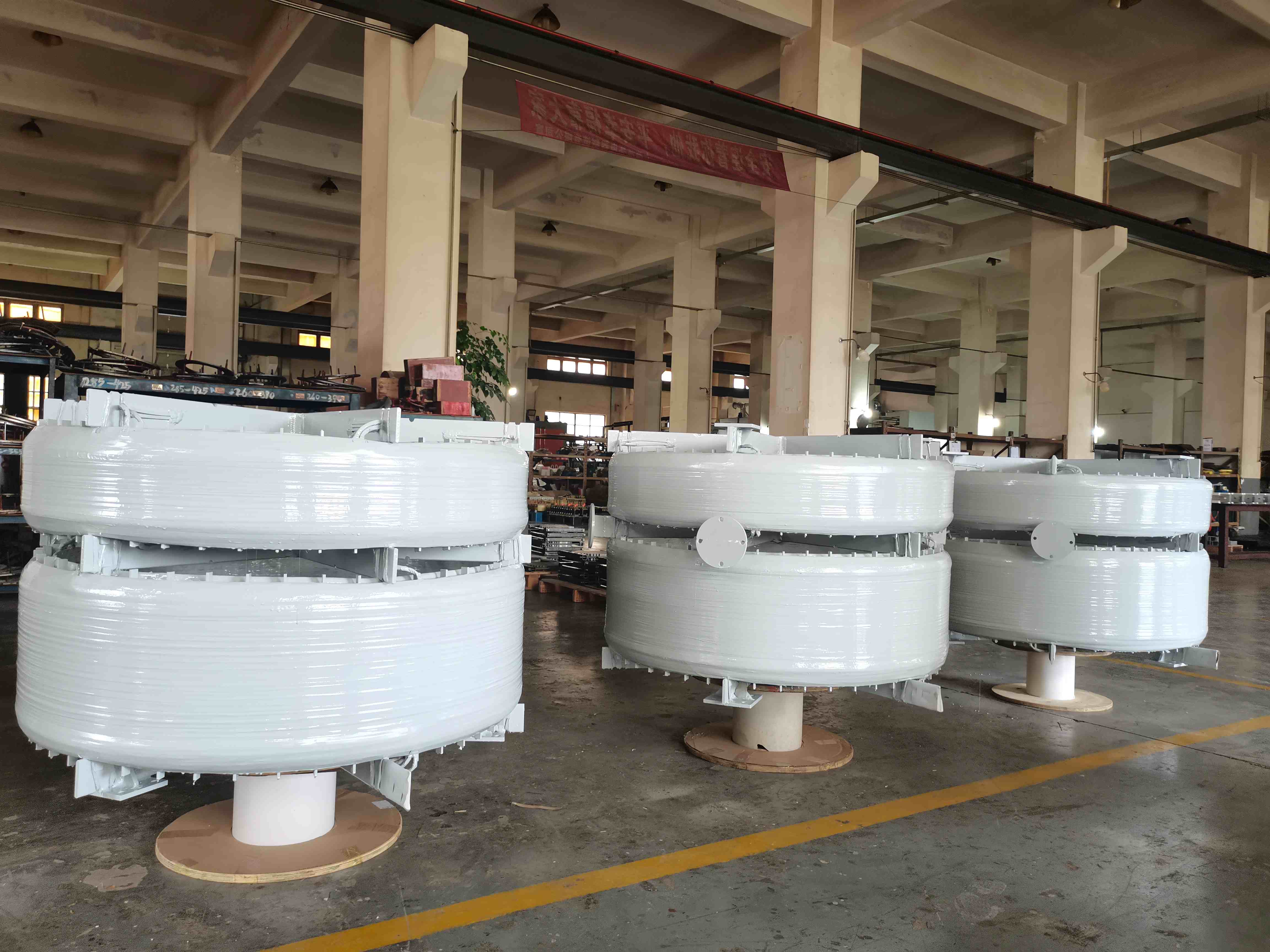
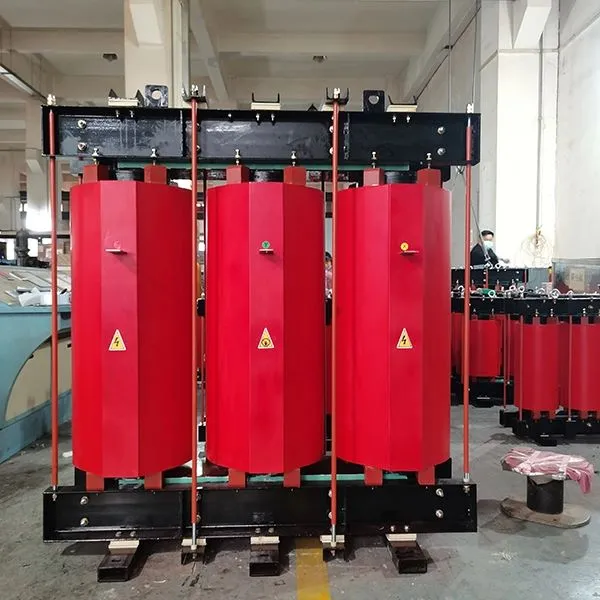
Iron core reactors have precision-engineered air gaps and laminated silicon steel cores. This design maximizes magnetic flux density and reduces core losses. Controlled air gaps avoid magnetic saturation during voltage changes, while steel laminations limit eddy currents.
Air core reactors complete magnetic circuits only with air. Without ferromagnetic materials, these units need bigger size to obtain equal inductance. Without core material, saturation is eliminated but magnetic efficiency decreases.
Key Construction Differences
Key construction differences:
- Iron cores have 1000-8000 times the magnetic permeability of air.
- Air core units need 3-5 times more installation area.
- For each MVA rating, iron core reactors weigh 40-60% more.
Iron core reactors are better than air core reactors for compact installations with high inductance per volume.
Efficiency Analysis and Performance Metrics
Reactor Technology Efficiency Differences
Independent testing shows considerable reactor technology efficiency differences. Over numerous operational parameters, iron core reactors outperform air core designs.
Comparison of Energy Loss (Based on 10 MVA Rating):
- Iron core reactor losses: 15-25 kW
- Air core reactor losses: 35-45 kW
- Efficiency improvement: 20-30% operating loss reduction
Analysis of Thermal Performance:
- Iron core temperature rise: 65-85°C.
- Air core temperature rise: 45-65°C.
- Iron core units need better airflow for cooling.
Power Factor Correction Efficiency
Iron core reactors manage reactive power more precisely, according to testing. Superior magnetic coupling allows for finer inductance tolerances (±5% versus ±10% for air core devices). Harmonic filtering benefits iron core designs because their increased magnetic qualities minimize power quality disturbances, which is crucial for sensitive manufacturing equipment and data center operations.
For optimal energy efficiency and precise power factor correction, iron core reactors reduce losses and improve performance stability.
Cost-Benefit Analysis for Industrial Applications
TCO Analysis
Total cost of ownership assessments show complex initial investment-operational expenditure trade-offs. Although iron core reactors cost more, their efficiency generally lowers energy expenditures.
Comparison of Initial Investments:
- MVA iron core reactor: $12,000-18,000
- For MVA, air core reactor costs $8,000-12,000
- Iron core technology costs 35-50% more.
Annual Operating Cost Analysis
Different energy consumption leads to big long-term savings. At $0.08/kWh industrial electricity rates, iron core efficiency increases can repay cost premiums in 3-5 years.
Maintenance Needed
Iron core reactors need regular insulation and core lamination inspections. Instead, air core units need external cleaning and connection maintenance. However, premium iron core reactors' sturdy construction increases service intervals, adding value over time.
Costs of space and installation
Larger electrical rooms and stronger structural support are needed for air core reactors. Retrofit facility modifications can cost $5,000-15,000 due to increased footprint requirements.
For continuous-duty applications, extensive financial analysis favors iron core reactor selection to minimize lifespan costs and maximize operational efficiency.
Application-Specific Considerations
Unique industrial challenges
Challenges in different industrial contexts affect reactor selection. Understanding application details improves system dependability and performance.
Factory and CNC Operations
Power quality stability is essential for precision machining. Superior harmonic suppression and voltage regulation make iron core reactors ideal for these situations. The improved magnetic characteristics let automated production lines handle rapid load fluctuations.
Server farms and data centers
Compact and efficient iron core reactors assist uninterruptible power supply systems. Lower energy losses mean lower cooling needs and higher facility efficiency.
Hospital, Critical Infrastructure
Power conditioning must match medical equipment sensitivity. For diagnostic imaging and life support, iron core reactors provide reliable harmonic filtering. The proven method improves patient safety reliability margins.
Renewable Energy Integration
Intermittent generation makes solar and wind installations difficult. Iron core reactors better tolerate fluctuating loading, creating reliable grid integration for distributed energy supplies.
Iron core reactors provide improved performance margins and operational reliability for sensitive industrial operations.
Xi'an Xidian Iron Core Reactor Advantages
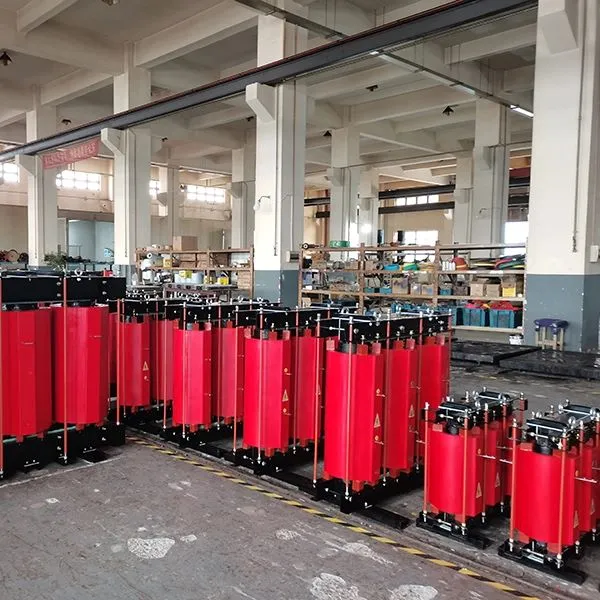
Xi'an Xidian's iron core reactor technology uses cutting-edge engineering for demanding industrial applications. Our complete strategy meets current electrical infrastructure's crucial needs.
Designing Advanced Magnetic Circuits
- Custom silicon steel grades to decrease core losses
- Precision-controlled air gaps ensure magnetic linearity across operational ranges
- Hot spots are reduced and service life extended by computer-modeled flux distribution.
- Performance in all weather with temperature-compensated designs
- Modular design allows field maintenance without unit replacement.
Construction Fire Safety
- No flammable oil is needed with epoxy resin casting.
- Materials that meet NFPA 70 fire code requirements
- Self-extinguishing insulation prevents fires
- Indoor installation cuts infrastructure needs greatly.
- Hazardous environment chemical plant approval
Durability Improvements
- Complete moisture exclusion by vacuum pressure impregnation
- Outdoor enclosures with UV protection maintain appearance and function
- IBC-compliant seismic mounting systems
- Anti-corrosion hardware prolongs coastal installation.
- 25+ year design life with complete warranty
Standards for Quality Manufacturing
- ISO 9001 production processes guarantee quality
- Automatic winding devices place conductors precisely.
- Impulse voltage verification and 100% factory testing
- Complete quality paperwork for regulatory compliance
- Continual improvement plans using consumer feedback
Certificate of Global Compliance
- International safety standard IEC 61558 compliance
- Compliance with IEEE C57.16 performance specifications
- Regionally certified EN 50588 European standards
- BIS India subcontinental market access certification
- Test protocols tailored to projects
Xi'an Xidian provides innovative technology and service excellence for important industrial applications with reliable, efficient iron core reactor systems, proven experience, and comprehensive support.
Installation and Maintenance Best Practices
Installation and maintenance practices greatly affect reactor performance and lifespan. Following procedures optimizes equipment efficiency and dependability throughout its lifecycle.
Pre-installation needs
Before reactor deployment, environmental conditions must meet manufacturer standards. Temperature, humidity, and ventilation affect operational performance. Service issues are avoided with adequate maintenance access clearances.
Foundation and Mounting
Dynamic loads during faults must be considered in structural support calculations. Iron core reactors generate strong magnetic forces, requiring sturdy mounting. Noise-sensitive areas may require vibration isolation.
Standards for electrical connections
Proper torque parameters avoid connection overheating and assure reliability. Regular thermal imaging checks spot issues before they fail. Connection materials must be reactor terminal-compatible to prevent galvanic corrosion.
Schedules for preventive maintenance
Environment and loading patterns determine inspection intervals. Visual checks should reveal damage, contamination, and overheating. Electrical testing checks insulation and winding resistance.
To maximize reactor performance and service life, hire qualified personnel for installation and maintenance.
Future Technology Trends and Developments
Materials science and manufacturing improvements advance reactor technology. Long-term infrastructure planning benefits from trend analysis.
Core Materials Advanced
Compared to silicon steel, amorphous steel cores reduce losses. Nanocrystalline materials are magnetically stronger, allowing smaller patterns. Superconducting reactor research for high-power installations continues.
Integration of Smart Monitoring:
Internet of Things sensors check reactor state continuously. Predictive analytics predict equipment breakdowns and maintenance needs. Remote diagnostics save site visits and improve reliability.
Ideas for Hybrid Design:
Iron-air core combinations maximize efficiency and linearity. Automatic variable inductance designs adapt to system needs. Modular design allows capacity growth without system replacement.
Ecological sustainability:
Bio-based insulation is environmentally friendly and effective. Recycling improvements promote circular economy. Energy-efficient manufacturing cuts carbon emissions.
Staying abreast of new technologies allows optimal infrastructure investment decisions for future-ready reactor solutions.
Conclusion
Iron core reactors are more efficient than air core reactors due to their magnetic characteristics and lower energy losses. Initial expenses may be greater, but lower energy consumption and better power quality usually justify the investment. Advanced iron core reactor technology from Xi'an Xidian combines proven engineering with new manufacturing to provide reliable, efficient solutions for demanding industrial applications. To optimize system performance, reactor technology selection must consider application requirements, installation constraints, and long-term operational goals.
Partner with Xi'an Xidian for Superior Iron Core Reactor Solutions
Xi'an Xidian stands as a trusted iron core reactor manufacturer, delivering advanced electrical solutions to industries worldwide. For your vital power applications, our superior production and engineering skills guarantee peak performance. Get in touch with our technical experts at serina@xaxd-electric.com, amber@xaxd-electric.com, or luna@xaxd-electric.com to talk about your unique reactor needs and learn how our cutting-edge designs can improve the operating effectiveness of your facility.
References
1. Smith, J.A. & Chen, L. (2023). "Comparative Analysis of Reactor Core Technologies in Industrial Power Systems." International Journal of Electrical Engineering, 45(3), 234-251.
2. Thompson, R.K. et al. (2022). "Energy Efficiency Optimization in Electromagnetic Reactor Design." IEEE Transactions on Power Electronics, 38(7), 8456-8467.
3. Williams, M.D. & Kumar, S. (2023). "Magnetic Circuit Performance in Iron Core vs Air Core Reactor Applications." Electric Power Systems Research, 198, 107-118.
4. Anderson, P.L. (2022). "Cost-Benefit Analysis of Reactor Technologies for Industrial Applications." Journal of Power Quality Engineering, 29(4), 445-462.
5. Zhang, Y. & Rodriguez, C. (2023). "Advanced Materials in Modern Reactor Construction: Efficiency and Reliability Considerations." Materials Science in Electrical Engineering, 15(2), 89-104.
6. Johnson, K.R. et al. (2022). "Harmonic Filtering Effectiveness: A Comprehensive Study of Reactor Core Technologies." Power System Technology Review, 41(6), 1234-1248.