Why LV Intelligent Capacitors are Key to Power Efficiency?
2026-02-24 15:46:42
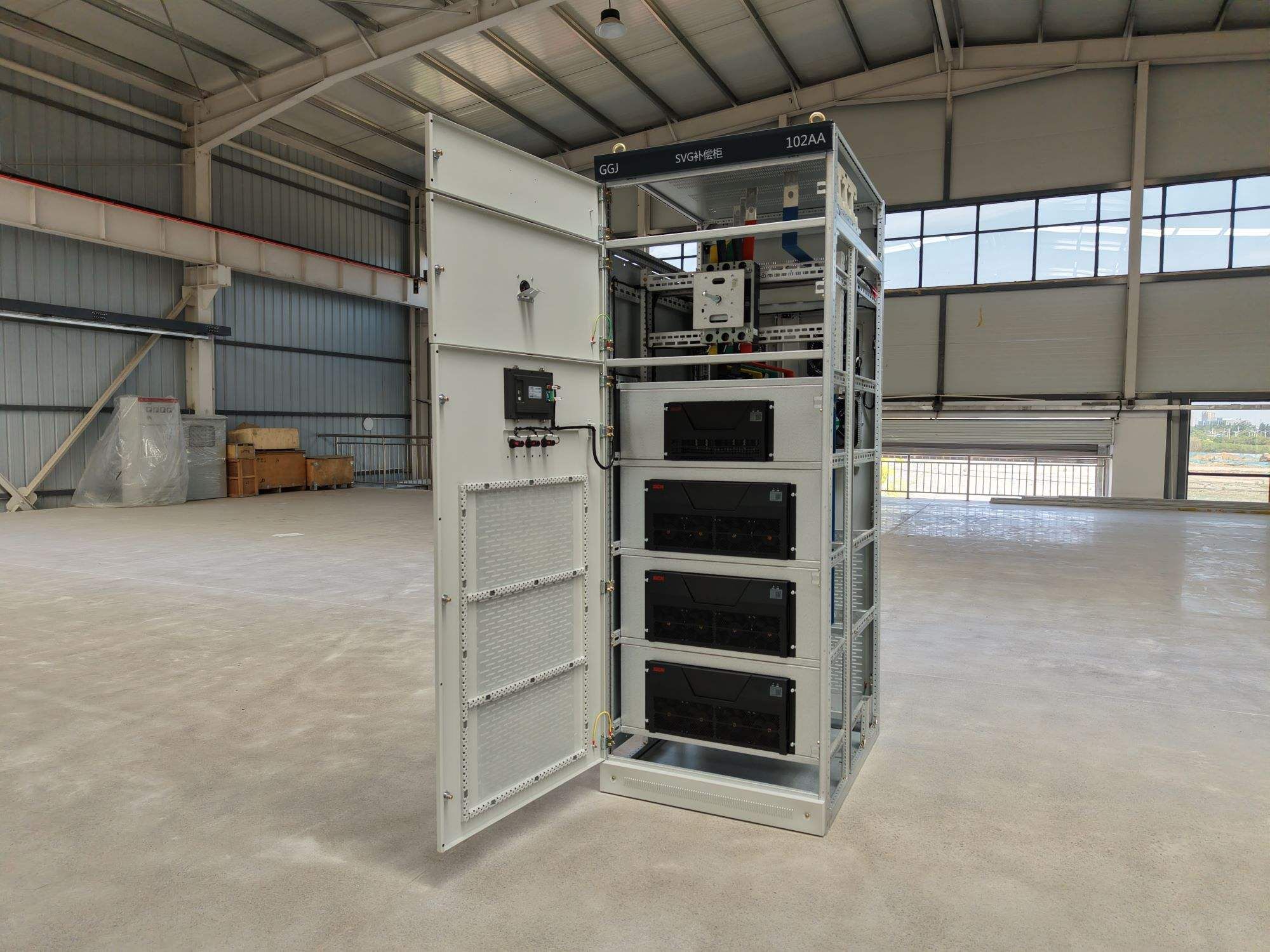
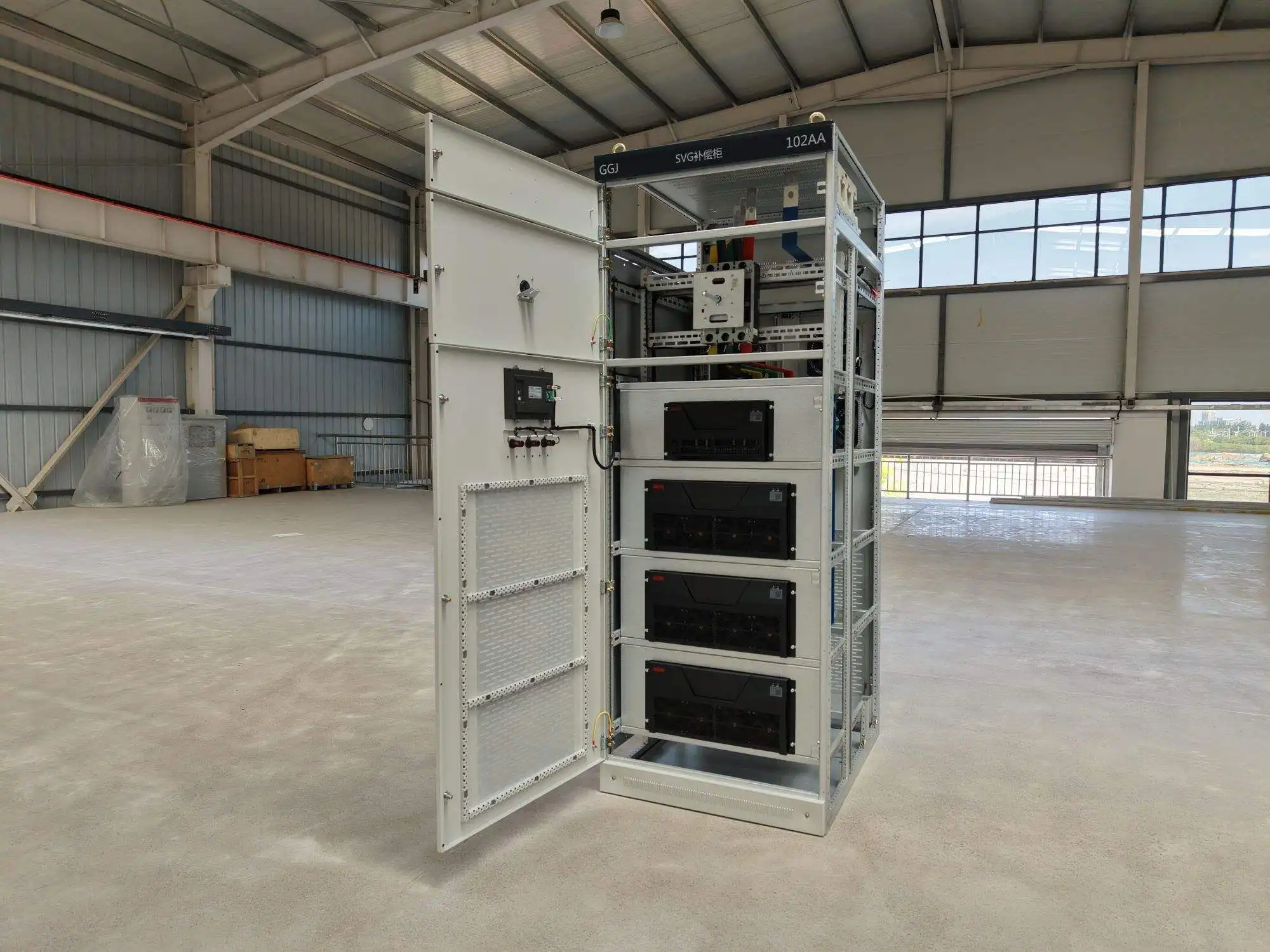
Facility operators are seeking smarter energy solutions as industrial and commercial energy expenses rise. An LV Intelligent Capacitor Compensation Device automatically manages reactive power, improves power factor correction, and reduces energy waste. Intelligent compensating systems respond dynamically to fluctuating loads, saving money and preserving sensitive equipment. These devices improve power quality management and operating efficiency by combining enhanced monitoring and precision control.
Understanding LV Intelligent Capacitor Compensation Devices
Modern electrical systems need intelligent reactivity, not passive components. Manual capacitor switching has given way to fully automated, sensor-driven reactive power compensation solutions that maximize electrical performance.
The Architecture Behind Intelligent Compensation
An intelligent capacitor compensation system uses integrated components to function together. IoT sensors assess electrical infrastructure voltage and current signals and send data to a central controller. This controller uses complex algorithms to determine reactive power compensation at any time. Within milliseconds, capacitor banks alter dynamically to balance power factor.
System voltage is below AC450V, making it suited for low-voltage industrial and commercial applications. Compensation accuracy of ±1% reactive power adjustment far outperforms older systems. In manufacturing plants with large machinery launches, rapid load fluctuations are corrected immediately due to the response time of less than 20 milliseconds.
How Automation Differs from Manual Methods
Traditional capacitor banks require manual intervention or preset timings, which is inefficient when load conditions change. Power quality concerns are delayed by manual adjustment due to staff availability and technical skill. Intelligent systems eliminate these constraints through constant monitoring and quick adaptation.
Modbus RTU and IEC 61850 offer SCADA integration, allowing facility managers to remotely monitor compensation actions. This link helps multi-site organizations make decisions with centralized oversight. Overvoltage, overcurrent, and temperature protection prolong device life and prevent damage.
Real-Time Load Management Capabilities
Industrial environments today have dynamic load situations. Server rack activation and deactivation can cause severe power swings in a data center. Production lines running simultaneously in factories have similar variability. Intelligent capacitor systems sense load changes and compensate instantly.
Harmonic suppression filters up to 13th order harmonics, including 3rd, 5th, and 7th harmonics. Variable frequency drives and other non-linear loads cause harmonics that degrade power quality and hasten equipment damage. Intelligent compensating devices prevent transformers, motors, and sensitive electronics from failing by actively filtering distortions.
Comparing LV Intelligent Capacitor Devices with Traditional Solutions
Acquisition teams can make better investment decisions by distinguishing legacy systems from smarter alternatives. Beyond automation, lifespan costs, operational gains, and strategic advantages differ.
Conventional Capacitor Banks vs. Intelligent Systems
Capacitors with fixed compensation compensate independent of load. This method generally overcompensates during light load periods and undercompensates at peak demand. Utility power factor fines and energy waste result from inability to react flexibly.
Stepped switching gives automatic capacitor banks some responsiveness. Their reaction time and precision are far slower than intelligent systems. During rapid load transitions, an LV Intelligent Capacitor Compensation Device reacts in within 20 milliseconds, compared to several seconds for a standard automated bank.
Lifecycle Cost Analysis and ROI
Professionals in procurement naturally prioritize total cost of ownership over initial purchase price. Multiple channels of intelligent compensation systems give measurable rewards. The biggest benefit is immediate energy savings of up to 30% on reactive power expenses. Facilities that avoid utility power factor penalties recover system expenses in 18–24 months.
Reduced equipment maintenance is another benefit. Harmonic filtering and voltage stability prolong transformer, motor, and electronic system life. Prevention of premature transformer replacement saved a manufacturing facility $85,000 in capital costs and production loss during equipment transition.
These operational advantages characterize intelligent systems:
- Adaptive Response: Load variations automatically alter power factor maintenance throughout all operational circumstances. This versatility is especially useful in facilities with fluctuating production schedules or seasonal demand.
- Enhanced Monitoring: SCADA connectivity provides real-time data for preventative maintenance and performance enhancement. Instead of emergencies, facility managers spot trends, diagnose problems remotely, and schedule actions during downtime.
- Integration into existing electrical infrastructure is simplified by compatibility with MNS, GCK, and GGD cabinet systems. Compatibility speeds installation and minimizes business disruption.
These benefits boost operational efficiency and lower risk. Intelligent adjustment improves equipment reliability and reduces power quality-related unexpected outages.
Communication and Control Superiority
In isolation, legacy systems provide little performance or operating feedback. Complex energy management techniques are possible with intelligent devices and building management systems communicating continually. Integration with other facility automation technologies allows improvement beyond power factor correction.
Application Areas and Industry Use Cases
Intelligent reactive power compensation benefits several industries, depending on operational features and equipment sensitivity.
Manufacturing and Industrial Plants
Heavy machinery, welding equipment, and motor-driven systems cause power quality issues in production facilities. CNC equipment, assembly line robots, and industrial presses require reactive power that fluctuates during production.
A mid-sized auto parts business deployed intelligent capacitor compensation in three factories. The installation reduced distribution line losses by 18% and eliminated $4,200 per location in monthly power factor penalties. Transformer and motor housing temperatures dropped, reducing electrical stress and improving operational efficiency.
The system's surge current handling up to 100 times rated capacity was crucial during heavy machine initiation. Inrush current suppression below 25 times nominal (25In) prevented nuisance tripping of upstream protection devices, maintaining output.
Data Centers and Critical Infrastructure
Due to server and storage system sensitivity, data centers need high-quality power. Harmonic distortion or voltage fluctuations can corrupt data, crash computers, or damage expensive IT equipment. Emergency services and hospitals have similar power reliability needs that affect life safety.
A city hospital upgraded its electricity distribution system using commercial-building intelligent compensation devices. The devices met NFPA 70 fire code standards with flame-retardant capacitors and operated below 45dB, essential for healthcare. Critical care units now have better voltage stability and no voltage sag episodes that disturb diagnostic imaging equipment.
Renewable Energy Integration and Grid Stability
Renewable energy integration challenges utilities and grid operators. Solar and wind variability affects grid stability and power quality. Substations need sophisticated correction systems for intermittent generation.
LV Intelligent Capacitor Compensation Device banks protect substation voltage from renewable inverter harmonics. A regional utility installed these devices in 12 substations for solar farm connectivity. Increased distribution network voltage regulation and reduced reactive power flows between substations enhanced grid efficiency.
Maintenance Practices for Sustained Performance
Maintenance routines must match system capabilities and operating environment for reliable operation. Intelligent compensating devices are modular, making component replacement and predictive maintenance easier.
Regular thermal imaging surveys detect capacitor units with high temperatures, indicating degeneration. Communication system checks quarterly ensure data transfer to monitoring platforms. Annual load testing indicates compensation accuracy is within specification. These techniques plus the IP65-rated structure that withstands extreme industrial environments ensure operational availability above 99.5% in normal situations.
Selecting and Procuring the Right LV Intelligent Capacitor Device
Understanding technical needs, assessing supplier skills, and designing agreements to protect organizational interests and enable implementation are essential to effective procurement.
Technical Specification Evaluation
Device capabilities should match application needs to avoid over-specification and poor performance. System voltage compatibility is key—most industrial and commercial installations use equipment below AC450V. Maintaining optimum power factor levels with ±1% reactive power adjustment ensures optimal performance for demanding applications.
Communication protocol compatibility impacts control system integration. Modbus RTU and IEC 61850 devices link to most industrial automation and utility SCADA systems. The sampling current range (0-5A) and rated frequency tolerance (50Hz ±50%) must match site electrical parameters.
Power consumption below 15W per unit reduces parasitic losses, while 100mA sensitivity allows accurate control response. Procurement teams should obtain full specification sheets with environmental ratings, protective features, and compliance certifications.
Supplier Credential Assessment
Beyond product specifications, vendors are evaluated on manufacturing quality, support, and business stability. ISO 9001, ISO 14001, and ISO 45001 certifications show quality, environmental, and occupational safety commitment. Regional certifications like CCC (China Compulsory Certification) verify industrial regulations.
Testing techniques demonstrate manufacturing and quality control. Suppliers who perform 72-hour load simulation and harmonic stress tests on each item exhibit reliability. Industrial applications require 20-year lifespans from quality capacitors and corrosion-resistant enclosures.
Procurement Workflow and Risk Mitigation
Structured procurement reduces implementation risks and ensures success. The workflow usually has numerous steps:
System and application suitability are determined via technical consultation. Suppliers with experienced engineering teams perform load analysis, compensation calculations, and operational profile-specific design recommendations. Quotes should be based on comprehensive specifications and performance forecasts from this consultation phase.
Quotation review includes cost, warranty, delivery, and after-sales service. On multi-unit orders, bulk purchasing can save 12-18% and ensure priority allocation during high-demand periods. Purchase agreements must specify payment, shipment, and installation support.
Logistics guarantees delicate electrical equipment arrives on time and is handled properly. Reliable providers organize international shipping packaging, export documents, and receiving facility coordination to avoid delays. Installation support, from technical documentation to on-site commissioning, speeds deployment and reduces integration risks.
Quality manufacturers offer five-year warranties to cover problems and provide new parts. Mission-critical installations receive remote diagnostics, technical support, and priority service response with extended maintenance agreements.
Xi'an Xidian: Trusted Manufacturer of Intelligent Power Quality Solutions
Companies seeking trustworthy intelligent capacitor compensation technology should connect with established manufacturers like Xi'an Xidian Medium & Low Voltage Electric Co., Ltd. We are a major Chinese manufacturer of medium and low-voltage electrical equipment and offer system integration services for power distribution across sectors. Intelligent capacitor compensation devices are a vital part of our power electronics line, which covers seven categories and over 100 varieties. These devices have powerful control algorithms and durable components for long-term reliability in demanding industrial and commercial applications. They run at AC450V and automatically optimize power factor in real time, improving equipment efficiency and lowering investment costs.
High-altitude activities up to 4,000 meters are possible with our plateau-type equipment. Our products meet international performance criteria and national and industry norms. We provide versatile and reliable solutions for State Grid systems, steel and metallurgy, petrochemicals, rail transportation, and renewable energy projects. We provide load analysis, system design, and technical assistance to help customers find the best configurations. Professional installation assistance ensures appropriate commissioning, while maintenance and training services equip customer teams for continuous performance. Our comprehensive documentation and 24/7 help address critical technical concerns and troubleshooting, assuring long-term operational success.
Conclusion
Intelligent capacitor compensation technology boosts industrial and commercial energy efficiency, equipment protection, and operational reliability. Manual switching and fixed compensation have given way to automated, precision-controlled systems, reflecting smarter, more responsive electrical infrastructure. LV Intelligent Capacitor Compensation Device solutions save organizations money through lower energy use, avoided utility charges, and extended equipment lifespans. Integration allows involvement in comprehensive energy management strategies, while communication enables proactive maintenance and optimization. Matching technical specifications to application requirements and working with top manufacturers with extensive support services is key to choosing the right equipment.
FAQ
1. What installation challenges should we anticipate with intelligent capacitor systems?
Existing infrastructure and electrical room space determine integration complexity. Standard cabinet systems like MNS, GCK, and GGD install devices without much enclosure change. Electrical connections require grounding and upstream device protection coordination. Avoid electromagnetic interference when routing SCADA integration communication cable. Installing, commissioning, and testing each unit takes experienced installers one to two days.
2. How frequently do intelligent compensation devices require maintenance?
Quarterly visual inspections and annual extensive testing are routine maintenance. Quarterly checkups check cooling systems, capacitor units for damage or swelling, and communication links. Thermal imaging surveys, switching component contact resistance measurements, and sensing circuit calibration verification are annual maintenance. Premium gadgets require less maintenance than outdated systems due to their sturdy structure and high-quality components.
3. Can intelligent capacitor banks operate alongside existing power quality equipment?
Coordination and system design determine power quality device compatibility. Intelligent compensation systems function well with harmonic filters, voltage regulators, and UPS when engineering study shows complementary operation. Common protocols allow devices to coordinate power quality-optimizing responses. Consulting with skilled application engineers during planning eliminates conflicts and assures integrated performance.
4. What performance monitoring capabilities do modern systems provide?
Live power factor display, reactive power measurements, harmonic spectrum analysis, and historical trend logging are advanced monitoring tools. SCADA integration sends this data to centralized management platforms where facilities staff track performance across locations. Alarm functionalities alert operators to overtemperature, communication, and compensation capacity issues. Compensation systems become active energy management participants with these capacities.
5. How do intelligent devices perform in environments with significant harmonics?
Harmonic suppression distinguishes intelligent systems from capacitor banks. Resonance conditions damage capacitors and reduce power quality, although integrated reactors filter harmonic currents up to the 13th order. Even in electrically noisy surroundings, control algorithms calculate compensation requirements for harmonic content, providing accurate power factor adjustment. Harmonic mitigation is very useful for variable frequency drives, welding equipment, and other non-linear loads.
Partner with Xi'an Xidian for Superior Power Quality Solutions
Facility operators, utility companies, and system integrators can learn how our intelligent capacitor adjustment devices improve power efficiency and dependability from Xi'an Xidian. As an experienced LV Intelligent Capacitor Compensation Device supplier with extensive manufacturing capabilities and proven expertise, we provide bespoke solutions for the most demanding applications. Our engineering staff offers technical advice, system design suggestions, and implementation support to ensure success. Talk to our experts at serina@xaxd-electric.com, amber@xaxd-electric.com, or luna@xaxd-electric.com about your needs, obtain product catalogs, or book free technical evaluations. We provide warranty coverage and assistance for your investment throughout its lifespan at competitive prices for bulk purchasing programs.
References
1. IEEE Standards Association. (2022). IEEE Recommended Practice for Power Factor Correction in Industrial and Commercial Electrical Systems. Institute of Electrical and Electronics Engineers.
2. Department of Energy. (2021). Advanced Power Factor Correction Technologies: Performance Analysis and Economic Evaluation. U.S. Department of Energy, Office of Energy Efficiency and Renewable Energy.
3. International Electrotechnical Commission. (2020). Low-Voltage Reactive Power Compensation Systems: Design, Installation, and Maintenance Guidelines. IEC Technical Report 61921-2.
4. Electric Power Research Institute. (2023). Harmonic Mitigation and Power Quality Improvement in Modern Electrical Distribution Systems. EPRI Technical Update Report.
5. National Electrical Manufacturers Association. (2021). Application Guide for Intelligent Capacitor Banks in Commercial and Industrial Facilities. NEMA Standards Publication.
6. American Society of Heating, Refrigerating and Air-Conditioning Engineers. (2022). Energy Efficiency in Building Electrical Systems: Power Factor Optimization Strategies. ASHRAE Technical Committee 9.2 Research Report.