Learn Some Basic Knowledge about Capacitor Voltage Transformer
2026-06-10 15:55:38
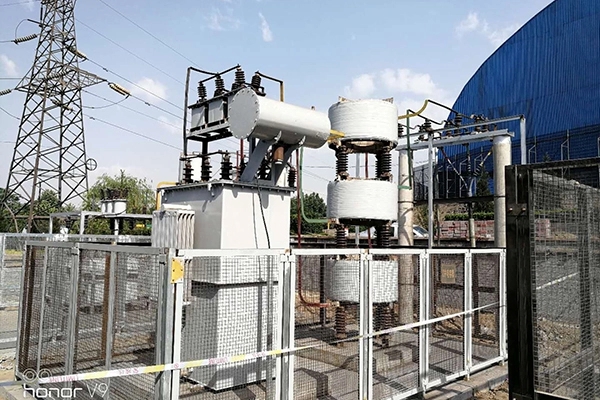
When managing high-voltage power systems, understanding how to safely measure and monitor transmission-line voltages becomes paramount. A capacitive voltage transformer (CVT) addresses this challenge by stepping down extremely high voltages—often exceeding 110kV—into manageable levels suitable for metering instruments and protective relays. Unlike conventional electromagnetic transformers that rely solely on magnetic coupling, CVTs employ a capacitor divider network combined with an intermediate electromagnetic unit, offering a compact, cost-effective solution for utilities and industrial operators. This hybrid design reduces insulation requirements and material costs while maintaining measurement accuracy, making CVTs indispensable in substations, renewable energy plants, and large commercial facilities where operational uptime and power quality directly impact profitability.
What is a Capacitive Voltage Transformer?
Core Operating Principle
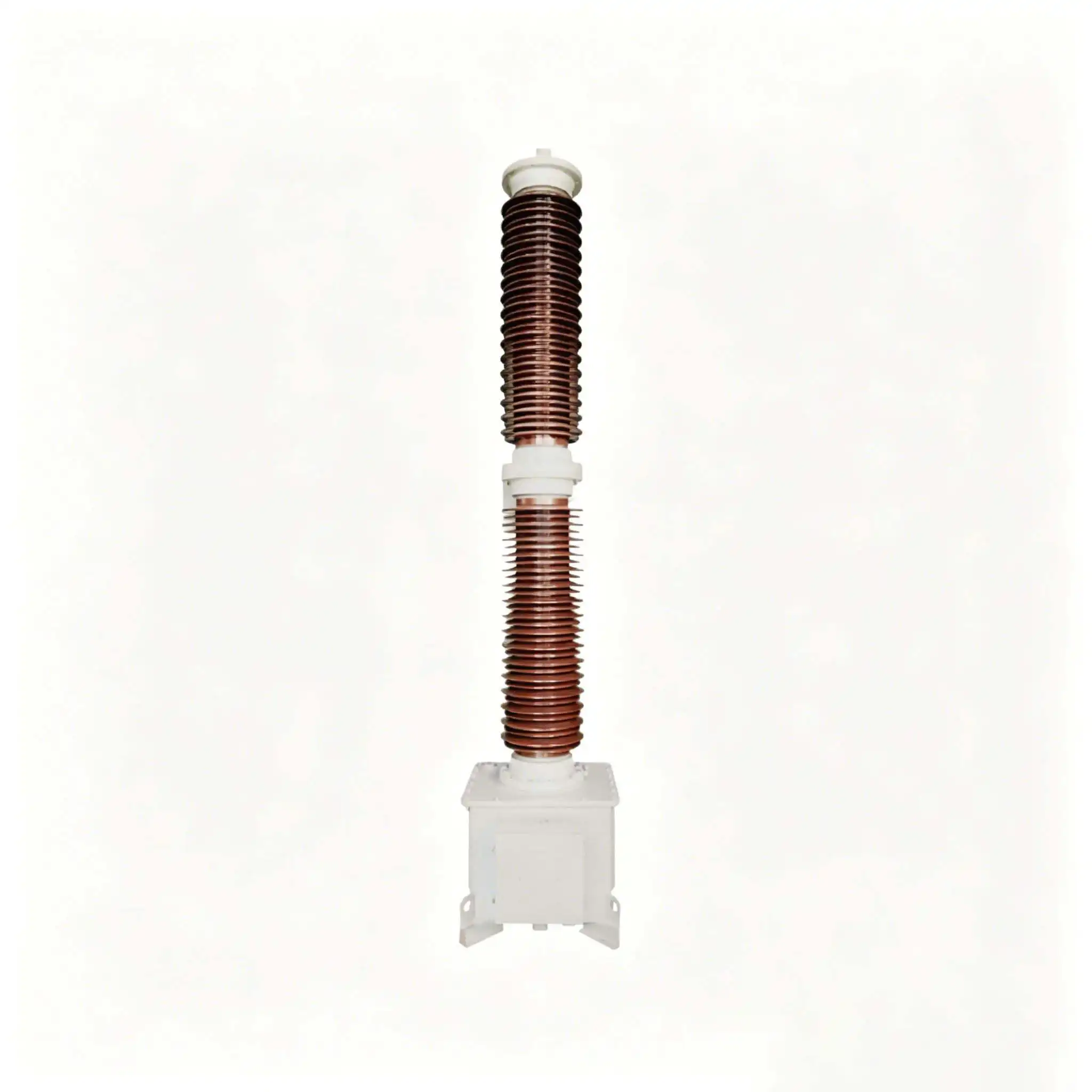
A capacitive voltage transformer splits an incoming high voltage by connecting a stack of capacitors in series. This creates a lower-voltage signal. After going through a step-down transformer and a grounding circuit, this middle signal creates a standard output, usually 110V or 120V, which is used by meters and safety devices. While the electromagnetic part fine-tunes the signal to meet the accuracy class requirements set by IEC 61869 or IEEE standards, the capacitive divider is the main voltage-reduction step.
The main benefit is that the padding takes up less space. CVTs are much lighter and take up less space than wire windings because capacitors can naturally handle high voltages with lower insulating layers. In outdoor settings, where room is limited and the climate puts stress on designs that need to be strong but small, these are perfect.
Classification by Voltage and Application
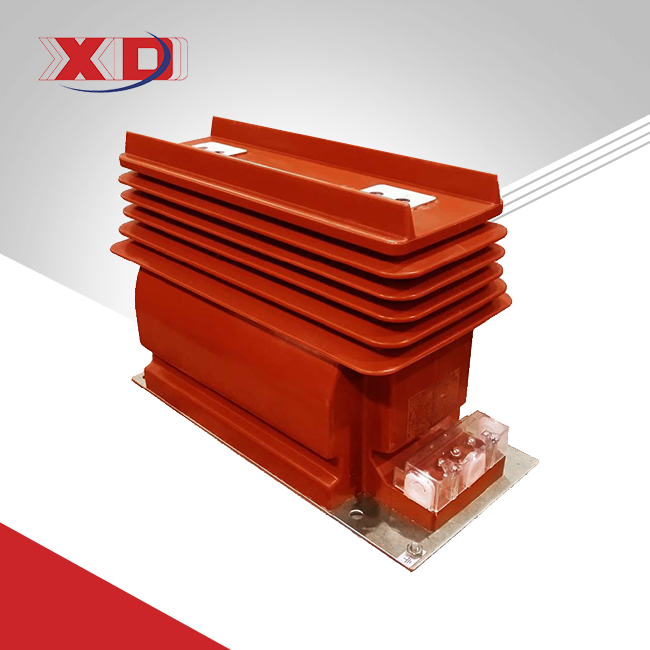
CVTs are put into groups based on their accuracy class and maximum voltage, which ranges from 66kV to 765kV. Metering-grade units usually meet standards for 0.1 or 0.2 accuracy classes, which makes sure that payments and energy tracking are done correctly. Protection-grade models put a high value on transient reaction time and load capacity, which protects the grid system when there is a problem. This balance is shown by our 110kV capacitive voltage transformer, which provides 0.1-class accuracy for revenue metering and 3PT1-level transient reaction with residual voltage below 2%, making it compatible with current microprocessor-based relays.
Environmental problems are also dealt with in different ways. Models made for seaside or industrial areas have longer creepage lengths (more than 25 mm per kV) and hydrophobic silicone rubber housings to keep salt fog, chemical pollutants, and dust from building up. This makes sure that it works well in temperatures ranging from -40°C to +55°C, which is what data centers, factories, and power substations in harsh regions need.
Advantages and Applications of Capacitive Voltage Transformers
Superior Performance Characteristics
The operational benefits of CVTs are many, and they lead to real cost savings and better dependability. Their low dielectric loss—often less than 0.08% tanδ—reduces the amount of energy that is wasted when voltage is changed, which makes the whole system more efficient. Long-term stability stems from a design that keeps out moisture and oxidation of oil, which are common ways for older transformer technologies to fail.
Maintenance needs are still very low. Inductive potential transformers can have problems with core saturation or coil insulation wearing down over time. CVTs, on the other hand, use solid insulating materials in the capacitor stack, which lowers the failure rate. Regular dissolved gas analysis (DGA) monitoring, which is normal for oil-filled equipment, helps find small problems before they get worse and cause expensive outages. With proper oil upkeep, the service life can go beyond 30 years, which is what modern substations expect from their lifecycles.
In a capacitive voltage transformer, the damping circuit stops ferroresonance, a vibration that can be harmful when capacitive and inductive parts interact under certain switching conditions. Our unique damping technology makes this safety feature work better, keeping things calm even when the load changes and stopping voltage spikes that could harm sensitive electronics in hospitals, data centers, or semiconductor production plants.
Practical Industrial Applications
CVTs have two jobs to do in utility transmission networks that work at 110kV or higher. They send accurate voltage signals for revenue meters, which lets bulk energy deals be billed correctly. At the same time, they power safety relay systems that cut off faulty lines within milliseconds, stopping breakdowns that could spread across the grid. This double use cuts down on the number of pieces of equipment needed and makes designing substations easier.
CVTs are used by large industrial sites to check the quality of the power going in from service points. When voltage drops, rises, or harmonic distortion threatens production equipment like CNC lathes or robot assembly lines, CVTs give automatic voltage controls and active harmonic filters the measurement data they need to act. These units can handle lightning hits and switching transients without losing accuracy. They can handle surge currents up to 100 times their maximum capacity.
When commercial buildings are updating their electrical systems, CVT setups that meet strict fire safety standards like NFPA 70 are helpful. Flame-resistant capacitor materials and low noise levels (below 45dB) make them good for places like hospitals and shopping malls where noise and fire risks need to be kept to a minimum. The small vertical size makes it possible to install in utility vaults that don't have a lot of room in urban structures.
Capacitive Voltage Transformer vs Other Voltage Transformers
Technical and Economic Comparison
Electromagnetic potential transformers (VTs) are still commonly used in situations with voltages below 66kV because they are easier to build and cost less per unit. But as the system voltage rises, the prices of electromagnetic VTs' shielding and core materials rise very quickly. A 110kV electromagnetic VT needs a lot of oil and a big core assembly, which makes it more expensive to buy and harder to install.
Based on Pockels effect sensors, optical voltage transformers have great rapid reaction and don't let electromagnetic interference affect them. But they are harder to use outside of utility-scale projects that need high efficiency because they are more expensive to buy (often twice as much as CVTs) and need special fiber-optic data processing. CVTs are a good compromise because they provide enough transient response for most security purposes while still being affordable for large orders.
When you look at the costs over their whole life, CVTs are clearly better in high-voltage transmission situations. The total cost of ownership goes down because upkeep is done less often, transformer oil is used less, and replacements are spaced out more often. CVTs are also better for the environment because they use recyclable ester oils instead of mineral oil, which means that if they leak, they have less of an effect on the environment.
Selection Parameters for Procurement
Several things affect the choice of the right voltage transformer technology. For devices that work at 110kV or higher, CVTs are usually the best choice because they are small and cost-effective. Choosing the right accuracy class depends on the task at hand. For example, billing and payment need 0.1-class accuracy, while line security can handle 0.2 or 0.5-class units. To keep the accuracy high, the total impedance of all the related measurement and switch circuits must match the burden capacity.
You should pay close attention to the environmental ranking. For installations near water or in industrial areas with a lot of pollution, longer creepage distances and slippery insulation materials that follow IEC 60815 rules are needed. In seismic areas, buildings must meet IEEE 693 standards, which protect their mechanical stability during shocks. Our 110kV capacitive voltage transformer meets these needs by improving the strength of the capacitor insulator and strengthening the structure. It stays stable even when it's shaken by up to 2.5g of earthquake force.
Procurement Guide for Capacitive Voltage Transformers
Market Overview and Manufacturer Landscape
The world market for high-voltage instrument transformers is still strong, thanks to projects to update power grids and add green energy. Standard CVT models usually have lead times between 8 and 16 weeks, but this depends on how busy the maker is and how much customization is needed. Ordering in bulk for utility jobs may cause shipping times to be longer, but it can also lead to discounts of 10% to 25% off list prices.
A few well-known companies control most of the CVT supply market. Siemens and ABB both have large product lines that cover voltage classes from 66kV to 550kV, and they also have world-class service networks to back them up. In North American markets, General Electric and Schneider Electric are two competitive options that come with good expert help. Cost-effective choices are available from Asian manufacturers like Hyosung and specialized suppliers like Mersen. This is especially true for big purchases where budgets are tight.
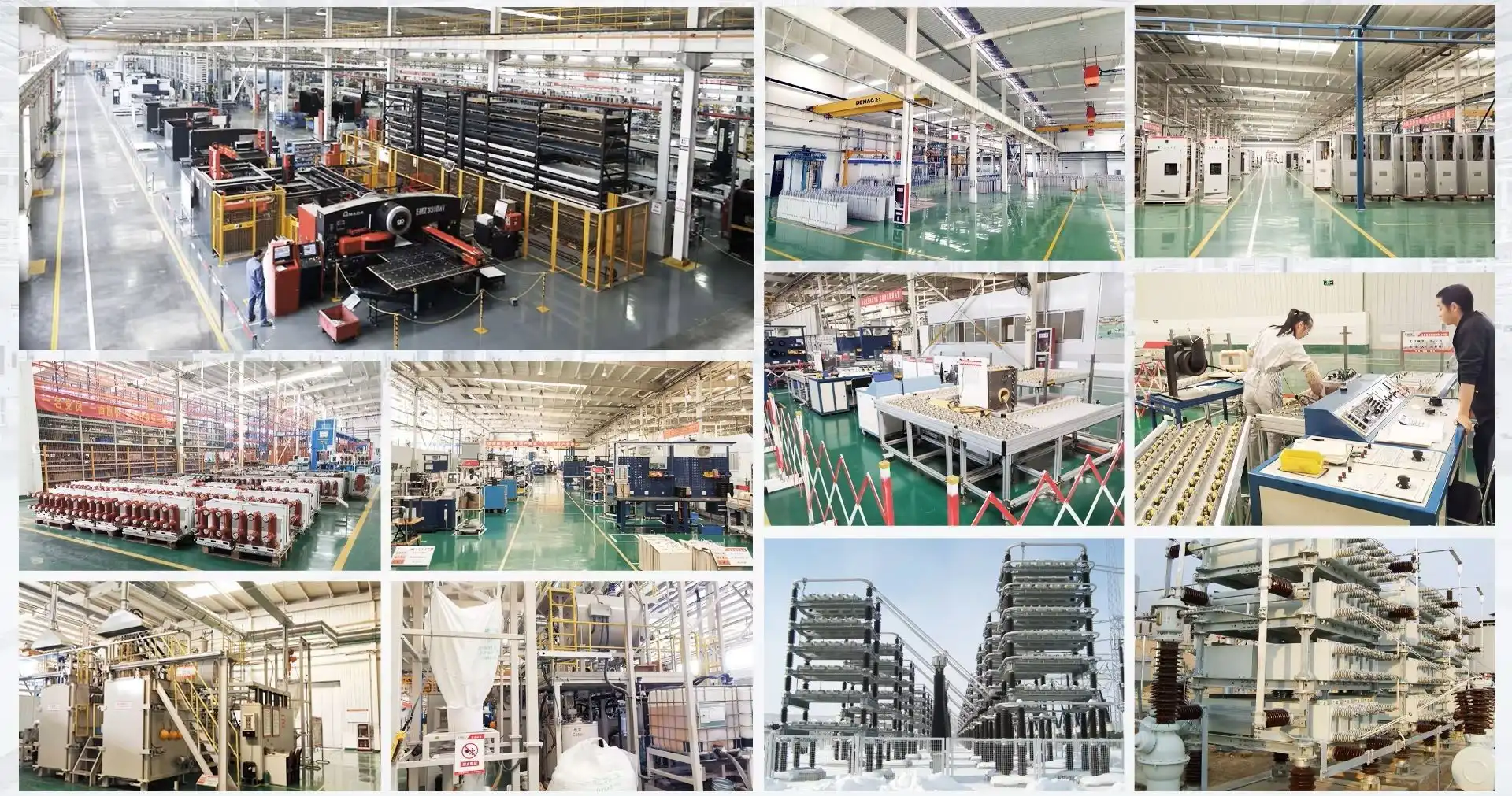
Xi'an Xikai Medium & Low Voltage Electric Co., Ltd. has become a well-known and trusted company that makes capacitive voltage transformers, especially for projects that need unique solutions. Our engineering team works with EPC firms and system developers to make units that are perfect for different voltage levels, accuracy needs, and weather conditions. They have over 40 patents in CVT damping and insulation technology. Our factory follows strict quality control procedures, such as checking capacitor parts with X-rays and doing partial discharge tests that are approved by outside labs.
Purchasing Channels and Quality Verification
Usually, procurement managers get CVTs from authorized dealers, who offer guarantee support and a stock of spare parts. Working directly with makers can be helpful for big projects that need to be customized technically or have longer payment terms. Online industrial markets make it easier to compare prices and find suppliers, but it is still important to make sure that product approvals are real in order to avoid buying fake parts.
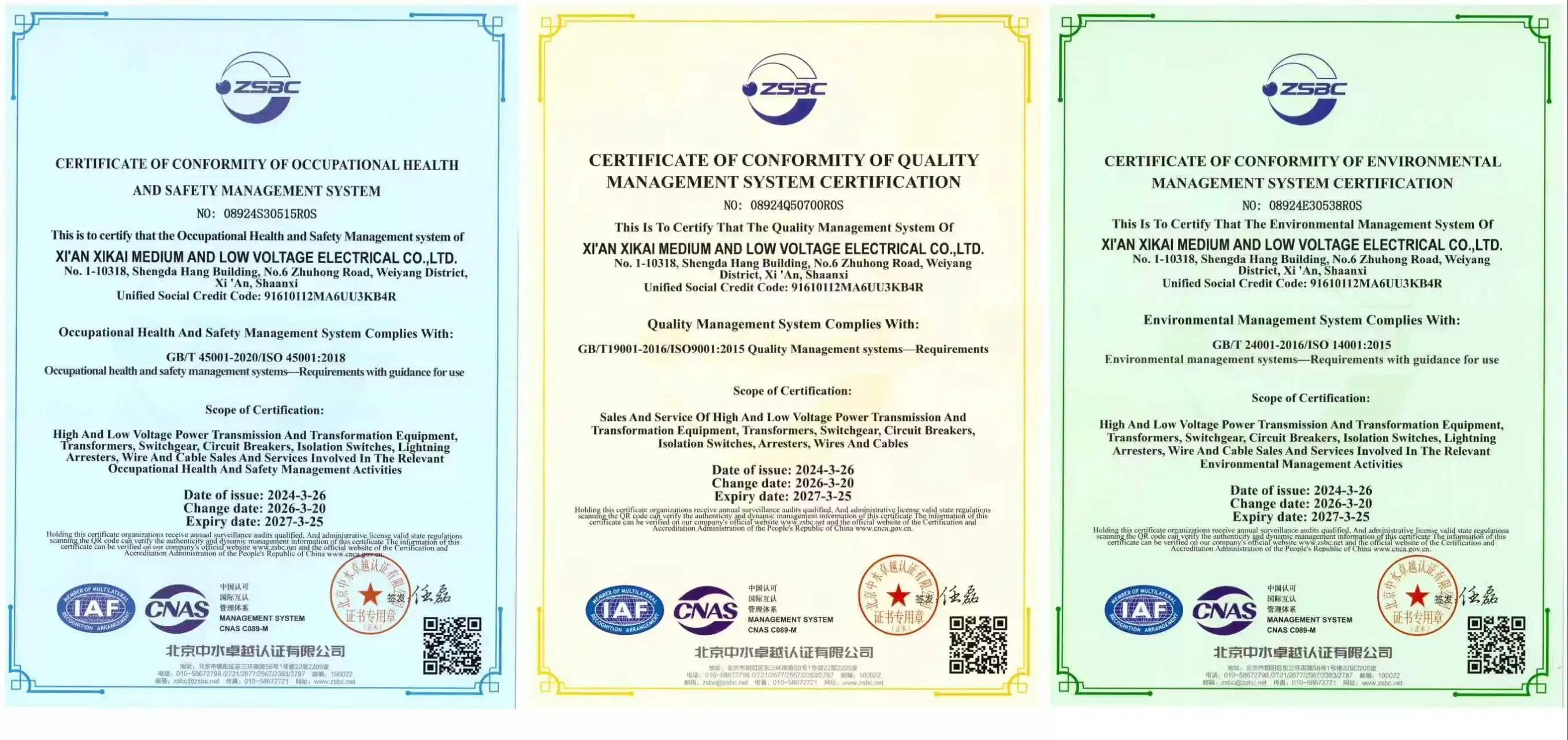
Product stability of capacitive voltage transformers is ensured by checking that it meets IEC 61869, IEEE C93.1, and area standards such as GB/T. Ask for factory acceptance test (FAT) reports that show the amounts of partial discharge, measurements of dielectric loss, and confirmation of the accuracy class. Independent proof of performance claims can be found in certificates from recognized testing groups like KEMA, CSA, or CESI. Our dedication to ISO 9001, ISO 14001, and ISO 45001 certifications shows that we take quality control and environmental responsibility very seriously.
Negotiation strategies should focus on the total cost of ownership instead of just the price per unit. Long-term value is affected by things like the length of the guarantee, the availability of on-site commissioning help, and the ease of access to spare parts. When buying multiple CVT units at once for substation jobs, you can often get better prices and make the process easier. Having good ties with providers who can quickly send replacement parts in case of emergencies lowers the risk of downtime when unexpected equipment breaks down.
Conclusion
Capacitive voltage transformers are a mature and tried-and-true method for measuring and protecting transmission lines above 66kV with high voltage. Because they use both capacitive voltage division and electromagnetic signal filtering, they have a small size, are cost-effective, and last a long time. Knowing the difference between metering-grade and protection-grade accuracy classes helps buying teams choose units that meet the needs of the application, whether it's for billing or isolating grid faults.
When looking at CVT providers, you should think about more than just the price of the equipment itself. You should also think about how long the equipment will last, how often it needs to be maintained, and how easy it is to get expert help. These things are shown by our 110kV capacitive voltage transformer, which has 0.1-class accuracy, 3PT1 transient response, and a strong build that can handle tough industrial and coastal settings. Strategic buying choices combine technical requirements with the dependability of the provider. This makes sure that investments support long-term operating efficiency and grid stability.
FAQ
1. How often should CVT oil quality be checked?
Every year, dissolved gas analysis (DGA) should be done on important substation sites. Every three years, oil samples should be taken for less important uses. Keeping an eye on the amount of wetness and the dielectric breakdown voltage can help find insulation damage before it hurts accuracy or safety. If you keep the oil in your capacitive voltage transformer in good shape, it will last longer than 30 years.
2. Can accuracy class affect billing accuracy in utility applications?
Of course. To meet government rules for business energy deals, revenue meters need to be accurate to within 0.1 or 0.2 units. Protection apps can handle 0.5 or 1.0 class accuracy because their main job is to find faults, not measure energy precisely. When accuracy classes don't meet, it can cause billing issues or fines from the government.
3. Are custom voltage ratings available for non-standard systems?
Some manufacturers, like Xi'an Xikai, can make CVTs that work with power levels that aren't normal. This is especially useful for industrial plants with complex distribution systems. For custom designs, specifics about the main voltage, secondary output, load capacity, and environmental conditions must be given in great depth. Because of engineering validation and testing processes, lead times are usually 4 to 8 weeks longer than normal models.
Partner with Xi'an Xikai for Reliable CVT Solutions
With our wide range of capacitive voltage transformer products, Xi'an Xikai Medium & Low Voltage Electric Co., Ltd. is ready to meet all of your high-voltage measurement needs. For decades, our engineering team has been making units that can handle the tough requirements of power transmission networks, factories, and green energy systems. Whether you need a standard 110kV capacitive voltage transformer or a unique solution for tough environmental conditions, we can help. Our goods are backed by thorough testing, global compliance certifications, and quick expert support.
Reach out to our specialized sales team at serina@xaxd-electric.com, amber@xaxd-electric.com, or luna@xaxd-electric.com to discuss your project requirements and receive a detailed quotation. We offer competitive pricing on bulk orders, priority delivery scheduling, and comprehensive installation guidance to ensure seamless integration into your power systems.
References
1. International Electrotechnical Commission, "IEC 61869-5: Instrument Transformers – Additional Requirements for Capacitor Voltage Transformers," Geneva, Switzerland, 2020.
2. IEEE Power and Energy Society, "IEEE C93.1: Standard for Requirements for Power-Line Carrier Coupling Capacitors and Coupling Capacitor Voltage Transformers (CCVT)," New York, USA, 2017.
3. Zhang, H., Liu, Y., and Wang, Q., "Transient Response Analysis of Capacitive Voltage Transformers in Modern Relay Protection Systems," IEEE Transactions on Power Delivery, vol. 34, no. 6, pp. 2201-2210, 2019.
4. Smith, R. and Thompson, J., "Lifecycle Cost Comparison of High-Voltage Instrument Transformers for Utility Applications," Electric Power Systems Research Journal, vol. 182, pp. 106-118, 2020.
5. European Committee for Electrotechnical Standardization, "EN 60815-1: Selection and Dimensioning of High-Voltage Insulators Intended for Use in Polluted Conditions," Brussels, Belgium, 2018.
6. Anderson, P., "Ferroresonance Suppression Techniques in Capacitive Voltage Transformers: A Comprehensive Review," International Journal of Electrical Power Systems, vol. 128, pp. 89-102, 2021.