Lightning Arrester: Investing in Low-Maintenance Surge Protection
2026-01-15 15:58:15
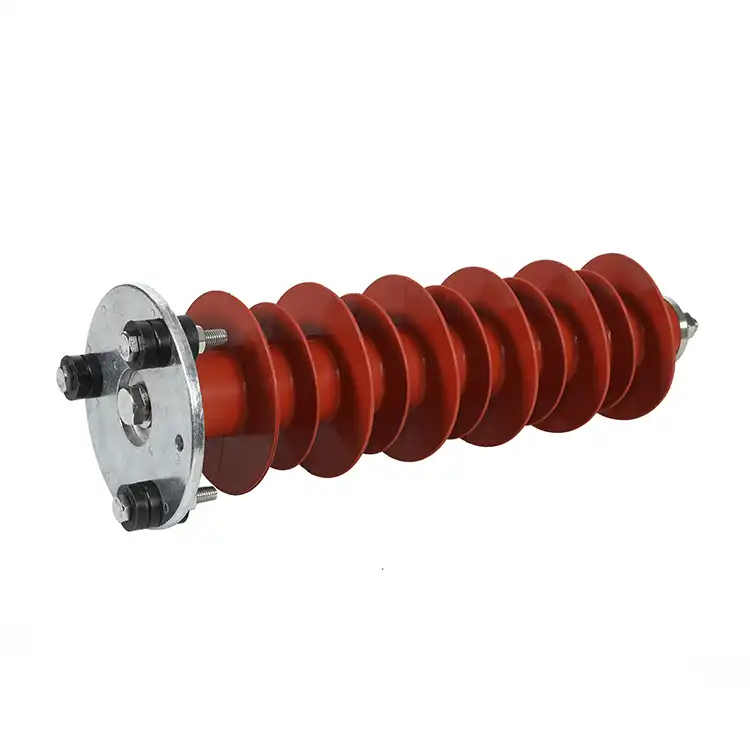
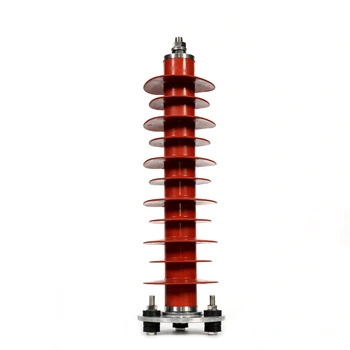
With minimum maintenance and excellent reliability, the lightning arrester revolutionizes surge prevention. Advanced surge arresters protect power systems efficiently and affordably. These clever, robust protection devices protect electrical infrastructure and lower operational costs. Understanding wholesale pricing swings in key global markets helps facility operators and utilities optimize protection and budget allocation. Infrastructure expansion and grid upgrading are driving electrical protection equipment markets in Southeast Asia, Central Asia, the Middle East, and Africa. These places require reliable surge protection due to power quality difficulties. Industrial growth and adverse weather make premium safety equipment that decreases downtime compelling commercial arguments.
|
|
|
Regional Market Dynamics and Pricing Factors
Southeast Asian Market Characteristics
Southeast Asia's tropical climate makes electrical infrastructure protection difficult. In monsoon seasons, lightning is intense, making surge arresters vital to grid stability. This region's factories and data centers prioritize creepage-resistant and moisture-resistant equipment. Due to climate-specific engineering, premium models cost more in each region.
Central Asian Infrastructure Development
The energy sector in Central Asia keeps demand for high-voltage protection devices up. Mining and petroleum facilities need strong surge protection to operate. The hostile environment requires arresters with high mechanical strength and temperature endurance. Growing import trends favor certified equipment that fulfills international safety standards.
Middle Eastern Grid Modernization
Middle Eastern utilities spend extensively on smart grid infrastructure, offering potential for monitoring-capable protective devices. Deserts require pollution-resistant and thermally efficient arresters. Solar farms and petrochemical plants need surge protection.
African Electrification Programs
African rural electrification drives demand for affordable protective solutions. Expanding transmission lines require durable arresters that can tolerate various environments. Economic factors favor products with the best initial investment-lifecycle value ratio.
Comprehensive Price Analysis by Region
Factory Pricing Structure
Metal oxide varistor arrester wholesale prices vary widely by area. Standard distribution class arresters rated 12kV to 36kV, including lightning arrester options, sell for $280 to $850 FOB in Southeast Asia. Station class arresters for transmission applications cost $1,200 to $3,500 per unit, depending on voltage and protection.
Regional economic conditions and import logistics issues affect Central Asian prices. To cover shipping and handling, CIF rates are 15-25% higher than FOB. With purchases over 100 units, bulk buying offers 8–12% price savings.
Minimum Order Quantities and Volume Discounts
Most manufacturers set typical configuration MOQs at 20-50 units. To justify tooling and testing costs, custom specifications may need higher minimum orders. Volume pricing starts at 100 units (5-8% discount) and provides significant discounts for purchases over 500 units (12-18% discount).
Regional stockists benefit from distribution agreements' lower MOQs and reasonable prices. EPC firms managing various projects with different arrester requirements benefit from this method.
Additional Cost Considerations
Target regions have very different import duties. Some African markets charge above 20% on electrical protection devices, while Southeast Asian countries only 5-15%. First-time importers without local brokers find customs clearance time-consuming and expensive.
Logistics costs greatly affect landed costs. Sea freight is the cheapest alternative for large volumes, but 25-40-day travel delays necessitate inventory preparation. Air freight delivers in 5-10 days but costs 300-500% more.
Market Forces Influencing Arrester Pricing
Raw Material Cost Fluctuations
Arrester manufacturing costs depend on zinc oxide prices. Price pressures come from global supply chain disruptions and mining sector volatility. Prices for silicone rubber housing materials vary with petroleum prices and specialty chemicals.
Terminal and mounting hardware aluminum and copper react to commodity market changes. When material costs fall during economic weakening, strategic procurement can save money.
Currency Exchange Rate Impact
Both buyers and sellers face exchange rate risks in multi-currency transactions. International trade is stable with USD-denominated pricing, but regional currency volatility hurt local market competitiveness. Hedging reduces currency price volatility for large procurement initiatives.
Seasonal Demand Patterns
Electrical equipment purchases soar during dry seasons when utility maintenance increases. High-activity periods cause pricing premiums due to cyclical demand. Strategic buyers accept longer delivery times and lower prices by ordering during off-peak seasons.
Competitive Regional Comparison
China vs. Alternative Manufacturing Bases
Chinese manufacturers lead in cost due to scale and integrated supply chains. Vietnamese and Thai production facilities offer 10-20% higher prices than Chinese facilities and regional diversification. Since quality standards have converged, price and delivery terms are key differentiators.
Technology Transfer and Local Production
Multiple regions seek technology transfer agreements to produce arresters locally. These approaches gradually reduce import dependence and create jobs. As manufacturing experience grows, local production costs drop, lowering prices.
Procurement Optimization Strategies
Supplier Relationship Development
Long-term collaborations offer more than price advantages. Established suppliers offer technical support, expedited delivery, and priority allocation during supply restrictions. Suppliers optimize production scheduling and material procurement by communicating about planned projects.
Annual volume agreements sometimes win preferred pricing and payment arrangements. Blanket purchase orders with planned releases offer flexibility and volume reductions.
Specification Optimization
Project-wide arrester specs simplify procurement and lower costs. Tools and testing processes for custom requirements raise expenses. TCO is optimized by balancing performance and standard product availability.
Field configuration flexibility and manufacturing economies are achieved via modular designs. EPC firms with different project needs benefit from this approach.
Total Cost Analysis
Lifecycle cost study shows rival goods' major value discrepancies. Premium arresters with 25-30 year design lives have a higher ROI than economy counterparts that need replacement after 15-20 years. Improved dependability and reduced maintenance boost important application value propositions.
Future Pricing Outlook
Technology Evolution Impact
Growing market categories include smart arrester technology with integrated monitoring. Advanced devices, including lightning arrester options, cost more but offer operational benefits like predictive maintenance and real-time performance data. When utilities adopt digital transformation, adoption rates rise.
Nanotechnology in varistor materials may improve performance and reduce material use. These technologies may stabilize pricing despite rising raw material costs.
Market Growth Projections
Infrastructure investment plans in target locations sustain surge protection equipment demand. New application requirements from renewable energy integration drive product development and market growth. Premium protection solutions are valued due to grid resilience issues after extreme weather events.
Regional manufacturing capacity increase may lower prices and boost supply. Government initiatives encouraging local content affect sourcing and cost.
Quality Assurance and Certification Requirements
International Standards Compliance
Global arrester performance specifications are IEC 60099. Testing and certification standards vary by region, affecting procurement schedules and costs. CE certification allows European market access, while other regions require clearance.
Product performance is guaranteed by type testing and quality supervision. These necessary tasks cost but validate vital application performance.
Manufacturing Excellence Programs
ISO 9001 is the minimum standard for serious suppliers. Implementing ISO 14001 and ISO 45001 environmental and occupational safety strategies shows operational excellence. These certifications aid supplier qualification and risk mitigation.
Conclusion
To buy lightning arresters in Southeast Asia, Central Asia, the Middle East, and Africa, you need to know a lot about how the markets work, how prices affect them, and what quality standards are needed in each area. To get the best value, smart buyers use volume commitments, tweak specifications, and build long-term ties with suppliers. As infrastructure improves and the power grid is updated, the market will grow in the future. This will open up possibilities for suppliers who can come up with new ways to solve problems in the region while keeping prices low. Total lifecycle costs, not just initial purchase prices, need to be carefully looked at in order to make choices that maximize operational value and long-term financial returns.
Frequently Asked Questions
Q1: What factors contribute most significantly to lightning arrester pricing variations across different regions?
A: Regional pricing differences primarily stem from import duties (5-20% variation), logistics costs, currency fluctuations, and local regulatory requirements. Climate-specific design requirements for tropical or desert environments also influence pricing, with specialized features commanding 15-30% premiums over standard configurations.
Q2: How do minimum order quantities affect overall procurement costs for surge arresters?
A: MOQs typically range from 20-50 units for standard products, with volume discounts beginning at 100 units (5-8% savings) and substantial reductions available for orders exceeding 500 units (12-18% savings). Custom specifications may require higher MOQs to justify specialized tooling and testing expenses.
Q3: What hidden costs should buyers consider when importing lightning protection equipment?
A: Beyond FOB pricing, buyers must account for import duties (5-20%), customs clearance fees, insurance, logistics costs, and potential currency exchange fluctuations. Air freight can increase delivery costs by 300-500% compared to sea transport, while expedited processing may require additional fees.
Partner with Xi'an Xidian for Premium Lightning Arrester Solutions
Xi'an Xidian Medium & Low Voltage Electric Co., Ltd. has the best surge protection systems in the business, backed by over 20 patents in polymeric technology and a wide range of quality approvals. As a lightning arrester manufacturer, we support major infrastructure projects in power transmission, renewable energy, and industrial facilities worldwide. Our high-tech plateau-rated equipment works reliably at elevations of up to 4,000 meters, providing better protection thanks to its sealed design that stops failures caused by moisture.
We have technical knowledge in seven main product groups and 34 specialized series, which lets us meet the needs of customers in a wide range of regions. Our custom engineering skills help with tough environmental problems like monsoon resistance, desert pollution tolerance, and success in extreme temperatures. We help you meet your project deadlines and stay within your budget by offering competitive wholesale prices, flexible minimum order quantities, and fast delivery choices. Our technical support teams are here to help with installation, commissioning, and suggestion for continued maintenance. Email us at serina@xaxd-electric.com, amber@xaxd-electric.com and luna@xaxd-electric.com to talk about your unique lightning protection needs and get full technical specifications. You can find out more about our products and find engineering tools there.
References
1. International Electrotechnical Commission. "Lightning arresters - Part 4: Metal-oxide surge arresters without gaps for a.c. systems." IEC 60099-4:2014+AMD1:2018.
2. Institute of Electrical and Electronics Engineers. "IEEE Guide for the Application of Metal-Oxide Surge Arresters for Alternating-Current Systems." IEEE Std C62.22-2009.
3. CIGRE Working Group A3.25. "Network integration of distributed generation: technical challenges and recommended practices." CIGRE Technical Brochure 654, 2016.
4. Asian Development Bank. "Power Grid Development in Southeast Asia: Investment Trends and Market Analysis." ADB Energy Sector Report, 2023.
5. International Energy Agency. "Africa Energy Outlook 2022: Grid Infrastructure and Protection Systems." IEA Publications, 2022.
6. Middle East Electricity Magazine. "Surge Protection Technologies for Desert Environment Applications." Technical Review, Vol. 48, Issue 3, 2023.