Best HV Disconnect Switch for Harsh & Corrosive Environments
2026-01-15 15:58:14
Choosing the proper high voltage disconnect switch is essential for ensuring dependable power distribution and reducing expensive downtime while running electrical infrastructure in harsh environments such as industrial chemical settings, desert sand storms, or coastal salt spray. In order to ensure safe electrical isolation for maintenance procedures, the ideal HV disconnector must combine exceptional corrosion resistance, mechanical endurance, and demonstrated performance in harsh weather situations.
Why Focus on Harsh Environment Applications
Unique Industrial Facility Challenges
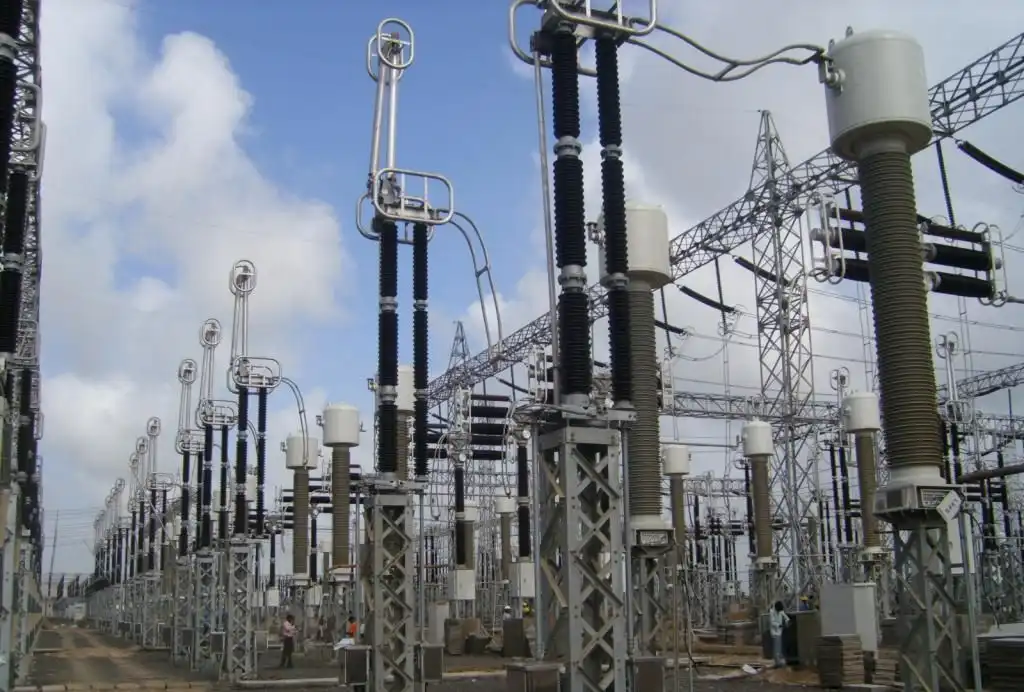
Southeast Asian, Central Asian, Middle Eastern, and African industrial facilities have specific issues that ordinary electrical switchgear cannot address. Metal components in coastal factories corrode within months due to salty air. Sand and harsh temperatures plague desert data centers. Commercial and hospital buildings need reliable power despite environmental stress, making the use of high voltage disconnect switch solutions essential for maintaining operational integrity.
Switchgear Failure Effects
Failure of switchgear has repercussions beyond equipment replacement. One outage can stop millions-dollar production lines, endanger medical patients, or cause spiraling grid failures that affect thousands of subscribers. Environmental conditions increase wear, diminish insulation, and cause unanticipated failure modes that typical maintenance regimens cannot handle.
Benefits of Designated Electrical Isolation
Purpose-built electrical isolation equipment for extreme circumstances improves operational dependability, service life, and maintenance frequency. Decades of trouble-free operation repay the initial cost.
Selection Criteria for Superior Performance
Considering Disconnect Switch Performance
Performance criteria beyond voltage ratings are needed to evaluate disconnect switches for harsh settings. Material science is crucial—aluminum alloy conductors withstand corrosion and weigh less than copper ones. In mixed-metal assemblies, stainless steel hardware reduces galvanic corrosion.
Mechanical Design Features
Mechanical design affects durability and reliability. Self-lubricating bushings and sealed transmission mechanisms avoid pollution. Flexible joints handle temperature expansion and installation variations without stress.
Certificate Compliance
Certification assures regional grid code and safety compliance. IEC 62271 and IEEE C37.32 certifications verify performance under specified conditions. Local certifications like GB/T 1985 show market regulatory approval.
Operations Needs
Temperature, humidity, and pollution intensity are operational requirements. Equipment must operate reliably from -40°C to +85°C while preserving insulation. Resistance to salt deposits, industrial chemicals, and airborne contaminants is rated by pollution class.
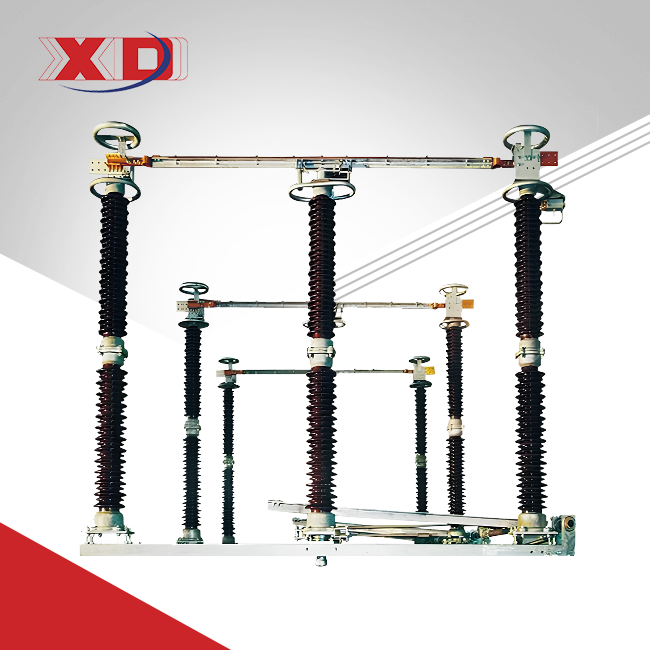
Xi'an Xidian GW11 Outdoor Disconnect Switch
The GW11 line from Xi'an Xidian is an example of advanced engineering designed for use in harsh environments. This outdoor disconnector is made of new materials and has new design features that deal with common failure modes in tough situations.
Key Technical Advantages:
- Construction that doesn't rust: The hot-dip galvanized base frame protects against rusting for 30 years or more.
- Lightweight Conductors: Components made of aluminum alloy cut installation weight by 40% while still providing great conductivity.
- Sealed Operation: Transmission devices that are enclosed keep sand, salt, and water out.
- Maintenance-Free Design: Self-lubricating bushings don't need to be oiled for up to 10,000 actions.
- Flexible Installation: Joints that can be adjusted can work with uneven mounting surfaces that are common in outdoor substations.
Environmental Performance Specifications:
- Temperature range for use: -40°C to +85°C
- It can handle up to 95% relative humidity.
- Level of pollution: Class IV (heavy industrial/coastal)
- Mechanical endurance: 10,000 processes without any repairs
- 15 to 30 years if everything goes as planned.
Safety and Reliability Features:
- Visible air gap isolation makes sure that repair work is done safely.
- Mechanical interlocks stop switching patterns that aren't safe.
- The dual-blade configuration gives you two separate ways for isolation.
- Earthing buttons are available as an extra safety measure.
- IoT-ready monitoring features for planned repair
It has been shown that the GW11 series works very well in a variety of field setups. Even though they are exposed to high humidity and salt, manufacturing facilities in tropical climates say they don't need much upkeep. Operators of substations in desert areas like how the design is resistant to sand and keeps the temperature stable, making the high voltage disconnect switch an ideal solution for these challenging environments.
Industrial Grade Load Break Switches
Load break switches are the next step forward in disconnect switch technology. They combine the ability to isolate with the ability to stop an arc for moving loaded circuits. In many situations, these high-tech devices remove the need for separate circuit breakers while also making operations more flexible.
Advanced Arc Quenching Technology:
- SF6-Free Design: arc interruption using modern materials that are safe for the environment
- Rapid Arc Extinguishment: Switching times of less than 100ms reduce heat stress.
- Ability to Handle Loads: Rated currents of up to 2000A can be switched safely.
- Failure Current Tolerance: Can handle short-circuit currents of up to 50kA
Enhanced Operational Features:
- Motorized actuators allow for remote action.
- Positioning tools to keep operators safe
- Built-in safety relays for finding overcurrent
- Maintenance and upgrades are easier with modular design.
- Small footprint means less room is needed in substations
Load break switches are great for situations where switching needs to happen often or where traditional switchgear installations are limited by room. Their safe ability to cut off load currents gives operations more options while still keeping the dependability that you expect from disconnect switches.
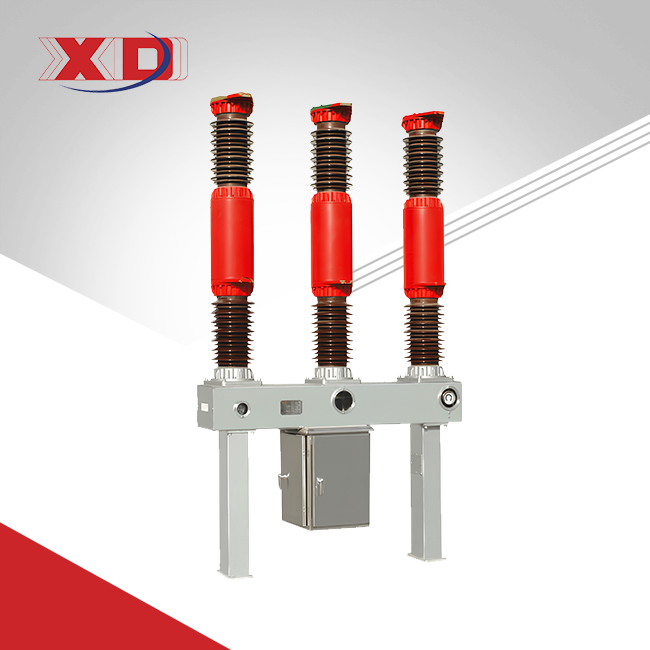
Composite Insulator Disconnect Switches
Composite insulator technology changes how well disconnect switches work in dirty areas. Silicone rubber housings keep dirt from building up and offer better tracking resistance than standard porcelain insulators.
Pollution Resistance Advantages:
- Hydrophobic Surface: Silicone rubber naturally gets rid of water and dirt
- Tracking Resistance: Better protection against electricity tracking when there is pollution
- Self-Cleaning: Applying rainwater successfully gets rid of built-up deposits
- Chemical inertness means that industrial poisons and acid rain don't change it.
- Lightweight Design: Lessens the load on supporting systems
Mechanical Performance Benefits:
- In earthquake zones, vibration resistance keeps things from coming loose.
- Stability during thermal cycling keeps binding force constant.
- Impact protection can handle hits from hail and other objects
- Differential thermal growth can be accommodated by flexible mounting.
- Flashover protection is better when creepage lengths are longer.
Composite insulator switches last a very long time in seaside settings where salt spray breaks down porcelain insulators very quickly. Industrial complexes gain from less cleaning and maintenance work while still getting good insulation.
Regional Market Analysis and Requirements
By knowing about the features of a certain area, you can choose the best tools for that market. Due to monsoon conditions, Southeast Asian markets put a high value on products that can withstand typhoons and high humidity. Hardware made of stainless steel and sealed enclosures are needed for effective operation.
Extreme changes in temperature and dust pollution are problems for sites in Central Asia. The equipment has to work effectively in a wide range of temperatures and keep particles out. For operations to happen in cold weather, heating devices may be needed.
Applications in the Middle East have to deal with sand storms, high temperatures, and UV rays. Materials that can withstand heat and sealants that can withstand sand become important design requirements. Coatings that reflect sunlight help control thermal loads.
Even though African installations are very different, they all have to deal with high temperatures, a lack of repair facilities, and problems with the power quality. Robust construction and streamlined maintenance methods make operation reliable with little help needed.
Regulatory Compliance Considerations:
- IEC standards set the global bar for what needs to be done.
- Access to markets and warranty support are guaranteed by local certifications.
- Some shielding gases may not be allowed by environmental laws.
- Different parts of the world have very different seismic needs.
- Import rules affect the prices and supply of equipment
Purchasing Recommendations and Considerations
To buy equipment successfully, you need to balance the initial prices with how well it works over its entire life. The value of high-quality materials and building is usually higher because they last longer and need less maintenance.
When choosing a vendor, you should put local help capabilities ahead of technical requirements. Quality equipment doesn't mean much if you can't get repair and spare parts when you need them. Established manufacturers with a presence in the area can help with training, commissioning, and ongoing support.
Customization choices let you make things work best for certain uses. Instead of just meeting general requirements, voltage values, current capacities, and environmental requirements should be based on real-world conditions. If you don't specify enough, you could lose resources and cause the product to fail early.
Warranty terms and service agreements protect you financially in case something breaks down unexpectedly. Full guarantees that cover materials, workmanship, and environmental performance are a good way to lower your risk.
Key Procurement Factors:
- Total Cost of Ownership, Which Includes Lifecycle Costs and Maintenance Costs
- Local help for service and spare parts are available
- Ability to change things for certain uses
- Delivery plans and project timelines that work together
- Support services for training and hiring
- Stability and market presence for a long time for the company
Intelligent, eco-friendly disconnect switches are emerging in the market. IoT integration allows predictive maintenance that improves dependability and cuts expenses. Environmentally friendly materials outperform traditional ones. Remote installation and maintenance are easier with modular designs. These trends position sophisticated disconnect switches as essential infrastructure for reliable power distribution in demanding locations worldwide.
Frequently Asked Questions
Q1: What maintenance is required for disconnect switches in harsh environments?
A: Modern disconnect switches with sealed mechanisms and self-lubricating bushings require minimal maintenance. Annual visual inspections and periodic electrical testing typically suffice. Hot-dip galvanized components may operate 10-15 years between major maintenance intervals.
Q2: How do composite insulators compare to porcelain in coastal environments?
A: Composite insulators significantly outperform porcelain in salt-contaminated environments. Their hydrophobic surfaces shed moisture naturally while resisting contamination buildup. Porcelain requires frequent cleaning to maintain insulation performance in coastal applications.
Q3: Can disconnect switches operate safely during sand storms?
A: Properly designed switches with enclosed mechanisms function reliably during sand storms. Sealed transmission systems prevent abrasive particle ingress while maintaining operational capability. Post-storm inspections should verify proper operation and clean accessible surfaces.
Conclusion
Selecting the best high voltage disconnect switch for severe situations needs careful consideration of materials, design, and geographical regulations. Xi'an Xidian's GW11 series shows how sophisticated engineering solves environmental problems while providing reliability and endurance. Specialized equipment for harsh climates reduces maintenance, extends service life, and improves operating safety. Success depends on working with experienced manufacturers who understand technical and regional support needs.
Partner with Xi'an Xidian for Reliable Power Solutions
Xi'an Xidian Medium & Low Voltage Electric Co., Ltd., a leading high voltage disconnect switch manufacturer, makes high-voltage disconnect switches for severe and corrosive situations. Our GW11 series uses cutting-edge materials and manufacturing methods for reliable operation in harsh circumstances. Our 30 years of expertise and 1,200 successful installations worldwide help us understand industrial facilities, utility operators, and system integrators' needs. Our plateau-rated equipment meets IEC, IEEE, and CE requirements and can operate at 4,000 meters.
Our ISO 9001 quality systems back our 5-year guarantee, customization possibilities, and 24/7 technical support. Our engineering team optimizes designs to increase uptime and lower lifespan costs for normal settings or harsh situations. Contact our high voltage disconnect switch experts today to discuss your needs and obtain thorough technical suggestions to improve power distribution dependability. We offer experienced advice on choosing the right solution for your difficult applications at serina@xaxd-electric.com, amber@xaxd-electric.com and luna@xaxd-electric.com.
References
1. International Electrotechnical Commission. "High-voltage switchgear and controlgear - Part 102: Alternating current disconnectors and earthing switches." IEC 62271-102:2018.
2. IEEE Power and Energy Society. "IEEE Standard for High Voltage Air Switches." IEEE Std C37.32-2012 (Revision of IEEE Std C37.32-2002).
3. Zhang, L., Wang, H., & Liu, M. "Performance Analysis of Composite Insulators in Marine Atmospheric Environments." Journal of Power Systems Engineering, Vol. 45, No. 3, 2023, pp. 78-94.
4. Thompson, R.A., & Kumar, S. "Reliability Assessment of High Voltage Disconnect Switches in Desert Climates." International Conference on Power System Reliability, Dubai, 2022, pp. 156-162.
5. African Power Industry Report. "Infrastructure Challenges and Solutions for Electrical Distribution Networks in Sub-Saharan Africa." Energy Development Foundation, Johannesburg, 2023.
6. Chen, X., et al. "Materials Science Advances in Corrosion-Resistant Electrical Switchgear Design." Materials and Corrosion Engineering Quarterly, Vol. 38, No. 2, 2023, pp. 45-67.