
Oil-immersed Distribution Transformer: How to Reduce Core Losses
2026-11-24 17:17:41
You can make an oil-immersed distribution transformer with less core loss by using low-loss grain-oriented silicon steel, step-lap core joints, careful stacking, and a controlled flux density. Then use guarantyd no-load loss values and factory test reports to make sure the result is correct. Core loss happens for 8,760 hours a year, no matter how much or how little the unit is loaded. So, it's a big factor in how much energy costs over its whole life, especially on rural feeders that aren't very busy. This guide was written for lawyers, contractors, and engineers who want to compare units based on facts rather than marketing hype.
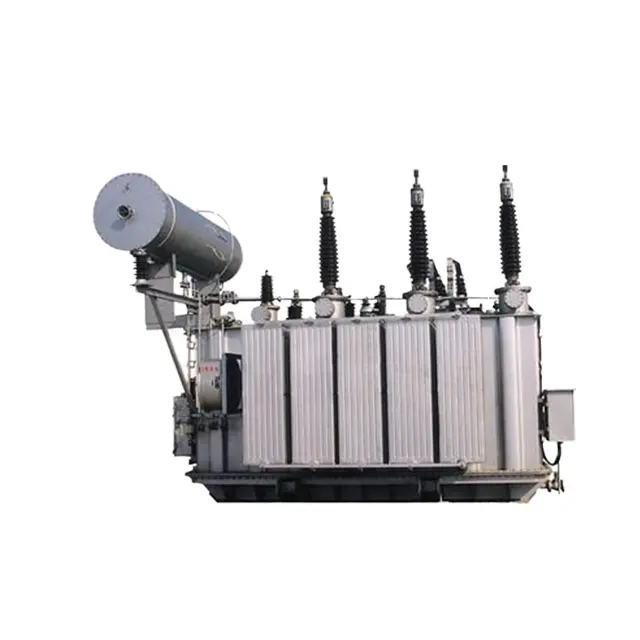
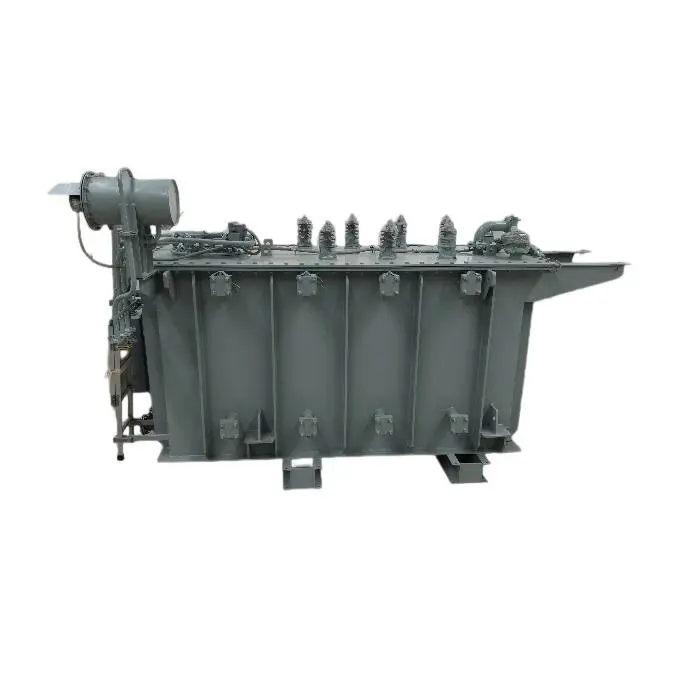
How an Oil-Immersed Distribution Transformer Creates Core Losses
What Core Loss Means?
You may also hear this term as "no-load loss." Core loss is the amount of power that an oil-immersed distribution transformer needs to magnetize its core. It starts when you turn the unit on and ends when you turn it off. It's caused by two things. Hysteresis loss happens because the steel fights against each change in magnetic flux. Eddy current loss is caused by small currents moving through the laminations. Load loss is different. It is caused by current in the windings and changes with demand. When feeders in rural and suburban areas don't have much traffic, they often lose a lot of energy because they aren't being used. This is called "no-load loss." Routine testing is required by IEC 60076-1 to measure no-load loss, so you can always ask for the number.
How Construction Shapes Magnetic Performance?
In an oil-immersed distribution transformer, the core is made of laminated steel and the windings are inside a steel tank that is sealed and filled with insulating oil. The oil keeps the windings warm and moves heat to the walls of the tank and the radiators. There are also protection devices, bushings, a tap changer, and a breather. Oil keeps things cool and warm, but it doesn't lower core loss. The path of the magnet does. How easily flux moves through steel is determined by the quality of the laminates, the design of the joints, and the pressurized assembly. No matter how good the steel grade looks on paper, bad construction will push flux into small areas and make loss higher.
What Raises Core Losses on Site?
Even if an oil-immersed distribution transformer is well made, it can still lose more power in the field. Higher voltage makes the steel have a higher flux density, and loss goes up faster than the voltage. The effect of low frequency is the same. More heat is added to the core by harmonics from rectifiers, variable-frequency drives, and solar inverters. Eddy currents can form on the factory side because of burrs, misaligned laminations, and clamping stress, which hurt the coating that keeps the sheets from touching and let them move. There is also the risk of long rural lines. The core stays too excited if the tap setting doesn't match the supply voltage. If you look at these things before you buy, you can tell the difference between a design problem and a site problem.
Proven Methods to Reduce Core Losses
Choose Low-Loss Steel and Step-Lap Joints
The most gain comes from material choice. With grain-oriented silicon steel, the magnetic flux moves along the direction of rolling, which lowers hysteresis loss. Eddy currents can't pass through thin insulated laminations because eddy loss goes up as the square of the thickness of the lamination. With step-lap joints, the ends of the sheets are overlapped in stages. This way, flux moves through the joint more slowly than through a large air gap. That cuts down on noise, no-load loss, and local flux crowding. Amorphous metal cores lower no-load loss even more, making them perfect for utility feeders that don't carry a lot of weight. Xi'an Xikai has amorphous core options that reach 99% efficiency. When you look at the bids, you should ask each company what kind of steel and joint style it uses for your oil-immersed distribution transformer rating.
Control Stacking, Clamping, and Flux Density
Quality of stacking is just as important as steel grade. The insulating coating stays in place when cuts are clean and don't have burrs. Air gaps are closed by accurate alignment. Extra pressure increases both loss and noise, so it's important to use just the right amount of clamping pressure to keep the core firm without crushing the sheets. The core cross-section and flux density are also chosen by the designers. Every oil-immersed distribution transformer design weighs the cost of buying the transformer against the amount of energy it saves. This is because a larger core area lowers flux density and loss but also costs more steel. Before shipping, the result is confirmed by a final no-load test. These controls can be added to your inspection plan, and you can ask for a routine test report for each unit.
Match Voltage Regulation to Site Conditions
The way a factory works can undo any progress it makes. Keep the unit at its rated voltage and frequency, check the tap position when it's first set up, and do it again when the feeder voltage changes. When the voltage changes on long rural lines, this is important because the core can be pushed above its design flux. Choose a tap range that matches the real change in voltage at the site. The tap changers at Xi'an Xikai change the output voltage to keep the supply steady when demand goes up. If your network has harmonic loads, let the engineers know early on so they can check for core heating before they finish the design.
How to Verify Efficiency and Choose a Low-Loss Oil-Immersed Distribution Transformer
Request Guaranteed Loss Values and Test Reports
Don't ask for adjectives; ask for numbers. Here are the things I think you should ask every bidder for an oil-immersed distribution transformer:.
- Guaranteed values: Ask for separate no-load loss, load loss, impedance, and total loss figures, stated at the rated capacity, frequency, and reference temperature. Include the tolerance and the test standard behind each figure so you can compare bids on equal terms. Vague claims such as "high efficiency" prove nothing without these numbers.
- Test evidence: Request routine test reports under IEC 60076-1 for every unit, type test reports for the design, and any special tests your project needs. Compare each measured no-load loss with the guaranteed value before the unit leaves the factory, and ask for factory acceptance testing, optional third-party witnessing, and a written corrective-action procedure.
These records let you check the unit's effectiveness before it gets to your site, and they make it clear what to do if the result isn't good enough. The IEC 60076-20 also sets a standard way to rate how energy-efficient power transformers are.
Compare Lifecycle Cost, Not Only Purchase Price
When you add up the value of the energy lost over the service life, you get the total cost of owning something. First, multiply the guarantyd no-load loss by 8,760 hours and your electricity rate. Then, add the load loss based on how much you expect to use the power. A lot of utilities give each kilowatt of loss a price, which is known as "loss capitalization," and then use that price to sort bids. The same reasoning is used by regulators. On January 1, 2016, the US Department of Energy put limits on distribution transformers. On July 1, 2021, the EU set limits called Tier 2. Over the course of 25 to 30 years, an oil-immersed distribution transformer that costs more but has lower no-load loss usually wins, especially on feeders that don't carry a lot of load.
Oil-Immersed vs Dry-Type: Which Is More Efficient?
Both types have a chance to win. Core steel, flux density, winding design, and manufacturing quality all affect how well a motor works. To find the best motor for your needs, compare guarantyd no-load and load losses at the same ratings. Oil-immersed units work well outside because the oil effectively removes heat and the sealed tank keeps moisture and salty air from getting into the core and windings. Dry-type units can be used inside, where fire codes don't allow oil. To the comparison, you should also include fire safety, ventilation, noise, and maintenance. The oil-immersed range from Xi'an Xikai can handle 150% overloads for 2 hours in oil and gas and mining operations, which is important for places with a lot of heavy loads.
Procurement and Product Considerations for an Oil-Immersed Distribution Transformer
Build a Complete Quotation Request
Costs are hidden when prices are only based on kVA. Send a technical data sheet with the capacity, voltage class, voltage ratio, frequency, vector group, impedance, tap range, cooling type, and guarantyd no-load and load losses when you ask for a quote on an oil-immersed distribution transformer. Include the type of installation, the temperature, the altitude, the harmonic conditions, and any standards that apply. Include road access and lifting limits for projects that are far away so the supplier can plan how to pack and transport the materials. During the lead time, the drawing is approved, the product is made, tested, packed, and shipped. Write down the ratings you will use again and again if you have an annual supply agreement with staged orders. This will help the supplier plan their stock.
What Xi'an Xikai Offers
Xi'an Xikai provides systems for the State Grid and renewable energy projects. This is what its line of oil-immersed distribution transformers has to offer:.
- Built for tough sites: Input voltage options of 10 kV, 35 kV, and 110 kV, an IP55-rated enclosure, a corrosion-resistant tank, silica gel breathers, and an operating range from -40°C to 55°C suit coastal regions, mining sites, and offshore wind farms. Noise stays below 65 dB, which also suits hospitals and schools.
- Efficiency and loading: Refined core designs reduce no-load losses by up to 30%, and models with ±0.5% voltage regulation support smooth grid synchronization. For inverter-driven solar and wind sites, the units handle 125% intermittent loads, and low-loss models keep losses under 3% at 30% load, which supports return on investment.
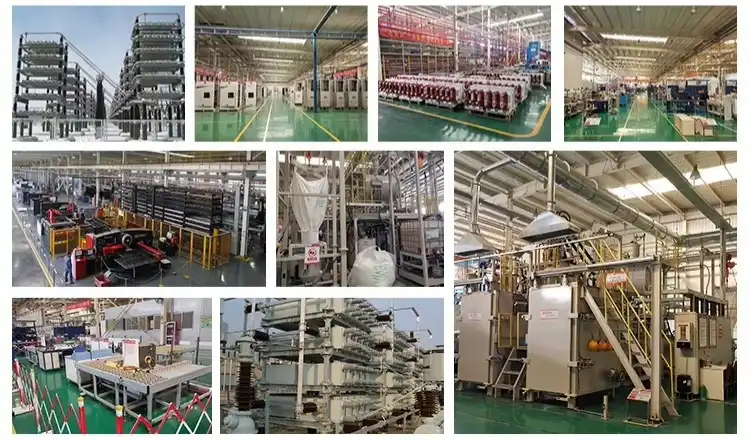
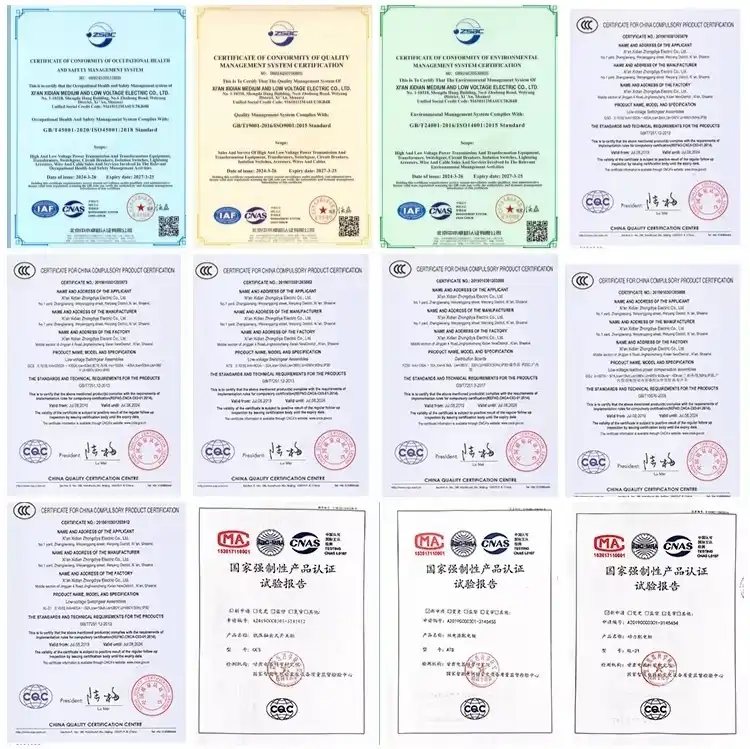
- Quality and support: Grain-oriented steel cores lower hysteresis loss, and welded tanks pass 24-hour pressure tests. Certifications include IEC 60076, ISO 9001, CE, UL, and GOST-R. Xi'an Xikai adds 25+ years of expertise, patents in transformer design, a 10-year warranty, and 24/7 technical assistance. It also customizes winding configurations, cooling systems, and enclosures.
These points talk about being out in the weather, voltage changes, and long-term use.
Maintenance and Common Mistakes
The loss performance you paid for is kept safe by maintenance. Check the oil level, the tank, the bushings, the radiators, the breather, the grounding, and the oil level. Also, listen for any strange noises or vibrations. The oil should be checked for acidity, moisture, and dielectric strength once a year. If you take good care of your oil-immersed distribution transformer and filter the oil every so often, it should last between 25 and 30 years. Keep track of the load, temperature, voltage, and position of the tap so you can spot drift early. Over the life of a unit, four mistakes will cause the cost of energy to go up: picking a unit based only on price, believing claims of "high efficiency" without numbers, not checking for overvoltage and tap settings, and not getting factory verification.
Conclusion
When an oil-immersed distribution transformer is turned on, core loss happens. This affects the lifetime energy cost, especially on feeders that aren't very busy. It's caused by hysteresis and eddy currents, and it can go up because of poor construction, overvoltage, harmonics, and tap settings. It can be lowered with grain-oriented or amorphous steel, step-lap joints, clean stacking, even clamping, and a sensible flux density. The gains are kept in service with the right voltage and taps. Guarantyd no-load and load-loss values, IEC 60076 test reports, and lifecycle cost comparisons are some of the ways that buyers can be sure of the results. By default, neither oil-immersed nor dry designs are efficient, so measured data makes the choice. Over the course of 25 to 30 years, that performance will be protected by a full quote request and regular maintenance.
FAQ
1. What is core loss in an oil-immersed distribution transformer?
Core loss, which is caused by hysteresis and eddy currents, is the energy that the magnetic core uses up when the unit is turned on. At no load, it keeps going and doesn't change much when demand changes.
2. How long does an oil-immersed distribution transformer last?
If you keep these units in good shape and filter the oil every so often, they should last 25 to 30 years. Insulation wear and tear, heat stress, moisture, and oil condition determine how long it will actually last.
3. Do ONAN and ONAF cooling change core loss?
No, core loss is different for each steel, design, and voltage. How much weight the unit can hold changes when it's cooled. ONAN uses natural oil and air flow, but ONAF adds fans for more capacity, but they make more noise and need extra power.
4. What should I send for an accurate quotation?
Send the amount, the frequency, the loss goals, the installation format, the standards, the quantity, the destination, and the date of delivery.
Request a Low-Loss Oil-Immersed Distribution Transformer Specification from Xi'an Xikai
Send Xi'an Xikai your capacity, voltage ratio, and loss goals, and our engineers will look them over and suggest a configuration that will work best for you and your total cost of ownership. We are a supplier of oil-immersed distribution transformer with more than 25 years of experience, a 10-year warranty, and technical support available 24 hours a day, 7 days a week. Send emails to serina@xaxd-electric.com, amber@xaxd-electric.com, or luna@xaxd-electric.com, and find out more at xaxd-electric.com.
References
1. IEC 60076-1: Power Transformers – Part 1: General, 2011.
2. IEC 60076-20: Power Transformers – Part 20: Energy Efficiency, 2017.
3. U.S. Department of Energy, Energy Conservation Standards for Distribution Transformers (Final Rule), 2013.
4. IEEE C57.12.00: Standard for General Requirements for Liquid-Immersed Distribution, Power, and Regulating Transformers, 2021.
5. Kulkarni and Khaparde, Transformer Engineering: Design, Technology, and Diagnostics, 2012.
6. Commission Regulation (EU) 2019/1783 amending Regulation (EU) No 548/2014 on Ecodesign Requirements for Small, Medium and Large Power Transformers, 2019.