Oil-Immersed Transformers Guide: Definition, Components, Principle & Maintenance
2026-08-03 14:47:29
With mineral oil acting as both an insulator and a coolant, an Oil-immersed Transformer is a key device in the transfer of electrical power. Through electromagnetic induction, these devices can change the voltage up or down. They are also very stable at high temperatures and have a high insulating strength. Unlike dry-type options, oil-filled units work better in high-capacity settings where long-term dependability and heat reduction are most important. This detailed guide gives building workers, utility managers, and EPC professionals the skills they need to get the most out of their equipment, cut down on costs over its lifetime, and make smart purchasing decisions.


Understanding Oil-Immersed Transformers: Definition and Core Components
What Makes Oil-Immersed Units Different?
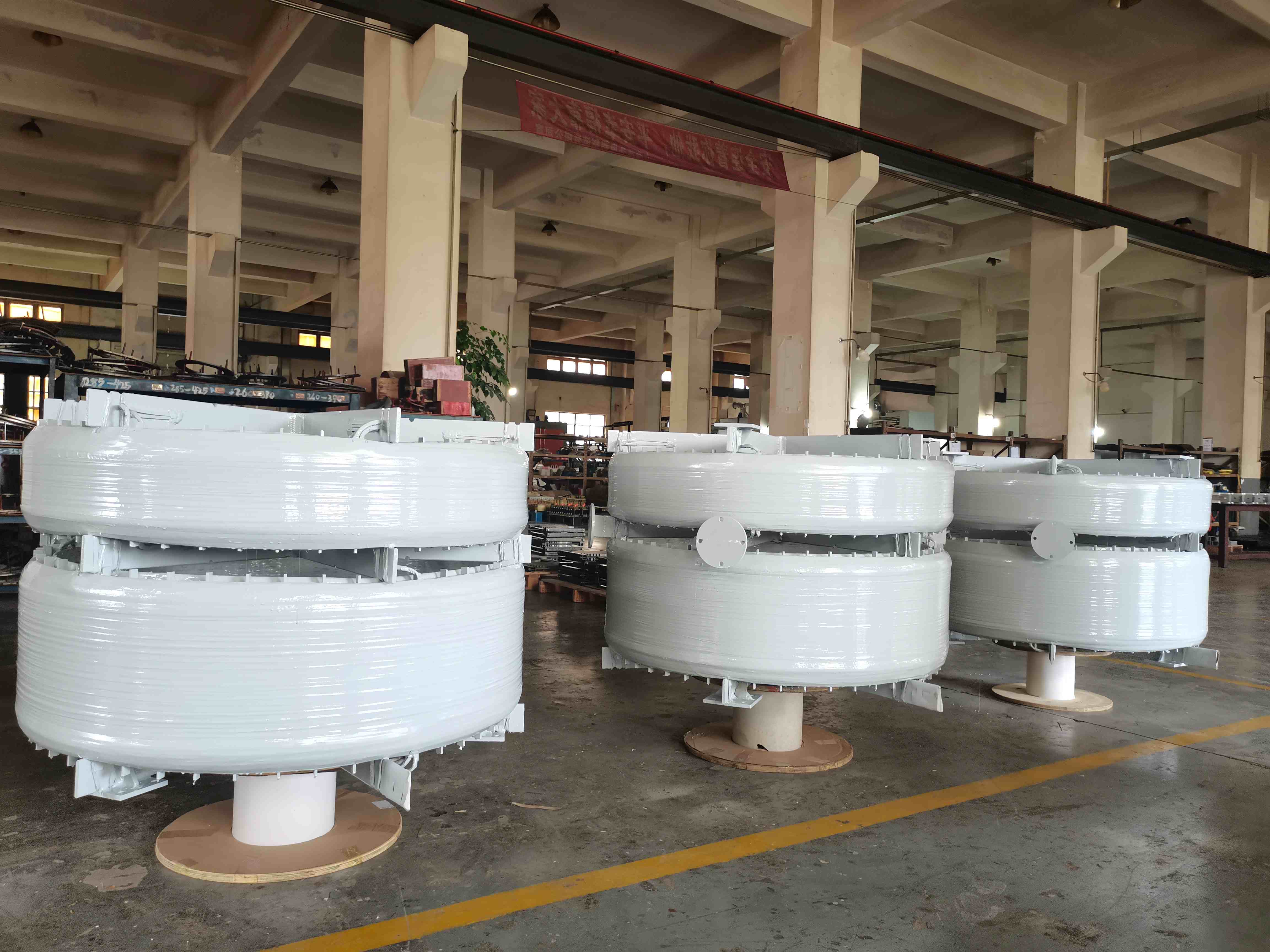
The core and windings of Oil-immersed Transformers are enclosed in a tightly sealed tank filled with mineral oil. This design manages heat better than air-cooled systems, which makes them perfect for big industrial loads that are more than 1MVA. The oil does two things: it protects electrical parts from short circuits and moves heat from the internal windings to heaters or cooling fans on the outside. This design works especially well in places like data centers and factories that need to keep running even when the load changes.
Core Components and Their Functions
The transformer tank holds all of its working parts and keeps its shape when it's under pressure inside. Modern tanks can handle harsh conditions from -40°C to 55°C because they are made of corrosion-resistant steel and have an IP55 rating for security. In coastal or high-humidity areas, silica gel breathers stop water from getting in.
Inside the tank, four critical elements interact:
- Magnetic Core: Silicon steel laminations that are grain-oriented reduce hysteresis losses and eddy currents. Newer ways of making things cut no-load losses by 30% compared to older ones. This lowers energy costs directly during idle times.
- Windings: Primary and secondary circuits are made by copper or aluminium wires wrapped around the core. High-conductivity materials make sure that resistance losses are kept to a minimum, even when demand is high. Vacuum-drying methods get rid of wetness before oil filling, which keeps insulation from breaking down.
- Insulating Oil: High-quality mineral oil with an electrical strength of more than 30kV stops arcs and keeps temperatures stable. Ester-based fluids are used in some green energy uses because they are more resistant to fire and break down naturally.
- Cooling System: Radiators or curved tank walls give heat a bigger surface area to move away from. Larger units have forced-air or oil circulation pumps to deal with the heat that comes from wind or solar inverter outputs that go out and on.
When buying teams understand these parts, they can correctly evaluate technology datasheets. Verify that the core material grades, winding conductor purity, and cooling capacity ratings given by an Oil-immersed Transformer maker fit the types of loads you have and the surrounding environment.
Voltage Ratings and Application Classes
The standard input voltages are 10kV, 35kV, and 110kV, which are good for medium-voltage distribution networks. Capacity goes from 30kVA small units for substations in cities to 2500kVA models that power industrial buildings. The S9, S13, and S18 series all get more efficient over time. For example, the S13 models reach 98.5% efficiency at full load, which is a very important measure for utility companies that have to deal with transmission losses across large lines.
Operating Principles and Cooling Methods of Oil-Immersed Transformers
Electromagnetic Induction Fundamentals
Faraday's law says that alternating current in the primary winding creates a magnetic flux through the core, which causes voltage in the secondary winding that is proportional to the number of turns. The Oil-immersed Transformer design makes this process better by keeping the operating temperatures stable. This keeps the core's permeability stable and stops hotspots from forming. Advanced tap switches change the output voltage flexibly within a range of ±2.5%. This makes up for changes in the grid that happen when demand goes up without any help from a person.
Cooling Classification and Performance Impact
How the transformer is cooled has a direct effect on how long it lasts and how much it can handle. Three common methods are used most often in industry:
- ONAN (Oil Natural Air Natural) system works with passive flow. The winding losses heat the oil, which rises to the radiators. There, air cools it, and it goes back to the bottom of the tank. This method works well for utility substations with steady loads below 1MVA and doesn't need any maintenance. The noise level stays below 50dB, which is the amount allowed in private areas.
- ONAF (Oil Natural Air Forced) adds fans to radiators from the outside, which makes them 40% better at getting rid of heat. This setup can handle 125% of the loads that come and go, which is usual in solar farms where inverter outputs change throughout the day. Temperature sensors immediately turn on the fans, which balances economy with cooling capacity.
- OFAF (Oil Forced Air Forced) uses both oil pumps and fans to get the best heat performance. Mines and steel mills use this method when they regularly experience 150% overloads that last for two hours. When a part fails, a redundant pump system keeps the machine running, saving production plans worth millions of dollars per hour of downtime.
When you compare these methods, you can see how the costs of capital, energy use, and maintenance affect each other. ONAF systems are highly valued by data centers because they keep computer racks cool without making noise from fans. Utility companies often choose ONAN for installs in rural areas where access to grid power limits the use of extra equipment.
Efficiency Benchmarks Against Alternative Technologies
Modern oil-filled units have flexible core materials that make them 99% efficient, which is better than most dry-type transformers at the same rates. The difference gets bigger when only some of the load is applied. At 30% load, oil-immersed models lose less than 3% of their power, while air-cooled models may lose up to 7%. This benefit is even greater in green energy systems, where changing generation trends lead to a lot of times when the load is low. Over the course of 25 years, the higher starting costs are more than offset by the energy savings that build up over time, providing a better return on investment.
Maintenance and Troubleshooting for Oil-Immersed Transformers
Essential Inspection Protocols
According to IEEE C57.104 guidelines, routine maintenance starts with a dissolved gas analysis (DGA). By taking samples of the shielding oil every six months, small problems can be found before they become big problems. High levels of hydrogen show corona discharge, and high levels of acetylene show arcing between electrodes. By tracking these markers over time, it's possible to plan ahead and replace parts during planned outages instead of emergency shutdowns.
Insulation resistance testing makes sure that the insulation is working properly. At working temperature, measurements above 1000M show that the oil and winding are in good health. Power factor tests below 0.5% rule out moisture contamination, which is a major reason why things break down early in humid places. Karl Fischer titration measures the amount of water present, and levels under 10–12ppm are considered okay as long as the silica gel breather is kept in good shape.
Physical inspections complement laboratory testing:
- Bushing Condition: Cracked porcelain or oil leaks around the bushings can cause flashovers during storms. Power factor readings below 0.5% mean that the insulation is sound, while readings above 0.5% mean that the insulation needs to be replaced before the next storm season.
- Cooling System Performance: Thermal imaging cameras find radiator blockages or broken fan motors that cause overheating in certain areas. When hotspots see temperature rises above the mark by 10°C, they need to be fixed right away to keep the windings from getting damaged.
- Tank Integrity: Every year, tests are done to see if the weld lines and sealing seals are still good. When hoover levels drop below certain levels, moisture can get in and speed up the oxidation of oil and formation of sludge.
These inspection items keep operating uptime above 99.5%, which is the standard for backup systems in hospitals and wastewater treatment plants where power outages could be harmful to the public's health.
Common Troubleshooting Scenarios
Most oil leaks around the tap changer sections are caused by gaskets that are worn down from being heated and cooled many times. It's cheaper to replace something during regular maintenance than to fix it right away after a power outage. Overheating caused by clogged radiators can be fixed by clearing out the dust and dirt that has built up. This simple step can save hundreds of thousands of dollars in replacement costs for the winding insulation.
When insulation fails, the dielectric strength drops quickly or the safety relay trips without warning. The dissolved gas analysis finds the exact location of the problem, which helps with targeted repairs instead of replacing the whole Oil-immersed Transformer. Sweep frequency response analysis (SFRA) finds changes in the structure caused by earthquakes or traffic accidents so that assets can be inspected before they are put back into use.
Safety rules say that all repair work must follow lockout/tagout and de-energization processes. Arc flash danger assessments figure out how much personal safety equipment is needed. When you ground something, induced voltages can't get to supposedly separated windings, which could be dangerous when you're replacing bushings or doing internal checks.
Comparing Oil-Immersed Transformers with Other Transformer Types
Performance and Cost Trade-Offs
Because they don't use dangerous liquids, dry-type transformers are better for placement inside near things that can catch fire. Their lower heating capacity, on the other hand, limits their rates to 2.5MVA most of the time, which means that multiple smaller units are needed where one Oil-immersed Transformer would have been enough. This breaking up makes the area bigger and makes it harder to coordinate security in crowded urban substations.
Noise features make oil designs better in places where noise is a problem. Installations near schools and hospitals are allowed as long as the operating sound level is less than 65dB. Under load, dry units usually make 70 to 75dB, which means they need acoustic enclosures that are more complicated and cost more.
Lifecycle expenses extend beyond purchase price:
- Maintenance Needs: Oil-immersed units need to have DGA samples and oil filters done on a regular basis, which can add up to $5,000 per year, based on the capacity. Dry-type models only need eye checks and thermographic scans, which saves money on labour costs but doesn't help find problems early on.
- Lifespan Expectations: If you keep oil-filled transformers in good shape, they should last 30 to 40 years. On the other hand, dry units usually stop working after 20 to 25 years because the insulation wears out. Capital costs are spread out over more production years with the longer service time, which is good for buying managers who are watching their budgets.
- Efficiency Over Time: As long as moisture and rust are kept in check, mineral oil's electrical properties stay the same over its service life. As dry transformers get older, their solid shielding slowly breaks down, which increases losses and the chance of failure. The timing of replacements becomes less predictable, which makes long-term asset management strategies harder to use.
Decision Criteria for Procurement Teams
To choose between technologies, the characteristics of the transformer must be matched to the working surroundings. Offshore wind farms choose oil-immersed models because they are better at handling overloads during storm-driven generation peaks and don't get damaged by salt spray. Chemical plants choose dry units near explosive atmospheres even though they cost more because they value safety over making the most money.
The name of the supplier is very important in these choices. Manufacturers who are certified by IEC 60076 and ISO 9001 have quality management systems that keep problems from happening. UL and CE labels show that a product meets safety standards in North America and Europe, which makes buying things across borders easier for international companies. GOST-R certification opens up markets in Russia and other former Soviet states, giving the supply chain more choices.
After-sales help sets one seller apart from others. Technical help by phone or video call 24 hours a day, seven days a week cuts down on diagnostic delays when production is on the line. Ten-year warranties that cover flaws in materials and workmanship protect capital investments, and long-term service contracts make upkeep budgets more reliable.
Procurement Insights and Trusted Suppliers of Oil-Immersed Transformers
Identifying Reputable Manufacturers
When evaluating an Oil-immersed Transformer supplier, certifications serve as the first line of defence. In addition to basic ISO compliance, you should also look for specialised certifications like ATEX for use in dangerous environments or seismic approval for Zone 4 earthquake areas. These references show that the engineer has skills that go beyond the standards for making common goods.
Quality assurance processes show how well a product is made. Magnetic flux readings should be used in material testing methods to confirm the properties of a steel core with a grain orientation. Before oil is filled, leak checks that last 24 hours under pressure make sure the weld is solid. As per IEC 60076-3, impulse voltage withstand testing, short-circuit capability validation, and no-load/load loss measures matching efficiency rates are all part of factory acceptance testing (FAT).
Custom order possibilities are important when normal goods can't work with the site's specific needs. Compact enclosures work well in crowded urban substations that don't have a lot of room. Harmonic-heavy loads from changing frequency drives in HVAC systems can be handled by special winding designs. Designs that are rated for altitude keep working at heights of up to 4,000 meters, which helps mining activities in hilly areas.
Pricing Structures and Logistics Planning
When facilities are expanded or new substations are built, bulk prices encourage purchases to be made in one place. When you commit to buying more than ten units, costs often go down by 15 to 20 percent, which makes the project more affordable for expanding utility grids. Multi-year supply agreements lock in prices even if the prices of commodities go up, which keeps budgets stable during the construction phase.
Lead times and delivery costs are affected by how the goods are shipped. Domestic providers have faster transportation times, which lowers the risk to the project timeline. When you source from other countries, you can get unique styles that you can't get locally, but you have to deal with customs clearance and longer shipping times. When moving 10-ton transformers, it's worth the money to hire goods forwarders who know how to handle rigging, transportation insurance, and port handling.
Lead times depend on how complicated the customisation is. Standard catalogue items ship in eight weeks, but engineered-to-order units take sixteen to twenty weeks from the time they are ordered to the time they are delivered on-site. Purchasing managers need to make sure that these dates work with the construction schedules so that there aren't any costly delays when transformers get put on the critical path.
Warranty Terms and Service Networks
Warranty length reflects manufacturer confidence—one-year terms cover infant mortality, while ten-year warranties indicate superior quality control. Read exclusions carefully, as some agreements only cover manufacturing defects, not installation errors or operation beyond ratings. Service networks determine emergency response—regional offices with field engineers enable same-day site visits. Remote diagnostics reduce downtime by solving issues before dispatching technicians. Local availability of replacement parts like bushings and tap changers avoids weeks-long shipping delays. Comprehensive lifecycle support ensures uninterrupted operations, helping B2B clients select suppliers who deliver value beyond initial purchase price.
Conclusion
Oil-immersed Transformers remain indispensable for industries requiring reliable, efficient power distribution under challenging operating conditions. Understanding their components, operating principles, and maintenance requirements empowers facility operators and procurement teams to maximize equipment lifespan while minimizing total cost of ownership. Proper cooling system selection, routine dissolved gas analysis, and diligent inspection protocols prevent costly failures and unplanned downtime. When evaluating suppliers, prioritize manufacturers demonstrating quality certifications, custom engineering capabilities, and comprehensive after-sales support. These criteria ensure your transformer investment delivers decades of dependable service, protecting production schedules and maintaining grid stability across diverse applications from renewable energy farms to heavy industrial complexes.
FAQ
1. How often should oil quality testing occur?
For the first three years of operation, you should do a dissolved gas analysis every six months to get a sense of the baseline trends. Once trends become stable, test more often every year, unless you're working in difficult conditions with a lot of particulate matter or a lot of temperature changes. Each DGA sample should have its moisture content checked using the Karl Fischer titration method. Levels should be kept below 10ppm to protect the insulation of the Oil-immersed Transformer.
2. Can oil-immersed units handle renewable energy fluctuations?
Modern designs that regulate voltage to within 0.5 percent can handle intermittent loads from solar inverters and wind turbines well. Models with a 125% overload capacity can handle generation spikes during times of high production. Low-loss features below 3% at partial loads help absorb more energy, which makes the job more cost-effective. To keep thermal efficiency during changing output cycles, make sure that the cooling systems at your site are able to handle the wide range of temperatures and the height of the area.
3. What differentiates S9, S13, and S18 series transformers?
Each label shows a step-by-step increase in efficiency achieved by improving core materials and building methods. The S9 units work reliably and meet basic industry standards. The S13 series is 98.5% efficient because it uses high-permeability silicon steel and fully sealed corrugated tanks that keep oil from going bad. S18 transformers have multi-step core joints that lower noise levels below 45dB and reduce magnetostriction. They also have better moisture protection, which extends their service life beyond 30 years.
Partner with Xi'an Xikai for Reliable Power Transformation Solutions
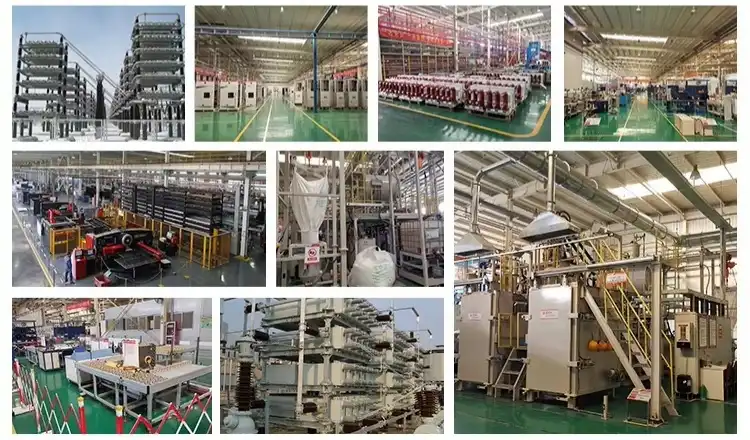
Selecting the right Oil-immersed Transformer manufacturer determines operational success for decades. Xi'an Xikai Medium & Low Voltage Electric Co., Ltd. combines 25 years of design expertise with advanced manufacturing capabilities, delivering customized solutions for demanding industrial environments. Our S9, S13, and S18 series transformers incorporate patented core technologies reducing no-load losses while maintaining 99% efficiency under variable renewable energy loads. Plateau-rated equipment operates reliably at altitudes reaching 4,000 meters, serving mining and hydroelectric projects worldwide.
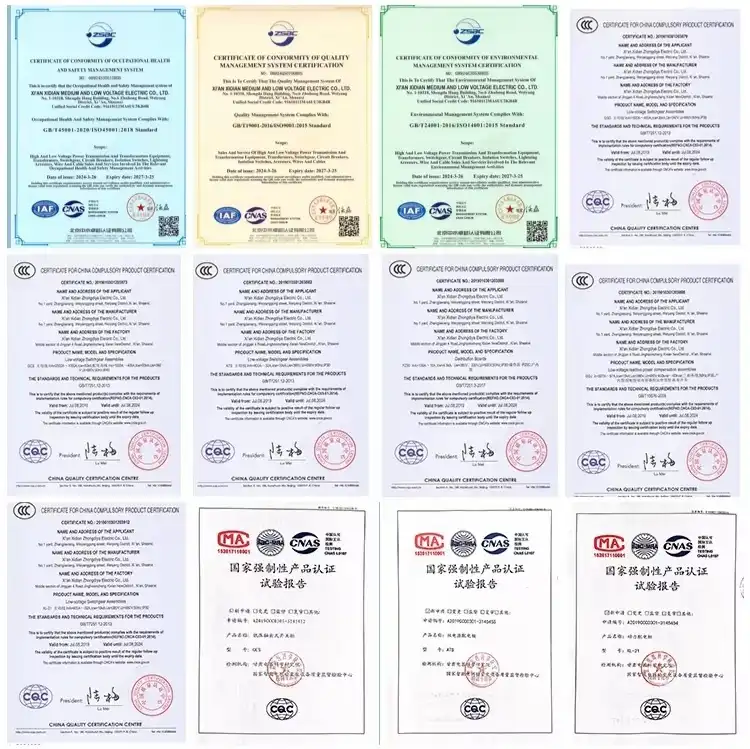
Quality assurance begins with grain-oriented steel core testing and extends through 24-hour pressure leak verification on every welded tank. IEC 60076, ISO 9001, CE, UL, and GOST-R certifications validate our commitment to international standards. Whether you need seismic-resistant designs for Zone 4 earthquake zones or ATEX-certified units for explosive atmospheres, our engineering team tailors configurations matching your specifications precisely.
Contact our procurement specialists at serina@xaxd-electric.com, amber@xaxd-electric.com, or luna@xaxd-electric.com to discuss your power distribution requirements. Experience responsive support backed by a ten-year warranty and 24/7 technical assistance—partnership advantages that protect your infrastructure investments.
References
1. IEEE Standards Association. IEEE C57.104-2019: Guide for the Interpretation of Gases Generated in Mineral Oil-Immersed Transformers. Institute of Electrical and Electronics Engineers, 2019.
2. International Electrotechnical Commission. IEC 60076-3:2013 Power Transformers – Part 3: Insulation Levels, Dielectric Tests and External Clearances in Air. IEC Central Office, 2013.
3. Harlow, James H. Electric Power Transformer Engineering, Third Edition. CRC Press, 2012.
4. Kulkarni, S.V. and Khaparde, S.A. Transformer Engineering: Design, Technology, and Diagnostics, Second Edition. CRC Press, 2013.
5. National Electrical Manufacturers Association. ANSI/IEEE C57.12.00-2015: General Requirements for Liquid-Immersed Distribution, Power, and Regulating Transformers. NEMA Publications, 2015.
6. Heathcote, Martin J. The J&P Transformer Book: A Practical Technology of the Power Transformer, Thirteenth Edition. Newnes Publishing, 1998.