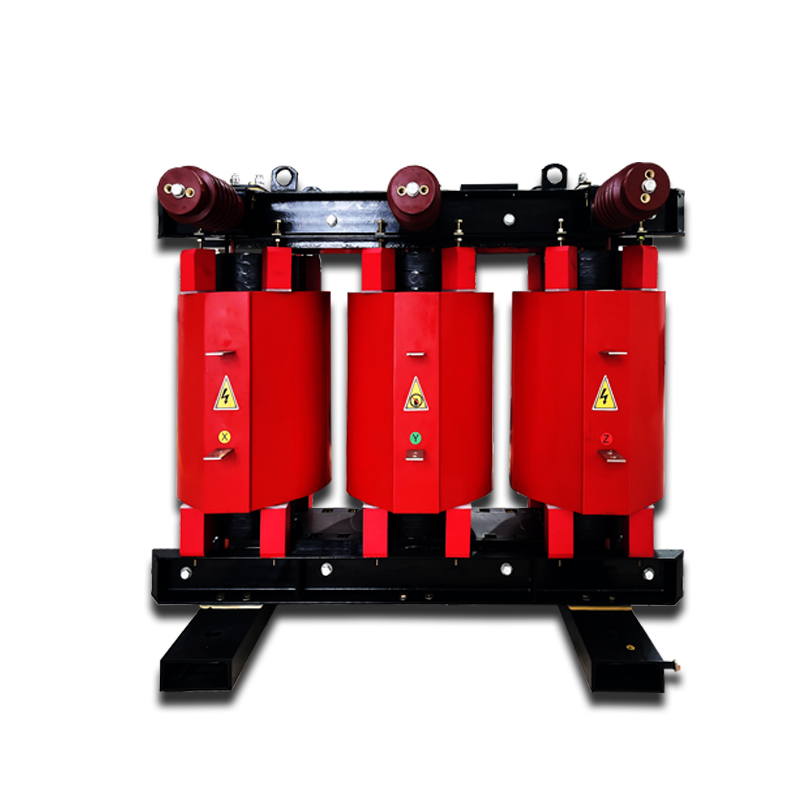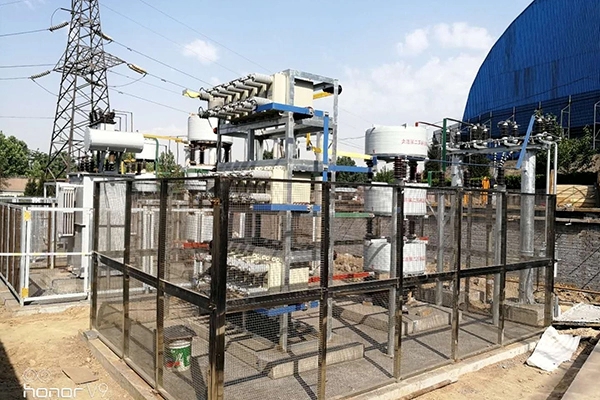
What Are the Advantages of Oil-Immersed Transformers?
2026-08-03 11:50:55
Oil-immersed Transformers offer superior cooling, insulation, and operational lifespan compared to other technologies. Mineral oil is used as both a coolant and a dielectric insulator in these devices. This makes voltage changes reliable in factories, power plants, and green energy systems. The oil's thermal conductivity is 10 to 15 times higher than air's, which lets smaller designs work even when heavy loads are applied all the time. Oil-immersed Transformers are a cost-effective option for businesses that care about uptime, power quality, and long-term value. They have efficiency rates of over 99%, require little upkeep, and have been tested to last between 30 and 40 years.


Introduction
The system that distributes power is what keeps modern factories running. A steady flow of electricity is needed for factories to run precise machines, data centers to run cloud computer services, and hospitals to keep life-critical systems running. Still, broken equipment costs U.S. businesses billions of dollars every year in lost production and emergency fixes.
Through tried-and-true engineering principles that have been improved over many years, Oil-immersed Transformers address these issues. When procurement teams, facility managers, and electrical engineers know what their operational advantages are, they can make smart investments that protect profits and meet changing power needs.
This thorough study looks at how these transformers work, how they can be used to improve things in the real world, and how to use them properly for care and purchases. These tips will help you make smart decisions that are in line with your budget and practical goals, whether you're improving old infrastructure or designing brand-new electrical systems.
Understanding Oil-Immersed Transformers
Core Components and Operating Principles
An Oil-immersed Transformer has coils and a magnetic core submerged in a sealed steel tank filled with insulating fluid. The grain-oriented electrical steel core minimizes energy losses during magnetic flux transfer. Primary and secondary windings of copper or aluminum wire enable voltage transformation through electromagnetic induction. Transformer oil provides dual functionality—dielectric strength exceeding 30 kV per 2.5mm gap prevents arcing, while thermal conductivity absorbs operational heat and transfers it to tank walls and radiators for air cooling.
Why Oil Insulation Outperforms Alternatives?
Mineral oil's molecular structure provides superior insulation compared to air or solid materials, enabling compact designs handling higher voltages—ideal for space-constrained urban substations. Oil's thermal mass handles temperature surges without immediate insulation stress, allowing 150% overload capacity for two hours. Self-healing properties—small discharges break down minute oil amounts, quickly refilled by surrounding fluid—enhance reliability, unlike solid insulation which suffers permanent damage from similar events.
Key Advantages of Oil-Immersed Transformers
Oil-immersed Transformers are chosen by industrial operators and utility managers because they have measurable performance qualities that have a direct effect on running costs and system stability. The following benefits come from years of working in the field on a wide range of projects.
Superior Cooling Efficiency
Oil's thermal conductivity efficiently transfers heat from windings to external cooling surfaces, maintaining safe operating temperatures across -40°C to 55°C ambient conditions. Radiator configurations and forced oil circulation optimize heat dissipation—natural convection suits utility substations, while pump-assisted cooling serves mines and steel mills with rapid load changes. This thermal performance enables smaller footprints than dry-type alternatives while meeting capacity requirements.
Enhanced Electrical Insulation
New transformer oil provides breakdown voltage exceeding 30 kV per IEC 60156 standards, forming a robust barrier against electrical stress. Regular testing and filtration maintain dielectric properties throughout service life. The fluid suppresses partial discharge activity that degrades solid insulation over time. Dissolved gas analysis tracking detects early problems through chemical fingerprints, enabling condition-based maintenance that prevents failures before they occur.
Higher Load and Overload Capacity
Industrial complexes and factories rarely run at full capacity all the time. Peak production, changes in the seasons, and the start-up of new equipment all cause changes in demand that put a lot of stress on the electricity infrastructure. Oil-immersed Transformers can handle these transients because of their thermal mass, which can handle short-term overloads without causing any damage to the components.
Our designs can handle being 150% overloaded for two hours, which is enough time for mine conveyors, oil plant pumps, and chemical processing equipment to do their jobs. This feature gets rid of the need for transformers that are too big, which saves money on capital costs while keeping reliability high in odd situations. Load tap switches give you even more options by changing the output voltage on the fly, which smooths out changes in the power grid that can damage sensitive electronics.
Extended Operational Lifespan
Total cost of ownership, which is a key factor in buying things, is based on how long an item lasts. Oil-immersed Transformers can last up to 40 years if they are properly kept, which is much longer than most dry-type transformers. This longevity comes from the protective qualities of oil, which keep insulation from wearing out and stop water from getting in.
In harsh environments, the sealed tank design with silica gel breathers keeps the contents from getting dirty. Coastal installations, offshore platforms, and mining sites all have salt spray, dust, and corrosive gases that can damage parts that aren't protected. Our IP55-rated casings and corrosion-resistant tanks make sure that they work reliably in these tough conditions, which lowers the number of times they need to be replaced and their lifecycle costs.
Cost-Effectiveness Over Time
Initial purchase price is only one part of the economy of a transformer. Long-term value calculations are based on how much energy something uses, how often it needs to be maintained, and how long it will work. Oil-immersed designs have efficiency rates above 99.5%, which means they lose less energy when they're not working and when they are. Over decades, this saves a lot of money on energy costs.
When compared to older technologies, optimised core designs cut no-load losses by up to 30%. This directly lowers utility bills for facilities that run transformers all the time. Models with ±0.5% voltage regulation keep power quality problems from happening that cause production to stop for renewable energy projects that need smooth grid synchronisation. When you mix these performance traits with longer service intervals and proven dependability, you get a better return on your investment than with alternatives that need to be fixed or replaced too soon.
Comparing Oil-Immersed Transformers with Other Technologies
Performance Benchmarking
Comparing different types of transformers objectively can help with buying choices. In some situations, like indoor installations with strict fire rules or situations that need low repair access, dry-type transformers are better. But Oil-immersed Transformers are the best choice for heavy-duty jobs because they can handle more heat and pressure better.
Comparing levels of efficiency shows differences that can be measured. Modern dry-type transformers are 98% efficient, but oil-immersed versions are 99.5% efficient because they cool more efficiently, which lowers the resistance losses in the windings. This 1.5% difference means that big systems with capacities of several megawatts can save a lot of energy. At 99.5% efficiency, a 10 MVA generator that is always on saves about 131,000 kWh per year, which is the same as $13,100 per year at normal industrial energy rates.
Technology choices are affected by environmental factors. Dry-type transformers get rid of the need to handle and dispose of oil, which makes them appealing to facilities that want to avoid spills. Modern transformer oils, on the other hand, are great for the environment because they biodegrade and can be recycled. As part of our environmentally friendly practices, we have oil recycling programs that keep fluid performance high by filtering and refilling it.
Manufacturer Quality Impact
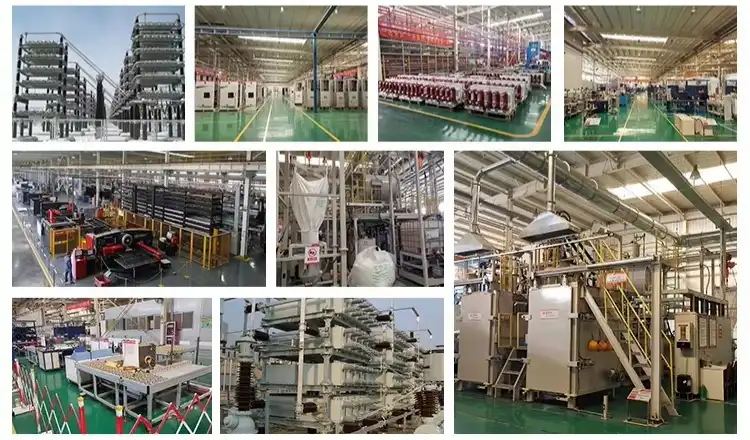
Choose the right brand affects long-term dependability and support. Well-known brands put money into research, quality control, and global service networks that keep customers' money safe. Material testing of grain-oriented steel cores, 24-hour pressure testing on welded tanks, and full electrical verification before shipment are all part of the way we make things.
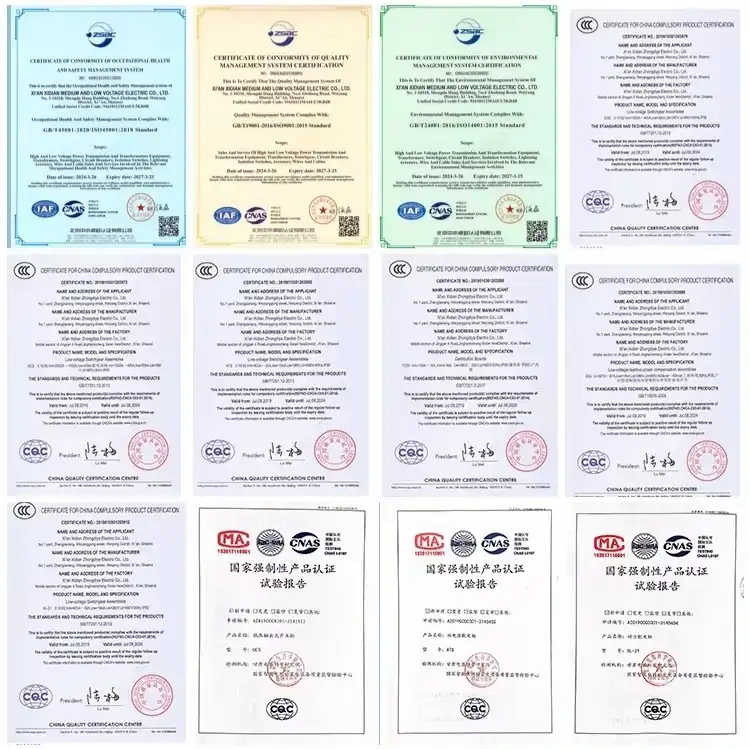
Certifications show that international standards are being followed. Our goods meet the standards for IEC 60076 transformers, ISO 9001 quality management, and regional approvals such as CE, UL, and GOST-R. These approvals make sure that the product works with project requirements and follows all local rules in all global markets.
Different suppliers offer different warranty terms and expert help. We offer 10-year guarantees and help 24 hours a day, seven days a week, so that operating problems can be fixed quickly. This commitment shows trust in the quality of the designs and the accuracy of the production, which comes from 25 years of experience in the field.
Maintenance and Safety Best Practices
Oil Quality Management
To keep its dielectric and heating qualities, transformer oil needs to be tested on a regular basis. According to IEEE C57.104 standards, dissolved gas analysis finds early signs of faults by looking at patterns of hydrogen, acetylene, and carbon monoxide concentrations. Utilities and industry operators usually do DGA once a year for important transformers and more often for units that serve essential processes.
Monitoring the moisture content stops insulation from breaking down. Through breathers and seals, oil absorbs moisture from the air. This lowers the dielectric strength and speeds up the ageing of cellulose insulation. Karl Fischer titration testing makes sure that moisture levels stay below 10 to 12 parts per million. This keeps the electrical performance high and increases the useful life.
Breakdown voltage testing makes sure that the dielectric strength stays the same. The dielectric strength of fresh oil is higher than 30 kV, but this important trait is lost when particles, wetness, or oxidation results get into the oil. Maintenance teams are notified of filtration needs before insulation fails by regular testing of Oil-immersed Transformers.
Preventive Maintenance Protocols
Inspection schedules balance the needs of operations with the safety of the equipment. As part of regular electrical testing, insulation resistance readings above 1000 megohms at working temperature, power factor readings below 0.5% for healthy systems, and sweep frequency response analysis to find mechanical deformation from earthquakes or transportation accidents.
Power factor readings are used to check the state of the bushings, pressure decay tests are used to check the integrity of the tank, and thermal imaging is used to check the performance of the cooling system. Any hotspots that are warmer than the recommended temperatures mean that there are problems with the flow of air, radiators that are clogged, or fans that aren't working right.
Maintenance on a load tap switch stops oil pollution and contact wear. These mechanical devices change the output voltage by choosing which winding tap to use. Over time, carbon deposits form on them that need to be cleaned from time to time. Maintenance times depend on how often the unit is used. For example, utility transformers that change taps every day need service more often than industrial units that use set taps.
Safety and Environmental Compliance
Handling transformer oil is governed by strict rules that protect people and the environment. In order to meet EPA standards for spill prevention, containment devices catch leaks before they pollute the soil or groundwater. While fire suppression tools can help with combustion risks, new oils have high flash points (above 140°C) that make them less likely to catch fire.
Disposal rules control how end-of-life oil is handled. Reclamation services clean up dirty oil by hoover dehydrating, filtering and treating it with chemicals. This makes the fluid last longer and wastes less. Recycling programs turn used oil into industrial heating fuel or reprocessed transformer oil when regeneration is no longer a viable option. This completes the material's lifecycle loop.
Arc flash protection keeps electrical workers safe while they do maintenance. Accidental energisation or generated voltages can hurt people, but they can be avoided with the right PPE, lockout-tagout processes, and approach distance compliance. The NFPA 70E standards give detailed safety instructions that lower accidents at work.
Procurement Guide: Selecting the Right Transformer for Your Application
Defining Technical Requirements
Accurate load evaluation is the first step to successful buying. To figure out how much capacity you need for the Oil-immersed Transformer, you need to look at the current demand, the expected growth, and the peak load scenarios. Oversizing loses money and energy, while undersizing can cause the system to overheat and fail early. Load studies, which are done by engineering experts or equipment makers, help choose the best capacity.
Voltage ratings must match the needs of both the utility supply and the facility distribution. For utility connections, primary voltages of 10 kV, 35 kV, and 110 kV are common. For industrial distribution, secondary voltages range from 400V to 11 kV. These standard designs can be used with our transformers, and they can also be customised for non-standard uses.
Conditions in the environment affect the design specs. For installations to be safe in seismic zones, they need to be mechanically strengthened to meet Zone 4 earthquake standards. Chemical plants and oil factories with potentially explosive atmospheres need ATEX-certified shelters that keep sparks from starting. Coastal areas benefit from better corrosion protection and protected breather devices that keep salty air out.
Standard versus Custom Solutions
Standard transformer designs work well for most uses because they use tried-and-true layouts that are best for typical voltage and capacity ranges. These units have shorter lead times—usually 8 to 12 weeks—and lower costs because they are easier to make. Standard products are often enough to meet the needs of utility substations, commercial buildings, and light industrial facilities.
Custom designs are made to fit specific needs or requirements for performance. For urban substations with small footprints, special cooling systems and winding patterns are needed to make the designs small. Low-loss designs that get the most power from solar panels or wind turbines are good for renewable energy setups. Every percentage point of efficiency affects the project's costs.
Our engineers work with clients to make sure that unique requirements are met as well as possible. Customised coil layouts, specialised cooling systems, and one-of-a-kind housings make it possible to put things that are hard to reach while still being reliable and affordable. When standard tools don't work for new projects, this flexibility comes in handy.
Supplier Evaluation Criteria
Experience and name of the manufacturer in the business show how good the product is and how well they can support it. Companies that have been making transformers for a long time have developed better ways to make them and more thorough ways to test them. Client references from similar apps back up claims of speed and show any problems that might arise before a purchase is made.
Certification compliance makes sure that the regulations are followed and that performance is checked. International standards, such as IEC 60076, spell out how things should be built, how they should be tested, and how well they should work. These standards protect buyers from getting low-quality tools. Regional approvals, such as UL lists or CE marks, speed up the process of approving projects and connecting utilities.
Support after the sale is what sets trustworthy partners apart from transactional sellers. Technical help during installation, support during commissioning, and quick troubleshooting keep outages from lasting too long when problems happen. Warranty terms that show the manufacturer's trust, like our 10-year coverage, protect you financially against early fails and show that the product is of high quality.
Xi'an Xikai Medium & Low Voltage Electric Co., Ltd. is an experienced seller of Oil-immersed Transformers that offers both advanced production skills and full customer support. Our products are used in harsh environments by State Grid systems, petrochemical complexes, rail transportation networks and renewable energy projects. With plateau-type tools that can work at 4,000 meters and a number of patented technologies, we offer solid solutions that are backed by strict quality control and global certifications.
Conclusion
Due to their demonstrated benefits in terms of thermal management, electrical performance, and financial value, Oil-immersed Transformers continue to be important parts of modern electrical infrastructure. Their superior cooling efficiency lets small designs handle heavy loads for long periods of time, and their strong insulation properties stop faults that stop operations. The total cost of ownership is very low when you consider the long service life and high efficiency rates. This is especially true for industrial facilities, utility grids, and green energy installations where dependability directly affects profits. These benefits are maximised by good servicing habits and smart purchasing choices, which ensures decades of reliable service. As the need for power increases and infrastructure is updated, oil-immersed technology keeps getting better thanks to new materials and tracking systems that make it work better while keeping the basic benefits that made these transformers industry standards.
FAQ
1. How often should transformer oil testing occur?
Every year, dissolved gas analysis and oil quality tests must be done on important transformers that serve important processes. Based on operating conditions and past performance, units in less demanding applications can go longer between intervals of two to three years. Electrical storms, frequent overloads, or harsh environmental exposure can damage equipment. Testing every six months can find problems before they break down.
2. What distinguishes oil-immersed maintenance from dry-type requirements?
While dry-type units don't need to handle fluids, Oil-immersed Transformers need to sample and analyse the oil on a regular basis, usually once a year. But dry-type transformers need to be cleaned more often to keep the dust from building up and making it hard for them to cool down, especially in industrial settings. Also, designs that are submerged in oil can handle overloading better because the thermal mass can absorb short-term temperature jumps.
3. Can oil-immersed transformers be customized for specific industrial demands?
Manufacturers often change the layout of windings, cooling systems, and casings to meet specific needs. Small designs work well in places where space is limited, and better cooling works well in places where there is constant overload, like in mining or manufacturing. ATEX approvals allow placement in areas where explosives are present, and seismic reinforcement meets the needs of areas that are prone to earthquakes. Our engineering team works with clients to find the best specifications that meet both performance goals and budget limits.
Partner with Xi'an Xikai for Your Power Distribution Needs
Xi'an Xikai Medium & Low Voltage Electric Co., Ltd. is ready to help you with your transformer needs by providing dependable Oil-immersed Transformers made for tough industrial uses. We know how to make things that can handle voltages from 10 kV to 110 kV, and we can make them fit the needs of any setting or performance requirement. Our goods have been tested and proven to work reliably in State Grid installations, petrochemical plants, and green energy projects. They are backed by IEC 60076, ISO 9001, and several regional certifications. You can also email our technical team at serina@xaxd-electric.com, amber@xaxd-electric.com, or luna@xaxd-electric.com to talk about your specific power distribution problems and look into solutions that fit your needs.
References
1. IEEE Standard C57.104-2019, "IEEE Guide for the Interpretation of Gases Generated in Mineral Oil-Immersed Transformers," Institute of Electrical and Electronics Engineers, 2019.
2. International Electrotechnical Commission, "IEC 60076-1: Power Transformers - Part 1: General," 3rd Edition, Geneva, Switzerland, 2011.
3. Heathcote, M.J., "The J&P Transformer Book: A Practical Technology of the Power Transformer," 13th Edition, Newnes Publishing, Oxford, 2007.
4. Harlow, J.H., "Electric Power Transformer Engineering," 3rd Edition, CRC Press, Boca Raton, Florida, 2012.
5. Kelly, J.J., "Transformer Fault Diagnosis by Dissolved Gas Analysis," IEEE Transactions on Industry Applications, Vol. IA-16, No. 6, November/December 1980.
6. McNutt, W.J., "Insulation Thermal Life Considerations for Transformer Loading Guides," IEEE Transactions on Power Delivery, Vol. 7, No. 1, January 1992.