
Outdoor Disconnect Switch: 7 Factors Behind Long-Term Reliability
2026-10-29 17:10:45
An outdoor disconnect switch keeps performing for decades when seven factors line up: protection against weather and pollution, correct voltage, current, and short-circuit ratings, a clear isolation role, a durable switching mechanism, easy installation and service, verified compliance, and a capable manufacturer. In substations at 220 kV, 330 kV, and above, one weak point can cost far more than the equipment, because a forced outage stops power delivery. In this guide, I explain each factor in plain terms and show how the Xi'an Xikai GW10 high voltage disconnect switch addresses them. Each factor comes with practical checks you can use during design review.
Introduction: Why Outdoor Disconnect Switch Reliability Matters
What an Outdoor Disconnect Switch Does in a Substation
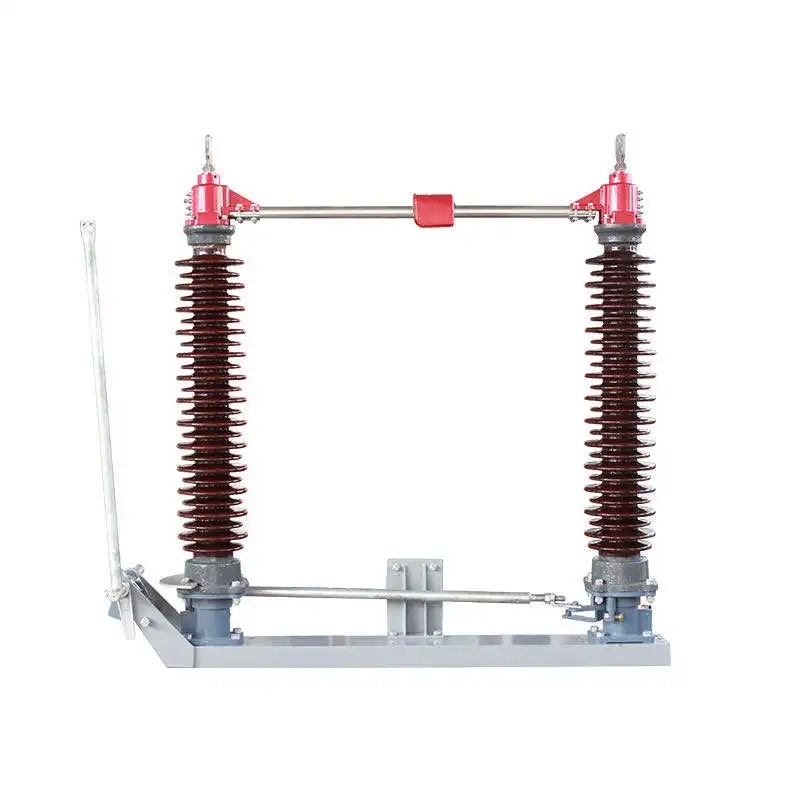
When an outdoor disconnect switch is used, it leaves a clear gap in a live circuit. Crews open it after the circuit breaker cuts the power to the line so they can work on the bus, transformer, or circuit breaker without risk. On the IEC 62271-102 list, this gear is known as alternating current disconnectors and earthing switches. Disconnectors carry current and can handle short-circuit current for a certain amount of time when they are closed. But it doesn't fix problems. That job is up to the breaker. While the voltage is being sent, the switch is placed on post insulators outside in the open. It gets hit by the sun, rain, wind, ice, and dirt every day.
Why Outage Cost Raises the Stakes
A disconnector's price doesn't matter to many people. They're worried about what will happen if it doesn't work. The bay can stop working if a blade gets stuck or a joint gets too hot. To fix equipment with 220 kV or more, planned shutdowns, crews, and cranes are needed. No matter how many sets a project needs, the rules are the same: plan out the details of the design before you buy, not after the fact. Most of the time, teams that work with our engineers only care about when the work is due and how much it costs per unit. They don't care about the system or rust. For decades to come, those questions will tell us how much maintenance needs to be done.
What This Guide Covers
The guide is written in the same order that most EPC teams and design firms use when they look things over. There are seven things to start with. The next thing I talked about was the GW10 high voltage outdoor disconnect switch from Xi'an Xikai. Next, I explain how to pick one, compare them to circuit breakers, talk about common mistakes, and give you a list of things to look for when you buy one. Read this guide to get a general idea of how to buy an outdoor disconnect switch. Laws in the area still say that trained professionals must check the installation, wiring, and compliance.
Seven Factors That Decide Outdoor Disconnect Switch Performance
Factor 1: Protection Against Outdoor Conditions
Every surface that is outside is damaged by things like rain, snow, dust, UV light, salt spray, and smog from industries. Disconnects for low voltage outdoors rely on the enclosure grade, such as NEMA 3R, 4, or 4X under NEMA 250. There isn't a single box around an outdoor disconnect switch. Instead, the coatings, materials, and design of the insulation keep it safe. ASTM A123 says that iron and steel that has been hot-dip galvanized must have a zinc coating. Parts that move should be made of stainless steel because it doesn't rust. As per IEC 60815 for dirty areas, places are grouped into pollution classes. Each class has a creepage distance that is measured in millimeters per kilovolt. Give your supplier the site class early so they know how long the insulator should be.
Factor 2: Voltage, Current, and Short-Circuit Ratings
When it comes to an outdoor disconnect switch, ratings always come first. The switch's rated voltage, rated normal current, peak withstand current, and short-time withstand current will let you know if it can handle a problem in your bay. People who work in design often ask for the type test report, which lists the rated values that were met during the IEC 62271-102 test conditions. In North American projects, IEEE C37.30.1 should also be reviewed because it specifies requirements for AC high-voltage air switches rated above 1000 V. The applicable standard helps confirm the required voltage, continuous current, and withstand ratings for the intended system. There are times when a bigger current number doesn't mean the best choice because it changes the connections and wires. The grade should match the fault level and the way the bus is built. Electricity flows through the GW10 at a rate of 126 kV to 550 kV, and the current falls between 126 A and 5000 A.
Factor 3: Isolation Role and Application-Specific Protection
Separation is all that an outdoor disconnect switch does; it does not protect. There is a safety difference between low-voltage types that are fused and those that are not fused. The disconnector provides an isolating function by creating a visible or otherwise verifiable separation after the circuit has been de-energized by the circuit breaker. It is not designed to interrupt normal load current or fault current unless the specific product is rated for that switching duty. Before the disconnector is opened, the breaker is opened. This is because the disconnector is not meant to stop load current. There are interlocks between the breaker and the earthing switch that keep the order of events from getting messed up. Check that the extra contacts, position indicator, and locking design all work with the way you do things. Do not use the disconnector instead of the circuit protection that you need.
Factor 4: Switching Mechanism and Mechanical Durability
An outdoor disconnect switch can still move easily after years of being outside if it works in a certain way. To move the GW10's gear, stainless steel is used for the pins, bushings, joints, and bearings. This keeps the parts that move from getting rusty. When a stainless steel contact spring is pushed from the outside, it doesn't rust and the contact pressure stays the same. Because there isn't as much friction, joints aren't stressed as much when the busbar links are bendable. Also, moving surfaces don't wear out as quickly when they're in use. Copper plates that are bent are easy to keep up. You should find out what the IEC 62271-102 mechanical longevity class is and how the mechanism was tested when you compare different suppliers.
Factor 5: Installation Location, Access, and Serviceability
A level base is the first thing that needs to be done for a good installation. We have guides for GW7B and GW11. The model tells us to level the base, check each post insulator for cracks, and match the label data to the contract before lifting. Early on, figure out how to get to each outdoor disconnect switch. Make sure there is enough space for teams and cranes to work. The only maintenance that needs to be done is to clean the insulator surfaces, wipe down the contact surfaces, check the fasteners, and grease the pins. The owners guides for similar three-column models say that they should be checked every five years and after a very bad short circuit. Maintenance intervals should be confirmed against the specific model's operation and maintenance documentation, because inspection frequency can vary with service conditions, operating cycles, pollution, and manufacturer requirements. It is possible to put the GW10 on either of the two base sides, which is helpful for retrofits and tight substations.
Factor 6: Compliance, Certification, and Application Safety
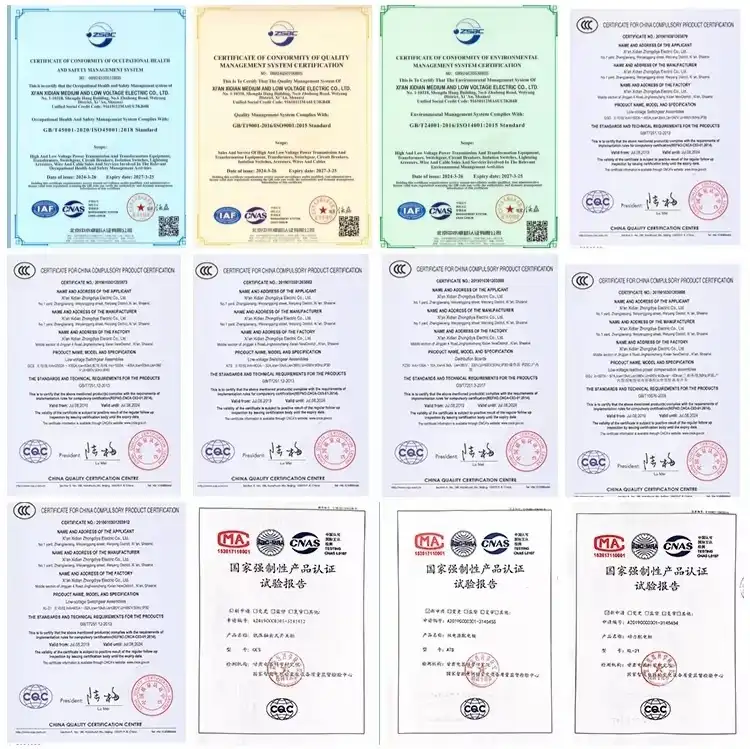
Documentation is what makes approval possible. Disconnectors and earthing switches are talked about in IEC 62271-102. In the US, high-voltage air switches are talked about in IEEE C37.30.1. A lot of projects in places where earthquakes happen might need to follow IEEE 693. Before you sign the contract, make sure you get the type test report, models, material data, and quality records. A "tested-product claim" is not the same thing as a type test report from a reputable lab. There are different rules for each country and utility company, so make sure that every outdoor disconnect switch is certified before you get a quote and ship it.
Factor 7: Manufacturer Quality, Supply Capability, and Total Cost
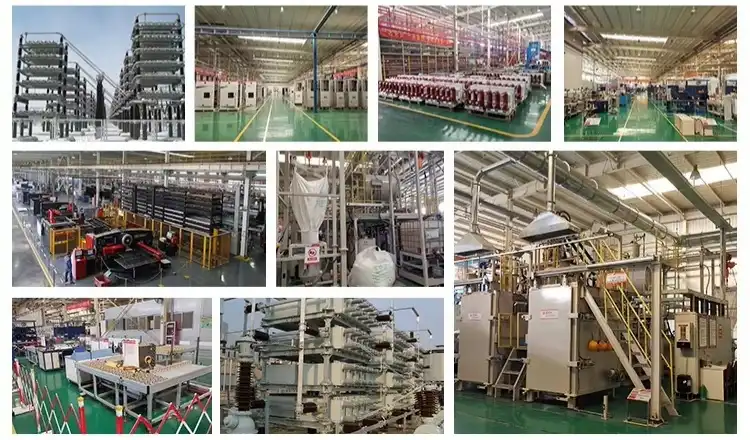
Supplier skill is clear when they are consistent. Xi'an Xikai Medium & Low Voltage Electric Co., Ltd. makes a lot of electrical goods with medium and low voltage. They have over 100 different kinds of equipment spread out over 7 product groups and 34 lines. These industries use our goods: petrochemicals, rail transportation, water conservation, steel and metallurgy, and State Grid systems. Up to 4,000 meters high, our plateau-style tools can do their job. What makes a company good at making outdoor disconnect switches? How deep their engineering is, how well they control production, how easy it is to find parts, and how quickly they answer. Customer service, setup, maintenance, and the chance of an outage are all part of the total cost, not just the price you pay for the item.
GW10 Outdoor Disconnect Switch Design: Where the Seven Factors Meet
Key Design Features
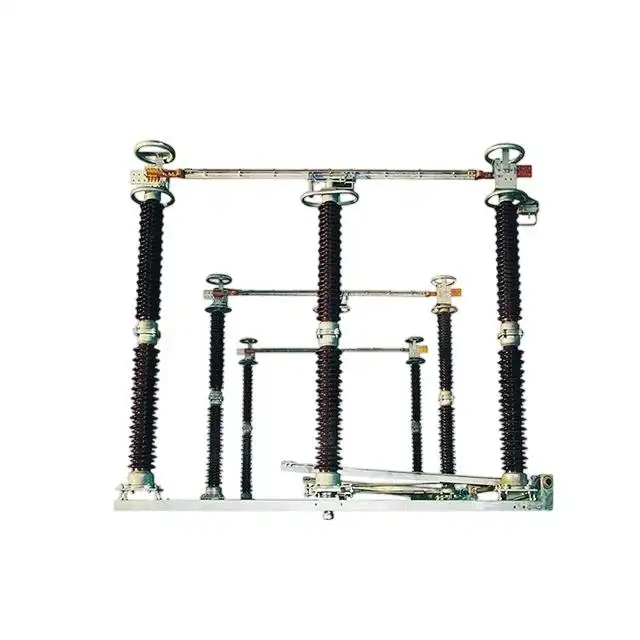
The GW10 High Voltage Disconnect Switch is a single-column vertical pantograph outdoor disconnect switch for 126–550 kV networks that can be used outside. It is made in line with IEC 62271-102 and can handle up to 5000 A of current. The building is made up of aluminum alloy profiles and hot-dip galvanized steel pieces. The parts of the transmission are made of stainless steel. It takes less work to keep the system running because it doesn't need to be maintained and heat is better disposed of. It is less likely for radio waves to interact when there are grading rings and shields at the points. Most of the time, design firms and EPC project managers are worried about rust, heat, and electricity. These features take care of those worries.
How the Vertical Pantograph Design Works
The stainless steel arms move the contacts up and down to open the GW10's isolation gap. The contacts have to move down to close it on. A single-column plan needs less phase-to-phase room than a horizontal design, so it works better in crowded substations. Copper plates are easier to maintain when they're bent, and joints are less stressed when busbar links are made to bend. Wear stays low because the friction travel is short during each step. These things all work together to keep things running smoothly for a long time.
Where the GW10 Fits in Your Project
The GW10 works well in transmission substations, power plants, and industrial grids in the 126–550 kV range. The electrical leads at the design institute can ask for datasheets and drawings during the review process. Project managers can also plan layouts around the optional installation on both base sides. What kind of smog, height, seismic needs, and short-circuit level do you have? Then our team will talk about the design. Because Xi'an Xikai creates one-of-a-kind solutions, the power requirements for this outdoor disconnect switch can be studied on an individual level.
How to Choose and Specify the Right Outdoor Disconnect Switch
Selection Steps
Start with the purpose: what kind of bay it is, how polluted it is, how high it is, what temperature range it needs, and how much ice, wind, and shocks it needs. The next step is to compare the system study to the values for the short-circuit withstand, rated voltage, and rated current. After that, check the insulator creepage distance, terminal type, mechanism, and base arrangement of the spot to make sure they are all correct. Check the drawings, compare sources that have been approved, and make sure the certifications and test reports are correct before you buy. Talk about the guaranty, spare parts, wait time, and packaging all at the same time for a job with three to twenty sets. This order records each choice of outdoor disconnect switch from the time the design is reviewed until it is approved on the job site.
Outdoor Disconnect Switch vs. Circuit Breaker
An outdoor disconnect switch and a circuit breaker are both used to cut power from the wall. It cuts off both the load current and the trouble current. Afterward, the disconnector opens up to make room for teams to work on the gear. In a normal bay, the earthing switch comes after the breaker and before the disconnector. Both gadgets belong in the bay; one doesn't replace the other. A system's design has to follow all applicable codes, project requirements, and the best ways to do engineering work.
Common Outdoor Disconnect Switch Selection Mistakes
Not having complete specifications is where most problems begin, not mistakes made during the manufacturing process. It's easy to make mistakes when you only look at the current rating and don't think about the peak and short-time withstand values or the site pollution class. People also think that something has been "tested" even though they haven't seen a type test report or made sure that the prices they are given are correct when it comes to creepage distance, materials, and mechanism details. Each gap can make it take longer for people to accept the spot or cause rusting issues in the future. First, make a list of the technical details that are the same between the quotes for outdoor disconnect switches. Then, look at the business terms.
Procurement Checklist for Global B2B Buyers
A quick check is done to make sure that all technical, business, and legal needs are met before an order is made. Also, look at the withstand values, creepage distance, type of mechanism, base arrangement, and drawings to make sure you understand the technical side. Check the supplier's quality system, lead time, packaging, customization, warranty, spare parts, export paperwork, and type test reports. You can add things like IEEE standards or utility rules that the target market must meet. It's easier to install and supply again when all bids use the same checklist. This cuts down on gaps and makes jobs clear.
Conclusion
That's how well an outdoor disconnect switch will work in the long run. It's not just a single number. To make the list, you need seven things: protection from the weather and dirt, matched voltage, current, and short-circuit values, a system that lasts a long time, ease of installation and service, proof of compliance, and a maker you can trust. The GW10 shows these ideas. It has parts made of galvanized and stainless steel, contact springs made of stainless steel, flexible connections, grading rings, and rated values of 126 to 550 kV and up to 5000 A. Spec mistakes are less likely to happen when the breaker link is clear, there are steps for picking, and everyone has the same list. It is less likely that outages will happen and will take less work to fix them if you look at technical documents, site conditions, and supplier skills all at the same time.
FAQ
1. Is an outdoor disconnect switch the same as a circuit breaker?
Not at all. The breaker cuts off both the fault current and the load current. After this, the disconnector opens up to make room for workers to work on hardware that is no longer plugged in. They are different grades and do different jobs, but they both fit in the same bay.
2. Which standards should I check?
You can start with IEC 62271-102 and IEEE C37.30.1. Add IEC 60815 and IEEE 693 to projects that deal with earthquakes. Keep in mind that your utility or design institute may add their own rules, so know what they are before you quote.
3. How do I handle heavy pollution?
Find out what kind of waste is there and ask for the creepage distance that goes with it. Then look at the coatings, stainless steel parts, and how the contacts are made. Tell our team about your spot, and we'll talk with you about how to set up the insulator arrangement.
4. What ratings does the GW10 cover?
Electricity flows through the GW10 at a rate of 126 kV to 550 kV, and the current falls between 126 A and 5000 A. Send us your project's numbers, and our team will confirm the best way to set it up.
Request an Outdoor Disconnect Switch Quotation from Xi'an Xikai
Xi'an Xikai has a GW10 outdoor disconnect switch that can be made to fit projects with 126–550 kV. This switch can help EPC contractors and design institutes. We share drawings and datasheets as a company that makes outdoor disconnect switches. Our tools for plateaus can work at heights of up to 4,000 meters. You can send your voltage, current, pollution class, and amount to serina@xaxd-electric.com, amber@xaxd-electric.com, or luna@xaxd-electric.com. Visit xaxd-electric.com to learn more.
References
1. IEC 62271-102: High-voltage switchgear and controlgear – Part 102: Alternating current disconnectors and earthing switches, 2018
2. IEC 60815-1: Selection and dimensioning of high-voltage insulators intended for use in polluted conditions – Part 1: Definitions, information and general principles, 2008
3. IEEE C37.30.1: IEEE Standard Requirements for AC High-Voltage Air Switches Rated Above 1000 V, 2011
4. IEEE 693: IEEE Recommended Practice for Seismic Design of Substations, 2018
5. ASTM A123/A123M: Standard Specification for Zinc (Hot-Dip Galvanized) Coatings on Iron and Steel Products, 2017
6. NEMA 250: Enclosures for Electrical Equipment (1000 Volts Maximum), 2020