
Outdoor Potential transformer Applications in Industrial Power Networks
2026-10-14 17:23:19
Accurate voltage measurement is crucial for industrial power networks, safeguarding equipment and maintaining grid stability. An external potential transformer reduces the high voltage signals (usually 35kV and beyond) to levels that may be used by instruments, protective relays, revenue meters, SCADA systems etc. Unlike interior devices, outdoor potential transformer are exposed to rain, dust, UV light and large temperature changes every day. The proper external potential transformer for your switchgear assembly or substation bay will have a direct bearing on metering accuracy, relay coordination and long term maintenance costs.
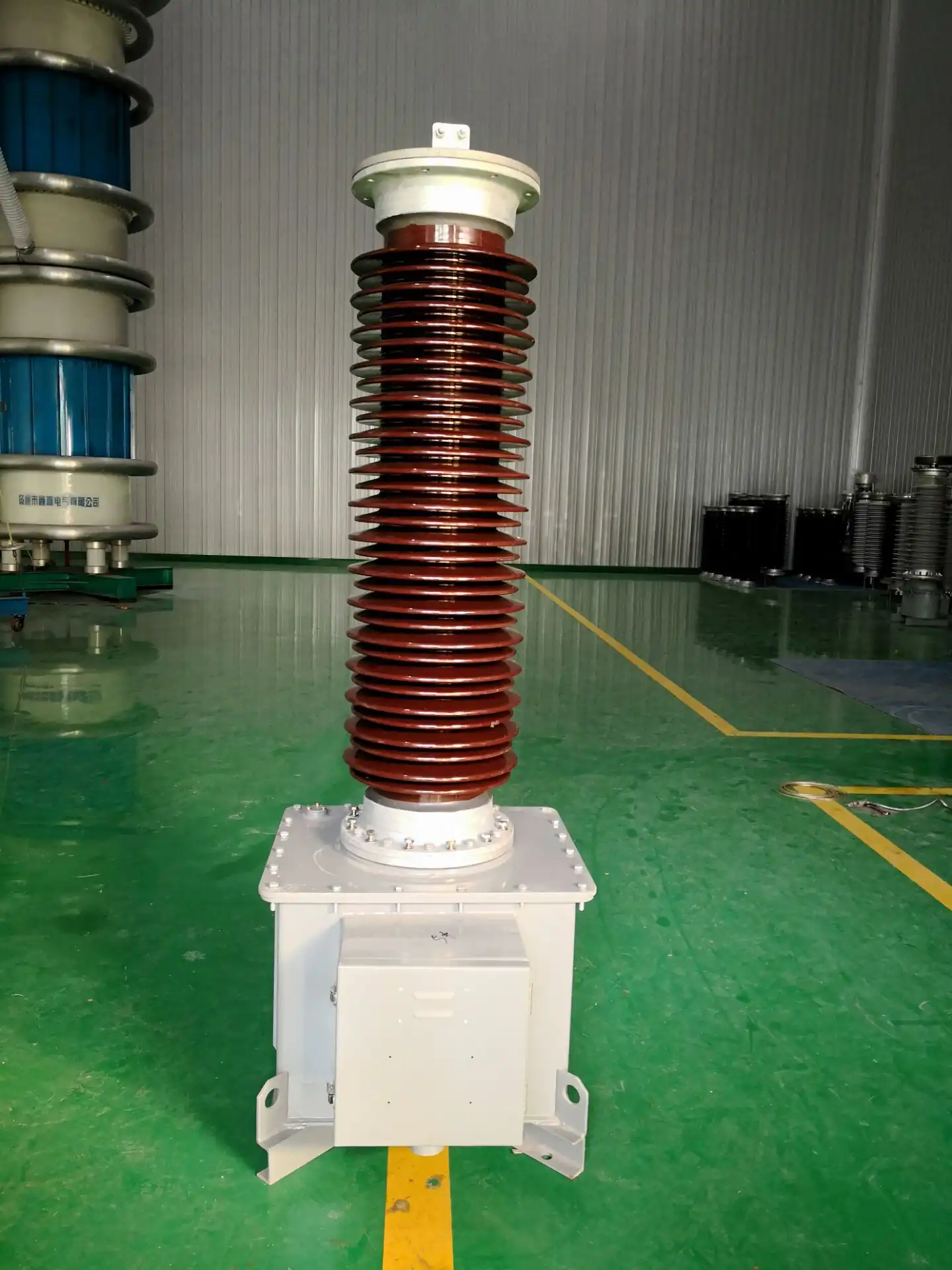
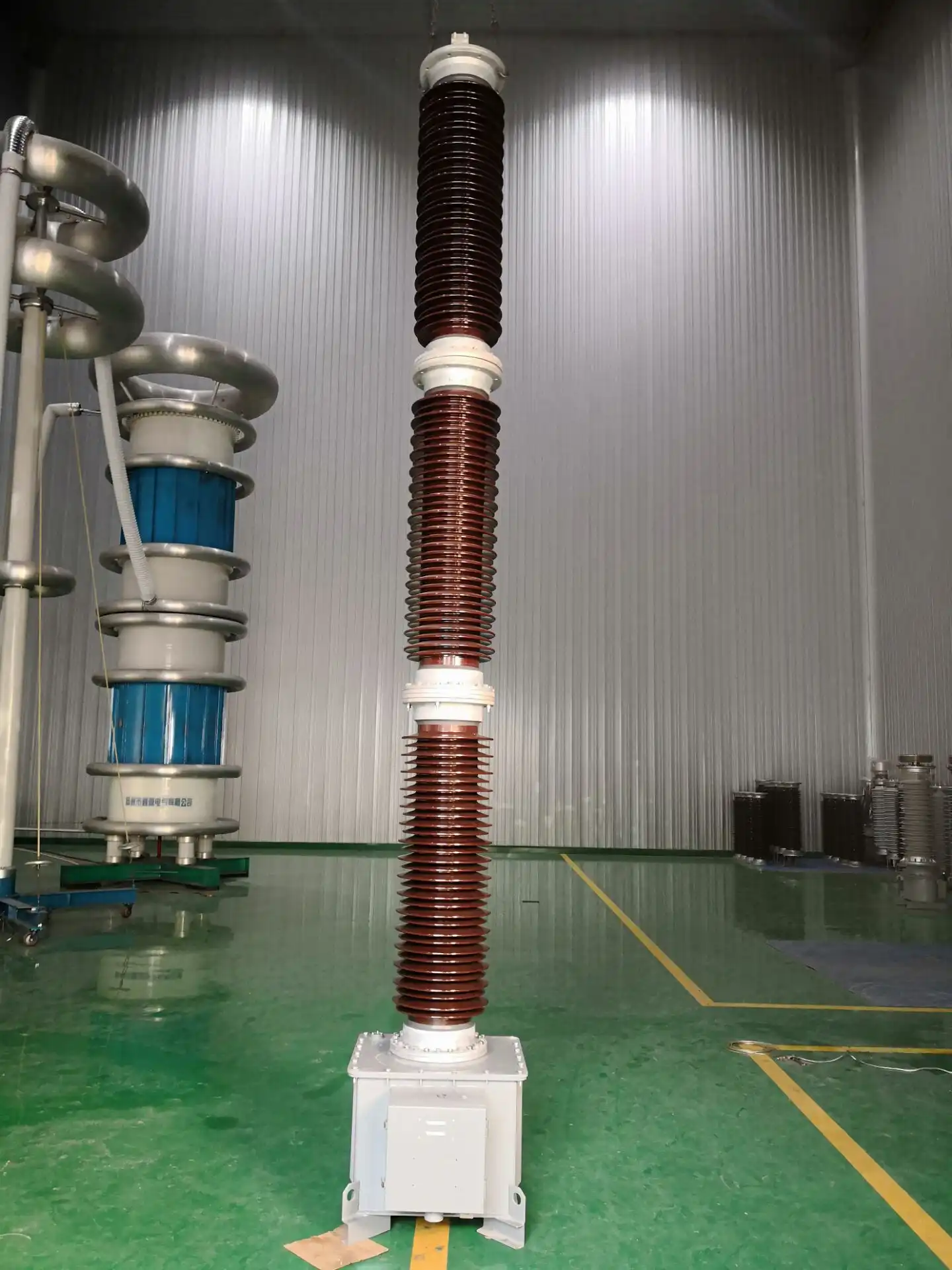
Understanding Outdoor Potential Transformers in Industrial Power Networks
What an Outdoor Potential Transformer Actually Does
A voltage transformer (VT), which is another name for a potential transformer, separates the high-voltage main circuit from the low-voltage secondary instruments. It sends a proportional, phase-accurate copy of the main voltage to the secondary side, which is usually 100 V or 110 V. This lets meters and protective switches work safely. If secondary signals aren't reliable, billing meters may drift and protection systems might not work when there is a fault.
How Outdoor Units Differ from Indoor Designs
Controlled environmental conditions are needed for indoor instrument changers to work. For example, an outdoor potential transformer needs to be protected from the weather, made of materials that don't fade when exposed to UV light, and have insulation that doesn't let water in. The Xi'an Xikai 35kV outdoor voltage transformer has a fully sealed epoxy resin cast body. This means that it doesn't need any oil upkeep and won't have any partial discharge problems in damp or coastal areas.
Governing Standards and Accuracy Classes
For inductive voltage transformers, IEC 61869-1 and IEC 61869-3 are important standards. For the Chinese market, GB 20840.2-2014 is also important. For revenue billing, the accuracy classes are 0.1 and 0.2S, and for security, they are 3P and 6P. The Xi'an Xikai 35kV unit can measure with an accuracy of 0.2 or 0.5, which means it can be used for accurate billing and general measuring in medium-voltage networks that run at 50 Hz or 60 Hz.
Advantages and Applications of Outdoor Potential Transformers
Core Advantages That Matter to Engineers
When engineers look at voltage transformer providers, they always look at three things: how accurate the product is over its entire life, how well it works in harsh environments, and how well it works with existing safety relay inputs. All three of these problems are solved by the epoxy resin covering on the Xi'an Xikai 35kV outdoor voltage transformer. This covers the internal parts and keeps them dry and clean for more than 20 years.
Here are the main things that make this gadget work:
- Epoxy resin fully enclosed construction — Eliminates oil, prevents moisture ingress, and removes the risk of internal partial discharge even in coastal or high-humidity industrial zones. No periodic oil sampling is required.
- Accuracy class 0.2 / 0.5 — Delivers voltage error within acceptable limits for both revenue-grade metering and general measurement, reducing the risk of billing disputes in commercial and industrial facilities.
- Rated primary current 600 A / 800 A, output 5 VA or 1 VA — Covers a practical range for medium-voltage switchgear bays without requiring custom-wound secondary coils for most standard applications.
In switchgear panels with limited room and high costs for replacing a broken transformer in the middle of its cycle, these features directly lower operating risk.
Typical Application Sites
The outdoor potential transformer is most often employed in outdoor substations feeding industries, networks gathering energy from renewable sources and medium-voltage distribution rings in petrochemical facilities. Voltage transformers provide real-time data to energy management systems that modify the output of inverters in grid-connected solar and wind farms. They build the safety switches that protect the high-current motor feeds in steel mills and mines.
Integration with Protection and Metering Systems
Outdoor voltage transformers (VTs) are now built into modern switchgear along with numerical protection relays and SCADA front ends. There are differential safety, over-voltage, and under-voltage switch inputs that are directly connected to the 10 kV secondary output of a 35kV/10kV outdoor potential transformer. Then, IoT platforms that are compatible can record voltage patterns to help plan preventative maintenance, which cuts down on unplanned downtime.
How to Choose the Right Outdoor Potential Transformer for Your Industrial Needs
Technical Selection Criteria
First, you need to know the system power and the accuracy class that you need. There must be at least a 0.2S or 0.2 class unit on a 35kV network that feeds a bills metering screen. Match the rated burden (VA) to the total linked instrument burden. If the burden is too small, it leads to mistakes in accuracy, and if it's too big, it loses money on purchases. The Xi'an Xikai machine has either 5 VA or 1 VA secondary outputs, which can work with most common relay and meter sets.
Environmental and Physical Fit
For outdoor setups, ingress protection grades of IP65 or higher are needed, as well as UV-resistant housings and hardware that doesn't rust in places where salt spray is common. The dimensions must match the layout of the switchgear cabinet. Xi'an Xikai helps OEM switchgear makers by providing dimension sketches early in the design process. This cuts down on the number of times that fit-checking has to be done during cabinet assembly.
Supplier and Certification Evaluation
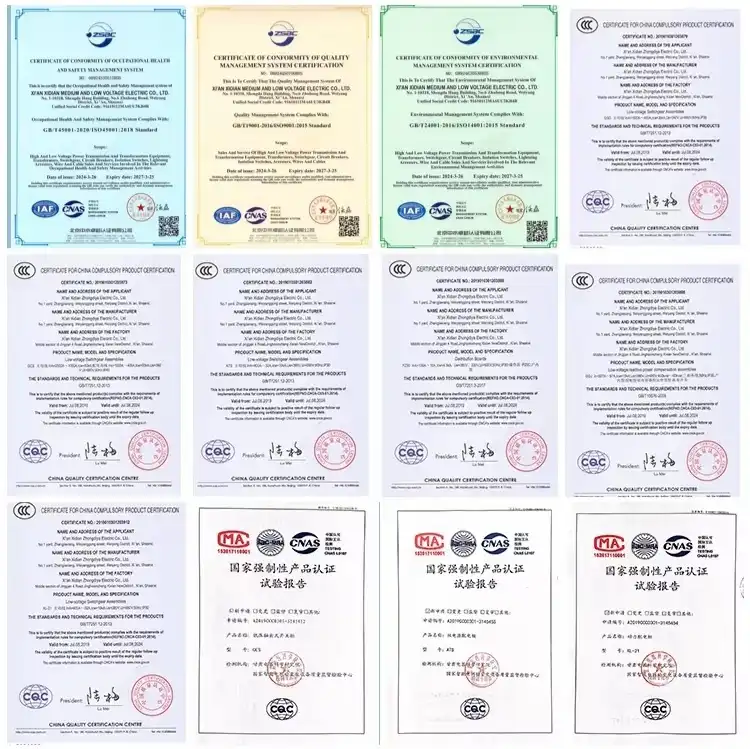
Check that the company that makes the product is ISO 9001 certified and that the goods have IEC 61869 type-test reports from approved labs. For projects that use State Grid or Southern Grid approved lists, make sure that the voltage transformer model you need is on the right short-list. Products from Xi'an Xikai meet the requirements of GB 20840.2-2014 and IEC 61869-1 and 61869-3, and there is paperwork that can be used to submit a tender.
Installation, Wiring, and Maintenance Guidelines for Outdoor Potential Transformers
Site Preparation and Mounting
Before putting up an outdoor potential transformer, make sure the support structure can handle the weight and seismic load that is listed in the product datasheet. Conductors of the right size must connect the grounding connections to the station earth grid. To avoid weak connections that lead to hotspots over time, make sure you follow the manufacturer's torque recommendations for terminal nuts.
Secondary Wiring and Fusing
It is important for PT secondary circuits to have specialized fuses or tiny circuit breakers to protect them from wiring problems. If the system design calls for it, use medium-voltage fuses that limit the flow of current on the primary side. So that caused noise doesn't affect the accuracy of the meters, secondary wire should be run in its own protected conduit. To stay in line with the accuracy class, keep the secondary circuit load within the rated VA.
Routine Inspection and Testing
Every year, check concrete surfaces for tracking lines, cracks, or dirt or dust. Every 12 months, use a 500 V megger to check the secondary winding insulation resistance. After making any changes to the system, use a portable transformer test set to check the ratio and phase angle. Following the steps in IEC 60270 for partial discharge testing during licensing shows that the encapsulation is free of holes. Xi'an Xikai units leave the plant with proven partial discharge levels below 5 pC.
Procurement Insights: How to Buy Outdoor Potential Transformers with Confidence
Evaluating Suppliers for OEM Switchgear Builds
Switchgear OEMs need providers who know how to build cabinets in a certain way. Check to see if the outdoor transformer provider can support yearly framework deals with call-off orders every month and sample lead times of four to eight weeks for new requirements. In this way of buying things, Xi'an Xikai works with switchgear OEMs in China, South Asia, Southeast Asia, and the Middle East.
Customization and MOQ Considerations
For multi-winding systems, like a metering and safety winding on the same core, you need to work with the manufacturer's engineering team from the start. The production team at Xi'an Xikai can handle requests for custom ratios, windings, and enclosures, and they don't have high minimum order numbers. This makes it easier for mid-size switchgear makers to order custom configurations.
Certification and Warranty Documentation
For each shipment lot, you should ask for type-test certificates, plant acceptance test results, and calibration records. Make sure the warranty covers problems with the way the product was made for at least 18 months after delivery. Tenders can be sent to State Grid, Southern Grid, and foreign utility clients who need full traceability with clear documents.
Conclusion
Outdoor potential transformers are an important part of protecting medium-voltage switchgear and industrial power networks. It is very important to choose the right outdoor potential transformer for the system voltage, accuracy class, secondary burden, and physical measurements. This has a direct effect on how well the meters work and how reliable the safety is. It is made by Xi'an Xikai and meets IEC 61869 and GB 20840 standards.2-2014 standards, supports accuracy classes 0.2 and 0.5, and works with the buying processes of OEM equipment makers by letting them order in different ways and getting help from engineers early on.
FAQ
1.What factors affect the accuracy of an outdoor potential transformer?
Accuracy is primarily affected by connected secondary burden, ambient temperature variation, and waveform distortion on the primary side. Keeping the total secondary burden within the rated VA value is the single most effective way to maintain accuracy class compliance. Epoxy resin encapsulation also limits thermal drift compared to oil-filled designs.
2.Can an outdoor voltage transformer operate in extreme temperatures?
Yes. The Xi'an Xikai 35kV unit is designed for operating temperatures ranging from -40°C to +55°C. The fully enclosed epoxy body prevents moisture from reaching the windings, which is the most common failure mechanism in humid or freeze-thaw environments.
3.How often should outdoor potential transformers be inspected?
Annual visual inspection and insulation resistance testing are standard practice. Ratio verification should follow any system modification. High-pollution industrial sites may warrant more frequent surface cleaning to prevent tracking on epoxy surfaces.
4.What is the recommended secondary output for protection relays?
Most numerical protection relays accept a 100 V or 110 V secondary input, which the 35kV/10kV ratio delivers. Confirm the relay manufacturer's voltage input specification and match it to the transformer's secondary winding rating before ordering.
5.What certifications should I verify before purchasing?
Verify IEC 61869-1 and IEC 61869-3 type-test reports, ISO 9001 production certification, and, for China-market projects, confirmation of compliance with GB 20840.2-2014.
Partner with Xi'an Xikai for Your Next Outdoor Potential Transformer Order
OEM switchgear makers can get outdoor potential transformer solutions from Xi'an Xikai Medium & Low Voltage Electric Co., Ltd. These solutions have been tested in the field and come with full IEC and GB certification, flexible annual framework contracts, and dedicated engineering support for custom specs. Talk to our team directly about your switchgear build schedule, ask for sample drawings, or get a quote on a product.
Email addresses: serina@xaxd-electric.com, amber@xaxd-electric.com, and luna@xaxd-electric.com, xaxd-electric.com is the website.
Looking for a dependable company that sells outdoor potential transformers? Let's get in touch right away and match the right specs to your cabinet design.
References
1. IEC 61869-3: Instrument Transformers – Additional Requirements for Inductive Voltage Transformers. International Electrotechnical Commission, 2011.
2. IEEE C57.13: IEEE Standard Requirements for Instrument Transformers. Institute of Electrical and Electronics Engineers, 2016.
3. GB 20840.2-2014: Instrument Transformers – Part 2: Additional Requirements for Current Transformers. Standardization Administration of China, 2014.
4. Blackburn, J. L., & Domin, T. J. Protective Relaying: Principles and Applications (4th ed.). CRC Press, 2014.
5. Wenner, G. Instrument Transformers for High-Voltage Applications. Power Engineering Journal, 2019.
6. IEC 60270: High-Voltage Test Techniques – Partial Discharge Measurements. International Electrotechnical Commission, 2000.