Overview of Filter Capacitors
2026-04-08 17:09:45
When your data center has trouble with voltage instability or your manufacturing plant has to deal with power factor penalties, reactive power compensation becomes an important operational priority. By supplying leading current to counteract lagging loads from motors, transformers, and arc furnaces, Single-Phase Filter Capacitor systems offer an efficient solution. These devices improve the performance of the grid, keep voltage levels stable, and cut down on transmission losses. This lowers costs and keeps sensitive equipment safe. In many fields, from making steel to running hospitals, capacitors are necessary to keep the power quality stable and extend the life of infrastructure.
 |
 |
Introduction to Filter Capacitors
Problems with power quality affect all factories that use heavy machinery and run all the time. Inefficient electrical systems are caused by reactive power, which is the power that doesn't work and moves back and forth between sources and inductive loads. At this point, the Single-Phase Filter Capacitor makes a real difference by acting as a special kind of passive part connected in parallel with electrical loads to manage reactive power.
Why Industrial Environments Demand Specialized Filtering?
Manufacturing plants, data centers, and healthcare facilities operate equipment that cannot tolerate voltage irregularities. In these environments, power factor falls below 0.95, and the fees get worse as efficiency goes down. Capacitor systems that are the right size unlock a lot of value by correcting the phase shift when inductive equipment like motors and welding machines draw lagging current. By fixing this, the power factor gets closer to one, which lowers the total current drawn and reduces power loss in transmission lines.
The Role of Filtering in Modern Power Conversion
More and more, digital communication and automated control are used in modern industrial power management. Single-Phase Filter Capacitor systems with smart controllers can talk to each other using Modbus, DNP3, or IEC 61850 protocols. This connectivity helps the integration of renewable energy, where variable generation from wind farms and solar panels changes with the weather, making it hard to control the voltage. Fast reactive response from capacitor banks works with slower mechanical tap changers to smooth out changes in voltage and keep the grid stable.
Understanding Single-Phase Filter Capacitors: Working Principle and Types
To make reactive power, the Single-Phase Filter Capacitor is connected in parallel with electrical loads across line-to-line or line-to-neutral connections. They supply leading current to make up for the phase shift of inductive equipment. The inside is usually made up of metallized polypropylene film dielectric systems that keep the dissipation factors low and the breakdown voltage resistance high. These units have over-voltage protection modules and discharge resistors that safely lower the voltage left over after power is disconnected.

Voltage Rating and Capacitance Selection Criteria
The nominal voltage of a Single-Phase Filter Capacitor must match system voltage levels such as 0.4kV to 33kV. Required kVar is calculated using power factor, load, and operating data, with analyzers ensuring accurate sizing and long insulation life.
Comparative Analysis of Capacitor Dielectric Materials
Metallized polypropylene is widely used in Single-Phase Filter Capacitors for low loss and high durability. Dry-type designs eliminate oil leakage risks, while self-healing features maintain operation despite minor dielectric faults, supporting continuous industrial processes.
Interpreting Technical Datasheets for Procurement Decisions
Datasheets for Single-Phase Filter Capacitors specify capacitance tolerance, insulation resistance, and tan delta values. Low dielectric loss ensures efficiency and reliability, while testing parameters support predictive maintenance and informed procurement decisions.
Comparing Single-Phase Filter Capacitors: Choosing the Right Solution
The parallel connection of a Single-Phase Filter Capacitor makes installation easier, lets you add small amounts of capacity, and supports voltage locally where loads actually use reactive power. While series capacitors help with moving large amounts of power over long distances on transmission corridors, shunt-connected single-phase configurations are used in almost all industrial reactive compensation projects because they are so useful at the distribution level.
Filter Capacitors Versus Motor Run Capacitors
Single-Phase Filter Capacitors operate continuously, unlike motor run capacitors. Fixed, switched, and automatic capacitor banks adjust to load conditions, improving power factor and efficiency in dynamic industrial environments.
Evaluation Criteria for Industrial Procurement
Environmental factors influence Single-Phase Filter Capacitor selection. Temperature, humidity, and harmonics must be considered, with detuned reactors used to prevent resonance and ensure stable operation under nonlinear load conditions.
Selecting Among Established Manufacturers
Reliable Single-Phase Filter Capacitor manufacturers comply with IEC and IEEE standards. Companies like Xi'an Xikai ensure consistent quality through automated production and third-party validation, giving buyers confidence in long-term performance.
Procurement Guide: How to Buy Single-Phase Filter Capacitors Efficiently?
Before you can choose the right Single-Phase Filter Capacitor, you need to look at more than just the unit price. The total cost of ownership is affected by things like the quality of technical support, the dependability of delivery, the length of the warranty, and the availability of spare parts. Facilities that want to grow should work with suppliers who know their long-term infrastructure roadmap.
Sourcing Strategies and Distribution Channels
Working with suppliers offering engineering support ensures proper Single-Phase Filter Capacitor selection. Bulk purchasing and long-term agreements improve consistency and reduce costs across multiple project phases.
Understanding Price Determinants and Cost Structures
The cost of a Single-Phase Filter Capacitor depends on materials, design, and performance. Dry-type and high surge-capable units cost more but reduce maintenance and improve reliability in demanding environments.
Lead Time Management and Logistics Considerations
Planning ahead ensures timely delivery of Single-Phase Filter Capacitors, especially for custom designs. Early coordination with manufacturers prevents delays in upgrades and ensures project timelines are maintained.
Custom Solutions for Specialized Requirements
Custom Single-Phase Filter Capacitors address unique voltage, environmental, or integration needs. Flexible manufacturers provide tailored solutions that align with complex power systems, ensuring optimal performance in specialized applications.
Practical Applications and Benefits of Single-Phase Filter Capacitors
In industrial power management, the Single-Phase Filter Capacitor adds value by lowering utility costs directly and extending the life of equipment. Utilities all over the US charge more when the power factor falls below 0.95. By generating reactive power close to home instead of far away, these capacitors lower the amount of current going through transformers and cables, saving heavy industrial users 15 to 25 percent of their annual electricity costs.
Motor Drive Systems and Variable Frequency Applications
Reactive loads from motors and spindle drives reduce efficiency in CNC systems. Installing automatic capacitor banks with Single-Phase Filter Capacitors can cut electrical costs by about 22%, improve voltage stability, reduce motor failures, and ensure reliable operation of drives and control systems.
Case Study: Data Center Uninterruptible Power Systems
Reactive loads from motors and spindle drives reduce efficiency in CNC systems. Installing automatic capacitor banks with Single-Phase Filter Capacitors can cut electrical costs by about 22%, improve voltage stability, reduce motor failures, and ensure reliable operation of drives and control systems.
Long-Term Economic Benefits and ROI Calculations
Using Single-Phase Filter Capacitors reduces electrical stress, improves power factor, and lowers current flow. This extends equipment life, reduces maintenance, delays capital investment, and generates long-term savings through lower demand charges and avoided penalties.
High Voltage Single Phase Filter Capacitor: Power Stability Redefined
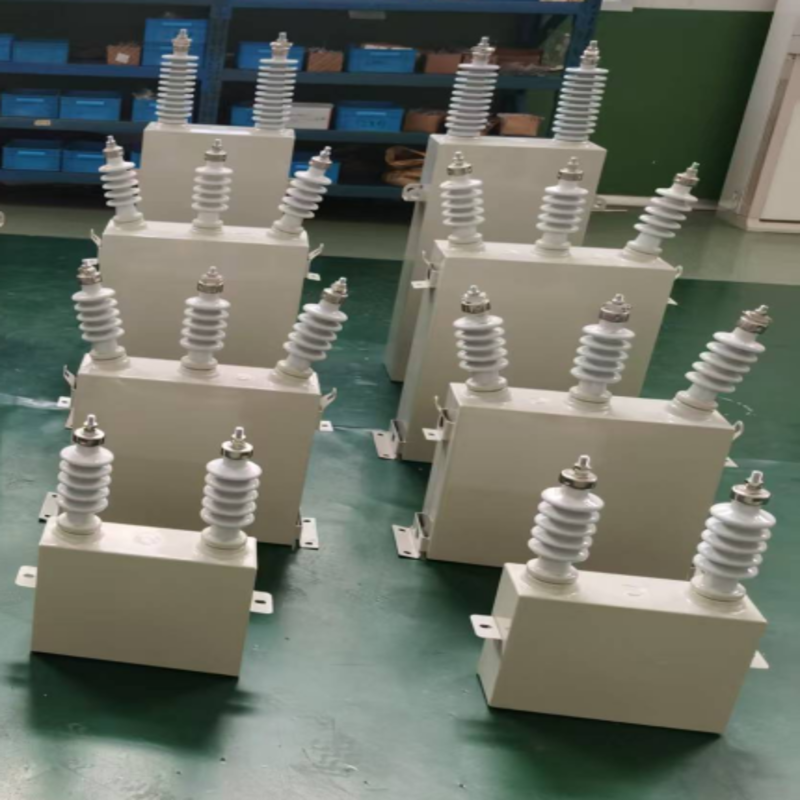
The Single-Phase Filter Capacitor from Xi'an Xikai is designed to work in harsh industrial environments, exemplified by the BKMJ0.4KV series. This unit can handle maximum currents of up to 2.5 times the rated value and is rated for frequency standards in North America, Europe, and Asia. Its dry construction means there is no chance of an oil leak, and its self-healing technology fixes small dielectric faults automatically, making it last longer than 100,000 hours even in tough metallurgical applications.
Advanced Engineering Features for Industrial Reliability
Modern designs incorporate built-in over-voltage protections that stop surges from lightning strikes or grid faults before they reach connected loads. The BKMJ0.4KV capacitor has a low loss factor of less than 0.2W/kVar, meaning the compensation equipment needs very little active power. Sealed casings prevent moisture from getting in and causing the dielectric to break down too soon, while integrated discharge resistors lower residual voltage to safe levels within minutes for worker safety during maintenance.
Application-Specific Performance in Critical Installations
For the tough needs of metallurgical processes, specialized furnace capacitors have a 15-20% better power factor than standard units. They last longer than eight years even under harsh electrical and thermal stresses. In mining, distributed capacitor installations improve voltage at remote load centers from 88% to 96% of nominal, letting motors deliver full rated torque. In hospitals, automatic capacitor banks fixed by power factor controllers stabilize imaging equipment and life support systems, eliminating utility penalties.
Manufacturing Excellence and Quality Assurance
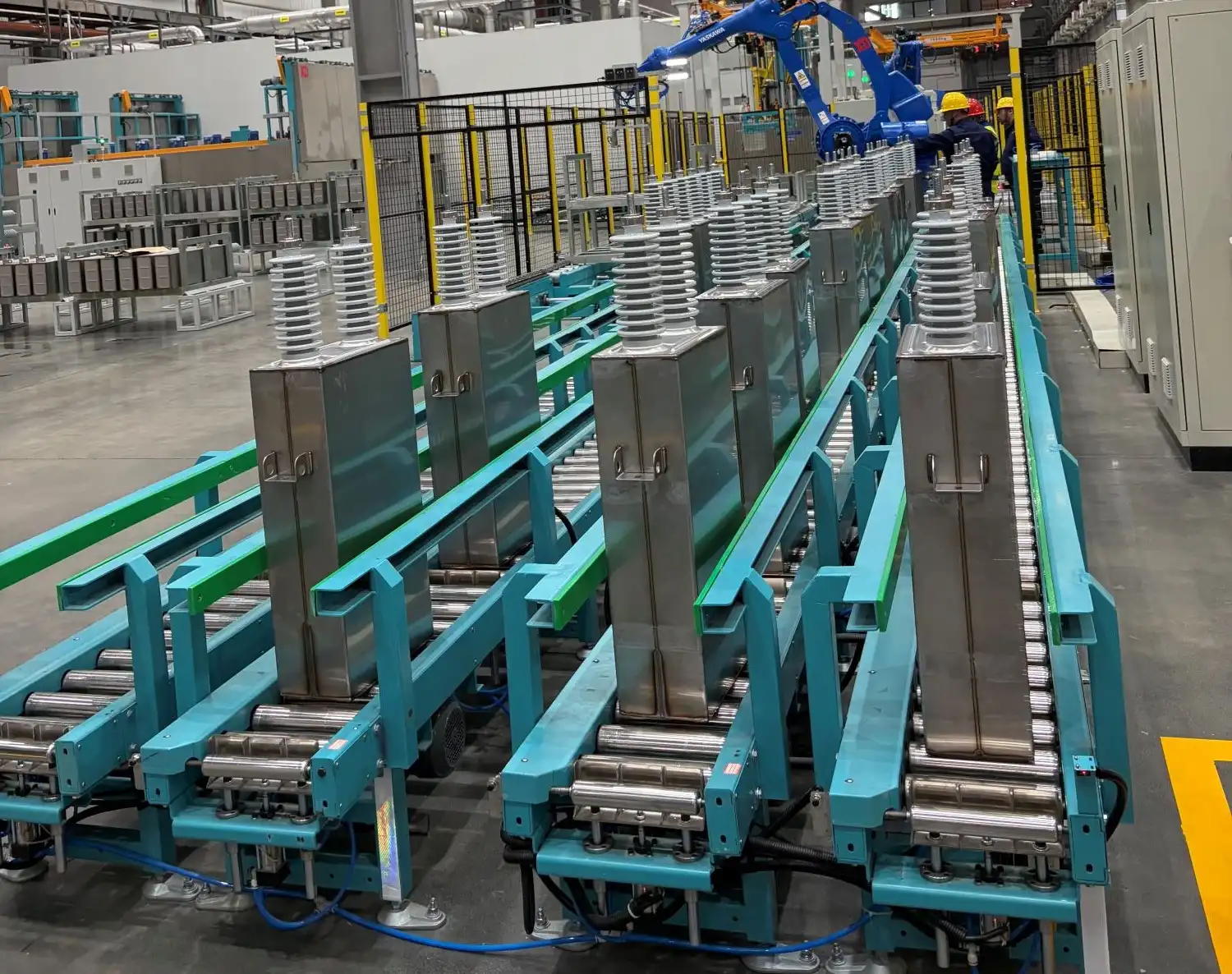
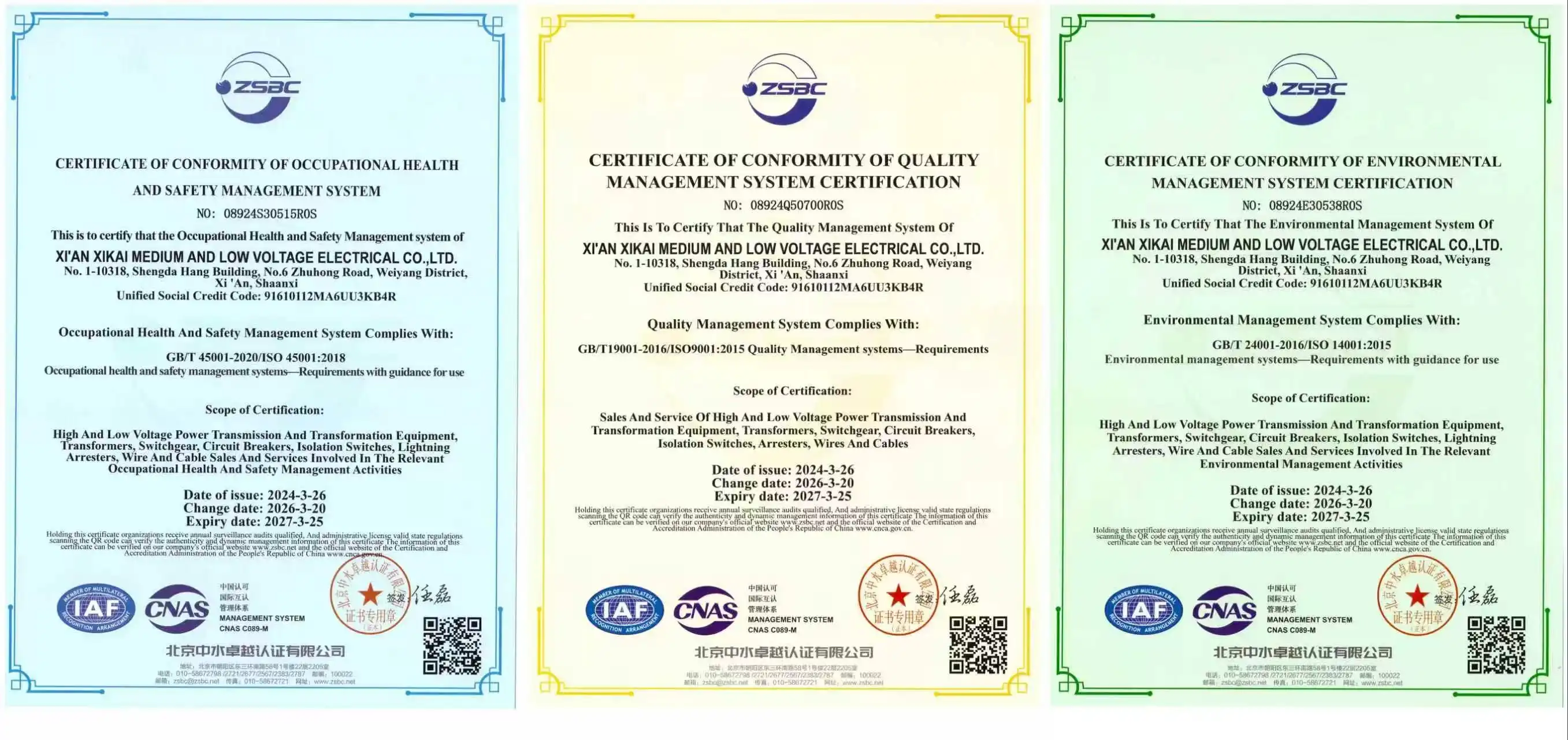
Every capacitor undergoes ISO 9001-approved tests that check dielectric strength, measure capacitance, and test partial discharge and thermal endurance. Xi'an Xikai utilizes patented production lines to ensure thousands of units are uniform. Third-party validation from independent laboratories gives procurement teams objective confirmation of published specifications, ensuring that every Single-Phase Filter Capacitor meets strict design standards for high-voltage settings, handle impulses, and follow rules like IEC 60871 and IEEE 18.
Conclusion
In industrial power management, shunt capacitors add value in all areas that can be measured. They lower utility costs directly, extend the life of equipment, and make operations more reliable. Payback times of less than three years have been shown over and over again in manufacturing plants, mines, and commercial buildings. As power lines get older and energy costs rise, reactive power compensation is one of the best investments that facility managers and engineering teams can make. Modern capacitor technologies with self-healing dielectrics, built-in protection, and smart controls work well even in harsh environments like arc furnaces and places with a lot of harmonics. When it comes to utility penalties, voltage stability issues, or limited capacity, properly designed systems offer tried-and-true solutions backed by a lot of field experience and strict testing standards.
Frequently Asked Questions
1. What voltage ratings are standard for single-phase filter capacitors?
These systems are designed for uses across various industrial distribution networks. Standard industrial ratings include 0.4kV, 3.3kV, 6.6kV, 11kV, and 33kV. For factories that use voltages between 3.3kV and 33kV, it is critical to use equipment that is properly rated and has the right bushings, enclosures, and safety devices that are made for this level of stress.
2. How do I interpret datasheet parameters for compatibility verification?
You should start with a full analysis of your power system, including load profiles, measurements of the power factor, and an analysis of the harmonic spectrum. Check that the capacitance deviation is within the rated range (usually -5% to +10%) and verify that the proposed equipment has the right certifications, such as UL or CSA in North America, CE in Europe, and CCC in China. Ask for test reports that show that your voltage class meets the IEC or IEEE standards.
3. Can motor run capacitors substitute for filter capacitors?
Standard capacitor banks used for general purposes may not meet the strict design standards needed for high-voltage or filter settings. Filter-grade capacitors require bigger safety margins, higher surge current handling capacity (up to 2.5 times nominal), and the ability to handle impulses. Using an inadequately rated motor run capacitor in a filtering role will shorten service life to less than five years and may fail to address the harmonic resonance common in industrial environments.
Partner With Xi'an Xikai for Superior Filter Capacitor Solutions
Working with a Single-Phase Filter Capacitor supplier that knows how complicated industrial electrical systems can be is the best way to get the best power quality and operational efficiency. With more than 30 years of experience making high-quality products, Xi'an Xikai can help you with your power infrastructure problems. The BKMJ0.4KV series and the rest of our reactive compensation product line have been used successfully in heavy industrial, manufacturing, and metallurgy settings. With quality systems that are ISO 9001-certified, production technologies that are patented, and global compliance certifications like IEC, UL, and CE, we can give your operations the dependability they need. Because every situation is different, our engineering team can make solutions that work with your voltage levels, harmonic environments, and operational needs. You can talk to our experts about your power factor correction needs at serina@xaxd-electric.com, amber@xaxd-electric.com, or luna@xaxd-electric.com.
References
1. IEEE Standards Association. 2012: IEEE Std 18-2012 – IEEE Standard for Shunt Power Capacitors.
2. International Electrotechnical Commission. 2014: IEC 60871 – Shunt Capacitors for AC Power Systems Having a Rated Voltage Above 1,000 V.
3. International Electrotechnical Commission. 2016: IEC 60831 – Shunt Power Capacitors of the Self-Healing Type for AC Systems up to 1,000 V.
4. IEEE Power & Energy Society. 2013: IEEE Std 1036 – Guide for Application of Shunt Power Capacitors.
5. CIGRÉ. 2015: Power Quality and Harmonics in Modern Electrical Systems (Technical Brochure Series).
6. Electric Power Research Institute. 2018: Power Quality Issues and Mitigation Techniques in Industrial Facilities