Maintenance Tips for Ensuring Long-Term Reliability of High Voltage Shunt Capacitors
2026-04-09 15:47:20
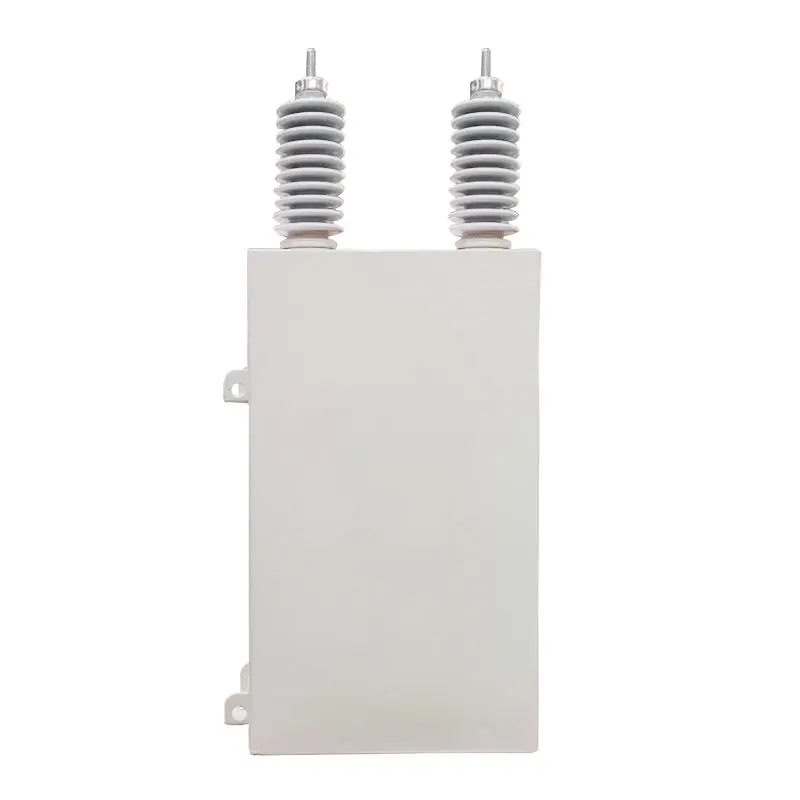
Industrial metallurgy and heavy manufacturing are very demanding fields where power quality is very important for making money. Specialized power factor correction devices called High Voltage Shunt Capacitor systems are made to work in harsh electrical environments like steel mills, ferroalloy plants, and silicon metal production facilities. To fix problems with reactive power, keep voltage stable during arc instability, and lower harmonic distortion, these strong parts are needed. These problems have a direct effect on energy costs, equipment longevity, and production output. Knowing how they work, what kinds there are, and where they can be used helps procurement managers and facility operators make smart choices that improve operational efficiency while still meeting strict safety and compliance standards.
 |
 |
Understanding the Basics of High Voltage Shunt Capacitors
It is easy to see how stressed out the power systems are when you walk through a ferrosilicon plant or a calcium carbide production line. When arc furnaces work, they draw huge currents that change wildly. This makes the power factor low and the voltage unstable throughout the whole building. This is where a special High Voltage Shunt Capacitor comes in handy.
Core Design Architectures and Dielectric Technologies
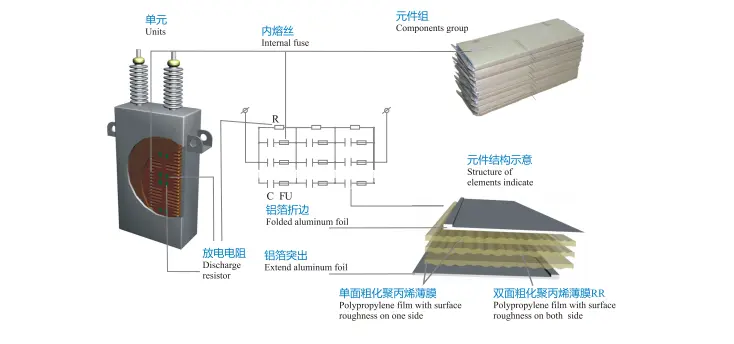
To balance out the inductive loads that furnace transformers and electrode systems create, submerged arc furnace capacitors store and release electrical energy. Unlike regular power factor correction units, these special parts can handle constant exposure to harmonics, especially the 3rd, 5th, and 7th orders, which regular capacitors can't handle without breaking down quickly.
Operational Context Across Industrial and Utility Applications
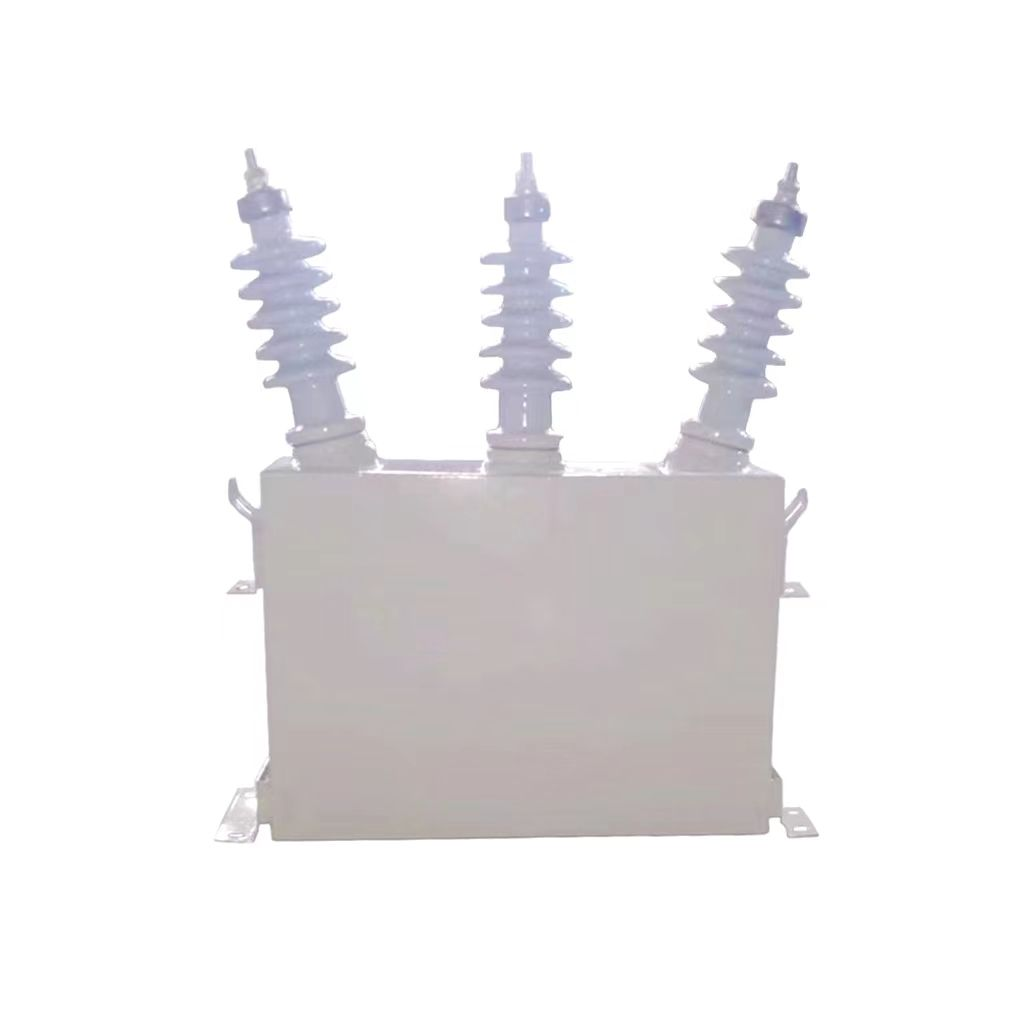
The BKMJ0.4KV series from Xi'an Xikai is an example of high-tech design made for 60Hz power systems. These units have metallized polypropylene film dielectrics that work at 0.4kV voltage levels and have great self-healing properties. When micro-faults happen because of voltage spikes, the metalized layer vaporizes around the damaged area, keeping it separate and letting the system keep running. With this technology, the life of an operation can be extended beyond 100,000 hours, even when it is used continuously. The voltage ratings and capacitance values are carefully matched to the capacity of the furnace transformer and the layout of the secondary busbars.
Key Maintenance Practices for High Voltage Shunt Capacitors
Unlocking Operational Savings Through Effective Power Factor Correction
The benefits to operations will directly affect your bottom line. When the power factor goes from its natural range of 0.6 to 0.7 to above 0.92, utility penalty charges go away. In large smelting operations, these charges can make up 15 to 30 percent of the monthly energy bills. This High Voltage Shunt Capacitor correction also frees up capacity in the transformers, which lets production go up without having to upgrade the infrastructure. By cutting the flow of current through transformers, cables, and switchgear by 20 to 35 percent, reactive power compensation lowers resistive losses and makes equipment last longer.
Implementing Predictive Maintenance to Prevent Unexpected Failures
Using the right maintenance schedules will help you get the most out of your investment and avoid costly unplanned outages. We recommend that you get your terminal connections scanned with thermal imaging every three months to find developing hot spots. These spots are often a sign of loosening due to mechanical vibration, which is common in furnace environments. By using precision bridges to measure capacitance once a year, degradation can be found before it leads to complete failure. This lets replacements happen during planned maintenance windows instead of having to be done during emergency shutdowns.
Ensuring Mechanical Stability in High-Current Environments
In installations with a submerged arc furnace, checking the tightness of the terminals is especially important. Very strong magnetic fields are made when secondary currents are higher than 50kA. These fields create strong mechanical forces that slowly loosen bolted connections. Once every six months, retorquing the terminals to the manufacturer's specifications stops the buildup of contact resistance that can cause thermal runaway.
Verifying Safety Systems Through Discharge Circuit Testing
During every inspection, the discharge resistor circuit needs to be checked to make sure it works. After being disconnected, these resistors have five minutes to lower the stored energy to a safe level. During testing, voltage decay curves are measured after the capacitor is disconnected. This keeps people safe while they do hands-on maintenance.
Troubleshooting Common Issues and Proactive Prevention
Overcoming Space and Density Limits in Arc Furnace Applications
Arc furnaces need High Voltage Shunt Capacitors because traditional air-cooled units have low power density. Air-cooled capacitors work in small furnaces, but space limitations reduce their usefulness in larger installations.
Enhancing Thermal Stability with Advanced Cooling Designs
Water-cooled RFM-W capacitors use copper or stainless steel cooling pipes. High harmonic loads in large furnaces are managed, keeping dielectric temperatures below critical levels even under extreme current and THD conditions.
Improving Reliability Through Sealed and Explosion-Proof Structures
BKMJ0.4KV dry capacitors use film-foil technology with inert gas or vacuum insulation. Explosion-proof, sealed designs prevent moisture and dust ingress, ensuring safe, reliable operation in harsh foundry environments.
Managing Harmonics and Efficiency for Long-Term Performance
Industrial-grade capacitors tolerate continuous harmonic loading above 50%. Thicker dielectric layers, oversized fuses, and optimized thermal management allow safe operation at high temperatures without rapid failure.
BKMJ0.4KV units have low loss factors (<0.2W/kVar), reducing heating and energy use. Efficient designs save tens of thousands over equipment life and survive overcurrent during fault conditions.
Extending Lifespan Through Design and Operational Strategies
Modular Design for Scalable and Efficient Power Compensation
Modern systems like Xi'an Xikai's BKMJ0.4KV series are made up of separate modules that can be added in stages to match production growth without making the initial installations too big. This High Voltage Shunt Capacitor adaptability makes the best use of capital while keeping power factor goals in mind as furnace loads rise. Custom voltage ratings and harmonic filter configurations meet the specific needs of each facility, providing performance that standard, off-the-shelf products simply can't match.
Certification Standards Supporting Global Compliance and Safety
IEC 60831, UL, CE, and CCC certifications ensure compliance with local codes, streamline approvals, and support niche markets. Optional GOST and RoHS certifications enhance global compatibility and environmental friendliness.
Operational Controls to Reduce Stress and Maintain Stability
Operating within rated parameters preserves dielectric integrity. Staggered capacitor switching reduces mechanical stress and inrush currents. Automatic control adjusts staging based on voltage and reactive power feedback.
Routine Inspection and Testing for Long-Term Reliability
Monthly visual inspections check case, terminals, and discharge circuits. Annual electrical tests verify capacitance and insulation resistance, ensuring long-term reliability and safe operation.
Selecting Reliable Capacitors and Partnering with Experienced Suppliers
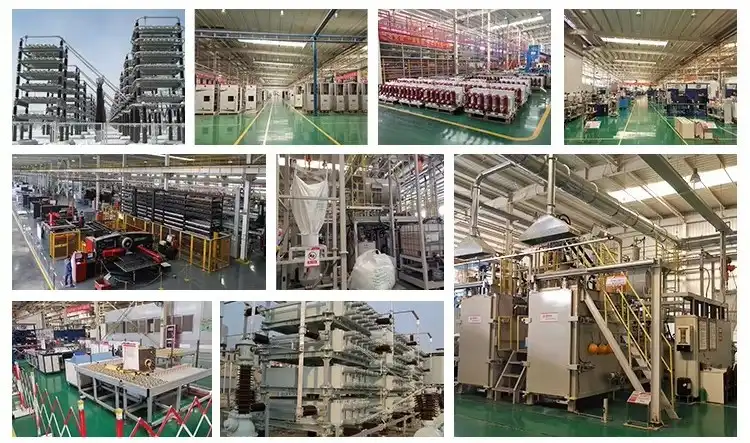
It takes more than comparing datasheets to find a reliable High Voltage Shunt Capacitor. Because arc furnace uses are so complicated, suppliers need to have a lot of experience with these kinds of uses and a track record in heavy industry. China is now a major place to make industrial capacitors, with companies like Xi'an Xikai Medium & Low Voltage Electric Co., Ltd. showing off the latest technologies.
Technical Specifications and Certification Requirements
Manufacturers that have been in business for a long time and have worked with metallurgical industries and State Grid systems can offer engineering support that generic suppliers can't. Find suppliers whose facilities are ISO 9001-certified and whose in-house testing capabilities have been checked by third-party laboratories. For the US market, partnerships with Chinese manufacturers for distribution mean that prices are competitive while still having access to local technical support and inventory.
Manufacturing Quality and After-Sales Support Infrastructure
Volume purchasing agreements are very helpful for large installations. For furnace installations, you usually need a number of units set up in banks. The total reactive power compensation can be anywhere from a few hundred kV to several megaV, depending on the furnace transformer's rating. Buying in bulk lowers the cost per unit and makes sure that production lots are matched so that performance characteristics are always the same.
Total Cost of Ownership and Supplier Partnership Benefits
Procurement decisions balancing initial acquisition cost against lifecycle expenses optimize financial outcomes. Technical support available during installation and commissioning adds a lot of value that goes beyond the cost of the hardware itself. When manufacturers offer on-site startup help and staff training, they make sure that the system is set up correctly and help maintenance teams come up with good monitoring protocols.
Conclusion
Modern metallurgical operations depend on the High Voltage Shunt Capacitor, which has a direct effect on energy costs, production efficiency, and equipment longevity. Power factor correction parts that are used in these tough situations are not the same as regular ones. They need to be specially designed to work in very hot or cold conditions, with harmonic pollution, and for long periods of heavy use. Choosing the right types and following thorough maintenance procedures will make sure that these important parts work reliably for the entire time they were designed to.
FAQ
1. How do I find out what size High Voltage Shunt Capacitor I need for my furnace model?
To figure out the right size capacitor, you need to look closely at your furnace's transformer rating, its normal operating load, and its current power factor. A power quality analyzer is used to measure power factor in typical production conditions. To find the reactive power that needs to be added to reach the target power factor use the formula: kvar = kW × (tan θ₁ - tan θ₂). Take into account harmonic derating by making the capacitor bank 20–30% bigger than the calculated fundamental frequency needs.
2. What are the most important safety measures to take when maintaining a capacitor?
Always think of capacitors as being charged until you can prove otherwise with the right test equipment. Put in place lockout-tagout procedures that deal with stored energy as well as isolating the circuit. After the equipment has been turned off, wait the discharge times specified by the manufacturer, which are usually 5 to 10 minutes. Use insulated tools that are rated for the system voltage and arc-rated safety gear, such as face shields.
3. Can capacitors be changed to fit odd installation spots?
Quality companies often come up with custom solutions to tough problems. Some of the changes that have been made are to make the enclosures more resistant to corrosive atmospheres, to offer different terminal configurations for retrofits that are limited by space, to include harmonic filtering that combines capacitors and tuned reactors, and to provide custom voltage ratings that fit non-standard system configurations.
Partner with Xi'an Xikai for Reliable High Voltage Shunt Capacitor Solutions
Xi'an Xikai stands ready to support your reactive power compensation requirements with industry-leading products and comprehensive technical expertise. Our BKMJ0.4KV Submerged Arc Furnace Capacitor delivers proven reliability in demanding metallurgical and heavy industrial applications, backed by certifications meeting North American and international standards. Contact our technical team at serina@xaxd-electric.com, amber@xaxd-electric.com, or luna@xaxd-electric.com to discuss your specific application requirements and explore customized solutions. As an established High Voltage Shunt Capacitor manufacturer with over 30 years of experience, we provide competitive volume pricing, rapid delivery, and ongoing maintenance support that optimizes your total cost of ownership.

References
1. IEEE Standards Association. "IEEE Standard for Metallized-Film Capacitors for AC Power Systems." IEEE Std 18-2012, Institute of Electrical and Electronics Engineers, New York, 2012.
2. International Electrotechnical Commission. "Shunt Capacitors for A.C. Power Systems Having a Rated Voltage Above 1000V - Part 1: General." IEC 60871-1:2014, International Electrotechnical Commission, Geneva, 2014.
3. Das, J.C. "Power System Harmonics and Passive Filter Designs." IEEE Press Series on Power Engineering, Wiley-IEEE Press, Hoboken, 2015, pp. 287-334.
4. National Fire Protection Association. "Standard for Electrical Safety in the Workplace." NFPA 70E-2021, National Fire Protection Association, Quincy, 2020.
5. Heathcote, Martin J. "The J&P Transformer Book: A Practical Technology of the Power Transformer." 13th edition, Newnes, Oxford, 2007, Chapter 15: Reactive Power Compensation.
6. Acha, Enrique, et al. "Power Electronic Control in Electrical Systems." Newnes Power Engineering Series, Butterworth-Heinemann, Oxford, 2002, pp. 156-198.