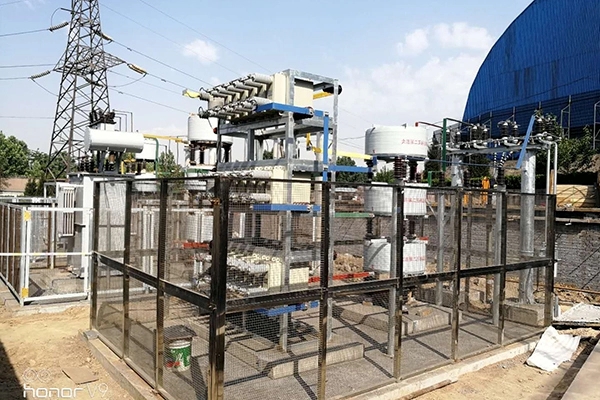
Porcelain housed Lightning Arrester Applications in Power Grids
2026-08-11 10:43:26
When electrical infrastructure faces lightning strikes or sudden switching surges, Porcelain housed Lightning Arresters stand as silent guardians of power system integrity. These surge protection devices employ metal-oxide varistor (MOV) technology encased within high-strength ceramic housings to divert dangerous overvoltages away from critical equipment. Their robust construction and proven reliability make them essential in utility substations, transmission networks, and industrial facilities where equipment failures cause financial losses and operational disruption.

Understanding Porcelain Housed Lightning Arresters in Power Grids
Core Design and Operational Principles
Porcelain-housed Lightning Arresters work on a simple yet elegant concept. The heart of the device consists of zinc oxide (ZnO) resistor blocks stacked vertically within a sealed ceramic chamber. Under normal operating voltages, these blocks present extremely high resistance, essentially invisible to the power system. When lightning hits or switching events produce voltage spikes exceeding the arrester's protective level, the ZnO material's resistance drops greatly within microseconds, creating a low-impedance path to ground. This quick action keeps surge energy away from transformers, circuit breakers, and other things that could be damaged.
The ceramic housing serves multiple critical functions beyond simple physical protection. Its dielectric strength offers external insulation aligned with system voltage needs. The material's inherent brittleness, often perceived as a disadvantage, actually offers a safety feature—catastrophic internal failures result in visible fractures rather than hidden degradation. Manufacturing standards dictate exact control over porcelain density, glaze makeup, and shed shape to improve performance across varying external stresses.
Voltage Ratings and Technical Standards
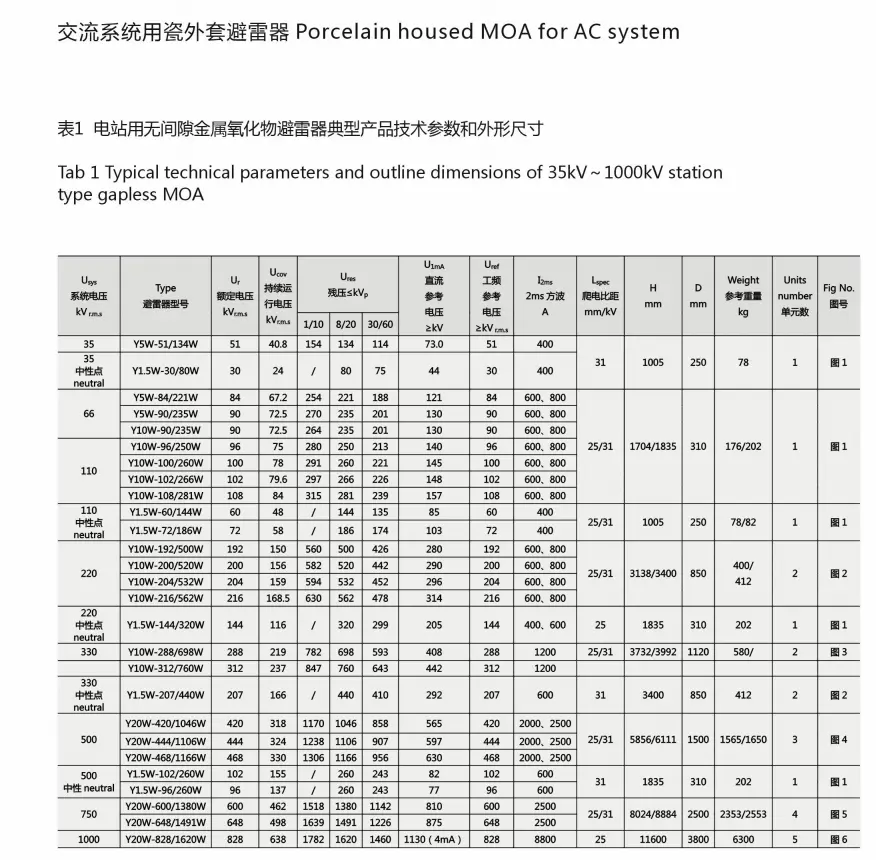
To choose the right voltage levels, you need to carefully consider how the system works and what the tools can do. High-voltage configurations like the Y10W-216/562W are common and are made for 216kV AC networks. Its DC reference voltage of ≥314kV shows the threshold where significant conduction starts during impulse events. The 562 kJ/kV energy absorption capacity shows the device's ability to survive multiple spike events without thermal degradation.
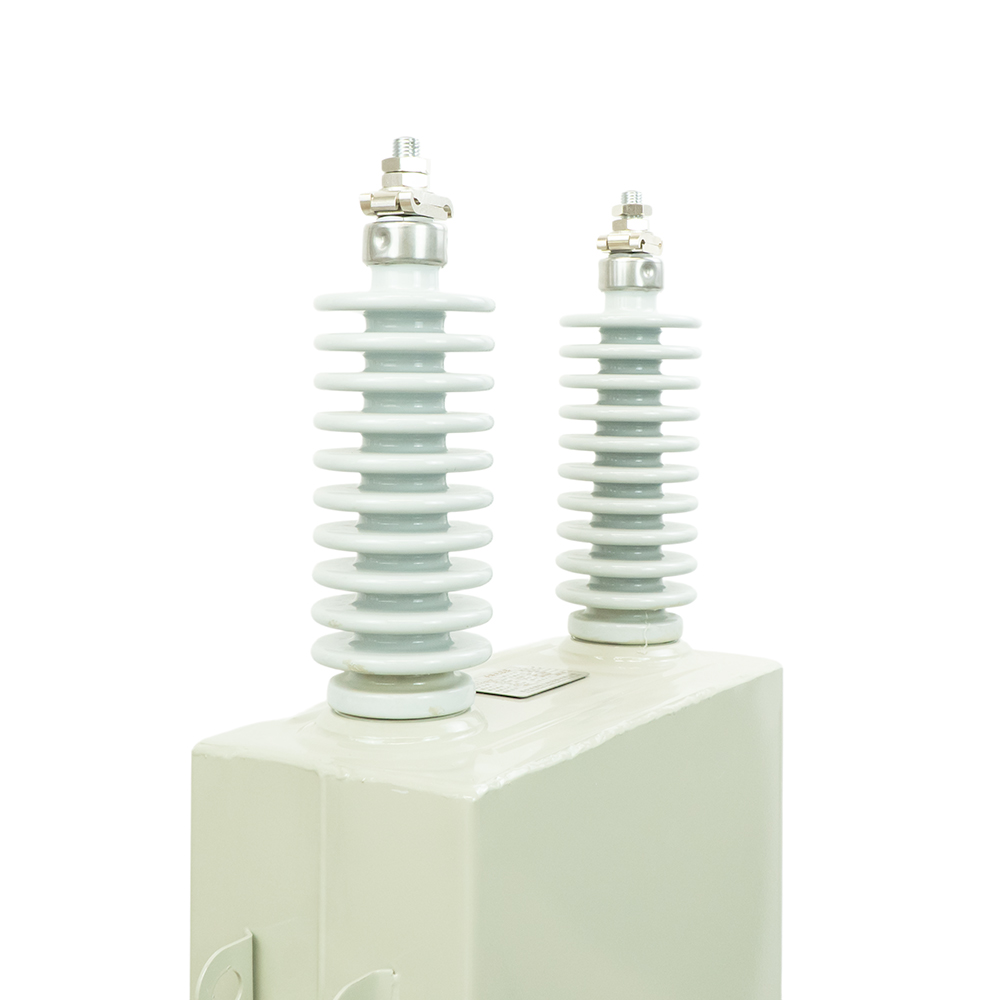
Creepage distance specifications—25/31 mm/kV in this porcelain housed lightning arrester model—directly address contamination concerns. When conductive pollution accumulates on shed surfaces, longer surface paths reduce flashover risk. Compliance with IEC 60099-4 and ANSI C62.11 standards ensures compatibility across international power systems while meeting stringent safety and performance benchmarks established through decades of utility experience.
Material Advantages in Demanding Environments
In some working situations, ceramic housings offer the best efficiency available. The material can withstand temperature changes from -40°C to +85°C without losing its structural integrity. It can also withstand freeze-thaw cycles that are hard for elastomeric materials. UV radiation, which gradually degrades polymer surfaces over years of contact, leaves glazed porcelain untouched. Porcelain is resistant to salt fog and chloride corrosion, which makes it a great choice for coastal locations.
Quality ceramic has a mechanical strength that often goes above 8kN tensile load. This gives you peace of mind during installation and for the life of the product. Maintenance teams can perform hot-stick operations without concern for surface damage that might compromise insulation. This durability converts into service lifespans stretching beyond 25 years when properly kept, giving better lifecycle economics despite higher starting costs compared to some alternatives.
Applications of Porcelain Housed Lightning Arresters in Power Grids
Protection of Transmission and Distribution Assets
Transmission substations represent the most critical application domain. Arresters installed at transformer terminals clamp incoming surges to levels below the equipment's Basic Insulation Level (BIL), preventing winding failures that could sideline multi-million dollar assets for months. When placed at line entrances, they protect overhead conductors from direct lightning strikes. When placed on bus sections, they protect against switching transients that are made when breakers are in use.
These devices are used by distribution networks at key points where rooftop lines meet underground wires. The impedance mismatch at such joints intensifies reflected waves, causing voltage stress concentrations. Arresters positioned at pad-mounted transformers serving commercial loads provide the final defense layer, ensuring power quality for sensitive electronic equipment. Rural cooperatives particularly value the maintenance-free nature of modern metal-oxide designs, reducing truck rolls to remote sites.
Industrial and Commercial Facility Deployments
Manufacturing companies running precision machinery cannot stand voltage disturbances. A single surge event bypassing inadequate protection can destroy CNC controllers, programmable logic systems, or variable frequency drives worth hundreds of thousands of dollars. Installing appropriately rated arresters at service entrances, motor control centers, and individual process equipment creates layered defense against both utility-side disturbances and internally generated switching transients.
Healthcare sites and data centers are both vulnerable, but the stakes are even higher in data centers. Server failures or medical equipment disruptions carry consequences beyond equipment replacement costs—data loss and patient safety incidents generate regulatory scrutiny and reputational damage. Surge protection strategies for these critical environments typically specify arrester installations at multiple points: utility interconnection, automatic transfer switches, UPS inputs, and branch panel feeds. The reliable sealing performance of ceramic-housed units prevents moisture ingress that could compromise protection when it's needed most.
Renewable Energy and Smart Grid Integration
Wind farms and solar installations are different when it comes to protecting them. Generation equipment sits uncovered in open terrain—prime lightning strike targets. Collector circuits combine power from several sources, which increases the number of switching events. The Y10W-216/562W and similar high-voltage models protect step-up transformers that interface renewable generation with transmission grids. Their thermal stability proves essential in desert solar installations where ambient temperatures regularly exceed 50°C.
Smart grid development brings bidirectional power flows and complex control systems subject to electromagnetic interference. Communication networks, remote tracking systems, and automatic switching schemes must all work together with protective devices. Modern porcelain housed lightning arresters integrate seamlessly with these architectures while maintaining core surge suppression functions. Proper grounding and bonding ensure protection works without creating ground loops that could damage sensitive equipment.
Porcelain vs. Polymer Housed Lightning Arresters: Key Differences and Selection Criteria
Material Performance Comparison
The choice between ceramic and silicone rubber housings hinges on application-specific priorities. When it comes to mechanical strength, porcelain is unbeatable. It can withstand vandalism, animal touch, and accidental impacts during upkeep work. Its surface stays hydrophobic for longer in chemically harsh workplaces where sulphur compounds or cement dust build up. Visual analysis quickly finds damaged units through characteristic crazing or fracture patterns.
On the other hand, polymer housings are much lighter than clay ones—usually 60–70% lighter. This reduces structural loading on support frames and simplifies handling during installation, particularly valuable for transmission towers in difficult terrain. The material's resilience absorbs mechanical shocks without brittle failure. However, long-term UV exposure gradually erodes surface properties, and certain pollutants can accelerate hydrophobicity loss, requiring periodic cleaning in contaminated environments.
Environmental Stress Considerations
High-altitude installations demand special attention to creepage distance requirements. Lower air density above 2,000 meters lowers dielectric strength, which means that derating or longer leakage paths are needed. Xi'an Xikai's plateau-rated equipment answers these issues with designs tested for operation to 4,000 meters, featuring enhanced shed profiles and optimized spacing.
Pollution intensity classifications—from light (Class I) to very heavy (Class IV)—guide material selection. Heavy industrial zones with cement plants, chemical facilities, or steel mills generate conductive dust that accumulates on arrester surfaces. Porcelain's self-cleaning qualities under rain and the ability to add RTV silicone coatings provide effective mitigation. Coastal areas have problems with salt fog, which means that creepage distances need to be raised no matter what kind of building is used.
Procurement Decision Factors
Total cost of ownership includes more than just the purchase price. It also includes labour for installation, upkeep, and expected replacement times. Most of the time, ceramic arresters cost 15 to 25 percent more than similar polymer units, but they last longer and need less maintenance. Polymer options may be more cost-effective for places with skilled electricians who can do regular checks, while utilities that are in charge of thousands of installations spread out over large areas often prefer the reliability of ceramic designs that are easy to install and forget about.
In the arrester market, ties with suppliers are very important. Well-known brands offer full expert support, which includes system studies to make sure there are enough safety gaps and that the new equipment works with the old one. Warranty terms vary considerably—standard coverage spans 18-24 months, while top providers extend security to 5 years or more. Lead times for custom creepage distances or voltage ratings can be 12 to 16 weeks, so project schedules need to be planned ahead of time.
Addressing Common Challenges and Troubleshooting Porcelain Housed Lightning Arresters
Operational Issues and Root Causes
The most common performance loss mechanism for porcelain housed lightning arresters is surface contamination. Conductive layers cover shed surfaces, shortening effective creepage distance and creating leakage current paths. Left unaddressed, this leads to thermal runaway where localized heating accelerates further contamination. Periodic infrared thermography during routine substation patrols identifies hot spots before they compromise arrester integrity.
Moisture entry through weakened seals threatens internal components. Quality arresters use elastomeric seals and metal-to-porcelain parts that have been proven to work by helium leak tests for hermetic closing. Field installations sometimes get damaged seals while they are being shipped or set up. Watching the trends of leakage current gives you early warning—gradual increases over time show that ZnO blocks are absorbing water, which means they need to be replaced before they fail completely.
Even though porcelain is strong, it can sometimes be damaged by outside forces. Housings can crack when there are earthquakes, when equipment fails in nearby bays, or when maintenance isn't done properly. The material's brittleness ensures such damage remains visible rather than hidden, unlike some polymer units where internal damage may occur without external evidence. Visual checks with binoculars from ground level are enough to make a discovery.
Preventative Maintenance Protocols
Establishing consistent monitoring methods improves arrester dependability. Leakage current measurements should be recorded every year during dry conditions inspections, and results should be compared to baseline values recorded at commissioning. Increases of more than 25% call for a review. Thermographic surveys during high load times spot units having abnormal heating. When placed, discharge counter readings keep track of how often surge events happen; counts that are especially high may mean there are problems in the system that go beyond the arrester itself.
Cleaning protocols depend on pollution severity. Light contamination often resolves naturally through rain action. For moderate to heavy layers, you will need to clean them by hand with low-pressure water washing or special chemicals that don't scratch. High-voltage cleaning robots have emerged for energized line work, reducing outage requirements. Do not use harsh cleaners or rough objects that could damage glaze surfaces.
Testing procedures beyond visual inspection include measurement of insulation resistance using meggers and verification of reference voltage through laboratory-grade equipment. These tests typically occur during major substation overhauls or following suspected fault events. Portable arrester test sets enable field verification without deinstallation, though comprehensive evaluation still requires removal and transport to certified facilities.
Conclusion
Porcelain housed lightning arresters remain essential components protecting modern power systems from overvoltage risks. Their proven longevity, superior performance under environmental stress, and high-voltage compatibility ensure continued relevance despite emerging alternatives. Selection requires careful consideration of system voltage requirements, pollution levels, mechanical stress factors, and maintenance accessibility. The Y10W-216/562W exemplifies modern metal-oxide technology, protecting 216kV networks reliably through thoughtful design and manufacturing. Ceramic-housed arresters provide organizations seeking maximum operational continuity with confidence born from decades of field-proven performance.
FAQ
1. How do I determine the correct voltage rating for my power grid application?
According to IEEE and IEC standards, the rated voltage must be higher than the system's highest continuous operating voltage by the right amount. For a 230kV transmission system, a 216kV arrester provides suitable protection with its ≥314kV DC reference voltage offering adequate clamping characteristics. Talking to factory experts about specific system factors is the best way to make sure you make the right choice.
2. What maintenance practices extend arrester service life?
Regular visual inspections detecting contamination or physical damage form the foundation. Annual leakage current measurements trending over time identify degradation before failure occurs. Periodic thermographic scans during load situations show internal issues. Cleaning highly dirty units keeps surface insulation. Proper grounding system integrity checks prevent dangerous potentials during surge events.
3. Are ceramic housings suitable for harsh outdoor environments?
Porcelain delivers exceptional performance across extreme temperatures, intense UV exposure, and corrosive atmospheres. The inorganic makeup of the material protects it from chemical attacks and biological growth. Ceramic's ability to clean itself and its long-lasting stability make it a great choice for coastal installations and heavily polluted industrial areas. Designs that meet IEC pollution class ratings make sure that the creepage distances are right for the situation.
Partner with Xi'an Xikai for Reliable Porcelain Housed Lightning Arrester Solutions
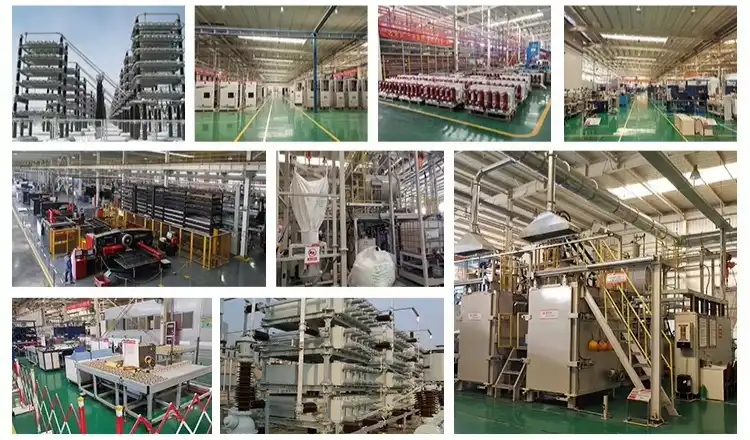
Xi'an Xikai Medium & Low Voltage Electric Co., Ltd. has been making high-quality surge protectors for more than 20 years. Our Y10W-216/562W and full range of arresters are used by utility companies, manufacturing facilities, and EPC firms all over North America that need solid security that meets standards. We offer custom solutions that meet the specific needs of each grid, from sites at high elevations to places with a lot of pollution. Our technical team does system coordination studies to make sure that there are enough safety margins and that all of the equipment works together. Get in touch with our purchasing agents at serina@xaxd-electric.com, amber@xaxd-electric.com, or luna@xaxd-electric.com to talk about your needs with a Porcelain housed Lightning Arrester manufacturer who is ready to help you with your next project.
References
1. IEEE Std C62.22-2019, "IEEE Guide for the Application of Metal-Oxide Surge Arresters for Alternating-Current Systems," Institute of Electrical and Electronics Engineers, New York, 2019.
2. Hinrichsen, Volker, "Metal-Oxide Surge Arresters: Fundamentals," Siemens AG Energy Sector, Berlin, 2012.
3. IEC 60099-4:2014, "Surge Arresters – Part 4: Metal-Oxide Surge Arresters Without Gaps for A.C. Systems," International Electrotechnical Commission, Geneva, 2014.
4. McDermid, William, "Arrester Application and Specification Guide for Transmission and Distribution Systems," Manitoba HVDC Research Centre, Winnipeg, 2017.
5. Lat, Mazen V., "Thermal Stability Assessment of Metal Oxide Surge Arresters," IEEE Transactions on Power Delivery, Volume 25, Issue 4, October 2010.
6. Zhang, Qiaogen and Li, Jian, "Pollution Performance and Material Degradation of Outdoor Insulation in Power Systems," China Electric Power Press, Beijing, 2016.