-square BKMJ_1758505876091.webp)
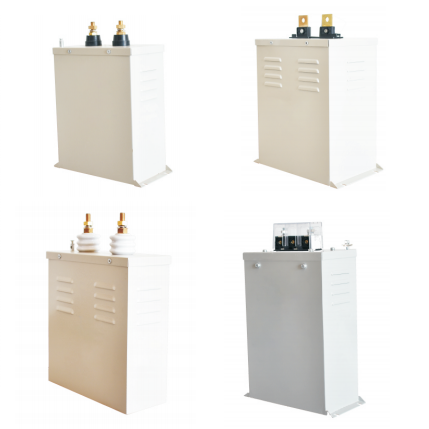
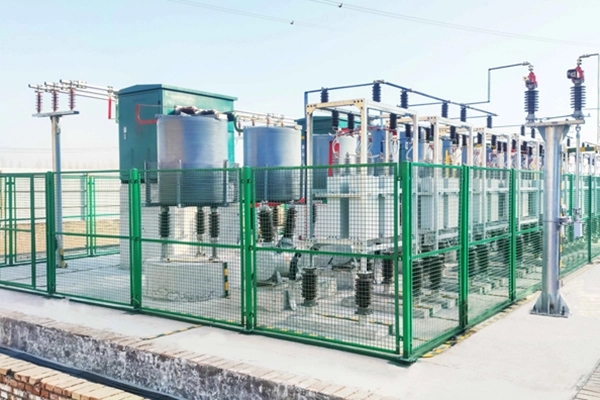
50KVAR Self-healing Capacitor for PFC(Power factor correction)-square BKMJ
The Importance of Active Power Filter (APF) in Modern Power Quality Management
2026-09-08 17:11:13
Modern electrical systems face unprecedented challenges as harmonics, voltage fluctuations, and power quality disturbances threaten operational efficiency and equipment longevity. Active Power Filter technology addresses these concerns by dynamically compensating for distortions in real-time, ensuring stable power delivery across industrial, commercial, and critical infrastructure environments. Unlike conventional passive filtering methods, APFs employ advanced power electronics to detect and neutralize harmonic currents instantly, preventing equipment damage, reducing energy waste, and maintaining compliance with stringent grid codes. This proactive approach has become essential for data centers, hospitals, manufacturing facilities, and substations where power quality directly impacts productivity and safety.


Understanding Active Power Filters: Working Principle and Types
How Active Power Filters Work
Through high-speed sensors and microprocessors, an Active Power Filter constantly checks the flow of electricity. When reactive power mismatches or harmonic distortion are found, the system creates compensating currents that look like the distortion waves but are in the opposite phase. Harmonics can't move through the electrical network because this real-time injection cancels them out at the source. The technology works well even when the voltage is low, keeping up its harmonic suppression performance where passive filters often fail or have trouble.
Shunt Active Power Filters
The most popular way to use APF is in shunt setups. When they are connected in parallel with the load, they send adjusting currents straight into the power grid. This design does a great job of fixing current-based errors caused by varying frequency drives, rectifiers, and nonlinear loads that are common in modern manufacturing. Modular designs let you add more space as needed, and rack-mounted and wall-mounted choices work in a variety of placement settings.
Series and Hybrid Configurations
Series Active Power Filters are connected in-line with electrical circuits and mostly fix problems that happen because of voltage, like sags, swells, and transients. Hybrid systems use the best parts of both active and passive technologies to get the best performance and cost-effectiveness. These designs work well for uses that need full power conditioning over a wide frequency range, especially in places where there are a lot of different types of non-linear loads causing complex harmonic patterns.
Benefits of Active Power Filters for Industrial Power Quality
Dynamic Harmonic Suppression Capabilities
Harmonic distortion changes the shape of the voltage waveform, which speeds up the breakdown of insulation in transformers, causes too much neutral current, and causes unnecessary breaker trips. Harmonic reduction rates of active filtering systems are higher than 97%, which means they get rid of 5th, 7th, 11th, and higher-order harmonics that are common in industrial electrical settings. This performance level keeps sensitive technology safe and makes sure that the limits for harmonic emissions are met according to IEEE 519 and IEC 61000 standards.
Resistance to Grid Fluctuations and Voltage Instability
Power grids are using more and more renewable energy sources, whose intermittent generation patterns cause voltage and frequency changes. Active Power Filter units keep the system running smoothly even when these problems happen, giving constant correction without the need to re-calibrate the system. Their reaction time of about 10 milliseconds makes it possible for them to quickly adapt to fast changes in load or events on the power grid. This keeps the quality of the power even when working conditions are difficult and traditional compensation methods fail.
Energy Cost Reduction Through Power Factor Improvement
When the power factor is low, the utility company has to pay fines and transmission losses go up, which directly affects operational costs. Active Power Filters raise the power factor to almost unity levels by fixing reactive power in real time. This gets rid of penalty fees and lowers the amount of current drawn by distribution systems. When factories use complete APF solutions, their energy costs go down by 8 to 15 percent, and the solutions usually pay for themselves in 18 to 36 months, depending on the utility rates and the power quality at the time.
Long-Term Cost-Effectiveness and Reliability
Even though active filtering costs more up front than inactive options, the total cost of ownership estimate shows that APF deployment over a longer period of time is more cost-effective. Better return on investment is achieved by lowering the need for maintenance, getting rid of failures caused by resonance, and making equipment last longer. Facilities have fewer unplanned shutdowns, fewer incidents of transformers overheating, and motors and drives that last longer, all of which directly lead to higher productivity and lower costs for capital replacement.
How to Choose the Right Active Power Filter for Your Business
Assessing Harmonic Distortion Levels and Load Characteristics
Before choosing an APF, it's important to do a full power quality audit that records the current harmonic profiles, load diversity, and distortion patterns throughout the daily operating cycles. Teams in charge of buying things should get a full harmonic spectrum study that shows the main bands and how loud they are. This information helps with choosing the right equipment for the job, making sure it can handle peak distortion situations and still have room for future load growth or process changes.
Evaluating System Integration and Compatibility Requirements
It is very important to make sure that the new equipment will work with the old power adjustment equipment. This is especially important when adding to buildings that already have capacitor banks or passive harmonic filters. For modern APF systems to work with these older parts, they have to work together without any problems or performance degradation. Engineers need to make sure that the proposed solutions work with existing building management or industrial automation platforms and that the communication protocols are compatible. They should also look at the different control interface options.
Modular Design and Expansion Flexibility
Scalable power quality options are needed as businesses grow and their production needs change. Modular APF designs work with phased implementation plans, so the first rollout can meet current needs while still leaving room for future capacity improvements. Rack-mounted models are easier to install in existing electrical rooms, while wall-mounted models are better for places with limited space. This adaptability lets investments be made in the right amount to meet current operational needs without sacrificing the ability to adapt in the long term.
Manufacturer Comparison and Quality Assurance Criteria
When evaluating possible suppliers, you need to look at their manufacturing qualifications, quality control methods, and support services after the delivery. ISO 9001 certification for quality management, ISO 14001 certification for environmental compliance, and product-specific certifications like CE, UL, and CCC marks are all necessary. Procurement experts should look into the testing procedures used by manufacturers to make sure that equipment goes through strict validation tests, such as 72-hour age tests and full-load performance checks, before it is shipped. These quality measures have a direct effect on how reliable things are in the field and how well they work in the long run.
Installation, Maintenance, and Technical Support for Active Power Filters
Pre-Installation Site Assessment and Planning
For APF deployment to work well, the electricity infrastructure, the surroundings, and the needs for integration must all be carefully studied before installation. Site studies should list the mounting space that is available, the amount of air flow that is needed, and how close the equipment is to adjusted loads. Electrical tests make sure there are enough short-circuit protections, check the integrity of the grounding system, and find possible sources of electromagnetic interference. This work before installation keeps things on schedule and makes sure the system works well from the start.
Best Practices for System Integration and Commissioning
For electrical connections, control wires, and initial parameter setup of the Active Power Filter, installation teams must follow the steps given by the maker. Checking the orientation of the current transformer, setting the priorities for harmonic filtering, and connecting to supervisory systems are all parts of a proper setup. There should be baseline measurements of power quality, progressive loading tests, and confirmation that the performance of harmonic suppression meets design specs in all working situations as part of the commissioning process.
Routine Maintenance and Performance Monitoring
When compared to passive filtering options, APF systems need less ongoing maintenance. As a general rule, cooling fans and air filters should be visually checked every three months, electrical connections should be checked for torque every six months, and the integrity of the capacitor bank should be checked once a year. Modern equipment has built-in tools that keep an eye on its performance all the time and let workers know about problems before they affect operation. These features help keep unplanned downtime to a minimum and make the best use of repair resources.
Troubleshooting Common Operational Issues
Even when strong design and high-quality manufacturing are used, operational problems can still happen. Common worries include annoying alarms set off by short-lived grid events, inadequate compensation during unusual load conditions, or communication problems with supervisory systems. Rapid problem resolution is possible when manufacturers offer full technical support, which includes remote tests, thorough troubleshooting documents, and fast engineering help. This support infrastructure is especially helpful for system integrators who are in charge of installations for a lot of different clients in a lot of different countries.
Real-World Applications Across Industrial Sectors
Industrial Manufacturing and Production Facilities
Through variable frequency drives and switching power sources, factories that use CNC machining centers, robotic welding systems, and automatic assembly lines create large amounts of harmonic currents. Active filtering gets rid of power factor charges that would otherwise make energy costs go up, and it also keeps upstream transformers from getting too hot. APF systems can handle surge currents of up to 100 times their rated capacity during motor starting sequences. This keeps the system running smoothly even in the demanding, changing conditions that are common in industrial production settings.
Data Centers and Mission-Critical Facilities
The electrical infrastructure of a data center supports a lot of switched-mode power supplies inside server equipment. This creates complicated harmonic environments that make power distribution less reliable. When you use thorough active filtering, you protect UPS systems from too much harmonic loading, lower the risk of neutral conductor overheating, and keep the voltage stable across multiple backup power distribution lines. These benefits directly help meet the service standards that are necessary for data centers to run legally.
Substation and Utility Applications
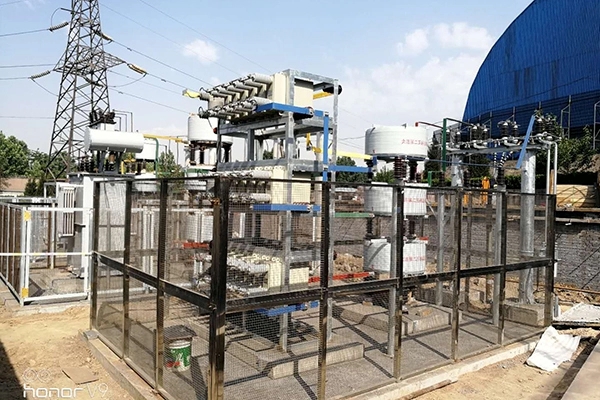
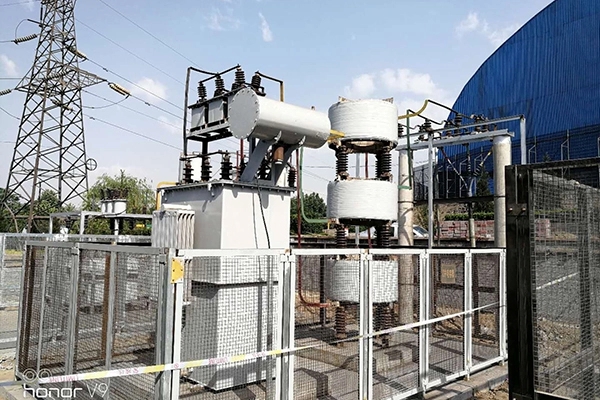
Renewable energy sources are connecting more and more with electrical substations through inverter-based links that send harmonic currents and voltage changes into distribution networks. Active Power Filters keep the voltage levels in substations stable in the face of these disturbances, making sure that all the distribution systems further downstream follow the rules for power quality. This application is more important than ever as solar and wind power become more common in modern power lines, causing problems with power quality that don't happen with power generated mostly by fossil fuels.
Commercial Buildings and Healthcare Facilities
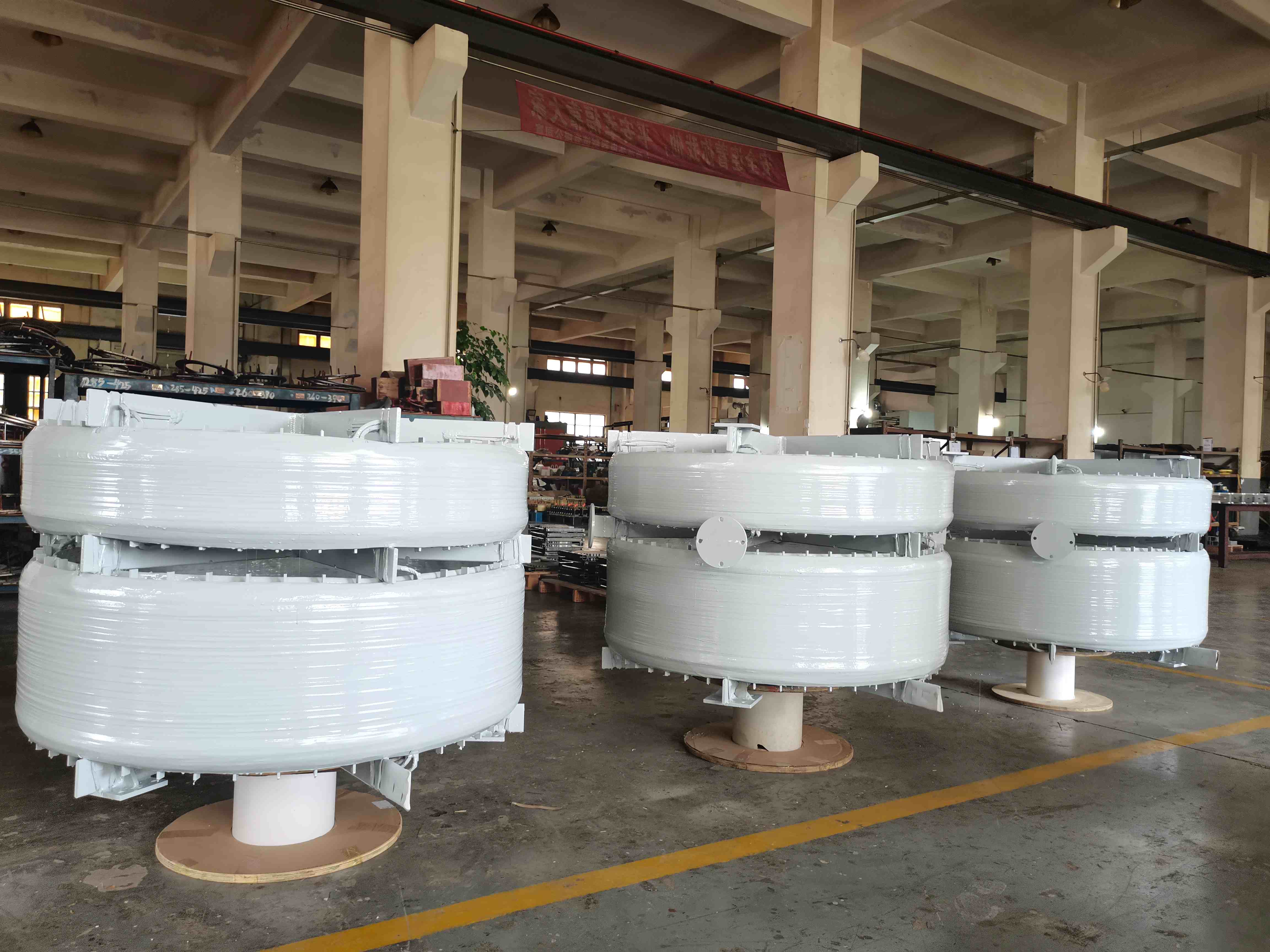
Life-safety systems, sensitive medical equipment, and a variety of commercial loads all need reliable electrical service in hospitals, shopping malls, and office buildings. Adding APF technology to old electrical systems fixes the loss of power quality caused by adding small amounts of energy over many years. The low noise level (below 45dB) makes installation near occupied areas possible, and the flame-resistant capacitor construction meets the requirements of the NFPA 70 fire code for commercial electrical equipment. These features make it possible to improve the power quality in a wide range of ways without affecting the facility's ongoing operations.
Future Outlook and Trends in Power Quality Management and Active Power Filters
Integration with Smart Grid and IoT Technologies
New Active Power Filter designs include IoT connection, which lets them be monitored in the cloud, have predictive maintenance analytics run on them, and be managed remotely. These features let facility managers improve power quality across distributed operations from central control centers. At the same time, equipment manufacturers learn more about how their products are performing, which helps them keep making better products. When APFs are connected to smart grid infrastructure, they become smart grid assets that can provide extra services like demand response and distributed grid support.
Advancements in Power Electronics and Control Algorithms
Wide-bandgap semiconductors, especially silicon carbide and gallium nitride devices, are still getting better, which makes it possible to make APF designs that are smaller, more efficient, and have better high-frequency performance. At the same time, AI and machine learning algorithms make it easier to predict harmonic events. This lets proactive compensation strategies plan for distortion events instead of just responding to conditions that are found. These technological advances make APF more useful while also making the system smaller and more energy-efficient.
Supporting Renewable Energy and Decarbonization Initiatives
As businesses try to meet environmental requirements and carbon neutrality targets, their electrical infrastructure needs to be able to handle more green energy and turning processes that used to run on fossil fuels into electric ones. Active filtering technology is very important for these changes because it keeps the power quality high even though green energy systems have variable generation rates and power computer connections. APF adoption lets more green energy be used while keeping the stability of the electrical system needed for stable industrial processes.
Growing Demand for Adaptive Power Quality Solutions
A study of the market shows that there is a growing need for smart power quality management systems that can work on their own in a variety of load profiles and grid conditions. In the future, APF goods will probably be able to self-configure, automatically find faults, and improve performance over the course of their entire life without much help from a person. Companies that use these cutting-edge solutions have an edge over their competitors because they improve operational efficiency, lower maintenance costs, and make it easier for them to adapt to changing electrical infrastructure needs.

Conclusion
Active Power Filter technology has grown from specialized tools used in specific situations to basic building blocks for modern electricity systems. The ability to dynamically reduce harmonics, keep operations stable during grid disturbances, lower energy costs, and provide reliable long-term performance meets important needs in the utility, commercial, and industrial sectors. The best results come from carefully choosing a product that takes into account the load factors, integration needs, and maker capabilities. The use of renewable energy and more electronic loads makes electrical systems more complicated. Deploying APF is not only helpful, it's necessary to keep operations running smoothly and reliably.
FAQ
1. How often should Active Power Filters undergo maintenance?
The frequency of routine maintenance depends on the working environment and the job cycle, but for most sites, eye checks every three months and full service once a year are enough. Modern APF systems have self-diagnostic features that let workers know when problems start to appear. This makes condition-based upkeep methods possible, which are better at using resources. Harsh settings with high temperatures, humidity, or particle pollution may need to be checked on more often.
2. Can Active Power Filters retrofit into existing electrical infrastructure?
APF systems are easy to connect to existing facilities because they only need to be connected in parallel to electrical distribution panels. An evaluation of compatibility should check that there is enough short-circuit capacity, proper grounding, and ideal mounting places. Many installations are able to successfully combine APFs with legacy passive filters or capacitor banks. However, they must be properly coordinated to make sure that they work together instead of against each other. When it comes to retrofitting, experienced system engineers can be very helpful.
3. How do Active Power Filters manage dynamic load variations?
APF systems can keep up with the fast changes in load that happen in industrial processes because their response times are close to 10 milliseconds. Harmonic spectrum changes are detected instantly by continuous current tracking, and control programs calculate and send the right compensating currents within microseconds. This performance can handle even sudden changes in load, like when a big motor starts up or cutting equipment turns on. It keeps the power quality stable during transient events that can be hard for slower adjustment technologies.
Partner with Xi'an Xikai for Superior Active Power Filter Solutions
Power quality management solutions from Xi'an Xikai Medium & Low Voltage Electric Co., Ltd. are backed by decades of manufacturing excellence and technical innovation. Our Active Power Filter systems have advanced modular designs that allow them to be placed on the wall or on a rack. They also have dynamic harmonic suppression that works 97% of the time and response times of 10 milliseconds. Field stability is ensured by strict quality control measures such as 72-hour age tests and full load validation. Our ISO 9001, ISO 14001, CE, UL, and CCC certifications show that we are committed to meeting international quality standards.
Our engineering team creates solutions that are tailored to your needs, whether they are dealing with complicated harmonic environments in data centers, helping with precision manufacturing, or upgrading business buildings. We help contractors and system integrators with their projects at all stages, from the initial site assessment to commissioning and ongoing technical support. Talk to experienced Active Power Filter suppliers at Xi'an Xikai to find out how our products can help you manage power quality better. You can email our technical support team at serina@xaxd-electric.com, amber@xaxd-electric.com, or luna@xaxd-electric.com. You can also visit xaxd-electric.com for full product documentation and application resources.

References
1. IEEE Recommended Practice and Requirements for Harmonic Control in Electric Power Systems (IEEE Standard 519-2022), Institute of Electrical and Electronics Engineers, 2022.
2. Akagi, H., Watanabe, E.H., and Aredes, M., "Instantaneous Power Theory and Applications to Power Conditioning," John Wiley & Sons, 2017.
3. Rashid, M.H., "Power Electronics Handbook: Devices, Circuits, and Applications," Fourth Edition, Butterworth-Heinemann, 2018.
4. International Electrotechnical Commission, "Electromagnetic Compatibility (EMC) – Part 3-2: Limits for Harmonic Current Emissions" (IEC 61000-3-2:2018), 2018.
5. Singh, B., Chandra, A., and Al-Haddad, K., "Power Quality: Problems and Mitigation Techniques," John Wiley & Sons, 2015.
6. Dugan, R.C., McGranaghan, M.F., Santoso, S., and Beaty, H.W., "Electrical Power Systems Quality," Third Edition, McGraw-Hill Education, 2012.