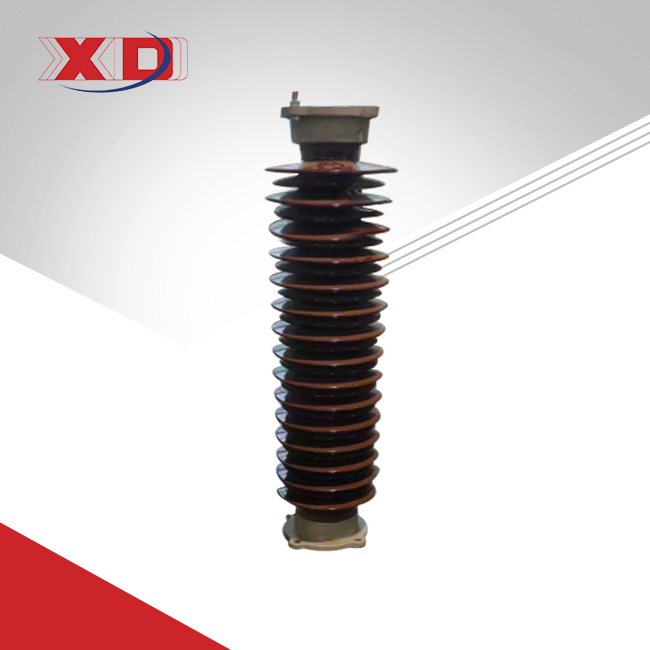
Y10W-102/266W Lightning Arrester Porcelain housed MOA for AC system
Top Benefits of Active Power Filters for Your System?
2026-09-08 17:11:16
Active Power Filters deliver measurable improvements across industrial and commercial power systems. These devices actively suppress harmonic distortion—often achieving 97% filtration—while responding to power anomalies within milliseconds. Unlike passive solutions, Active Power Filters adapt dynamically to fluctuating loads, preventing resonance and voltage instability. This technology protects sensitive equipment, reduces energy waste, extends machinery lifespan, and ensures compliance with international standards like IEEE 519. For system integrators managing data centers, hospitals, or precision manufacturing environments, selecting the right filter technology translates directly into operational uptime, cost savings, and client satisfaction.


Introduction
Unbalanced loads, harmonic distortion, and voltage fluctuations are all problems that industrial and commercial power systems often have to deal with. These problems with power quality make machines less effective, cause unplanned downtime, and raise energy costs. As variable frequency drives, switching power supplies, and renewable energy inverters make electrical loads less linear, the need for strong harmonic mitigation has grown.
As a reliable and flexible way to control power quality, Active Power Filters have become a popular choice for buying leaders. These gadgets keep an eye on electrical waves all the time and add adjusting currents to get rid of harmonics, fix reactive power, and make phase loads equal. This book gives electrical engineers, project managers, and procurement experts useful information about how APFs work, what their real benefits are, how they compare to passive filters, and how to make the right choice. If you are in charge of substations, data centers, or factories, knowing about Active Power Filters lets you make smart, data-driven buying decisions that are in line with your long-term operational goals.
What is an Active Power Filter and How Does It Work?
Core Operating Principles
Intelligent power electronics devices called Active Power Filters detect and rectify electrical issues in real time. APFs constantly assess load currents via current transformers or Hall-effect sensors. They isolate harmonics using rapid Fourier transforms. The control unit then determines the inverse waveform to remove these distortions. Inverter modules, generally IGBT-based, transmit adjusting currents back to the electrical grid. Actively reducing harmonics at their source prevents them from propagating upstream into distribution systems or harming surrounding equipment.
Types and Configurations
There are three main versions that meet different operating needs. Shunt Active Power Filters are most often used to fix current harmonics. They connect in parallel with the load. If you connect series APFs to the power line, they will fix voltage confusion and sags. For high-power uses, hybrid filters balance cost and performance by combining passive LC parts with active electronics. When procurement teams understand these designs, they can better match technology to the needs of each site, whether they are protecting computer racks in data centers or motor drives in factories.
Integration with Existing Infrastructure
Modern Active Power Filters are rack- or wall-mounted modular, making them easy to install in existing electrical panels without major infrastructure adjustments. Modbus RTU and Ethernet/IP connections simplify SCADA and building management system connectivity. This plug-and-play function speeds up setup, which is important for project deadlines. CAD models and load flow analysis technologies aid engineering teams throughout design and installation. This ensures current switchgear and reactive power compensation equipment compatibility.
Top Benefits of Active Power Filters for Industrial and Commercial Systems
Dynamic Harmonic Suppression
Harmonic distortion lowers the quality of the power, which can lead to burning in the transformer, annoying trips on the circuit breaker, and premature failure of the capacitor. Active Power Filters dynamically reduce harmonics so that total harmonic distortion (THD) stays below 5%, which is the limit set by IEEE 519 and IEC 61000 standards. Unlike passive filters that are set to certain frequencies, APFs can adapt to different load patterns, so their performance stays the same even if the way they're used changes. This adaptability is very helpful in places where production schedules change or where different types of equipment are used, like hospitals that use diagnostic imaging systems along with HVAC loads.
Resistance to Grid Fluctuations
Voltage sags, swells, and transient spikes can happen in power lines because of lightning hits, capacitor switching, or problems upstream. Active Power Filters make systems more reliable by keeping voltage stable at important loads. More advanced models have ride-through features that keep adjusting currents flowing when the power goes out for a short time. This toughness protects delicate electronics in places like data centers and precision manufacturing, where voltage changes of just 10% can cause expensive equipment to shut down or data to become corrupt. The device's ability to work well with low voltage means that it will always protect the grid during times of stress.
Energy Cost Reduction
Utility bills go up and transformer capacity goes down because of reactive power and harmonic losses. Active Power Filters fix the power factor so that it is close to one (usually >0.98), which gets rid of utility demand charges and fines. It is possible to save energy with APFs because they lower I²R losses in wires and transformers by reducing current interference. When a factory uses APFs on multiple production lines, they often pay for themselves in less than 24 months because they use less energy and don't have to pay penalty fees. This financial benefit makes the business case for procurement approval stronger, especially when case studies are included that show energy costs going down by 8–12%.
How Active Power Filters Compare to Other Power Quality Solutions
Active vs. Passive Filters
Passive filters use LC circuits that are tuned to certain harmonic frequencies. They are cheap to set up and don't need any upkeep. But they run the risk of resonance with upstream impedances, which could make some harmonics louder instead of quieter. Passive designs are also not flexible; when the load changes, filters can lose their tune and stop working. Active Power Filters get rid of the risk of resonance and adapt instantly to changing harmonic bands. Passive filters may work well with loads that don't change much, but active solutions are better in changing settings with things like welding tools, variable frequency drives, or pulsed loads. Teams in charge of buying things for large companies usually like active technology because it can be used in a wide range of situations without any problems.
APFs vs. STATCOM Systems
Static Synchronous Compensators (STATCOMs) use similar power electronics topologies to deal with reactive power compensation and voltage support. STATCOMs are great at keeping voltage stable in transmission systems or green energy substations, but they aren't as good as specialized Active Power Filters at getting rid of harmonics. Harmonic reduction and power factor adjustment at the load level are what APFs do first. In real life, utilities use STATCOMs to control voltage across the whole grid, and factories use APFs to handle power quality locally. Understanding this difference in function keeps people from using the wrong thing during the procurement specification processes.
Shunt vs. Series Configurations
Shunt Active Power Filters work best with nonlinear loads like motor drives and UPS systems because they join in parallel and fix any changes in the current. When you connect series APFs, they fix voltage distortions and keep the voltage from going down or up too much. Most industrial settings prefer shunt configurations because they work well against current harmonics, which is the main problem in commercial and manufacturing settings. Series APFs are used in specific ways to keep sensitive process equipment safe from changes in the voltage at the power grid. Hybrid combos use both structures to protect all of a project's vital assets, but they cost more.
Key Considerations when Selecting an Active Power Filter
Technical Performance Specifications
APF performance is based on how well it filters harmonics, how fast it responds, and how much it can compensate. Filtration rates higher than 97% make sure that strict standards are met in industries that are regulated. Real-time adjustment is possible with response times of less than 10 milliseconds, which is very important for loads that switch transients quickly. To account for future growth and short-term spikes, rated replacement currents need to be 20–30% higher than peak harmonic loads. Measured harmonic spectra from site surveys should be used in the procurement specifications to make sure that the units chosen are suitable for the real conditions and not just general assumptions.
System Integration and Compatibility
Integration with current electrical equipment that doesn't cause any problems cuts down on commissioning delays for the Active Power Filter. Check to see if it works with the voltage levels of the current switchgear, the safety coordination plans, and reactive power compensation equipment like capacitor banks. All APFs must be able to live together without interfering with each other or causing annoying trips. For easy integration into building monitoring systems, control interfaces should be able to work with common industrial protocols like Modbus, Profibus, and Ethernet/IP. Electrical engineers like it when providers help with load flow analysis and testing, which lowers the risks of integration.
Environmental and Certification Standards
Different operating settings have different needs. Industrial plants need enclosures with an IP20 rating that can keep out dust and water, while outdoor substations need enclosures with an IP54 rating. For sites above 1,000 meters, performance at high altitudes is important. Xi'an Xikai's equipment is reliable up to 4,000 meters elevation. Electrical and mechanical compatibility (EMC) certifications (CE, UL) make sure that two devices don't interfere with each other or with nearby control systems. Flame-resistant parts that meet NFPA 70 standards must be used in business building setups. Quality standards, like ISO 9001 and ISO 14001, show that the manufacturing process is strong, which is something you should expect from a trustworthy seller.
Supplier Evaluation and Aftersales Support
Supplier reputation has a direct effect on the success of a project. Manufacturers with a history of reliability, such as Siemens, Schneider Electric, and ABB, charge more for their products. Regional suppliers like Xi'an Xikai offer competitive alternatives that have been thoroughly tested—including 72-hour aging tests and 100% load validation before shipping—to make sure the products are strong. Check the warranty terms (usually 18 to 24 months), the availability of spare parts, and how quickly technical support responds. For international projects, having local service networks that can set up and fix problems on-site is very helpful. Often, procurement strategies weigh the image of the brand against the total cost of ownership, giving more weight to sellers who show both technical expertise and quick service.
Applications of Active Power Filters in Industry
Active Power Filters solve problems with power quality in many different industrial areas, each with its own specific harmonic patterns and operating limitations.
Manufacturing Plants and Assembly Lines
Harmonic bands that are hard to understand are made by CNC machines, robotic welders, and conveyor systems. Installed at motor control centers, Active Power Filters lower THD below 5%, removing power factor fees and lowering neutral line overload. The technology can handle surge currents up to 100 times its stated capacity, which guards against inrush events that happen when equipment is first turned on. When manufacturing operators use APFs, transformer heating is cut by 15 to 20 percent and motor service times are increased, which directly boosts production uptime.
Substations and Utility Infrastructure
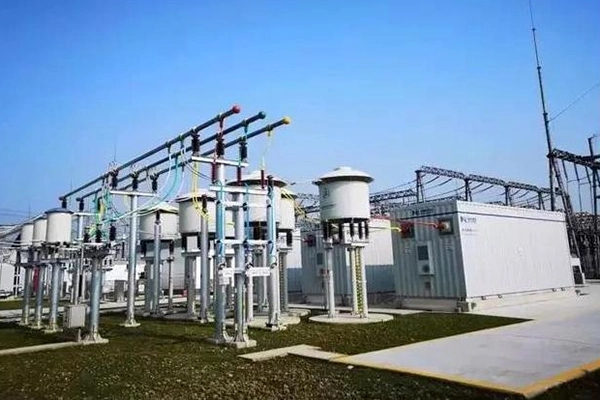
Voltage profiles become unstable when green energy transformers are fed by substations that have irregular generation patterns. Active Power Filters keep the voltage stable against harmonics that come from solar PV and wind turbines, which keeps the grid in line with the rules. The gadgets also lessen flickering brought on by arc furnaces or big motor starts, keeping delicate loads on shared feeders safe. Utility companies like APFs because they can help support the grid, and they often use them with regular reactive power compensation equipment.
Commercial Buildings and Data Centers
There is a lot of IT equipment, LED lights, and HVAC systems in hospitals, shopping malls, and data centers. These are all nonlinear loads. Adding Active Power Filters to old electrical systems protects them from capacitor failures caused by harmonics and transformer overheating. Silent operation (<45dB) works well in busy areas, and small flexible designs work well in electrical rooms that are already full. Flame-resistant capacitors that meet fire safety standards are very important for public places. Data center managers love APFs because they keep server power supplies from being interrupted by harmonics, which keeps mission-critical applications running all the time.
Built to Last: Manufacturing Excellence Behind Active Power Filters
Quality security tells the difference between trustworthy providers and dishonest ones. Teams in charge of buying things give more weight to companies that can show they follow strict testing procedures and have international certifications.
Xi'an Xikai controls quality in every step of the production process. Before it is shipped, each Active Power Filter goes through 72 hours of continuous age tests at full load to find any hidden problems. 100% load validation checks performance against base specs, making sure units meet the claimed response times and filter rates. Manufacturing centers keep their ISO 9001 quality management and ISO 14001 environmental licenses, which show that they control the whole process in a planned way. Products have been approved by CE, UL, and CCC, which means they meet safety standards in Europe, North America, and China.
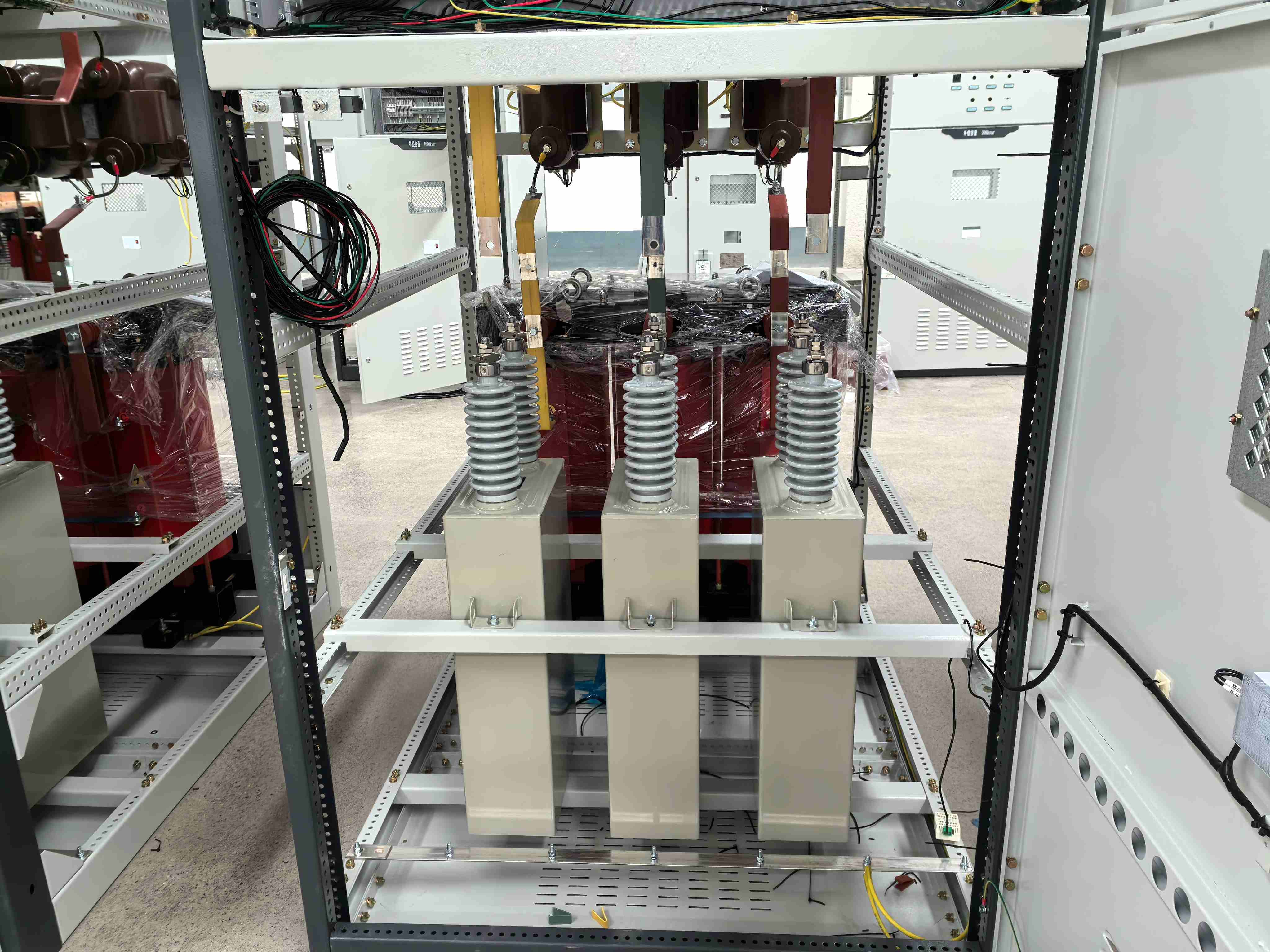
When choosing components, durability is a top priority. Power filter capacitors are made of heavy-edge metalized polypropylene film enclosed in flame-retardant housings. They can fix themselves and have rated lifespans of more than 100,000 hours. Low equivalent series resistance (ESR) keeps heat production to a minimum, and surge voltage values 15% above normal make sure the system can handle changes in the power grid. IGBT units from top semiconductor makers guaranty reliable switching even when temperatures change. These engineering choices mean dependability that has been tested in the field, which is very important for integrators whose reputations depend on how well projects go.

Conclusion
Active Power Filters have been shown to be a good investment for businesses and factories that care about power quality, protecting equipment, and saving energy. Their dynamic harmonic suppression, grid resilience, and flexible scalability solve the tricky electrical problems that data centers, factories, and other important facilities face. When compared to inactive options, APFs are more flexible and don't have any resonance risks, so they work the same way even when the load changes. For procurement to go well, there needs to be a thorough technical evaluation, an evaluation of the supplier's credibility, and alignment with long-term operational goals. Active Power Filters are still an important part of keeping power systems reliable and competitive in global markets, even though they are getting more complicated.
FAQ
1. What is the average cost of an Active Power Filter?
Prices range from $3,000 for 50A modules to $25,000 for 400A industrial units, depending on how much power they can handle. Site studies, engineering integration, and finishing services are all part of the total cost of the project. Even though active filters cost more up front, the money saved on energy costs and downtime usually pays for themselves in 18 to 36 months.
2. Can Active Power Filters be retrofitted into existing installations?
Yes, flexible designs make it easier to adapt without having to make big changes to the wiring. Formats that are fixed on the wall or in a rack can be added to existing panels. Compatibility tests make sure that the new safety methods and switchgear grades will work with the old ones. Most installations are done within a few days, which keeps operations running as smoothly as possible.
3. What maintenance do Active Power Filters require?
Little upkeep is needed for APFs; once a year checks are done to make sure the cooling fan is working, the capacitors are intact, and the control parameters are set correctly. Updates to the software and thermal imaging scans are examples of preventive upkeep. With the right ventilation and environmental controls, they should last more than 15 years, which makes them low-maintenance assets for facility management teams.
Partner with a Trusted Active Power Filter Manufacturer
Xi'an Xikai offers Active Power Filter solutions that have been tested in the field and are designed for tough industrial uses. Harmonics are kept below 5% THD in our flexible designs, which can be placed on the wall or in a rack. Power factor stays above 0.98. Our units are certified to meet the standards of ISO 9001, CE, UL, and CCC. Before they are shipped, they go through strict 72-hour age tests and full-load validation. This makes sure that they will work reliably in data centers, factories, and other business infrastructure.
Whether you're protecting hospital electrical systems, stabilizing substations against harmonics from renewable energy, or integrating power quality solutions for precision manufacturing, our engineering team offers full site assessments, detailed specifications, and quick technical support. You can see all of our products at xaxd-electric.com and read in-depth white papers on how to reduce harmonics. Send an email to serina@xaxd-electric.com, amber@xaxd-electric.com, or luna@xaxd-electric.com to get quotes and talk about the needs of your project. We are a dedicated Active Power Filter supplier, and we offer scalable, low-cost options that keep your activities safe.

References
1. Akagi, H., Watanabe, E., & Aredes, M. (2017). Instantaneous Power Theory and Applications to Power Conditioning (2nd ed.). Wiley-IEEE Press.
2. IEEE Standards Association. (2014). IEEE Recommended Practice and Requirements for Harmonic Control in Electric Power Systems (IEEE Std 519-2014).
3. Singh, B., Al-Haddad, K., & Chandra, A. (1999). A review of active filters for power quality improvement. IEEE Transactions on Industrial Electronics, 46(5), 960-971.
4. International Electrotechnical Commission. (2020). Electromagnetic compatibility (EMC) – Part 3-2: Limits for harmonic current emissions (IEC 61000-3-2:2018+AMD1:2020).
5. Rashid, M. H. (2017). Power Electronics Handbook: Devices, Circuits, and Applications (4th ed.). Butterworth-Heinemann.
6. Dugan, R. C., McGranaghan, M. F., Santoso, S., & Beaty, H. W. (2012). Electrical Power Systems Quality (3rd ed.). McGraw-Hill Education.