Top Current Transformer Trends 2026
2026-03-25 15:49:24
The Current Transformer landscape is changing in ways that have never been seen before. New technologies are changing how industrial sites watch and control their electrical systems. Manufacturing plants, data centers, and utility companies are all making decisions about what to buy based on smart grid support, advanced digital integration, and higher accuracy standards. These new ideas solve important problems in tracking power quality, keeping operations running, and lowering energy costs that have a direct effect on how well a business does overall. High currents are reduced to manageable amounts for precise measurement by Current Transformers, which continue to be essential parts of industrial power tracking and control. In 2026, procurement managers, engineers, and sellers need to keep up with how CT technologies and market trends are changing to make sure that the system is reliable, follows the rules, and is cost-effective. This thorough guide carefully looks at new ideas, selection criteria, performance improvement strategies, and future-proof procurement methods to help decision-makers make sense of the complicated CT world.

Emerging Trends Shaping the Future of Current Transformers
Improvements in digital integration, design efficiency, and performance standards are causing the CT business to go through a big change. Traditional measuring tools aren't always accurate, can't be mounted in certain ways, and don't always work with current tracking systems that need to be able to process data in real time.
IoT Integration and Smart Grid Connectivity
Smart CTs with IoT sensors built in allow real-time analytics and predictive maintenance, which makes manufacturing sites run more efficiently. These high-tech gadgets send constant streams of data to centralized tracking systems. This lets workers find possible problems before they become expensive failures. The integration features allow current SCADA systems and building control platforms to talk to each other without any problems.
Advanced Materials and Manufacturing Techniques
New developments in split core and dry/oil types make installations more flexible and long-lasting in tough conditions. Modern manufacturing methods use vacuum casting technology to get rid of air spaces for perfect insulation, and precise winding makes sure that the number of turns stays the same from one production run to the next. The direct results of these changes are more accurate measurements and longer operating lifetimes.
Enhanced Accuracy Standards
Higher accuracy classes and unique solutions will be the norm. This will make CT performance more in line with complex industrial needs and allow for better control of power systems. The business world is going toward mistake rates of ±0.2%, which will allow for accurate billing of energy and system safety needs. These higher standards are especially helpful for places that use sensitive electronics that need stable power quality.
Current Transformer Types and Their Applications Explained
It is important to understand the different types of CT scans so that they can be used correctly and efficiently in a wide range of workplace settings. Each design group has its own benefits that are best suited to certain operating needs and installation limitations.
Busbar-Type Current Transformers
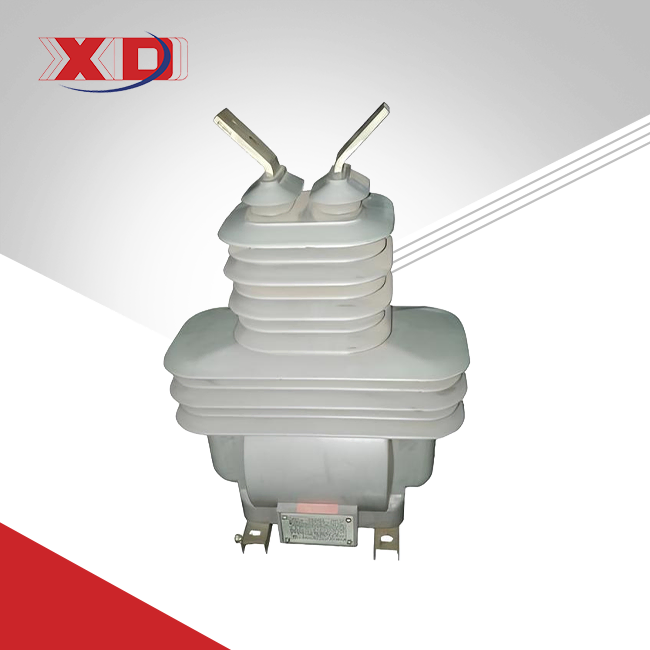
Busbar-type designs, like the LMZB line, can be used in a variety of medium-voltage situations. The LMZB7-35 model can be used in substations and industrial distribution systems because it has casting insulation and protection class powers. These designs let you mount them in a small space while still meeting the high accuracy standards needed for safety and income metering.
Oil-Insulated Inverted Designs
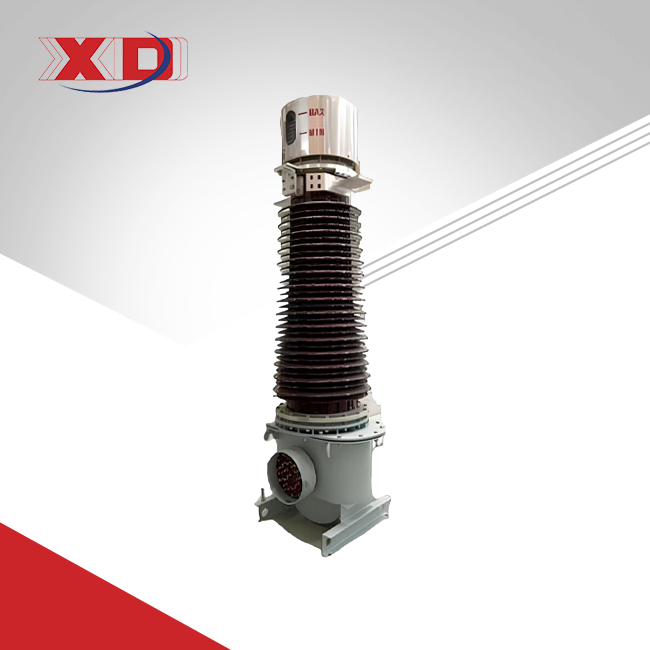
In high-voltage transmission uses where good insulation is important, oil-insulated inverted current transformers work very well. The flange and porcelain designs on these units have been improved to give them great earthquake performance while keeping oil flows low. The high-tech oil-paper insulation device has great external insulation properties and high amounts of insulation.
Zero-Sequence Protection Units
Zero-sequence current transformers with special features, like the LXB line, can find ground faults in three-phase systems. This type, LXB-ф(120.150), protects things by having an optimized inner hole diameter that can fit a range of wire layouts. In industrial settings, these gadgets are necessary to keep people safe and protect tools.
Following best practices for installation and correct wiring not only makes sure that you are in line with international standards, but it also improves the accuracy of your measurements and the long-term dependability of your equipment, reducing the cost of downtime and equipment failure.
Key Factors Influencing Current Transformer Procurement Decisions
Choosing the right CT depends on both technical and financial factors that have a direct effect on how well the system works and how much it costs to run. When procurement managers know about these things, they can make choices that meet both short-term wants and long-term strategic goals.
Technical Specifications and Performance Parameters
The rated load, accuracy class, and ratio specs must all match the needs of the application and the measurement goals. To support both income metering and protection tasks, modern facilities often need more than one accuracy class in the same system. The workload rate tells you how much load the secondary circuit can handle without changing the accuracy of the measurements.
Manufacturer Capabilities and Support Services
It's helpful for procurement managers to know the specs of the goods made by the top brands, since their products work differently and come with different levels of customer service after the sale. Established suppliers usually offer full expert help, the ability to customize, and a history of success in similar uses. The presence of local service networks can have a big effect on how much it costs to maintain and how quickly someone can help in an emergency.
Economic Considerations and Supply Chain Factors
To find out how cost-effective something is, you have to look at things like pricing, wait times, and the benefits of bulk or custom orders that can lower the overall cost of the job. To meet tight project deadlines and make sure consistent product quality, you need strong relationships with your suppliers and clear transportation planning. The total cost of ownership includes not only the price of buying the equipment, but also the costs of setting it up, keeping it in good shape, and paying for any downtime that might happen.
Improving Current Transformer Performance and Accuracy in 2026
Improving accuracy remains a top priority for the Current Transformer, even as new standards impose stricter precision requirements that directly impact energy billing accuracy and system security. These enhanced specifications address the increasing demand for precise monitoring of power quality in sensitive industrial environments, ensuring the Current Transformer delivers reliable and consistent performance.
Advanced Testing and Validation Methods
Precise testing methods, such as secondary injection and load testing, are very important for proving that CT works and is reliable in the real world. Modern test equipment lets you check the accuracy of a gadget over its entire working range, making sure it meets performance standards. Automated testing methods cut down on mistakes made by humans and provide thorough records for compliance reasons.
Maintenance Best Practices and Quality Assurance
Inspection, cleaning, and testing done on a regular basis can help you avoid common installation mistakes and greatly increase the operating lifespan. Visually checking the connections, using thermal imaging to find hot spots, and checking the accuracy on a regular basis with portable test tools should all be part of preventative maintenance plans. These procedures find possible problems before they affect the accuracy of measurements or break down equipment.
Performance Optimization Strategies
Case studies from real life show how systematic testing and optimizing repair plans can greatly improve the accuracy of measurements and cut down on costly working interruptions. While keeping measurement accuracy within certain limits, facilities that use full CT management tools usually get 99.5% service rates. These results show how much better proactive maintenance methods are than reactive fix methods.
Future-Proofing Your Procurement Strategy With Smart Current Transformers
Smart CTs represent the next generation of power monitoring, and the Current Transformer benefits from advanced sensing capabilities, IoT connectivity, and configurable settings that support predictive analytics and dynamic load management. These intelligent Current Transformers transform basic measurements into comprehensive solutions for monitoring and improving power quality across complex electrical systems.
Comparative Analysis of Traditional Versus Smart Technologies
When you compare traditional CTs to new, smart devices, you can see that the latter have a lot of benefits, such as less downtime due to earlier fault discovery and long-term cost saves. Traditional devices only show problems when they are inspected on a regular basis, but smart units can watch all the time and let you act right away if something goes wrong. The better view helps make repair schedules more efficient and the system more reliable.
Digital Transformation Integration
Proactive procurement links purchases with larger digital transformation goals, ensuring scalability, interoperability, and flexibility in industrial systems that are becoming more automated and data-driven. Power monitoring tools and business software platforms need to work together smoothly in modern buildings. This strategy method protects investments and makes power networks more visible and easier to control.
Investment Protection and Scalability
Smart CT solutions make it possible to add to or improve systems in the future without having to update the whole infrastructure. The modular design method lets you use phased rollout strategies, which spread out capital investments over several budget cycles while keeping operations running smoothly. These things to think about are especially important for big factories that want to add more space in the long run.
Conclusion
The Current Transformer business is at a turning point. New technologies are changing the way standard power tracking is done. Measurement technology is changing at a speed that has never been seen before thanks to smart integration features, higher accuracy standards, and better manufacturing processes. For decades to come, operating efficiency and cost-effectiveness will depend on the choices made today about what to buy. Companies that are successful know that investment in modern CT technology pays off in the form of higher uptime, lower upkeep costs, and better control over power quality. The move toward smart, connected devices is in line with larger efforts to digitally change things and gives instant practical benefits. These trends show how important it is to work with makers who have a lot of experience and know how complicated current industrial power systems are.
FAQ
1. What distinguishes smart Current Transformers from traditional measurement devices?
Smart Current Transformers have features that standard devices don't have, like IoT connection, real-time data processing, and predictive analytics. These advanced features make it possible to watch all the time, find problems early, and connect them easily to digital management systems.
2. How do better accuracy levels affect the cost of doing business?
Higher accuracy directly lowers differences in energy bills and raises the dependability of the security system. Through better load control and power factor optimization, facilities with high-precision measurement tools can usually cut their energy costs by 2% to 3%.
3. What factors determine Current Transformer replacement timing?
Some reasons to replace indicators are losing the ability to measure accurately, breaking down physically, and not working with current tracking systems. When accuracy falls outside of reasonable ranges or when digital integration is needed, facilities should think about improving.
Partner With Xi'an Xidian for Advanced Current Transformer Solutions
Xi'an Xidian Medium & Low Voltage Electric Co., Ltd. offers state-of-the-art Current Transformer technology that adapts to the changing needs of commercial power systems. Busbar-type, oil-insulated, and zero-sequence current transformers are among our many high-quality products. They are made to be as reliable and accurate as possible. We offer solutions that go above and beyond what the industry requires, with plateau-rated tools that can work at heights of up to 4,000 meters and unique manufacturing technologies. Our current transformer provider can do more than just sell standard goods. They can also quickly customize ratios, mounting configurations, and enclosures within 3–5 days. You can talk to our technical experts about your needs by emailing serina@xaxd-electric.com, amber@xaxd-electric.com, or luna@xaxd-electric.com.
References
1. International Electrotechnical Commission. "Current Transformer Standards and Performance Requirements for Smart Grid Applications." IEC Technical Report 61869-15, 2025.
2. IEEE Power & Energy Society. "Digital Integration Trends in Power System Measurement Devices." IEEE Transactions on Power Delivery, Volume 41, Issue 3, 2025.
3. Electric Power Research Institute. "Advanced Current Transformer Technologies for Industrial Applications." EPRI Technical Update 3002025847, 2025.
4. National Institute of Standards and Technology. "Precision Measurement Requirements for Modern Power Systems." NIST Special Publication 1900-207, 2025.
5. International Council on Large Electric Systems. "Smart Grid Integration Strategies for Current Measurement Systems." CIGRE Technical Brochure 847, 2025.
6. American National Standards Institute. "Performance Standards for Digital Current Transformers in Industrial Environments." ANSI C57.13.6-2025, 2025.