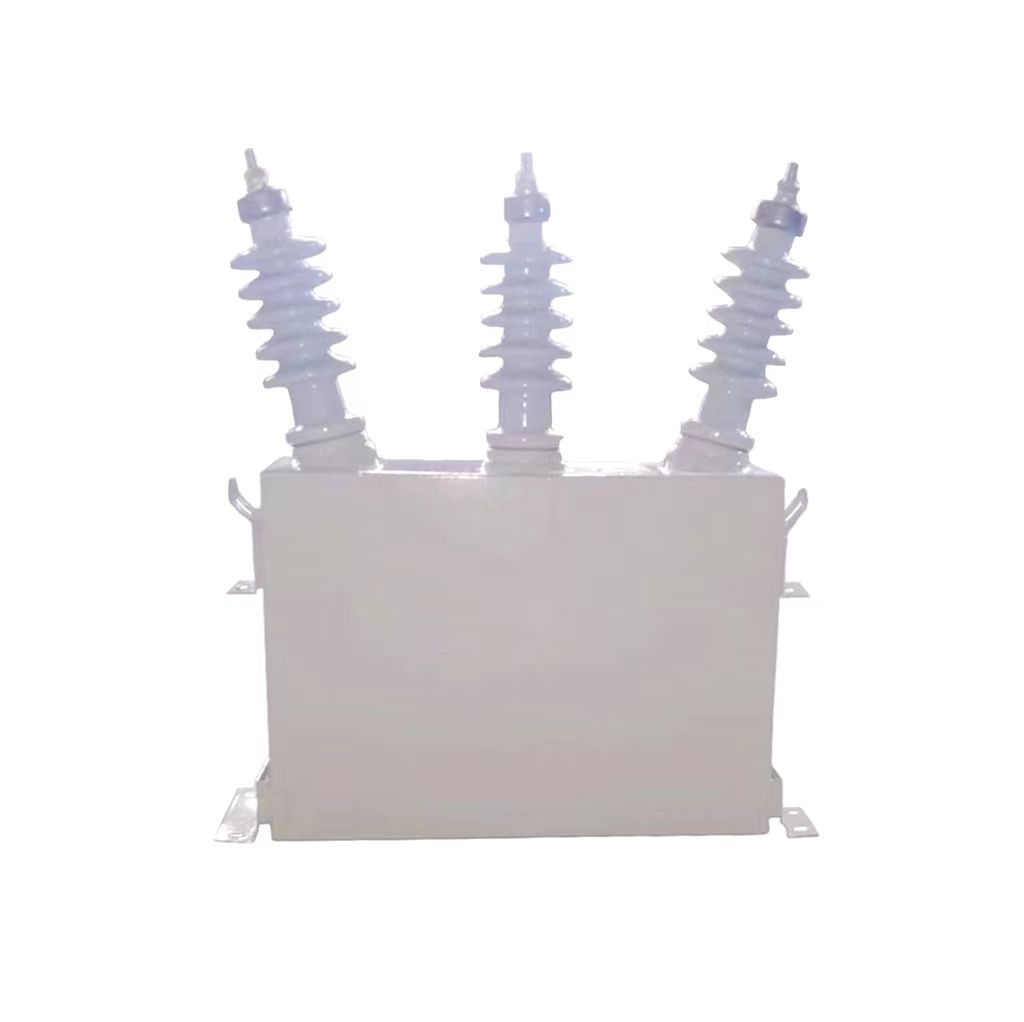
Types of Dry-Type Filter Capacitors and Their Functions
2026-04-07 16:05:17
In today's electrical infrastructure, filter capacitors are essential passive components that smooth out voltage fluctuations and eliminate unwanted noise in power systems. Dry-Type Filter Capacitors are particularly valued for their safety, low maintenance, and environmental advantages compared to oil-filled alternatives. In industrial settings where power quality directly affects operational continuity, Low Voltage Filter Capacitors, designed specifically for systems operating below 1000V, have become indispensable. These specialized devices can both compensate for reactive power and filter out harmonics. This helps keep the grid stable and protects equipment. Unlike regular capacitors, which are only meant to store energy, filter capacitors are made with advanced materials and building methods that make them able to handle being exposed to harmonic currents all the time. These currents are made by variable frequency drives, rectifiers, and other non-linear loads that are common in data centers, manufacturing plants, and utility distribution networks.
 |
 |
Understanding Dry-Type Filter Capacitors
The main difference between regular capacitors and filter capacitors is how well they can handle waveforms that aren't straight. Large factories use machines like welders, motor drives, and LED lighting systems that draw current in patterns that are not sinusoidal. When this happens, harmonic frequencies are sent back into the electrical system. This makes transformers overheat, insulation materials age faster than they should, and safety devices trip when they shouldn't. A Dry-Type Filter Capacitor solves this problem by using special building methods and advanced dielectric materials.
Core Operating Principles and Voltage Characteristics
The way capacitive filtering works is based on how impedance changes across frequency ranges. Capacitors have a high impedance at fundamental frequency (50Hz or 60Hz), which lets them provide controlled reactive power compensation. When the frequency goes up into harmonic ranges like the 5th harmonic (250Hz/300Hz), 7th harmonic (350Hz/420Hz), and beyond, the capacitive impedance drops proportionally. This makes current paths that avoid sensitive equipment and send harmonic energy back to the source or into filter banks that are made to absorb these frequencies.
Most industrial filter capacitors have voltage ratings between 440V and 690V, which are the voltages used in most low-voltage distribution systems around the world. Voltage rises in LC filter circuits because series reactors create a voltage boost across capacitor terminals while the circuit is running.
Why Solid Dielectric Design Outperforms Traditional Approaches?
Modern dry-type designs enclosed in epoxy resin or thermoplastic housing completely get rid of environmental risks. Even though traditional oil-filled capacitors work, they can be bad for the environment because the dielectric fluid could leak out. The metallized polypropylene film (MKP) dielectric used in high-quality units is stronger than traditional paper-oil insulation. This choice of material allows the electrical properties to stay stable even when exposed to high temperatures and voltage stress. Additionally, the risk of fire in electrical rooms and switchgear installations is significantly lower when there are no flammable liquids present.
Types of Dry-Type Filter Capacitors and Their Specific Functions
When filter capacitors are properly specified, they provide essential support for factories and data centers. By putting Dry-Type Filter Capacitor banks in key distribution points like main switchboards, motor control centers, or substations for critical equipment, you can keep voltage from changing and prevent damage to programmable logic controllers, instrumentation, and communication systems.
Metallized Film Capacitors with Self-Healing Technology
For industrial power quality needs, film capacitors with metallized polypropylene dielectric are the best option. During the metallization process, an extremely thin conductive layer is added to the polymer film. This layer has a remarkable ability to heal itself: if the polymer film breaks in a certain area due to too much electrical stress, the metal layer around it evaporates instantly, creating an insulating barrier around the fault point while the capacitor continues to work. It is recommended that these parts work in temperatures ranging from -40°C to +85°C.
Segmented Metallization Configurations for Enhanced Reliability
Advanced manufacturing involves optimizing electrode geometry to ensure the capacitor keeps its capacitive properties across the frequency range that is important for power quality applications. By carefully building the inside, designers set the self-resonant frequency well above the frequency ranges they are meant to work with. This method of design ensures that even during high-frequency ripple current exposure, internal heat generation is kept to a minimum, ensuring junction temperatures stay within safe operating ranges.
Heavy-Duty Industrial Capacitors for Harsh Environments
Industrial-grade parts rated to 85°C ambient can work in tough thermal environments without degrading. This is particularly important for parts installed inside enclosed motor control center compartments that are heated by switchgear and power electronics close by. Thermal management is also affected by altitude; at elevations above 1,000 meters, the lower air density makes convective cooling less effective, meaning that calculations need to be redone or higher-rated heavy-duty parts must be used.
Dry-Type Filter Capacitors Versus Other Capacitor Types
Procurement decisions involve comparing different capacitor technologies to find the most cost-effective and reliable solution. While various options exist, the Dry-Type Filter Capacitor has become the standard for low-voltage industrial filtering due to its safety profile and harmonic handling capabilities.
Safety and Environmental Impact Analysis
Modern dry-type designs meet strict environmental standards and make installation and maintenance easier. Unlike oil-filled alternatives, no flammable liquids are present, which simplifies fire code compliance for indoor installations. In hospitals and data centers, these safety considerations are paramount, as the electrical infrastructure must support life-critical imaging equipment or mission-critical servers without the risk of leakage or fire.
Maintenance Requirements and Lifecycle Cost Comparison
Instead of only looking at upfront capital costs, facility managers should look at lifecycle costs. The price of the initial purchase is only one part of the total cost of ownership; when labor, downtime, and disposal fees are added in, a cheaper capacitor that needs to be replaced every three years ends up costing more than a premium one that lasts fifteen years. Choosing low-loss capacitors cuts down on wasteful energy loss and lowers the cooling needs of electrical rooms at the same time.
Application Domain Suitability and Performance Characteristics
At about 1,000V nominal system voltage, the line between low-voltage and high-voltage capacitor uses is clear. Most power quality problems in industrial and commercial buildings can be fixed with low-voltage units made for 400V to 690V systems. Compared to electrolytic capacitors, film designs have much lower Equivalent Series Resistance (ESR). Higher ESR in electrolytic types causes internal heating when high-frequency ripple currents pass through them, making them less useful for harmonic filtering and resulting in shorter operational lifespans.
Procurement Guide: How to Choose and Source Dry-Type Filter Capacitors?
Finding a reliable Dry-Type Filter Capacitor supplier involves evaluating verifiable manufacturing skills, quality management systems, and technical support capabilities. Suppliers who offer application engineering help procurement teams come up with the best solutions instead of just filling orders, which is especially helpful when dealing with complicated harmonic filter systems.
Defining Technical Requirements and Matching Component Specifications
The best capacitor should be chosen after a thorough analysis of the system. Facility electrical audits find out what the current harmonic levels are and how much reactive power is needed. Normal operation of a 480V distribution system causes voltage changes, transients, and transformer tap changes. When you specify capacitors with a rating of 525V or higher, you get extra operating space that makes the parts last longer and stops early breakdowns.
Evaluating Suppliers and Verifying Manufacturer Credentials
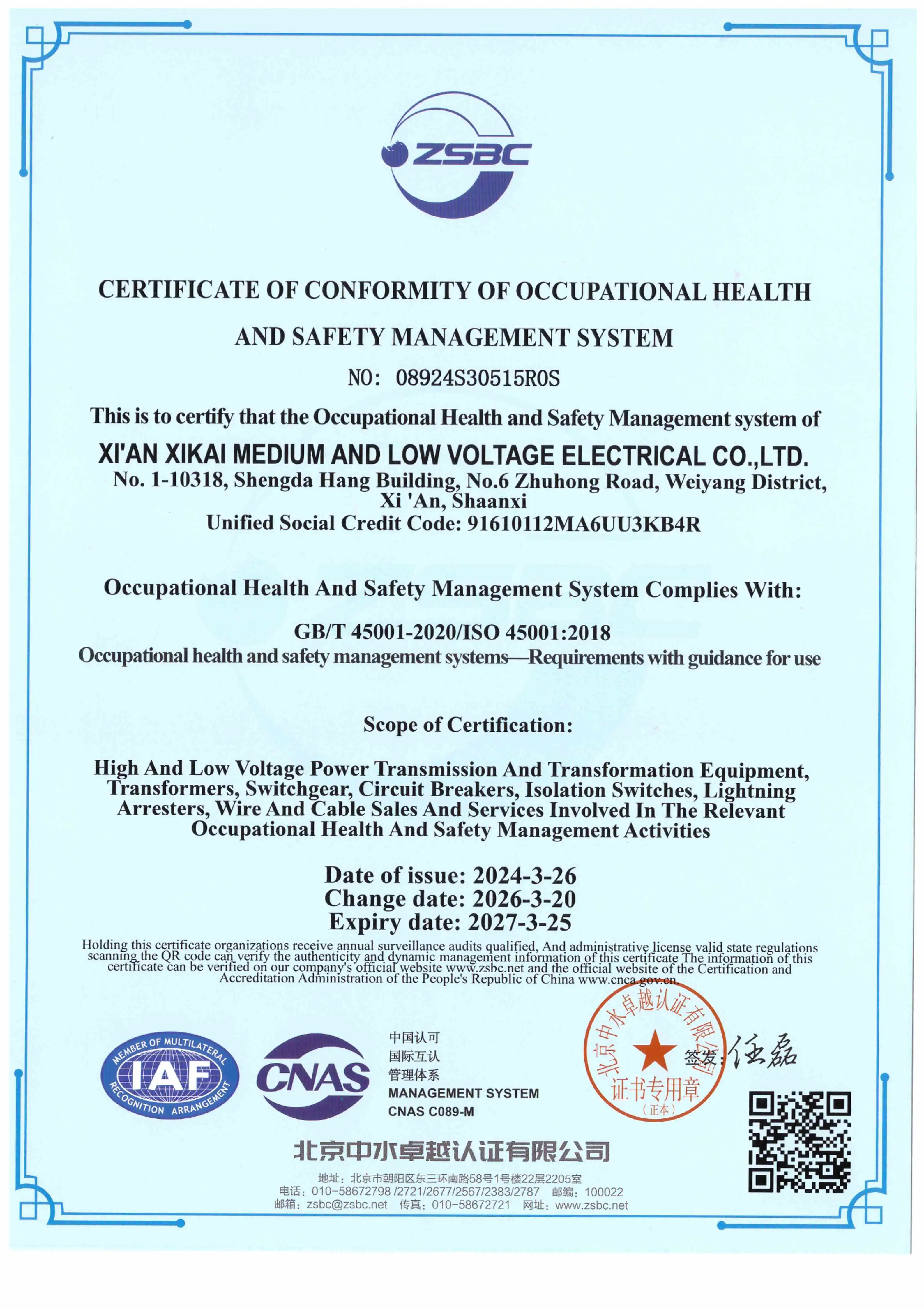
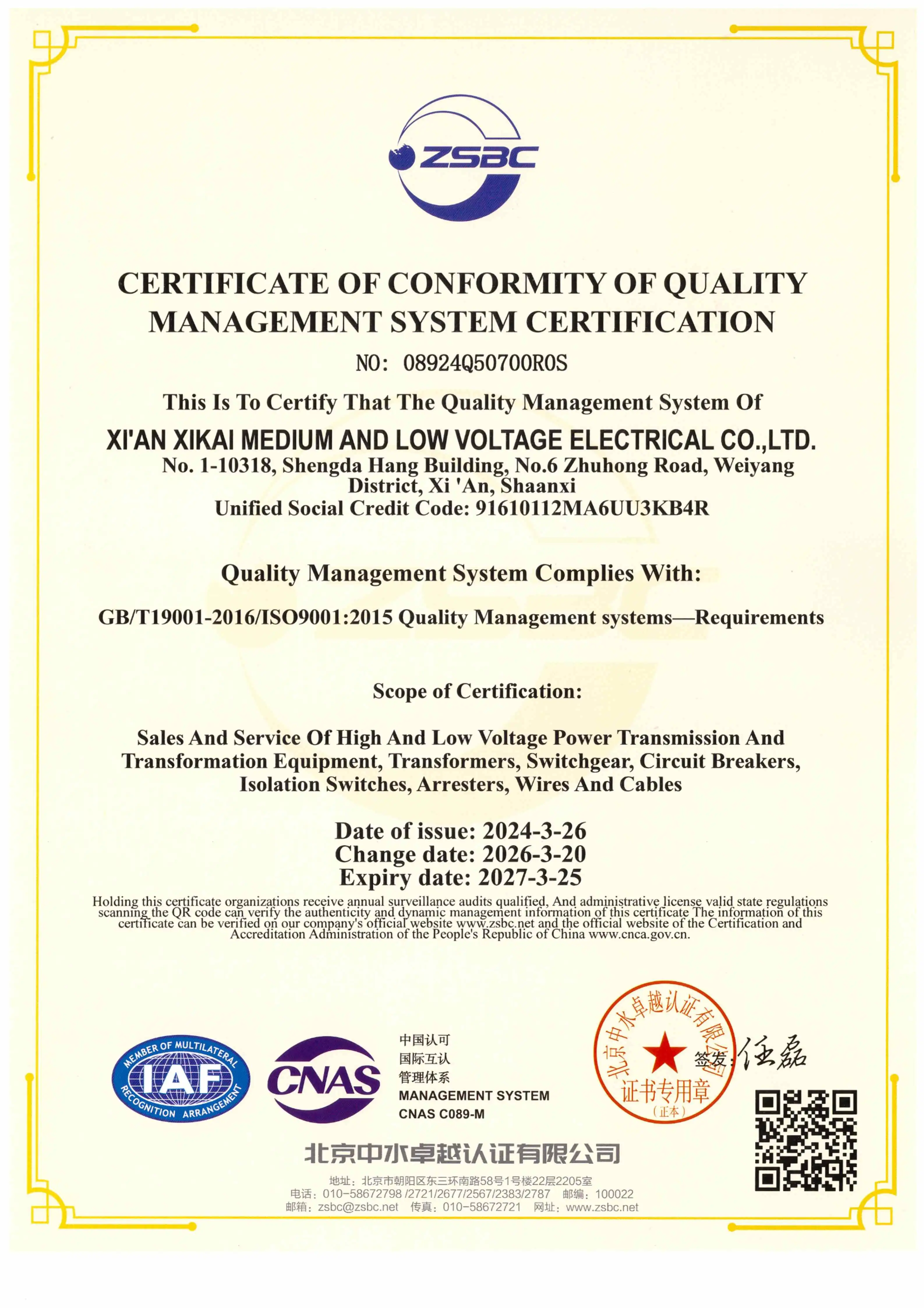
Reputable manufacturers have ISO 9001 quality management certification and sector-specific certifications, such as IEC 61071 for power electronics capacitors. Buyers should look for certificates of conformity that show the manufacturing lot, test results, and material composition. These records help with quality control systems, reporting on regulatory compliance, and handling warranty claims throughout the component's service life.
Sourcing Strategies and Cost Optimization Approaches
Purchasing teams should balance lead times and logistics costs. Items from standard catalogs usually ship within two to four weeks, while custom-engineered solutions for unique voltage ratings or termination styles may take 8 to 16 weeks. Having a strategic inventory of important replacement parts on hand helps avoid emergency purchases and the higher costs associated with expedited shipping or rush production fees.
Maintenance, Lifespan, and Performance Enhancement Tips
Proper management of a Dry-Type Filter Capacitor installation maximizes reliability and extends service life. This involves matching the capacitor specifications to the real-world needs of the system and adhering to strict installation protocols.
Installation Best Practices That Extend Operational Life
The way capacitor banks are arranged physically affects how well they handle heat. A minimum of 50 mm of space between capacitor units is recommended to allow air to flow and stop hotspots from forming. Capacitors that are mounted vertically cool through natural convection. When sizing conductors, cables should be rated for at least 135% of the nominal current to handle the fundamental current plus the expected harmonic content.
Routine Inspection Protocols and Diagnostic Techniques
Regular inspections find problems as they start to develop. Visual checks every three to six months can find terminal corrosion, case bulging, or strange discoloration. Infrared thermography surveys find temperature differences that could mean high ESR or bad electrical connections. If capacitance values drop by more than 10% from the nameplate rating, it indicates significant damage and the need for replacement.
Environmental Factors Affecting Performance and Longevity
Thermal stress from not enough cooling or too many harmonic currents is the main cause of premature failure. When operating temperatures go above design limits, chemicals in dielectric materials break down faster. Corporate sustainability efforts are also aligned with environmental concerns throughout the lifecycle; manufacturers that offer take-back programs make it easier to get rid of old products and ensure that materials like aluminum and copper are correctly recycled.
Conclusion
Modern electrical infrastructure is built around Dry-Type Filter Capacitor technology, which protects sensitive equipment and makes industrial, commercial, and utility applications more energy efficient. Facility managers, system designers, and procurement professionals can choose parts that will work reliably and for a long time if they understand the technical specifications, application principles, and procurement considerations. As power electronics and renewable energy become more common, properly sized filter capacitors will remain necessary to keep power quality high and operations running smoothly.
FAQ
1. What voltage level do I need to give my 480V system?
Choosing capacitors with ratings of 525V or 690V for systems with a nominal voltage of 480V gives you important operational margin. Because of series reactor effects, the voltage rise across capacitors in detuned filter circuits can make the voltage at the terminals 10-15% higher than the line voltage. Temporary overvoltages caused by switching surges and utility disturbances are more reasons to use higher-rated parts.
2. What do filter capacitors do to make sensitive equipment less noisy?
High-frequency harmonic components can use filter capacitors to create low-impedance current paths. Capacitors stop the voltage distortion that damages data, makes microprocessor-based controls act erratically, and speeds up the aging of electronic parts by routing these currents away from loads. Both grid-side disturbances and locally-generated harmonics from non-linear loads are slowed down by capacitors.
3. When is it better to use electrolytic capacitors instead of film capacitors?
Because they can handle more current, have lower ESR, last longer, and fix themselves, film capacitors are the best choice for AC power systems and harmonic filtering. In DC applications like power supply output filtering and motor drive energy storage, electrolytic capacitors' high capacitance density makes up for their higher ESR and shorter lifetime. Electrolytic capacitors cannot handle constant AC voltage.
Partner with Xi'an Xikai for Reliable Power Quality Solutions
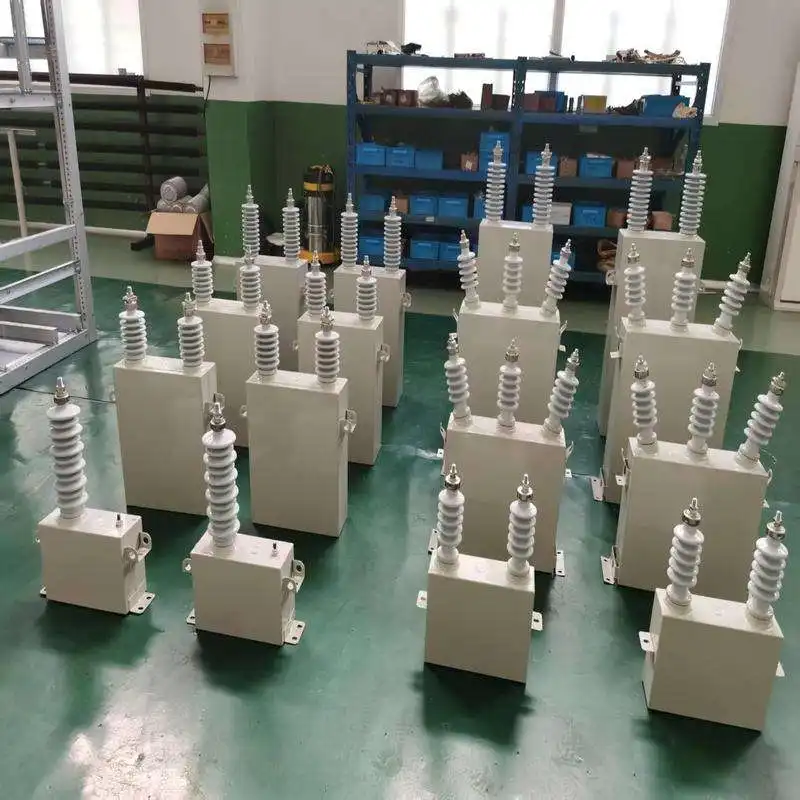
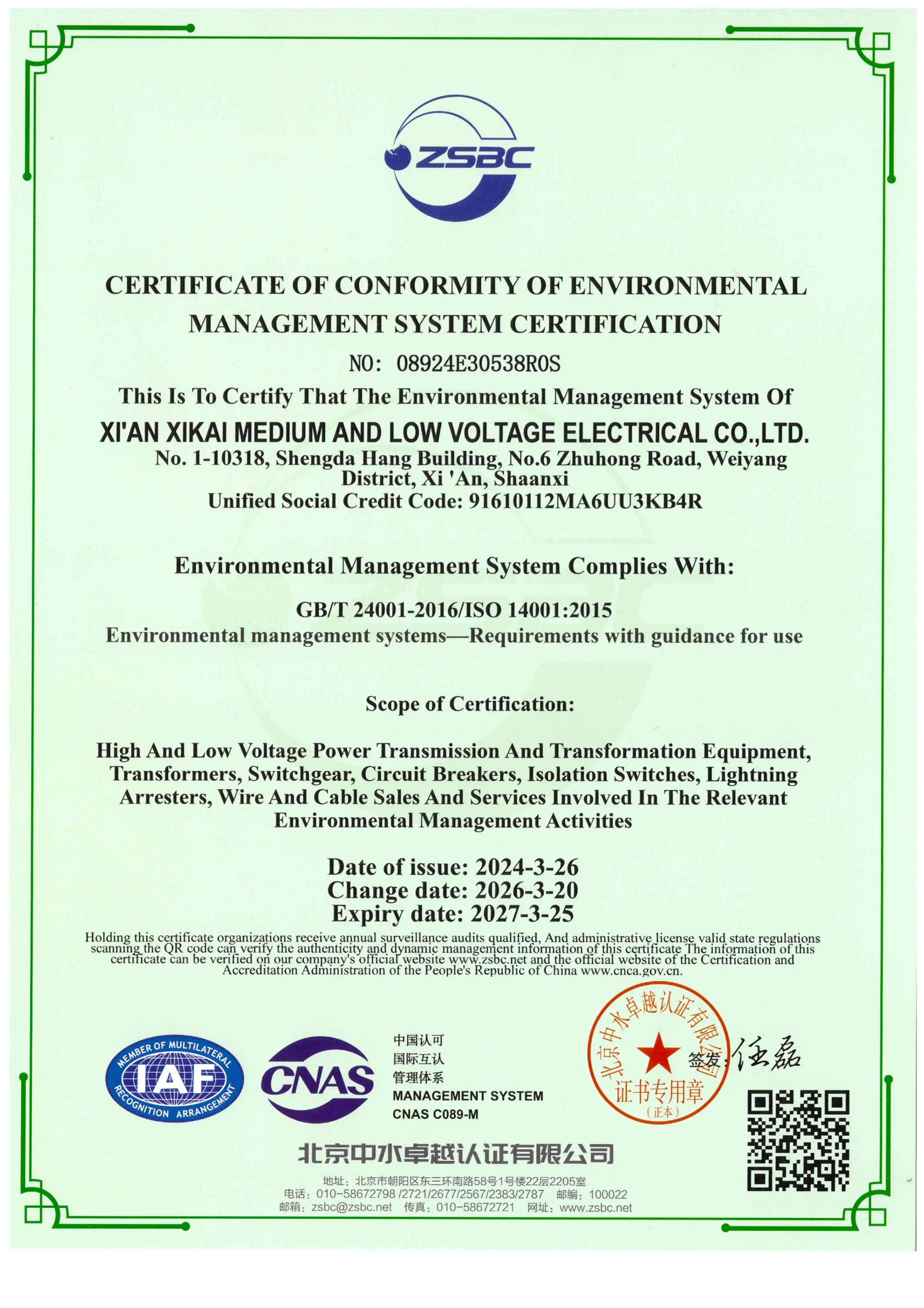
The engineers at Xi'an Xikai, as a trusted Dry-Type Filter Capacitor supplier, have been making high-quality medium- and low-voltage electrical equipment for decades, so they can offer engineered power quality solutions. Our line of filter capacitors, which is made of self-healing metallized polypropylene film and has ratings from 440V to 690V and capacities from 5kV to 100kV, meets the high standards of North American industrial facilities, utility networks, and EPC projects. Email serina@xaxd-electric.com, amber@xaxd-electric.com, or luna@xaxd-electric.com to talk to our technical team about your specific application needs and to ask for custom engineering support. We are happy to take sample orders for testing purposes and can give you detailed technical information to back up your purchasing decisions. Find out why Xi'an Xikai is the low-voltage filter capacitor supplier of choice for many top manufacturers.
|
|
|
|
References
1. Institute of Electrical and Electronics Engineers. IEEE Recommended Practice and Requirements for Harmonic Control in Electric Power Systems (IEEE 519-2014). IEEE Standards Association, 2014.
2. McLaren, Peter G., and Rashid Mustafa. Power System Capacitors: Theory, Application and Protection. British Electrical and Allied Manufacturers Association Technical Publications, 2018.
3. International Electrotechnical Commission. Shunt Capacitors for A.C. Power Systems Having a Rated Voltage Above 1000V – Part 1: General (IEC 60871-1:2014). IEC Standards Publications, 2014.
4. Heathcote, Martin J. The J & P Transformer Book: A Practical Technology of the Power Transformer, 13th Edition. Newnes Publishing, 2017.
5. National Fire Protection Association. NFPA 70: National Electrical Code 2023 Edition. NFPA Publications, 2022.
6. Das, J.C. Power System Harmonics and Passive Filter Designs. IEEE Press Series on Power Engineering, Wiley-IEEE Press, 2015.