Understanding Dry-type Reactors: Construction, Uses, and Pros
2026-05-21 15:41:05
It is very important to choose the right reactive power adjustment equipment, such as a Dry-type Iron Core Reactor, when controlling the quality of the power in factories, data centers, or utility systems. Dry-type Iron Core Reactors have become reliable options because they are safe, don't harm the environment, and work well. Instead of oil, these devices use air cooling and solid insulation, so they can be used indoors and in places that are good for the environment. Knowing how they are built, how they work, and what they can be used for helps buying teams, engineers, and building workers make smart choices that protect equipment, improve power quality, and lower long-term costs.
 |
 |
What is a Dry-type Iron Core Reactor?
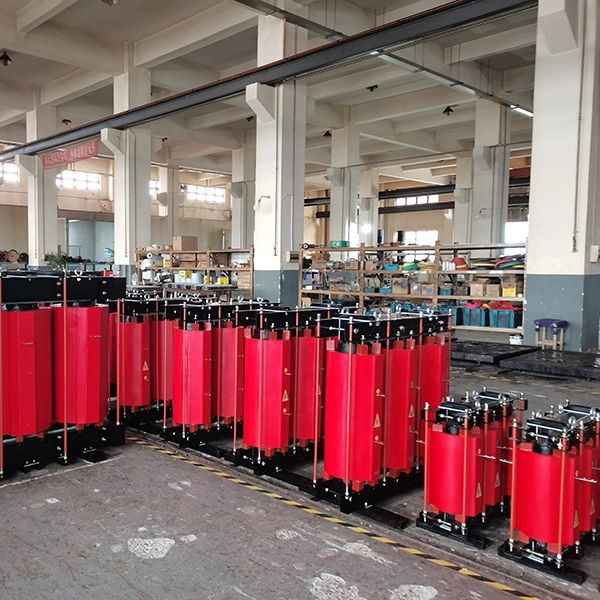
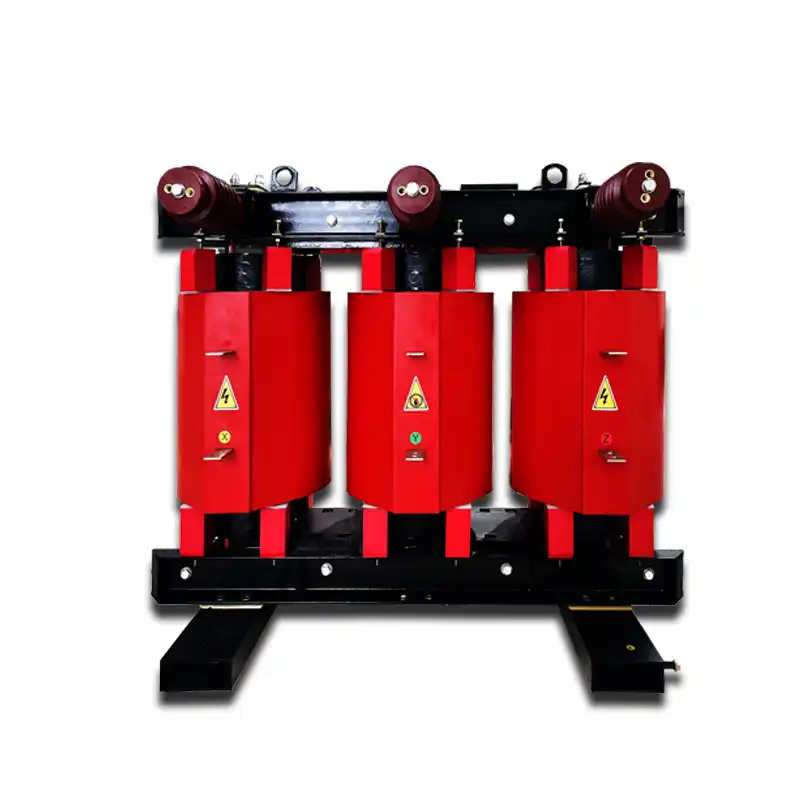
The copper or aluminum windings that surround a layered silicon steel core make up a Dry-type Iron Core Reactor. Instead of insulating oil, air is used to cool the reactor. This design gets rid of the fire and pollution risks that come with options that are filled with liquid. When compared to air-core designs, the iron core keeps magnetic flux within a smaller area. This lowers stray electromagnetic interference that can damage sensitive electronics nearby.
Core Construction and Insulation Technology
Grain-oriented silicon steel sheets are stacked and glued together in the layered core to keep eddy current losses to a minimum. Engineers divide the core into sections with carefully cut air holes. This keeps the linear inductance even when the current load is high. This divided structure keeps the magnetic field from becoming too strong, so it works consistently even when conditions change. When vacuum pressure is used to impregnate windings with epoxy glue, a barrier is formed that keeps out wetness and can handle changes in temperature and mechanical stress. The glass fiber strengthening makes the structure stronger, so the coil can handle short-circuit forces that are more than 100 times the maximum current. This way of sealing also lowers partial discharge activity to almost nothing, which increases safety and extends the life of the insulation.
Operational Principles
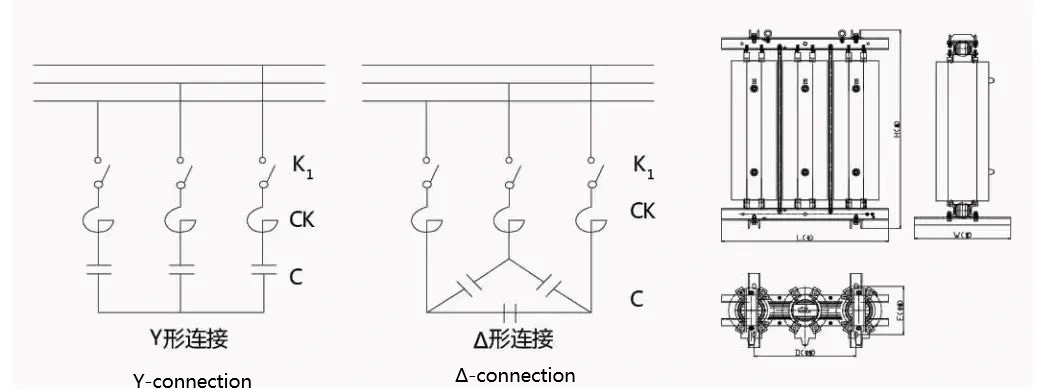
The reactor adds magnetic reactance to electrical connections and can do more than one thing based on the needs of the system. It creates a tuned filter circuit that targets certain harmonic frequencies when linked in series with capacitor banks. These frequencies are usually the 5th, 7th, 11th, and 13th harmonics that are made by variable frequency drives, rectifiers, and other non-linear loads. Because it is magnetic, the iron core can be tuned very precisely, and it can soak up harmonic currents before they spread through the distribution network. In reactive power compensation uses, the device restricts inrush currents while the capacitor switches on and off. This keeps equipment further down the line safe from sudden changes in voltage. Its ability to smooth out current patterns makes power factor correction work better overall, puts less stress on transformers, Dry-type Iron Core Reactor and makes capacitors last longer.
Advantages and Applications of Dry-type Iron Core Reactors
These reactors are especially helpful for places that put safety, following the rules, and efficient care at the top of their list of priorities. Since there are no explosive liquids, the system can be installed in buildings that are already occupied, in underground vaults, and close to important infrastructure without the need for extra fire control systems. Environmental rules are favoring Dry-type Iron Core Reactors more and more, especially in urban substations where oil leaks could pollute the groundwater or dirt.
Safety and Environmental Benefits
If you get rid of the oil, there is no longer any chance of disasters like fires or toxic spills. Maintenance staff can check out and fix these units without having to learn special ways to handle dangerous materials. The sealed resin construction keeps dust and water out, so the dielectric strength stays the same even in tough industrial settings with a lot of wetness or toxic particles in the air. Thermal management depends on either natural or controlled air flow, and when it's running all the time, the temperature rise is usually limited to 95°C. This mild warmth lowers the temperature stress on nearby equipment and makes airflow easier than oil-cooled options, which need their own cooling systems.
Maintenance and Reliability Considerations
Visual checks for dirt on the surface, thermal imaging to find hotspots that mean connections are weak, and tests of insulation resistance on a regular basis are all part of routine maintenance. Since there is no oil, there is no need for dissolved gas analysis, filter, or fluid refill, all of which take time and resources when designs are submerged in oil. When used within the recommended limits, the expected service life is more than 25 years, with decline happening slowly rather than quickly. Because of this expected pattern of wear and tear, managers can plan replacements for planned downtime instead of having to deal with emergency failures that stop production.
Dry-type Iron Core Reactor vs Other Reactor Technologies
To choose the right Dry-type Iron Core Reactor technology, you need to know how the different types deal with different practical problems and limits. Depending on the power level, available room, weather conditions, and safety standards, each type has its own benefits.
Comparison with Oil-Immersed Reactors
In the past, oil-immersed systems were the most common in high-voltage uses because they were better at cooling and could handle more pressure. But they come with problems, like the need for regular oil tests, tracking for leaks, and environmental responsibility. More and more, regulatory agencies are limiting their use near rivers or environments that are sensitive. Dry-type Iron Core Reactors get rid of these worries, but they need to be able to handle slightly higher working temperatures and bigger sizes while still having the same ratings. Based on economic research, higher original purchase prices are usually canceled out by lower insurance fees and upkeep costs within five to seven years of operation.
Air Core Reactor Characteristics
It is possible for air core reactors to have constant inductance over a wide range of currents without Dry-type Iron Core Reactor worrying about magnetic saturation. Their simple design lowers the cost of production, but because they don't have a magnetic core, they need a lot more copper to have the same reactance values. In turn, this makes the size and weight bigger. More importantly, designs with an air core create strong stray magnetic fields that can cause eddy currents in metal structures nearby, which heats them up without their permission. Installation needs a lot of space between the equipment, cable trays, and walls, which can be a big problem in substations or industrial facilities that are short on space.
Performance Trade-offs
When compared to air core alternatives, Dry-type Iron Core Reactors made of layered steel have 60–70% higher inductance density. This means they take up less space and cost less to build. The limited magnetic flux makes it possible to place it in metal cases without creating flowing currents. Core losses, on the other hand, make the efficiency a little lower, usually between 98.5% and 99.2%, based on how well the design is optimized.
How to Choose the Right Dry-type Iron Core Reactor for Your Business
The first step in making a specification for a Dry-type Iron Core Reactor is to do a full study of the power quality. This includes finding out the harmonic spectrum features, reactive power needs, and fault current limits. This information tells us about important things like the maximum voltage, the current capacity, the reactance percentage, and the stability needs.
Electrical Performance Criteria
The reactance ratio is chosen based on the harmonic orders that need to be reduced. When you put together a 6% reactor and capacitors, you get a tuned circuit that resonates below the 5th harmonic. This absorbs these frequencies while keeping the grid resistance from echoing. For applications that want to target more than one harmonic order, they might need custom reactance numbers or more than one filter step. Linearity requirements make sure that the speed stays the same even when the load changes. Good reactors can handle short-term overloads like when a motor starts up, or a capacitor switches states, because they can keep their rated reactance up to 1.35 times the standard current without getting too hot. Check the manufacturer's test results that show the inductance stays stable over the whole working range. The thermal class number tells you the highest temperature that can rise. Class F insulation (155°C) works well in most indoor settings, while Class H insulation (180°C) gives you more room for error in hot areas or situations where you need to handle too much power. When measuring temperature rise, it's important to note the type of cooling used (for example, natural airflow vs. forced air), since these have a big impact on thermal performance.
Technical Support and Services
Application engineering help is the first part of comprehensive support. This helps figure out the best reactor designs for each power quality goal. Before buying equipment, experienced providers offer computer modeling that shows how projected harmonic reduction and power factor increase will work. Installation instructions cut down on the time it takes to set up and avoid damage from handling or connection mistakes. Some makers offer field supervision during the initial setup to make sure everything works right and record standard readings for later use. Ongoing support includes help with fixing problems, access to new parts, and suggestions for improving performance as the facility's loads change. Building ties with expert teams that are quick to respond cuts down on downtime when questions come up during regular repair or changes to the system.
Future Trends and Innovation in Dry-type Iron Core Reactor Technology
As technology keeps getting better, Dry-type Iron Core Reactor design, production, and use in current power systems are all changing. New technologies are making things more efficient, leaving less of an impact, and being easier to watch, all of which are in line with Industry 4.0 goals.
Advanced Materials and Manufacturing
More research into amorphous metal alloys and nanocrystalline cores could lead to even lower core losses, which could lead to efficiency gains of 1% to 2%. These materials have higher magnetic permeability and lower hysteresis losses. A dry-type iron core reactor allows core sizes to get smaller without lowering inductance values. Using additive manufacturing lets you make complicated coil shapes that improve how current flows and heat is removed. Three-dimensional printing of special insulation parts makes cooling channels and fixing holes that are built in, which cuts down on building time and makes the parts stronger.
Smart Monitoring and Predictive Maintenance
In real time, embedded sensors check for temperature changes, vibrations, and partial discharge activity. They send this information to central control systems using industrial IoT protocols. Machine learning systems look at patterns to figure out what repair needs to be done before speed drops and power quality is affected. Control methods can be organized when they are integrated with building management systems. Reactors with electrical tracking change the speed of their cooling fans based on the amount of heat being produced. This saves energy when the load is low and makes sure there is enough cooling when demand is high.
Renewable Energy Integration
As more solar and wind power is produced, grid-connected transformers need more complex filters to meet stricter guidelines for power quality. Manufacturers of reactors create unique designs that work best with the fast-switching features of silicon carbide and gallium nitride power semiconductors. These designs stop high-frequency harmonics that regular designs don't do a good job of dealing with. Modular reactor designs make operation scalable so that it can keep up with the addition of green power. Prefabricated filter systems put reactors, capacitors, and switching equipment in small housings, which speeds up installation and makes field setup easier.
Conclusion
In conclusion, Dry-type Iron Core Reactors are used in many industrial, business, and utility settings to control the quality of power. Because they are made without oil, they don't pose any environmental risks and work well for harmonic filtering, reactive power replacement, and current limiting. Compared to other technologies, they offer good performance by having small sizes, magnetic fields that stay inside, and easy upkeep needs. To write a good blueprint, you need to carefully look at the electricity factors, the surroundings, and the supplier's skills. As power systems get more complicated with more computer loads and green energy being added, these reactors keep getting better by using new materials and smart tracking technologies that make operations clearer and more reliable.
FAQ
1. What distinguishes Dry-type Iron Core Reactors from oil-immersed models?
Instead of mineral oil, Dry-type Iron Core Reactors use air cooling and solid epoxy protection. This gets rid of the risk of fire and the chance of polluting the environment. This means they can be installed indoors near busy areas without the need for special control systems. However, these systems usually work at slightly higher temperatures and need bigger measurements to have the same ratings.
2. How often should repairs be done in a business setting?
Visual checks and temperature scans once a year are enough to keep most systems working within their rated limits. Electrical connections should be thoroughly tested for insulation resistance and torque every three to five years. The sealed design keeps out pollution, so it needs less upkeep than oil-filled options that need fluid analysis and filtering on a regular basis.
3. Can reactors be changed to meet special needs for power and current?
To meet the needs of different applications, manufacturers often change reactance rates, voltage values, and temperature classes. Custom designs can be made to fit odd-shaped parts, mounting arrangements, or weather conditions like high altitudes, extreme temperatures, or harmful atmospheres. To make sure the best design, give thorough requirements during the quote process, such as harmonic spectrum data and room limitations.
Partner with Xi'an Xikai for Premium Dry-type Iron Core Reactor Solutions
Through our modern CKSC Dry-type Iron Core Series Reactors, Xi'an Xikai provides specialized power quality solutions made just for tough industry and utility uses. Our vacuum-cast epoxy resin technology gives it better resistance to wetness and mechanical strength. Segmented air-gap cores keep noise levels below 75 dB, which is important for industrial and urban substations. As a Dry-type Iron Core Reactor manufacturer, we have over 500 sites in 20 countries. Our products are reliable and can be customized to meet power needs up to 110kV. Our scientific team offers full support from developing specifications to putting the system into service. They are backed by more than 30 patents in heat management and noise reduction. Get in touch with our experts at serina@xaxd-electric.com, amber@xaxd-electric.com, or luna@xaxd-electric.com to talk about your power quality problems and get custom reactor solutions that make your system more stable and meet strict safety standards.
References
1. Institute of Electrical and Electronics Engineers (2019). IEEE Standard for Shunt Power Capacitors. IEEE Std 18-2012 (Revision of IEEE Std 18-2002).
2. International Electrotechnical Commission (2020). Reactors – Part 1: General Requirements. IEC 60289:2020 Edition 4.0.
3. Chapman, S. J. (2021). Electric Machinery Fundamentals, 6th Edition. McGraw-Hill Education, New York.
4. Dugan, R. C., McGranaghan, M. F., Santoso, S., & Beaty, H. W. (2017). Electrical Power Systems Quality, 3rd Edition. McGraw-Hill Professional, New York.
5. National Electrical Manufacturers Association (2018). NEMA Standards Publication PE 1: Procedures for Determining Losses in Reactors. National Electrical Manufacturers Association, Rosslyn, Virginia.
6. Wu, B., & Narimani, M. (2017). High-Power Converters and AC Drives, 2nd Edition. IEEE Press, Wiley-Blackwell, Hoboken, New Jersey.