Uses of Low Voltage Withdrawable Switchgear in MCC Systems
2026-04-22 16:31:59
Low Voltage Withdrawable Switchgear is an important part of managing Motor Control Centers (MCC) because it protects motors safely, makes maintenance easier, and gives you more operational options. Withdrawable units are different from fixed installations because technicians can take out individual circuit breakers or functional modules without turning off the whole system. This design cuts down on downtime by a large amount during inspections or part replacements. This makes it essential for factories, data centers, and other critical infrastructure where uninterrupted operation is key to making money and providing reliable services.
|
|
|
Understanding Low Voltage Withdrawable Switchgear in MCC Systems
What Defines Low Voltage Withdrawable Switchgear
Individual functional units—often referred to as drawers or cassettes—can be physically removed from the main enclosure while still maintaining safe isolation from live busbars in Low Voltage Withdrawable Switchgear, which represents a modular approach to electrical distribution. These systems work at voltages usually below 1000V and do things like starting motors and protecting feeders in industrial MCC configurations. The mechanism can be pulled out and has mechanical interlocks that keep people from touching live parts by accident. This meets the safety standards that purchasing managers and facility engineers look for in equipment for high-traffic industrial settings.
Core Components and Operating Principles
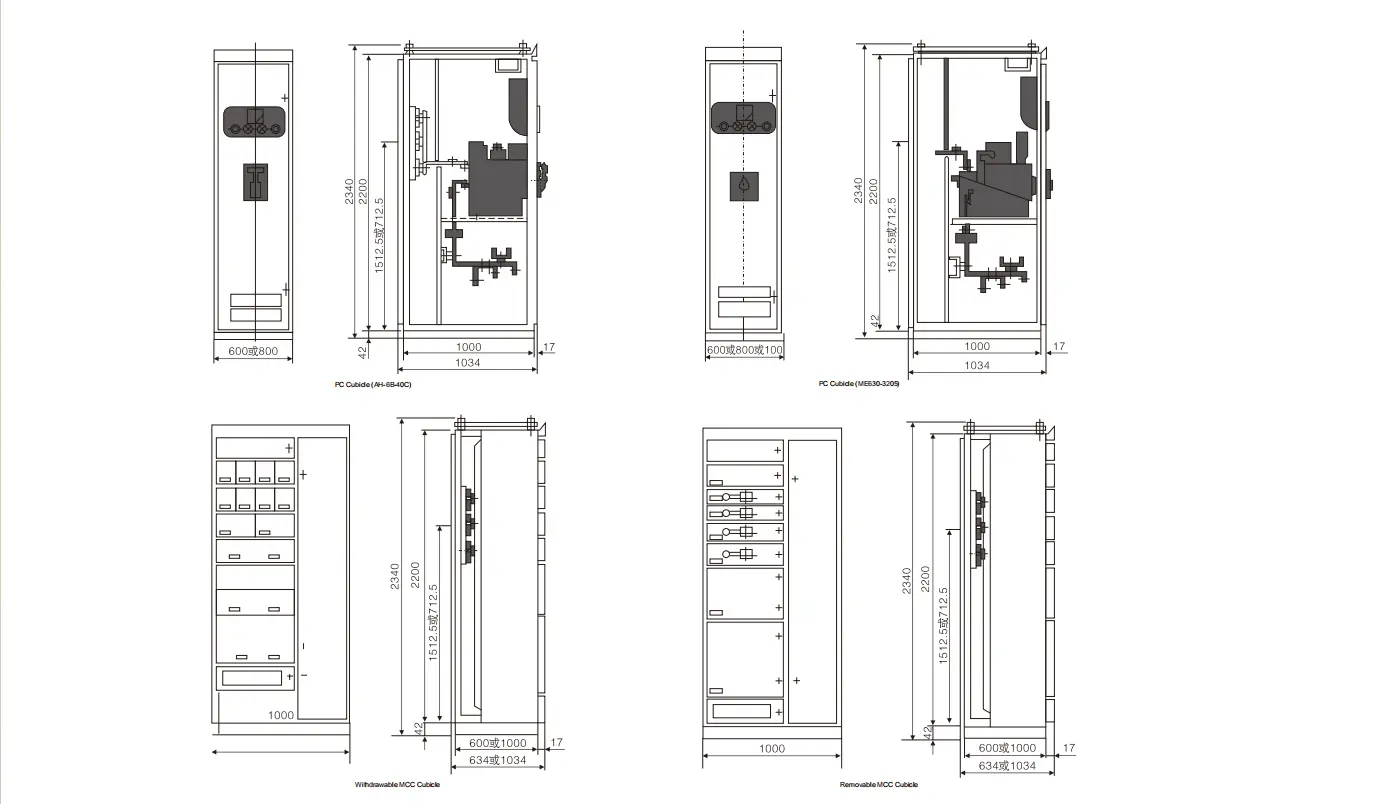
In a self-contained module, each withdrawable unit has a circuit breaker, control relays, and terminal connections. When an operator turns on the withdrawal mechanism, the spring-loaded contacts automatically separate from the fixed busbar system. This makes it safe to handle. The modular architecture separates the MCC cabinet into three separate areas: the busbar chamber, the functional unit space, and the cable termination zone. Insulated barriers separate each area. This separate area stops arc flashes from spreading and lets parts be swapped out quickly without putting people at risk of dangerous voltages, which is very important for factories that run continuous production lines.
Integration Within MCC Architectures
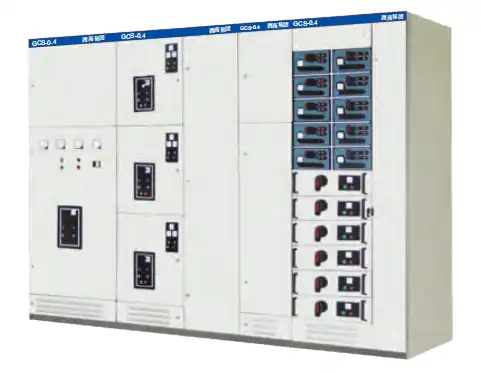
Modern MCC systems that use switchgear that can be removed have a very high circuit density, with 8 to 11 functional units often fitting in a single vertical column. This is shown by the GCS-0.4 Withdrawable Low Voltage Switchgear, which can handle rated frequencies of 50/60Hz and insulation voltages of up to 1000V. Its standard footprint makes sure that it works with existing MCC frameworks, whether you are updating old installations or planning new ones. Because it is modular, adding more capacity is easier—adding new motor control circuits only requires adding more drawers instead of rearranging whole cabinets. This saves engineers' time and reduces waste.
Adding withdrawable switchgear to supervisory control systems makes it easier to see what's going on in the field. Modern units have communication modules that send data to central monitoring platforms in real time about load currents, fault events, and temperature conditions. This connectivity helps planned maintenance by letting engineers know about strange vibration patterns or temperature changes before they happen.
Key Uses and Applications of LVWS in MCC Systems
Motor Control and Protection in Heavy Machinery
Low Voltage Withdrawable Switchgear controls motors in industrial equipment like conveyors and pumps, offering high breaking capacity up to 50kA for fault protection. Protective relays isolate overloaded circuits without affecting others. Case studies show reduced downtime and faster maintenance, with unit replacement times dropping significantly. This improves operational continuity, minimizes production losses, and helps facilities avoid penalties linked to unexpected shutdowns or delayed output.
Power Distribution in Commercial and Infrastructure Projects
Low Voltage Withdrawable Switchgear ensures reliable power distribution in hospitals, data centers, and commercial buildings by enabling quick fault isolation and backup power routing. Withdrawable units allow inspection without shutting down critical systems like HVAC or servers. Modular designs support scalable expansion, simplify inventory management, and align with uptime requirements, making them ideal for environments where power continuity directly impacts operational and financial performance.
Energy Management and Smart Automation Integration
Low Voltage Withdrawable Switchgear integrates with Industry 4.0 systems through sensors and communication protocols like Modbus and Ethernet. It enables real-time monitoring of voltage, power factor, and energy usage. Automation systems use this data to optimize load control and reduce energy waste. Facilities adopting these systems report 12–18% energy savings, improved efficiency, and readiness for future digital operations with remote monitoring and adaptive control capabilities.
Comparing LVWS with Fixed and Cassette Type Switchgear for MCC
Withdrawable vs. Fixed Switchgear: Maintenance and Flexibility
Low Voltage Withdrawable Switchgear offers superior flexibility compared to fixed systems, allowing individual unit removal without shutting down adjacent circuits. Fixed switchgear requires full section shutdown for maintenance, increasing downtime. Withdrawable designs include safety interlocks preventing unsafe operation. Although initial costs are higher, reduced downtime and maintenance efficiency result in lower lifecycle costs, making them suitable for continuous industrial operations.
Structural Differences: Cassette Type Configurations
Low Voltage Withdrawable Switchgear differs from cassette systems mainly in extraction direction and compartmentalization. Withdrawable units use vertical extraction with separated compartments, improving safety and reducing arc flash risk. Cassette systems slide horizontally and suit limited vertical spaces but may require more floor area. Selection depends on facility constraints like layout, ceiling height, and maintenance preferences, with both options offering improved serviceability over fixed designs.
Performance and Safety Considerations
Low Voltage Withdrawable Switchgear excels in environments requiring frequent testing and configuration changes. Its physical isolation enhances safety during maintenance and training. With high breaking capacity, it protects equipment from fault currents. Compared to fixed systems, it allows targeted servicing without widespread shutdowns, especially beneficial in large MCC setups. These features improve operational reliability and reduce risks in complex industrial installations.
Selecting and Procuring Low Voltage Withdrawable Switchgear for MCC Systems
Critical Technical Specifications
Low Voltage Withdrawable Switchgear selection depends on voltage, current ratings, and breaking capacity. Systems typically range from 660V to 1000V and 630A to 4000A, with safety margins required above peak loads. Breaking capacity, often up to 50kA, must match fault conditions. Compliance with IEC or UL standards ensures safety and reliability, making certified equipment essential for long-term performance and regulatory acceptance.
Evaluating Manufacturer Capabilities
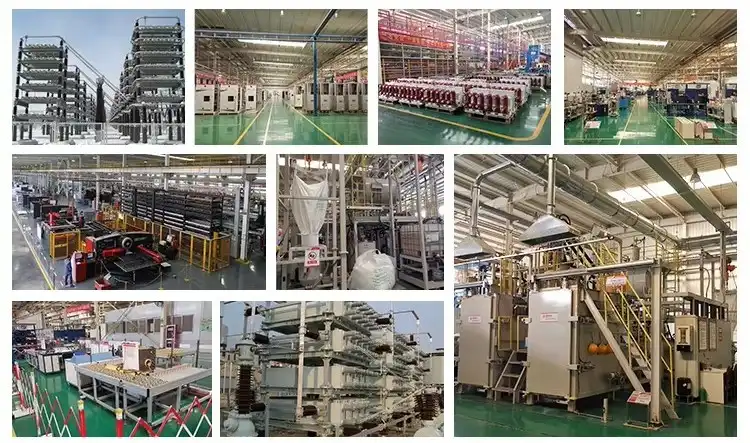
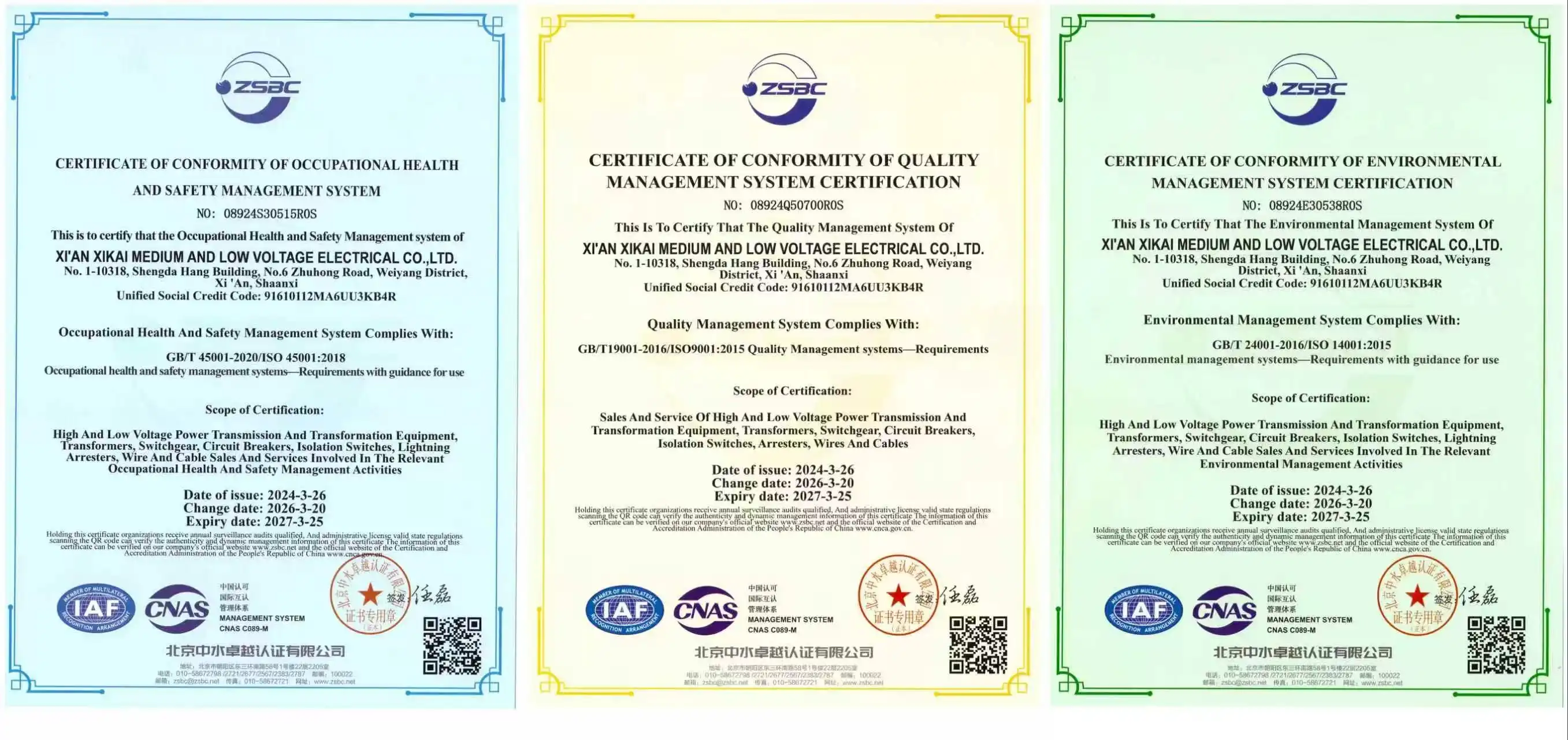
Choosing suppliers for Low Voltage Withdrawable Switchgear requires reviewing certifications like ISO 9001 and ISO 14001, as well as manufacturing technologies. Advanced production methods ensure precision and reliability. Warranty terms indicate product confidence, while strong technical support aids design and commissioning. Suppliers with dedicated engineering teams help optimize configurations, reducing project delays and ensuring proper system integration.
Procurement Logistics and Customization
Low Voltage Withdrawable Switchgear procurement involves lead times of 8–12 weeks, extended for custom configurations. Coordinating orders with project schedules avoids delays. Bulk purchasing reduces costs, especially for multi-site projects. Modular designs allow flexible ordering and future expansion. Proper packaging and logistics planning protect equipment during transport, while experienced freight handling ensures compliance with international shipping requirements.
Maintenance and Safety Best Practices for LVWS in MCCs
Routine Inspection Schedules and Wear Points
Regular maintenance of Low Voltage Withdrawable Switchgear includes quarterly inspections for contact wear, arcing, and buildup. High-use systems may require contact replacement every 3–5 years. Thermal imaging identifies overheating connections early, while lubrication ensures smooth operation of mechanical parts. Proper maintenance records support performance tracking and compliance, improving reliability and extending equipment lifespan.
Built-in Safety Features and Operator Training
Low Voltage Withdrawable Switchgear incorporates safety interlocks preventing operation under unsafe conditions. Visual indicators show unit status clearly. Training programs must cover operation, maintenance, and emergency procedures. Compliance with safety standards like NFPA 70E ensures proper PPE use. Effective training and safety systems reduce risks, protect workers, and maintain operational integrity in industrial environments.
Preventing Common Installation Pitfalls
Proper installation of Low Voltage Withdrawable Switchgear ensures long-term reliability. Environmental conditions must match equipment ratings, with added protection for harsh climates. Adequate spacing improves maintenance safety and accessibility. Correct cable termination and labeling prevent faults and simplify troubleshooting. Attention to installation details reduces future maintenance issues and ensures efficient operation throughout the system’s lifecycle.
Conclusion
The serviceability, safety, and operational flexibility of Low Voltage Withdrawable Switchgear are unmatched by fixed alternatives and completely transform MCC operations. Being able to get rid of individual functional units without shutting down the whole system protects production schedules and revenue streams that are very important for keeping businesses competitive. Modern designs, like the GCS-0.4, have a high breaking capacity and a modular architecture that makes them useful for a wide range of uses, from heavy manufacturing to mission-critical data centers. When buying something, it's better to look at the total cost over time instead of just the initial cost. This is because withdrawable configurations always show better value through less downtime and easier maintenance procedures. Choosing the right specifications, working with experienced manufacturers, and following strict maintenance procedures will help you get the most out of these benefits over many decades of service.
Frequently Asked Questions
1. How does withdrawable switchgear differ from fixed configurations?
Low Voltage Withdrawable Switchgear has functional units that can be taken out and put back in, like circuit breakers and control assemblies. These units physically separate from the main busbar system using mechanisms that pull them out. All parts of fixed switchgear are permanently attached, so the whole system has to be turned off before it can be serviced. With the withdrawable format, maintenance can be done on individual circuits while units next to them stay running. This greatly reduces the amount of downtime needed in continuous-process facilities compared to fixed installations, which need longer periods of downtime.
2. What factors determine compatibility with existing MCC systems?
It depends on the physical dimensions, how the busbars are set up, and the voltage ratings. Standardized designs, like the GCS-0.4, specify the sizes of the drawers and the ways they connect, so products from the same family can be used together. When adding new features to older installations, make sure that the busbar's voltage ratings, current capacity, and physical mounting dimensions are all the same as the ones that are already there. If you talk to manufacturers about hybrid configurations that can fit both old and new withdrawable units, you can avoid expensive installation problems.
3. What lead times should procurement managers expect?
Standard configurations for Low Voltage Withdrawable Switchgear usually ship 8 to 12 weeks after an order is confirmed. Custom specifications that include unique metering, communication protocols, or environmental ratings add two to four weeks to the lead time. When you ship something internationally, the transit time changes depending on where it's going. For example, it takes 4-6 weeks for ocean freight to deliver goods from Asia to North America. Critical path delays in construction projects can be avoided by planning procurement schedules around these dates and making backup plans.
Partner with Xi'an Xikai for Your MCC Switchgear Needs
Xi'an Xikai offers tried-and-true Low Voltage Withdrawable Switchgear solutions that have been used in over 30 countries and built up over 15 years of experience. Our GCS-0.4 series offers competitive performance and a range of configurations to meet a wide range of industrial and commercial needs. As a manufacturer of high-quality Low Voltage Withdrawable Switchgear, we offer full support, from helping with specifications to commissioning and beyond. To talk about your MCC needs, email serina@xaxd-electric.com, amber@xaxd-electric.com, or luna@xaxd-electric.com to our technical team. Find out how our ISO-certified manufacturing processes and application knowledge can help you improve your power distribution infrastructure in a reliable and cost-effective way.
References
1. Institute of Electrical and Electronics Engineers. (2019). IEEE Standard for Low-Voltage AC Power Circuit Breakers Used in Enclosures. IEEE Std C37.13-2019.
2. National Electrical Manufacturers Association. (2020). Low Voltage Switchgear and Controlgear Assemblies – General Rules. NEMA ICS 18-2020.
3. International Electrotechnical Commission. (2021). Low-voltage switchgear and controlgear assemblies – Part 2: Power switchgear and controlgear assemblies. IEC 61439-2:2021.
4. Beaty, H. Wayne and Fink, Donald G. (2018). Standard Handbook for Electrical Engineers, Seventeenth Edition. McGraw-Hill Education.
5. Das, J.C. (2021). Arc Flash Hazard Analysis and Mitigation in Low-Voltage Power Systems. IEEE Press.
6. Grainger, John J. and Stevenson, William D. (2020). Power System Analysis and Design, Seventh Edition. Cengage Learning.