Vacuum Circuit Breaker: Working & Its Applications
2026-08-10 10:58:37
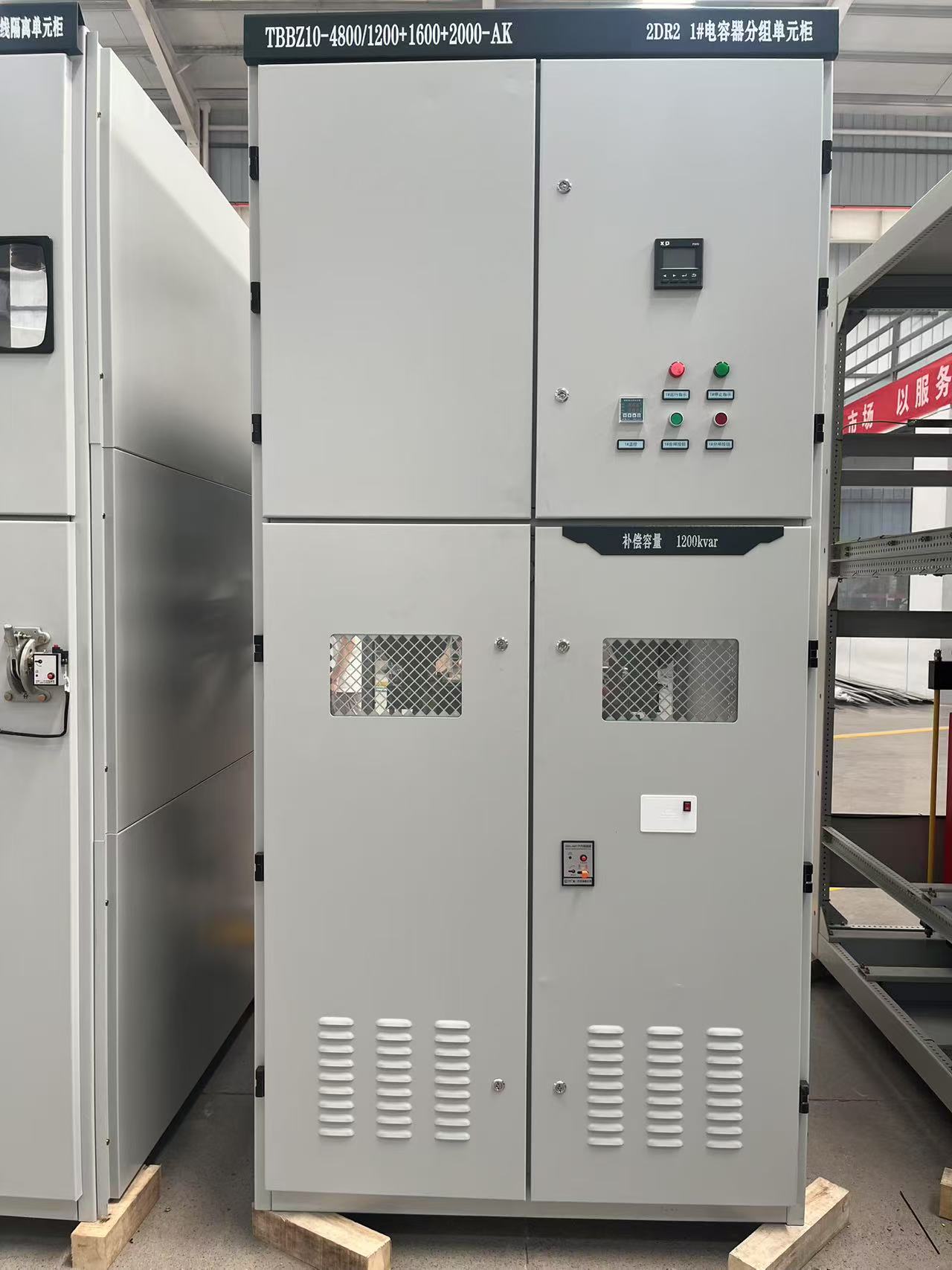
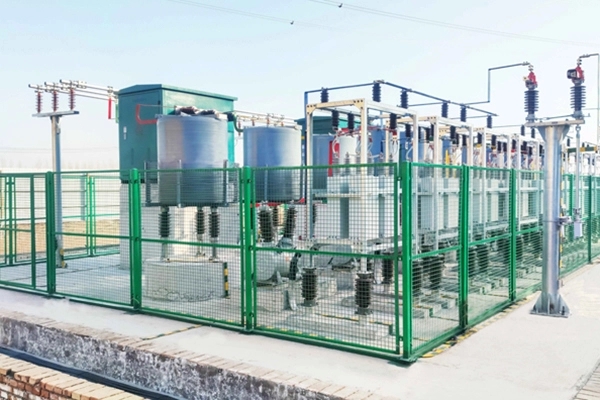
A vacuum circuit breaker is a protective switching device that interrupts fault currents by extinguishing electrical arcs within a sealed vacuum chamber. Unlike traditional oil- or air-based breakers, these devices leverage the superior dielectric properties of vacuum to quickly isolate faults in medium-voltage power systems. Widely deployed in substations, industrial plants, and renewable energy installations, they deliver exceptional reliability while minimizing environmental impact. Understanding how these breakers function and where they excel helps facility operators, utility companies, and engineering firms make informed procurement decisions that protect critical infrastructure and optimize operational uptime.
Understanding Vacuum Circuit Breakers: Working Principles and Key Components
What Makes Vacuum Technology Superior
There is a safety switch called a vacuum circuit breaker that stops fault currents by putting out electrical arcs inside a vacuum chamber. These devices are different from standard oil- or air-based breakers because they use the better dielectric properties of vacuum to quickly find problems in medium-voltage power lines. They are widely used in substations, industrial plants, and green energy systems because they are very reliable and have little effect on the environment. Knowing how these breakers work and where they do their best helps facility managers, utility companies, and engineering firms make smart buying decisions that protect important infrastructure and increase uptime.
The best thing about vacuum interrupters is that they can put out arcs faster than any other material. When contacts break apart during a fault situation, an arc appears in a vacuum where free electrons and ions move around quickly and lose energy. If there is no air or gas molecules to keep the plasma going, the arc goes out on its own in milliseconds, or usually in less than half a cycle at 50Hz frequency. This sudden stoppage keeps the contacts and shielding around them from getting damaged by heat, which greatly extends the device's useful life.
Core Components That Drive Performance
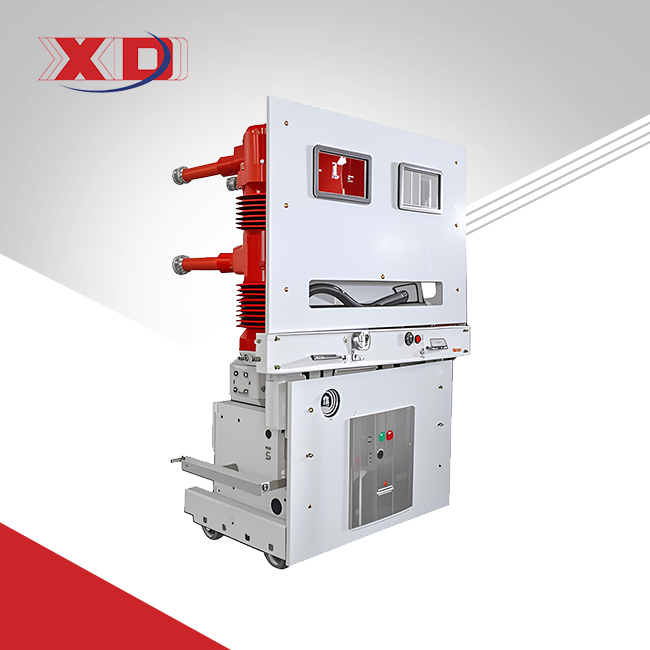
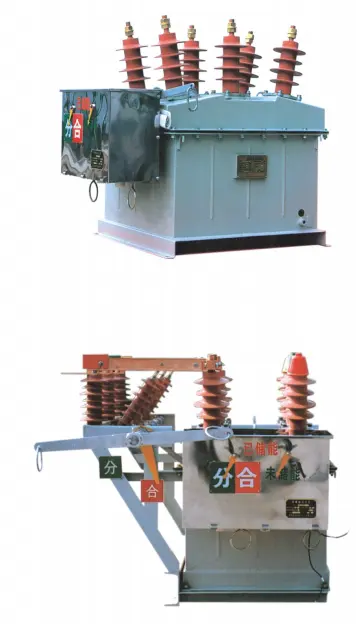
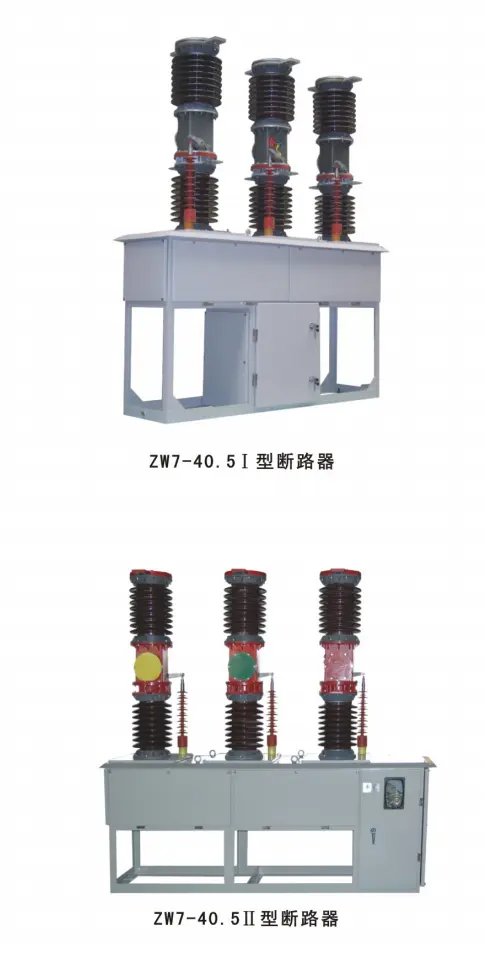
A normal unit is made up of several parts that work together seamlessly. The vacuum interrupter has fixed and moving contacts that are locked inside a glass or ceramic case. This keeps the vacuum pressure below 10⁻⁴ Pa. The operating mechanism, which is usually a spring-loaded system, gives the contacts the mechanical force they need to move apart quickly during fault detection. Protective switches send signals to trip coils, which then react. The insulating frame keeps live parts from touching the box. Modern styles use solid-embedded poles that make them more resistant to contamination. This is especially helpful in dusty factories or coastal areas where salt mist speeds up degradation.
Arc Extinction Process Explained
When everything is working normally, the contacts of the vacuum circuit breaker stay closed, and the rated current flows through them with little resistance. The safety system sends a trip signal to the working mechanism when there is a short circuit. As the current keeps flowing through the ionised metal vapour, the contacts break apart very quickly, making the first arc. This arc loses energy quickly in the vacuum chamber because electrons can't hit gas molecules to keep the plasma going. When the natural current zero crossing happens in AC systems, the arc goes out totally, and the vacuum's dielectric strength returns almost instantly. This keeps the arc from starting up again, even when there are high transient recovery voltages. This system makes sure that the breaking ability stays the same over thousands of processes without any maintenance.
Advantages of Vacuum Circuit Breakers Over Other Types
Minimal Maintenance Requirements
Unlike oil circuit breakers that need to have their oil changed regularly and SF6 units that need to have their gas pressure monitored, vacuum-based designs don't need any maintenance for years. The sealed interrupter keeps the contacts from rusting and getting dirty, so they don't need to be cleaned or adjusted. This benefit is liked by facility managers in data centers and factories because it cuts down on planned downtime and lowers the total cost of ownership. Mechanical parts, like springs and links, only need to be inspected every 2,000 actions, or three to five years. This is a lot less often than other technologies.
Environmental and Safety Benefits
Because there is no flammable oil, there are no fire risks with the old switches in hospitals and business buildings. When SF6 circuit breakers leak, they release strong warming gases. Vacuum technology, on the other hand, doesn't release any emissions when it's used or when it's thrown away. As a result of regulatory pressure to phase out SF6, utility companies that want to meet their sustainability goals are becoming more interested in vacuum solutions. The small steel enclosures, like the ones in the ZW32-40.5 series, can handle rough weather outside in temperatures ranging from -40°C to +60°C and still have IP67 ingress protection. This makes them perfect for renewable energy sites that get a lot of dust and moisture.
Superior Performance in Frequent Switching
Breakers that can handle thousands of switching times a year without breaking down are needed for industrial loads like motor drives and capacitor banks. This is a great job for vacuum interrupters because their contacts wear down very little each time they are used. The ZW32-40.5 model has a mechanical life of more than 10,000 actions and can handle a constant current of 630A at 12kV and 25kA fault currents. This durability is very important in places like steel mills and arc furnaces where power quality problems mean that safety measures have to be taken often. When engineering companies define switchgear for these kinds of uses, warranty claims go down and the assets last longer.
Applications and Lifespan of Vacuum Circuit Breakers in Industrial Settings
Power Distribution Networks
Medium-voltage vacuum circuit breakers are used by utility companies in transmission and distribution substations to separate networks and find problems. The ZW32-40.5 can be installed in places with limited space because it has a small footprint. Its spring mechanism ensures that faults are stopped quickly (within 50 milliseconds), protecting equipment further down the line from voltage drops. Optional isolation buttons built into the design make maintenance easier by making disconnection spots obvious. This also makes service safer for workers. These units keep the voltage on the grid stable when harmonics are made by variable frequency drives and green energy sources that use inverters.
Industrial Manufacturing Plants
Production facilities need power that doesn't go out so they don't have to pay a lot for downtime. There are sensitive electronics in CNC machining centers, automated assembly lines, and injection moulding equipment that can be damaged by changes in the power quality. When the motor starts, surge currents up to 100 times the maximum capacity can flow through these loads, but vacuum protection protects them. The modular design allows for both human and remote operation, and it can be connected to supervisory control systems so that load shedding can be organised during times of high demand. Optional IoT sensors that track contact temperature and travel distance are useful for diagnostics by maintenance teams. This lets them plan ahead for maintenance needs.
Renewable Energy Installations
Solar farms and substations for wind turbines are located in remote areas where dependability and low maintenance are very important. Outdoor-rated designs use corrosion-resistant steel housings that can handle salt spray from the coast and sand storms in the desert. Smart-grid-ready models with communication interfaces send operating data in real time to centralised tracking platforms, which cuts down on the need for inspections that need to be done on-site. When wind farms are above 1,000 meters, better communication between the insulation keeps flashover from happening in thinner air, where the electrical strength drops. The technology helps these sites because it can handle output patterns that come and go, which cause a lot of switching transients.
In normal manufacturing settings, units that are well taken care of should last between 25 and 30 years. The type of load has a big effect on how long something lasts. For example, devices that protect static loads, like transformers, wear out less quickly than those that switch motor circuits. The rate at which insulation ages is affected by things like the temperature, humidity, and level of contamination in the air. Checking the contact trip distance, measuring the contact resistance, and using high-voltage withstand tests to prove the vacuum's integrity should all be part of regular inspection procedures. Using these methods helps buying managers get the best return on their investments and keep important assets safe at all times.
How to Choose the Right Vacuum Circuit Breaker for Your Procurement Needs
Voltage and Current Rating Selection
Proper specification starts with matching the rated voltage to the needs of the system. Medium-voltage values that are often seen are 12kV, 24kV, and 40.5kV. The ZW32-40.5 line can handle both 12kV nominal and 40.5kV maximum system voltages. The rated current needs to be higher than the normal load current, and there needs to be enough room for future growth. The 630A rating works for most industrial feeders and distribution transformers. The breaking capacity, which is given in kA, must be the same as or greater than the highest possible short-circuit current at the installation site. Under-rating this parameter could lead to a catastrophic failure during fault conditions, which could put people in danger and damage nearby equipment.
Evaluating Brand Reliability and Support
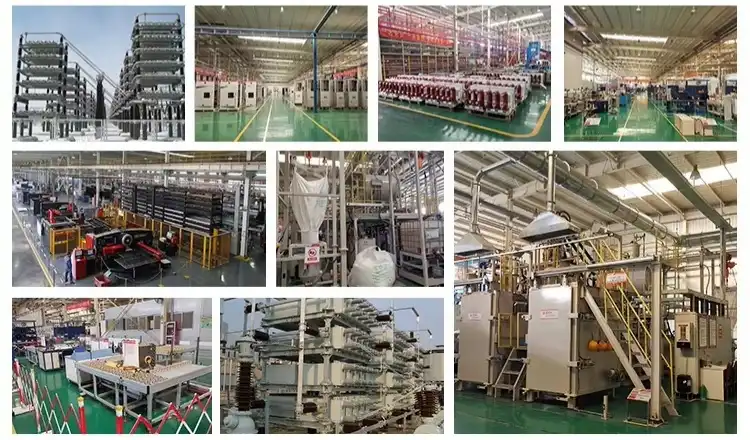
Global brands like Siemens, ABB, and Schneider Electric have been around for a long time and have service networks all over the United States. Their goods are compliant with IEC 62271-100 and IEEE C37.04 standards, which means they can work with current systems. But because they are made overseas, procurement lead times often go up to 20 weeks. Domestic suppliers offer faster shipping and expert help that is closer to home, but buyers should carefully check the suppliers' certifications and warranty terms. The Xi'an Xikai factory has a lot of space and a lot of competitive advantages, such as more than 40 patents in vacuum circuit breaker technology, vertical integration of key parts, and technical support available 24 hours a day, seven days a week, along with on-site training programs.
Procurement Channel Considerations
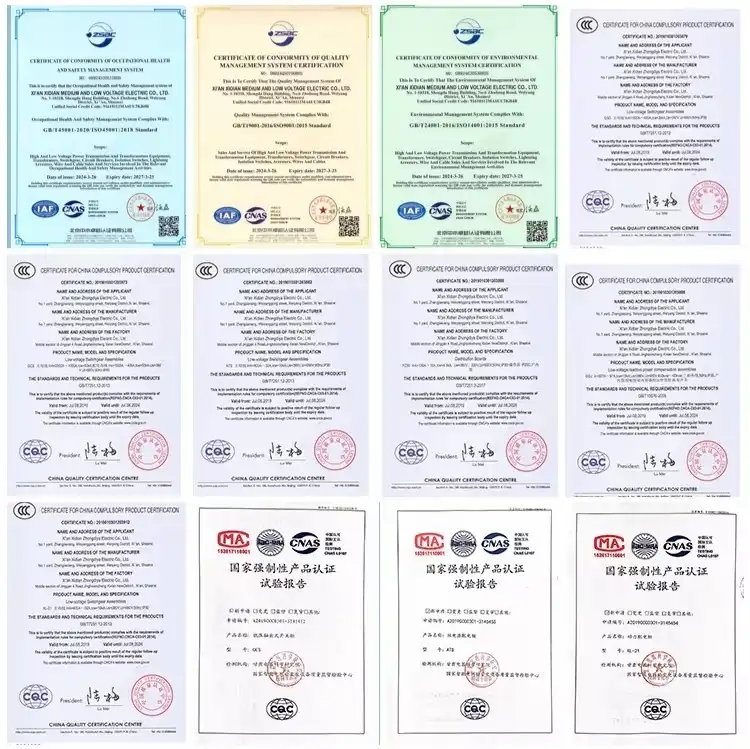
When you work directly with vacuum circuit breaker makers, you can get clear pricing information and a real guarantee. Distributors add value by combining logistics and lowering the minimum order quantity, which is helpful for businesses that are in charge of many projects with different requirements. When looking at different sources, make sure they have ISO 9001 quality management certification and ask for test results that show the dielectric strength, mechanical endurance, and environmental stress validation. The ZW32-40.5 goes through 23 tough tests, such as a proof of its ability to handle 80kV of power and a simulation of operation in high-temperature conditions. Buyers should also look at the company's after-sales support. Quick delivery of spare parts and the availability of field service directly affect the company's ability to keep running during unplanned outages.
Troubleshooting, Common Issues, and Future Trends in Vacuum Circuit Breakers
Common Operational Issues
Vacuum loss is the most dangerous type of failure, but current manufacturing methods have made it very rare. Less breaking power and noticeable arcing outside the interrupter while it's working are signs. Regular high-voltage testing finds wear and tear before it leads to a catastrophic failure. Even though contact wear isn't as bad as with air breakers, they still need to be replaced after too many electrical interruptions—usually 50 to 100 at full rated capacity. Mechanical problems in the working system show up as slow operation or failure to close. These problems are usually caused by moving parts that aren't well oiled or closing springs that aren't strong enough. To make sure the coil works properly, inspection procedures should check that the secondary control voltage stays between 85% and 110% of the rated voltage.
Preventive Maintenance Strategies
Setting up inspection times based on operating cycles instead of calendar dates makes the best use of repair resources. Facilities that switch things on and off a lot should check the contacts every 1,000 operations. For static installations, the time between checks can be extended to five years. By using dial indicators to measure the distance of contact travel, wear can be found before it affects performance. Thermographic scans find hot spots that are caused by links that aren't tight enough or have too much contact resistance. Keeping detailed service records lets you look at patterns that tell you when parts will break. This way, you can replace them before they break during planned downtimes instead of having to make emergency repairs during production shifts.
Emerging Technology Developments
The next step forward in switchgear technology is its ability to connect to digital substations and Industrial IoT systems. Embedded sensors keep an eye on shaking patterns, temperature profiles, and the number of times something works. They send this information to central asset management systems using IEC 61850 protocols. Machine learning algorithms look at this data to figure out how long something is likely to last and when it should be serviced. The goal of new developments in vacuum interrupter design is to make the contacts last longer by improving the metallurgy and magnetic field shape. This will allow them to withstand more than 100 fault breaks. As more places put limits on SF6, environmental laws continue to push acceptance. For example, the European Union's F-gas rule and California's greenhouse gas reporting requirements speed up the move toward vacuum circuit breakers and air-based alternatives.
Conclusion
Vacuum circuit breakers are the most reliable way to protect medium-voltage systems in the utility, business, and industrial sectors. Their environmental benefits, ability to operate without upkeep, and long switching life meet the main needs of building managers who want maximum uptime and purchasing managers who are concerned with lifecycle costs. The ZW32-40.5 is a great example of modern design because it is made of compact steel, works with smart grids, and has been through strict quality checks. As power systems change to include more renewable energy and digital tracking, it becomes more important than ever to choose the right technology and supplier relationship. When you carefully look at voltage ratings, breaking capacity, certification compliance, and after-sales support, you can make sure that the decisions you make about what to buy protect both short-term operational needs and long-term strategic goals.
FAQ
1. How does altitude affect vacuum circuit breaker performance?
Up to an elevation of 1,000 meters, standard units work reliably. As you go above this point, the lower atmospheric pressure makes the external air insulation strength weaken. To keep flashovers from happening, high-altitude installations, like those in mountain wind farms or hill substations, need better coordination of the insulation or pole designs with solids inserted in them. The ZW32-40.5 is designed to work in these situations by having longer creepage lengths and stronger insulator materials. Manufacturers usually lower the breaking strength by 1% for every 100 meters above 1,000m, or they offer special high-altitude versions that have been tested under lower pressure. During the buying process, buyers should define the placement altitude to make sure that the right engineering is done.
2. Can these breakers handle frequent capacitor bank switching?
When they are labelled as Class C2 according to IEC standards, vacuum circuit breaker interrupters are great at capacitive switching. Interrupting capacitive currents can cause high-frequency voltage transients, which makes capacitor banks very difficult to work with. By using the best touch materials and interruption chamber shape, quality designs lower the chance of a re-ignition. The ZW32-40.5's short arc extinction time (less than 50 milliseconds) keeps capacitors safe from overvoltage stress while switching is happening. This feature is useful for industrial sites that use tools to fix power factors and green energy sites that use inverter-based generation. Maintenance times stay the same whether the load is resistive or inductive because there isn't much contact erosion per operation.
3. How does altitude affect vacuum circuit breaker performance?
Standard vacuum circuit breakers operate reliably up to 1,000m above sea level. Above this altitude, the reduced atmospheric pressure limits the effectiveness of external air insulation, increasing the likelihood of flashover. For high altitude installations (e.g mountain wind farms or hilltop substations) manufacturers usually derate the breaking capacity by 1% per 100 m above 1,000m, or provide special design with longer creepage distances and reinforced insulator materials (as noted for ZW32-40.5 series). The buyer should provide the installation altitude at the time of purchase to guarantee correct insulation coordination and to prevent performance deterioration.
Partner With Xi'an Xikai for Your Next Switchgear Project
When it comes to medium-voltage options, Xi'an Xikai Medium & Low Voltage Electric has decades of experience and is always coming up with new ideas. Our ZW32-40.5 series vacuum circuit breakers use both tried-and-true interruption technology and up-to-date tracking features to work in a wide range of demanding environments, from State Grid substations to remote wind farms at 4,000 meters above sea level. Multiple patents protect performance that meets international standards, and the ability to make things on a large scale at a low cost lets project timelines be flexible. Our engineering team makes suggestions based on your load profiles and environmental conditions, whether you're an EPC company choosing equipment for a new data center or a utility company replacing old infrastructure. You can talk to a qualified vacuum circuit breaker supplier by emailing serina@xaxd-electric.com, amber@xaxd-electric.com, or luna@xaxd-electric.com, one of our technical sales specialists.
References
1. International Electrotechnical Commission. High-voltage switchgear and controlgear – Part 100: Alternating-current circuit-breakers. IEC 62271-100:2021.
2. IEEE Power and Energy Society. IEEE Standard Rating Structure for AC High-Voltage Circuit Breakers. IEEE Std C37.04-2018.
3. Slade, P.G. The Vacuum Interrupter: Theory, Design, and Application. 2nd Edition. CRC Press, 2017.
4. Beehler, J.E. and Smith, R.K. Vacuum Switchgear. IET Power and Energy Series 88. Institution of Engineering and Technology, 2019.
5. National Fire Protection Association. NFPA 70: National Electrical Code. 2023 Edition. NFPA Publications.
6. Electric Power Research Institute. Medium-Voltage Circuit Breaker Technologies: Comparative Analysis for Utility Applications. EPRI Technical Report 3002015890, 2020.