Why Is an Oil Immersed Power Transformer Used for High Load Networks?
2026-08-07 16:49:16
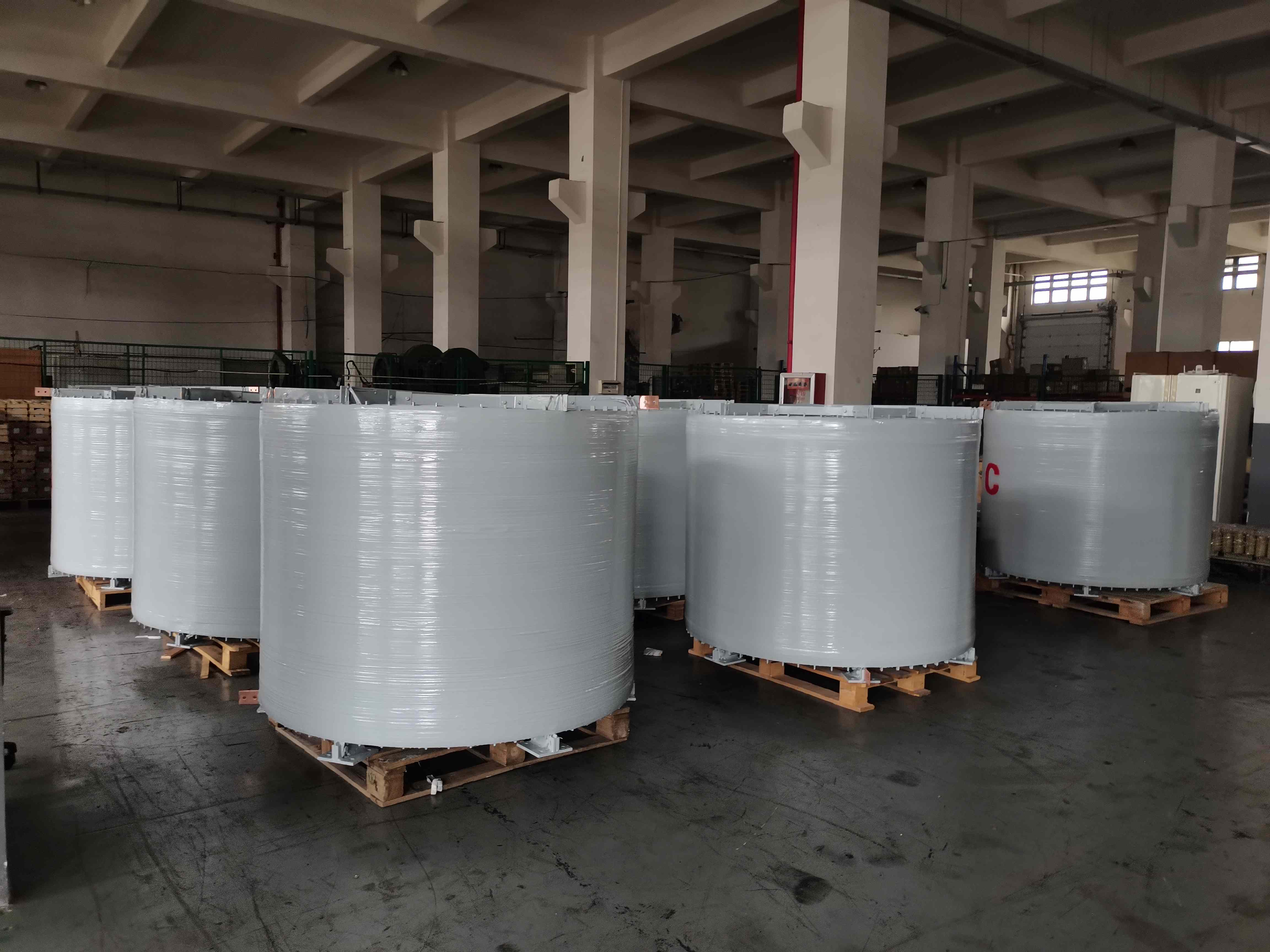
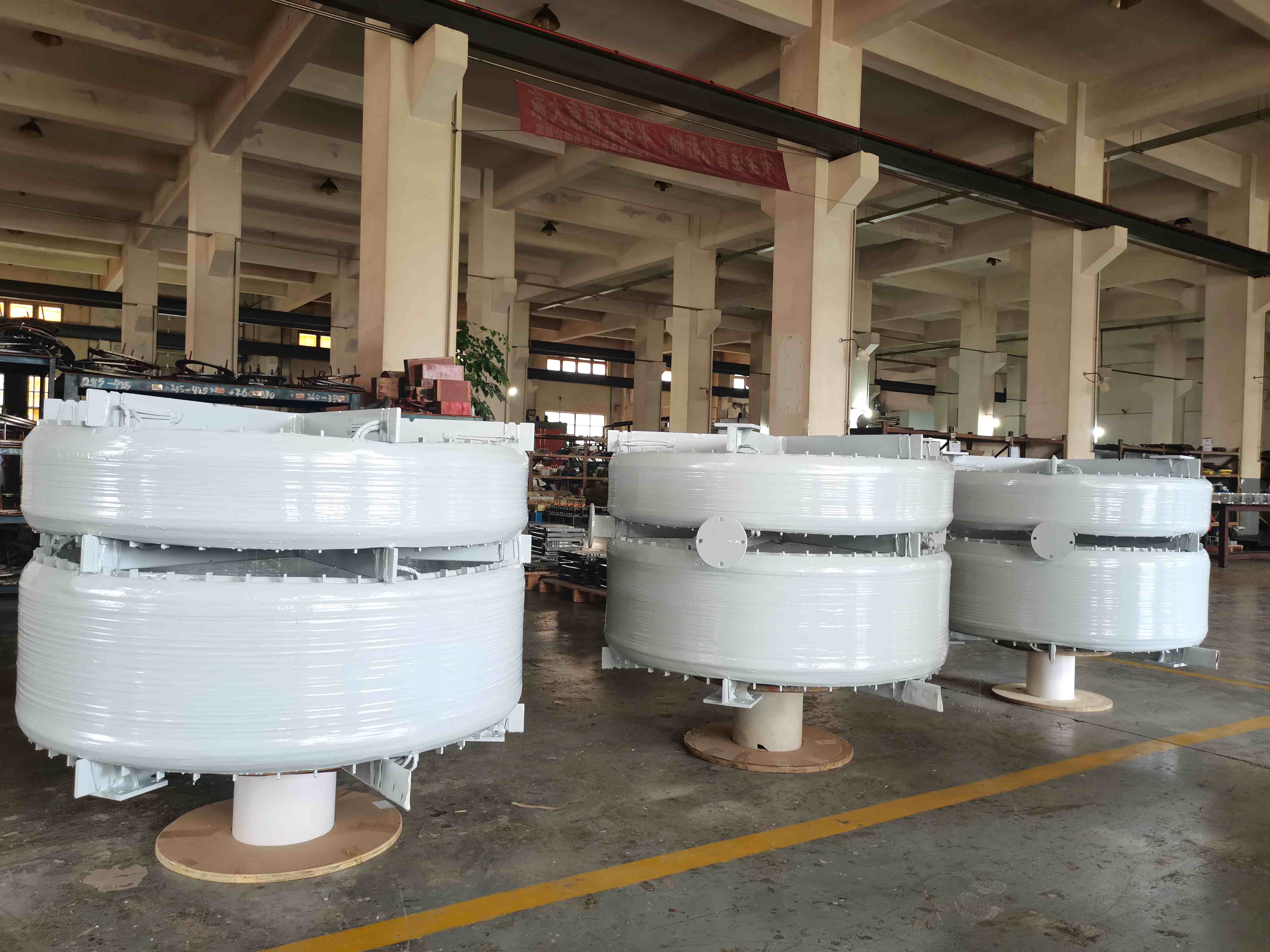
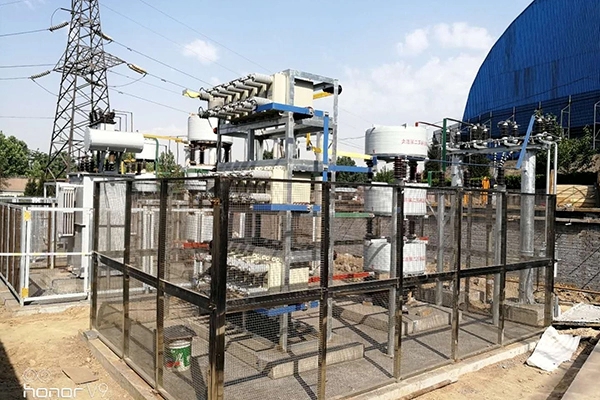
The Oil-immersed Transformer becomes the preferred option when industrial facilities, utility grids, or renewable energy sites need to supply power reliably while handling high electrical loads. These transformers use mineral oil's two great qualities—great insulation and great heat dissipation—to handle high-voltage step-down operations while keeping stability and efficiency. Oil-based systems absorb and transfer heat better than air-cooled ones, so they don't break down when they're overloaded for a long time. Because of this basic design benefit, oil-immersed power transformers are the most common choice for heavy-duty uses in factories, substations, and solar farms.

Understanding Oil Immersed Power Transformers
Core Structure and Operating Principles
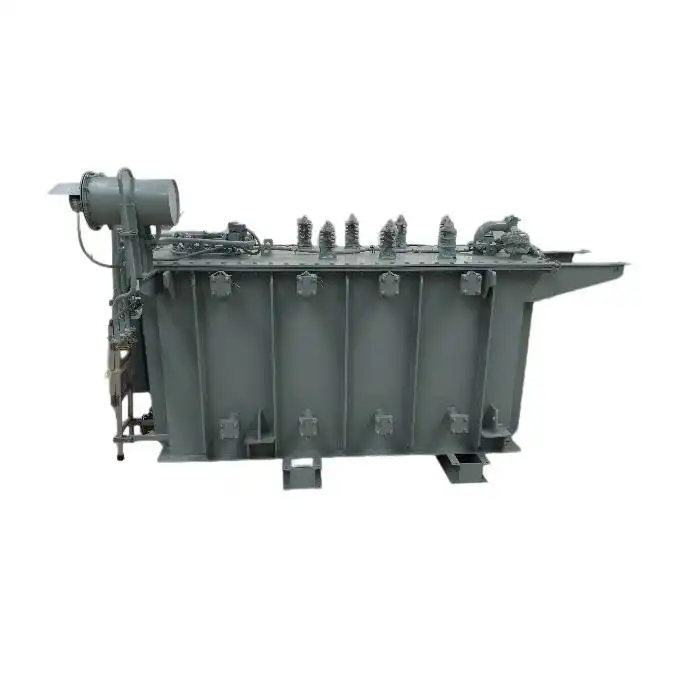
It has a magnetic core made of grain-oriented silicon steel and copper or aluminum windings around it. The magnetic core is submerged in oil. In a covered tank, these parts are bathed in refined mineral oil or synthetic ester fluid. The oil has two very important jobs to do: it keeps the electrical current from flowing between the windings by acting as a dielectric, and it also cools the parts by absorbing the heat that is made when the voltage changes. There is voltage in the secondary winding when electricity moves through the main winding. This is caused by magnetic flux. The oil moves around naturally through convection or with the help of external radiators. This moves heat away from the windings and onto the tank walls, where it escapes into the air.
Modern designs use high-tech parts like tap switches that change the output voltage automatically when demand changes. Silica gel breathers keep out water while still letting the oil expand and shrink as the temperature changes. High-voltage links are safely guided through the tank walls by bushings, which are specialized buffers. This combined design makes a complete system that can handle voltage sources from 10kV to 110kV. This makes these transformers useful for both transmission and distribution.
Distribution Versus Power Transformer Classifications
Based on their uses, we divide Oil-immersed Transformers into two main groups. Distribution transformers usually have powers between 30kVA and 2500kVA. They step down medium voltages (6kV to 35kV) to levels that can be used in hospitals, industrial buildings, and residential areas. Their small sizes and lower costs make them good for delivering power in specific areas.
Power transformers, on the other hand, handle loads from 5MVA to 50MVA in substations that connect transmission networks to grids in cities or factories. These bigger units have better cooling systems, which usually include forced-air fans or oil pumps to get rid of the huge amounts of heat that are made when they're working hard. The S9 and S13 series are great examples of this type of chip because their optimized core designs cut no-load losses by up to 30% compared to older S7 models. Knowing these differences helps buying teams correctly match the specs of equipment to the voltage levels and load patterns of their network.
Advantages of Using Oil Immersed Transformers in High Load Networks
Superior Thermal Management
Extremely hot networks with a lot of users can damage shielding and shorten the life of equipment. Oil is 20 times better at conducting heat than air, so heat can move quickly from the windings to the cooling surfaces. This feature is very useful when there is an overload—our industrial-grade units can handle 150% of their rated capacity for two hours, which is something that dry-type transformers can't do. This temperature buffer keeps sensitive equipment from having to shut down in an emergency during summer peak times or sudden demand spikes at data centers.
The life is directly related to how well the cooling works. Oil-immersed Transformers make insulation last longer than 30 years under standard working conditions by keeping winding temperatures below critical levels. Utility companies that run substations in desert or tropical areas really value this resilience because the temperatures outside often go above what was planned for air-cooled units.
Enhanced Efficiency and Overload Tolerance
When transformers work around the clock with changing loads, efficiency is important. Modern models with amorphous metal cores are 99% efficient, which means they lose as little energy as possible when they're not being used. At 30% load, which happens a lot at night, our low-loss designs waste less than 3% of the energy that is put in. This lowers operational costs for facility managers who keep an eye on monthly utility bills.
The insulating strength of the oil also lets the windings be arranged more closely together, which reduces the size while keeping the electrical gaps the same. This makes it possible to install in urban substations where the cost of land makes it impractical to have big equipment footprints. A 10MVA oil-immersed transformer takes up about 60% less room than a dry-type unit of the same size. This is a huge benefit for updating old infrastructure in city areas.
Cost-Effectiveness Over Lifecycle
The financial benefits of oil-immersed transformers can be seen by looking at the total cost of ownership. Initial buy prices are 15–25% lower than similar dry-type or gas-insulated options, which helps projects right away that don't have a lot of money. Maintenance costs are low because regular oil testing and cleaning are enough for most uses. This is in contrast to dry-type units, which need all of their parts replaced every 10 to 15 years.
The difference in lifetime costs is big when you consider the energy savings from higher efficiency scores and the less downtime from better thermal robustness. Based on normal industrial power rates and load patterns, a 25MVA unit that serves a manufacturing plant can save $50,000 a year just in energy costs. These economics explain why 70% of utility substations around the world still use oil-immersed technology even though there are better options.
Technical Considerations and Maintenance for Optimal Performance
Oil Quality Monitoring and Testing Protocols
Systematic oil research is needed to keep transformers healthy. By measuring the amounts of hydrogen, acetylene, and carbon monoxide, dissolved gas analysis (DGA) according to IEEE C57.104 standards can find faults before they happen. High hydrogen levels mean the system is burning, and high acetylene levels mean the system is arcing. Both of these situations need to be looked into right away. We suggest DGA testing every three months for important assets like hospital backup systems or places that make semiconductors where downtime costs more than $100,000 an hour.
To keep the insulation's structure, the moisture level must stay below 10 to 12 parts per million. Karl Fischer titration gives an accurate reading of the amount of moisture in the oil, which helps with decisions about whether to clean or replace the oil. Breakdown voltage testing makes sure that the dielectric strength stays above the 30kV minimum levels. Facilities near wet coastlines or that experience frequent changes in temperature need to be checked on more often. Our maintenance guidelines call for checks every month instead of the normal three times a year for tough conditions.
Diagnostic Techniques for Fault Prevention
Besides oil research, there are other ways to find problems early on. Testing the transformer's turns ratio (TTR) within a range of ±0.5% ensures that the windings are still intact after moving or earthquakes. Sweep frequency response analysis (SFRA) finds changes in mechanical properties that can't be seen with the naked eye. Power factor measurements on bushings below 0.5% show that the insulation is healthy, while values rising above 0.5% show that the insulation is breaking down and the bushings need to be replaced.
Thermal imaging under load shows areas that are warmer than the design temperature. This is usually because of connections that aren't tight enough or cooling pathways that are blocked. Fixing these problems stops huge problems from happening. Our field service data shows that proactive maintenance cuts down on unexpected outages by 65% compared to reactive repair methods. When EPC companies are building new substations, they should include remote tracking systems that keep an eye on the temperature of the oil, the amount of dissolved gas, and the state of the bushings. These systems should send out alerts before the parameters go beyond what is safe.
Safety and Environmental Considerations
Because mineral oil can catch fire, Oil-immersed Transformers need fire safety devices. We take many precautions: pressure relief valves stop tanks from bursting during internal arcing; fire-resistant walls separate units in setups with more than one generator; and automatic suppression systems release inert gas or foam when they sense a problem. Modern ester-based fluids have higher flash points than mineral oil (>300°C vs. 145°C), which makes them safer to use near occupied buildings.
During maintenance and decommissioning, rules about the environment govern how oil is handled. Polychlorinated biphenyls (PCBs) are found in used transformer oil from older units. PCBs are considered toxic trash and need to be thrown away in a certain way. Our tools uses formulas that don't contain PCBs and follow EPA and EU REACH rules. Leaks are stopped by spill containment systems, which are required for installations near water sources or areas that are sensitive to the environment.
How to Choose the Right Oil Immersed Transformer for Your Network?
Evaluating Power Rating and Load Requirements
Load profiling is the first step in choosing the right capacity. Figure out the peak demand, taking into account any future growth, and then add some safety gaps. For example, we suggest that transformers be sized at 125 to 150% of the maximum expected load. A data center that wants to add 8MW at first and 12MW over the next five years should choose a 15MVA unit so that it can grow without having to replace equipment too soon. Special care needs to be taken with renewable energy projects. For example, solar farms have 125% intermittent loads when inverters ramp output during noon peaks, which means they need transformers that can handle rapid thermal cycles.
The ability to control voltage is just as important. Models with ±0.5% voltage stability make sure that sensitive machines like CNCs and medical imaging systems always get power, even if the grid changes. Our tap changer configurations have nine settings that cover a voltage adjustment range of ±10%. This is the same as the fluctuation in most areas' utility grids. Height also affects performance. At 4,000 meters, our plateau-rated equipment still works at full capacity, while standard units drop by 15-20%.
Comparing Technology Options
There are times when Oil-immersed Transformers have to compete with dry-type and gas-insulated transformers. Dry-type designs work well indoors, like in high-rise buildings or chemical plants, where dangerous liquids aren't allowed because of fire rules. But because they can't handle too much overload and lose more power, they aren't good for heavy industrial loads. Gas-insulated transformers that use SF6 have small sizes and can't catch fire, but they cost three to four times more to buy than oil-immersed versions. This means that they are only economically viable for urban substations with limited space where land costs are a big part of project budgets.
The environment determines which technologies are best. Coastal sites have to deal with salt fog, which means they need IP55-rated shelters with tanks that won't rust. Our marine-duty models come with these features already built in. For mining activities, designs that are resistant to earthquakes and meet the standards for Zone 4 earthquakes are needed. These designs must include stronger tank mountings and flexible bushing connections. Because oil refineries have explosive atmospheres, they need ATEX-certified units with special safety features.
Partnering With Reliable Manufacturers
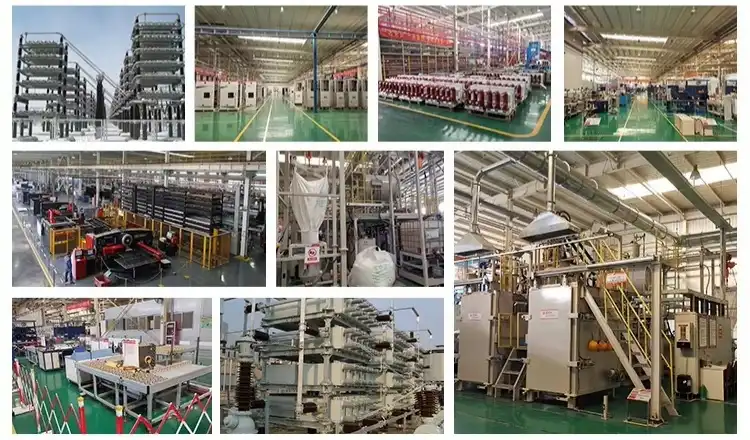
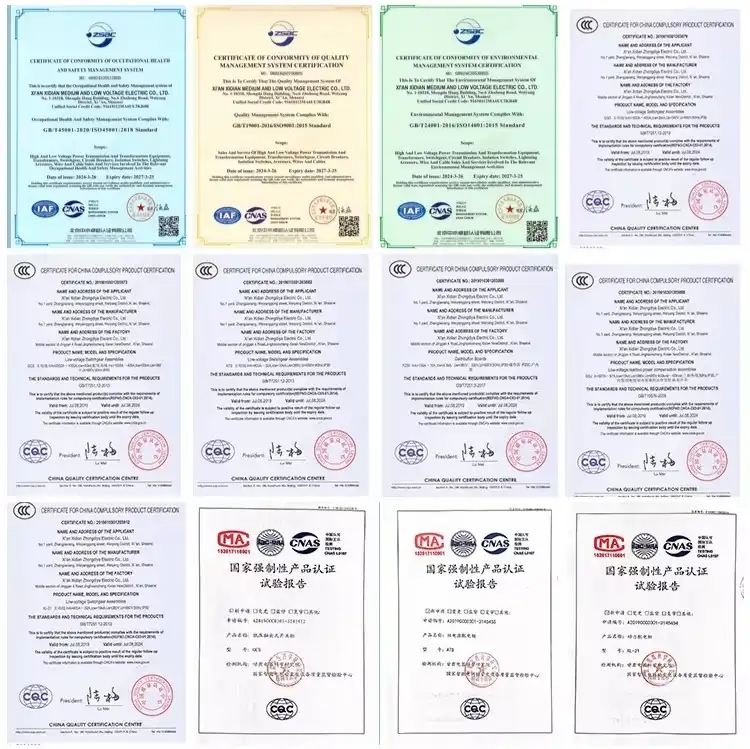
Transformer reliability depends on how well they are made and how well they are supported after the sale. Leading companies around the world keep their ISO 9001 certification and follow the rules set by IEC 60076. We test welded tanks for pressure leaks 24 hours a day to make sure they are solid before shipping. Material testing shows that cores made of grain-oriented steel meet the requirements for magnetic flux density, which has a direct effect on the efficiency scores.
Buying groups should make sure that the companies they're looking at offer a lot of detailed information, like test reports, dimensional models, and security coordination studies. According to IEC 60076-3, factory acceptance testing (FAT) methods must include impulse voltage withstand tests. These tests make sure that the insulation can handle lightning strikes and switching spikes. As part of our FAT procedures, we test the short-circuit capability under simulated fault conditions. This makes sure that the mechanical strength and thermal withstand ratings match what the nameplate says they are.
Procurement and Post-Purchase Support for B2B Clients
Sourcing Strategy and Supplier Selection
When looking for reliable suppliers of oil-immersed transformers, you need to evaluate more than just price. Lead times depend on manufacturing capacity—our 200,000-square-meter production facility completes custom 35kV units in 12 weeks, while smaller manufacturers typically require 20–24 weeks. Proximity to service centers reduces emergency response times. We maintain field offices across North America stocked with spare parts, enabling mobilization within 48 hours.
Custom and large sales can save you money. Volume savings of 12 to 18% off list prices are available for projects that order ten or more similar units. Customization choices let you meet the specific needs of your site. For example, you can choose a small design for an urban substation that is hard to get to, longer bushings for an underground vault installation, or a custom winding setup that works with non-standard voltage combinations. Early involvement of suppliers in project planning by engineering teams will allow specifications to be optimized before bids close.
Warranty Terms and Service Level Agreements
Standard guarantees cover both parts and work for 24 to 36 months, but full service agreements are a better deal. Our 10-year extended warranty covers preventative maintenance calls once a year, priority access to parts, and technical support hotlines staffed 24 hours a day, seven days a week by experts who know how your equipment is set up. Service level agreements (SLAs) spell out response promises. For example, we promise a four-hour emergency response for important installations, with field techs sent out as soon as we are notified.
Installation assistance lowers the risks of starting. Our teams do site preparation reviews to make sure that foundations meet load requirements and electrical code-compliant clearance zones. As part of the startup services, oil is processed to get rid of moisture and particles, vacuum filling is done to avoid gas pockets, and energization supervision is done to make sure everything works right before the handover. These services lower the 15% failure rate that is seen when installs are done in the field without supervision.
Ongoing Support Infrastructure
Support facilities must be easy to get to for long-term asset success. We have tools that can be used to upgrade old Oil-immersed Transformers with new tracking systems. This can add 10 to 15 years to their useful life at 30% of the cost of replacing them. Repairs can include everything from replacing a few bushings to completely rewinding after a fault. Units are returned to their original specifications and come with warranties that match those of new equipment.
Scheduled maintenance plans adjust the time between services based on how the machine is being used. Inspections are done every three months on substations that are in harsh settings, but only once a year on climate-controlled indoor sites. Our predictive analytics platform looks at monitoring data and oil test results to figure out what maintenance needs to be done three to six months from now. This proactive method has cut the number of unexpected crashes by 70% for clients in our managed service programs.
Conclusion
Because they are the best at handling heat, being efficient, and being cost-effective, Oil-immersed Transformers are still needed in high-load networks. Because they can handle long-term overloads while keeping the power quality high, they are necessary in places like factories, data centers, and utility substations where uptime is directly linked to reliability. For the right choice, you need to carefully look at load patterns, environmental factors, and the prices over the whole life of the product. Partnering with makers that offer full support, from special engineering to decades of field service, is also very important to make sure that these important assets keep working well for their 30-plus year service lives. As time goes on, new technologies like amorphous cores and ester fluids push the limits of safety and efficiency, securing the role of oil-immersed transformers in powering the infrastructure of tomorrow.
FAQ
1. How often should oil immersed transformers undergo maintenance inspections?
How often maintenance is done relies on how things are running and how important they are. Standard installations need full inspections once a year, which include taking samples of oil for DGA and moisture testing, looking at the condition of the bushings and tank visually, and using thermal imaging while the tank is loaded. Transformers that work in tough settings with a lot of dust, humidity, or temperature changes benefit from oil tests every three months. For important uses like hospitals or data centers, monitoring should be done once a month using automated sensors that keep an eye on the oil's quality and temperature all the time. Following the maintenance rules in IEEE C57.106 will make sure that your system is as reliable as possible and keep your service costs cheap.
2. Can oil immersed transformers operate safely in outdoor environments?
When set up right, these transformers work great for outdoor uses. Enclosures with an IP55 rating keep out dust and water, and corrosion-resistant tank coats can handle salt fog from the coast or pollution from factories. Operating temperature ranges from -40°C to +55°C can handle sites in harsh regions, from the Arctic to the desert. During thermal cycling, silica gel breathers keep moisture from getting into the system. According to NFPA 70 electricity codes, outdoor units need to be at least 3 meters away from buildings and have fire protection systems where the rules say they must. Thousands of utility substations around the world have been used outside for decades without any problems as long as they follow the right maintenance procedures.
Partner With Xi'an Xikai for Your High Load Transformer Needs
Choosing the right provider for an oil-immersed generator can have long-lasting effects on how well it works. Xi'an Xikai Medium & Low Voltage Electric Co., Ltd. has been making things for more than 25 years and can help you with your important power infrastructure projects. Our product line includes 10kV, 35kV, and 110kV voltage classes, with capacities that can meet the needs of power plants, utility grids, and renewable energy installations. Our Oil-immersed Transformers meet world quality standards thanks to our IEC 60076, ISO 9001, CE, UL, and GOST-R approvals. From project scoping to commissioning and lifetime maintenance, our expert team is available 24 hours a day, seven days a week.
Get in touch with serina@xaxd-electric.com, amber@xaxd-electric.com, or luna@xaxd-electric.com to talk to one of our application engineers about your needs. If you need a single custom unit or a lot of them for multiple sites, Xi'an Xikai can help. Their oil-immersed transformer solutions are reliable, and they come with full warranties and field service options.
References
1. IEEE Standard C57.104-2019: Guide for the Interpretation of Gases Generated in Mineral Oil-Immersed Transformers, Institute of Electrical and Electronics Engineers, New York, 2019.
2. IEC 60076-1:2011: Power Transformers - Part 1: General Requirements, International Electrotechnical Commission, Geneva, 2011.
3. Heathcote, M.J., The J&P Transformer Book: A Practical Technology of the Power Transformer, 13th Edition, Newnes Publishers, Oxford, 2007.
4. Harlow, J.H., Electric Power Transformer Engineering, 3rd Edition, CRC Press, Boca Raton, 2017.
5. CIGRE Working Group A2.37, Transformer Reliability Survey: Interim Report, CIGRE Technical Brochure 642, Paris, 2015.
6. Myers, S.D., Kelly, J.J., and Parrish, R.H., A Guide to Transformer Maintenance, S.D. Myers Inc., Ohio, 2003.