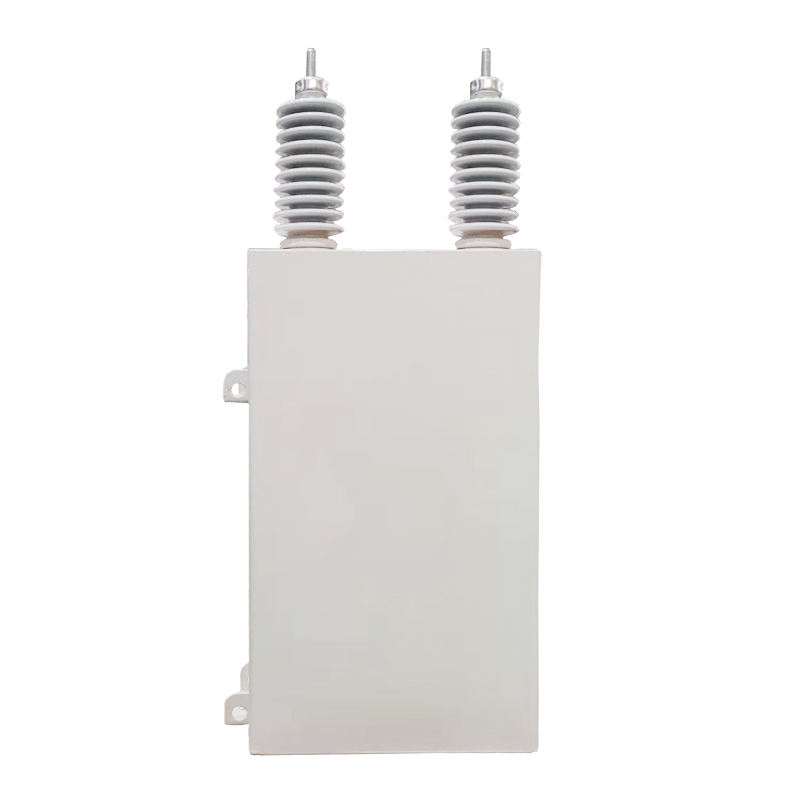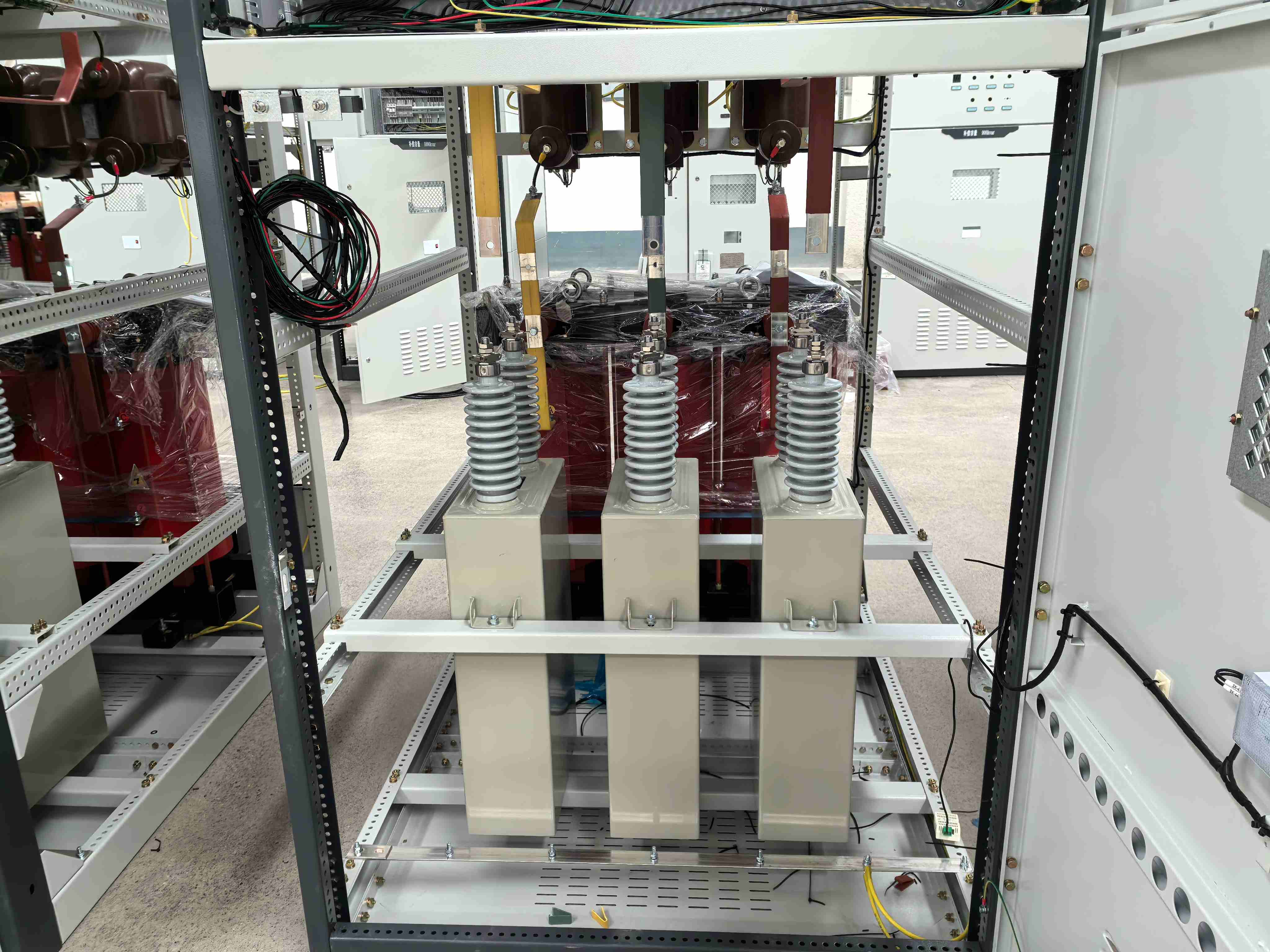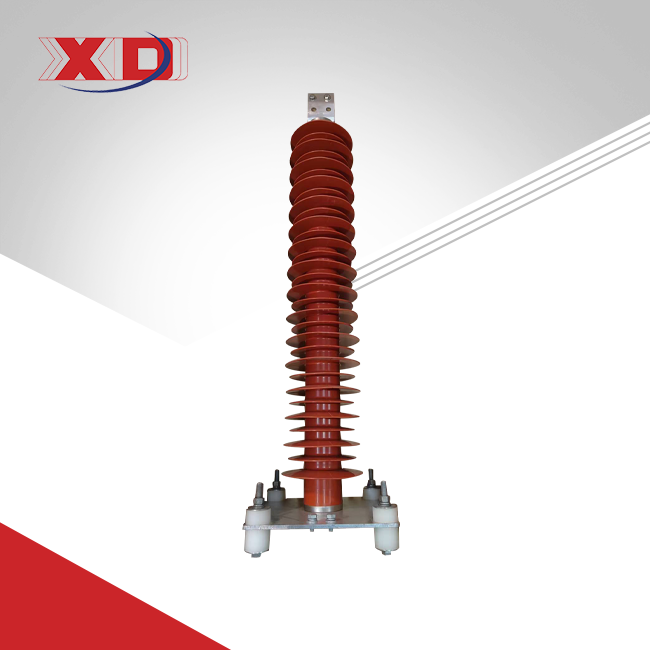
YH10W-216/562W Lightning Arrester Polymeric MOA for AC system
What is an Indoor Vacuum Circuit Breaker? Principles and Components
2026-08-10 10:58:39
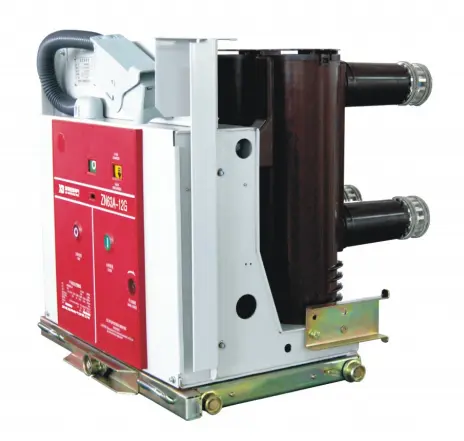
An indoor vacuum circuit breaker is a protective switching device installed within enclosed electrical environments to safeguard medium-voltage distribution networks. Unlike oil or air-based alternatives, these breakers utilize vacuum technology to extinguish electrical arcs during fault conditions, delivering superior safety, reduced maintenance, and environmental responsibility. The vacuum interrupter serves as the core component, where contacts separate within a sealed chamber to interrupt current flow. This technology proves indispensable for manufacturing plants, data centers, hospitals, and utility substations where uninterrupted power delivery directly impacts operational continuity and profitability.

Understanding Indoor Vacuum Circuit Breakers: Definition and Working Principles
What Defines an Indoor Vacuum Circuit Breaker?
Indoor vacuum circuit breakers are very important parts of electrical distribution systems because they are designed to be installed inside buildings, switchgear enclosures, and other controlled environments. These things keep things safe from overloads, short circuits, and fault currents, and they let you manually or automatically disconnect circuits. The unique thing about them is that they use vacuum as an arc-quenching medium, which has higher dielectric strength and faster arc extinction than other technologies.
When fault current runs through the breaker, the contacts move apart because of how it works. When two contacts are separated, an arc forms between them. This arc then meets the vacuum environment, which doesn't have any air molecules, so the ionisation stops. The arc goes away in milliseconds, and the circuit breaks safely. Vacuum technology is great for indoor uses where safety rules don't allow oil leaks or SF6 emissions because it doesn't produce any dangerous gases or flammable leftovers.
Core Operating Principles
The vacuum arc-quenching concept works in a number of steps that work together. When safety relays send a trip signal, the stored-energy spring system opens up, shifting the moving contact away from the fixed contact. As the current tries to keep moving, the split makes the first arc. In a vacuum, on the other hand (10-4 Pa pressure), the only ionised medium is the metal vapour from the contacts. In AC systems, when the natural current zero crossing happens, this vapour quickly condenses on metal shields inside the interrupter. This puts out the arc before it can start up again.
How fast this process goes is very important. Modern vacuum interrupters can stop an arc in less than 50 milliseconds, which keeps nearby equipment from getting damaged by heat. Contact materials, which are usually copper-chromium or copper-bismuth alloys, are chosen because they can handle repeated arcing while still having low contact resistance when the system is working normally. This combination makes sure that the switch will last a long time and work reliably for thousands of operations.
Essential Components Breakdown
Knowing how a breaker works inside helps engineers and buying teams evaluate its quality. Vacuum interrupters have fixed and moving contacts sealed in ceramic or glass cases. Pressure is kept tight while the moving contact is in a bellows. Metal vapour screens around contacts trap ions and protect the insulation from outside damage.
Operating mechanism, independent from interrupter, provides mechanical force for opening and shutting. Spring-operated devices charge by hand or motor drives and release energy quickly when needed. Permanent magnetic actuators employ electromagnetic force for quicker, more precise operation. This is becoming increasingly important in smart grid applications that frequently switch states.
The epoxy resin or advanced plastic frame and support structure separate phases and ground electrically. This integrated pole design protects internal parts from dust, moisture, and inadvertent contact, extending their lifespan in demanding industrial environments.
Key Specifications and Features of Indoor Vacuum Circuit Breakers
Critical Technical Parameters
When choosing an indoor vacuum circuit breaker, make sure the electrical ratings fit the system's demands. Rated voltage is the circuit breaker's safe maximum system voltage. Medium-voltage networks typically use 12 kV, 24 kV, or 36 kV indoor ratings. Rated current indicates how much continuous current it can handle without overheating. Industrial breakers operate from 630A to 3150A, depending on load.
Short-circuit breaking indicates how much fault current the device can stop without breaking. This kiloampere (kA) requirement must exceed the installation site's short-circuit current. Tough industrial usage often employs 25–40 kA values. This ensures the breaker can tolerate abrupt faults without failing.
Mechanical and electrical longevity ratings can estimate lifespan. Mechanical durability is around 10,000 to 30,000 cycles without load. However, electrical endurance is the number of full-load or fault-current interruptions before repair. These measurements assist in planning replacements and calculating ownership costs.
Standout Operational Features
Vacuum breaker technology is popular due to its many advantages. Small footprint allows placement in switchgear boxes with limited space, especially when replacing old infrastructure. Standard KYN28 or comparable switchgear may fit in 800mm to 1000mm lengths, reducing civil engineering costs during renovations.
It requires less maintenance than oil or SF6. Vacuum interrupters don't require insulating medium replacement, and contact wear occurs slowly over thousands of cycles. Regular inspections every few years save staff expenses and unwanted downtime. Contact replacement is easy, and specialised field service providers help with repairs.
Compliance with environmental laws is another advantage. Vacuum breakers don't emit greenhouse gases when used or maintained. This follows stronger environmental regulations. No flammable oils mean no fire threats, which is critical for data centers, hospitals, and other sensitive equipment.
Performance Comparison with Alternative Technologies
Comparing vacuum breakers to alternatives like air-blast and SF6 makes their place in the market clear. Older setups often have air-blast breaks, but they need compressed air systems and make noise when they're working, which isn't good in many indoor settings. SF6 breakers are very good at stopping arcs, but they are under a lot of scrutiny from regulators because SF6 is a very strong greenhouse gas (23,500 times CO2 over 100 years). Many places now require new installs to monitor SF6 emissions or not use them at all, which speeds up the move toward vacuum technology.
Even though oil circuit breakers work, they can catch fire and need to have their oil tested and replaced on a frequent basis. Getting rid of tainted oil adds to long-term costs and environmental risks. Vacuum breakers get rid of these worries while providing the same or better stopping performance. This makes them the best choice for new installations and proactive infrastructure modernisation.
Maintenance Guide and Testing Procedures for Indoor Vacuum Circuit Breakers
Routine Inspection Protocols
Preventive maintenance extends equipment life and prevents breakdowns when required. Visual inspections should be done at the maker's recommended frequency, generally once a year for commercial usage and more frequently in hostile environments. Inspection teams check the breaker's exterior for damage, corrosion, and overheating. Discolouration around the leads indicates weak connections that require immediate repair.
Early repair detection is possible using contact wear measurement. Although indoor vacuum circuit breaker interrupters conceal internal connections, manufacturers mention their greatest movement lengths. Checking the movable contact rod's location after prolonged usage indicates wear. To avoid emergency repairs, interrupters should be changed during scheduled breaks when wear approaches 3 mm of erosion.
Lubricating mechanical parts prevents binding and allows smooth operation. Oil hinges, latches, and joints occasionally, but never with oil-based products that might harm insulating surfaces. Too much lubricant causes dust; therefore, technicians should follow manufacturer specifications.
Electrical and Mechanical Testing
Contact resistance testing verifies breaker current routes. Technicians measure resistance between two contact-free ends using a micro-ohmmeter. Usually below 100 microhms, readings beyond that indicate oxidation, misalignment, or insufficient contact pressure. Any maintenance that replaces contacts or adjusts the mechanism should include this test.
Timing tests measure how fast contacts open and close, which stops the arc and ensures system functionality. Technicians record the opening and closing times using high-speed recorders. To stop the arc and ensure upstream and downstream protective devices operate together, values must remain within the manufacturer's limits, generally 30–60 milliseconds for opening.
High-voltage withstand testing confirms robust insulation. Technicians apply 80–90% of the specified impulse withstand voltage to open connections and phases and ground. Withstanding without flashover demonstrates that vacuum integrity and outside insulation are intact. This test requires high-voltage instruments and qualified personnel. It frequently occurs after extensive repairs or after an overvoltage occurrence.
Predictive Maintenance Strategies
Condition-based tracking is increasingly used in modern buildings to switch from time-based to need-based care. Monitoring partial flow detects insulation deterioration before crashes. Circuit breaker housing sensors detect high-frequency electrical tracking or void discharge signals. Plotting this data over time lets you spot deteriorating tendencies and take preventive measures.
Thermal imaging during operation displays hotspots at connections, indicating loose hardware or high contact resistance. Later infrared scans show different temperatures than peak load situations, indicating an issue that has to be addressed. This non-intrusive approach prevents burnouts that prolong power outages.
Built-in sensors on IoT breakers send real-time operational data to central monitoring systems. Predictive algorithms include total operations, fault interruptions, and mechanism distance for determining maintenance requirements. This capability is beneficial for remote areas with expensive technician travel.
Comparing Indoor Vacuum Circuit Breakers: Making Informed Procurement Decisions
Technology Selection Considerations
Choose between indoor hoover circuit breaker, SF6, and air technologies based on performance, cost, and government regulations. Indoor hoover breakers meet safety and environmental requirements for clean, tiny solutions. Initially cheaper than SF6 breakers, they need less maintenance and have a favourable total cost of ownership for most industrial and commercial applications.
In cases over 40.5 kV or where their stronger short-circuit protection compensates for their higher cost and environmental control requirements, SF6 breakers are preferable. SF6 is becoming more costly due to emissions reporting, leak detection laws, and disposal costs. Facility managers must plan for changing costs over time.
For most new installations, air-blast technology is useless, although older facilities still employ it. Due to their complexity, noise, and maintenance, compressed air systems are unsuitable for modern, efficient installations.
Leading Manufacturer Positioning
Well-known names have global market positions. ABB offers several medium-voltage products and extensive service networks. This attracts large utility companies and industrial users seeking standard solutions. Siemens prioritises digital integration, ensuring that breakers have Industry 4.0-compatible gearbox techniques.
Schneider Electric plans to integrate energy management by adding breakers to building automation and power quality ecosystems. Eaton supplies mostly UL-certified goods for North American clients. Mitsubishi and other Asian manufacturers are popular with budget-conscious consumers because of their outstanding technical characteristics and low costs.
This area receives bespoke solutions from Xi'an Xikai for difficult situations. The ZN63-VS1 series, with rated currents from 630A to 3150A, is ideal for many industrial loads. Engineered systems can withstand high-plateau usage up to 4000m, which is vital for hilly mining and renewable energy projects. Standard systems can function at 1000m.
Procurement Best Practices
Pricing is significantly influenced by volume. Choosing standard ratings for numerous configurations lowers unit pricing and reduces spare part inventory. Suppliers should be involved early in the design process to ensure the project works with existing infrastructure and avoid costly changes.
Order customisation determines lead times. Standard-rated breakers ship in 8–12 weeks, while bespoke configurations including working mechanisms, communication interfaces, and environmental ratings might take 16–20 weeks. Buyers should align procurement strategies with construction timetables to prevent project delays.
Warranty conditions and after-sales support distinguish vendors while bidding. For 24–36 months, comprehensive warranties cover parts, workmanship, and function, reducing risk. Suppliers with local support, professional training, and rapid access to replacement parts reduce product lifecycle costs and downtime.
Installation, Connection Diagrams, and Practical Applications
Installation Guidelines and Compliance
Proper installation begins with site preparation for airflow, temperature management, and cleanliness. In climate-controlled switchgear rooms, the ZN63-VS1 operates reliably from -15°C to +40°C. Adequate HVAC systems are needed for daily humidity levels of ≤95% RH and monthly humidity values of ≤90% RH. In coastal or tropical areas, moisture ingress accelerates insulating degradation.
Seismic concerns are crucial in earthquake-prone locations. The ZN63-VS1 can withstand MSK-8 seismic activity, keeping its structure robust during earthquakes. This prevents catastrophic breakdowns that endanger lives and disrupt grids. When fixing a foundation, follow manufacturer directions and install vibration-reducing hardware if required.
Air quality standards prohibit installations in dusty, caustic, or smouldering areas. Industrial establishments that use chemicals or produce airborne pollutants require separate electrical rooms with positive pressure ventilation and filtration. This preserves the breaker's insulation and interior workings.
Wiring and Integration
Most connection schematics depict main wires entering from the rear or top and joining the breaker's fixed contacts via bus bars or cable terminations. Link loosening may cause heat and failure; therefore, apply the proper amount of force during assembly. Manufacturers typically list main conductor torque values between 40 and 60 Nm. Check these values with calibrated torque wrenches.
Secondary wiring connects the breaker to safety switches, computers, and other devices. These circuits allow remote control, status display, and SCADA integration. Ground loops and electrical noise may be avoided with proper grounding. Shielded cables and proper routing keep high-energy main circuits away from delicate control wires.
Compatibility with switchgear standards allows part swapping and simplifies expansion. ZN63-VS1 works well with KYN28A-24 switchgear, a popular Chinese standard. This simplifies retrofitting and consistent deployments across multi-site portfolios. Its 1000mm width suits common cubicle sizes without modification.
Real-World Application Scenarios
Manufacturing companies employ indoor vacuum circuit breakers to protect their lines. They lose money when lines fail. The ZN63-VS1's long mechanical life and fast problem resolution make it suitable in a three-shift automobile assembly facility with short maintenance windows. A welding robot's power supply breaker breaks a short circuit in under 50 milliseconds. This protects surrounding production cells and speeds up repair.
Data centers are mission-critical and must be dependable. The primary feeder lines that power UPS equipment at a Tier III financial services facility have suffered breakdowns. Flashovers caused by annual humidity fluctuations are prevented by the breakers' implanted poles. Their compatibility with building management systems allows remote monitoring and proactive repair plans based on IT workload trends.
Life safety and operations are hospital electricity systems' top priorities. A neighbouring hospital has Hoover breakers to safeguard operating rooms, imaging equipment, and critical care units. Healthcare facility regulations require silent breakers with no pneumatic discharges and no hazardous insulating medium. Imaging department equipment malfunctioned recently. Selective coordination allowed the breaker to isolate the issue without affecting other patient care areas.
Renewable energy has drawbacks. Solar farms' 24 kV collection system connects inverter clusters to the main substation with vacuum breakers. Breakers control short-term currents during cloud-induced production variations and turn off electricity during repairs. Their rated short-circuit capacity shields expensive inverters from utility grid fault currents.
Emerging Smart Grid Technologies
Internet-connected Hoover breakers are the future of power transmission. The sensors in these devices measure contact temperature, vacuum pressure (indirectly by partial discharge), mechanism position, and total operations. Analytics platforms analyse Ethernet, Modbus, or custom protocol data to predict repairs.
Connected digital substations using IEC 61850 transmission standards may incorporate advanced safety features. Breakers inform protective relays of their state, which adjusts protective settings as needed. This feature is helpful in variable renewable energy microgrids since fixed protection may trip during typical transients.
Remote tests lower care costs for dispersed sites. Breaker operational histories, functional tests, and problem diagnosis can be done remotely by technicians. When support is required, personnel bring particular parts and precise information about what went wrong to minimise delay.
Conclusion
Indoor vacuum circuit breakers are now an important part of medium-voltage distribution systems that are used in businesses, homes, and utilities. Compared to oil or SF6 alternatives, their vacuum arc-quenching technology is safer, requires less maintenance, and doesn't harm the environment. Knowing important specs like rated current, breaking capacity, and endurance ratings helps you make smart buying decisions that meet operational needs.
The ZN63-VS1 series is a great example of a modern vacuum breaker because it combines advanced vacuum interrupter technology with strong mechanical construction. It can work in a variety of settings, is compatible with standard equipment, and can connect to the smart grid, making it a useful choice for both new installs and projects to update infrastructure. With the right installation, regular upkeep, and predictive tracking, you can make sure that dependability and lifespan are at their highest levels. This protects vital processes and lowers the total cost of ownership.
FAQ
1. How often should maintenance be performed on vacuum circuit breakers?
Under normal operating conditions, visual inspections should be done once a year. Comprehensive maintenance, such as measuring contact wear and lubricating the mechanism, is usually done every two to three years or after a certain number of operations, which are usually 2000 to 5000 full-load operations on indoor vacuum circuit breakers. If the setting is harsh or there is a lot of moving, the gaps may need to be shorter. Electrical tests, such as measuring timing and contact resistance, should be done as part of important maintenance or whenever there are problems with performance. Using IoT monitors in predictive maintenance programs can make intervals longer by finding problems before they affect efficiency.
2. What differentiates vacuum breakers from SF6 technology?
SF6 breakers use sulphur hexafluoride gas to put out the arc, while vacuum breakers use vacuum. With vacuum technology, greenhouse gas emissions and the paperwork that comes with them are gone. SF6 has a higher dielectric strength, which lets smaller designs work at very high voltages (above 40.5 kV), but environmental concerns are making it harder to use. Vacuum breakers don't need any tools to handle gas or watch for leaks, which makes maintenance easier. Both methods work very well; which one to use depends on the power level, environmental concerns, and costs over the whole life of the product.
3. Can vacuum circuit breakers be customized for specific applications?
Manufacturers offer a wide range of customisation choices to meet the specific needs of each business. Operating methods can be changed to fit different needs. For example, they can be spring-operated for low-cost manual use, motorised for remote control, or fixed magnetic for fast switching. Communication methods connect switches to SCADA systems in buildings. Extreme temperatures, high altitudes, or toxic atmospheres are all taken into account in environmental scores. Contact systems are best for switching on and off often (high mechanical endurance) or when there is a fault that needs to be fixed quickly (high electrical endurance). Engineers at Xi'an Xikai work with clients to come up with configurations that meet technical, legal, and financial requirements in a wide range of industries.
Partner with Xi'an Xikai for Reliable Indoor Vacuum Circuit Breaker Solutions
Xi'an Xikai Medium & Low Voltage Electric Co., Ltd. has been making electrical products for decades and also has a lot of experience integrating whole systems. They can provide power delivery solutions that improve uptime and efficiency. Our indoor vacuum circuit breaker series has been used in manufacturing, utilities, data centers, and infrastructure projects where reliability and performance are important.
For each application, our engineering team gives you advice on the best configurations based on load profiles, environmental conditions, and the needs of system coordination. We keep a large stock of normal ratings and can also make solutions that are specific to your needs, such as high-altitude installations or smart grid setups that use the Internet of Things (IoT). Every breaker meets international standards and your exact requirements thanks to ISO 9001 certification and strict testing protocols.
Competitive pricing structures allow for both one-off breakers and large orders that support efforts to standardise across multiple sites. Technical support is available for the whole lifetime of the product, from helping with installation to creating predictive maintenance programs. Send an email to serina@xaxd-electric.com, amber@xaxd-electric.com, or luna@xaxd-electric.com to talk to an experienced indoor vacuum circuit breaker supplier about your project needs. We want to help your business succeed by giving you reliable switching technology that fits your needs. Contact us for full specifications, application notes, or factory testing demos.
References
1. IEEE Standards Association. "IEEE Std C37.04-2018 - IEEE Standard for Ratings and Requirements for AC High-Voltage Circuit Breakers with Rated Maximum Voltage Above 1000V." Institute of Electrical and Electronics Engineers, 2018.
2. International Electrotechnical Commission. "IEC 62271-100:2021 High-Voltage Switchgear and Controlgear - Part 100: Alternating Current Circuit-Breakers." IEC Publications, 2021.
3. Slade, Paul G. "The Vacuum Interrupter: Theory, Design, and Application." CRC Press, Second Edition, 2017.
4. Greenwood, Allan. "Vacuum Switchgear." Institution of Engineering and Technology (IET), 1994.
5. Beaty, H. Wayne and Fink, Donald G. "Standard Handbook for Electrical Engineers, Sixteenth Edition." McGraw-Hill Education, 2012.
6. Garzon, Raul D. "High Voltage Circuit Breakers: Design and Applications, Second Edition." Marcel Dekker Inc., 2002.