What are the main applications of a linear reactor in industrial processes?
2026-07-13 16:13:52
Linear Reactors are important electromagnetic inductive parts of modern industrial power systems because they keep the inductance the same even when the current load changes. These devices protect sensitive equipment from voltage spikes and reduce harmonic distortion caused by non-linear loads like Variable Frequency Drives (VFDs). They also make capacitor banks and transformers last longer. From factories to data centers, these reactors are needed to make sure the power quality, cut down on downtime, and protect important infrastructure investments. Facility managers, energy companies, and system designers can make smart purchases that improve both efficiency and reliability by understanding how they are used.
 |
 |
Understanding Linear Reactors and Their Industrial Relevance
Linear Reactors are unique because they can keep their inductive performance fixed even when the operating conditions change. Normal reactors can lose their magnetic properties when they reach high currents, but these special parts keep their resistance properties, which means they always filter harmonics and keep the voltage stable.
Working Mechanism and Design Principles
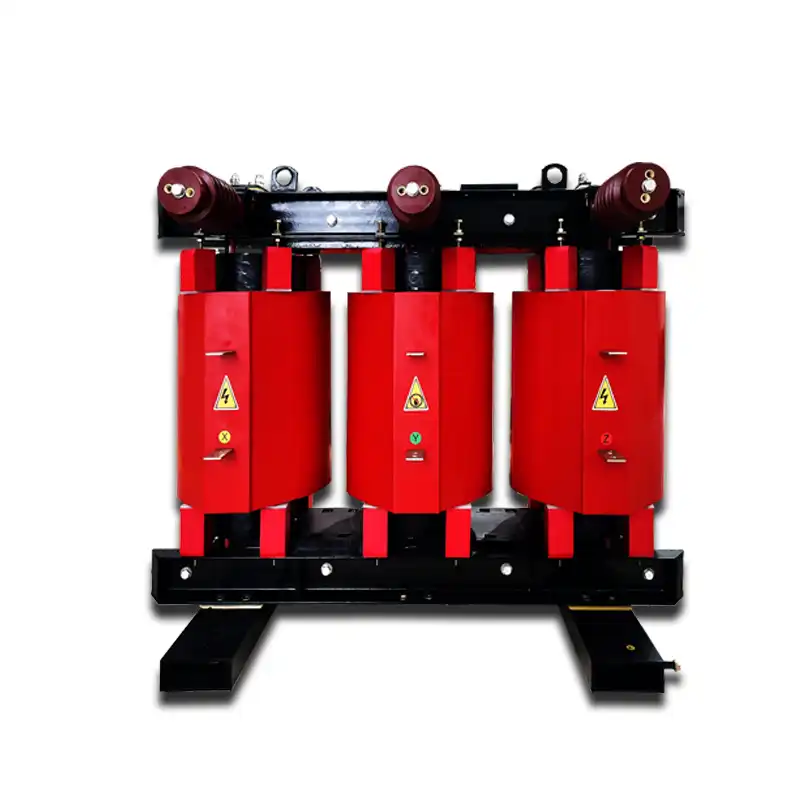
Controlled magnetic flux management through precisely designed core materials is what a Linear Reactor does at its heart. High-quality cold-rolled silicon steel laminations are separated by epoxy-laminated glass spacers, which create stable air gaps that keep the material from becoming saturated too soon. This design makes sure that the inductance stays at about 90% of its normal value even when the current is 150% of its rating value. This is a level of performance that standard inductive components can't reach.
Class H-grade enamel-coated flat copper windings can handle heat stress up to 180°C and less magnetostriction means less noise. The vacuum pressure impregnation process joins the core and windings together to make a single structure. This stops any interior movements that might weaken the insulation over time. The assembly is finished with non-magnetic screws that stop eddy current losses that would otherwise lower performance.
Industrial Advantages Driving Adoption
Power quality problems are getting worse in modern factories. Harmonic pollution from semiconductor-based motor drives changes the shape of voltage waves, which causes unnecessary trips and speeds up the wear and tear on equipment. By providing a controlled resistance path that reduces high-frequency noise and smooths out current ripple, Linear Reactors solve these drawbacks.
The ability to save energy is another important benefit. If the reactors are set up correctly, they can cut the facility's energy use by 3–7% by increasing the displacement power factor and lowering the heating of the transformers. Modern models are small and fit into cabinets, which makes moving into existing equipment easier and faster. This lowers installation costs and timelines.
Core Industrial Applications of Linear Reactors
Linear Reactors are very useful in many different types of industries, and each one uses their unique performance traits to solve its own unique operating problems.
VFD Protection in Manufacturing Automation
VFDs are used to precisely control the speed of production lines that use servo motors, CNC cutting centers, and robotic assembly systems. Line-side reactors, which are put between the electrical distribution panel and the drive input connections, protect against grid transients and stop harmonic feedback from going upstream. This double defence stops voltage spikes from hurting rectifier bridges and lowers total harmonic current distortion (THDi) to levels that meet IEEE 519 standards.
Steel mills and paper making plants have very tough load profiles, with lots of cycles of speeding up and slowing down that put a lot of stress on the electricity. These shocks are successfully absorbed by reactors with 5% impedance values. This increases the lifespan of drive components by lowering the thermal cycling of electrolytic capacitors. As a result, the mean time between failures (MTBF) got longer and the cost of upkeep went down.
Grid Stability for Utility Systems
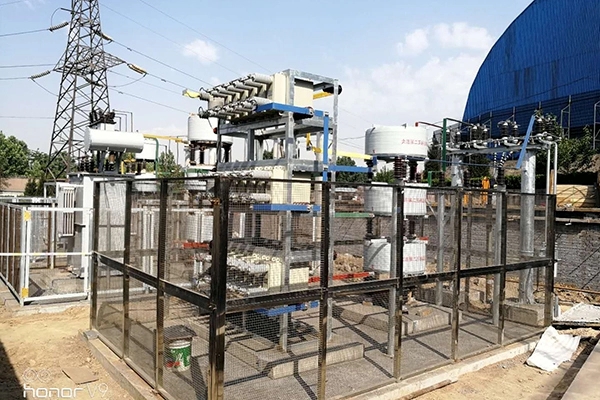
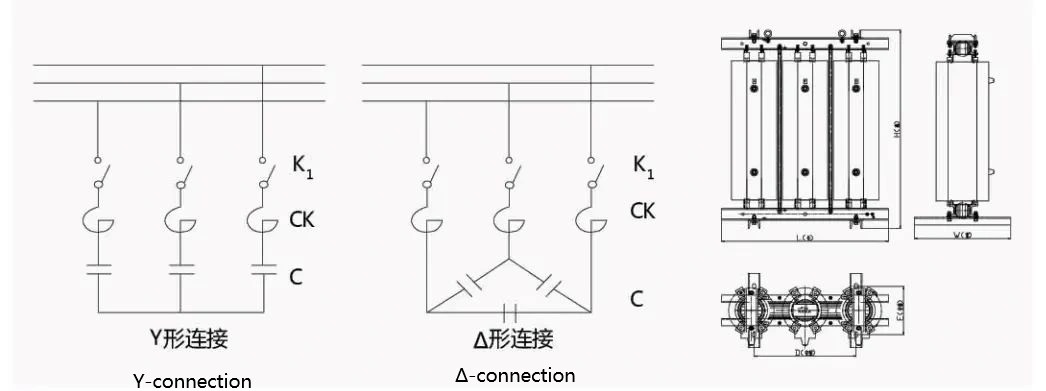
Transmission and distribution companies have to deal with new problems because green energy sources change how the grid works. Solar panels and wind farms that use inverters to make electricity produce harmonic content that can cause resonances in capacitor banks that are used to balance reactive power. Detuning is done by series reactors with capacitor stacks to stop these harmful interactions.
The CKSG Series Low Voltage Reactor has different reactance rates that are designed to reduce harmonics. The 7% reactance rate stops harmonics above the 5th order, the 14% reactance rate stops harmonics above the 3rd order, and the 27% reactance rate stops all harmonics from the 2nd order onwards. Because of this, system designers can fit the specs of the reactor to the harmonic spectrum of each installation.
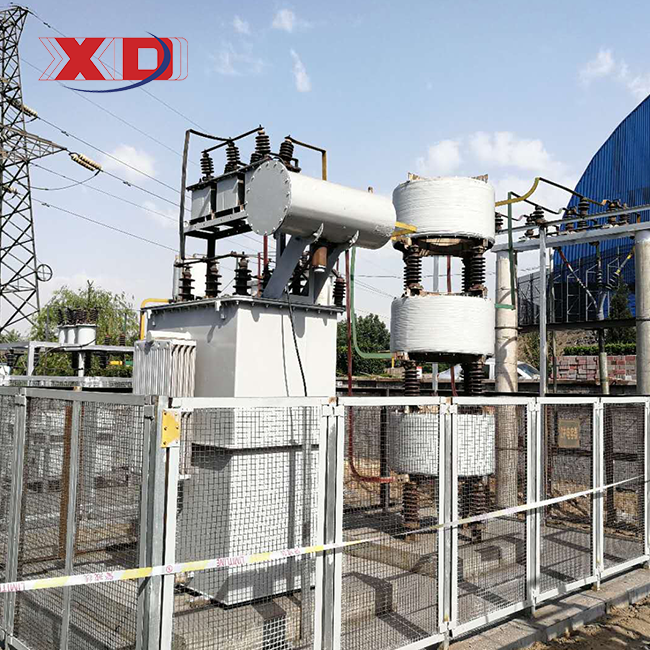
Modern reactors are built to last, which makes them especially useful for substation uses. Terminals that don't rust can handle rough weather conditions, and insulation systems that don't change much in temperature can keep working in conditions ranging from -40°C to +60°C.
Data Center Power Conditioning
Facilities that are very important to the mission, like data centers, hospitals, and communication hubs, can't handle power outages. A lot of switched-mode power supplies in computer racks cause a lot of high-frequency noise on the electrical distribution lines. When placed at the outputs or inputs of an uninterruptible power source (UPS), or both, load reactors provide important filters.
Vacuum-impregnated designs have a low sound signature—usually less than 45 dBA at one meter—which is very important in busy areas. Complete resin sealing gets rid of lamination shaking, which is a common problem with older reactor technologies and makes the system run quietly.
Long wire runs between power rooms and IT loads that are far away add to the problems. When you stretch the wiring, the spread capacitance affects the VFD output switching frequencies. This can cause reflected wave effects that could double the voltage at the motor terminals. Output-side reactors add series resistance on purpose to block these reflections. This keeps the insulation in the motor from failing too soon.
Commercial Building Retrofit Projects
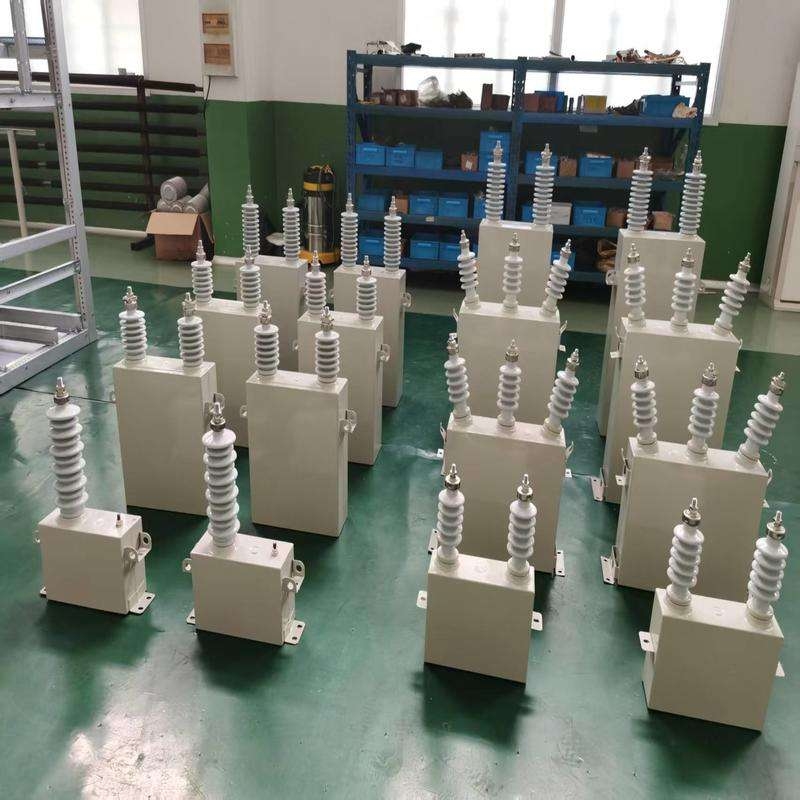
Hospitals, shopping malls, and office buildings with old electricity systems often have low power factors and high energy demand charges. These problems can be fixed with capacitor banks, but they need series reactors to stop damage from inrush current and harmonic amplification.
Modern reactors that meet NFPA 70 fire rules have flame-resistant materials and ways to check the temperature. Their small size makes installation easier in electrical rooms with limited space, where the physical shape has a direct effect on the project's viability. Three-phase and single-phase systems can handle a wide range of loads, from HVAC fans to lift drives.
Comparing Linear Reactors With Alternative Reactor Types in Industrial Settings
Before making a purchase choice, it's helpful to know how Linear Reactors stack up against other technologies that aim to achieve similar power quality goals.
Performance Benchmarking
In standard iron-core reactors that don't have an optimised air gap design, the inductance drops as the current rises. This makes them less effective at filtering during the high-current transients they're supposed to stop. Linear Reactors have better inductance stability than other designs; they usually keep 90% or more of their standard value at 150% of their rated current, while other designs only keep 70–75%.
Concerns about magnetic saturation are completely eliminated in air-core reactors, but they need much bigger amounts to achieve the same inductance. Because of this, they are too big and too heavy to be used for retrofitting, and they need more support in the structure. Their higher prices make them less likely to be chosen, except in very specific high-frequency filtering situations.
When you use tuned LC circuits in passive harmonic filters, they block out a small range of frequencies, but they might create parallel resonances at frequencies that aren't tuned. Broadband series reactors don't have this kind of complexity, and their performance is more stable even when the load changes. System engineers like how the engineering calculations are easier to do and how the setup time is shorter.
Cost-Benefit Analysis
The cost of a reactor up front is usually between 5 and 8 percent of the value of the VFD or capacitor bank it is connected to. However, the security it offers keeps breakdowns from happening that would cost 10 to 50 times the price of the reactor. Overheating of the transformer due to harmonic loading, breaking of the capacitor due to inrush currents, and drive failures due to voltage spikes are all problems that cost a lot more to fix than the cost of preventative parts.
The return on investment goes up even more when you save energy. Facilities that get regular charges from utilities for power factor issues can get rid of these fees by compensating for reactive power correctly, with reactors making sure that the capacitor bank works safely. The 30% less loss that is caused by better core materials and coil design directly raises the efficiency of the system.
Strategic Considerations for Procuring Linear Reactors
For procurement to go well, technical standards must be matched with practical needs, and the skills of suppliers must be assessed.
Technical Specification Matching
To choose the right resistance, you need to know how the system works. Input reactors for VFDs usually have a resistance of 3% or 5%, which balances harmonic reduction with a good voltage drop. Higher impedance values reduce harmonics better, but they also cause a bigger voltage difference between the line and the load, which might mean that the drive needs to be derated.
The current grades need to take into account both steady loads and high loads. Good reactors can handle short-term overloads of up to 100 times their rated current without breaking, which is very important for systems that use capacitor banks to switch. The thermal rise specs show that the unit will work within the limits of its insulation class when it is exposed to normal air temperatures and ventilation.
Customisation choices take into account the needs of each area. Building rules in North America are met by UL approval and seismic bracing. Installations near tropical coastlines can be protected against salt fog. Utility companies that are looking to the future can use smart grid tracking interfaces to plan ahead for repair needs.
Supplier Evaluation Criteria
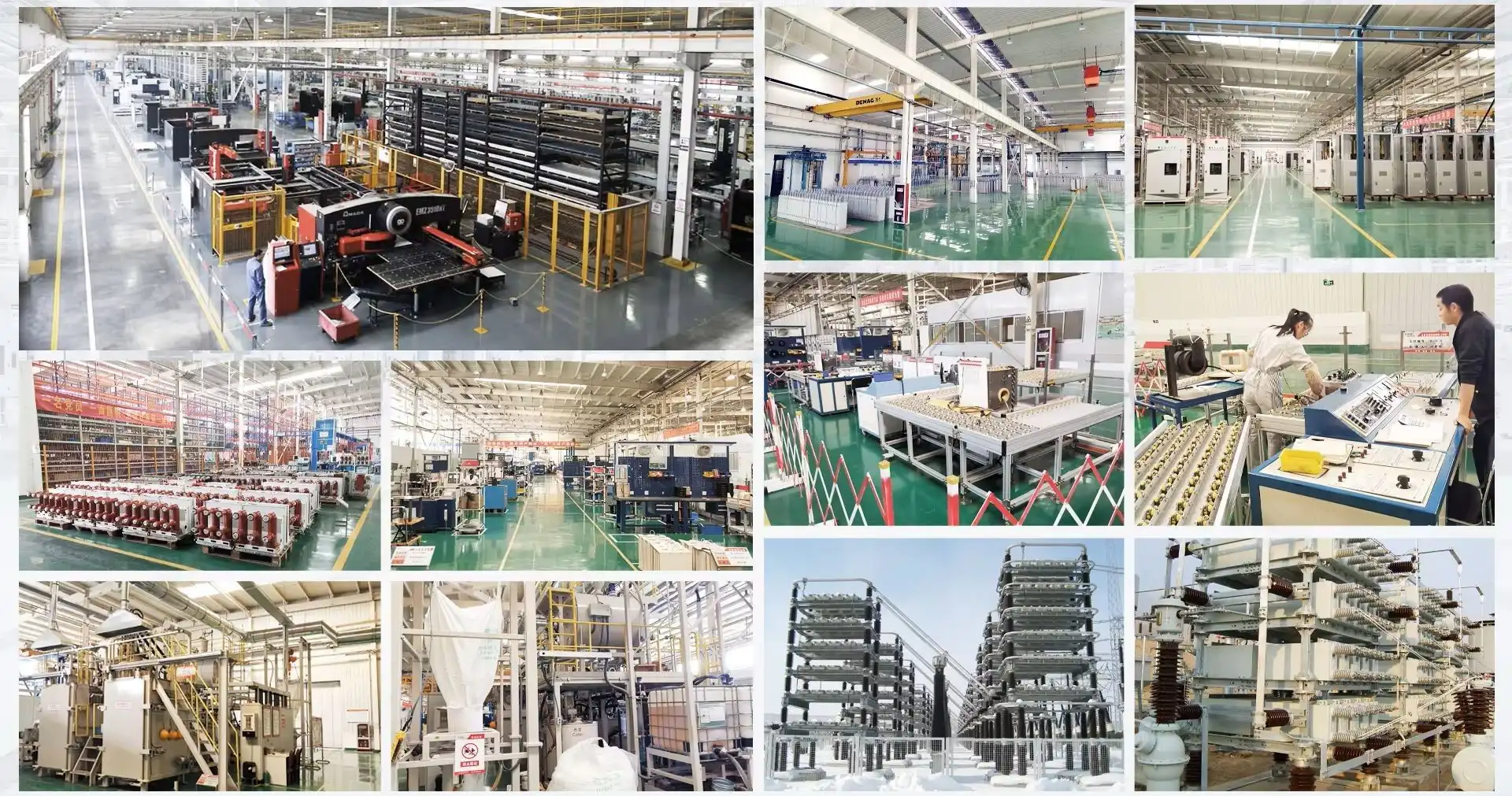
When something is made well, it will last a long time and be reliable. Vacuum pressure impregnation (VPI) methods make sure that all of the glue gets into the material, filling any gaps that could cause the insulation to break down. Standardised tests are used in twelve steps to make sure that the reactance is accurate to within ±3%, that it works well at high temperatures, and that it has good dielectric strength.
Lead times affect how a job is scheduled. Established makers who keep popular setups in stock can deliver within 4 to 6 weeks, but custom designs may take 10 to 12 weeks from the time the order is placed. Costly project delays can be avoided by being clear about what is expected of the output.
Having access to technical help is very important during installation and setup. When unexpected things happen on the job site, suppliers who offer technical advice 24 hours a day, seven days a week can help. Also, detailed paperwork like single-line diagrams and installation drawings speed up the work of contractors. Maintenance workers can make tools last longer by learning how to take care of it properly.
Maintenance, Installation, and Technical Support for Linear Reactors
To get the most out of a Linear Reactor's working life, it's important to follow best practices for installation and regular upkeep.
Installation Guidelines
When mounted correctly, all areas will have enough air flow around them. Vertical placement with unfettered airflow above and below the unit encourages convection cooling, which keeps hot spots from forming in certain areas. Even in small spaces, the minimum clearances set by the maker must be followed. Usually, these are 150 mm on all sides.
Electrical connections have torque limits that keep problems like resistive heating at open ends and wire damage from over-tightening from happening. Concerns about compatibility are taken care of by terminal blocks that are made for the type of wire and the ampacity. Connecting equipment ground buses to grounding cables keeps people safe and lowers noise.
Environmental safety takes into account certain installation circumstances. When installed outside, NEMA 3R enclosures protect against rain and sleet, but indoor sites with controlled temperature need more protection. Coastal areas need coats that protect metal from rust on all of its uncovered parts.
Preventive Maintenance Procedures
Every year, infrared thermography scans find hot spots that are starting to form before they cause problems. If the temperature rises more than 10°C above the label limit, it's time to look into whether there is a blockage in the ventilation system, loose connections, or harmonic overload. When you look at the trend of thermal data over several inspection rounds, you can see patterns of slow decline.
Visual checks make sure that the terminals are tight, that the insulation is in good shape, and that there are no contaminants. Putting dust on cooling surfaces makes them less effective at removing heat; cleaning them every so often with dry compressed air fixes this. Any change in the colour of insulation materials is a sign of heat stress that needs to be looked into to find the root cause.
Quantitative performance evaluation is done by testing the electricity during planned blackouts. Measurements of inductance at different current levels show that uniformity is still present, and tests of insulation resistance find signs of moisture getting in or insulation breaking down. Ageing trends can be found by comparing new data to old data from the launching process.
Troubleshooting Common Issues
Unexpected temperature rise is often caused by harmonic currents that are higher than what was planned. Using power quality meters to look at the harmonic spectrum lets you find frequencies that are causing problems, so you can change the system to lower harmonic production. Other options include improving airflow or upgrading to a higher current capacity.
Noise levels going up could mean that the lamination stacks or fastening tools are coming loose. Vacuum-impregnated designs don't fail in this way, but mounting frames can be damaged by mechanical vibrations from nearby equipment. Most noise issues can be solved with isolation pads and torque testing.
Most of the time, insulation fails because of long-term overvoltage or heat damage. As part of a root cause probe, the level of surge protection, the efficiency of ventilation, and the load current patterns are all looked at. Replacing it with properly rated equipment stops it from happening again and fixes the system's problems at their source.
Conclusion
In modern industrial power systems, Linear Reactors play crucial roles in safeguarding important equipment while ensuring compliance with regulations and working effectiveness. Automation in manufacturing, managing power grids, building data centers, and business building electrical systems are all things that they can be used for. Procurement pros can make choices that are in line with long-term reliability goals when they know the technical differences between reactor types, the right way to specify them, and how to keep them in good shape. As computer loads rise and renewable energy is added, power quality problems get worse. To make a project successful, you need to work with skilled suppliers.
FAQ
1.What distinguishes a linear reactor from a standard inductor?
Precision air gap engineering and high-quality core materials enable Linear Reactors to keep stable inductance over a wide current range. Standard inductors may lose their resistance properties when they are exposed to high currents. This is exactly when safety is needed the most. The linearity standard, which usually says ≥90% inductance retention at 150% peak current, gives a number to this important performance difference.
2.Can a single reactor serve both input and output functions?
Different electrical pressures are put on input and output uses. Input reactors deal with harmonics and voltage changes at the fundamental frequency. Output reactors, on the other hand, have to handle high dv/dt from IGBT switching at 4–16 kHz carrier frequencies. Before using the reactor in load-side applications, always make sure it has the right output or dv/dt values to avoid insulation failure.
3.How do reactors affect overall system efficiency?
Losses from good reactors are usually very small, less than 1% of the total power. The small drop in voltage is balanced out by better power factor, lower circuit losses, and longer equipment life. Getting rid of utility power factor fees and lowering the cooling needs of highly stressed parts are two ways that facilities often achieve net positive efficiency.
Partner With Xi'an Xikai for Reliable Linear Reactor Solutions
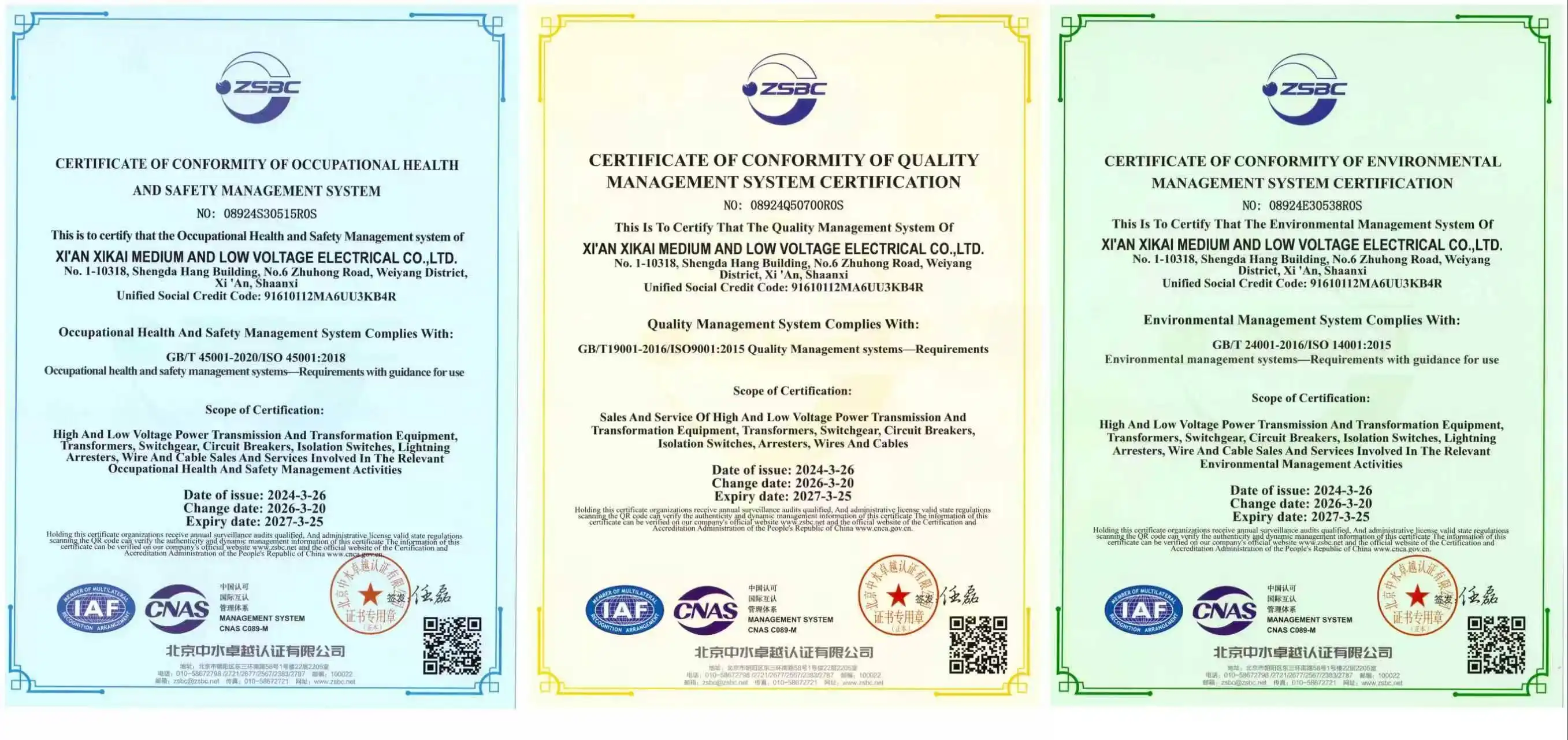
Power quality problems can be solved by Xi'an Xikai Medium & Low Voltage Electric Co., Ltd., which has been an engineering firm for decades. Our CKSG Series reactors have been shown to reduce harmonics and protect equipment in harsh industrial settings. We are the trusted manufacturer of Linear Reactors because we offer a wide range of customisation choices, strict 12-stage quality assurance, and expert help around the world. Send an email to serina@xaxd-electric.com, amber@xaxd-electric.com, or luna@xaxd-electric.com with your specific needs to our applications tech team. We'll help you figure out the best way to improve service and operating efficiency.
References
1. Institute of Electrical and Electronics Engineers (IEEE). "IEEE Recommended Practice and Requirements for Harmonic Control in Electric Power Systems - IEEE Standard 519-2014." IEEE Standards Association, 2014.
2. National Electrical Manufacturers Association (NEMA). "Application Guide for AC Adjustable Speed Drive Systems." NEMA Standards Publication, 2021.
3. Sankaran, C. "Power Quality." CRC Press, 2017.
4. Chapman, David. "Power Quality Application Guide: Harmonics and Voltage Disturbances." Copper Development Association, 2019.
5. Kularatna, Nihal and Ross, Alexander Sinclair. "Power Electronics Design Handbook: Low-Power Components and Applications." Newnes Publishing, 2016.
6. Dugan, Roger C., McGranaghan, Mark F., Santoso, Surya, and Beaty, H. Wayne. "Electrical Power Systems Quality, Third Edition." McGraw-Hill Education, 2012.