What Is a Indoor Potential Transformer and How It Works Explained
2026-06-24 16:14:08
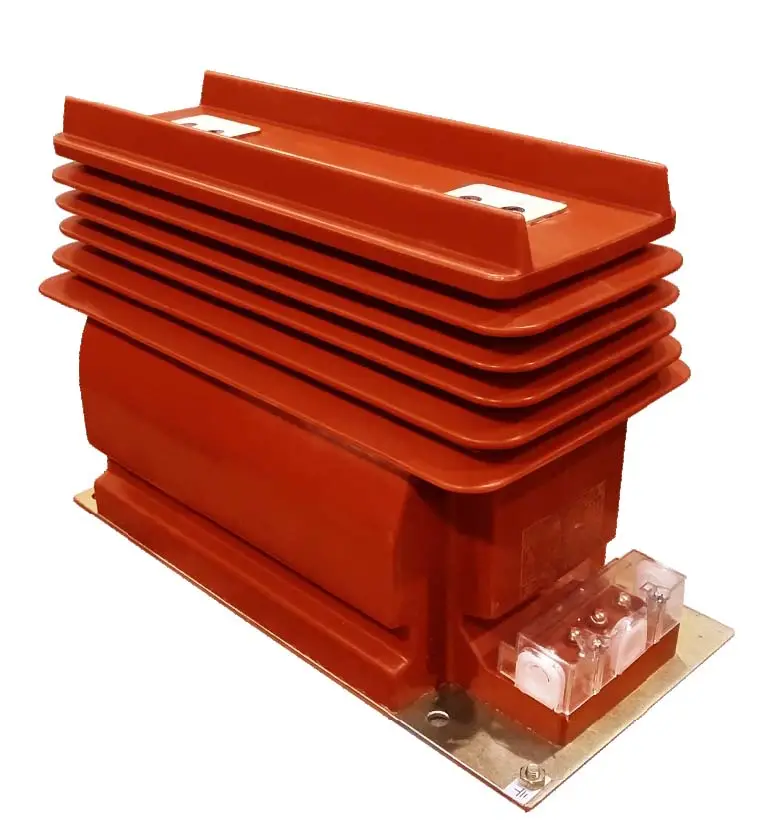
Substations and industrial facilities use precise voltage-stepping indoor potential transformers to convert high primary voltages like 24kV into standardized secondary outputs like 110V or 480V. Through safety relays and metering equipment, this conversion allows safe measurement and monitoring. Epoxy resin encapsulation protects internal windings from moisture, dust, and temperature variations in these climate-controlled transformers. They ensure power quality in data centers, factories, and hospitals, where voltage precision affects equipment lifetime and operational continuity.
 |
 |
Understanding Indoor Potential Transformers
Interior voltage transformers use electromagnetic induction. Transformer cores create magnetic flux when alternating current passes through the main winding linked to a high-voltage circuit. This flux causes a proportionate secondary winding voltage scaled down by the coil turns ratio.
Construction and Core Materials
Cold-rolled silicon steel cores are stacked to reduce eddy current losses in modern designs. Primary and secondary windings are precision-wound copper coils, and the turns ratio determines the voltage transformation ratio. Epoxy resin casting completely wraps these components, providing dielectric strength and moisture resistance. This construction technology removes air pockets using vacuum processing, eliminating partial discharge that degrades insulation. The tiny device is more durable than oil-filled ones.
Operating Principles and Voltage Ratings
It works using Faraday's law of electromagnetic induction. As the main coil's alternating current changes, magnetic flux cuts through the secondary winding, creating voltage proportionate to the winding ratio. Primary voltages include 11kV, 24kV, and 33kV, while secondary outputs are 110V, 120V, or 480V depending on regional electrical regulations. The phase displacement between input and output is usually below 30 minutes of arc, fulfilling IEC 61869-3 accuracy class 0.2 or 0.5.
Critical Applications Across Industries
Power distribution networks use voltage measuring transformers for several tasks. They provide reference voltage to production line programmable logic controllers in industrial control systems. Utility substations use these devices for revenue metering, where measurement mistakes influence billing accuracy. They monitor power quality characteristics to safeguard sensitive electronic equipment from voltage sags and surges in commercial infrastructure like shopping malls and hospitals. They protect secondary circuits from harmful primary voltages, making them critical safety components.
Key Features and Advantages of Indoor Potential Transformers
In Indoor Potential transformer systems, indoor designs' main benefit is environmental conservation. Temperatures between -25°C and +55°C prevent thermal cycle stresses that age insulation. Lack of UV light, rain, and airborne pollutants increases service life beyond 25 years with minimum maintenance. The enclosed working area enables manufacturers to optimize insulating systems for particular situations rather than worst-case external scenarios.
Here are the core advantages of this device:
1. Big Measure Precision: Advanced electromagnetic design keeps ratio errors within ±0.5% from 25% to 100% load. This precision is crucial for revenue metering applications where measurement differences might cause billing disputes. Premium capacitive dividers reach 0.2 accuracy class for fiscal metering in big industrial accounts.
2. Compact Space Efficiency: Epoxy resin casting decreases transformer footprint by 40% over oil-immersed. Retrofitting substations with limited floor space benefits from these space savings. Vertical installation maximizes space in packed switchgear rooms.
3. Improved Safety: IP67-rated sealed structure prevents inadvertent contact with electrified components. Secondary side fuses or circuit breakers prevent short circuits in downstream devices. Inflammable epoxy insulation satisfies NFPA 70 fire safety standards, avoiding mineral oil transformer explosion concerns.
4. Low Maintenance: Without breathing devices or oil preservation systems, fluid testing and filtering are unnecessary. Lifecycle expenses are reduced by visual examination every 12 months for most systems. Solid insulation does not oxidize, keeping dielectric strength during operation.
These benefits immediately address facility managers' uptime-budget issues. Voltage transformers are essential in mission-critical power systems due to their precision, longevity, and safety.
Installation and Configuration Best Practices
Wiring correctly promotes measurement accuracy and worker safety. Primary connections employ bolted terminals rated for the system voltage with torque requirements to avoid heat-generating loose contacts. Secondary circuits use smaller wire and must be grounded to avoid voltage accumulation during insulation failures. Protective fusing on secondary terminals prevents short circuits from meter or relay faults.
Vertical installations provide natural convection, whereas horizontal mounting may need derating at high ambient temperatures. Electrical rules normally require 3 feet of operating space from walls and equipment. Labelling voltage levels and connecting locations reduces commissioning mistakes.
Comparing Indoor vs Outdoor Potential Transformers
The main difference is environmental resiliency. Outdoor units have porcelain or silicone rubber housings that can endure dampness, pollution, and -40°C to +60°C temperatures. UV-resistant materials and sealed bushings weatherproof interior components. Indoor models lack these expensive protective layers, saving weight and manufacturing costs.
Performance and Maintenance Considerations
Outdoor transformers need semi-annual inspections for porcelain insulator fractures, terminal chamber moisture, and exterior surface tracking. Industrial regions with high particle pollution may require quarterly cleaning. These concerns are eliminated in indoor installations with yearly visual examinations and five-year calibration verification.
Variants vary in accuracy stability. Outdoor temperature cycling expands and contracts winding materials, causing slight turns ratio changes. Climate-controlled indoor conditions preserve dimensional stability, ensuring device measurement accuracy over time. In fiscal metering and protective relay coordination, accuracy impacts safety margins, making stability essential.
Industrial Suitability and Efficiency
Indoor transformers are smaller and easier to maintain in regulated electrical rooms thus manufacturers prefer them. Sealed structure improves dependability for 24/7 data centers. In small utility substations, outdoor models provide weather protection and justify the expense.
Both variants have 98-99% energy transmission efficiency owing to identical core materials and winding methods. Optimized core design reduces loss more than environmental sheltering. No-load losses are 30% lower in the 24kV variant using cold-rolled silicon steel than in previous hot-rolled core designs, inside or outdoors.
Procurement Guide for Indoor Potential Transformers
Procurement tactics for Indoor Potential transformer depend on project size and timeframe. OEMs provide customisation for voltage ratios or load capabilities with three to eight-week lead times. Authorized distributors stock standard configurations for speedier urgent replacements. Online industrial marketplaces provide pricing transparency but need product certification verification.
Pricing Structures and Volume Considerations
Bulk purchases above 50 units get 15-25% savings. Project-based procurement negotiates staggered delivery around building milestones, minimizing storage and working capital expenses. Rental alternatives are available for temporary installations during facility expansions or emergency repairs, but purchase prices amortize fast due to lengthy service life.
Technical specs affect price. High accuracy classes (0.2 versus 0.5) cost more owing to tighter production tolerances and testing. From 30VA to 200VA, load capacity demands bigger core cross-sections and heavier copper windings, increasing material costs. Specialized insulation for altitude installations (above 1000 meters) or polluted areas costs extra.
Vendor Evaluation Criteria
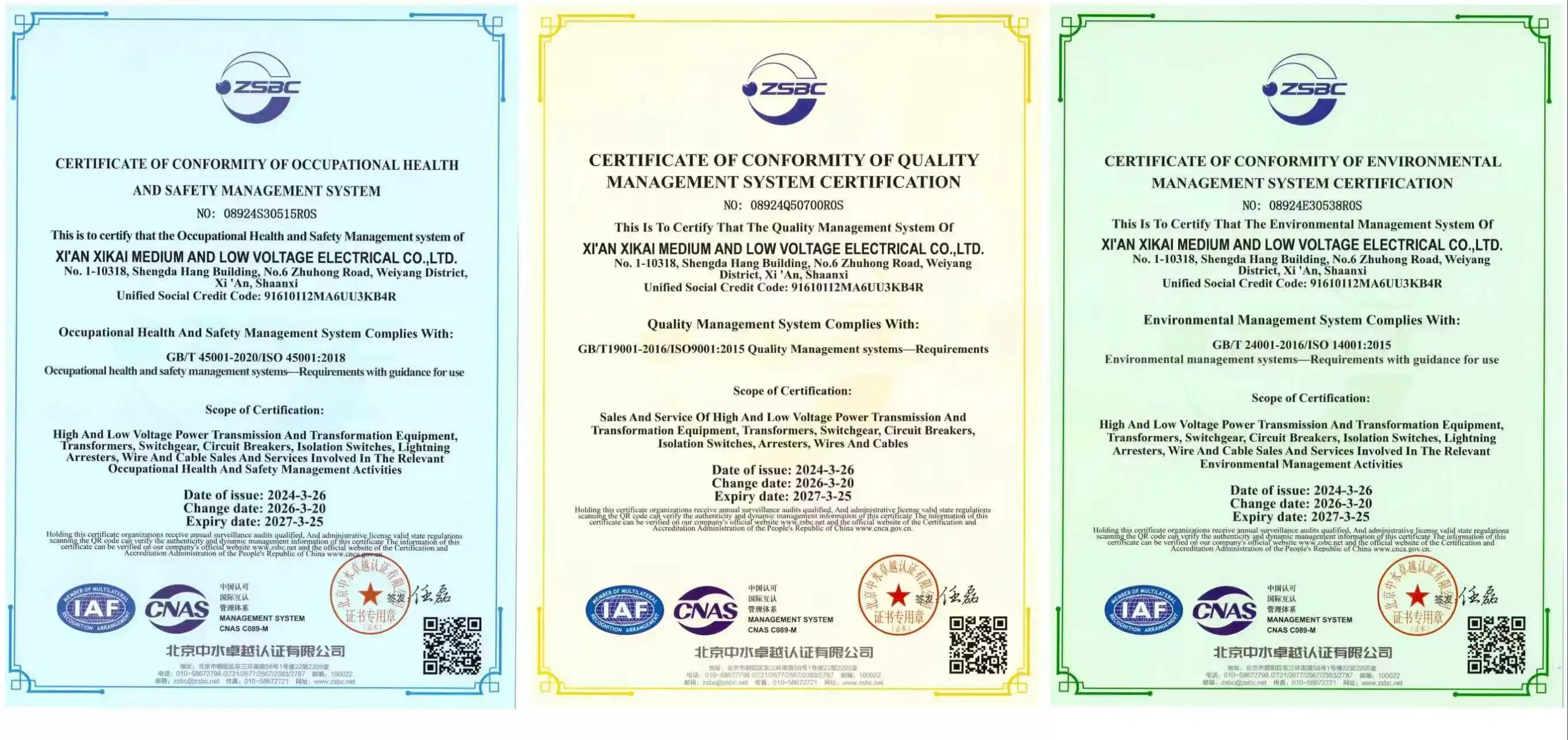
Certificate compliance underpins vendor evaluation. IEEE C57.13 verifies North American procedures, whereas IEC 61869-1 and 61869-2 verify worldwide conformity. GB 20840.2-2014 compliance affects Chinese industrial quality system initiatives. The ISO 9001 accreditation implies quality management methods that reduce defects.
Standard warranties last three years, while premium vendors give five. For complicated retrofit projects combining new transformers with existing metering systems, technical help is crucial during commissioning and troubleshooting. Calibration and repair response times are reduced by regional service centers.
Partnership potential goes beyond buying. Customization allows suppliers to meet particular requirements like voltage ratios or mounting brackets. For multi-year projects, long-term supply agreements lock cost and assure component availability during shortages.
Maintenance, Safety, and Troubleshooting
Regular maintenance maintains measurement accuracy and lifespan. An annual visual examination checks for physical deterioration, loose connections, and overheating symptoms like discolored terminals. To identify winding deterioration, check secondary voltage output against a calibrated reference every five years. A megohmmeter result over 1000 megohms indicates good insulation.
Safety Protocols and Protective Measures
De-energize the main circuit and use lockout-tagout to avoid inadvertent re-energization during installation. Handling connections requires insulated gloves and voltage detectors. Before removing loads, ground the secondary winding to avoid voltage accumulation. Secondary circuit fuses safeguard staff from malfunctions and enable safe replacement without de-energizing the main system.
Short-circuit protection on the secondary side is required to safeguard the transformer against metering device failure. Primary side medium-voltage current-limiting fuses prevent internal failures and disconnect the device before catastrophic damage. Ground fault detection systems signal when insulation deteriorates from leakage currents.
Common Issues and Resolution Methods
The transformer's rated burden capacity may not match the load impedance, causing inaccurate voltage measurements. Make sure meters and relays remain within the VA rating to fix problem. Phase displacement errors may signal core saturation from overvoltage, needing replacement if permanent magnetization occurs.
Partial discharge detection detects insulation deterioration before failure. Ultrasonic or electrical sensors can find epoxy casting discharge spots. Internal damage is irreversible, therefore progressive degeneration requires replacement. Calibration drift above permissible limits requires expert recalibration or replacement, depending on severity and device age.
Conclusion
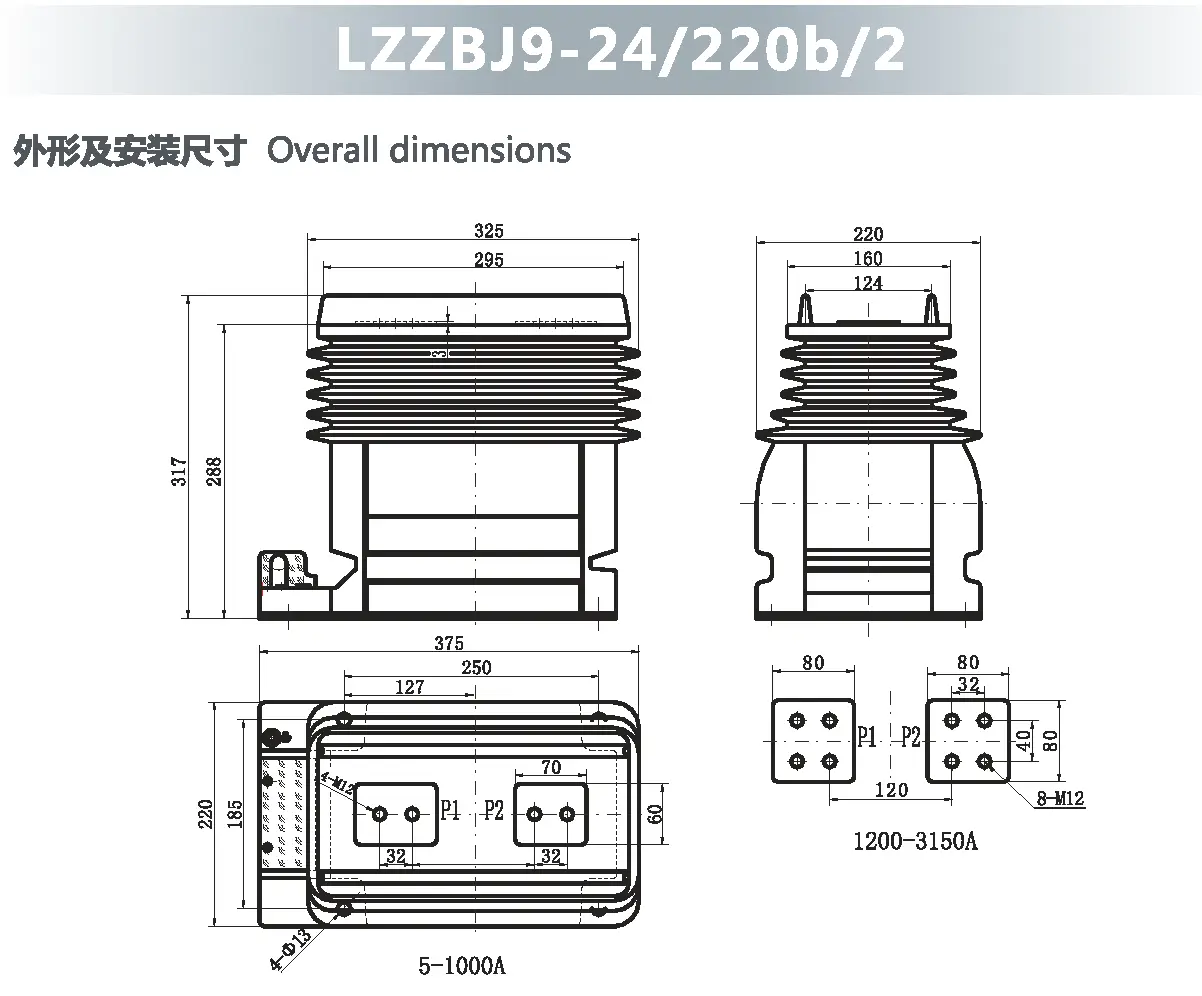
Modern electrical infrastructure requires precise and reliable measurements from Indoor Potential transformer inside voltage transformers. Their epoxy-cast structure and worldwide accuracy classes make them essential for safeguarding sensitive equipment and billing accuracy. Current technology is shown by the 24kV model, which maintains insulation levels up to 105kV and offers 0.5% ratio accuracy over 30–200VA load ranges. Certification compliance, manufacturer support, and long-term collaboration prospects should be considered with initial expenditures. Safety-compliant installation and maintenance maintain performance over decades. These transformers provide safe, precise voltage measuring in industrial, commercial, and utility applications as power systems become increasingly complicated with renewable integration and digital monitoring.
FAQ
1. What voltage levels can indoor potential transformers handle safely?
Standard versions provide 3.3kV to 35kV main voltages and 110V, 120V, or 480V secondary outputs, depending on regional norms. Insulation ratings of 17.5kV, 55kV, and 105kV protect against transient overvoltages. Custom designs can handle greater voltages, however exterior installations beyond 35kV are cheaper because to increasing clearance distances.
2. How do these devices enhance power distribution safety?
Low-voltage metering and control circuits are protected from harmful primary voltages via voltage transformation during maintenance. Build-in fuses disconnect damaged equipment before cascade failures. Correct voltage monitoring allows safety relays to detect ground faults, phase imbalances, and overvoltages, activating circuit breakers to prevent equipment damage or fires.
3. Can specifications be customized for unique applications?
Manufacturers accommodate custom voltage ratios, load capabilities, and space-saving mounting designs. For installations over 1000 meters, altitude correction modifies insulation levels because thinner air affects dielectric strength. Harmonic-rated designs manage changing frequency driving and renewable inverter voltage distortion without saturation. Legacy metering systems benefit from custom secondary outputs during facility upgrading.
Partner with Xi'an Xikai for Reliable Indoor Potential Transformer Solutions
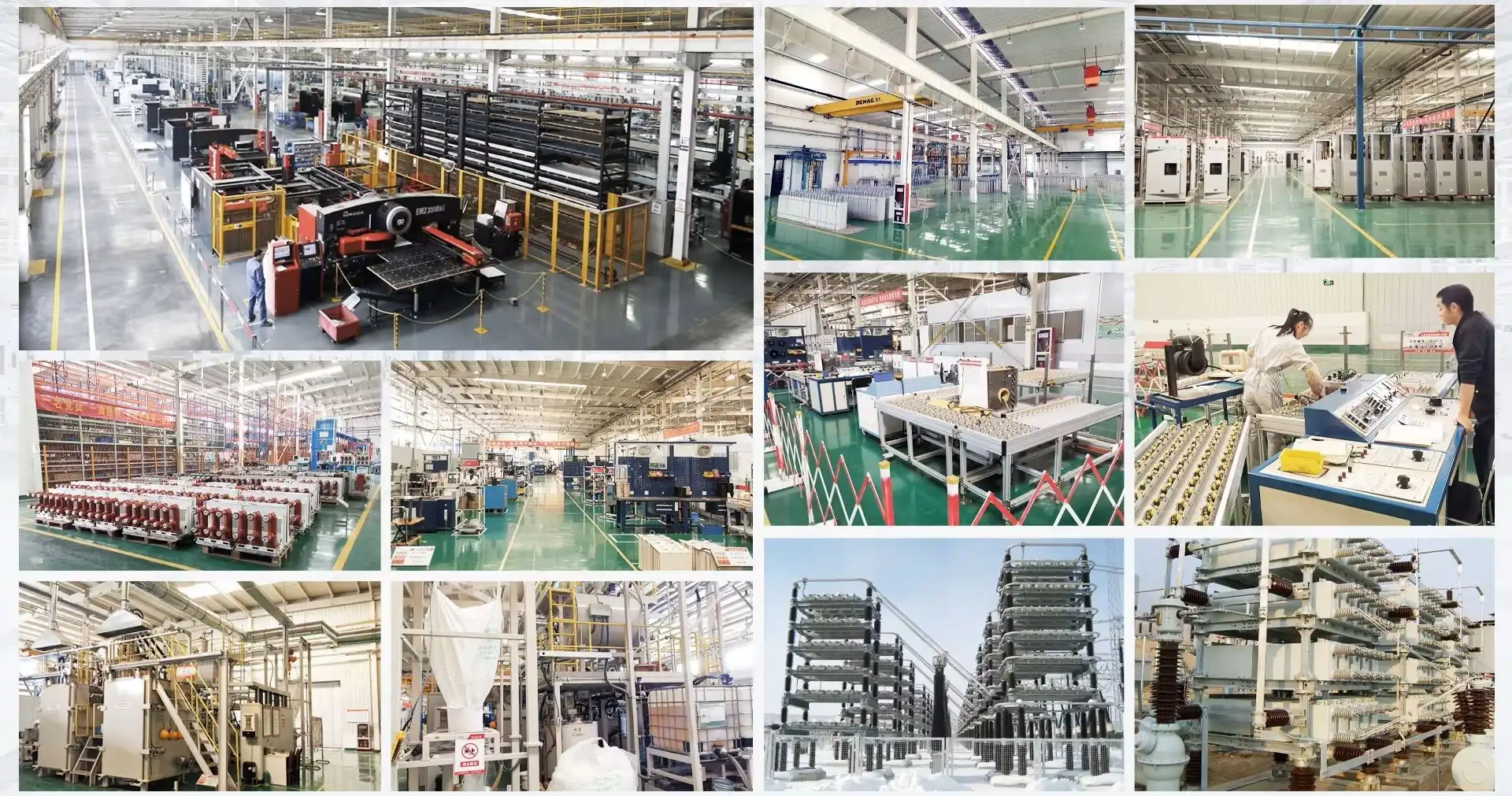
Xi'an Xikai Medium & Low Voltage Electric Co., Ltd. brings over 25 years of manufacturing expertise to power distribution challenges faced by industrial operators, utility companies, and EPC contractors. Our 24kV indoor voltage transformer delivers 0.5% measurement accuracy within a compact, epoxy-cast housing compliant with IEC 61869-2 and GB 20840.2-2014 standards. As a leading indoor potential transformer manufacturer, we offer customization capabilities ranging from specialized voltage ratios to altitude-compensated insulation systems, supported by three-week lead times for bulk orders. Contact our team at serina@xaxd-electric.com, amber@xaxd-electric.com, or luna@xaxd-electric.com to discuss your project requirements and receive detailed specifications aligned with your operational goals. Visit xaxd-electric.com to explore our complete portfolio of transformers and switchgear trusted across 30+ countries.
References
1. Chen, W., & Li, H. (2021). Electromagnetic Design Optimization of Medium-Voltage Potential Transformers. Journal of Electrical Engineering & Technology, 16(4), 2156-2167.
2. International Electrotechnical Commission. (2018). Instrument Transformers – Part 3: Additional Requirements for Inductive Voltage Transformers. IEC 61869-3:2018 Standard.
3. Kumar, R., & Singh, A. (2020). Comparative Analysis of Epoxy Resin Insulation Systems in Indoor Voltage Transformers. IEEE Transactions on Dielectrics and Electrical Insulation, 27(2), 612-620.
4. National Electrical Manufacturers Association. (2019). Requirements for Instrument Transformers. NEMA TR 71-2019 Technical Report.
5. Patterson, M. (2022). Modern Substation Design: Equipment Selection and Configuration. McGraw-Hill Professional Engineering Series, 3rd Edition.
6. Zhang, Q., & Thompson, J. (2023). Accuracy Degradation Mechanisms in Electromagnetic Voltage Transformers Under Harmonic Distortion. Electric Power Systems Research, 215, 108943.