What Is a Outdoor Disconnect Switch and Why Is It Essential for Safety?
2026-06-01 16:01:26
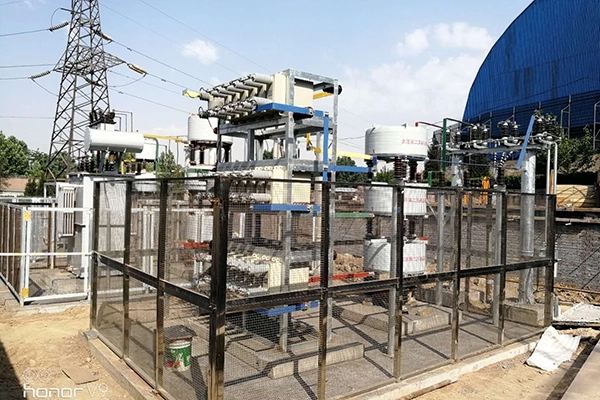
An Outdoor disconnect switch prevents electrical equipment from being accidentally energized during maintenance or emergencies. These external switches offer visible disconnection points for personnel to safely work on substations, industrial machinery, and transmission lines. Their waterproof enclosures and locking mechanisms protect against environmental threats and illegal operation, ensuring operational uptime and protecting workers and equipment across power distribution networks.
 |
 |
Understanding Outdoor Disconnect Switches: Definition and Working Principles
Electrical circuits are mechanically isolated from power supply by an Outdoor disconnect switch. Breakers interrupt fault currents, but disconnect switches generate a visible circuit gap under no-load or minimal-load situations. A noticeable air gap ensures maintenance staff that equipment is properly de-energized before repairs or inspections.
Core Components and Design Features
The conventional Outdoor disconnect switch has several critical parts that work together to provide reliability. NEMA 3R or IP65 weatherproof enclosures protect internal components from rain, snow, dust, and corrosion. The copper- or silver-coated contact mechanism within enables low-resistance connections when closed and appropriate dielectric strength when open.
Handle mechanism converts manual or motorized force into contact movement. Heavy-duty variants decrease friction and last over 10,000 cycles with stainless steel pins, bushings, and bearings. Coastal or industrial hot-dip galvanized steel frames prevent corrosion, while aluminum alloy profiles improve heat dissipation during high-current operation.
How Outdoor Disconnect Switches Operate?
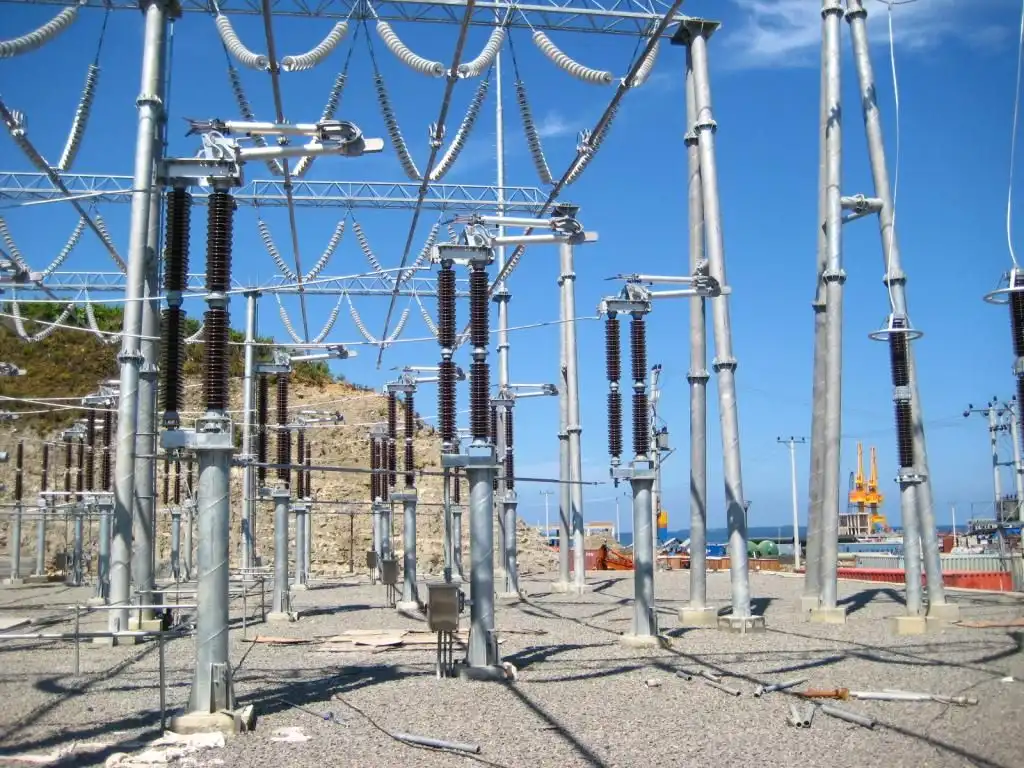
Operators engage the switch, which spins or slides the moving contact blade away from the stationary contact. This generates an air gap—usually several inches wide in high-voltage applications—that blocks current. Grading rings and shields enhance contact point electric field distribution, decreasing corona discharge and radio frequency interference that might impair surrounding communication equipment.
Xi'an Xikai's GW10 High Voltage Disconnect Switch has innovative design. This vertical pantograph switch elevates contacts vertically through a stainless steel transmission system for 126–550 kV transmission networks and up to 5000A. Bent copper plates make maintenance easier, while externally compressed stainless springs maintain contact pressure at severe temperatures. Flexible busbar connections allow thermal expansion, and short friction travel lowers mechanical wear, ensuring decades of maintenance-free substation and power plant performance.
Types and Ratings
Multiple Outdoor disconnect switch configurations meet application needs. For lower voltage installations, knife blade switches move a flat conductor between two fixed jaws. Three-phase outdoor switchgear uses rotary designs to disconnect. Non-fused devices employ upstream breakers for fault interruption, whereas fused models provide overcurrent protection.
Weatherproof enclosures are NEMA 3R for rain and sleet, NEMA 4X for corrosion, and IP65 for dust and water jets. To meet North American or international requirements, procurement managers should check that switches are UL 98 or IEC 62271-102 certified.
Outdoor Versus Indoor Applications
Outdoor disconnect switches offer improved environmental protection while maintaining their basic operation. Indoor units have less moisture and temperature changes, thus they may employ lighter enclosures. To withstand desert heat and Arctic cold, outdoor versions include UV-resistant coatings, sealed cable entrances, and corrosion-inhibiting hardware. Facility operators can choose the right equipment for rooftop solar arrays, outdoor substations, and weather-exposed industrial gear by understanding these differences.
Essential Safety Features and Benefits of Outdoor Disconnect Switches
Safety is crucial in Outdoor disconnect switch design. These devices have numerous levels of safety to avoid accidents and assure industrial, utility, and commercial regulatory compliance.
Lockable Handles and Emergency Shutoff
Technicians can follow OSHA 1910.147 lockout/tagout (LOTO) procedures with padlocks or hasp assemblies on lockable working handles. This prohibits unauthorized people from re-energizing circuits during maintenance. Some modern versions include inherent interlock mechanisms that require key exchange before closing breakers, improving procedural safety.
Emergency shutdown permits quick de-energization following fire, equipment failure, or worker injury. Emergency responders can cutoff electricity without entering dangerous locations using the externally placed handle even when control buildings are evacuated.
Corrosion-Resistant Enclosures and Certifications
Equipment in outdoor situations faces salt fog, industrial contaminants, and severe humidity. Quality Outdoor disconnect switches include hot-dip galvanized steel frames and stainless steel fasteners to withstand oxidation. Corrosion-resistant aluminum alloy contact supports transmit heat away from high-current connections, reducing insulation degradation and equipment failure.
Buyers may trust switches that have passed UL and IEC 62271-102 dielectric strength, temperature increase, and mechanical durability testing. Utility and EPC businesses are liable for equipment failures that cause grid instability or worker accidents, thus these certifications are crucial.
Operational Safety and Maintenance Benefits
Disconnection points are visible to prevent live conductor contact. Outdoor disconnect switches show open circuits, unlike enclosed circuit breakers. Transparency gives transformer, capacitor bank, and transmission line maintenance teams confidence.
Cost savings result from less downtime. The maintenance-free GW10 switch removes routine lubrication and contact adjustments in older equipment. Self-cleaning insulators retain dielectric strength without cleaning. Bent copper plate terminals make busbar removal easy, decreasing repair time from hours to minutes.
Compliance with NEC and IEC Standards
Article 230.70 of the NEC requires service conductor disconnecting mechanisms, whereas Article 705.22 needs Outdoor disconnect switches for distributed generating systems like solar arrays. International installations must meet IEC approvals, ingress protection ratings, and operational cycle endurance. Facility operators avoid code violations and insurance claim denials following equipment mishaps by meeting these standards.
Troubleshooting Common Issues
Contact wear causes connection point resistance and overheating. Infrared thermography detects hot areas before failure during routine inspections. In well sealed enclosures, moisture infiltration seldom causes insulator tracking. Drainage hole and gasket integrity should be checked annually. Replace pitted or discolored contacts to restore safety margins and prevent catastrophic switching failures.
How to Choose the Right Outdoor Disconnect Switch for Your Application?
Consider operating characteristics, environmental circumstances, and regulatory requirements when choosing an Outdoor disconnect switch. To guarantee long-term dependability and safety, procurement managers and engineers must examine many key variables.
Application-Specific Requirements
Solar energy systems require Outdoor disconnect switches with high DC voltage ratings and arc-quenching capabilities because direct current arcs are harder to extinguish than alternating current. Industrial machinery requires strong mechanical structure to endure vibration and switching cycles. Data centers and hospitals need switches with low electromagnetic interference to protect sensitive devices, therefore optimum grading rings are best.
Voltage and Current Ratings
Switch ratings should match system characteristics to avoid underspecification and expense. A 480V industrial facility needs 600V switches for safety. Current ratings must exceed maximum load currents by 25% or more to accommodate for inrush circumstances. The GW10 series meets utility-scale transmission needs at 126–550 kV and 5000A with vertical pantograph architecture and small footprints.
Enclosure Classifications and Environmental Factors
To combat salt spray corrosion, coastal installations need NEMA 4X or IP66 enclosures. UV-resistant coatings and better heat dissipation profiles are needed in desert areas. High-altitude Outdoor disconnect switches increase contact spacing and modify insulators to adjust for decreased air density and dielectric strength at elevations above 4,000 meters.
Fuse Compatibility and Protective Coordination
Fused Outdoor disconnect switches simplify installations with limited space by isolating and overcurrent protecting. However, fuse replacement increases maintenance and operational costs. Non-fused switches with upstream circuit breakers work better with digital relays and allow selective tripping to maintain healthy circuits powered during failures.
Comparison with Circuit Breakers and Fuse Boxes
Circuit breakers automatically interrupt fault currents but cost far more than Outdoor disconnect switches. Fuse boxes are cheap but not reusable or adjustable like breakers. Outdoor disconnect switches isolate equipment securely for maintenance while protecting against faults. This labor division improves system dependability and economics.
Emerging Technologies and Smart Features
Operating remote-controlled Outdoor disconnect switches isolates circuits from control rooms, lowering emergency response time and removing the need for people to go to remote substations. SCADA-integrated motorized operators document every switching activity for maintenance planning and regulatory reporting. Energy-efficient designs reduce standby power usage for sustainable battery-backed systems and microgrids.
Market Overview and Manufacturer Comparisons
Leading manufacturers provide unique benefits. Schneider Electric promotes IoT and digital integration. ABB specializes in transcontinental transmission grid ultra-high-voltage applications. Honeywell and Emerson sell Outdoor disconnect switches that work with programmable logic controllers for industrial automation.
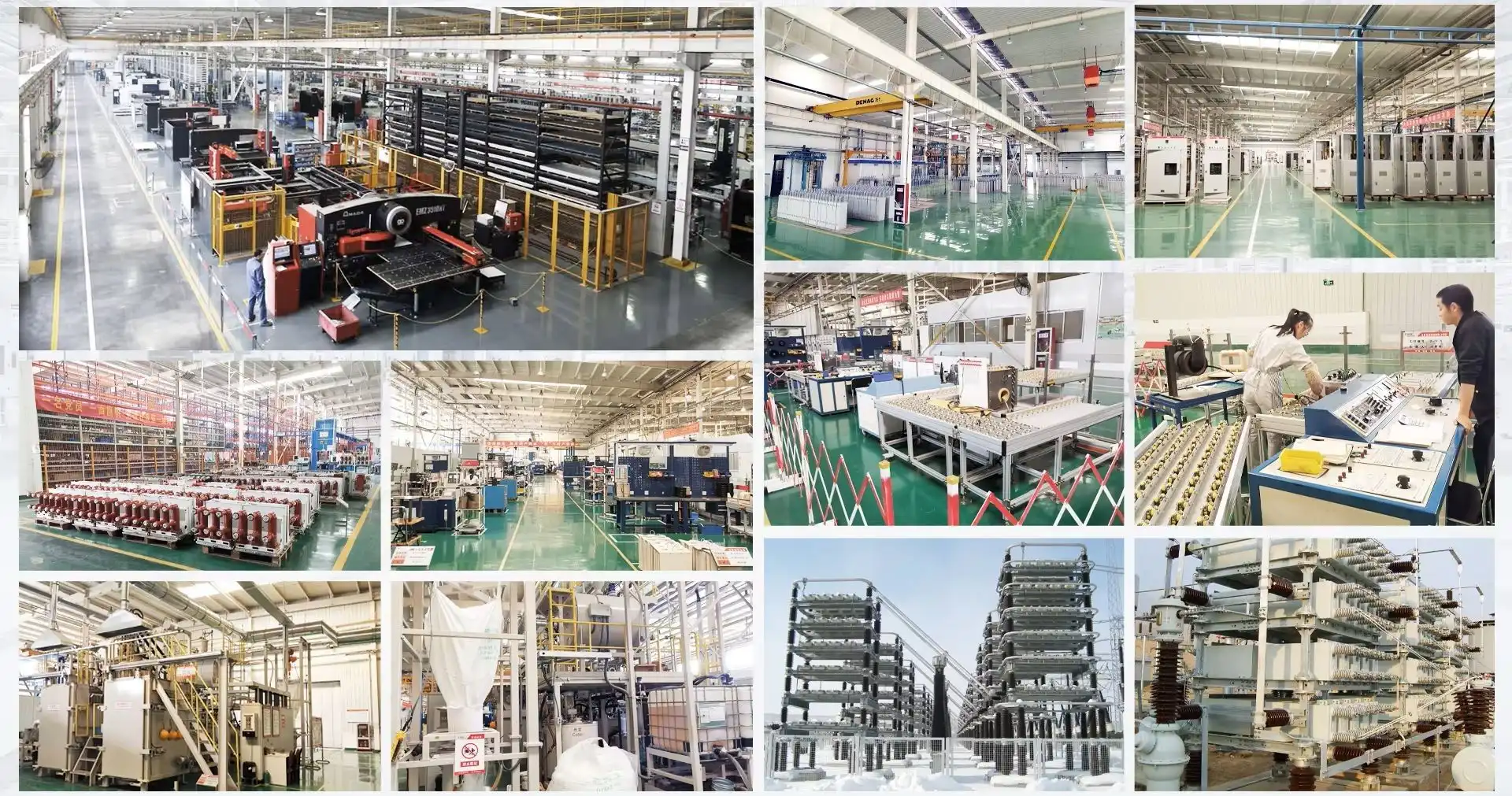
Xi'an Xikai's high-altitude designs and voltage customizations set it apart. The firm uses unique insulator materials and ISO 9001-certified manufacture to offer State Grid systems and industrial clients for over two decades. To ensure performance in earthquake-prone areas, every GW10 switch conducts 23+ quality checks, dielectric strength tests to 550 kV, and IEEE 693 seismic simulations.
Installation Guide and Best Practices for Outdoor Disconnect Switches
Proper installation affects safety, dependability, and compliance. Common mistakes that affect equipment performance and worker safety can be avoided by following regular processes.
Pre-Installation Safety Assessments
Hazard analysis is required before putting an Outdoor disconnect switch. Check upstream circuit breakers for open and locked. Test circuits with calibrated voltage detectors for de-energization. Foundation structures should be level to avoid insulator misalignment, unequal contact pressure, and premature collapse.
Find bolt torque standards, minimum clearances from grounded surfaces, and conductor bending radii in manufacturer installation instructions. To maintain synchronous functioning and eliminate mechanical binding, the GW10 installation guide requires support bases to be level within 1 mm throughout all three phases.
Mounting and Wiring Techniques
Avoid stress concentration by elevating insulators and contact assemblies at documenting places. Tighten mounting bolts gradually in a star pattern to evenly clamp. When connecting busbars, leave 15–35 mm between moving and stationary contacts for 1250A Outdoor disconnect switches and 30–50 mm for larger current ratings. These spaces allow reliable contact without unnecessary insertion force.
Avoid electromagnetic coupling by keeping control wire away from high-voltage cables. To reduce motor operator and auxiliary switch noise, use insulated wires. Seal cable entrance locations using NEMA or IP-rated glands to maintain weatherproofing.
Compliance with Electrical Codes
Working clearances around electrical equipment must be 3 feet for systems up to 600V and increase with voltage, per NEC Article 110.26. International installations require identical clearances under IEC 61936-1. Local authority having jurisdiction (AHJs) may have tougher regulations; engage electrical inspectors during design to prevent costly rework.
Ground all metallic enclosures per NEC Article 250 to prevent insulation failure shocks. Use copper or aluminum grounding conductors sized for system fault current and low-resistance ohmmeters to check continuity before energization.
Maintenance Protocols and Inspection Schedules
Implement five-year inspection cycles per industry standards, changing frequency for operational circumstances. Remove dielectric strength-reducing contaminants from insulator surfaces with alcohol or authorized solvents during inspections. Check for loose screws, corroded connections, and discolored terminals from overheating.
Lubricate moving parts sparingly with outdoor high-temperature grease. Dust and wear increase with overlubrication. Manually cycle the auxiliary switch through complete open-close cycles to validate limit switch functionality.
Sourcing Genuine Replacement Parts
Non-original parts violate warranties and endanger safety. Contact manufacturers or authorized distributors for approved replacement parts. To reduce unforeseen maintenance downtime, provide contact tips, operational handles, and gasket kits. Building partnerships with dependable vendors assures parts availability for decades-old equipment.
Procurement and Sourcing Strategies for Outdoor Disconnect Switches
Strategic purchasing balances cost, quality, delivery time, and technical and regulatory compliance for an Outdoor disconnect switch.
Evaluating Online Platforms Versus Local Distributors
Online industrial marketplaces allow procurement teams to easily compare requirements across numerous Outdoor disconnect switch manufacturers due to cost transparency and product variety. Local distributors offer hands-on technical help, speedier emergency delivery, and established connections that ease warranty claims and returns.
Direct manufacturer involvement can save 10–20% on bulk orders above 50 units. Long-term supply agreements assure price and delivery slots during peak demand, essential for huge infrastructure projects with tight timeframes.
Understanding Pricing Influences
Certification fees significantly impact price. UL-listed Outdoor disconnect switches cost more than non-certified ones, but lower liability and easier certification pay off. Motorised operators, integrated surge arresters, and remote monitoring interfaces add 30–50% to base pricing but provide operational benefits in mission-critical applications.
Reputation affects brand dependability. Established manufacturers invest considerably in R&D, quality, and after-sales service. Smaller brands may have cheaper upfront prices but higher total cost of ownership owing to shorter lifespans and restricted parts.
Supplier Evaluation Criteria
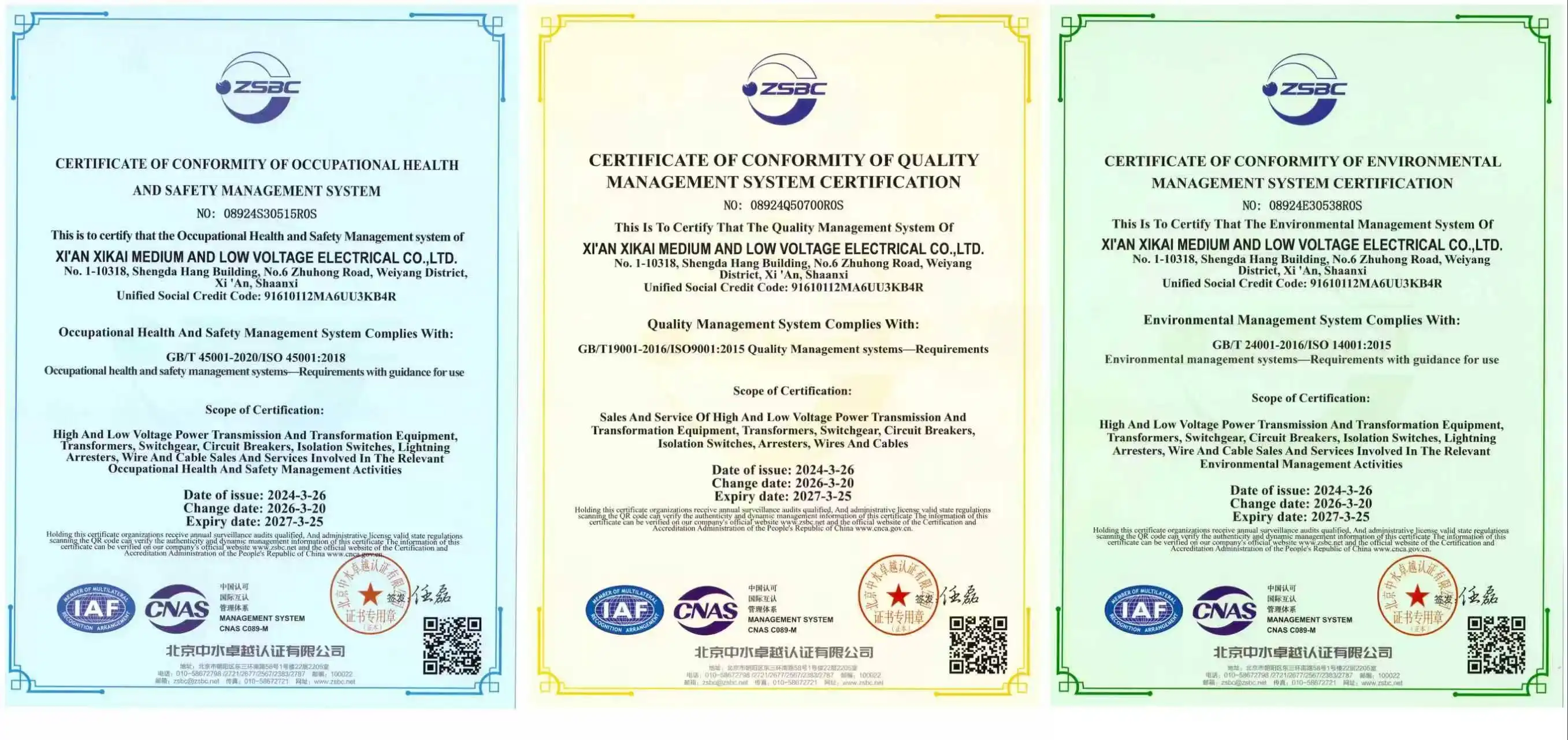
Review certificates, manufacturing capacity, and innovation records to evaluate an Outdoor disconnect switch manufacturer's technical competence. ISO 9001, ISO 14001, and plateau-equipment certifications for high-altitude operation show Xi'an Xikai's quality management and environmental responsibilities. Investment in product development is shown by the company's 12+ insulator and contact spring patents.
Customer assistance quality is crucial. Specification mistakes are avoided with responsive technical help during equipment selection. Comprehensive warranties—usually 18–24 months for manufacturing defects—prevent early breakdowns. Check warranty exclusions for misapplication or poor installation.
Building Vendor Partnerships
Long-term supplier partnerships benefit more than individual purchases. During supply bottlenecks, preferred clients receive pre-release items for testing and customized solutions to meet operational needs. EPC businesses gain from these relationships since solid component supply chains influence project profitability.
Request technical datasheets, third-party test results, and case studies from similar applications showing performance. Transparent producers offer this information, whereas evasive replies indicate quality issues.
Conclusion
Outdoor disconnect switches are essential for electrical safety and system dependability in industrial, utility, and commercial sites. Their conspicuous segregation protects maintenance staff and speeds emergency response. Selected switches with adequate voltage ratings, weatherproof enclosures, and compliance certificates provide long-term operation under severe situations. Code-compliant installation and routine maintenance extend equipment life and uptime. Strategic buying from trusted manufacturers balances cost, dependability, and support. Facility operators, utility engineers, and system integrators must pick durable isolation devices as power systems become more complicated with renewable integration and distributed generation.
FAQ
1. Can outdoor disconnect switches be used indoors?
Weatherproof enclosures allow Outdoor disconnect switches to work indoors. The extra expense of outdoor ratings is useless without weather. Indoor-rated switches save money without compromising safety in climate-controlled electrical rooms. Always check that equipment fulfills NEC or IEC installation standards, regardless of rating.
2. What maintenance procedures ensure reliable operation?
Annual visual checks for corrosion, loose hardware, and insulator damage prevent most failures. Detail maintenance every five years: clean contact surfaces with permitted solvents, lubricate terminals with conductive grease, and test mechanical operation through complete switching cycles. Infrared thermography detects hotspots before outages. Track deterioration trends and optimize replacement scheduling by documenting all inspections.
3. How do I verify compliance with safety certifications?
Check equipment nameplates for UL, CSA, or CE markings for third-party testing. Manufacturer certification paperwork should include test reports and compliance declarations. Confirm specs by checking catalog numbers against manufacturer databases. Independent testing laboratories can verify performance claims by witness testing before large-scale deployment for mission-critical applications.
Partner with Xi'an Xikai for Premium Outdoor Disconnect Switch Solutions
Xi'an Xikai's high-voltage disconnecting technology ensures electrical safety and dependability in your operations. Designed for substations, industrial facilities, and utility transmission networks, our GW10 series Outdoor disconnect switches are maintenance-free, corrosion-resistant, and compliant with international standards. With over 20 years of experience supplying State Grid systems and big infrastructure projects, we understand the need of reliable equipment across decades. Our ISO 9001-certified manufacture guarantees every switch passes strict quality requirements with 23+ inspections. Talk to our technical staff at serina@xaxd-electric.com, amber@xaxd-electric.com, or luna@xaxd-electric.com for bespoke voltage solutions. We provide bulk procurement discounts, faster delivery for urgent projects, and technical support throughout equipment life as an experienced Outdoor disconnect switch manufacturer.
References
1. National Electrical Manufacturers Association. (2021). NEMA Standards Publication 250: Enclosures for Electrical Equipment. Rosslyn, VA: NEMA.
2. International Electrotechnical Commission. (2022). IEC 62271-102: High-voltage switchgear and controlgear – Part 102: Alternating current disconnectors and earthing switches. Geneva: IEC.
3. Institute of Electrical and Electronics Engineers. (2020). IEEE 693: Recommended Practice for Seismic Design of Substations. New York: IEEE Standards Association.
4. National Fire Protection Association. (2023). NFPA 70: National Electrical Code. Quincy, MA: NFPA.
5. American Society for Testing and Materials. (2019). ASTM B117: Standard Practice for Operating Salt Spray Apparatus. West Conshohocken, PA: ASTM International.
6. Occupational Safety and Health Administration. (2022). OSHA 1910.147: The Control of Hazardous Energy (Lockout/Tagout). Washington, DC: U.S. Department of Labor.