What is an Active Power Filter and How to Use It?
2026-02-28 15:54:24
Active power filters dynamically reduce harmonic distortion and improve power quality. Instead of passive filters, real-time control algorithms detect current harmonics and inject compensating currents to correct voltage distortion. They instantly compensate harmonics and monitor power quality parallel to the load, reducing energy costs and protecting sensitive equipment from electrical disturbances.
What is an Active Power Filter?
Active Power Filter Function
Modern electrical systems knowledge is needed for power quality issues. Active power filters in power electronics reduce harmonic pollution in electrical networks. Smart devices save energy and protect expensive equipment from power quality issues.
Uneven load
LED lighting, computers, and variable frequency drives stress traditional electrical systems. Current harmonics from these loads distort power's sinusoidal waveform. Overheating transformers, damaging sensitive equipment, and costly critical operation downtime can result from voltage distortion.
Technology Behind Active Power Filters
Active power filters use advanced inverter technology and digital signal processing to detect and compensate harmonics in real time. They automatically adjust to load, unlike passive ones. They monitor the electrical system and generate precise compensating currents to eliminate harmonics.
Fast Response
Feedback loop technology measures and responds to system harmonics in microseconds. They excel in dynamic industrial environments with changing load conditions due to their quick response. This technology ensures essential power quality in factories, data centers, and hospitals.
Module Integration, Durability
Modern active power filters are modular and electrically compatible. Installation is flexible with wall- and rack-mounted configurations. Modern technology can handle surge currents up to 100 times its rated capacity, making it reliable for industrial applications.
The Problem It Solves and Critical Needs It Fulfills
American Industry Cost
Power quality issues cost American industries billions in equipment failures, production losses, and energy waste. Motor efficiency and computer reliability suffer from current harmonics. Beyond repair costs, lost productivity, regulatory compliance, and equipment lifespan are affected.
Manufacturing Facility Issues
Manufacturing is complicated by precision machinery harmonic distortion. CNC machines, robotics, and automated production lines need clean power to avoid costly errors. The slightest voltage distortion can cause programming errors, mechanical vibrations, and premature component wear. These issues raise operational costs and cut profits.
Crucial Data Center Applications
Data center business continuity depends on power quality. Harmonic content-generating networking, storage, and server farms require clean power. Contradictions create complex issues that traditional solutions cannot solve. Harmonic pollution can corrupt data, crash systems, and break equipment, dissatisfying customers.
Utility Companies' Grid Stability Concerns
Integration of renewable energy hurts utility grid stability. Destabilizing variable harmonic distribution networks with wind and solar inverters. Multiple harmonic sources can cause grid synchronization issues and lower power quality. Balanced load requires sophisticated generation-switching solutions without service quality degradation.
Power Quality Matters in Healthcare
Hospital life-support, diagnostic, and critical systems need reliable power. Patients and sensitive medical devices are at risk from harmonic distortion. Emergency backup systems need perfect power during outages. Hospital power management is complicated by regulations.
Improve Energy Efficiency and Power Quality
Facilities must optimize power consumption while maintaining operational performance as energy efficiency regulations tighten. Traditional efficiency-reliability tradeoffs conflict with cost reduction and quality maintenance. Power quality and efficiency are improved by active power filters.
Core Features and Functionality Deep Dive
Live Harmonic Detection
Active power filters suppress dynamic harmonics. Modern control algorithms detect harmonics in electrical waveforms in real time. Millisecond detection prevents electrical harmonic pollution with immediate compensation. Passive filters adapt slower.
Complex Compensation
Complex mathematical calculations determine harmonic compensation current amplitude and phase. To neutralize unwanted frequencies, DSPs calculate thousands of times per second. To reduce sinusoidal waveform harmonic distortion, high-frequency switching devices generate compensating currents.
Grid-change adaptability
Infrastructure with unstable utility power benefits from grid stability. Even with good harmonic content, voltage, frequency, and transient disturbances can damage sensitive equipment. Active power filters automatically maintain power quality regardless of grid condition.
Scalable Modular Design
Modular solutions can be expanded for facilities. Rack-mounted units fit into electrical panels, but wall-mounted ones work better in small spaces. Critical applications can use parallel units for redundancy or heavier loads. Flexibility lets engineers customize systems without oversizing equipment.
Savings on energy
Quality power and lower harmonic content naturally lower energy costs. Current harmonics decrease proportionally, reducing conductor losses and energy use. Power factor correction reduces reactive power demand, improving efficiency. Lower utility bills and demand charges show ROI.
Durability, Quality Control
Superior manufacturing and quality control ensure durability. Comprehensive testing includes 72-hour aging protocols for component stability. Electrical stress, vibration testing, and temperature cycling ensure reliability in harsh industrial environments. The sturdy construction resists surges, voltage transients, and environmental extremes.
Technology Explained - Advanced Power Electronics at Work
Power semiconductors/inverters
Active power filters use smart controls and inverters. These systems use power semiconductor devices to convert DC power into precisely controlled AC waveforms with low harmonic distortion. High-speed switching at 10kHz to 20kHz delivers accurate waveforms from Insulated Gate Bipolar Transistors (IGBTs).
Intelligent Control Algorithms
Active filtering uses advanced mathematics and control algorithms to analyze power quality in real time. FFT efficiently finds harmonics. The algorithm automatically adjusts compensation parameters to load changes. The phase-locked loop control system tracks utility voltage for grid synchronization.
Sensor precision monitoring
Current transformers and voltage sensors detect harmonics. Over 100kHz, these precision instruments send electrical parameter data to the control system. High-resolution analog-to-digital converters enable precise compensation calculations.
Energy Storage and Capacitor Design
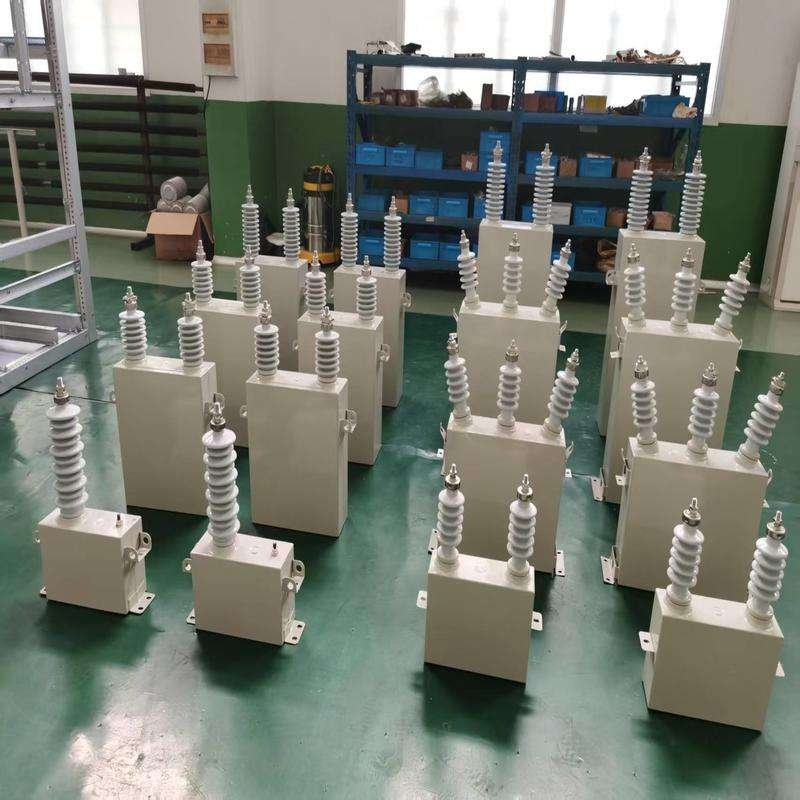
The inverter generates compensating currents and the DC link circuit stores energy. Dc-link electrolytic capacitors must handle high current ripple and stable voltage. Durable film capacitors are used in advanced designs. Flame-retardants meet industrial and commercial NFPA 70 fire codes.
Integration and communication skills
Communication interfaces integrate remote monitoring and building management. Integration is possible with Modbus, Ethernet, and digital I/O. Preventive maintenance and remote diagnostics increase system availability and lower costs.
Key Advantages and Competitive Benefits
Real-Time Harmony Pay
Modern electrical systems need active power filters for better performance. Their real-time harmonic compensation regardless of load variations is better than fixed passive filters that work at certain operating points. Adjustability ensures power quality in all conditions.
Avoiding Resonance and Harmonic Amplification
Safety features passive systems cannot provide are resonance and harmonic amplification prevention. System impedances and resonant passive filters boost harmonics. Equipment damage and unsafe operation can result. Active filters constantly adjust system conditions to reduce risk.
Improved Energy Efficiency
Energy efficiency improves with lower conductor losses, optimized power factor, and harmonic waste elimination. Payback periods under two years and 5–15% industrial energy savings have been studied. These savings benefit the system over time.
Operations Flexibility and Multifunction
Active filters are flexible and multitask. Load balancing, reactive power support, and voltage regulation complement harmonic compensation. Multi-functional power quality devices simplify and lower system design costs. The same device fixes multiple power quality issues.
Silent operation for sensitive environments
Low-noise active filters are suitable for hospitals, offices, and homes. Switching passive filter reactors and capacitors make noise. Solid-state active filters work well and eliminate mechanical noise.
Compact Installations for Limited Space
Compact footprints allow installation in space-constrained environments where passive filters are impractical. Perfect for facility retrofits and urban installations with high real estate costs, active filters fit in half the space of passive filters.
Potential Limitations and Important Considerations
Startup Costs
Active power filters are useful, but knowing their limitations helps optimize use and expectations. Maintenance, energy savings, and installation make system costs more passive than initial capital costs. Budget-conscious projects may need financial analysis to justify premium investment.
Power Use by Operations
Power consumption affects system efficiency. Active filters use 2%–4% of their capacity to power control circuits and switches. Energy savings usually exceed consumption, but application and operating patterns determine net benefit.
Environment of Operations
Environment affects performance and reliability. Extreme temperatures, humidity, and altitude may require equipment modifications. Standard units work up to 2000 meters, while plateau-type designs can work at 4000 meters for high-altitude installations.
Complexity of Installation/Maintenance
Complexities require more commissioning and upkeep. Professional installation, configuration, and maintenance optimize performance. Without electrical expertise or remote technical support, this requirement may be difficult.
System Integration Issues
System integration matters when retrofitting electrical systems. Grounding, protective device compatibility, and power factor correction equipment coordination require engineering analysis. Installation planning mistakes can harm performance or safety.
Harmonic detection accuracy matters.
Size and placement of current transformers affect harmonic detection. Incorrect installation can cause system instability or incomplete compensation. Clear technical documentation and professional installation prevent these issues, but require more project planning.
Competitive Landscape and Technology Comparison
A passive harmonic filter
Many power quality technologies have pros and cons. Low-cost, easy-to-use passive harmonic filters are popular for stable, predictable loads. However, they cannot adapt to changing conditions and may cause complex electrical system resonance.
Mixing Active-Passive Filters
To balance cost and performance, hybrid active-passive filters use passive components for steady-state compensation and active elements for dynamic correction. These systems are cheaper and more flexible than active solutions. They still have resonance and system change sensitivity issues like passive filters.
Static VAR Compensators
SVCs provide reactive power control and minimal harmonic filtering. Although cheaper than active filters, they cannot compensate for modern nonlinear loads' harmonics. Mechanical switches cause noise and reliability issues that active filters avoid.
Tuned Passive Filters
To target harmonic frequencies, tunable passive filters use resonant LC circuits. They work well with stable harmonic sources but fail with changing loads. Dectuning from component aging or system changes threatens reliability.
Advantages of Active Power Filters
Active power filters excel at harmonic compensation, adaptability, and multifunction. Their resonance-free dynamic load handling makes them ideal for complex industrial applications where other technologies fail. A higher initial investment is offset by greater reliability, energy savings, and lower maintenance costs.
Target Applications and Ideal Use Cases
Industrial Manufacturing Facilities
Industrial manufacturing facilities are ideal for active power filters due to complex linear and nonlinear loads. Assembly lines with variable frequency drives, CNC machining centers, and automated material handling systems change harmonic profiles during production. Power quality is stable for semiconductor fabrication, automotive assembly, and food processing plants with active filters.
Telecoms and data centers
Data centers and telecoms need reliable power to avoid costly downtime. Server farms, storage arrays, and networking gear need clean power and harmonic content. Financial trading centers, cloud service providers, and emergency communication facilities cannot afford power quality disruptions that could affect service.
Health Care Facilities
Healthcare facilities need reliable power for life-critical equipment and patient safety. MRI, CT, and life support equipment are affected by power quality. Due to sensitive loads and regulations, modern medical facilities need active power filters.
Commercial Buildings
Electronic-heavy commercial buildings benefit from harmonic compensation. While housing power-quality-sensitive equipment, office complexes with extensive computer networks, LED lighting, and HVAC controls generate harmonics. Shopping centers, hotels, and schools face similar energy-efficient electronics installation challenges.
Utility Substations
Grid stability and service quality require power quality management at utility substations. Increasing renewable energy sources introduce variable harmonic content that can affect distribution system performance. With diverse generation and load types, active filters help utilities meet power quality standards.
Renewable energy installations
Renewable energy utility interconnection often requires harmonic mitigation. Solar and wind power converter harmonics must be controlled to prevent grid disturbances. These installations meet strict power quality requirements and maximize energy production with active filters.
Conclusion
To maintain power quality, modern electrical systems need active power filters. Their energy savings, dynamic harmonic compensation, and load adaptability make them valuable investments for industrial, commercial, and utility applications. While more expensive, reliability, energy efficiency, and operational flexibility are worth it. Active power filters will become more important for stable, efficient electrical operations as electrical systems become more complex and power quality standards tighten.
Frequently Asked Questions
Q1: How much energy savings can I expect from installing an active power filter?
Energy savings average 5% to 15% depending on your facility's harmonic content and load. While linear factories may save less, nonlinear ones often save more. Current harmonic levels, power factor, and utility rates determine savings.
Q2: What maintenance requirements do active power filters have?
Active power filters require less maintenance than other electrical equipment. Annual inspections should clean air filters, test electrical connections, and test controls. Most units have self-diagnostics to warn operators before failure. Expert maintenance every 3-5 years provides long-term performance.
Q3: Can active power filters work with existing power factor correction equipment?
Coordination allows active power filters to supplement power factor correction. Capacitors and active filters support fundamental reactive power and harmonic compensation. Engineers must analyze system interactions to avoid harm. Removing capacitors and using the active filter for both may benefit some applications.
Get Premium Active Power Filters from Xi'an Xidian
The cutting-edge active power filter technology from Xi'an Xidian provides the power quality solutions your facility requires. Our plateau-rated equipment satisfies stringent international standards while operating dependably at elevations of up to 4,000 meters. As a trusted active power filter supplier, we offer the dependability your vital operations require thanks to our patented technologies and ISO 9001 certified manufacturing. For competitive pricing from a reliable supplier, get in touch with us at luna@xaxd-electric.com, amber@xaxd-electric.com, and serina@xaxd-electric.com.
References
1. IEEE Standard 519-2014: Recommended Practice and Requirements for Harmonic Control in Electric Power Systems, Institute of Electrical and Electronics Engineers.
2. Akagi, Hirofumi, Edson Hirokazu Watanabe, and Mauricio Aredes. "Instantaneous Power Theory and Applications to Power Conditioning." John Wiley & Sons, 2017.
3. Singh, Bhim, Ambrish Chandra, and Kamal Al-Haddad. "Power Quality: Problems and Mitigation Techniques." John Wiley & Sons, 2015.
4. Das, Surya Santoso. "Understanding Power Quality Problems: Voltage Sags and Interruptions." IEEE Press Series on Power Engineering, 2012.
5. National Electrical Manufacturers Association (NEMA) Standards Publication MG 1-2016: Motors and Generators, Revision 3.
6. International Electrotechnical Commission (IEC) 61000-4-7:2009: Electromagnetic Compatibility Testing and Measurement Techniques - General Guide on Harmonics and Interharmonics Measurements.
_1774324496045.png)