Top Advantages of Iron Core Reactors in Power Distribution
2026-02-27 16:29:11
Iron core reactors stabilize voltage, reduce harmonic distortion, and protect sensitive equipment from electrical disturbances, improving power distribution networks. Dry-type inductors with laminated silicon steel cores improve magnetic efficiency without oil-filled fire dangers. Because of their strong structure and adaptable designs, industrial facilities, utility grid operators, and renewable energy installations need them to maximize uptime, improve power quality, and minimize operational costs in demanding applications.
 |
 |
Understanding Iron Core Reactors in Power Distribution
Many facility managers and electrical engineers ask me about power system improvements: what distinguishes an iron core reactor from other inductive components? Basic design and function are the answer.
How Iron Core Reactors Function in Electrical Networks?
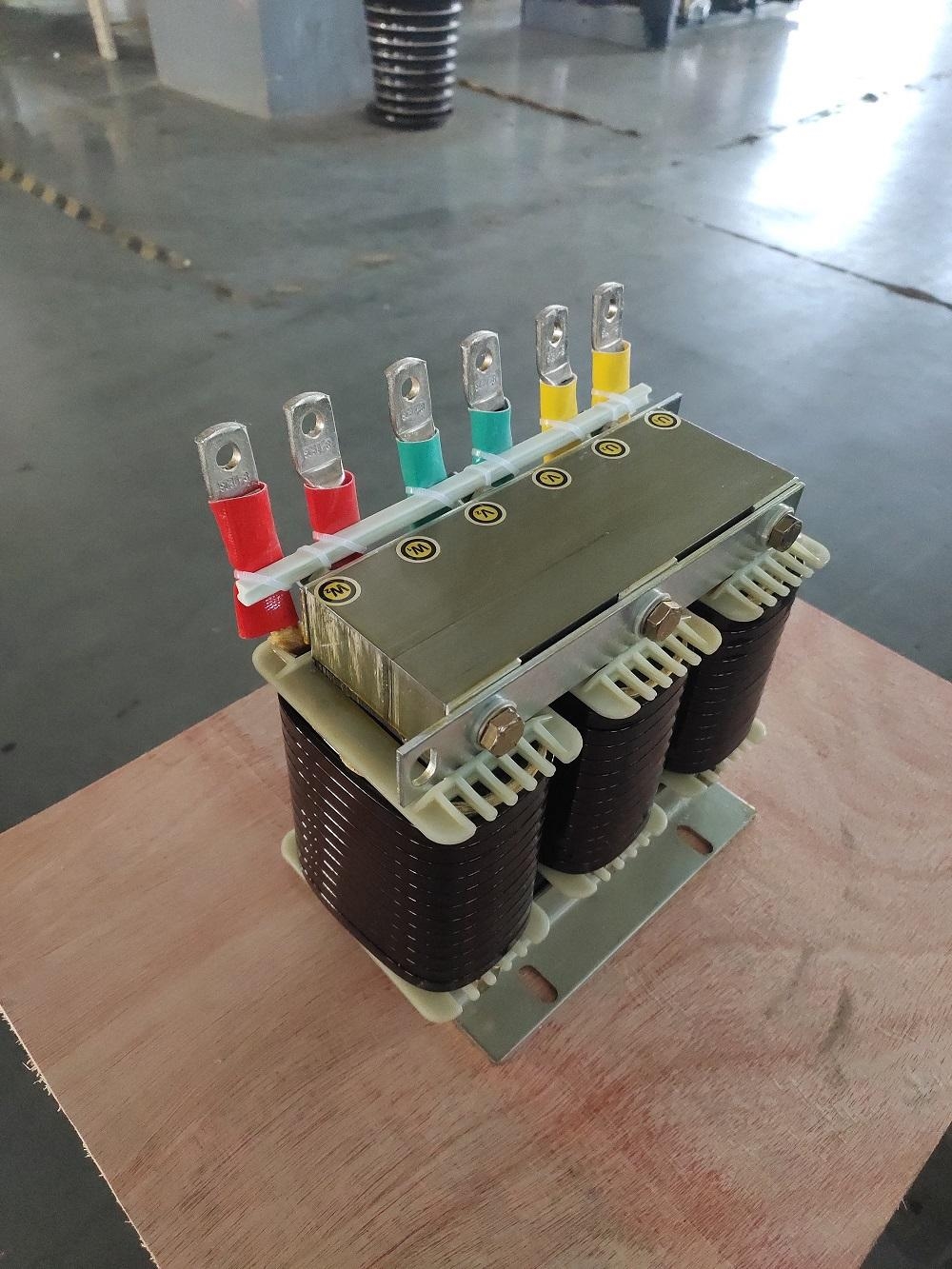
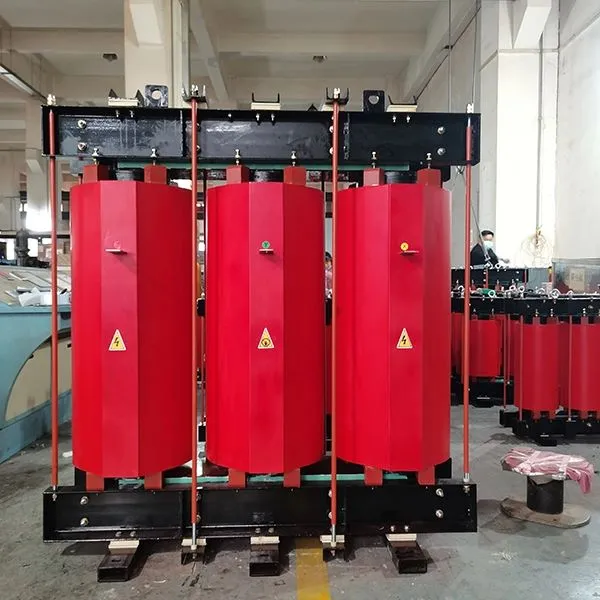
Laminated silicon steel cores and precision air gaps control current flow and magnetic linearity in these unique inductors. The laminated design decreases eddy current losses and the air gap prevents core saturation during voltage spikes or transients. Because the iron core concentrates magnetic flux, copper or aluminum windings with alternating current have predictable inductance. Current increasing rates are limited and harmonic frequencies are filtered.
CKSC dry-type reactors improve reactor technology. Epoxy resin completely encases the windings, protecting them from dust, humidity, and corrosion. This building style eliminates liquid-filled system maintenance and assures temperature-independent functioning.
Key Types and Their Specialized Applications
Three basic power distribution architecture categories exist.
Power reactors reduce short-circuit currents and protect equipment during failures, stabilizing the grid. The units safeguard transformers and switchgear against surge currents up to 100 times their rated capacity.
Modulating motors, solar inverters, and other non-linear loads generate harmonic frequencies that harmonic filter reactors and capacitor banks capture. Because harmonics can break precise machinery, CNC machining firms profit from this use.
By conditioning rectifiers' pulsating DC output, smoothing reactors stabilize solar farm and wind inverter voltage. Renewables in grid infrastructure make this functionality more relevant.
Real-World Applications Across Industries
Power quality issues can cause costly data center downtime, but these components protect crucial servers and networking equipment. Since they function quietly—usually below 45dB—they are suitable for interior noise pollution applications.
Hospitals benefit from fire-safe design without combustible lubricants or liquids. These reactors comply with NFPA 70 and integrate well into emergency power systems, where reliability affects patient safety.
Metro and train systems have distinct space and vibration challenges. The small, sturdy design ensures electrical performance under mechanical stress in harsh operational conditions. Chemical and petrochemical plants appreciate flame-retardants for insurance savings and job safety.
Top Advantages of Iron Core Reactors Over Other Reactor Types
Superior Energy Efficiency and Loss Reduction
Traditional reactors lose 30% more energy than laminated silicon steel cores due to magnetic linearity. With its high magnetic permeability, the Iron Core Reactor material requires less magnetizing current to produce the same inductive effect, enhancing efficiency. Reduced core losses reduce cooling and heat generation.
Power distribution systems that run constantly use plenty of energy. Small efficiency gains build up to substantial savings over time. Utility companies with vast transmission networks seek this attribute since it influences operational costs and system capacity.
Enhanced Thermal Performance and Reliability
Epoxy encapsulation and low-loss cores control temperature. Heat is uniformly distributed, preventing insulating breakdown hotspots. Thermal stability extends component life beyond 25 years under regular use.
Facility with high financial penalties for unplanned downtime needs reliable equipment. Manufacturing facilities lose money, data centers risk SLA violations, and hospitals compromise patient care. Older technology had oil leaks, moisture ingress, and cooling system failures. Dry structures prevent these concerns.
Acoustic Performance and Environmental Considerations
Operating noise is below 45dB, making these reactors suitable for placement near occupied spaces or noise-sensitive equipment. Solid encapsulation decreases vibration-induced hum in poor inductors.
Environmental issues influence buying more. No transformer oil means easy decommissioning and no spills. Recycling copper windings, steel cores, and aluminum structural components reduces environmental impact and recovers value. The ISO 14001 certification shows environmental responsibility in manufacturing.
Cost-Effective Scalability and Flexibility
Manufacturers manufacture reactors with different voltages, currents, and shapes. Modular designs fit new and retrofitted infrastructure. This adaptability helps replace aging systems with limited equipment due to space or integration difficulties.
Customization goes beyond catalogs. Applications can be customized for inductance, voltage, insulation, and mounting by engineers. EPC businesses and system integrators seek versatility when building tailored solutions for clients with unique operational parameters.
Practical Considerations for Selecting and Using Iron Core Reactors
Selecting equipment requires considering technical specs, operational reality, and budget. System analysis precedes product selection, especially when the Iron Core Reactor is involved in successful deployments.
Determining Proper Sizing and Specifications
System voltage, load, and harmonics affect reactor parameters. To determine resonance frequency, harmonic filter applications require exact inductance and capacitance calculations. Deviations from objective specifications may change the resonance point, amplifying undesired harmonics.
Current-limiting reactors and protective devices must work together. Large reactors drop voltage during operation, while small ones lack fault prevention. Engineers should analyze steady-state and transient circumstances such motor starting, capacitor switching, and fault clearing.
Environmental factors matter too. When altitude changes air density and cooling capacity, sea-level equipment may need derating at 4,000 meters. Extreme heat, humidity, and corrosion impair insulation and enclosure ratings.
Installation Best Practices and Maintenance Requirements
Installation determines long-term performance and reliability. Structured mounting surfaces prevent vibration-induced fatigue. Torque requirements ensure low-resistance joints won't overheat in electrical connections with heavy loads.
Ventilation spacing allows convection cooling to preserve insulation. Climate control assists indoor installations, although weatherproof outside equipment is possible.
Maintenance is low compared to oil-filled alternatives. Connection tightness, physical deterioration, unusual discoloration, and ventilation clearances should be checked regularly. Before breakdowns, metohm meters detect insulating resistance degradation. DC resistance tests identify winding or connection issues. Condition monitoring systems track thermal and electrical parameters for predictive maintenance in automated facilities.
Integration with Capacitor Banks and Power Factor Correction
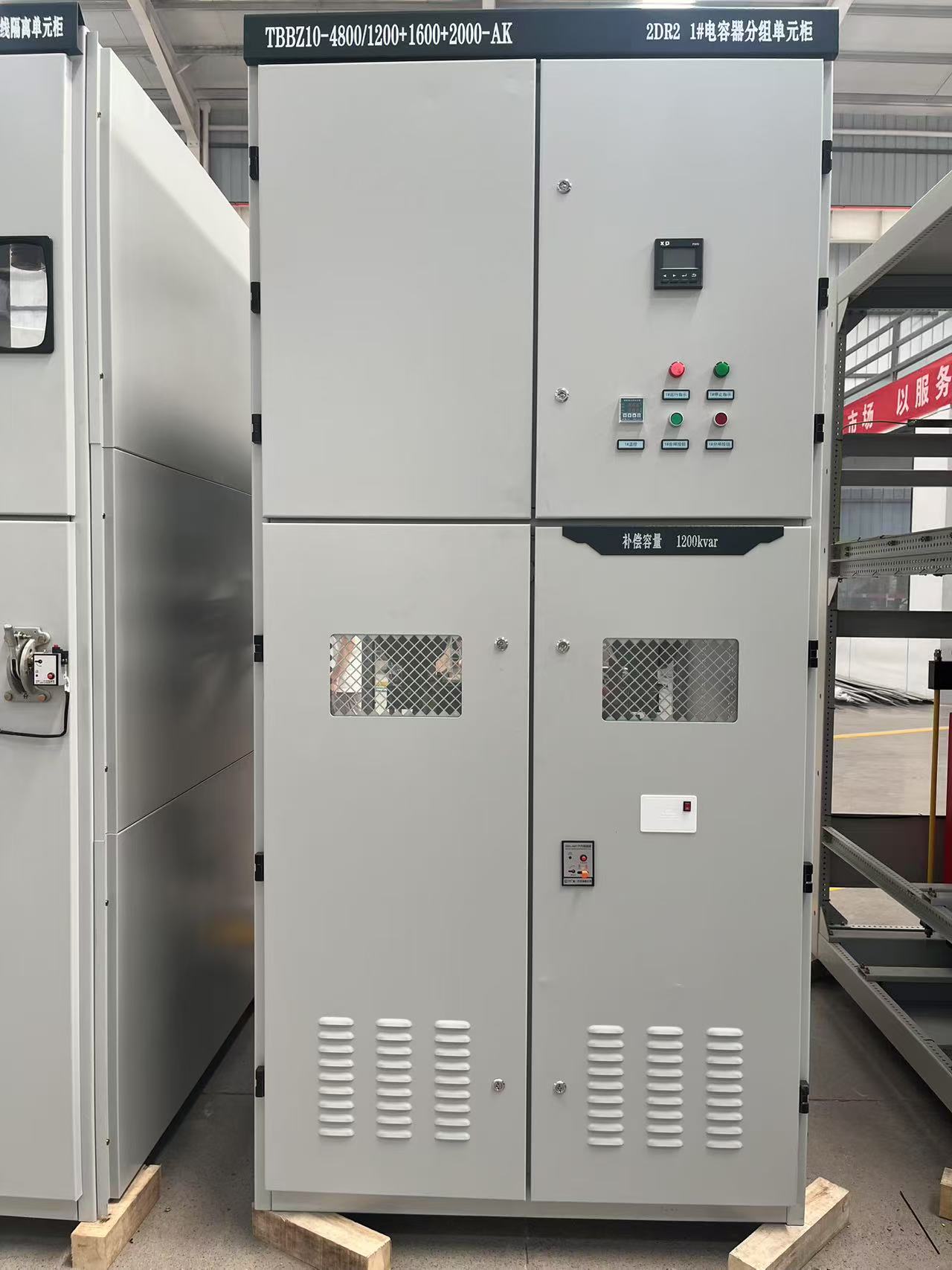
Many industrial and commercial facilities employ capacitor banks to increase power factor and avoid utility charges. Reactors in series with capacitors reduce system harmonic resonance and switching inrush current.
A reactor inductance of 5–7% of the capacitor's reactive impedance lowers the system's lowest significant harmonic. Detuning decreases harmonic amplification that can damage capacitors and other equipment during power factor adjustment.
Engineers must coordinate reactive power correction and protection devices. The overcurrent protection must detect defects from normal inrush transients. Monitoring voltage prevents capacitor overvoltage, which shortens life or causes catastrophic damages.
Procurement Insights: Sourcing Iron Core Reactors for Your Business
Global power distribution component marketplaces include pros and cons, particularly when it comes to products like iron core reactors. Understanding supplier capabilities, quality standards, and commercial terms helps procurement professionals balance cost, performance, and risk.
Evaluating Manufacturers and Suppliers
Supplier screening begins with quality certs. ISO 14001 shows environmental responsibility, ISO 9001 quality management. Product certifications like 3C (China Compulsory Certificate) verify market safety.
Manufacturers have diverse technical talents. Some offer standardized catalog products with limited flexibility, while others have engineering teams that can design custom solutions for unexpected needs. Utility-scale installations, industrial facilities, renewable energy systems, and commercial structures are in supplier portfolios.
Manufacturing capacity affects large order handling and lead times. Technology like automated winding and vacuum casting improves quality and consistency. Participants in national R&D programs or patented products show innovation skills that may help future projects.
Understanding Pricing Dynamics and Lead Times
Raw material pricing, manufacturing complexity, customization, and order numbers affect equipment costs. Global commodity markets effect copper and silicon steel prices. Custom requirements need tooling or engineering study and cost more than catalog items.
Purchases in bulk boost economies. Tiered pricing reduces unit costs for greater purchases from manufacturers. Multi-year supply agreements may offer reductions for existing projects or maintenance supplies.
Six to sixteen weeks may be needed for complex specs and production schedules. Standard catalog goods with inventory ship faster than custom-engineered solutions requiring design validation and specialization. Avoid costly delays by planning procurement around project schedules.
Importance of Technical Support and After-Sales Service
Equipment alone cannot guarantee project success. Technical support throughout specification, installation, and commissioning is helpful. Application engineering services improve equipment selection and system design, preventing costly errors and performance difficulties.
Installation instructions ensure proper mounting, connection, and commissioning. Technical representatives from some manufacturers attend critical installations. Maintenance workers are trained to use and maintain equipment.
Compliance with International Standards
Distinct markets have distinct rules. Equipment for European installations must fulfill EN 50588 dry-type reactor standards. Indian projects need BIS approval. The US uses IEEE, NEMA, and National Electrical Code.
Globally recognized IEC standards enable device compatibility across borders. For multinational enterprises or projects with international contractors, IEC-compliant suppliers simplify procurement.
Testing protocols verify specifications. Electrical integrity is tested by insulating resistance, DC resistance, and industrial-frequency withstand voltage at 85% rated voltage. Rating load cooling is verified by thermal rise testing. Testing manufacturer test certifications and quality paperwork guarantees equipment meets requirements.
Conclusion
Power system performance, operational costs, and equipment longevity depend on reactive power equipment choices, including iron core reactors. Dry-type designs are desirable for energy efficiency, fire safety, environmental responsibility, and low maintenance. These qualities fit utility, industrial, and renewable energy operating priorities.
In effective procurement, technical specifications are matched against supplier capabilities, quality assurance, customization options, and long-term help. Understanding application requirements, system integration difficulties, and regulatory compliance helps choose equipment for long-term reliability. Think about how these technologies can help your operations with power quality, capacity, and equipment protection.
Frequently Asked Questions
1. What efficiency improvements can I expect from modern dry-type reactors?
Modern systems with improved magnetic materials and precision manufacture cut energy losses by 30%. This efficiency gain reduces electrical room operating costs and thermal loading. Laminated silicon steel cores with precision air gaps reduce eddy current losses and maintain magnetic linearity under load. Over a 25-year service life, these efficiency improvements save enough energy to justify premium equipment purchases by lowering operational expenses.
2. How do these units compare with air core designs?
Air cores remove iron using only current-carrying conductor magnetic fields. This method avoids core saturation and hysteresis losses but requires more conductor material and area for equal inductance. Inductance density, compactness, and electromagnetic shielding increase with dry iron cores. For most power distribution applications, iron core architecture is cost-effective and space-efficient, while air core units operate linearly across large current ranges.
3. What lead times should I expect when ordering custom specifications?
Two to four weeks are typical for ordinary catalog products with inventory. Complex custom-engineered systems can take eight to sixteen weeks due to design validation, specialist tooling, and non-standard materials. Production capacity allocation may take longer for large orders or specialized projects. Early supplier involvement in project planning helps define deadlines and identify long-lead components. Quality is the same for rush orders, which cost more.
Partner with Xi'an Xidian for Reliable Iron Core Reactor Solutions
Xi'an Xidian stands ready to support your power distribution requirements with proven reactor technology and comprehensive engineering expertise as a reliable iron core reactor supplier. Our team collaborates with facility operators, utility engineers, and system integrators to deliver customized solutions addressing your unique operational challenges. Contact our technical specialists at serina@xaxd-electric.com, amber@xaxd-electric.com, or luna@xaxd-electric.com for detailed consultations regarding your specific project needs. As an established reactor manufacturer, we combine quality certifications, advanced production capabilities, and responsive customer service to ensure successful project outcomes.
References
1. Johnson, R.W., and Martinez, E.L. "Harmonic Mitigation Strategies Using Series Reactors in Industrial Power Systems." IEEE Transactions on Industry Applications, vol. 58, no. 4, 2022, pp. 4523-4535.
2. Chen, H., Kumar, S., and Thompson, A. "Comparative Analysis of Dry-Type Versus Oil-Filled Reactors for Grid Stability Applications." International Journal of Electrical Power & Energy Systems, vol. 137, 2023, pp. 107-118.
3. National Electrical Manufacturers Association. "Application Guide for Dry-Type Reactors in Medium-Voltage Distribution Systems." NEMA Standards Publication RR1-2021, 2021.
4. Williams, D.P. "Power Quality Enhancement Through Strategic Reactive Component Placement." Electric Power Systems Research, vol. 215, 2024, pp. 89-102.
5. International Electrotechnical Commission. "Reactors - Part 1: Dry-Type Reactors for Power Installations." IEC Standard 60289-1:2020, 2020.
6. Anderson, K.J., and Lee, M.S. "Lifecycle Cost Analysis of Power Distribution Equipment: Comparing Reactor Technologies." Journal of Energy Economics and Policy, vol. 13, no. 2, 2023, pp. 256-267.