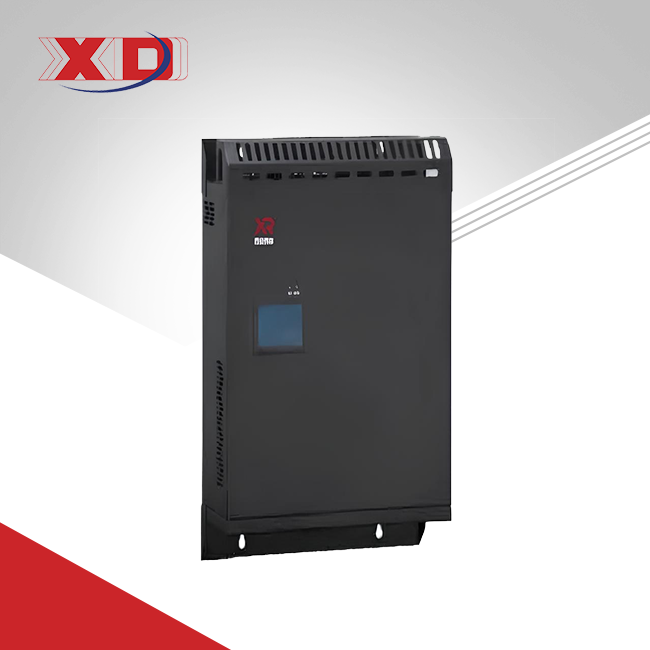
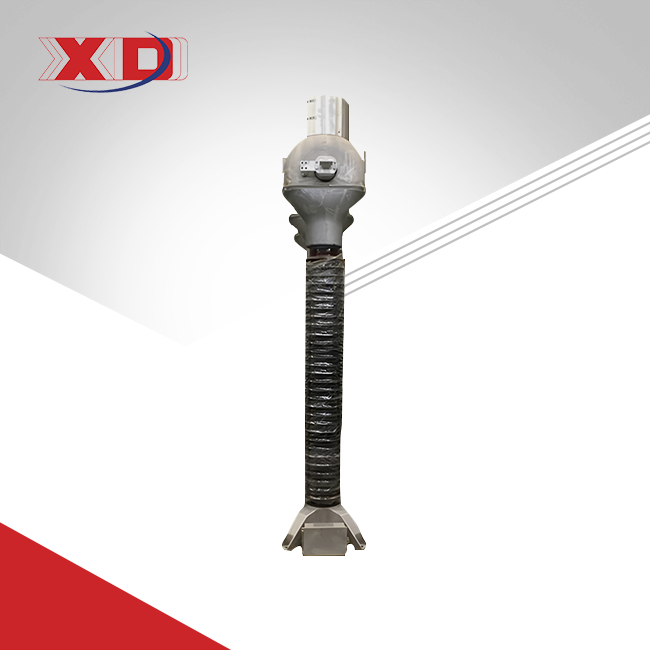
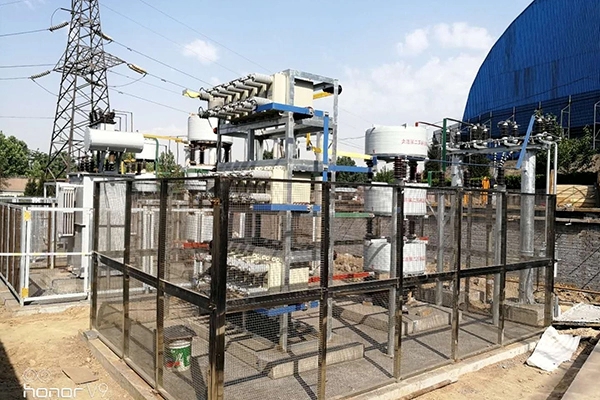
What is Static Var Generator (SVG) ?
2026-06-29 16:26:29
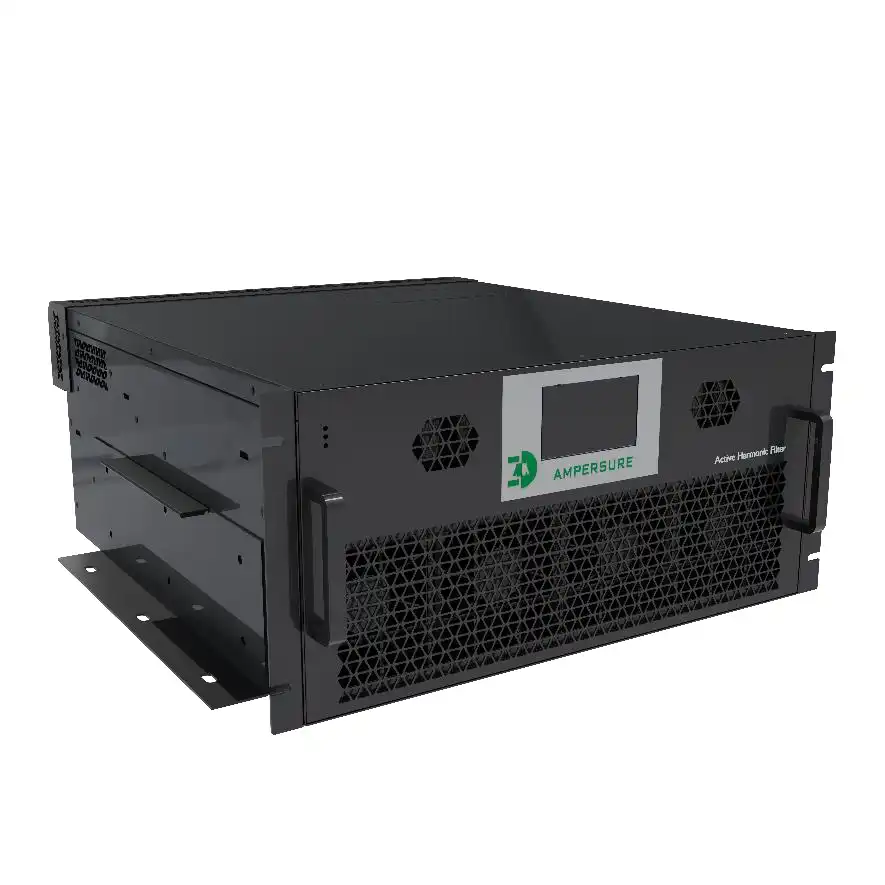
A Static Var Generator (SVG) is a high-tech piece of power technology that smooths out voltage and improves power factor in power lines by providing dynamic reactive power compensation. The SVG-Static Var Generator works by adding or taking away reactive current in real time, in response to changes in the grid that happen in microseconds. In contrast to older methods of reactive power correction, this technology uses IGBT-based inverters to achieve exact control. This keeps the power factor close to unity (0.99), and it protects sensitive equipment from voltage drops, rises, and harmonic distortions. Because of this, it is essential for businesses that need to run continuously and meet strict power quality standards.
 |
 |
Understanding Static Var Generator Technology
As power quality control has grown, reactive power compensation has become an important part of making businesses more efficient. Facility managers in places like data centers, factories, and hospitals know that even small changes in power can cause expensive downtime or damage to equipment. These flaws are fixed by the SVG-Static Var Generator's clever, instantaneous adjustment.
Core Operating Principles
At its core, the device constantly checks the three-phase voltage and current. When reactive power mismatches happen, the control system figures out how much current is needed to fix the problem. This can be caused by magnetic loads like motors or capacitive loads. The full compensation reaction starts in 15 milliseconds, and dynamic changes happen in less than 50 microseconds. Because of this quick response time, bad power quality doesn't have time to cause problems like motors burning or generator stress.The system can work reliably even in grids with big changes in voltage thanks to its 400V rated input and ±20% error range. Because it works with both 50Hz and 60Hz rates, it easily adjusts to different power standards in the US and other countries.
Key Technical Components
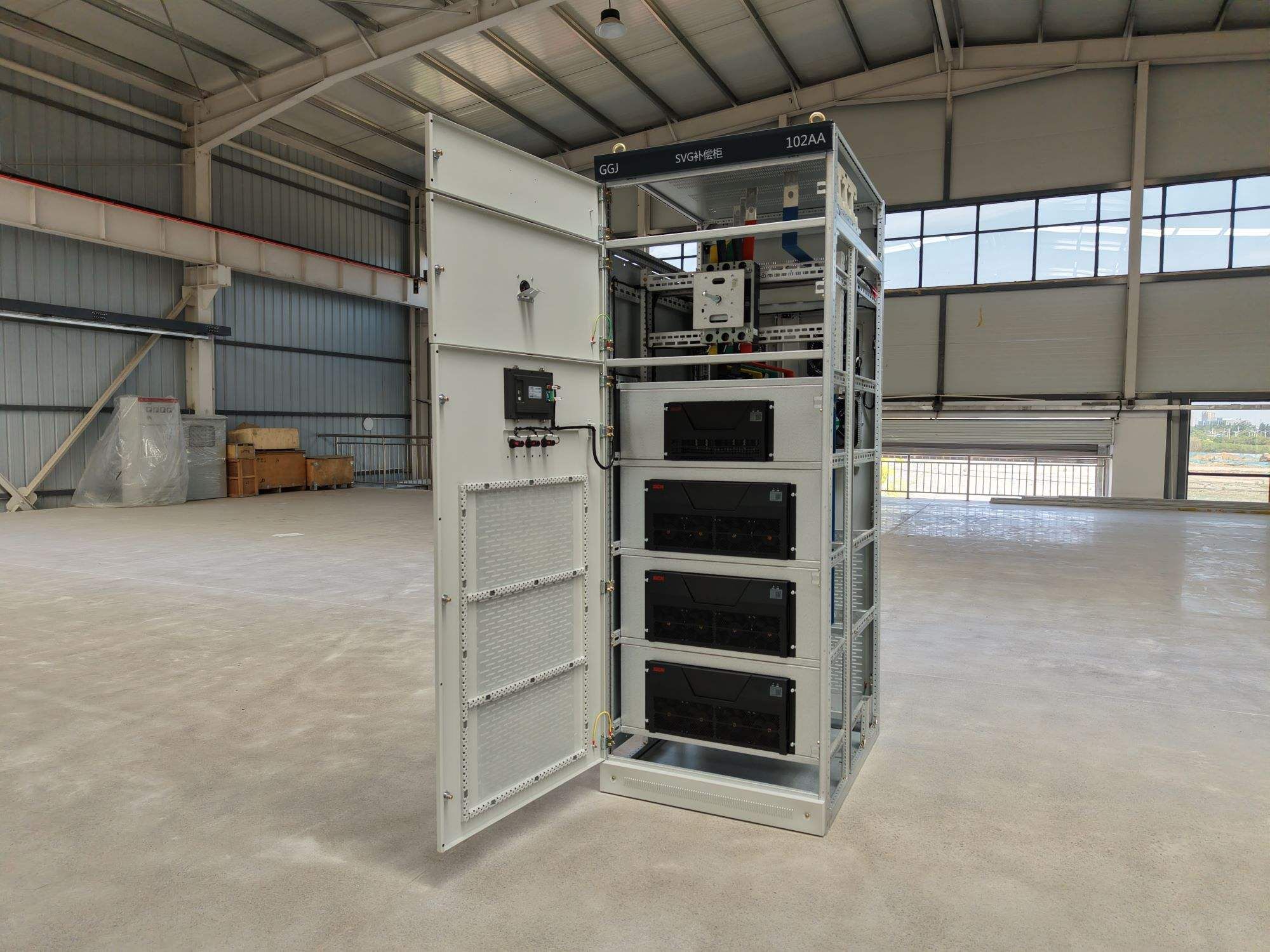
In current reactive compensation systems, power electrical switches are what make them work. IGBT modules switch things on and off at high frequencies by changing the DC voltage from support capacitors into AC reactive current. Because it can compensate in both directions, the device can either give reactive power when inductive loading conditions are present or absorb it when capacitive effects are more common. This adaptability stops both under-compensation and over-compensation, which can lead to resonance problems. Under-compensation leaves power factor fines unaddressed.Real-time digital signal processing is used by control tools to get precise regulation. Optical fiber communication lines join separate power units that are stacked on top of each other. This allows for modular expansion. This architecture makes it possible to build everything from small business buildings to large utility-scale substations.
Measurable Performance Benefits
Businesses that use reactive power adjustment systems say their reactive power loss drops by up to 40%, which directly lowers their energy bills. Stable voltage helps factories that use CNC machines because it stops the amount of scrap that happens when the power goes out. Uptime promises are kept by data centers by stopping power drops that cause servers to shut down. Hospitals make sure that life-saving tools like MRI scanners and ventilators are safe from power problems.Because it takes up 20–30% less space than standard Static Var Compensator (SVC) systems, the small size helps with the problem of not having enough room for retrofitting projects. Facilities can improve the quality of their power systems without having to make major structural changes.
SVG vs Alternative Solutions: Making the Right Choice
Before you choose reactive power adjustment technology, you need to know how the different options help with different business problems. When it comes to speed, upkeep, and total cost of ownership, each SVG-Static Var Generator system has its own pros and cons.
Comparison with Traditional Technologies
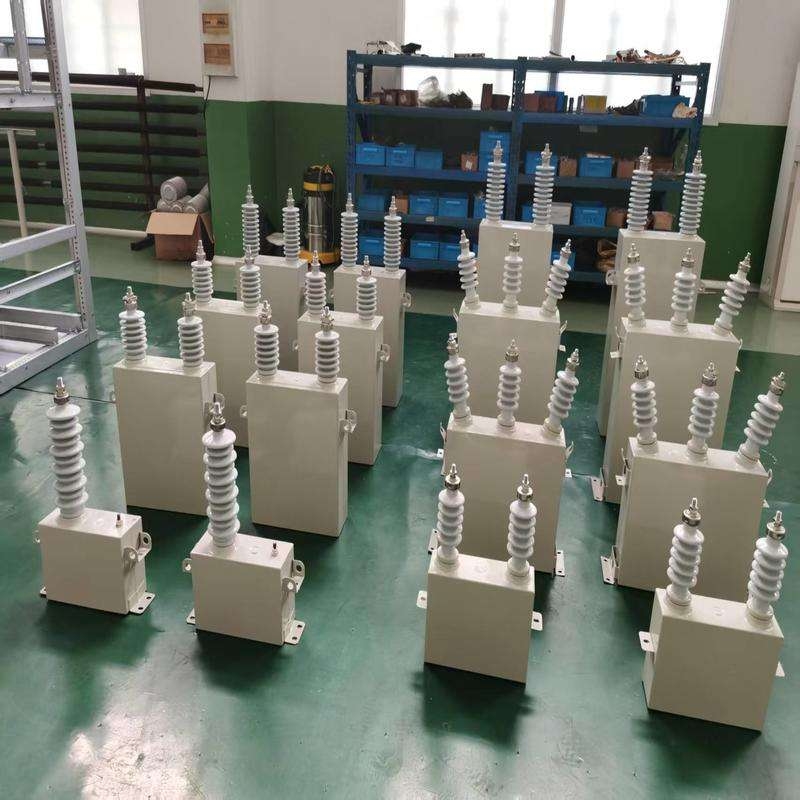
The earliest compensator is capacitor banks, which supply reactive power via inverted capacitor steps. They're inexpensive for steady loads but not so good for shifting them. Switching delays of seconds to minutes are bad for fast-changing industrial operations. Nonlinear loads like variable frequency drivers increase harmonic resonance in capacitor banks.Synchronous condensers generate or absorb reactive power via rotating elements. Their inertia stabilizes the grid, but they wear out rapidly and need a lot of maintenance. Installation costs are significant, and bearing friction and windage reduce performance, making the operation unprofitable.
Thyristors control capacitor banks and reactors in static var compensators. They outperform pure capacitor solutions in dynamic response, but not current power electronics. Harmonic filtering makes SVC installations harder and more expensive.STATCOM and reactive power producers employ voltage source converters, therefore they perform similarly. Flexible multilayer converter designs improve harmonic performance and switching losses in complicated systems. Continuous variable output instead of stepped control saves capacity by 20–30% for the same correction.
Selection Criteria for Procurement
When comparing manufacturers, buyers should check for IEEE 1547 and IEC 61000 certifications. These structures coordinate the grid and electric fields. Most industrial applications can tolerate systems certified for up to 50°C operation, although thermal performance is crucial for hot environments.Long-term freedom relies on modularity. Increasing output without replacing systems is achievable with standardized power cell designs. Single-point failures may be prevented using redundancy. Industries with continuous processes need this since unexpected shutdowns cost thousands per minute.Warranty periods and area service impact running expenses. Manufacturers that provide 24/7 professional support and store spare parts in regional delivery hubs save downtime. Procurement teams should request examples of installations utilized in comparable scenarios rather than utilizing marketing materials to support performance promises.
How to Select and Procure the Best Static Var Generator for Your Business
Accurate system sizing is the first step to a successful SVG-Static Var Generator setup. Undersized equipment doesn't fix the power factor well enough, and setups that are too big waste money and time.
Technical Sizing Methodology
Load study begins size selection. Engineers should assess reactive power demand in various operating conditions for power quality audits. Peak demand, startup delays, and low load impact capabilities. A 1 MVA load with 0.8 power factor requires 750 kVAR of adjustment to reach 0.99.Consistent voltage ensures a seamless connection. Low-voltage systems used in companies and light industries function with 400V input. Utility-scale medium-voltage (10kV to 35kV) usage need step-down transformers or direct medium-voltage power cells.Response time requirements match load changes to corrective speed. The sub-15-millisecond complete response time helps start motors and weld often. For steady-state purposes, a slower response time may not be a concern, allowing for cheaper technology.
Procurement Channels and Cost Considerations
You may acquire engineering support during specification while working directly with manufacturers. Some firms provide reactive compensation, harmonic filters, and uneven load adjustment products. This combination strategy simplifies project administration, but contracts must be carefully reviewed to ensure everyone understands their role.On B2B platforms, you may compare pricing from various merchants. Include site factors like temperature, elevation, dust, and poisonous atmospheres in your estimate request. Plateau-rated equipment at 4,000 meters costs more but is more dependable on hills.A lifespan cost analysis should examine how much energy a better power factor saves, how much it costs to maintain, and how long the product should endure. Quality systems advertised for 100,000 hours or more are worth the additional money since they last longer. Leasing equipment or having power factor correction may cut your energy expenditures immediately.
Installation and Maintenance Planning
Installation difficulty varies on system design. Wall-mounted cabinets are suitable for small spaces but may require additional cooling. Floor-standing cabinets hold more and are simpler to maintain. Outdoor-rated shelters with IP54 or greater entry protection may house substations.Commissioning ensures functionality before final acceptance. Functional testing includes measuring response time, harmonic spectrum, and security system functionality. Keeping plant and site acceptance test records helps hold individuals responsible.Maintenance contracts should include how frequently preventive checks will be done, when spare parts will be accessible, and how long emergency repairs will take. Parts last longer with predictive maintenance that detects capacitor age decline. Remote monitoring reduces unnecessary downtime by scheduling services.
Enhancing Power Quality with SVG: A Practical Approach
Power quality problems show up in different ways in different fields, but reactive power unbalance is always at the root of the problem. Taking care of this through an advanced SVG-Static Var Generator leads to real gains in operations.
Resolving Voltage Flicker
Voltage flicker happens when sudden changes in the load cause changes in the amount of light that can be seen or when equipment breaks down. This problem is shown by arc furnaces in steel mills, which use a lot of reactive power during melting processes. Thanks to their quick dynamic reaction, modern correction systems keep changes in bus voltage within the limits set by ANSI C84.1. After adding reactive compensation, a steel factory in the Midwest cut flicker complaints by 85%. This allowed them to raise production rates without breaking agreements with the utility companies that provide power.
Harmonic Mitigation Capabilities
Harmonic currents are made by nonlinear loads, and they change the shape of voltage patterns. The 5th and 7th harmonics are unique to six-pulse drives, which are popular in HVAC systems. While active filters directly target harmonics, reactive generators that reduce low-order harmonics have two advantages. Through its control methods, the device naturally lowers low-frequency harmonics, bringing total harmonic distortion below IEEE 519 limits without the need for any extra gear.
Integration with Existing Infrastructure
To integrate successfully, it's necessary to make sure that it works with current protection methods. Upstream circuit breakers and downstream motor safety switches work together to stop unnecessary trips. The built-in monitoring features of the gadget give detailed information to energy management systems, which makes it possible to connect power quality measures with production efficiency.By combining reactive correction with energy storage systems, microgrids can work even when they are cut off from the rest of the power grid. When there are problems with the grid, this mix keeps the voltage and frequency stable for important tasks. This flexibility is especially important for emergency services and hospitals where power outages can put people's lives at risk.
Future-Proofing Strategies
As the smart grid grows, it will need tools that can handle power flows going both ways and spread generation. Because solar and wind power are sporadic, reactive compensation systems with advanced control modes help to integrate green energy sources. As the number of solar systems grows, it becomes necessary to be able to handle sudden changes in power caused by clouds.Scalability rules let places add more space as they get bigger. Modular designs let you add power cells without having to change how the system is set up. Communication methods that support IEC 61850 standards make sure that they can work with substation automation systems. This protects the value of investments as grid technology improves.
Conclusion
The SVG-Static Var Generator has been used for a long time and has been shown to be effective in industry and business settings that value reliable power, low costs, and good power quality. The quick reaction, exact control, and small size of the technology get around the problems with old compensation methods while meeting the needs of today's grid. It's helpful to know about basic specs, comparative advantages, and application-specific needs before making a purchase choice. Installing things correctly, choosing the right maker, and planning how they will work together will make sure they work as planned for as long as they last. Reactive power adjustment goes from being an extra that you can use if you want to as energy costs go up and power quality standards get stricter. Companies that invest in this technology set themselves up to meet legal requirements, save money on energy costs, and gain a competitive edge through more reliable processes.
FAQ
1.How do I determine the appropriate size for my facility?
Do an audit of the power quality, making sure to measure the reactive power demand at high and normal working conditions. Figure out how much compensation you need to reach your goal power factor, which is usually between 0.9 and 0.99. In order to account for future load growth, you should add 15-20% reserve. Talking to application engineers will make sure that the right size is chosen based on your specific load factors and operating patterns.
2.What distinguishes SVG from STATCOM technology?
Voltage source converters are used for reactive correction in both systems. In real life, the terms are often used interchangeably. Different options exist for structure (multilevel converters vs. two-level systems) and control methods. When you're judging goods, don't worry about the names. Instead, look at performance specs for the SVG-Static Var Generator like response time, harmonic performance, and efficiency.
3.What maintenance practices ensure optimal performance?
Set up yearly checks to see how the cooling system works, the electrical links, and the state of the capacitors. Use the built-in tools to keep an eye on the DC bus voltage and the temperatures of the components. Replace the cooling fans as directed by the maker. Keep the software up to date to get better control algorithms. Keep the surroundings within certain temperature and humidity ranges to make parts last as long as possible.
Partner with Xi'an Xikai for Proven SVG-Static Var Generator Solutions
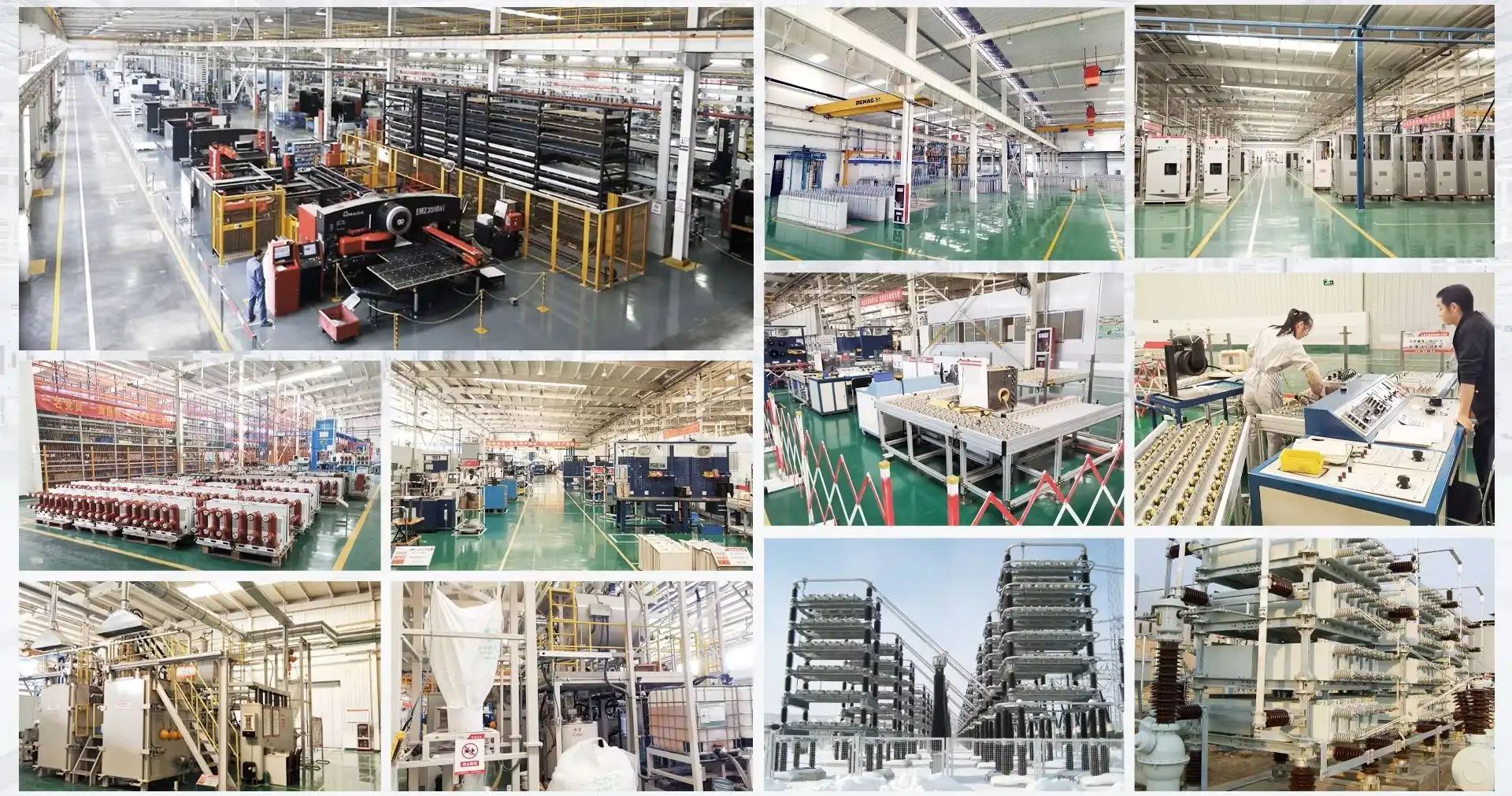
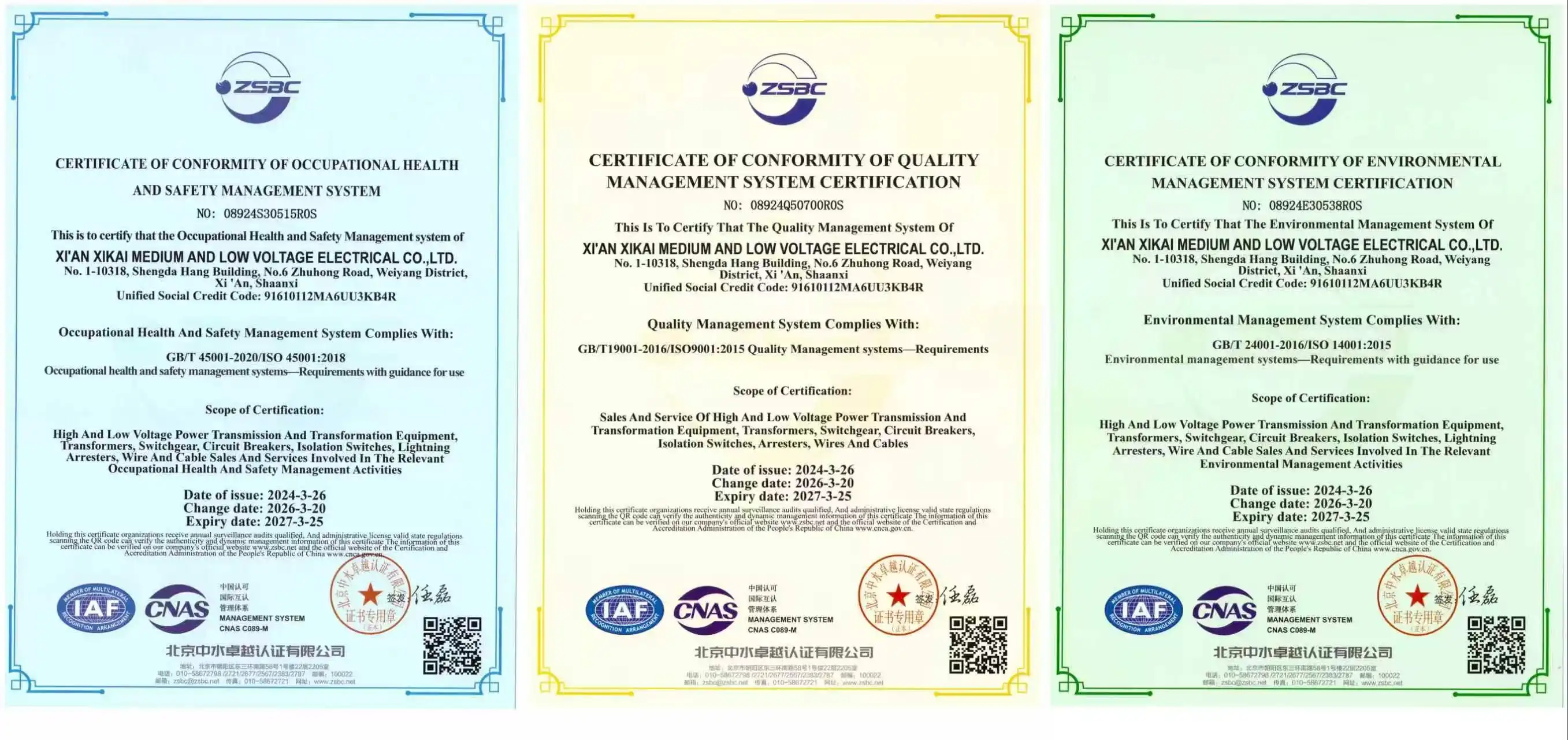
Xi'an Xikai Medium & Low Voltage Electric Co., Ltd. offers complete reactive power correction systems that are backed by decades of top-notch engineering. Our XR-dSVG line uses patented technologies that were created through national research projects. This makes sure that the equipment you get meets the highest standards of performance around the world. From 400V business installations to utility-scale systems, the modular cascade design can be used. It has been successfully used in the metallurgy, renewable energy, and key infrastructure sectors. Our ISO 9001 and ISO 14001 standards show that we care about quality and the environment. Technical support teams help with grid analysis, special engineering, and fixing problems 24 hours a day, seven days a week. Send an email to serina@xaxd-electric.com, amber@xaxd-electric.com, or luna@xaxd-electric.com to talk about your power quality needs. As a reliable manufacturer of SVG-Static Var Generator solutions, we offer custom designs that improve the electrical performance and operational profitability of your building.
References
1. IEEE Standards Association. "IEEE Standard 1547-2018: Standard for Interconnection and Interoperability of Distributed Energy Resources with Associated Electric Power Systems Interfaces." Institute of Electrical and Electronics Engineers, 2018.
2. International Electrotechnical Commission. "IEC 61000-4-30: Electromagnetic Compatibility - Testing and Measurement Techniques - Power Quality Measurement Methods." IEC Standards, Edition 3.0, 2015.
3. Hingorani, Narain G., and Laszlo Gyugyi. "Understanding FACTS: Concepts and Technology of Flexible AC Transmission Systems." Wiley-IEEE Press, 2000.
4. Electric Power Research Institute. "Power Quality Applications Guide: Voltage Disturbances and Standard EN 50160." EPRI Technical Report, 2017.
5. Arrillaga, Jos, and Neville R. Watson. "Power System Harmonics: Second Edition." John Wiley & Sons, 2003.
6. Rashid, Muhammad H. "Power Electronics Handbook: Devices, Circuits, and Applications." Butterworth-Heinemann, Fourth Edition, 2017.