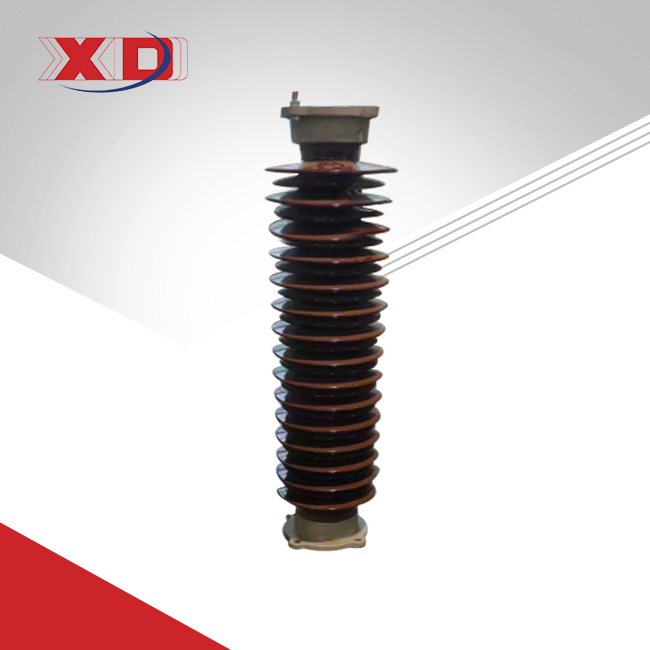
Y10W-102/266W Lightning Arrester Porcelain housed MOA for AC system
What is the purpose of the air core reactor?
2026-04-17 16:11:32
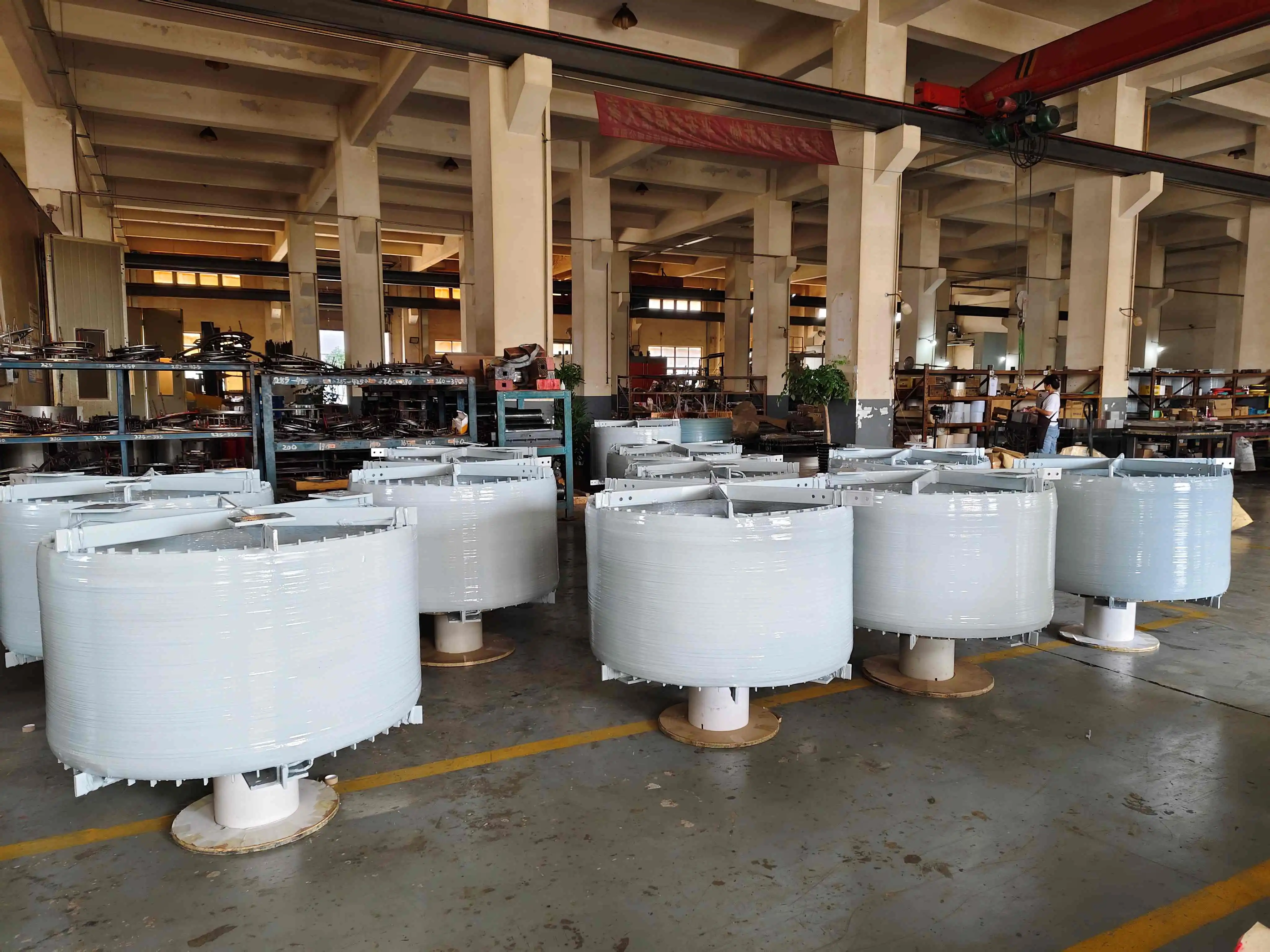
Stable voltage is very important for handling high-voltage transfer systems or industrial power networks. An air core reactor's main job is to balance reactive power and keep voltage levels stable in power lines. In particular, a Dry-type Air Core Shunt Reactor takes in the extra capacitive reactive power that is made by underground wires and long transmission lines. This stops dangerous overvoltage situations from happening. Unlike devices that use oil or iron core, this one uses air as the magnetic medium and has aluminum or copper windings that are encased in epoxy glue. This means that there are no fire or oil contamination risks. Putting them in 500 kV, 200 kV, and 110 kV substations keeps the voltage stable in the transmission system and stops the Ferranti effect, which can damage equipment when it's not being used.
 |
 |
Understanding the Purpose and Working Principle of Air Core Reactors
Keeping electrostatic and magnetic loads in balance is always hard for modern power systems. This issue is fixed by air core reactors by adding inductive reactance on purpose.
How Reactive Power Compensation Works
Capacitive charging currents are naturally generated by transmission lines and wires based on their length and energy level. When these capacitive effects are strong, the voltages at the receiving end go above what is safe, which damages transformers and circuits. This capacitance is balanced by the reactor's inductance, which takes in reactive power (measured in MVAR) and keeps the voltage in safe operating ranges. This adjustment is especially helpful during light-load hours, when factories lower their power use but keep the line capacitance the same.
Core Design Advantages Over Traditional Reactors
Air core designs are different from iron-core designs because they don't have a metallic heart. This choice about the structure has measured benefits. Since air has linear permeability in all working situations, magnetic saturation is not possible. This means that performance can be predicted even when fault currents are more than 100 times the rated capacity. The energy efficiency goes up by 8–12% compared to iron-core units because hysteresis and eddy current losses go away. The lightweight design cuts down on foundation costs and makes hauling easier for EPC workers who are in charge of multiple project sites.
Thermal Management and Noise Reduction
Without forced ventilation systems, natural air flow is enough to keep things cool for continued use. Aluminum windings with an epoxy covering quickly lose heat, keeping winding temperatures below 120°C even when they are overloaded. At a distance of one meter, acoustic sounds stay below 45 dB, which solves the problem of noise pollution in industrial and urban substations. This quiet process is especially useful for people who run hospitals and data centers that work with private electronics.
These design principles make the technology the best choice when safety, dependability, and environmental responsibility all come together. Getting rid of shielding oil gets rid of the risk of explosions and the ways that groundwater can get contaminated. This meets strict legal requirements in areas that are sensitive to the environment.
Key Technical Specifications and Performance Metrics
Professionals in procurement need exact technical parameters to check whether new tools will work with current systems.
Voltage and Current Ratings
Standard setups can handle voltages of 110 kV, 200 kV, and 500 kV, and can handle currents ranging from 200A to 3,150A, based on the needs of the system. Insulation levels meet IEC 60071-1 standards, which means that 500 kV class equipment can handle lightning surge voltages of up to 1,950 kV. The BKGKL Dry-type Air Core Shunt Reactor from Xi'an Xikai is a good example of these features. It was designed to work with both State Grid systems and private utility networks that are in charge of long-distance transmission routes.
Construction Materials and Lifespan
When there is a short circuit, electromagnetic forces push on high-purity aluminum wires, but they keep their mechanical power. Epoxy glue impregnation keeps out water and other contaminants, so IP55-rated containers can be used outside. Fiberglass support keeps structures strong in seismic Zone 4 areas, which protects investments in places where earthquakes are common. With proper care, the expected service life is more than 30 years, which is a lot longer than oil-filled reactors that need dielectric testing every 5 to 7 years.
Harmonic Filtering and Power Quality Enhancement
5th and 7th harmonic currents made by variable frequency drives and green energy inverters can be successfully lowered by air core reactors. The device stops harmonics from spreading to upstream networks with sensitive loads by putting up inductive resistance set to problematic frequencies. Power factor gains from 0.78 to 0.95 have been reported in manufacturing plants with a lot of CNC machinery after installation. This means that big facilities no longer have to pay utility penalty charges that range from $8,000 to $15,000.
Comparative Performance Data
Testing shows that over a 20-year lifetime, upkeep costs are 40% lower than for oil-filled reactors. The lack of standards for oil samples, filtering, and disposal greatly lowers running costs. When compared to iron-core versions with the same grades, noise emissions are 15-20 dB lower, which means they can be installed in residential areas where noise laws apply.
When engineering teams know these specs, they can fit their professional skills to the needs of the project. This makes sure that the power system works at its best from the beginning to the end of its life.
Choosing the Right Air Core Reactor for Your Business Needs
To get around in the global market, you have to weigh the pros and cons of different nuclear technologies against budget and operational needs.
Technology Comparison: Dry-Type vs. Oil-Filled vs. Iron-Core
There are different trade-offs for each type of reactor. Oil-filled reactors cool better, but they can damage the environment if they leak, and they need control systems that cost an extra $50,000 to $120,000 to build. Iron-core reactors have small footprints, but their usefulness is limited in dynamic grid settings because they become magnetically saturated when there is a fault. These problems aren't present with dry-type air core options, but they are a little bigger. This isn't a big deal, though, when you consider that the total cost of ownership will drop by about 35% over the equipment's lifetime.
Market Overview of Leading Manufacturers
Utility-scale procurement routes are mostly controlled by global makers like ABB, Siemens, Schneider Electric, and Eaton. These names have large service networks in both North America and Europe that allow for quick setup and warranty completion. Specialists in the area, like Xi'an Xikai, add to this scenery by giving configurations that can be changed to fit specific grid codes and environmental conditions. Our factory makes seven types of products, including high- and low-voltage switchgear, transformers, and vacuum circuit breakers. This means that we can provide complete substation solutions from a single source.
Selection Criteria for Procurement Specialists
To match reactor specs to application needs, you have to carefully look at a lot of different factors:
1. Electrical Parameters: Check the voltage class alignment, MVAR rating, and ability to withstand short-circuit current against studies of the network done by system managers.
2. Environmental Conditions: Look at the altitude rates for sites above 1,000 meters, where lower air density can affect how well they cool. Xi'an Xikai plateau-type equipment works regularly at 4,000 meters, which makes it easier to deploy in hilly areas.
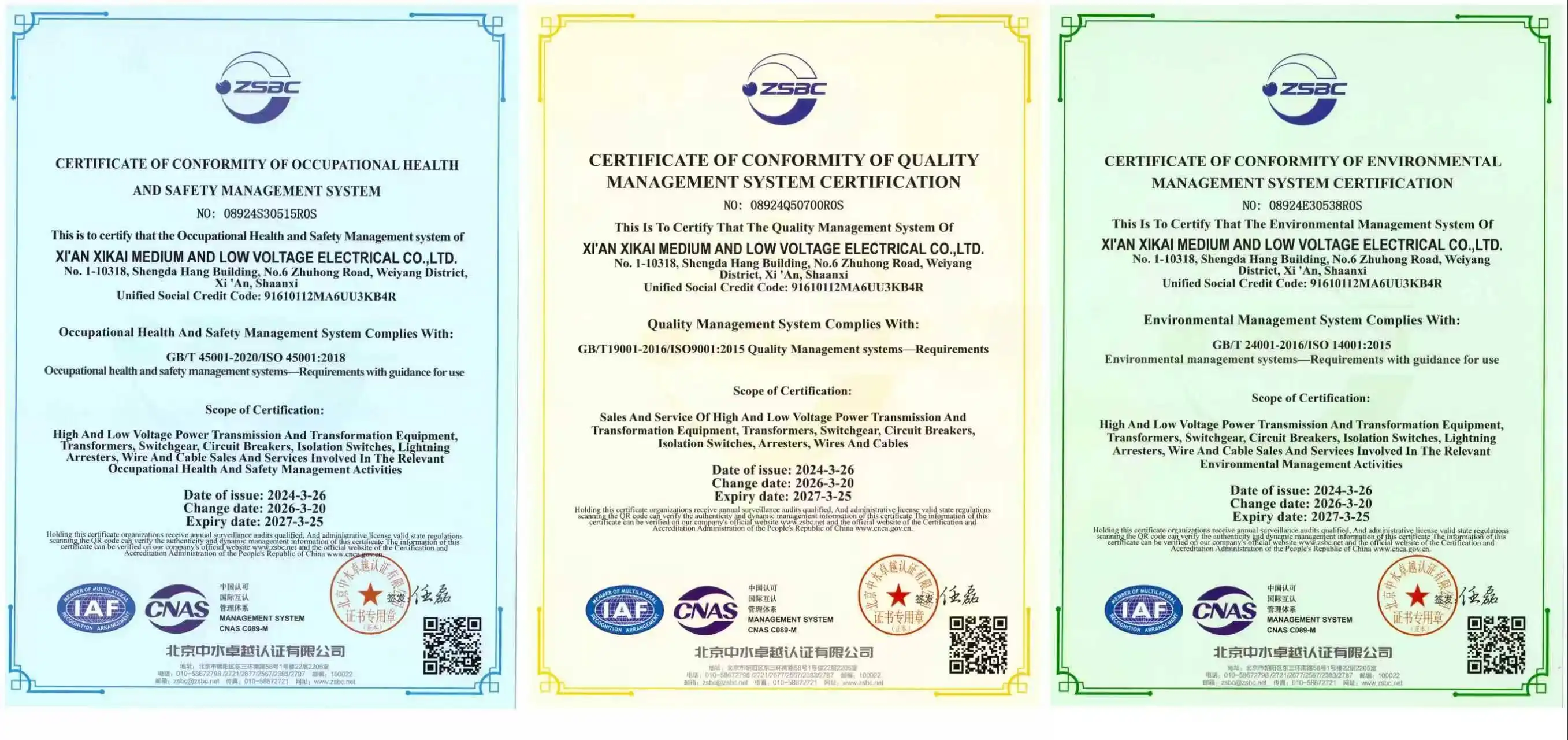
3. Compliance Certifications: Make sure the product has a CE mark for sales in Europe, UL/cUL listings for projects in North America, and GOST-R approval for installs in the CIS region. The BKGKL series keeps pre-engineered compliance paperwork, which shortens the time it takes to get a permit.
4. Customization Capabilities: Check how flexible the provider is when it comes to IP grades, seismic strengthening, and integrating IoT tracking. Desert-rated shelters with better dust protection and finishes that don't rust make equipment last longer in harsh environments.
5. Supply Chain Considerations: Look at the normal lead times, which are 12 to 20 weeks for basic setups and 20 to 28 weeks for custom designs. When domestic product is available from regional wholesalers, project delays caused by problems with international shipping are lessened.
These factors are the basis for making smart buying choices that balance technical performance, following the rules, and being good with money.
Applications and Maintenance of Dry-Type Air Core Shunt Reactors
Real-world applications in a variety of fields show how flexible and reliable the Dry-type Air Core Shunt Reactor technology is.
Industrial Plant Installations
Reactive power adjustment helps keep internal distribution networks stable in factories with a lot of motor loads and power computer drives. After installing 12 MVAR reactor banks that worked with their 13.8 kV distribution system, a Midwest car assembly company stopped having to pay $180,000 a year in power factor penalties. The equipment can handle surge currents when the motor is starting without affecting its performance. This keeps upstream transformers safe from voltage drops that could affect the quality of the production.
Utility Substation Integration
Transmission system owners put shunt reactors in key locations to keep the power levels consistent across regional grids. A new 500 kV substation addition in the Southwest added BKGKL reactors to the transformer's secondary windings. These reactors take in 300 MVAR of line charging when the load is low. This placement stops voltage changes that are higher than 1.05 per-unit limits, which speed up the aging of insulation in linked equipment. The dry building method got rid of the delays in getting environmental permits that come with oil containment systems. This cut the project's finishing time by 4 months.
Renewable Energy Facilities
A lot of capacitive reactive power is made by the large underwater cable networks that offshore wind farms use. A 600 MW wind project off the coast of the Atlantic Ocean put in 450 MVAR of air core reactors at the collection substation. This made sure that the voltage control and power factor rules at the point of common coupling were followed by the grid. The modular reactor design allowed for phased commissioning that worked with the schedules for installing the turbines. This made the best use of capital release time.
Commercial Building Retrofits
For mission-critical loads, hospital sites and data centers need power that doesn't go out. Replacing old electricity systems with new reactors that meet NFPA 70 fire codes fixes safety problems and makes operations run more smoothly. After adding 2.5 MVAR reactors that worked with their emergency power system, a medical center in the Northeast cut harmonic distortion from 8.2% THD to 2.1% THD. This improved the performance of their UPS and made the batteries last 30% longer.
Maintenance Best Practices
Regular repair plans make sure that equipment lasts as long as possible and works well. An annual checkup includes looking at the surfaces of the windings to see if the epoxy covering is wearing off, using thermal imaging to find areas of high heat, and checking the impedance to make sure that the electrical parameters stay within the acceptable ranges. Testing for partial discharge every three years can find insulation degradation before it happens, which helps with proactive repair plans that lower the number of unexpected power outages.
Professional placement guarantees the best performance from the time of commissioning onward. During the initial power-up, certified techs check that the grounding connections are correct, that the busbar torque specs are met, and that the protective relays work together properly. Xi'an Xikai offers full after-sales service packages that include expert help 24 hours a day, seven days a week, replacement parts, and regular performance checks to make sure the warranty is still valid.
These maintenance methods increase the average time between failures to more than 150,000 hours, giving building workers and utility managers who value uptime and asset life a huge return on their investment.
Conclusion
Air core reactors are an important part of today's electrical grid. They protect electronics and make the best use of energy by compensating for reactive power and controlling voltage. In comparison to other options, the Dry-type Air Core Shunt Reactor has many appealing features, such as not putting out fires, requiring less upkeep, and consistently better performance under different load conditions. The technical details, such as voltage levels from 110 kV to 500 kV, aluminum winding construction, and the ability to filter out harmonics, meet the strict needs of power plants, utility substations, and renewable energy systems. When comparing global makers and regional experts, procurement professionals should know about selection factors that include electrical parameters, environmental adaptability, regulation compliance, and the ability of suppliers to make changes. The right way to use and take care of equipment will make it last longer than 30 years and keep up the reliability levels needed for key infrastructure activities.
Frequently Asked Questions
1. What distinguishes dry-type from oil-filled shunt reactors?
Dry-type reactors use solid protection and air cooling to get rid of the fire and oil leaking risks that come with oil-filled designs. This design makes environmental compliance easier and lowers upkeep costs by about 40% over the life of the equipment. It also makes installation possible in indoor substations and other places that are sensitive to the environment.
2. How do air core reactors improve power quality?
The gadgets take in capacitive reactive power and lower the harmonic currents that nonlinear loads produce. This two-in-one feature keeps voltage levels within acceptable limits and lowers total harmonic distortion. This keeps sensitive electronic equipment safe from voltage changes and frequency errors that hurt performance.
3. What factors affect lead times and delivery schedules?
Standard layouts usually ship between 12 and 20 weeks, while customized designs take 20 to 28 weeks because of the engineering review process and the need for special production methods. Final delivery times are affected by regulatory licenses, freight operations, and conditions in the supply chain. This is why early contact with suppliers is so important for planning the project.
Partner with Xi'an Xikai for Reliable Dry-Type Air Core Shunt Reactor Solutions
With their extensive product lines and proven technical skills, Xi'an Xikai Medium & Low Voltage Electric Co., Ltd. is ready to meet your reactive power adjustment needs. As a top producer of Dry-type Air Core Shunt Reactors that serves customers all over the world, we offer unique solutions that are in line with your voltage requirements, operating conditions, and government rules. Over 10,000 of our BKGKL series reactors have been used in challenging utility and commercial settings in more than 30 countries, showing that they are reliable in the field. Get in touch with our technical experts at serina@xaxd-electric.com, amber@xaxd-electric.com, or luna@xaxd-electric.com to talk about the details of your project and get full offers.
References
1. IEEE Standards Association. "IEEE Std C57.21-2017 - Standard for Shunt Power Capacitors and Reactors." Institute of Electrical and Electronics Engineers, 2017.
2. Bolduc, L. and Gaudreau, A. "Air-Core Dry-Type Reactor Technology for High-Voltage Applications." CIGRE Session Papers, Study Committee A3, 2019.
3. International Electrotechnical Commission. "IEC 60289:2020 - Reactors." IEC Central Office, Geneva, Switzerland, 2020.
4. Zhang, H. and Wu, J. "Comparative Analysis of Reactor Technologies in EHV Transmission Systems." Electric Power Systems Research, Vol. 185, 2020.
5. ABB Power Grids. "Technical Application Guide: Shunt Reactors in Transmission Networks." ABB Technical Publications, Zurich, 2021.
6. National Electrical Manufacturers Association. "NEMA SR 1-2015 - Shunt Reactors for Alternating-Current Power Systems." NEMA Standards Publication, Rosslyn, Virginia, 2015.