
What Makes an Outdoor Disconnect Switch Weather-Resistant?
2026-11-20 17:14:36
What makes an outdoor disconnect switch resistant to the weather? Three things work together: an enclosure that is sealed or properly rated, materials that don't rust, and moving parts that keep working in heat, rain, ice, and dust. If the unit is low-voltage, the NEMA enclosure type tells you how much dirt and water it can handle. A 126–550 kV outdoor disconnect switch for substations is weatherproof thanks to a sealed drive, galvanized steel, conductors that won't rust, and pivots with low friction. Things that aren't protected from rain, snow, UV light, and changes in temperature all wear things down faster. This guide breaks down each factor so that you can write a clearer specification and avoid problems in the field.
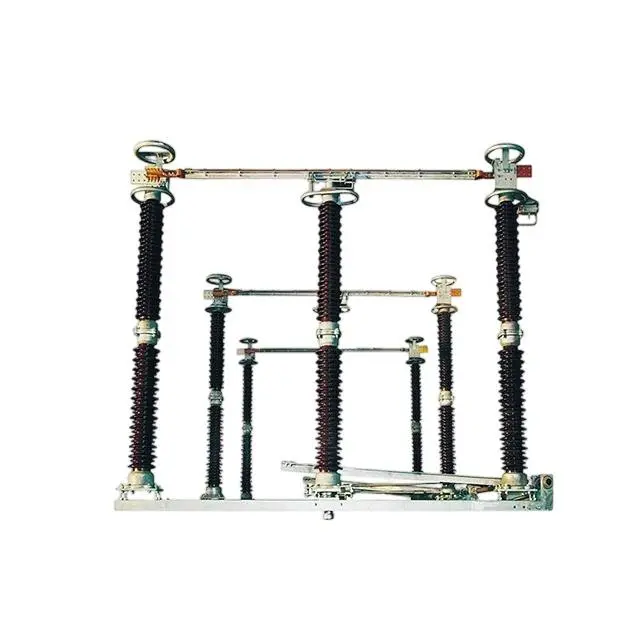
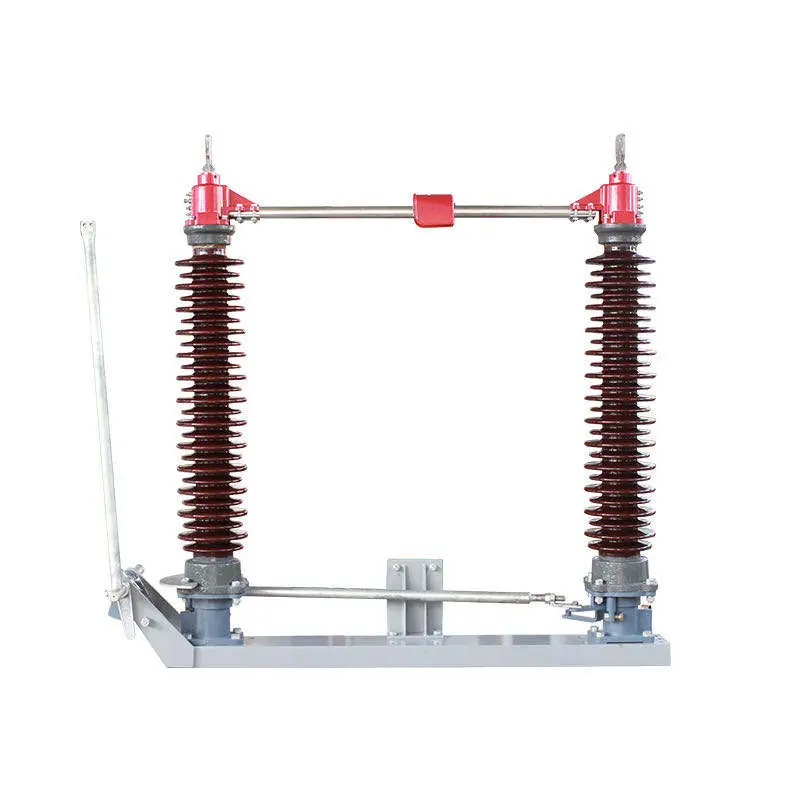
This is for project managers, electrical engineers, and purchasing managers who buy 10 to 50 sets of disconnectors at a time for 110 kV and 220 kV substations. Type test reports, operating records, and the performance of the mechanism are all things that are often used to judge bids, so I also talk about them.
How an Outdoor Disconnect Switch Resists Rain, Dust, and Corrosion?
Sealed Enclosures, Gaskets, and Cable Entries
The whole thing, not just one part, is what makes it weatherproof. Rain, snow, and dirt in the air can't get to the contacts on a low-voltage outdoor disconnect switch because of the housing. Door and cover gaps can be filled with gaskets, but only if the door is square and the latches pull evenly. Handles, shafts, interlocks, and padlock provisions need to be able to keep moving even after being wet, dry, hot, and cold many times. You should pay the same amount of attention to the cable entries because an open knockout or the wrong gland can break the enclosure rating. Humidity and temperature changes can leave moisture inside a sealed box, so drain holes and controls for condensation are also important. I tell buyers to look at the enclosure, seals, hardware, and fittings as a whole design.
Understanding NEMA Ratings and IP Codes
There are different types of enclosures listed in NEMA 250, and each one handles different types of weather for an outdoor disconnect switch. Type 3R covers falling rain, sleet, and ice formation on the outside, so it can be used in a lot of commercial and HVAC installations. The wind can still blow dust around. Type 4 adds protection against dust blown by the wind, water splashing, and water hoses. Type 4X has the same qualities as Type 4 but also resists corrosion in coastal, wastewater, food processing, and chemical sites. The first digit of the IEC IP code rates solids and the second digit rates water. The two systems do not convert to each other. Instead of picking the highest number, check to see what system your specification refers to and match the rating to the amount of moisture, dust, washdowns, and corrosion risk.
Materials and Surface Treatments That Last Outdoors
Where you put an outdoor disconnect switch determines how long it will last. A inexpensive option to protect it for general usage is painted or powder coated steel. Hot-dip galvanised steel is coated with zinc which prevents it from rusting in the air. That is what ASTM A123 recommends for iron and steel products. Stainless steel may be used in coastal, marine & washdown locations. But the quality does important, 316 type handles chlorides better than 304 type. Aluminium naturally produces an oxide coating . This makes it useful for making light structures that carry electricity . UV-stabilized polycarbonate is a fantastic choice: light, non-corrosive, and good insulator. And don’t forget to inspect the hinges, handles and fasteners, too. One simple steel screw on a stainless steel box might go rusty first. If you have rough spots, request corrosion data on the whole assembly, such as ASTM B117 salt spray results.
Sizing, Installing, and Maintaining an Outdoor Disconnect Switch
Electrical and Mechanical Sizing
The wrong electrical size can't be fixed by a good enclosure. The disconnect has to work with the voltage, current, grounding, number of poles, phase configuration, and available fault current. People who are looking for low-voltage switches often see 30 amp, 60 amp, and 100 amp outdoor disconnect switches. The right choice, though, depends on the load and conductor size. Overcurrent protection is added to fused models, while protection is relying on models upstream for non-fused models. For HVAC and motor loads, look at the instructions from the manufacturer, the starting current, and the terminal capacity. The same rules apply at the substation level as they do at the larger scale: the specification includes the rated voltage, rated current, short-circuit withstand, and mechanical endurance. The mechanism has to be able to keep moving in rain, sand, and ice. Turning on the disconnector doesn't stop the load, so wait to use it until the load has been turned off.
Installation and Safety Practices
The enclosure rating of every outdoor disconnect switch is protected during installation. NFPA 70 says that the disconnecting means for air conditioning equipment must be within sight of the equipment and easy to get to. There are also rules about how to use the space around it. Place the unit level, make sure the door has enough space, and keep it away from things that could hit it. Use rated conduit fittings and glands, add strain relief, bond and ground the enclosure, and make sure that no openings are left open. The exact model can be found by following the wiring diagram. Our GW7B-363 and GW11A-363 manuals make it clear how to use substation disconnectors: check the parts for cracks when they arrive, level the bases, and test the mechanism by hand before turning the power on. Each step should be checked by a qualified electrician.
Common Mistakes That Weaken Weather Resistance
A lot of problems with outdoor disconnect switches start with little things. A product that says it can be used outside might only protect against rain, so it might not be good for chemicals, dust, or water from a hose. The intended NEMA rating can be thrown out if the glands are wrong, the knockouts are open, the gaskets are damaged, or the doors are not lined up correctly. Higher-rated enclosures also need handles and fasteners that match. Most of the time, condensation is missed. High-voltage units often have linkages that get stuck because of sand, ice, or dried grease. Our maintenance manuals say that insulators and conductive parts should be cleaned, conductive lubricant should be used at contact points, and pin holes should be checked for clamping stagnation every five years and after a severe short circuit. Not just the first cost, but also the lifecycle cost.
Choosing and Verifying a Weatherproof Outdoor Disconnect Switch
A Step-by-Step Selection Process
Making mistakes when choosing an outdoor disconnect switch can be very expensive. First, decide what it will be used for: HVAC, pump, compressor, motor, or outdoor distribution. Keep track of how much rain, sun, snow, dust, salt, chemicals, washdown, and changes in temperature were experienced. Next, make sure you know what you need in terms of voltage, current, fault rating, poles, phase, frequency, grounding, and whether the circuit is fused or not. Finally, pick the NEMA, IEC, or IP specification that the project requires. For substations, write down the height and level of pollution as well. Thinner air at higher elevation makes external insulation less strong, and insulators need to have a longer creepage distance when there is a lot of pollution. Lastly, look at the capacity, lead time, minimum order quantity, warranty, and technical support of each company. Our plateau-type equipment can work at elevations of up to 4,000 meters, so our engineers can talk to your design institute early on about your altitude and creepage needs.
Comparing Common Disconnect Solutions
Different disconnect options do different things. An outdoor disconnect switch is made to be exposed to the weather, so you shouldn't switch to an indoor model until the supplier confirms that it can work in that environment. A disconnect shuts off a circuit, and a circuit breaker trips automatically when there is too much current. In many systems, both work together. Isolation and protection are both built into fused disconnects, while non-fused models depend on devices further upstream. The switching frequency, enclosure strength, terminals, and mechanical endurance of standard and heavy-duty versions may be different. At high voltage, the structures are also different. The GW6 has a vertical retractable structure, the GW11A-363 has a double-column horizontal pantograph design, and the GW7B-363 has a three-column horizontal rotary design. Pick based on how important the equipment is, the building codes, your maintenance plans, and the conditions of the site.
Verifying Weather Resistance Before Approval
A generic label such as 'weatherproof' is not required. Before you sign off, check that the stated rating applies to the whole constructed product. Verify that the gaskets, latches, hinges, glands, and fittings are in accordance with the enclosure rating specified on the nameplate, in the datasheet, and on the drawings. Check the rated voltage, current, poles, terminal capacity, short circuit rating, operation of the handle, if it may lock out and mechanical life. When purchasing high voltage disconnectors, request the type test reports that indicate the specific configuration and make note of the standard they fulfil, such as IEC 62271-102 or IEEE C37.30.1. Also ask for operational records. Field history indicates how effectively a mechanism functions. Then, check the site against the limits that were given for things like rain, snow, dust, UV light, salt spray, chemicals, and changes in temperature. On the bill of materials, this check should be done on every outdoor disconnect switch.
GW6 High Voltage Disconnect Switch: Weather-Resistant Design for Substations
Weather-Resistant Features of the GW6
This is what the GW6 on exposed sites does when it comes to weather.
- Sealed drive assembly: The drive is sealed against sand and ice and rated for harsh environments. This keeps grit and frozen moisture away from the operating mechanism, which answers the jamming concern that EPC teams often raise for desert and cold-climate substation sites, where a stuck mechanism can delay switching work.
- Low-friction pivots and weather-resistant metals: Triple-layer bushings give low-friction, self-lubricating motion at the pivots, while stainless steel or brass levers and shafts resist weathering. Flexible joints at the pivots also make installation easier, so crews spend less time aligning moving parts on site, and the motion stays smooth over years of use.
- Corrosion-resistant structure: High-strength aluminum alloy conductors stay lightweight and resist corrosion, and the hot-dip galvanized base protects against rust and extends service life. Grading rings on the stationary contacts reduce radio interference and improve the electric field distribution around the contact area. This keeps the current-carrying parts light, protected, and electrically stable outdoors.
These parts protect the contacts, drive, pivots, and base, which are the main places where weather can damage a disconnector.
Ratings, Testing, and Fit for Substation Projects
The GW6 may serve as an outdoor disconnect switch for voltages from 126 kV to 550 kV and currents up to 4000 A. The equipment types utilised are listed in that range for 110 kV and 220 kV substations. The vertically retractable frame is a good solution for floor space layouts. Each unit is tested for the material to ensure that the alloy is solid, and then it is subjected to factory simulation testing of more than 10,000 mechanical operations and final dielectric and impulse tests in accordance with IEC standards. If a disconnector may be used outdoors, such processes matter since insulation and mechanism durability are what count. For each project, we recommend EPC teams to consult us on the test report scope, creepage distance and altitude adjustment. This is because the final design is affected by site pollution and elevation.
Documents and Support for EPC Procurement
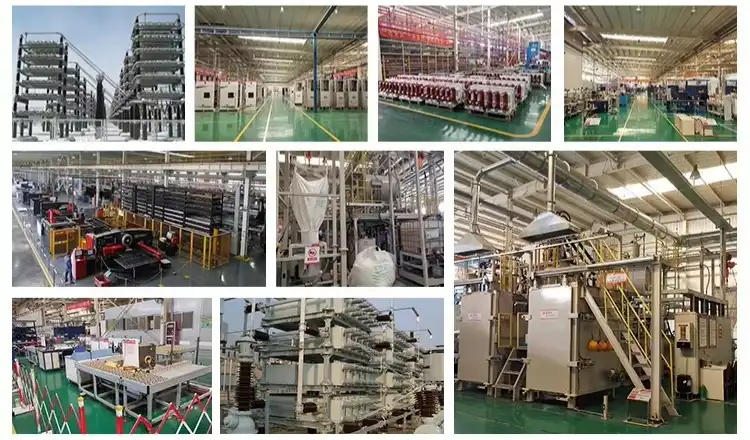
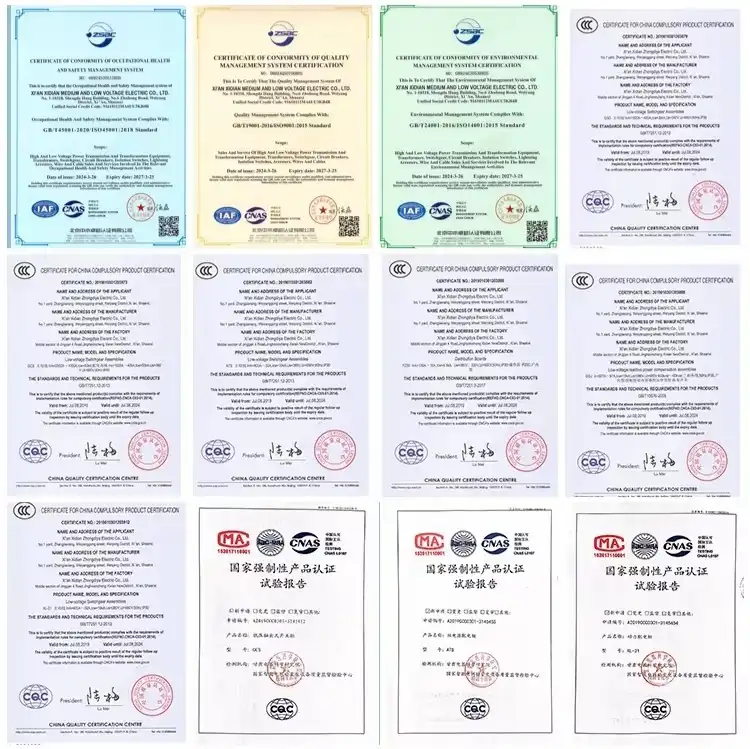
The optimal moment for global procurement is when the paperwork come early. Ask the supplier for datasheets, drawings of dimensions, wiring diagrams, installation instructions, lists of materials and test results for the precise configuration. Find out the company’s manufacturing capacity, how to trace parts, quality control procedures, lead times, minimum order quantities and after sales customer support. Xi’an Xikai has ISO 9001-certified factories, can accommodate bespoke configurations and provide technical assistance and delivery for replacement parts. Orders of projects are normally 10-50 sets, thus support and replacement parts should be same as the order from the beginning. IEEE standards are commonly mentioned by utilities in the US. Check that you know the standard your utility accepts and that the test results cover it. Find a firm that offers outdoor disconnect switches and come back to me with written responses to these questions.
Conclusion
A weather-resistant outdoor disconnect switch is made when a number of options are put together. The enclosure, seals, cable entrance and materials are all factors that will determine how well a low voltage device will stand up to dust, rain and rust. NEMA 3R, 4 and 4X all have different exposure ratings. Only correct electrical sizing and careful installation will protect that rating. But things like open knockouts or bad gaskets may take it away. The GW6 design incorporates a sealed drive, low friction pivots, corrosion resistant wires and a galvanised base to ensure the mechanism is safe at substation level. First of all consider about the exposure, altitude and pollution of the real area . Then the ratings and test documents are examined to assure they are for the unique arrangement. But the best is neither the cheapest nor the most pricey, it is what matches the place and the life cycle.
FAQ
1. What makes an outdoor disconnect switch weather-resistant?
A sealed or appropriately rated box, noncorroding materials, tight gaskets and cable entrance points, and a mechanism that will function in rain, ice, dust and heat.
2. When should I choose NEMA 3R instead of NEMA 4X?
Choose 3R if you will be outdoors most of the time in rain, sleet and snow. Choose 4X for chemical, wastewater, marine or washdown areas where corrosion and water from a hose are crucial.
3. How does the GW6 handle sand and ice?
Its sealed drive system is rated for severe situations and can tolerate sand and ice. Self-lubricating, triple-layer bushings and stainless steel or brass levers and shafts provide smooth operation.
4. What documents should I request before ordering?
Please ask for data sheets, drawings, wiring diagrams, material declarations and type test results for specific setup. Also know which standard your utility supports.
5. Can I operate a disconnector under load?
No. You should not use it until the circuit load is removed, as our maintenance instructions state.
Talk to Xi'an Xikai About Your Outdoor Disconnect Switch Project
You can get help from Xi'an Xikai to choose the right outdoor disconnect switch for your next 110 kV or 220 kV substation. As an outdoor disconnect switch supplier, we can give you plateau-type equipment for heights of up to 4,000 meters, as well as technical documents and custom configurations. To serina@xaxd-electric.com, amber@xaxd-electric.com, or luna@xaxd-electric.com, send your voltage, current, height, and pollution level. Go to xaxd-electric.com for more information.
References
1. National Electrical Manufacturers Association, NEMA 250: Enclosures for Electrical Equipment (1000 Volts Maximum), 2020
2. National Fire Protection Association, NFPA 70: National Electrical Code, 2023
3. IEEE, IEEE Std C37.30.1: Standard Requirements for AC High-Voltage Air Switches Rated Above 1000 V, 2011
4. International Electrotechnical Commission, IEC 62271-102: High-voltage switchgear and controlgear – Part 102: Alternating current disconnectors and earthing switches, 2018
5. ASTM International, ASTM A123/A123M: Standard Specification for Zinc (Hot-Dip Galvanized) Coatings on Iron and Steel Products, 2017
6. ASTM International, ASTM B117: Standard Practice for Operating Salt Spray (Fog) Apparatus, 2019