What to Check Before Buying an Outdoor Disconnect Switch
2026-08-21 16:28:21
When your EPC project depends on reliable high-voltage isolation equipment, selecting the right outdoor disconnect switch becomes mission-critical. These devices serve as safety barriers between energized lines and maintenance personnel, ensuring secure electrical isolation in substations ranging from 110kV to 1100kV systems. Before committing to a purchase, project managers must evaluate type test certifications, mechanical reliability under extreme conditions, and proven operational records—factors that directly impact grid stability and regulatory compliance. This guide walks you through the essential checkpoints that separate dependable equipment from costly liabilities.

Understanding Outdoor Disconnect Switches: Key Concepts and Uses
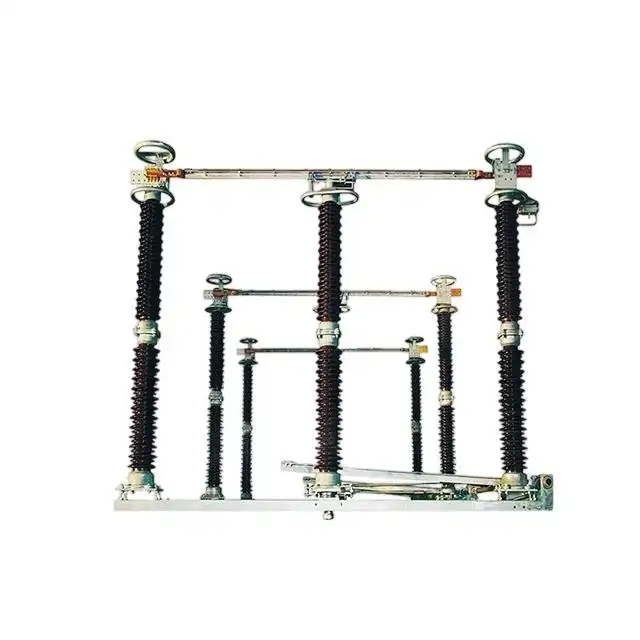
Outdoor disconnect switches act as physical walls in transmission networks. They make it safe for workers to turn off power to parts of substations for repairs or maintenance. Instead of stopping fault currents like circuit breakers do, these devices only work when there is no load on them to make air gaps between live wires and grounded equipment that can be seen.
Applications Across Power Infrastructure
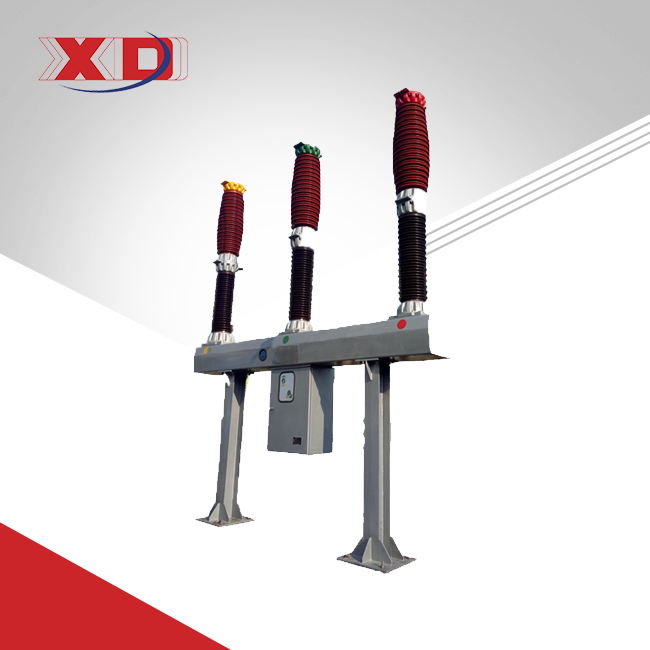
Utilities use these switches in three main situations: regular repair on transformers at distribution substations, emergency isolation when equipment breaks down, and phased building at sites that are growing the grid. The horizontal rotating mechanism that is often used in 110kV to 1100kV applications makes it easy to see when the connection is complete, which is very important for safety when crews are working close to live lines.
Operational Principles in Grid Protection
Isolation is achieved by precisely designed moving contacts that physically separate from fixed ends, creating insulation gaps that can handle system voltage stress. Modern designs include self-cleaning contacts that keep conducting electricity even when the environment is dirty, and ice-breaking features make sure that the devices work during winter storms. Position sensors that work with SCADA tracking systems are being added to more and more modern installations. This lets operators check on all of the spread substations in real time.
Benefits for Long-Term Grid Reliability
Field studies from high-altitude transmission projects show that properly defined isolation equipment cuts unplanned breakdowns by 35% compared to old infrastructure. When you combine hot-dip galvanized frames with corrosion-resistant drive parts, the service life goes beyond 25 years in marine or industrial settings. Standardized platforms make it easier for EPC companies to keep track of spare parts and train crews for foreign projects with multiple sites.
Critical Technical Factors to Evaluate Before Purchase
When looking at high-voltage isolation equipment, procurement teams need to make sure that the specifications they choose are in line with the operational needs and environmental challenges of each project site.
Voltage and Current Ratings for System Compatibility
Match the rated voltage (252kV to 1100kV) to the nominal operating voltage of your substation, leaving 10% extra in case of overvoltage. The GW7 series can handle rated currents of up to 6300A, so it can handle more work in the future without having to pay for expensive upgrades. Check that the short-circuit withstand values (usually 40kA to 63kA for three seconds) are higher than your system's highest fault current estimates. Equipment that is too small could fail catastrophically during grid disturbances.
Environmental Resilience and Creepage Distance
Operating altitude has a direct effect on the amount of insulation that is needed. For projects above 1000 meters, longer creepage lengths are needed to avoid flashovers in the thinner air. The monobloc aluminum alloy electrical rods in high-end designs quickly get rid of heat and don't break down in UV light from -40°C to +55°C. For polluted industrial areas or marine sites, look for IEC 60815 pollution class scores that match the level of pollution at your site. Insulators fail too soon if the creepage distances aren't right.
Mechanical Reliability Under Operational Stress
Check the design of the working mechanism to make it last longer. For example, counterweight-balanced earth switches lower the force on the actuator by 40%, which keeps the mechanical parts from wearing out during the 10,000+ cycles of use that are normal over a 20-year lifespan. Current shunting risks are eliminated by flip-type blade systems with external spring-loaded fixed contacts. Field servicing is also made easier. Instead of brass fittings, which rust quickly in damp places, insist on bearings made of stainless steel or composite materials.
Type Test Certification and Performance Validation
Ask approved labs for full test results that include mechanical endurance, temperature rise, short-circuit withstand, and environmental stress tests. The 72-hour salt spray test procedure makes sure that the coating is strong enough to be used in marine settings. During current injection tests, thermal imaging makes sure that the heat is spread evenly along conductive lines of outdoor disconnect switch. These certifications are the technical basis for getting government approvals in markets that need to follow IEC, IEEE, or state grid rules.
Comparing Outdoor Disconnect Switches: Making the Right Choice
To choose the best isolation equipment, you need to know how different design ideas can lead to operational benefits in different project settings.
Design Variations and Their Trade-Offs
Three-column horizontal rotating designs have small footprints, which lowers the cost of land for urban substations, and they make it easier to sync up three-phase mechanical linkages. Pantograph-style switches have a longer reach for retrofit projects with fixed busbar positions, but the joints that move around need more maintenance. The phase-separated operation mode of the GW7B-363 model lets you change individual poles, which is very useful for fixing single-phase problems without having to shut down the whole system.
Performance Benchmarks Among Leading Platforms
When looking at other options on the market, the GW7 line stands out because of some tech choices. It has a hot-dip galvanized steel base that keeps the foundation from sinking, which can happen in areas that are prone to earthquakes. The silver-inlaid copper contacts keep conducting electricity even after 10,000 rounds of use. Tests show that the self-cleaning contact design cuts down on repair times by 30% compared to regular pressure-contact systems that build up oxide layers. Well-known companies like Siemens and ABB are great at integrating older grids and offer upgrade kits for old infrastructure. Schneider Electric puts digital connectivity first by supporting the IEC 61850 protocol natively. New providers from Asia offer lower prices for large orders (100 to 500 units per year) while still meeting IEC standards. However, response times for after-sales services may vary by area.
Brand Reliability and Support Infrastructure
The length of the warranty shows how confident the maker is in the product. Look for at least 24-month coverage that includes motor parts and insulator kits. Certifications from ISO 9001/14001 checks show that quality control is the same for all runs of production. Real-world validation comes from customer references from voltage classes and environmental conditions that are similar. Before finishing specifications, you should ask for operating data from at least three sites that are similar.
Procurement Tips for B2B Buyers: Getting the Best Value
When buying high-voltage equipment, strategic sourcing practices weigh the initial costs against the total costs over the equipment's lifetime and the reduction of project risk.
Navigating Pricing Structures and Volume Discounts
Unit costs go down a lot as the order size goes up. For example, 10-unit orders usually cost 15% more than 50-unit batches because of the extra work that goes into setting up the tools. To find chances for value engineering, ask for detailed quotes that separate base equipment from possible extras like motor operators, backup contacts, and seismic bracing kits. Lead times range from 12 to 20 weeks, depending on the voltage class and level of customization. This needs to be taken into account when planning project timelines and coordinating with civil construction milestones.
Evaluating Supplier Capabilities Beyond Price
For multi-phase EPC projects, manufacturing capacity is important. Make sure that suppliers have dedicated production lines instead of shared facilities that are used for consumer product runs. During site visits, the level of automation is shown by CNC machining centers and automated testing rigs, which show consistent tolerances that are important for high-voltage insulation gaps. You can figure out how stable a supplier is by looking at their financial information. However, long-term contracts for grid equipment, like the ones State Grid Corporation has had since 2008, are a better indicator of trust than balance sheets alone for outdoor disconnect switch.
Customization Options for Challenging Environments
Standard store items don't usually solve all of a site's unique problems. Places with a lot of pollution might need custom creepage extensions, and places that are prone to earthquakes need stronger mounting brackets that have been tested to meet local acceleration coefficients. For desert regions, sand-resistant versions have covered bearing housings and different air flow routes. Make sure you know the minimum order amounts for custom configurations right away. For example, some changes require a minimum order of 50 units, which could mean that smaller companies have to work together to buy the goods.
After-Sales Support as Risk Mitigation
Warranty execution speed affects the project's economics: on-site reaction promises of 72 hours, backed by regional service centers, keep income losses from unplanned outages to a minimum. Technical training packages make sure that local crews can do routine inspections without the help of factory technicians. This lowers the costs of running the business over time. Spare parts supply should be spelled out in a contract. For example, to avoid obsolescence risks during the asset's working life, define 10-year minimum stock guaranties for key components like contact assemblies and insulator segments.
Maintenance and Long-Term Care: Ensuring Reliability and Performance
Proactive repair plans make equipment last longer and stop it from breaking down without warning, which can affect how the grid works and project profits.
Routine Inspection Protocols
Inspections should be done once a year to check the amount of contamination on the insulator's surface, measure the resistance of the contact across current lines, and make sure the mechanical alignment by measuring the gap visually. In good designs, the monobloc aluminum alloy rods make this process easier. Infrared scans quickly find hotspots that mean connections are loose or there is internal corrosion. Deionized water and soft brushes are the best ways to clean insulation surfaces. Abrasive methods damage glaze coats that protect against pollution.
Addressing Wear Patterns and Component Degradation
Silver-inlaid copper contacts naturally form oxide films. Instead of doing yearly touch-ups that introduce contamination, do major overhauls every five years and use conductive grease that is rated for outdoor use. Check the foundation bolts for loosening caused by settlement, especially after an earthquake or when heavy equipment is moved across substations. Every 2000 rounds, the pivot points in counterweight systems need to be oiled. If this isn't done, the system gets stuck, which overworks the motors and sets off annoying alarms.
Safety Compliance During Servicing
Instead of just isolating the control circuit, lockout/tagout processes must use padlocking devices to physically stop operation. Before starting any contact work, make sure that there is no voltage by using approved test tools. Residual charges in long transmission lines can last for minutes after the line is disconnected. The level of personal safety equipment needed goes up with the voltage class. For example, servicing at 363kV needs arc-rated suits and insulated tools that meet ASTM F1506 standards, not just regular electrical gloves.

Conclusion
When choosing reliable isolation equipment for substations, it's important to look closely at the type test qualifications, mechanical stability, and provider support infrastructure of outdoor disconnect switch. The details given, such as figuring out the creepage distance in polluted areas and designing counterweight mechanisms that lower operating forces, are directly linked to decades of reliable service instead of early fails. When project managers put comprehensive certification documentation and field-proven performance records ahead of initial cost savings, they always get lower total ownership costs and stay in compliance with regulations. In the end, the choice is based on a mix between strict technical requirements and practical issues like wait times, customization options, and customer service after the sale that are specific to your project's location and operations.
FAQ
1.What certifications should outdoor disconnect switches carry?
Electrical performance, mechanical longevity, and environmental resistance are all confirmed by type test results from approved labs that follow IEC 62271 or IEEE standards. ISO 9001 factory certifications make sure that the quality of each batch of production is the same, and regional approvals (like CE marking for Europe or grid utility certifications for certain markets) make sure that the product is in line with the rules. Before you buy, make sure you have all the test results, including those for short-circuit withstand, temperature rise, and mechanical operation cycles.
2.Can I install high-voltage isolation switches without professional contractors?
Installation requires specialized knowledge of foundation preparation, insulator assembly torque specifications, and three-phase synchronization adjustments. Arcing damage happens when the moving and stationary contacts are not lined up correctly, and mechanical binding happens when the base is not leveled correctly. Licensed electrical contractors with substation experience should perform installation to ensure warranty validity and compliance with local electrical codes.
3.How do environmental ratings affect equipment selection?
IP grades, or "Ingress Protection," show how resistant something is to solid objects and water getting in. For example, IP65 is good for most outdoor substations, but IP66 is needed for saltwater spray protection in coastal areas. In North American markets, NEMA container grades give the same kind of information. When working above 1000 meters, the voltage needs to be lowered or the creepage distance needs to be extended. To avoid flashover risks in thin air, check with the makers for site-specific insulation coordination estimates.
Partner With Xi'an Xikai for Reliable High-Voltage Solutions
Xi'an Xikai manufactures outdoor disconnect switch platforms that have been tested and proven to work in harsh substation settings around the world. Since 2008, our GW7 line has been used in over 120 utility networks and has self-cleaning contacts, corrosion-resistant construction, and flexible designs that cut installation time by 30%. Our engineering team can make solutions that fit your needs, whether you need custom creepage extensions for high-altitude sites or seismic-rated configurations for projects in California. Get in touch with our project managers at serina@xaxd-electric.com, amber@xaxd-electric.com, or luna@xaxd-electric.com to talk about your planned substation deployment and bulk purchasing choices. Check out our whole range of products at xaxd-electric.com to see why EPC contractors choose Xi'an Xikai as their top outdoor disconnect switch supplier for mission-critical grid infrastructure.

References
1. International Electrotechnical Commission. "High-Voltage Switchgear and Controlgear - Part 103: Switches for Rated Voltages Above 1 kV up to and Including 52 kV." IEC Standard 62271-103, 2021 Edition.
2. IEEE Power and Energy Society. "IEEE Guide for the Application of High-Voltage Disconnect Switches and Their Accessories." IEEE Standard C37.35-2019, Institute of Electrical and Electronics Engineers, 2019.
3. CIGRE Working Group A3.22. "Technical Requirements for Substation Equipment Exceeding 800 kV AC." CIGRE Technical Brochure 780, International Council on Large Electric Systems, 2019.
4. National Electric Manufacturers Association. "Enclosures for Electrical Equipment (1000 Volts Maximum)." NEMA Standards Publication 250-2020, National Electric Manufacturers Association, 2020.
5. Electric Power Research Institute. "Maintenance Guide for High-Voltage Air Disconnect Switches." EPRI Technical Update Report 3002015890, Electric Power Research Institute, 2020.
6. Zhang, Wei and Kumar, Rajesh. "Reliability Analysis of High-Voltage Disconnect Switches Under Extreme Environmental Conditions." Journal of Power and Energy Engineering, Volume 8, Number 4, Scientific Research Publishing, 2020, pages 45-62.