Where to buy 10kV outdoor line compensation equipment online
2026-07-24 11:16:02
It's getting easier and easier for industrial owners, utility companies, and EPC firms to find good reactive power compensation tools online. When procurement teams buy 10kV outdoor line compensation systems through trusted B2B platforms and specialised makers, they can get the best prices, full technical specs, and certified sources from anywhere in the world. Through their digital platforms, reputable makers now offer full product catalogues, remote consults, and turnkey installation support. This makes the whole buying process easier, from specifying to commissioning.


Understanding 10kV Outdoor Line Compensation
What Reactive Power Compensation Actually Does
When inductive loads like motors, transformers, and other similar equipment draw delayed current from the grid, mistakes happen. Reactive power correction fixes these problems. This delay leads to drops in voltage and lost energy that doesn't do any useful work and doesn't get paid correctly. At key places along distribution lines, compensation equipment adds capacitive reactive power to cancel out these losses and keep voltage levels stable across the network.
Core Components and Working Principles
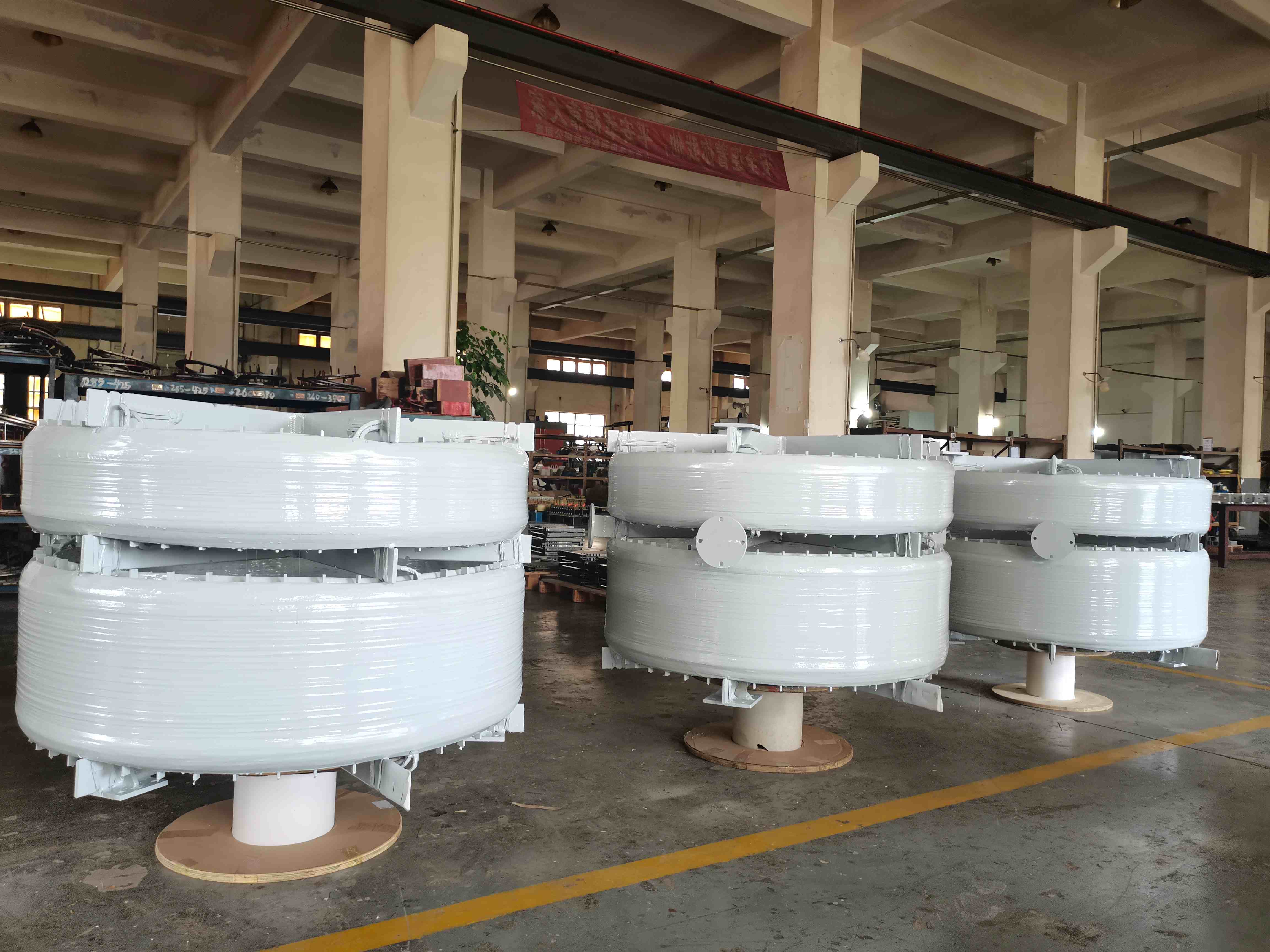
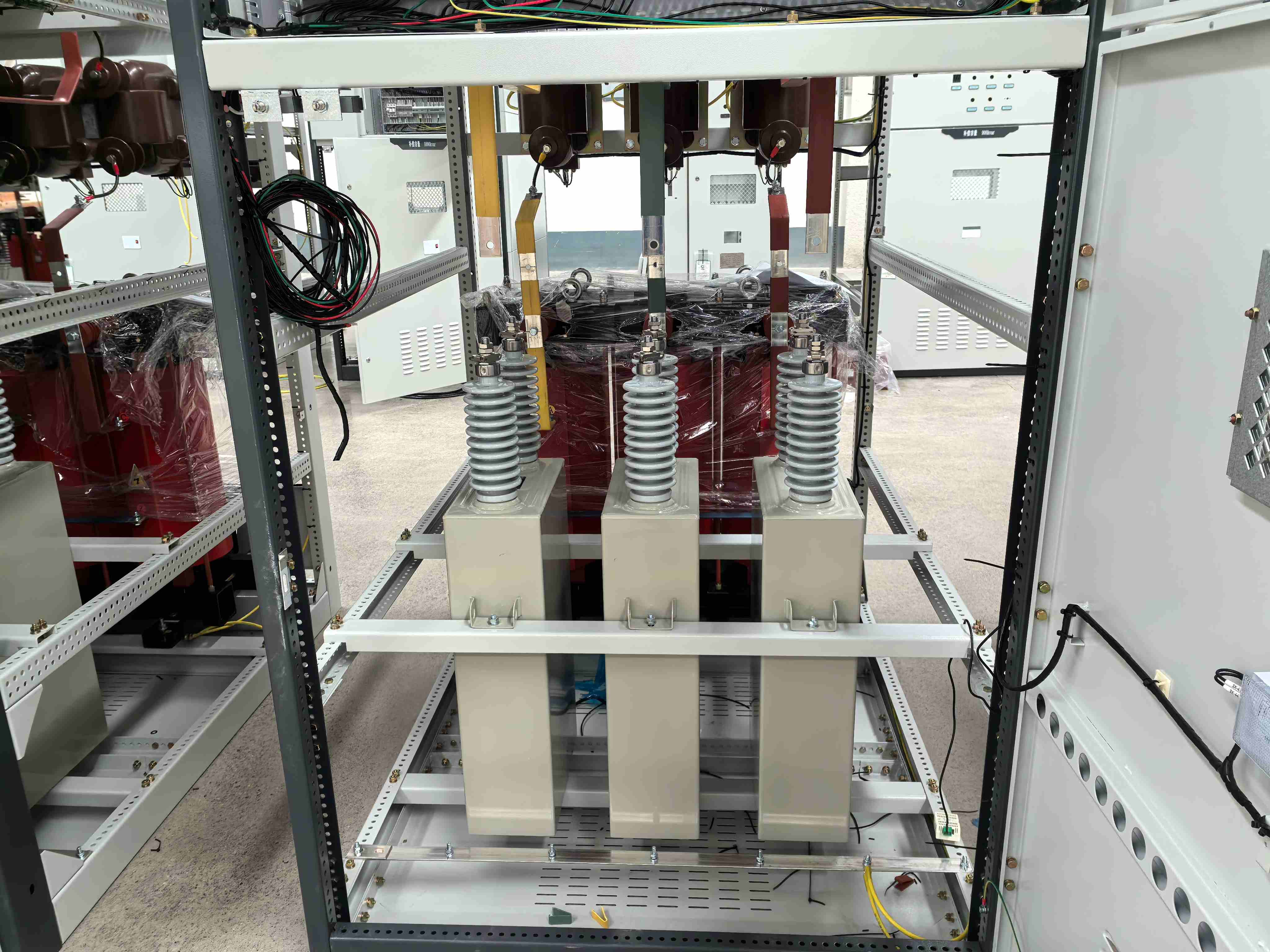
Modern pay systems are made up of a number of important parts that all work together perfectly. The base is made up of capacitor banks that store and release reactive power as needed. Harmonic resonance can't happen with series reactors, so the linked loads and compensation equipment are safe from damaging vibrations. Vacuum contactors or thyristor switches allow for exact control by engaging capacitor banks at the best times using zero-crossing switching technology, which stops damaging inrush currents.
There is a clear pattern to the working cycle: sensor devices constantly check the voltage and power factor across the distribution network. When there are drops in voltage or reactive power, the processor turns on the right capacitor banks to add extra power. Monitoring the grid all the time keeps it in good shape, and as the day goes on, the amounts of adjustments are changed automatically as the load changes.
Key Benefits for Different Operators
Industrial site managers like compensation equipment because it gets rid of the expensive power factor penalties that utilities give to businesses that aren't using power efficiently. Costs drop right away in factories that use a lot of motors, and the power factor often goes from 0.75 to above 0.95 within weeks of installation.
Stabilising power across long-distance lines is a top priority for utility companies. Technical losses are cut by 15–30% when compensation devices are placed at key spots along delivery lines. This directly increases profits while improving service quality for end customers. In distant places with secondary lines that go more than 10 kilometres, the voltage support is especially useful.
Modern compensation systems give EPC companies a lot of modular freedom, which they like. Clients can gradually increase capacity without changing current equipment. This protects initial investments and allows for future growth. This ability to grow is very helpful when adding green energy sources that have changing reactive power needs.
Criteria for Choosing 10kV Outdoor Line Compensation Equipment
Reliability and Environmental Resilience
How long an item lasts depends a lot on how well it was built and how well it protects the surroundings. Outdoor locations are bound to be exposed to UV light, salt mist, humidity, and temperature changes. Enclosures made of stainless steel with an IP54 or IP65 grade can handle these problems. Silicone rubber insulation keeps its dielectric strength over a wide temperature range, from -40°C to +55°C. This means that it works reliably in both hot deserts and cold arctic regions.
Ratings for lightning impulse withstand voltage show how well equipment deals short-term overvoltages that happen during storms. Good units meet or go beyond the 75kV BIL (Basic Impulse Level) standards. This protects the internal parts from air spikes that usually destroy cheap equipment.
Capacity and Scalability Considerations
Rated power for each bank is usually between 1 and 100 Mvar, which means it can handle everything from small businesses to large utility substations. The procurement teams should figure out how much reaction power is needed now and plan for future growth. With modular designs, rollout can be done in stages, which spreads out capital costs over several budget cycles while keeping operational freedom.
Compared to set compensation plans, automatic switching methods are more flexible. Multi-step controls change the amount of reactive power injected in real time. This stops overcompensation during times of low load, which could otherwise lead to dangerous voltage spikes.
Certification and Compliance Standards
Following international standards gives you peace of mind that 10kV outdoor line compensation tools you're using meets strict safety and performance standards. Specifications for capacitors are set by IEC 60871, and IEEE standards cover switching coordination and noise control. When equipment meets these standards, it goes through a lot of tests in the plant, such as measuring capacitance, checking the loss line, and making sure it can last for a long time.
It is important to carefully look at harmonic filtering capabilities, especially in places with changing frequency drives or green energy inverters. Detuned reactors with 6% or 13% impedance stop resonance with 5th and 7th harmonic orders. This keeps sensitive electrical loads and adjustment equipment safe.
Comparing Popular Solutions and Configurations
Fixed Versus Automatic Compensation Systems
Fixed capacitor banks provide steady reactive power input at costs that can be predicted. These systems work best in places where the loads are stable and regular and the reactive power demand doesn't change much during the day. Fixed pay is often enough and cost-effective for manufacturing plants that use ongoing processes.
Automatic methods are worth the extra money they cost at first because they work better in settings with changing loads. Dynamic adjustment features are useful for agricultural irrigation networks, business buildings whose usage levels change, and grids that serve both residential and industry customers. The processor constantly measures voltage and current and uses switching logic to keep power factor goals even when the load changes.
Outdoor Versus Indoor Installation Requirements
Outdoor units on poles focus on certain places along distribution lines to fix voltage drops and power factor problems close to where they start. By cutting down on the distance that reactive current has to travel through wires, this spread method cuts down on losses more effectively than centralised substation compensation.
When installed indoors, switchgear provides better safety in harsh industrial settings or places that need to lower noise levels below 45dB. Even though it costs more, hospitals, data centers, and other places with sensitive electronics often choose indoor compensation because they care more about protecting equipment and sound quality.
Global Manufacturers and Regional Suppliers
With international names come a lot of R&D tools and service networks that span the world. Their equipment usually has high-tech features like SCADA integration, remote diagnosis, and complex harmonic management algorithms. The higher price is because it comes with more testing, a longer warranty, and better expert help.
For standard uses, regional producers often offer great value. Their technology meets the same international standards as other brands, but they can customise it more easily and get it to you faster. Xi'an Xikai is a good example of this method because it has 30 years of experience with high voltage and can make things that are used by utilities in 40 countries. Their plateau-rated equipment works reliably at heights of up to 4,000 meters, which means it can be used in tough deployment situations that regular goods can't handle.
Where to Buy Equipment Through Verified Channels
B2B Platforms and Direct Manufacturer Access
Specialised business-to-business (B2B) platforms of 10kV outdoor line compensation connect purchasing teams with approved sellers and make technical evaluation easier by providing comparison tools. These platforms check the identities of suppliers, protect payments with trust, and make it easier to talk to people in different languages and time zones.
When working on big projects, working directly with makers has clear benefits. Engineering teams can talk about the needs for customisation, go over factory test methods, and work out service agreements that cover more than just the guarantee terms. Video tours of factories and remote witness testing are now commonplace. This gives buyers trust without having to pay for expensive foreign travel.
Verifying Supplier Credentials and Certifications
Genuine providers are happy to show that they have ISO 9001 quality management certification, which shows that they have strict rules over the manufacturing process. Type test results from recognised labs show that the electrical standards for the equipment are met. Before deciding to buy something, buyers should ask for the results of a lightning shock test, a partial discharge test, and mechanical endurance data.
References from current users show operating success that can't be found in a specification sheet. Talking to facility managers or utility engineers who have used similar equipment before can teach you a lot about how reliable it is, how responsive the provider is, and what kind of long-term care is needed.
Negotiation Strategies for Optimal Value
Making a volume pledge can save you a lot of money, especially when multiple places need the same equipment configurations. Schedules for delivering goods in stages help keep costs down while getting better unit prices for the whole order.
During talks, service agreements should be given a lot of thought. Find out if installation help, setup help, and user training are part of the price or if they need to be paid for separately. Longer guarantee terms and easy access to extra parts have a big effect on the total cost of ownership. This means that these factors should be important bargaining chips and not afterthoughts.
Ensuring Successful Procurement and Installation
Site Preparation and Safety Compliance
With the right base design for 10kV outdoor line compensation, mechanical stress that could damage tools over time is kept at bay. For outdoor setups, you need concrete pads that are strong enough to handle wind loads, earthquakes, and the weight of the equipment. In order to follow electrical safety rules, clearance lengths must be at least 3 meters from buildings and 2 meters between units.
Environmental compliance goes beyond choosing the right tools and includes how it is installed. Putting shielding fluids in containment systems, installing grounding electrodes correctly, and labelling arc flash hazards are all things that help make operations safe, legal, and quick for utility inspections.
Coordination Among Stakeholders
For projects to be successful, there must be clear lines of contact between the teams that buy the equipment, install it, and connect it to utilities. Having regular progress talks helps find problems early on, before they delay schedules. Punch lists with lots of details make sure that everyone knows what they need to do for wire terminations, control wiring, setting up communication interfaces, and final testing methods.
Post-Installation Testing and Validation
Comprehensive testing makes sure that the equipment works the way it's supposed to in real-world situations. Power factor readings taken before and after energisation show how much the increase is. Voltage readings along feeder lines show that compensation lowers drops to values that are acceptable. Harmonic spectrum analysis makes sure that detuned reactors stop resonance well.
As-built drawings, test results, working manuals, and servicing schedules should all be in documentation packages. Operations staff go through training that covers normal operation routines, how to read alarms, and basic repair steps that keep downtime to a minimum.
Future-Proofing Through Smart Grid Integration
Modern technology for paying workers has contact features that work with more complex systems for managing distribution. The DNP3.0 and IEC 60870-5-104 protocols allow for remote tracking and control. This lets utility companies manage compensation for many places from one central control room. IoT-enabled models send operating data for predictive maintenance analytics, which finds problems before they cause power blackouts.
Buying equipment that is ready for connection now will keep it from becoming obsolete as grid modernisation projects grow. The extra cost is very small when compared to the costs of retrofitting old pay equipment that doesn't work with new SCADA infrastructure.

Conclusion
Industrial users, utilities, and EPC firms can get access to competitive global markets of 10kV outdoor line compensation without losing quality or support when they buy reactive power compensation equipment online through trusted channels. Knowing the basic scientific concepts, like how to build a capacitor bank and deal with harmonics, helps you make specifications that solve specific practical problems. Choosing suppliers based on their certifications, recommendations, and service skills lowers the risks of buying and guarantees long-term value. When a deployment goes well, the right equipment is chosen, it is installed correctly, it is tested thoroughly, and it works with the smart grid. This saves investments against changing grid technologies and practical needs.
FAQ
1.What factors determine the total cost of ownership?
The price of the tools at the start is only one part of the long-term costs. Installation costs change a lot depending on how easy it is to get to the spot, what kind of foundation is needed, and how much labour costs in the area. Routine checks, replacing the capacitor bank every 15–20 years, and possible utility hookup fees are all examples of operational costs. For industrial facilities, the energy savings from lower losses and no longer having to pay fines for power factor usually cover these costs within 3–5 years. For operations that have to pay steep penalties, the payback times are shorter.
2.Can compensation systems be expanded after initial installation?
Modular designs are perfect for increasing output without having to buy new equipment. If the original installation left enough room and electrical power, adding more capacitor banks can work with the processors and switch gear that are already there. With phased rollout, companies can match their capital spending with load growth and keep the best power factor even as their building needs change.
3.Which certifications should procurement teams verify before purchasing?
IEC 60871 approval for capacitors makes sure that they meet safety and efficiency standards around the world. Testing the mechanical durability of a hoover switch confirms that it will work for a long time, usually more than 10,000 switching rounds. Testing for lightning impulse withstand voltage shows life during changes in the atmosphere. Getting ISO 9001 certification shows that you handle quality in a planned way throughout the whole production process. This lowers the chance of mistakes that could lead to products breaking down too soon.
Partner With Xi'an Xikai for Reliable Compensation Solutions
The Xi'an Xikai Medium & Low Voltage Electric Co., Ltd. offers complete reactive power control systems and has been an expert in high-voltage engineering for 30 years. As a professional 10kV outdoor line compensation supplier, we provide adjustment equipment that can handle rated voltages from 6kV to 35kV and capacities of up to 100 Mvar per bank. Our solutions can be used in a wide range of settings, from factories to utility transmission networks. With 15 patents in reactive power technology, we apply advanced engineering expertise and eco-friendly production methods to ensure efficient operation while minimizing environmental impact. You can email our expert team at serina@xaxd-electric.com, amber@xaxd-electric.com, or luna@xaxd-electric.com to talk about your specific needs and get solutions that are tailored to your needs and improve grid performance while lowering running costs.

References
1. Institute of Electrical and Electronics Engineers (2019). "IEEE Standard for Shunt Power Capacitors." IEEE Std 18-2012 (Revision of IEEE Std 18-2002), pp. 1-120.
2. International Electrotechnical Commission (2020). "Shunt Capacitors for AC Power Systems Having a Rated Voltage Above 1000V – Part 1: General." IEC 60871-1:2014+AMD1:2020 CSV.
3. Electric Power Research Institute (2018). "Distribution System Reactive Power Compensation: Technology Assessment and Application Guide." EPRI Technical Report 3002014457.
4. National Fire Protection Association (2020). "NFPA 70: National Electrical Code, Article 460 – Capacitors." NFPA Standards Council Publication.
5. Liu, Y., & Huang, J. (2021). "Optimal Placement of Reactive Power Compensation Devices in Distribution Networks Considering Voltage Stability." IEEE Transactions on Power Systems, 36(4), 3156-3168.
6. American National Standards Institute (2017). "Requirements for Shunt Power Capacitors." ANSI/IEEE C37.99-2017 Standard for High-Voltage Switchgear and Controlgear.
_1774403963080.png)