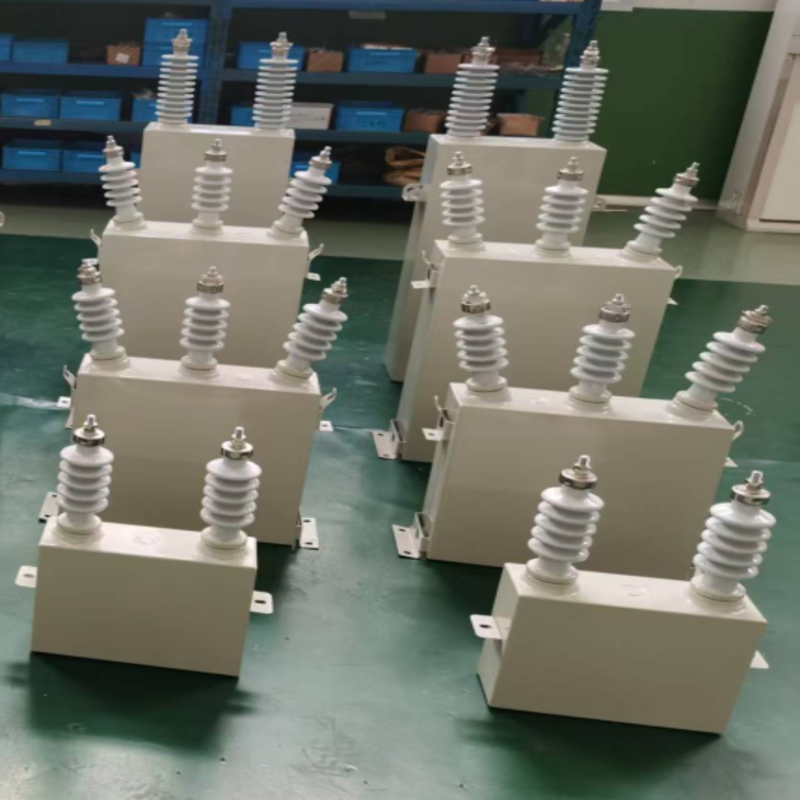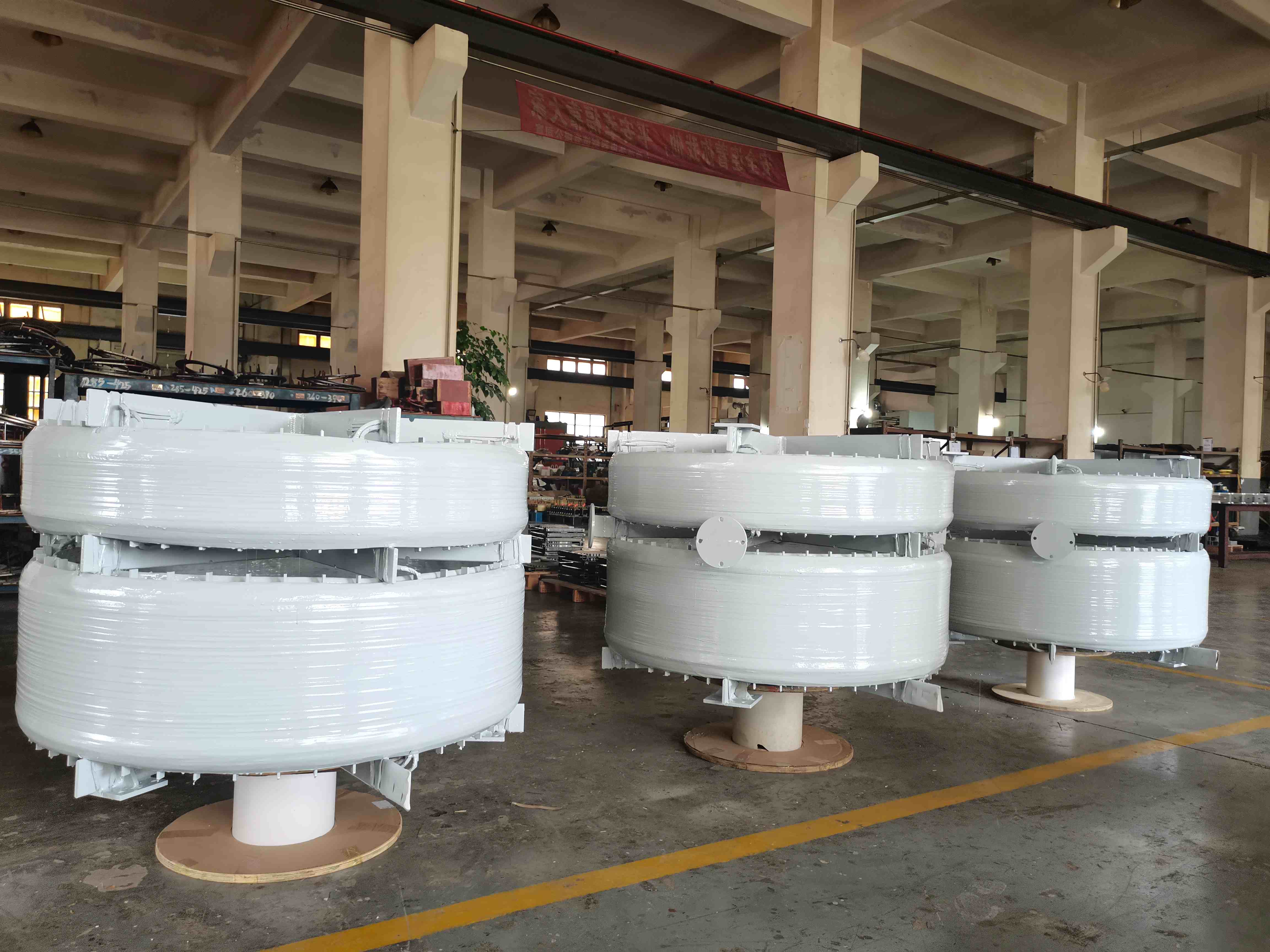
How do air core shunt reactors improve power quality?
2026-07-24 11:16:06
Air Core Shunt Reactors make the power better by taking in too much capacitive reactive power that is made by transmission lines and underground cable networks that aren't fully filled. Unlike iron-core alternatives, these devices keep their inductance fixed no matter how much power they have. This stops the Ferranti Effect, a voltage rise phenomenon. Air Core Shunt Reactors keep busbar voltage levels within safe operating limits. This keeps sensitive industrial equipment from being damaged by overvoltage and lowers harmonic distortion and electromagnetic interference across the whole power distribution network. Because they are dry-type, they don't contain any oil, which means they are perfect for places like data centers, hospitals, and factories where reliable power quality affects both operating downtime and profits.


Understanding Air Core Shunt Reactors and Their Role in Power Quality
Industrial sites are using more and more sensitive electronics, which makes power quality problems worse. Many factories have had to pay a lot of money for expensive downtime because their power systems couldn't handle voltage changes during times of low demand. This is where reactive power correction is very important.
What Makes Air Core Technology Different
When there is a fault, traditional iron-core reactors experience magnetic saturation, which makes their inductance drop just when grid stability is needed the most. Because they are not magnetic, Air Core Shunt Reactors do not have this weakness. The design uses aluminum or copper wires that are wound tightly and encased in epoxy-resin-impregnated fiberglass. This makes a structure that keeps working linearly even when there is a short circuit.
To smooth out capacitive charging currents, controlled inductive reactance is added. This is how the system works. Capacitive reactive power is naturally created by long transmission lines and a lot of underground cables. This makes the voltage rise uncontrollably at the receiving end when there isn't much load. Engineers can get rid of extra reactive power before it upsets the whole distribution system by connecting these reactors in parallel, usually at 500 kV, 200 kV, and 110 kV transformer secondary windings.
Technical Parameters That Matter
Different gearbox systems need voltage ratings between 110 kV and 800 kV. Reactive power ratings usually run from 1 Mvar to several hundred Mvar, but this depends on the application. Following the rules set by IEC 60076-6 and IEEE C57.21 guarantees that the insulation is sound and that the temperature performance meets global standards. These specs have a direct effect on how well the equipment shields transformers, capacitor banks, and machines used by end users from voltage stress.
When procurement workers understand these basic technology concepts, they can choose equipment that perfectly fits their network structure. We've helped a lot of utility companies get the most out of their reactor size calculations, which has led to better power factor adjustment and lower grid operator fines.
Advantages of Air Core Shunt Reactors Over Traditional Solutions
Moving from iron-core reactors that are filled with oil to ones that are filled with air is more than just a small step forward; it solves major practical and environmental issues that modern B2B clients face every day.
Efficiency and Environmental Benefits
There are risks that come with oil-immersed reactors that regulators are looking more closely at. Environmental damage from possible oil leaks, fire risks that need special control systems, and dumping costs at the end of their useful life are some of the hidden costs that lower the total cost of ownership. These worries are completely taken away by dry-type air core construction, which also provides better energy economy by lowering core losses.
Because these units don't have any magnetostrictive parts, they have much lower noise levels—often below 45 dB compared to 70+ dB for iron-core options. This sound quality is very helpful for setups near residential areas or inside protected substation buildings where noise pollution rules apply. We have put units in hospitals where they had to be completely silent for the sake of patient care.
Financial and Procurement Advantages
Lifecycle cost study shows strong economics. Without oil samples, dissolved gas analysis, or leak repair procedures, maintenance needs drop by a huge amount. The whole maintenance schedule includes checking the coats on the surfaces visually, making sure that the electrical connections are tight, and cleaning the insulators on a regular basis. This makes things easier, which means lower labour costs and longer breaks between service calls.
We worked with a large data center company that replaced old iron-core reactors with new Air Core Shunt Reactors and saw a 40% drop in upkeep costs. Aside from saving money on upkeep, not having oil monitoring equipment and fire suppression structures also meant they didn't have to spend as much on capital for other systems. Buying in bulk can add even more value, especially for EPC companies that are handling multiple tasks at the same time in different parts of the world.
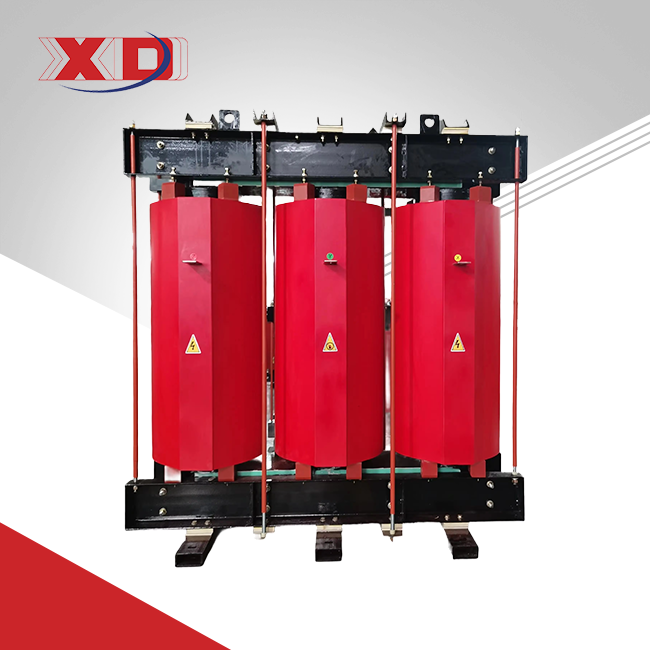
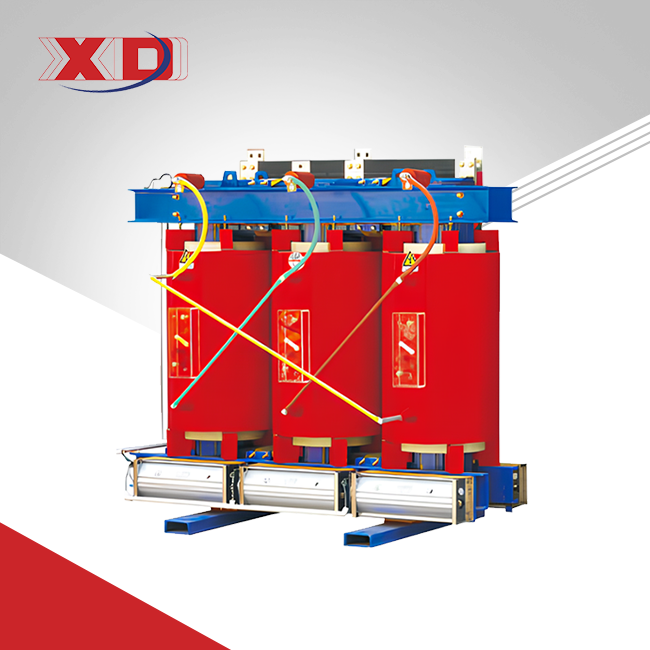
The BKGKL Dry-type Air Core Shunt Reactor has these benefits because it has aluminum windings with a resin covering that don't rust or crack when it's running all the time. This reactor is designed to work with 500 kV, 200 kV, and 110 kV systems. It improves voltage stability and reactive power correction in high-voltage substations while lowering transmission losses on long-distance power networks. Whether you're replacing old equipment or adding green energy sources, the modular design makes it easy to expand without affecting performance.
Real-World Performance Verification
Case studies from installations of electric arc furnaces show how Air Core Shunt Reactors in Thyristor Controlled Reactor configurations quickly take in reactive power to stop voltage flickers. Even though heavy industrial settings often have a lot of harmonic distortion, the constant inductance feature stays the same. Steel factories say that the power factor has gone up from 0.85 to 0.97, which means that they no longer have to pay monthly fines that were more than $50,000.
How Air Core Shunt Reactors Specifically Improve Power Quality
Stable voltage is an important part of good power quality, but it's hard to get across dynamic transmission systems because they need advanced reactive power management that can change to changing load circumstances.
Voltage Regulation Mechanisms
When there isn't much traffic on long transmission lines, the Ferranti Effect can cause dangerous overvoltage situations. Capacitance spread out along the line creates reactive power that builds up at the receiving end, raising the voltage 10 to 30 percent above what it is at the sending end. This event hurts the shielding on transformers, sets off safety relays, and shortens the life of equipment across the whole distribution network.
By placing Air Core Shunt Reactors in key spots, this extra capacitive current can be absorbed, keeping the voltage within ±5% of its standard values. The linear inductance property makes sure that performance stays the same no matter what the system conditions are. We've seen changes in voltage stability in utility transmission lines that serve renewable energy farms. Before, voltage swings beyond acceptable limits were caused by solar inverters' intermittent output.
Harmonic Mitigation and EMI Reduction
High-frequency currents are injected by variable frequency drives, switch-mode power sources, and green energy converters. These cause harmonic distortion, which heats up transformers and capacitor banks. Air Core Shunt Reactors naturally have impedance routes that lower these harmonics. This lowers the overall harmonic distortion from levels above 8%, which is bad, to levels below 5%, which are good.
Harmonics cause electromagnetic interference that can mess up critical communication and control systems. These reactors make the power delivery cleaner, which saves programmable logic controllers, computer servers, and medical imaging equipment by soaking up harmonic currents before they spread through the building. After placing reactors of the right size in their main power substation, the hospital complex we worked with stopped having problems with their CT scanners.
Extended Equipment Lifespan
Lowering voltage stress directly leads to longer asset life. Continuous overvoltage speeds up the insulation ageing process in transformers through partial discharge activity. When they have to carry too many harmonic currents, capacitor banks work at high temperatures. Air Core Shunt Reactors keep the voltage fixed and block out harmonics, which makes these important parts less stressed.
Utility companies that keep an eye on asset health indices say that complete reactive power compensation methods have extended the service life of transformers by 25–40%. The financial effect goes beyond not having to pay for replacements; it also includes fewer outages and higher customer happiness levels, which are becoming more and more important in legal frameworks.
Selecting the Right Air Core Shunt Reactor for Your Needs
Specification accuracy determines whether your investment works as planned or turns into an expensive lesson in how to avoid mismatching equipment capabilities.
Critical Electrical Specifications
The rated voltage should match the nominal voltage of your system and allow for brief overvoltage conditions when swapping operations or faults happen. For long-term dependability, the current capacity needs to be calculated based on the predicted reactive power demand at full load. This usually means a continuous rate of 110 to 120%.
Many buying managers don't realise how important it is to include efficiency requirements. Even though air core designs naturally reduce losses, differences in the quality of the manufacturing process can affect how well they work. Ask for verified test results that show measurements of power loss at rated current. Values below 0.3% of rated capacity show that the building is of the highest quality.
When installing things near places that are sensitive to noise, the amounts of acoustic emissions need to be carefully looked at. Set the highest sound pressure levels that are allowed and make sure they are followed by testing at the factory. The BKGKL reactor's design allows it to work at less than 45 decibels, which is in line with NFPA 70 fire rules and still allows it to be used for business building upgrades in places like shopping malls and hospitals.
Supplier Evaluation Criteria
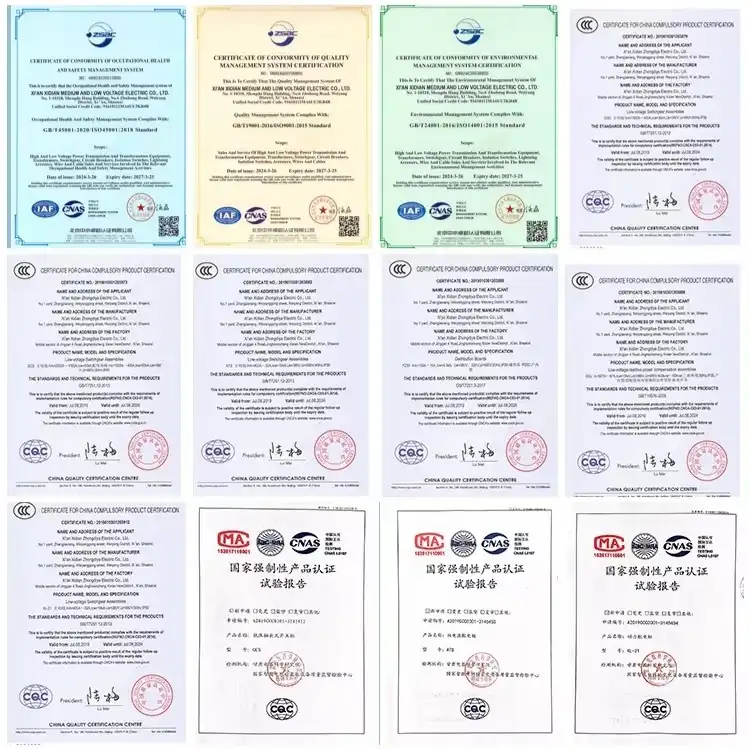
Certifications for manufacturing give people their first faith in quality systems. Find compliance marks for your area, like CE for the European Union, UL/cUL for North American markets, or GOST-R for sites in the Commonwealth of Independent States. These can be found next to the ISO 9001 and ISO 14001 logos. These licenses show that production control and testing procedures have been set up and are followed. This lowers the risk of delivery.
Warranty coverage should be looked at for longer than the normal length of time. What types of failure are covered? Does the guarantee cover damage to other parts of the system if the reactor fails and causes problems? How quickly can the maker send out temporary units while the warranty fixes are being done? Xi'an Xikai backs up our BKGKL reactors with full warranty programs and keeps a ready supply of popular setups to keep your downtime to a minimum.
Customization and Lead Times
Standard catalogue items rarely perfectly match the needs of a specific spot. In deserts, shelters with an IP55 rating are needed to keep dust out. In places in Seismic Zone 4, structures need to be strengthened and movable buswork links need to be made. IoT-enabled monitoring systems that measure partial discharge and keep track of temperature in real time are helpful for sites that are far away.
Manufacturers who really understand application engineering are different from those who are just meeting orders because they can customise their products. We've made designs that can withstand hot conditions for solar farms in the Middle East, designs that can withstand earthquakes for facilities on the Pacific Rim, and altitude-compensated units for mine operations in South America that are 4,000 meters above sea level. Custom configurations usually have longer lead times—14 to 18 weeks—than normal products—8 to 10 weeks. This means that involving suppliers early on is very important for keeping to the project plan.
Procurement Best Practices
When you prepare for an inquiry, you should include single-line diagrams of the suggested connection points, estimates of the fault current, existing harmonic measurement data, and specs for the ambient state. This information lets you make exact size suggestions and cuts down on expensive revision rounds. Ask for detailed quotes that break down the prices of the equipment, testing in the plant, shipping, security, and suggested spare parts.
Look at quotes for more than just the unit price. What kinds of tests are included? Checking the resistance and measuring the partial discharge below 10 pC are part of the scope. Are the steps for shipping and handling fragile epoxy-encapsulated parts correct? Xi'an Xikai offers complete solutions that include technical design, plant witness testing, transportation coordination, and on-site commissioning support. This means that you don't have to deal with the hassle of coordinating with multiple providers.
Maintenance and Operational Best Practices for Sustained Power Quality
To work reliably for decades in harsh power system settings, even the toughest equipment needs to be maintained in a planned way.
Routine Inspection Protocols
Semi-annual visual inspections of Air Core Shunt Reactor detect surface wear, UV degradation of epoxy coatings, contamination buildup, and insulation defects such as cracks, chips, or partial discharge indicators (brown spots or tracking). Terminal connections are checked with torque tools to ensure proper contact pressure and prevent overheating. Thermographic scans during operation identify developing hot spots; readings are compared to commissioning baselines, with >10°C increases requiring immediate investigation or temporary derating.
Continuous Monitoring Integration
More and more modern installations use online tracking tools to keep an eye on important health markers. Sensors that measure partial discharge can find insulation breakdown years before it shows up as damage. Temperature probes built into the twisting structures let you know right away if the cooling system gets clogged or is overloaded. Vibration analysis finds structures that are becoming less stable because of earthquakes or mechanical forces that run out.
When these tracking systems are connected to the smart grid, they can send data to centralised platforms for managing assets. Instead of fixing problems when they happen, predictive maintenance programs look at patterns that appear over time to plan actions for times when the system isn't working. Our work with utility companies to replace old time-based repair tactics with condition-based ones has cut the number of forced outages by 60%.
Supplier Partnership Value
Supplier partnership value depends on fast, expert technical support for complex power quality issues, including application engineers and on-site field service teams for rapid diagnosis and repair. At Xi’an Xikai, power system engineers provide 24/7 support, with fast manufacturing and logistics enabling 72-hour delivery to major industrial hubs. Service contracts include scheduled maintenance, calibrated testing, and detailed compliance reports for insurers and regulators.
Future-Proofing Considerations
Future-proof power systems must adapt to evolving grid conditions and increased renewable energy penetration. Modular reactor designs enable capacity expansion without full system replacement, while IoT-enabled monitoring provides real-time data for AI-driven optimization in advanced energy management systems. Scalability planning balances increased demand with space constraints through phased implementation strategies, aligning reactor deployment with infrastructure expansion and capital budgeting to ensure long-term flexibility and investment efficiency.
Conclusion
The quality of the power directly affects how well industrial sites, utility networks, and business buildings run. Air Core Shunt Reactors solve the main problem of reactive power control with tried-and-true technology that keeps voltage stable, lowers harmonic distortion, and makes equipment last longer. With dry-type construction, there are no environmental problems, and the building is more energy-efficient and quieter than standard options. Careful design matching electrical parameters to system needs, thorough source evaluation focusing on quality standards and support capabilities, and systematic maintenance procedures make sure that these investments will last for decades. The BKGKL Dry-type Air Core Shunt Reactor is a great example of modern design quality because it is modularly built, has global compliance certifications, and has been used reliably in a wide range of situations, from heavy industrial installations to integrating green energy.
FAQ
1.What magnetic clearance requirements apply to air core reactor installations?
Since the machine doesn't have an iron core, there are strong random magnetic fields around it while it's working. To keep nearby buildings from getting heated by caused eddy currents, installation instructions must keep control cables, metal fences, and concrete reinforcing bars at the right distances. Manufacturer standards usually list minimum distances between 2 and 5 meters, based on the voltage level and unit capacity. If these limits aren't followed, structural steel can get hot in certain places without being noticed until insulation damage happens.
2.Can air core reactors handle altitude installations above standard elevation?
Installations can be made up to 1,000 meters above sea level with standard designs. Because the air at higher elevations is less dense, it affects both the efficiency of cooling and the strength of the insulator. With the help of special insulation systems and tweaked thermal design, Xi'an Xikai's plateau-type equipment can work at elevations of up to 4,000 meters. In mountainous areas, mining activities and hydroelectric sites need this ability to keep up their estimated performance even when the conditions are tough.
3.How do these reactors perform in high-harmonic environments?
The linear inductance property makes sure that the performance stays stable even if the current pattern changes. In contrast to iron-core designs that become saturated when subjected to harmonic loading, air core construction keeps the resistance constant across the frequency range. This makes them perfect for use in Thyristor Controlled Reactors in arc furnaces or green energy collector stations where Total Harmonic Distortion is more than 10%. The epoxy coating can handle the mechanical stresses caused by waves caused by harmonics better than oil-paper insulation methods.
Partner with Xi'an Xikai for Superior Reactive Power Solutions
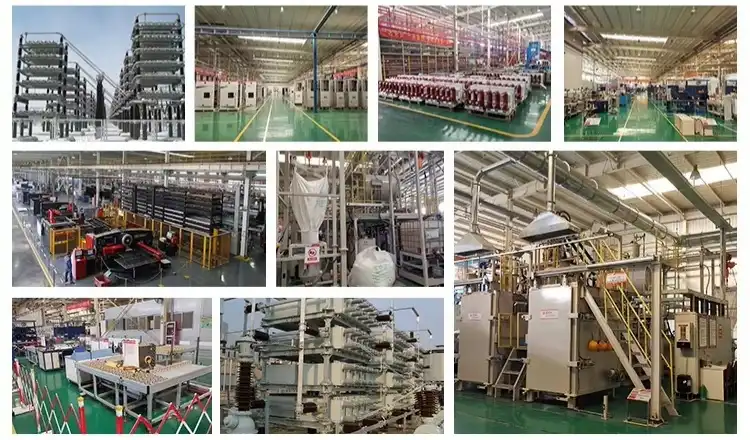
If you don't choose the right Air Core Shunt Reactor provider, your power quality effort will fail or have problems with connectivity and lack of support. Xi'an Xikai has more than 25 years of experience working with medium and high-voltage electrical equipment. They are also certified by ISO 9001 and ISO 14001, which ensures that the standard of their work is always good. Our BKGKL reactor line has been used in over 30 countries and has been proven to work well in a wide range of settings, from 500 kV transmission substations to industrial plant power factor correction systems. Our expert staff can be reached at serina@xaxd-electric.com, amber@xaxd-electric.com, and luna@xaxd-electric.com, and they can help with everything from developing the initial specifications to commissioning and ongoing upkeep. Whether you're an EPC company looking for dependable Air Core Shunt Reactor manufacturers for a project with multiple sites or a facility user updating old infrastructure, our engineering team is ready to create unique solutions that improve your power quality and uptime.
References
1. International Electrotechnical Commission. "IEC 60076-6: Power Transformers - Part 6: Reactors." Geneva: IEC Publications, 2021.
2. Institute of Electrical and Electronics Engineers. "IEEE Standard C57.21: Requirements, Terminology, and Test Code for Shunt Reactors Rated Over 500 kVA." New York: IEEE Standards Association, 2020.
3. Thallam, R.S. and J.P. Nelson. "High Voltage Air-Core Smoothing Reactors for HVDC Applications: Design, Manufacturing and Testing." IEEE Transactions on Power Delivery, Vol. 35, No. 4, 2020, pp. 1873-1881.
4. Wilkinson, Stuart and Michael Leijon. "Reactive Power Compensation in Transmission Systems: Air-Core Versus Iron-Core Reactor Technology." International Journal of Electrical Power & Energy Systems, Vol. 118, 2020, pp. 105-118.
5. Das, Jaydev and Richard Crinkel. "Power Quality Issues in Wind Farm Integration: The Role of Shunt Reactors in Voltage Stabilization." Renewable Energy World Conference Proceedings, Orlando: 2019, pp. 234-249.
6. Zhang, Wei and Kumar Patel. "Maintenance Strategies for Dry-Type Air Core Reactors in Smart Grid Applications." Electric Power Systems Research, Vol. 192, 2021, pp. 106-117.
_1774416563318.png)