Where to buy air core shunt reactors
2026-08-26 11:31:31
Finding the right Air Core Shunt Reactor starts with knowing what suppliers are out there. These important parts can be bought by industrial buyers from authorised makers, certified dealers, and specialised electrical equipment providers. This is true whether they run data centers, power grids, or EPC projects. Working directly with well-known manufacturers gives you more control over the customisation process, full technical support, and compliance paperwork that fits North American standards. As you go through the buying process, this guide will help you find reliable partners who can provide high-quality reactors designed for harsh industrial settings and high-voltage substations.


Understanding Air Core Shunt Reactors
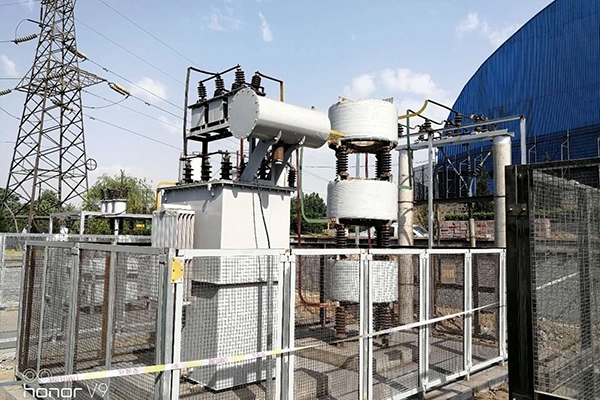
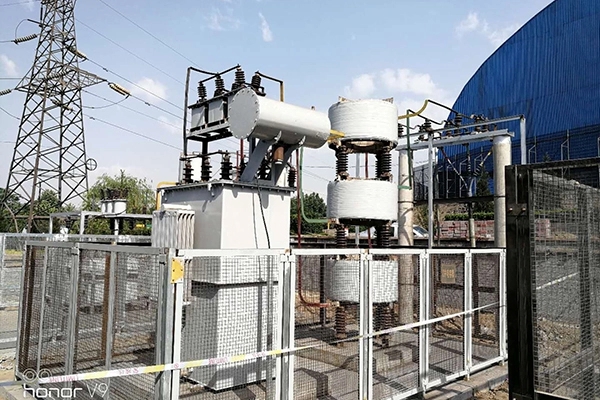
Air Core Shunt Reactors are critical inductive devices compensating for the Ferranti Effect—voltage rise at receiving ends of lightly loaded transmission lines. Unlike iron-core designs, they maintain linear inductance without magnetic saturation risks during faults or overvoltages. The absence of ferromagnetic materials eliminates eddy current losses, reducing heat generation and cooling requirements. Maintenance intervals extend significantly with no oil-filled components. These reactors are essential for factories with sensitive CNC equipment, hospitals protecting medical systems, and data centers requiring uninterrupted power quality.
Construction and Cooling Advantages
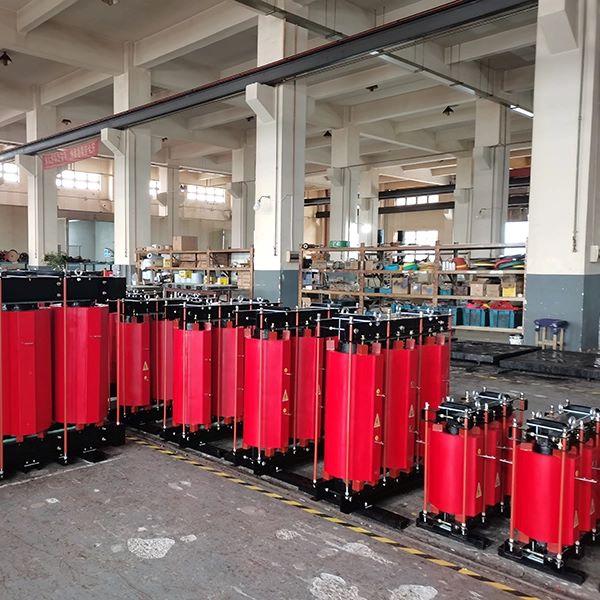
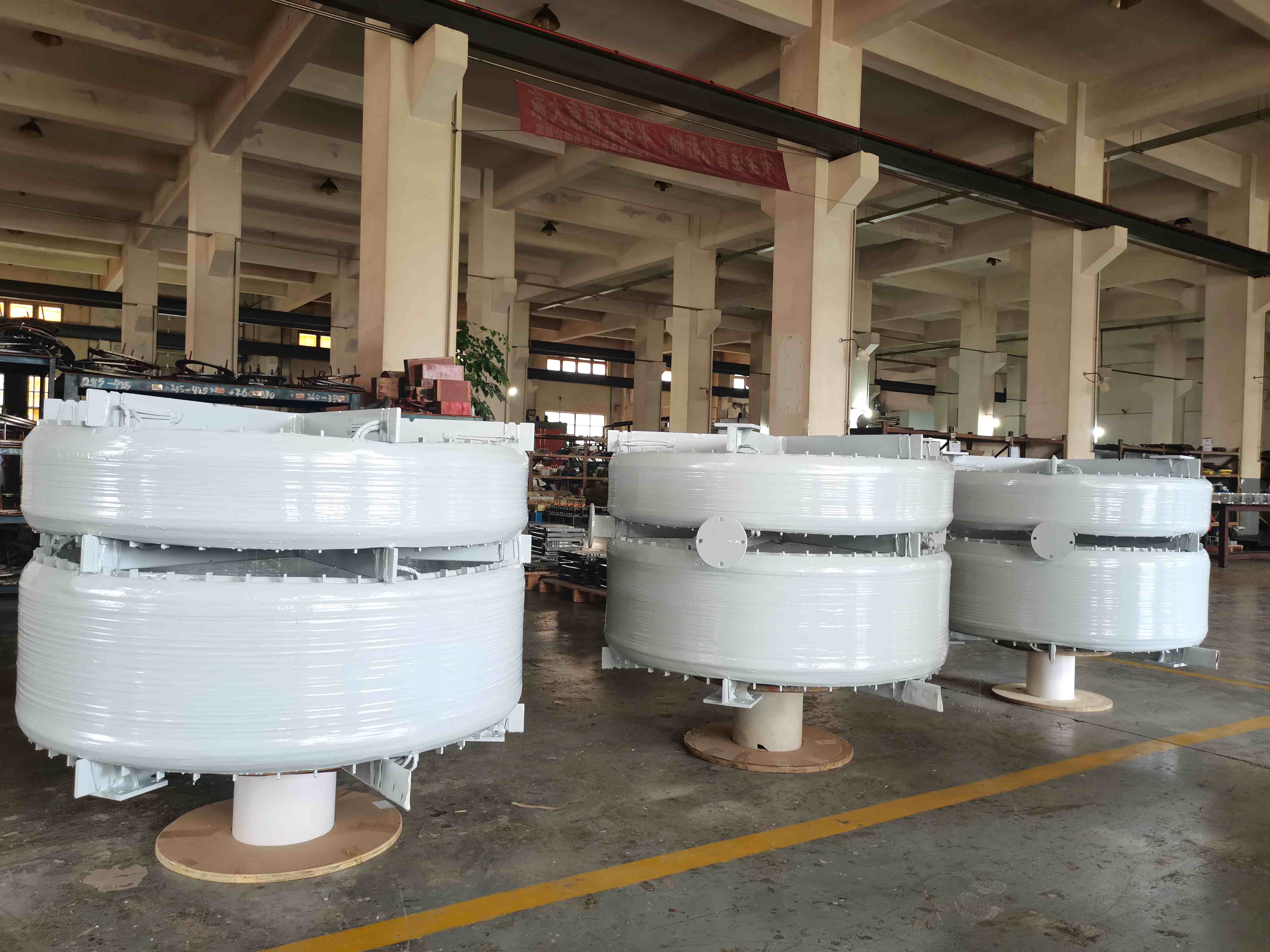
Aluminum or copper windings are encapsulated in epoxy resin-impregnated fibreglass, providing mechanical strength against short-circuit forces while resisting atmospheric exposure. Natural air convection through vertical winding ducts cools the material without complex cooling systems. These dry-type reactors operate effectively at 500kV, 220kV, and 110kV substations where long-distance transmission creates capacitive effects requiring compensation.
Renewable Energy Integration
Wind and solar farms present integration challenges for grid operators. Collector substations with extensive underground cable networks generate substantial reactive charging currents. Air Core Shunt Reactors strategically deployed at collection points balance this capacitance, ensuring grid code power factor compliance and preventing voltage fluctuations associated with renewable generation. This stability supports reliable integration of growing renewable energy portfolios.
Air Core Shunt Reactor vs. Other Reactor Types: Making the Right Choice
To choose the best reactive power compensation solution, you need to know how the different technologies affect performance. Iron-core reactors are good for projects that need to stay within a tight budget because they are small and don't cost a lot to build. However, when the current is high, their magnetic cores become saturated. This causes non-linear inductance, which makes it harder to coordinate protection. Oil-filled units need to be sampled on a regular basis for dissolved gas analysis, and they can be bad for the environment because they could leak. With dry-type alternatives, none of these problems arise.
Liquid-filled reactors are great for cooling large amounts of material, but they are harder to maintain. Lifecycle costs go up when you have to check on the condition of the insulating oil, take steps to stop leaks, and use fire suppression systems. Environmental laws are making it harder for oil-filled equipment to be used near sensitive environments or cities, which is pushing utilities to find dry options. When you compare these factors, it's clear that Air Core Shunt Reactor designs are better for situations where reliability and low maintenance are important.
When it comes to managing power quality, capacitor banks work together, not against each other. In industrial buildings with a lot of motors, capacitors add reactive power to fix missing power factors. When the load is low, reactors take in extra reactive power. Modern static var compensator systems use thyristor-switched capacitors and reactors together to allow dynamic reactive power control that can react to changes in voltage within milliseconds. This coordinated method is good for arc furnaces, rolling mills, and other heavy industry loads.
The choice matrix includes more than just technical details. It also includes practical background. Utility companies that want to keep the grid stable across large transmission networks like dry-type reactors because they last a long time and don't break down in bad weather. EPC companies that build substations in remote areas like the smaller upkeep footprint because it cuts down on site trips and the costs that come with them. These reactors are chosen by factories with strict uptime standards so that equipment breakdowns don't stop production. Figuring out your exact operational needs, such as voltage levels, environmental conditions, available space, and the ability to do maintenance, will help you choose the most cost-effective solution.
Environmental effect factors are becoming more and more important in procurement choices. Building without SF6 is in line with companies' promises to sustainability because it avoids using powerful warming gases that are used in some gas-insulated equipment. At the end of their useful life, products that can be recycled save money and the earth. These factors are similar for utilities meeting pollution goals and industry operators facing pressure from stakeholders to run cleaner businesses.
Where to Buy Air Core Shunt Reactors: Trusted Suppliers and Brands
Global companies like Siemens, ABB, and GE control the markets for high-voltage equipment and have a history of success in large-scale utility projects. Their products are made to strict international standards and are backed by large service networks. But procurement professionals should also look at specialised makers who only make reactive power replacement equipment. These companies often offer better customisation options and lower prices without lowering the quality of their products.
China's manufacturers have become a good alternative because they combine advanced technology with lower prices. One company that follows this trend is Xi'an Xikai Medium & Low Voltage Electric Co., Ltd., which has one of the biggest factories in China for making power distribution equipment. They make a wide range of high-voltage switchgear, transformers, and specialised reactors, and many of their ideas have been trademarked. These suppliers have been making things for more than 25 years and have products in use in more than 30 countries. They have the technical know-how and quality control needed for mission-critical applications.
Doing a lot of research is needed to figure out how trustworthy a supplier is. Ask for copies of the ISO 9001 and ISO 14001 certifications that show you follow quality management and environmental rules. Buyers in North America should check UL or cUL lists for equipment that will be installed in the United States to make sure it meets NEC rules and insurance underwriting standards. Carefully read the guarantee terms. Reputable makers offer coverage for multiple years with clear ways to fix problems or improve performance.
Technical support skills are what set good suppliers apart from great partners. Can the maker do an electromagnetic field study to help with planning the site? Do they provide results of partial discharge tests that show the soundness of the insulation? Will their engineering team look over your single-line diagrams to make sure the reactors are the right size and that the safety measures are working together? These services keep construction mistakes and delays in launching from being too expensive. Having regional technical support offices with engineers who speak English makes conversation easier, especially when problems need to be fixed or when projects are growing.
Customisation flexibility meets the specific needs of each operation. Enclosures that are rated for deserts and have IP55 protection keep sand out in dry climates. Designs that are approved for Zone 4 setups protect investments in places that are prone to earthquakes. IoT-enabled tracking systems that integrate with SCADA offer real-time feedback, which makes it possible to plan preventative maintenance that makes the best use of assets. By giving these configurations, suppliers show that they can meet a wide range of industrial needs that go beyond normal catalogue goods.
Infrastructure for after-sales support for Air Core Shunt Reactors should be carefully evaluated. Does the supplier maintain spare parts inventory in your region? What are their guaranteed response times for technical inquiries or field service visits? Reference checks with existing customers reveal service quality details that marketing materials never show. Procurement teams should contact facilities operating similar applications and environmental conditions, asking specific questions about support responsiveness during commissioning challenges or unplanned outages.
Procurement Process: How to Buy Air Core Shunt Reactors Successfully?
Detailed specification creation is the first step in effective buying. Write down your system's voltage, reactive power needs, temperature ranges, altitude, and any seismic issues that need to be thought about. If necessary, include ratings for short-circuit current and harmonic distortion levels. With these guidelines, makers can come up with properly engineered solutions instead of generic goods that need to be changed at high costs. By involving your engineering team or outside experts in the creation of the specifications, you can avoid costly changes to the plan later on.
When people send in requests for quotes, they should include specific technical ideas along with the prices. Ask for thermal calculations that show how much the temperature can rise during continuous operation. If the installation site has noise limits, you should ask for sound level certifications. Use Incoterms to spell out shipping terms so there is no question about who is responsible for what and how much it costs for transportation. Clear RFQs lead to similar offers, which makes evaluating and negotiating with vendors easier.
Prices vary a lot depending on how complicated the plan is, how much the materials cost, and how many are made. Custom setups with special coatings or earthquake protection cost more, but they are more reliable, so the extra cost is worth it. The number of units made affects the cost per unit. For example, buying more than one reactor for phased substation growth can lead to volume savings. The markets for raw materials have an effect on prices. Changes in the prices of aluminium and copper may make fixed-price contracts more reasonable when product markets are volatile. Knowing these things that affect costs helps you come up with negotiation strategies that balance quality needs with limited budgets.
Lead times range from a few weeks to a few months, depending on how much customisation is needed and how much the factory can make. Standard designs from a large collection can be shipped quickly to help with urgent repairs or retrofits. Custom-engineered units need to have their designs approved, materials sourced, and strict testing procedures carried out before they can be shipped. To make sure that buying times don't clash with project timelines, procurement planners should add extra time to orders that come from other countries in case of shipping delays or problems clearing customs.
Protocols for communication during production keep shocks from happening at delivery. Set up reporting for important events like design approval, materials inspection, winding completion, and final testing. Ask to be a witness to the plant acceptance test so that your expert team can check the performance before the shipment. Shipping damage claims can be defended with photos of the packaging and preparations for shipping. These steps give you more confidence that the supplied equipment meets your needs and is ready to be installed.
Lifecycle management is part of after-sale help that goes beyond warranty terms. For manufacturers who offer upkeep training, your staff will learn how to check and fix problems. Factory-trained techs do inspections once a year or every other year to find problems before they break down. Having access to original replacement parts like insulators, bushings, and monitoring sensors makes sure that repairs keep up with the original performance standards instead of settling for generic alternatives.
Introducing the BKGKL Dry-Type Air Core Shunt Reactor
The BKGKL line from Xi'an Xikai is a state-of-the-art air core shunt reactor system designed for voltage stability and reactive power balance in high-voltage substations. Connected in parallel at 500kV, 220kV, and 110kV levels, it reduces voltage fluctuations that shorten equipment life and compromise grid reliability. Special epoxy coatings on aluminium windings prevent corrosion and degradation under continuous high-temperature operation. Dry-type architecture eliminates oil-related maintenance—no sampling, leak repairs, or environmental contamination risks. CE marking confirms EU safety standards; UL/cUL listings meet North American electrical requirements; GOST-R certification serves CIS markets. Customization options include desert-rated IP55 protection, earthquake-resistant Zone 4 designs, and IoT-enabled monitoring for predictive maintenance. SF6-free construction supports sustainability commitments; recyclable materials ease disposal. Manufacturing facilities use automated winding tools for consistency, with 100% impedance verification and partial discharge testing below 10 picocoulombs. ISO 9001, ISO 14001, and CCC certifications validate quality and environmental management.
Procurement Process Insights: How to Buy Successfully?
Instead of reactive buying, the procurement journey needs structured methodology. Start by figuring out what your own needs are. What energy problems or power quality problems are causing this investment? Use load studies and power factor data to figure out how much reactive power needs to be compensated. Get your electrical engineering team or specialised consultants to turn routine issues into technical details that makers can understand.
Before spending time on in-depth technical discussions, supplier pre-qualification narrows the field to trustworthy candidates. Check the business permits and certifications for the production site. Ask for a list of client references with their phone numbers, and then call those references and ask them specific questions about how well they delivered, how quickly they helped with technical issues, and how reliable their products were. This research finds possible problems that official plans never show.
Long-term operational concerns are part of the technical proposal evaluation process, in addition to making sure that the specifications are met. Check out the different guarantee terms. Some makers give longer coverage, which shows that they are confident in their products. Check to see if extra parts are available and how much they cost. Will important parts need to be shipped internationally over long periods of time, or does the supplier keep supplies in the area? Think about how easy it is to get in touch with technical support. Are skilled engineers available during your business hours, or do time zone differences make it harder to fix urgent problems?
Strategies for negotiating should take into account more than just unit price. Making promises to buy a lot of units at different stages of a project may lead to savings without lowering the quality of each unit. Large capital projects can better handle their cash flow when they have longer payment terms. Including training for operators and help with commissioning in the purchase deal transfers important information for getting the most out of the tools. These value-added services often cost suppliers little to provide but deliver substantial benefits to buyers.
Writing down a contract protects both parties by making sure everyone knows what to expect. Include performance criteria that can be measured, such as the accuracy of voltage regulation, the maximum temperature rise, and the noise level. Define delivery terms using standard Incoterms to get rid of any doubts about who is responsible for transporting the goods. Add measures for liquidated costs if time-sensitive projects are delivered late. These contractual protections create accountability that informal purchase orders lack.

Conclusion
Getting Air Core Shunt Reactors has a big effect on the long-term costs and operating dependability of utility networks, engineering power systems, and industrial sites. Knowing the technical benefits of these devices, like their linear inductance, low maintenance needs, and safety in the environment, helps make choices that are in line with operational priorities. Evaluating suppliers rigorously through certification review, reference checks, and technical capability assessment identifies partners capable of delivering quality products with comprehensive support. From writing the specifications to negotiating the contract, the procurement process requires structured methods. Investments must be protected by clear performance standards and responsibility procedures. The BKGKL line from Xi'an Xikai is a good example of how specialised makers combine technical know-how with large-scale production to make custom solutions that meet different operational and legal needs in global markets.
FAQ
1. What are typical lead times for customized reactors?
After an order is confirmed, standard catalogue patterns are sent out within 6 to 8 weeks. Lead times are extended to 12 to 16 weeks for custom setups that need special coatings, seismic support, or different voltage rates. Scheduling is affected by manufacturing capacity and order backlog. During busy building seasons, production lines may get longer by weeks. Depending on where the package is going and how it was shipped, international shipping and clearing customs can take an extra two to four weeks. Planners in charge of procurement should place orders that are in line with the critical paths of the project and allow extra time in case of delays.
2. How do I verify specification compliance before acceptance?
Manufacturers you can trust give you factory acceptance test results that show the electrical properties, insulator resistance, partial discharge levels, and temperature rise when the load is at full power. Request witnessing rights during testing, enabling your technical team to observe performance verification directly. When the package arrives, it should be inspected upon receipt to make sure there are no damage from shipping and that the information on the nameplate matches what was ordered. Before the final payment is made, commission testing by qualified electrical contractors makes sure that the performance in the field matches the results of the factory tests.
3. What maintenance do these reactors require over their lifespan?
Every six months, surface coatings are looked at visually to see if they have any tracking, UV damage, or buildup of dirt that needs to be cleaned. Every year, thermographic studies find new hot spots that show the link is getting weaker. Every six months, check the torque specifications on the electrical terminations because thermal cycling can make connections loose. To keep flashover protection, clean insulators once a year in places with a lot of smog. This very low level of maintenance is very different from oil-filled equipment, which needs to be sampled and watched for leaks on a frequent basis. This shows that practical cost savings over 20 to 30 year service lives.
Partner with Xi'an Xikai for Reliable Reactor Solutions
Xi'an Xikai Medium & Low Voltage Electric Co., Ltd. has been making high-quality products for over 25 years and is a reliable Air Core Shunt Reactor supplier for businesses. Our BKGKL line has been tested and proven to work in more than 30 countries. It has ISO certifications and meets North American, European, and foreign standards. We know what utility workers, industrial plant managers, and EPC builders need in terms of working demands. That's why we offer custom setups ranging from enclosures that can withstand the desert to monitoring systems that are connected to the internet of things. You can email our technical team at serina@xaxd-electric.com, amber@xaxd-electric.com, or luna@xaxd-electric.com to talk about your specific application needs and get detailed proposals that are made to fit your project parameters.

References
1. IEEE Standards Association, "IEEE Std C57.21-2008: IEEE Standard Requirements, Terminology, and Test Code for Shunt Reactors Rated Over 500 kVA," Institute of Electrical and Electronics Engineers, New York, 2008.
2. International Electrotechnical Commission, "IEC 60076-6:2007 Power Transformers - Part 6: Reactors," International Electrotechnical Commission, Geneva, 2007.
3. Harlow, James H., "Electric Power Transformer Engineering: Third Edition," CRC Press, Boca Raton, Florida, 2012.
4. Heathcote, Martin J., "J&P Transformer Book: A Practical Technology of the Power Transformer, 13th Edition," Elsevier Science & Technology, Oxford, United Kingdom, 2007.
5. Electric Power Research Institute, "Application Guide for Transmission Line Series Compensation and Shunt Reactors," EPRI Technical Report 1020540, Palo Alto, California, 2010.
6. North American Electric Reliability Corporation, "Transmission System Planning Performance Requirements: Standards TPL-001-4 through TPL-004-0a," NERC Compliance Guidance, Atlanta, Georgia, 2018.