Where to Buy Disconnect Switches for Power Systems?
2026-03-02 16:24:14
Operators of power systems in Southeast Asia, Central Asia, the Middle East, and Africa face unique challenges and opportunities when sourcing disconnect switches. These regions have a diverse marketplace with local distributors, international manufacturers, and specialized suppliers due to widespread demand for reliable electrical isolation equipment. Buying high-quality disconnect switches requires knowledge of regional market dynamics, supplier capabilities, and technical requirements specific to each region's infrastructure needs. With rapid industrialization, infrastructure development, and rising energy demands, these regions' electrical equipment markets have grown significantly. Industrial facilities, utilities, and commercial complexes can choose excellence or costly downtime by knowing where and how to source disconnect switches.
 |
 |
Market Landscape for Electrical Isolation Equipment Across Emerging Regions
Regional Market Dynamics and Growth Patterns
Thai, Vietnamese, and Indonesian electrical equipment markets have grown rapidly. Automated production lines and sensitive equipment require sophisticated switchgear in manufacturing facilities. Since the region wants to become a global manufacturing hub, reliable electrical isolation systems are in demand.
Kazakh mining and Uzbekistan textile modernization offer unique opportunities in Central Asia. Equipment for extreme temperatures and environments is often needed in these markets. Demand for robust switching equipment is rising in Central Asian republics as energy infrastructure is developed.
UAE, Saudi Arabia, and Qatar top the Middle East market with high-quality and advanced technology. Construction, smart city, and renewable energy projects require complex electrical systems. In this region, data centers and petrochemical plants require the most reliable electrical isolation equipment.
Infrastructure Development Impact on Equipment Demand
South Africa, Nigeria, and Kenya have more sophisticated electrical infrastructure needs. Telecommunications, mining, and commercial developments vary demand. Specialist switching equipment suppliers have benefited from the continent's electrification and renewable energy integration.
Innovative electrical isolation solutions are in high demand due to regional power grid modernization in these markets. Utility companies want grid-stable equipment for renewable energy integration. Energiemanagement automation and predictive maintenance switchgear are needed in industrial facilities.
Sourcing Channels Analysis: Navigating Your Procurement Options
Direct Manufacturer Relationships
Directly working with manufacturers has many advantages. Customization allows regional grid or operational condition specification adjustments. Professional engineering consultation and application-specific recommendations are usually better than distributor support.
Manufacturing partnerships enable bulk purchases and fair pricing. When dealing with production facilities, quality control becomes clearer. Due to production scheduling, smaller projects may have longer lead times and difficult minimum order quantities.
Local Distributor Networks
Regional distributors know the market and deliver faster. Local inventory for common specifications and immediate regional language technical support are available. Installation and maintenance support from distributors reduce project complexity.
Local partners understand national regulations and certification processes. They can easily import and clear customs. Compared to direct manufacturers, product selection may be limited, and distribution costs may require higher prices.
B2B Platform Considerations
| Sourcing Channel | Advantages | Disadvantages | Best For |
|---|---|---|---|
| Direct Manufacturer | Customization, competitive pricing, technical expertise | High MOQs, longer lead times | Large projects, specific requirements |
| Local Distributor | Fast delivery, local support, market knowledge | Limited selection, higher costs | Urgent needs, smaller quantities |
| B2B Platforms | Wide selection, price comparison, convenience | Quality uncertainty, limited support | Standard specifications, cost comparison |
| Trading Companies | Flexible terms, consolidated shipping | Added markup, quality variability | Mixed orders, international shipping |
E-commerce and Trading Company Options
E-commerce platforms offer competitive pricing transparency and comprehensive product catalogs. They frequently include user reviews and ratings and allow for speedy specification comparison. However, the quality of technical support varies greatly, and it can be difficult to verify the authenticity of a product.
Trading firms facilitate procurement and frequently manage the logistics of international shipping. They are able to offer flexible payment terms and combine orders from several manufacturers. The trading company's supplier network and quality control procedures may have an impact on the consistency of quality.
Technical Specifications and Application Requirements
Industrial and Commercial Facility Needs
Disconnect switches that can manage high fault currents and frequent switching operations are necessary for manufacturing facilities. Clean electrical isolation free of voltage transients is necessary for CNC machines and other precision equipment. Integration with automation systems and remote operation capabilities are advantageous for assembly lines.
Switching equipment for data centers must operate silently and with little electromagnetic interference. Hospital facilities must be compatible with emergency power systems and adhere to medical equipment standards. Modular designs are advantageous for large commercial complexes because they make maintenance and expansion easier.
Utility Infrastructure Applications
Operators of transmission systems need disconnect switches that are rated for seismic activity and severe weather. Equipment that provides safety interlocks and visible isolation confirmation is advantageous for distribution networks. Protective relay systems and SCADA integration capabilities must be coordinated with substation applications.
Smart switching devices with communication protocols are becoming more and more necessary for grid modernization projects. Harmonic tolerance and quick switching capabilities are required when integrating renewable energy. Reliability and backup systems that operate manually are prioritized in emergency response requirements.
Supplier Evaluation and Quality Assurance
Certification and Standards Verification
Global compatibility and safety standards are guaranteed by international certifications such as IEEE C37.32 and IEC 62271. Certain nations or applications might call for regional certifications. Examining test results and, if feasible, visiting manufacturing facilities should be part of the verification process.
Consistent manufacturing processes are indicated by quality management systems such as ISO 9001. A dedication to sustainable practices is demonstrated by environmental certifications. Manufacturer confidence in the dependability of their equipment is reflected in warranty terms and product liability insurance.
Performance Testing and Validation
Electrical testing should confirm insulation integrity, contact resistance, and switching capacity. Mechanical testing assesses the maintenance needs and dependability of operating mechanisms. Environmental testing verifies performance in conditions of contamination, humidity, and extreme temperatures.
Reports on type testing offer detailed performance information for particular applications. Before shipping, routine testing guarantees the quality of each individual unit. Field testing verifies operational preparedness and installation quality.
Procurement Best Practices and Risk Management
Supplier Due Diligence Processes
An evaluation of financial stability guards against interruptions in the supply chain. Evaluation of manufacturing capacity guarantees project timeline delivery capability. Consistent production standards and ongoing improvement procedures are confirmed by quality system audits.
Real-world performance data is obtained through reference checking with current clients. Throughout the product lifecycle, appropriate application support is ensured by technical capability assessment. Transparency in the supply chain aids in identifying possible disruption risks and ways to mitigate them.
Payment Terms and Risk Mitigation
In international transactions, both parties are protected by letter of credit agreements. Schedules for progress payments correspond with quality checkpoints and manufacturing milestones. Large investments and important projects are further protected by performance bonds.
For long-term projects, currency hedging techniques reduce exchange rate risks. Installation liability and transit protection should be covered by insurance. Jurisdiction and arbitration procedures for international transactions should be specified in dispute resolution procedures.
Delivery and Installation Considerations
Climate conditions during storage and transportation must be taken into account in packaging specifications. Appropriate commissioning and performance validation are guaranteed by installation supervision. Local staff are prepared for operation and maintenance requirements through training programs.
The availability of spare parts for the disconnect switch has an impact on downtime risks and long-term operating costs. Operation manuals, maintenance protocols, and troubleshooting manuals should all be included in documentation packages. Response times and escalation protocols are specified in technical support agreements.
Regional Market Intelligence and Emerging Trends
Technology Integration Patterns
The demand for intelligent switching devices is driven by smart grid initiatives in these regions. Remote monitoring and predictive maintenance are made possible by IoT sensor integration. Compatibility with automation is becoming more and more crucial for increased operational effectiveness and safety.
Network integration strategies and communication protocol selection are influenced by cybersecurity considerations. Systems for managing energy must be seamlessly integrated with the infrastructure already in place. Field service effectiveness and emergency response coordination are enhanced by mobile monitoring capabilities.
Sustainability and Environmental Factors
The selection and lifecycle management of equipment are increasingly influenced by environmental regulations. Recycling programs deal with material recovery and the disposal of end-of-life equipment. Operational expenses and auxiliary power consumption are impacted by energy efficiency requirements.
Manufacturing procedures, transportation, and operational effectiveness are all factors that affect carbon footprints. Initiatives for sustainable packaging lower transportation expenses and waste. In certain areas, local manufacturing and assembly operations are favored by local content requirements.
Cost Optimization and Value Engineering
Total Cost of Ownership Analysis
Only a portion of the total lifecycle costs are represented by the initial purchase price. Depending on local labor costs and complexity, installation costs can vary greatly. Allocating resources and continuing operating costs are impacted by maintenance requirements.
For critical applications, downtime costs frequently surpass equipment costs. Over the course of the equipment's life, energy efficiency affects operating costs. Future expansion and modernization expenses are impacted by upgrade compatibility.
Financing and Leasing Options
Technology advancements and cash flow management are made possible by equipment financing. For project-based requirements and temporary installations, leasing agreements offer flexibility. Programs for vendor financing frequently provide favorable terms and streamlined approval procedures.
Energy efficiency gains and infrastructure modernization may be supported by government incentives. Export credit facilities can offer advantageous terms for buying equipment abroad. Contracts based on performance match operational goals with supplier incentives.
Conclusion
Strategic planning and in-depth market knowledge are necessary when sourcing disconnect switches for power systems in Southeast Asia, Central Asia, the Middle East, and Africa. For procurement professionals, there are both opportunities and challenges due to the various regional requirements, differing infrastructure maturity levels, and changing technological demands. Navigating intricate international procurement procedures while striking a balance between technical specifications, quality requirements, cost considerations, and supplier capabilities is essential for success. The market dynamics will continue to be shaped by the growing emphasis on smart grid technologies, sustainability, and operational efficiency, making supplier relationships and technical know-how more crucial for long-term success.
FAQ
1. What are the key factors to consider when selecting a disconnect switch supplier?
Crucial evaluation criteria include delivery dependability, technical support capabilities, manufacturing quality standards, and supplier certification. Check for local technical support availability, evaluate manufacturing facility quality systems, and confirm international certifications such as IEC 62271. To guarantee the sustainability of a long-term partnership, take into account the financial stability of the supplier, consult customer reviews, and review warranty terms.
2. How do minimum order quantities affect disconnect switch procurement?
Depending on the needs for customization, the majority of manufacturers have minimum order quantities that range from 10 to 100 units. MOQs for standard products are usually lower than those for custom specifications. Smaller quantities are frequently accepted by local distributors, but at higher prices. Achieving advantageous MOQ terms can be facilitated by prior planning and combining requirements from several projects.
3. What certification requirements apply across different regions?
Local type testing and approval procedures are frequently necessary in Southeast Asian nations. Certain environmental testing for desert conditions may be required by Middle Eastern markets. African regions may have requirements unique to their own countries, but they are increasingly adopting international standards. In addition to international certifications, Central Asian nations frequently adhere to Russian GOST standards. For specific requirements, speak with the local regulatory bodies.
4. How can quality be verified when sourcing internationally?
Request certifications for quality systems, manufacturing process documentation, and comprehensive test reports. When feasible, schedule factory tours to evaluate production capacities and quality assurance procedures. Consider using third-party inspection services and mandate witness testing for crucial parameters. Prior to placing an order, clearly define quality acceptance criteria and testing protocols.
5. What are typical delivery timeframes for disconnect switches?
Usually, standard inventory items ship in two to four weeks. Eight to sixteen weeks are needed for custom-made units, depending on production schedules and complexity. Depending on the origin and destination, international shipping adds two to six weeks. Lead times may be prolonged by periods of high demand and the availability of raw materials. Schedule purchases with enough leeway for important installations.
Partner with Xi'an Xidian for Your Disconnect Switch Requirements
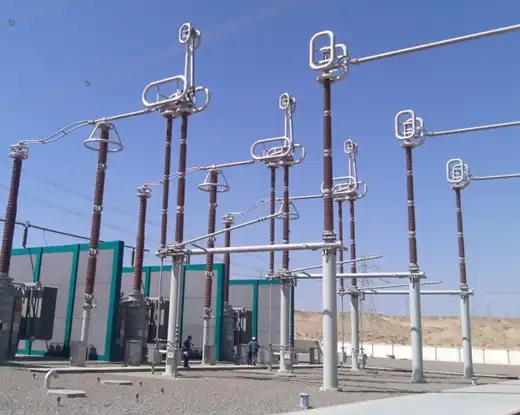
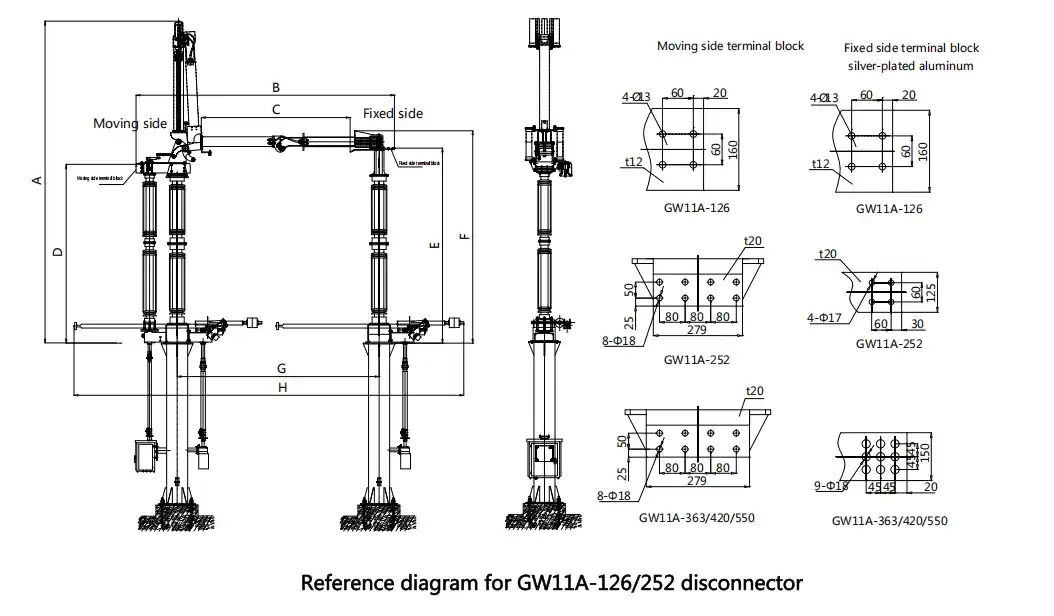
With more than 1,200 successful installations worldwide and more than 30 years of manufacturing excellence, Xi'an Xidian is prepared to support your electrical isolation needs. As a leading disconnect switch manufacturer, we provide dependable solutions for commercial applications, utility operations, and industrial facilities in demanding environments. Our GW11 High Voltage Disconnect Switch has demonstrated dependability. We offer worldwide delivery options, extensive technical support, and customization options. Get in touch with our knowledgeable staff at serina@xaxd-electric.com, amber@xaxd-electric.com, or luna@xaxd-electric.com to talk about your unique needs and find out why top companies in the industry pick Xi'an Xidian for vital power system applications.
References
1. International Electrotechnical Commission. "High-voltage switchgear and controlgear - Part 102: Alternating current disconnectors and earthing switches." IEC 62271-102:2018.
2. IEEE Power and Energy Society. "IEEE Standard for High-Voltage Switches - Part 32: Standard for High-Voltage Air Disconnect Switches, Interrupter Switches, Fault Interrupters, and Accessories." IEEE C37.32-2017.
3. Asian Development Bank. "Power Grid Development in Emerging Asia: Challenges and Opportunities." Manila: ADB Publications, 2023.
4. Middle East Electric Power Industry Association. "Regional Infrastructure Investment Trends and Equipment Procurement Patterns." Dubai: MEPIA Annual Report, 2023.
5. Africa Energy Infrastructure Consortium. "Electrical Grid Modernization Requirements and Standards Harmonization Across Sub-Saharan Africa." Johannesburg: AEIC Technical Publication, 2023.
6. Central Asian Energy Council. "Power System Reliability Standards and Equipment Specifications for Extreme Climate Operations." Almaty: CAEC Guidelines, 2023.