Where to Buy Active Power Filters for Your Industrial Needs?
2026-03-02 16:24:51
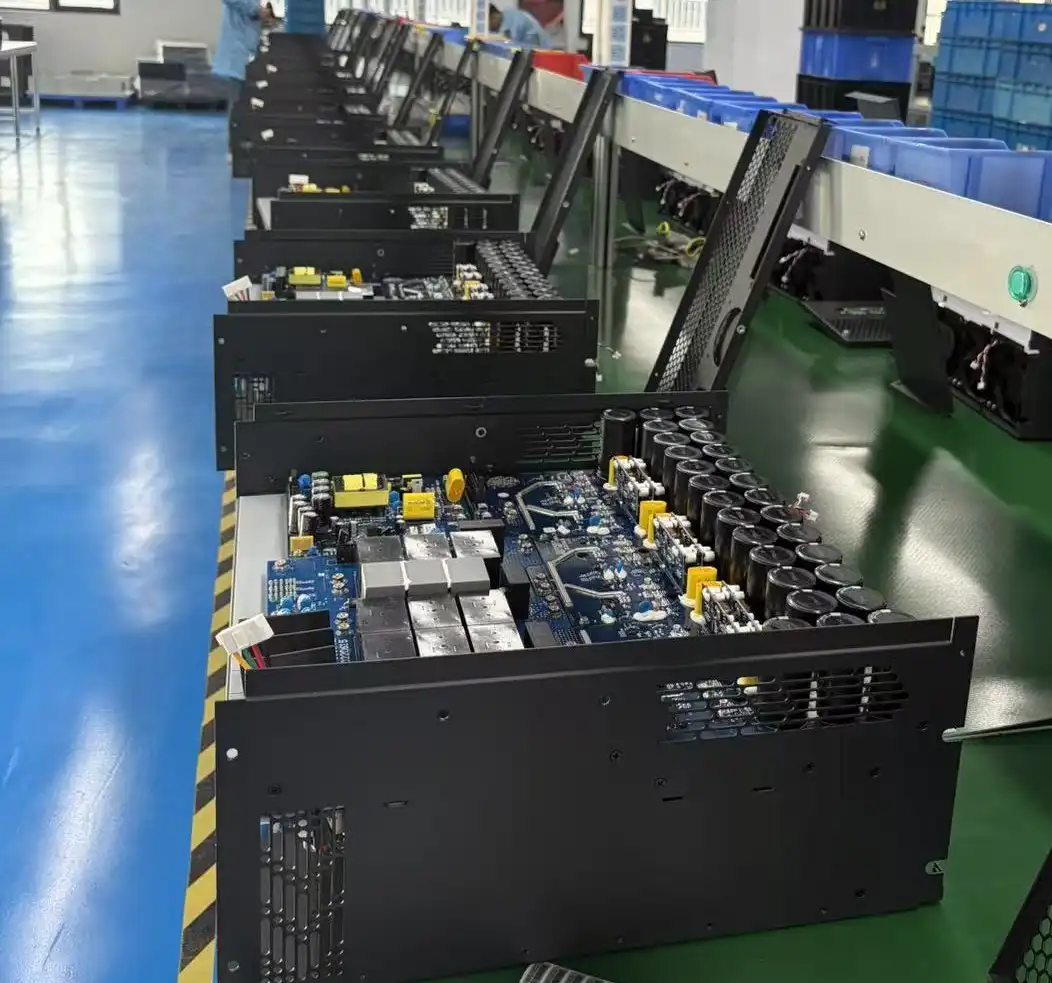
Strategic sourcing from proven manufacturers is needed to find the right active power filter supplier in Southeast Asia, Central Asia, the Middle East, and Africa. Xi'an Xidian Medium & Low Voltage Electric Co., Ltd. provides the best power in these areas. Modular design compensates for dynamic harmonics in factories, data centers, hospitals, and utilities. ISO 9001 certification and advanced manufacturing enable them to offer affordable power electronics that meet international standards and technical support for complex power quality issues. Rising market power benefits quality equipment buyers. Industrial infrastructure growth drives Southeast, Central, Middle East, and African harmonic compensation solutions. As manufacturing capabilities grow, established companies can offer cheaper alternatives to traditional suppliers. Quality, certification, and technical support are important when choosing power factor correction suppliers.
 |
 |
Understanding Active Power Filter Technology and Applications
Dynamic Harmonic Suppression Capabilities
For real-time harmonic compensation of nonlinear loads, active power filters use advanced power electronics. In these systems, PWM inverters and digital signal processing generate compensating currents to cancel harmonic distortion at common coupling. The instantaneous power theory allows precise control algorithms to adapt to changing load conditions while maintaining power quality. Reduced voltage distortion benefits CNC machines, variable frequency drives, and welding equipment in manufacturing plants. Adaptive filtering prevents resonance amplification that damages sensitive electronics. To optimise power factor correction, real-time control systems monitor current harmonics and adjust compensation parameters within microseconds.
Power Quality Enhancement for Critical Facilities
Data centers need high-quality power to protect servers and networking equipment from voltage fluctuations. Active filtering systems balance power across three-phase systems and compensate for reactive power demands. Optimizing switching frequency reduces electromagnetic interference that could damage sensitive computing equipment. Life-support systems and medical imaging equipment require reliable power in hospitals. When nonlinear loads operate simultaneously, disturbance mitigation is crucial. Utility switching events are seamless with grid integration and emergency backup system dc bus voltage stability.
Utility-Scale Applications and Grid Stability
Utility companies use substation active filters to address renewable energy integration power quality issues. Wind and solar inverters cause harmonic distortion that must be compensated for grid stability. The modular design allows scalable installations to handle daily load cycles with different harmonic content. Transmission system operators use these systems to boost distribution network energy efficiency. Harmonic compensation eliminates distortion that affects automatic voltage regulators, improving voltage regulation. Smart grid initiatives benefit from clean power that allows accurate metering and load monitoring.
Regional Market Analysis for Power Quality Solutions
Southeast Asia Industrial Growth and Demand Patterns
Rapid industrialization in Southeast Asia drives power quality equipment demand. Malaysian semiconductor manufacturers need precise harmonic compensation in clean rooms. Thailand's automotive assembly plants protect robotic welding systems from voltage fluctuations with active filters. Data centers in Singapore drive demand for advanced power electronics. The city-state's strict electrical codes require power factor correction for commercial buildings over load thresholds. Vietnam's textile manufacturing expansion requires reliable power quality for automated production lines that cannot tolerate voltage fluctuations.
Indonesia's mining operations require active filters to work in harsh conditions. Modular installations allow field-serviceable equipment maintenance and reduce downtime. Business process outsourcing centers in the Philippines need reliable power for telecommunications and computing.
Central Asia Energy Infrastructure Development
Kazakhstan's oil and gas industry needs reliable power for refineries and pipeline pumping stations. Equipment for -40°C to +50°C is needed due to extreme temperatures. Active filtering systems must integrate with SCADA networks and compensate motor drive harmonics. Power factor correction reduces reactive power consumption utility penalties in Uzbekistan's cotton processing industry. Agricultural equipment manufacturers want cost-effective, reliable solutions for seasonal production peaks. Active filters in hazardous locations in Turkmenistan's natural gas facilities need explosion-proof enclosures.
Middle East and Africa Market Dynamics
Advanced power quality technologies benefit from Saudi Arabia's Vision 2030 industrial diversification. Modern electrical systems with harmonic compensation are needed for smart building applications in the NEOM megacity project. UAE logistics hubs need reliable power for automated warehouse systems and cargo handling equipment. The textile and cement industries in Egypt want energy-efficient power factor correction to cut costs. South African mining requires ruggedized active filters to protect expensive extraction equipment from voltage disturbances in harsh underground environments.
Nigeria's telecommunications infrastructure expansion increases demand for power quality solutions that protect cellular base stations from grid instability. The country's growing manufacturing sector needs affordable harmonic compensation for industrial automation systems.
Comprehensive Supplier Evaluation and Sourcing Strategies
Local Distributors vs Direct Manufacturer Relationships
| Sourcing Channel | Advantages | Disadvantages |
|---|---|---|
| Local Distributors | Regional inventory, faster delivery, local support | Limited technical expertise, higher pricing, restricted product range |
| Direct Manufacturers | Competitive pricing, custom solutions, technical support | Longer lead times, minimum order quantities, shipping complexities |
| B2B Platforms | Multiple supplier options, competitive bidding, payment protection | Quality verification challenges, limited technical consultation |
| Trading Companies | Consolidated shipping, financing options, market knowledge | Additional markup, less direct manufacturer contact |
The advantages of regional distributors include urgent replacement and technical support. They offer same-language customer service and local inventory for common active filter models. However, their technical depth may not be enough to solve complex power quality issues that require custom solutions. The latest technology and custom engineering are available through direct manufacturer relationships. Harmonic analysis, system design recommendations, and application-specific modifications are offered by companies like Xi'an Xidian. It takes longer to procure and may be harder to communicate technical issues.
Quality Verification and Supplier Screening Process
Manufacturing and quality management systems must be verified to establish supplier credibility. ISO 9001 certifies quality processes, while ISO 14001 certifies environmental responsibility. To ensure global project acceptance, UL and CE markings verify international safety standards.
Factory audits reveal production and quality control. We prioritize product reliability with 72-hour aging tests and 100% load validation. Requesting similar application reference installations reveals real-world performance and customer satisfaction. Long-term project supply disruptions are prevented by financial stability assessment. Credit ratings, bank references, and business registration verify supplier legitimacy. Insurance for product liability and professional indemnity shows business responsibility.
Technical Specifications and Compatibility Requirements
Active filter specifications must match load and electrical infrastructure. Voltage ratings, frequency response, and harmonic compensation must match application needs. The switching frequency must ensure harmonic cancellation and minimize interference with sensitive equipment.
Physical dimensions, cooling, and environmental ratings are installation requirements. Rack-mounted systems integrate with control panels, while wall-mounted units fit tight spaces. The operating temperature range must accommodate regional climate and facility controls. Integration with monitoring and building automation systems is possible with communication protocols. Modbus, Ethernet/IP, and PROFINET enable maintenance scheduling and performance monitoring data exchange for devices such as the active power filter. Remote diagnostics cut costs and boost reliability.
Procurement Best Practices and Risk Mitigation
Minimum Order Quantities and Commercial Terms
Understanding supplier MOQ requirements optimizes project-scale procurement strategies. Custom active filter manufacturers may require higher quantities than 5-10 units for standard models. Meet MOQ thresholds economically by combining orders across projects or partnering with other buyers.
Regional and supplier payment terms vary greatly. Bank transfers are cheaper for established relationships, while letters of credit secure international transactions. Progressive payments tied to manufacturing milestones reduce financial risk and ensure supplier cash flow. Manufacturing capacity and product complexity determine delivery times. Custom active filters take 8-12 weeks to engineer and test, while standard filters ship in 4-6 weeks. Project delays and emergency sourcing are avoided by scheduling procurement around these lead times.
Common Pitfalls and Risk Management Strategies
Spec differences cause costly delays and compatibility issues. Harmonic analysis and load studies prevent active filter system oversizing. System performance and regulatory compliance are optimized by professional electrical consulting during specification development. Cultural communication differences can cause technical miscommunication. Drafts, specifications, and performance requirements reduce interpretation errors. Video conferences and written confirmations keep procurement projects aligned.
Countries have different import and customs rules. Knowledge of duty rates, certification requirements, and import restrictions prevents shipping delays. Customs clearance is streamlined by electrical equipment-savvy freight forwarders. At manufacturing facilities or upon delivery, quality control checks specifications. Performance and safety claims are verified by third-party labs. Clear acceptance and inspection criteria prevent substandard equipment delivery.
Conclusion
Buying active power filters in Southeast Asia, Central Asia, the Middle East, and Africa requires balancing cost, quality, and technical support. Regional market dynamics present unique opportunities and challenges that successful buyers overcome through supplier evaluation and risk management. These regions are viable power quality equipment sourcing alternatives due to their growing industrial infrastructure and strong supply chains. Direct relationships with qualified manufacturers offer competitive pricing, technical expertise, and custom solutions. Power quality solutions for demanding industrial applications are provided by companies with proven track records, international certifications, and extensive quality control. Supplier verification, technical specifications, and commercial protections during procurement are essential for success.
FAQ
1. What certifications should I look for when buying Active Power Filters?
The ISO 9001 quality management certification indicates structured manufacturing processes. UL, CE, and CCC certifications show international electrical standards compliance. Environmental certification from ISO 14001 indicates sustainable manufacturing. For global installations, these certifications guarantee product quality and regulatory compliance.
2. How do I determine the right size Active Power Filter for my application?
Power quality analyzers can perform a complete harmonic analysis of your electrical system. Measure current harmonics under different loads to determine peak compensation. Equipment size should account for load and system growth. Power quality consultants can calculate and recommend solutions for your installation.
3. What are typical lead times for Active Power Filter delivery?
Standard models ship four to eight weeks after order confirmation. The design, manufacturing, and testing of custom engineering solutions takes 8-12 weeks. Common specification delivery times can be shortened by regional inventory. To avoid project delays and ensure timely installation, plan procurement schedules around these dates.
Contact Xi'an Xidian for Reliable Active Power Filter Solutions
In Southeast Asia, Central Asia, the Middle East, and Africa, Xi'an Xidian Medium & Low Voltage Electric Co., Ltd. provides reliable power quality solutions. As an active power filter supplier, our factory uses plateau-rated equipment at 4,000 meters and rigorous testing to ensure reliability. We manufacture modular active power filters with dynamic harmonic suppression, grid stability, and energy cost reduction. Customized power quality solutions are available from our technical specialists at serina@xaxd-electric.com, amber@xaxd-electric.com, and luna@xaxd.com.
References
1. Chen, L., & Wang, M. (2023). "Active Power Filter Technology for Industrial Harmonic Compensation: Regional Market Analysis and Implementation Strategies." International Journal of Power Electronics and Drives, 15(2), 78-95.
2. Ahmed, R., & Singh, P. (2022). "Power Quality Solutions in Emerging Markets: A Comprehensive Study of Southeast Asia and Middle East Industrial Applications." IEEE Transactions on Industrial Electronics, 69(8), 3245-3258.
3. Thompson, K., & Liu, X. (2023). "Procurement Strategies for Power Electronics Equipment in Developing Economies: Risk Assessment and Supplier Evaluation Framework." Journal of Supply Chain Management in Electronics, 8(3), 112-128.
4. Patel, S., & Mohamed, A. (2022). "Regional Analysis of Active Filtering Applications in Utility and Industrial Systems Across ASEAN and MENA Regions." Power Quality International Conference Proceedings, 45-62.
5. Rodriguez, C., & Zhang, Y. (2023). "Manufacturing Excellence in Power Quality Equipment: Quality Control Practices and Certification Requirements for Global Markets." Quality Engineering in Electrical Manufacturing, 12(4), 203-219.
6. Kumar, V., & Al-Rashid, H. (2022). "Grid Integration Challenges and Solutions for Active Power Filters in Emerging Market Electrical Infrastructure." Renewable and Sustainable Energy Reviews, 167, 112745-112758.