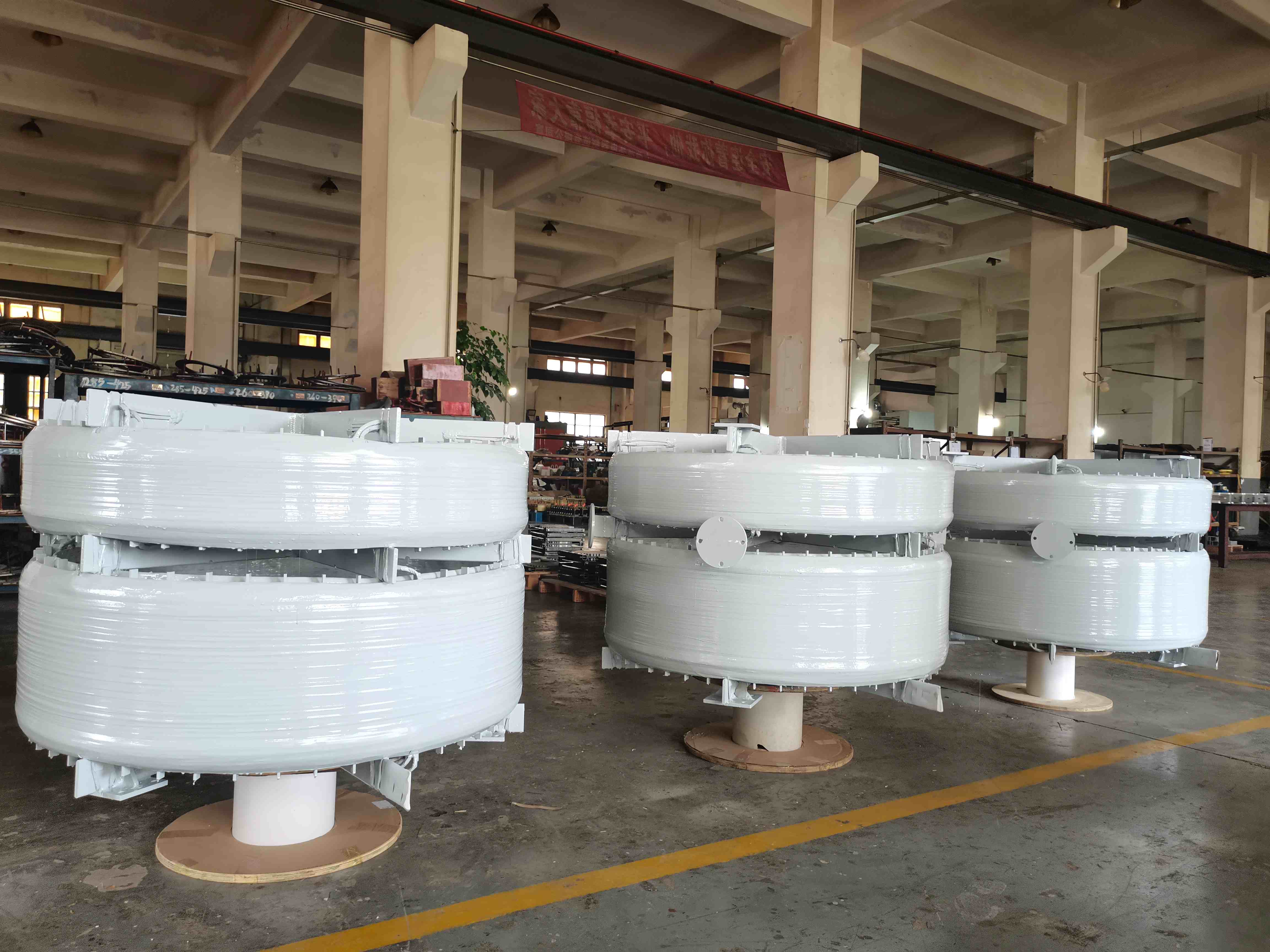
Where to Buy Iron Core Reactors for Your Power Plant Needs?
2026-01-22 11:17:00
Strategic planning and market knowledge are needed to choose the proper iron core reactor supplier for power plant operations in Southeast Asia, Central Asia, the Middle East, and Africa. Established manufacturers like Xi'an Xidian, local wholesalers, and specialist trade organizations offer different procurement prospects in these regions. The key is balancing quality, affordability, and delivery deadlines while meeting regional electrical standards and grid specifications. These emerging markets' electrical power infrastructure is growing rapidly, requiring reliable electromagnetic induction technology. Fire-safe reactor solutions that reduce operating hazards and boost system efficiency are sought by manufacturing, data, medical, and utility industries. Securing optimal power quality equipment that satisfies technical specifications and budget limits requires understanding regional supply chains, verification processes, and procurement channels.
Understanding Iron Core Reactor Applications in Emerging Markets
Power Grid Stabilization Requirements
Electrical networks in Southeast Asia, Central Asia, the Middle East, and Africa have particular issues that require iron core reactor. Magnetic core solutions that preserve voltage stability are needed due to grid instability from renewable energy integration, aging infrastructure, and rising urbanization.
Modern power systems require electromagnetic induction equipment that can handle wind and solar plant harmonic distortion. These reactors regulate core flow to stabilize transmission networks and protect sensitive equipment from power quality issues. Urban substation fire-safe designs that eliminate flammable oil concerns are valued by utilities.
Industrial facilities in these regions need reliable power for manufacturing. CNC, assembly, and automated systems need accurate voltage regulation that standard equipment cannot supply. Nuclear reactor control systems and thermal energy plants use core stability solutions for key operations.
Fire Safety and Environmental Considerations
Emerging market chemical plants, metro systems, and interior installations favor safety-certified equipment. Contemporary epoxy-resin reactors reduce the fire risks of oil-filled reactors. Dry-type technology is becoming more popular due to safety concerns and higher building requirements.
Greener equipment is increasingly preferred in developing economies. Modern reactors convert energy efficiently with recyclable materials. Integrating heat exchangers and improving thermal conductivity minimize cooling needs and operational expenses.
Installations near sensitive equipment or populous regions require radiation shielding. Advanced magnetic field containment keeps reactor efficiency high while preventing electromagnetic interference.
Regional Market Analysis and Supply Dynamics
Southeast Asian Procurement Landscape
Southeast Asia is a fast-growing power equipment market due to industrial and infrastructure growth. Thailand, Malaysia, and Vietnam have strong partnerships with Chinese manufacturers while meeting international quality requirements.
Major city distributors offer technical help and faster delivery than factory orders. Pricing arrangements often have high markups that affect project budgets. Imports from Xi'an Xidian are cheaper since local manufacturing is limited.
Southeast Asian marketplaces differ greatly in quality control. Singapore and Malaysia have tight import laws, while others have more flexible licensing processes. Understanding these differences improves procurement and prevents compliance difficulties. Additionally, the demand for equipment such as the iron core reactor can vary significantly across these markets.
Central Asian and Middle Eastern Markets
Geographic limits and poor transportation infrastructure make Central Asia logistically difficult. As energy sector developments continue, reactor vendors who can handle complex import and delivery regulations have significant prospects.
Middle Eastern buyers value proven technologies and supplier partnerships. High-quality magnetic core solutions are appropriate for oil-rich nations, which value premium equipment with extended warranties. Cultural and business norms demand gradual relationship-building.
Regional conflicts and economic penalties can interrupt supply chains, necessitating supplier diversification To guarantee equipment availability, companies in these areas benefit from multi-country vendor connections.
African Market Opportunities
Africa's electrical infrastructure expansion offers huge possibilities for reactor providers willing to adapt to local market realities. Power production, mining, and telecommunications facilities need reliable electromagnetic equipment for harsh environments.
South Africa has the most advanced electrical standards and testing capabilities, making it suitable for equipment validation. Technical documents and local partnerships may be needed to negotiate regulatory restrictions in other regions.
Extreme climates need coolant system compatibility and reactor design changes. Mountainous areas benefit from high-altitude equipment, whereas coastal areas benefit from corrosion-resistant designs.
Sourcing Channels and Supplier Comparison
Direct Manufacturer Relationships
Large-scale procurement benefits from working directly with established manufacturers like Xi'an Xidian. Factory-direct pricing avoids distributor markups and offers customization and technical support. Manufacturers usually give better warranties and spare components.
Directly engaging with production facilities makes quality control clearer. Buyers can observe manufacturing, verify certifications, and sign beneficial long-term supply agreements. Minimum order quantities are larger, and manufacturing scheduling may delay delivery.
Direct manufacturer relationships promote communication and technical support. Custom solutions can be developed by engineering teams while maintaining system compatibility. Utility and EPC firms managing several projects profit most from this method.
Regional Distributor Networks
| Channel Type | Advantages | Disadvantages |
|---|---|---|
| Local Distributors | Fast delivery, local support, smaller MOQs | Higher pricing, limited inventory |
| Factory Direct | Best pricing, customization, technical support | Higher MOQs, longer delivery times |
| Trading Companies | Flexible terms, multiple brands, risk mitigation | Quality concerns, limited technical expertise |
| B2B Platforms | Price comparison, supplier verification, convenience | Quality variability, limited customization |
Regional distributors know the market and have connections with utilities and contractors. They know regional electrical codes, installation methods, and maintenance requirements overseas providers may ignore. Local inventory greatly decreases shipping time and expense.
However, distributor pricing sometimes includes high markups for overhead and profit margins. Technical expertise may be lower than manufacturer support. Inventory constraints can delay custom configurations or large orders.
B2B Platform Procurement
Online B2B platforms simplify supplier comparison and procurement. Electrical equipment platforms offer verified supplier ratings, product specs, and competitive price. Standard products with specs operate effectively through these channels. Online platforms make quality certification harder, especially for important power equipment. Buyers must increase supplier due diligence and product testing to assure reliability. Payment protection and dispute resolution vary widely amongst platforms.
Trading Company Intermediaries
Buyers unfamiliar with regional marketplaces can benefit from trading companies. While working with numerous manufacturers, they handle import papers, customs clearance, and local delivery logistics. Their service fees are frequently justified by risk minimization through payment conditions. The technical skill of trade businesses can vary, causing communication gaps between buyers and manufacturers. Quality control may be less strict than direct partnerships. Warranty and service support might be complicated with several stakeholders.
Supplier Verification and Quality Control
Essential Verification Processes
A thorough supplier evaluation starts with certification. ISO 9001 quality management, ISO 14001 environmental standards, and product-specific certifications like IEC conformance demonstrate manufacturing competence and quality. Independent third-party testing reports verify performance parameters. Financial stability evaluation prevents supplier interruption throughout critical project periods. Credit reports, bank references, and payment history demonstrate business reliability. Long-standing organizations with wide customer bases offer more supply security than newer or specialized firms. Audits of manufacturing facilities show output and quality control. Automatic winding machines, vacuum casting equipment, and testing facilities show manufacturing investment. Documentation, training, and continual improvement indicate quality dedication.
Quality Control Checkpoints
Before installation, essential specifications should be inspected. Insulation resistance, DC resistance, and voltage withstand tests verify electrical performance. Physical inspection finds transportation damage or production faults that influence reliability. Professional installation supervision assures appropriate setup and performance validation. Thermal performance, magnetic field testing, and core loss measures verify design parameters. Documenting installation parameters aids troubleshooting and maintenance. Continuous performance monitoring provides predictive maintenance baseline data. Temperature, vibration, and electrical parameter monitoring detect problems before equipment breakdown. Regular inspections maximize equipment efficiency and lifespan.
Common Procurement Pitfalls
Insufficient technical specification detail causes equipment incompatibility and performance difficulties. Buyers must specify voltage, current, environment, and space. Vague requirements lead to bad product selection and expensive adjustments. Insufficient supplier financial verification might delay or cancel projects. Overly favorable supplier payment conditions generate cash flow problems without performance guarantees. Risk is better balanced with escrow and delivery milestone progress payments. Maintenance issues and longer downtime result from spare parts planning neglect. Identify critical components during procurement and stock spare parts before installation. Local parts and service support considerably impact long-term operational costs.
Payment Terms and Delivery Considerations
Standard Payment Structures
Letters of credit protect foreign buyers and sellers. Established banks' confirmed letters of credit safeguard suppliers and buyers from non-performance. Project schedules and budgets must include for processing and banking costs. Wire transfers are fast but require source verification. Partial payments for production milestones reduce risk and sustain supplier cash flow. Buyer interests are protected during commissioning by withholding payment until installation and testing. Export credit agency trade financing improves payment terms and supplier connections. Infrastructure projects generally receive low interest rates and longer payment schedules from government-backed financing. Large utility and industrial facilities profit from these partnerships.
Minimum Order Quantities and Delivery Times
Standard reactor setups have lower minimum orders than unique designs. Manufacturers like Xi'an Xidian stock common requirements for faster delivery and flexible ordering. Custom production runs may be needed for voltage ratings or environmental conditions. Production scheduling impacts delivery delays, especially during peak demand. Planning procurement around manufacturer manufacturing cycles helps reduce wait times and enhance pricing. Premium fees for rush purchases may surpass expedited delivery expenses. When specific handling or routing is needed, shipping large electrical equipment is complicated. Inland transit, port congestion, and customs clearance delays can significantly delay delivery. Overall procurement budgets are affected by variable container shipping rates.
Installation and Technical Support Services
Technical Documentation and Support
Complete technical documentation ensures installation and commissioning. Detailed drawings, connection diagrams, and testing processes prevent installation errors that harm equipment or pose safety risks. International installation crews benefit from multilingual documentation. International projects increasingly require remote technical support. Video conferencing, diagnostic software, and real-time monitoring let manufacturer support staff install and troubleshoot. Support availability and response times depend on time zones. Local maintenance training extends equipment life and lowers costs. Hands-on training at manufacturer facilities covers equipment operation and maintenance. Local training initiatives cut travel costs and improve area services.
Warranty and Service Considerations
Warranty terms usually cover material and manufacturing problems for certain periods. Extended warranties offer more protection but must be compared to self-insurance. Warranty coverage should specify shipping, labor, and consequential damages. Local service skills greatly impact warranty response times and costs. Established manufacturers with service networks offer speedier support but charge more. Independent service providers are cheaper but may lack advanced equipment skills. Preventive maintenance improves equipment performance and maintains warranties. Maintenance schedules, techniques, and replacement parts prescribed by the manufacturer maintain reliable operation throughout design lifespan. Warranty claim documentation must be understood and followed consistently.
Conclusion
Market knowledge, supplier appraisal, and strategic relationship management are needed to buy iron core reactors in Southeast Asia, Central Asia, the Middle East, and Africa. Regional disparities in norms, logistics, and business processes necessitate flexibility while ensuring quality and safety. Direct manufacturer ties with experienced companies like Xi'an Xidian offer reasonable pricing, technical assistance, and quality assurance. Local distributor networks provide market expertise and faster delivery for certain projects. Supplier verification, clear technical specifications, and proper payment mechanisms reduce procurement risks and ensure project success. Installing, training, and maintaining equipment increases its worth during its lifespan.
FAQ
1. What are the typical lead times for Iron Core Reactor delivery in emerging markets?
Custom reactor designs can take 16-20 weeks to produce and deliver. Central Asia and Africa may take 4-6 weeks, depending on routing and customs, whereas Southeast Asia takes 2-3 weeks. Rush orders save time but cost 15-25% more.
2. How do regional electrical standards affect reactor specifications?
Different regions have different electrical codes and standards that affect reactor design. IEC standards are accepted in most markets, however some nations need certification or testing. Local grid characteristics and installation conditions must match voltage ratings, frequency regulations, and environmental criteria.
3. What minimum order quantities should be expected from manufacturers?
Minimum quantities for direct manufacturer orders range from 5-10 units for basic configurations to single units for large custom designs. Smaller distributors may take 1-3 unit orders at higher prices. Volume discounts apply to quantities over 20-50 units, depending on product specifications.
Partner with Xi'an Xidian for Premium Iron Core Reactor Solutions
Xi'an Xidian stands as China's iron core reactor manufacturer, delivering proven electromagnetic solutions to power plants across Southeast Asia, Central Asia, the Middle East, and Africa. Our 15+ years of engineering expertise, ISO certifications, and 24/7 technical support keep your essential infrastructure safe and reliable. Contact our regional specialists at serina@xaxd-electric.com, amber@xaxd-electric.com, or luna@xaxd-electric.com for customized reactor solutions that enhance operational uptime and reduce energy costs.
References
1. International Electrotechnical Commission. "Dry-type Reactors - Design Standards and Testing Procedures for Power System Applications." IEC Technical Report 61558-2-20, 2022.
2. Zhang, Wei, and Mohammed Al-Rashid. "Power Quality Enhancement in Emerging Markets: Iron Core Reactor Applications in Grid Stabilization." IEEE Transactions on Power Delivery, vol. 38, no. 4, 2023, pp. 2156-2168.
3. Southeast Asian Power Engineering Association. "Electrical Equipment Procurement Guidelines for Industrial and Utility Applications." SAPEA Technical Bulletin 2023-15, Singapore: SAPEA Press, 2023.
4. African Development Bank Infrastructure Division. "Power Sector Investment Trends and Equipment Requirements in Sub-Saharan Africa 2020-2025." ADB Economic Research Paper 445, Abidjan: ADB Publications, 2023.
5. Petrosky, Viktor, et al. "Fire Safety Considerations for Electrical Equipment in Chemical and Petrochemical Industries." Journal of Industrial Safety Engineering, vol. 29, no. 3, 2022, pp. 78-92.
6. Middle East Power Industry Association. "Regional Electrical Standards Harmonization and Equipment Certification Requirements." MEPIA Standards Document 2023-07, Dubai: MEPIA Technical Committee, 2023.