Where to Buy Metal-Clad Withdrawable Switchgear Online
2026-05-08 16:01:23
The way building managers, utility companies, Metal-Clad Withdrawable Switchgear, and engineering firms get vital infrastructure parts has changed since they can now buy medium-voltage electrical equipment online. When you need to make sure that power stays on, safety rules are followed, and upkeep is kept to a minimum, Metal-Clad Withdrawable Switchgear is the best choice. Whether your business runs a factory, oversees the spread of electricity, or creates unique electrical systems, knowing where and how to buy this equipment online has a direct effect on project timelines, budget efficiency, and the reliability of operations. This thorough guide shows you the best ways to buy switchgear that meets all of your specific needs by focusing on reliable sources, evaluation criteria, and useful strategies.
 |
 |
Understanding Metal-Clad Withdrawable Switchgear
Metal-Clad Withdrawable Switchgear is a special kind of medium-voltage distribution equipment that is made for places where safety, flexibility, and continuous operation are important. The basic structure has circuit breakers and control devices that go with them, placed on trucks or carriages that can be removed. These are kept in metal-enclosed rooms that keep parts completely separate from each other.
Core Components and Structural Advantages
Critical parts of the separated design are kept separate by metal barriers. These barriers protect the circuit breaker chamber, the bus compartment, the cable connection area, and the control box from internal arc propagation during fault conditions. Because of this structural split, repair workers can work on individual parts while units next to them stay on. This avoids the costly downtime that comes with shutting down the whole system. The mechanism that can be pulled out works on precisely guided rails that are protected by mechanical interlocks that stop dangerous actions like reaching live parts or putting breakers into positions where they are activated. Modern units have dead-front construction, which hides any electrified parts that are out in the open, and they also have automatic shuttering systems that cover bus connections when the breakers are removed. These design features solve the problems that industrial workers have been having for a long time: reducing arc flash exposure, cutting down on the average time it takes to fix something, and staying in line with strict safety rules like IEEE C37.20.7 and IEC 62271-200.
Operational Benefits for Critical Infrastructure
The ability to hot-swap components in withdrawable designs is helpful for places that use sensitive equipment, like data centers that need clean power for computers and hospitals that need total reliability for life-support systems. When workers need to test or fix a circuit breaker, they can take it out of service within minutes without cutting power to other lines. The modular design also allows for future growth, so managers can add feeders or improve security devices without having to rethink the whole system. Another useful benefit is that it can handle changes in temperature. Quality switchgear can work in temperatures ranging from -40°C to +55°C, which is important for sites in deserts, the cold, or factories that get very hot. Enclosures that don't rust and have an IP54 grade ensure long-lasting performance in chemically hostile environments common in petrochemical plants and seaside facilities.
How to Choose the Right Metal-Clad Withdrawable Switchgear Supplier Online
Comparing price quotes isn't enough to find the right Metal-Clad Withdrawable Switchgear provider; you also need to carefully look at their technical skills, compliance with certification requirements, and infrastructure for help after delivery. Teams in charge of buying things have to find a mix between short-term project needs and long-term business concerns regarding Metal-Clad Withdrawable Switchgear.
Essential Evaluation Criteria
Certification paperwork is the first step in checking the quality of a product. Legitimate providers give test results that show they meet the requirements of ANSI C37.06, IEEE C37.20.2, and IEC 62271 standards. Results from dielectric tests, mechanical endurance cycles (usually 10,000 or more processes), and fault current withstand scores can be used to prove how well something works. Make sure you get certified test results that are specific to the type of equipment you're buying, not just general portfolio documents. Warranty service shows that the source is confident in the quality of the goods they make. Quality control methods that are strong are shown by warranties that cover flaws in parts, insulation failures, and mechanical working parts for 18 to 24 months. Carefully read the guarantee terms; some don't cover mistakes made during installation or environmental factors, which could leave security gaps. Delivery reliability directly impacts project plans. Suppliers with well-established shipping networks in North America can give you accurate lead times, which are usually 8–14 weeks for normal setups and 12–18 weeks for custom units. Ask for examples from recent projects that were similar in scope to yours and make sure they delivered on time and in good condition when they arrived.
Comparing Major Manufacturers and Specialized Producers
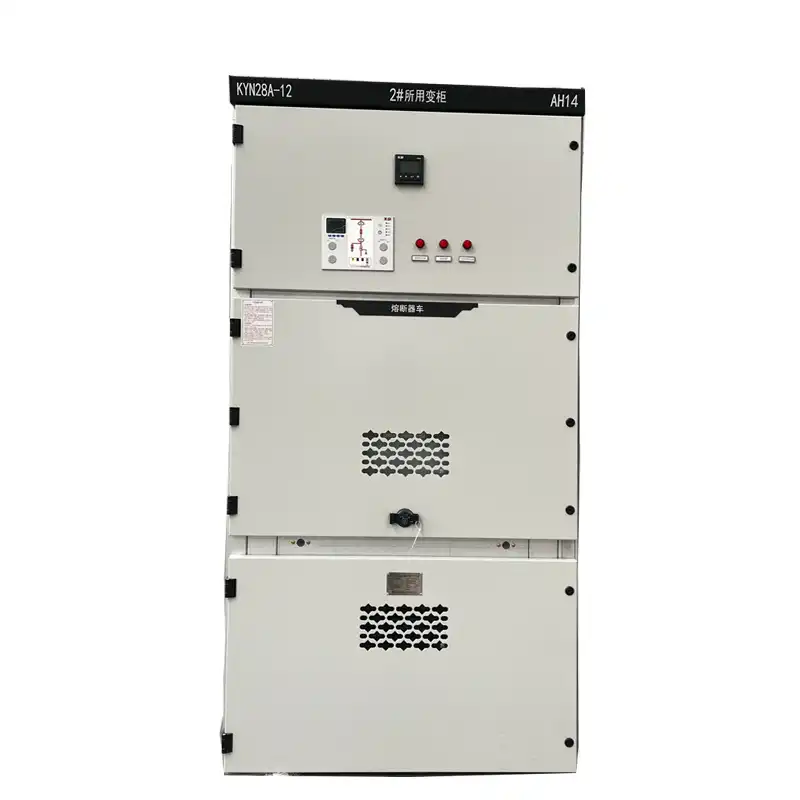
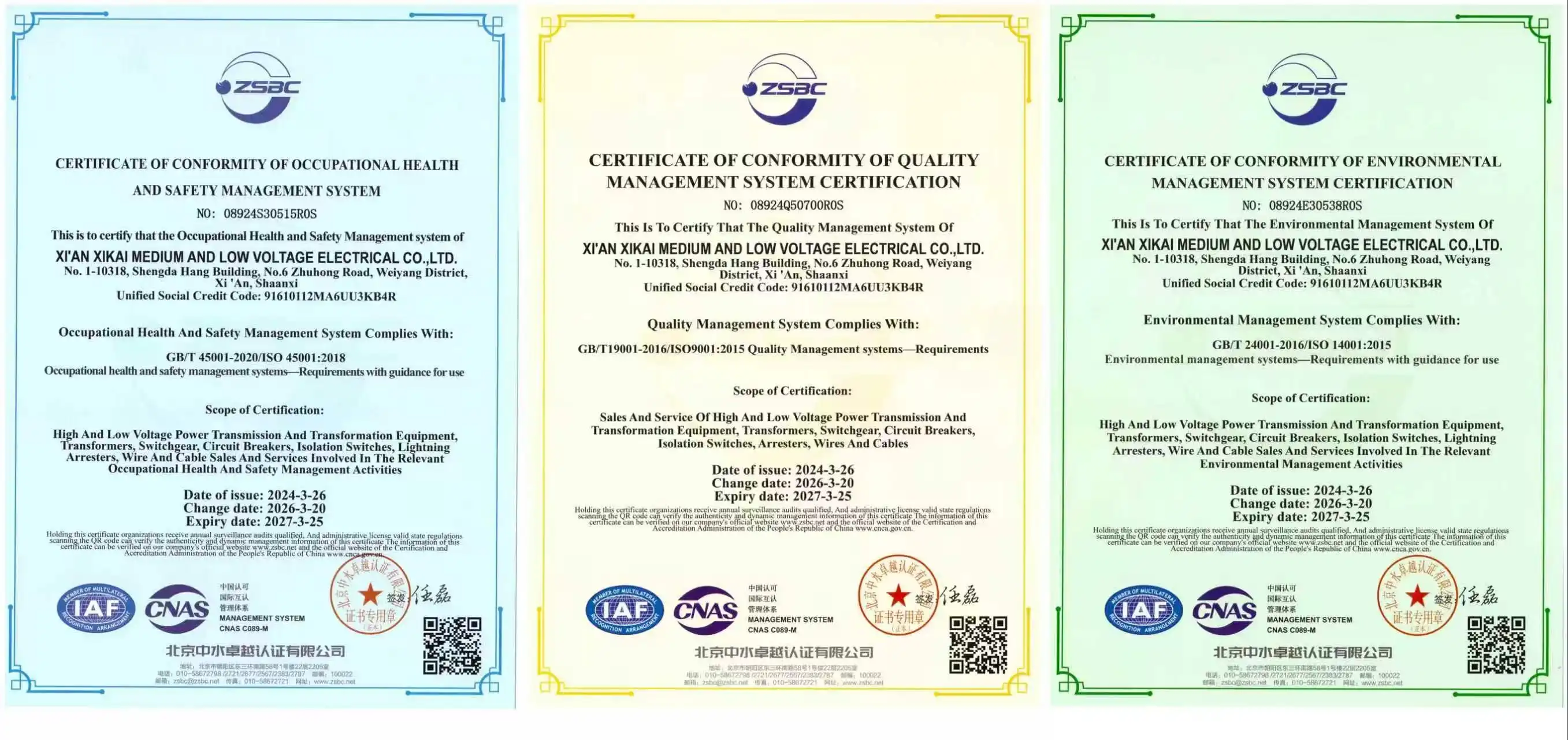
The medium-voltage market is dominated by well-known global brands such as Schneider Electric, Siemens, ABB, and Eaton. Their vast product lines cover voltage ratings from 4.16kV to 38kV and current ratings up to 4000A. These businesses have well-developed technical support systems that include engineering help for putting systems together and tools for fixing problems. Their prices usually reflect how premium their name is seen, but on big projects, volume deals can help them compete. Specialized makers that only make medium-voltage tools can often offer better customization options at reasonable prices. This group is led by Xi'an Xikai, which runs ISO 9001-certified factories that make equipment that can work at elevations of up to 4,000 meters, which is important for installations in hilly areas or industrial sites at high elevations. They make KYN28-12 Removable Metal-Clad Switchgear that can handle 12kV at 50Hz and has five-layer safety interlocks that stop circuit breaker mistakes, live compartment access, and grounding problems. It works with ABB VD4 and VS1 circuit breakers, so it can be easily added to existing systems. Its flexible design lets it be used for many things, from distributing power to starting motors and keeping an eye on the power grid.
Where to Buy Metal-Clad Withdrawable Switchgear Online
Purchasing Metal-Clad Withdrawable Switchgear online can be done through a number of different platforms, each with its own pros and cons. By understanding these subtleties, you can make smart buying choices that fit the needs of the project and your level of comfort with risk.
Manufacturer Direct Websites
When you buy straight from the manufacturer's website, you get real equipment that comes with a full warranty and access to technical support teams that know the product specs. Manufacturers usually show off detailed brochures of their products that include technical datasheets, installation guides, and safety certificates that can be downloaded. The main benefit is that it is clear—direct contact with tech teams makes sure that specs match application needs before a purchase is made. This route works well for projects that need to be customized or that need expert advice while the specifications are being made. Engineers can ask for changes to standard designs, like different breaker setups, specialized insulation systems, Metal-Clad Withdrawable Switchgear, or a better ability to withstand earthquakes. Lead times stay the same, and guarantee claims are handled in a simple way that doesn't involve any third parties.
Authorized Distributor Networks
Authorized distributors keep stock of popular setups, which could cut down on the time it takes to send regular units. These partners often offer extra services that add value, like helping with installation, testing, and keeping backup parts on hand in the area. Verification of permission status is still very important. To avoid buying fake goods or gray-market equipment that doesn't come with a guarantee, ask the maker for proof of your status as a dealer. Distributors may offer competitive prices on things that are in stock, especially near the end of the fiscal year, when getting rid of excess inventory is a top concern. The trade-off is that distributors usually only have standard versions in stock that are best for area demand trends.
B2B Marketplace Platforms
Online business-to-business (B2B) marketplaces connect buyers with various sellers, making it easier to compare prices and specs between competing products. Platforms use different levels of source verification, from simple checks to make sure the provider has a business license to full quality audits. Be careful—check the credentials of the seller on your own through certification groups and ask for customer references before making big purchases. These platforms are great for preliminary study because they let procurement teams compare technical specs, find possible sources, and get a feel for market prices. Close deals directly with suppliers to make sure there is clear information about requirements, delivery terms, and guarantee conditions.
Custom Orders and Bulk Procurement Advantages
When working on big jobs with a lot of switching units, you can get big benefits. Manufacturers usually give discounts of 10-15% for sales of five or more units, and bigger discounts are available for projects that need twenty or more units. In addition to lower prices, big orders get priority booking with manufacturers, which cuts lead times by 2 to 4 weeks compared to orders for a single unit. Another benefit that can be talked about is extended insurance support. In order to get big contracts, suppliers may offer longer guarantee periods (up to 36 months) or better service terms (like on-site commissioning help and extra parts packages). Talk about these terms when you first start talking, because making changes after the order has been placed rarely leads to good results. Larger jobs make it possible for custom engineering services to be cost-effective. For setups with limited space, suppliers can make switchgear configurations that work best with that space. For example, they can make designs that are smaller to fit in tight spaces, provide better environmental protection for harsh climates, or combine tracking systems for smart grid applications. These upgrades are too expensive for single units, but they're cheaper when you buy a lot of them.
Maintenance, Safety, and Long-Term Performance Tips
To make sure that Metal-Clad Withdrawable Switchgear lasts as long as possible and keeps running safely, it needs to be maintained in a way that follows the manufacturer's guidelines and industry standards. With proper care, tools can last longer than 25 years and have fewer unexpected breakdowns.
Recommended Maintenance Routines
Inspections that happen every three or six months allow problems to be found early. Visual checks find loose connections, overheating signs (like darkening or melted wiring), and contamination that needs to be cleaned. Before they break, thermal imaging scans find strange temperature patterns that point to weak links or overloaded parts. As part of the yearly maintenance, vacuum or SF6 circuit breakers should be tested to see if they can stop and check the resistance of the contacts. Track breakers are mechanically counted against their rated longevity limits, which are usually 10,000 actions. This helps with planning when to replace them. Insulation resistance tests with megohm meters prove the dielectric integrity and show where moisture is getting in or insulation is breaking down, which needs to be fixed. Lubricating the rails and working links of the withdrawable mechanism keeps them from getting stuck and makes it easy to put in and take out the breaker. Only use lubricants that are recommended by the maker. Using lubricants that aren't suitable can attract dust or break down seals, which can cause more problems while you're trying to do maintenance.
Safety Standards and Employee Training
To meet the NFPA 70E arc flash safety guidelines, repair workers must wear the right personal protective equipment. Do arc flash studies to find out how much energy is being released at each switchgear site and set the right PPE standards and approach limits. When changes are made to the system that change the available fault current, these studies should be updated. Employee training programs should stress lockout/tagout processes that are specific to withdrawable switchgear. This way, techs can make sure they know where the circuit breaker is by using more than one method before going into the compartments. Modern designs like the KYN28-12 have five-point safety interlock devices that stop many operator mistakes. However, human proof is still needed. As employees leave and new tech comes into use, regular repeat training keeps people up to date on their skills. Keep track of all the training you do so you can show that you followed the rules during governmental checks and insurance audits.
Enhancing Energy Efficiency and Component Upgrades
Switchgear systems that are getting old can be made more efficient by upgrading certain parts. Getting rid of old circuit breakers and replacing them with new vacuum or SF6 units saves energy and makes stopping work better. Newer types of circuit breakers have lower contact resistance, which lowers I²R losses and heat production while they are working normally.IoT-enabled tracking systems can be added to current switchgear and give real-time information on temperature, partial discharge activity, and the number of mechanical operations. Predictive analytics can find faults that are starting to form days or weeks before they cause a major failure. This lets maintenance happen during planned breaks instead of having to be done in an emergency. Investing in monitoring technology usually pays for itself within two to three years, thanks to less downtime and a better repair schedule.
Conclusion
To successfully buy Metal-Clad Withdrawable Switchgear online, you need to carefully evaluate suppliers, be clear about what the project needs, and choose methods of purchase that work with your schedule and customization needs. The design of the withdrawal system gives mission-critical facilities unmatched maintenance flexibility, and the building with separate areas keeps people safe while the facility is being used and serviced. Checking licenses, guarantee terms, and post-delivery support options protects your investment, whether you buy from a maker directly, an approved dealer, or a business-to-business platform. Regular upkeep and smart upgrades to parts of equipment make it last longer and work more efficiently, giving you long-lasting value over many years of use.
FAQ
1. What is the typical lifespan of metal-clad withdrawable switchgear?
Quality Metal-Clad Withdrawable Switchgear can usually work for 25 to 30 years if it is kept in good shape. Depending on how often they are used, the circuit breakers inside the switchgear may need to be replaced every 10 to 15 years. On the other hand, the metal casing and bus structure usually last longer than 30 years. Environmental factors have a big effect on how long something lasts. For example, installs in climate-controlled substations last longer than those that are exposed to high temperatures, high humidity, or toxic atmospheres. Equipment lasts longer when it is inspected regularly and maintained according to the manufacturer's instructions.
2. How does metal-clad withdrawable switchgear differ from metal-enclosed switchgear?
Metal-clad switchgear has circuit breaker units that can be taken off trucks and pulled out. There are full metal barriers between all live components, which meet the strict IEEE C37.20.2 standards for compartmentalization. Metal-enclosed switchgear is a more general term that may include fixed breakers that don't separate parts as tightly. The design that can be taken apart lets repairs be done without turning off the whole system. This gives sites that need high uptime more operational freedom.
3. What warranty coverage should I expect when purchasing online?
Reputable makers offer 18–24 month warranties that cover flaws in the materials, the skill of the producer, and breakdowns of parts that happen during normal use. Damage caused by improper installation, usage beyond the rated limits, or illegal changes is usually not covered by the warranty. When you buy something online, make sure you know how to file a guarantee claim. Some sellers need you to ship the item back to a facility overseas, which can be hard to do and cause longer downtime. Make these steps clear before you buy so that you don't have any problems when you need to use your guarantee.
Partner with Xi'an Xikai for Reliable Metal-Clad Withdrawable Switchgear Solutions
The medium-voltage switchgear Metal-Clad Withdrawable Switchgear systems made by Xi'an Xikai Medium & Low Voltage Electric Co., Ltd. are trusted by utility distribution networks, industrial manufacturing facilities, and business infrastructure projects all over North America. Our KYN28-12 Removable Metal-Clad Switchgear has a 12kV rated voltage capacity, five-layer safety interlocks, and works with ABB VD4 and VS1 circuit breakers, so it can be easily added to systems that are already in place. As a well-known company that makes Metal-Clad Withdrawable Switchgear, we keep ISO 9001-certified factories that use precise welding and automatic assembly to make equipment that works reliably at heights of up to 4,000 meters. Our engineering team helps with customization to meet the specific needs of each project. They do this by providing detailed technical paperwork and quick customer service after the sale. You can email our procurement experts at serina@xaxd-electric.com, amber@xaxd-electric.com, or luna@xaxd-electric.com to talk about your specific application needs and get quotes with full technical specs that fit your needs.
References
1. Institute of Electrical and Electronics Engineers. (2021). IEEE Standard for Metal-Clad Switchgear (IEEE Std C37.20.2-2015). IEEE Standards Association.
2. International Electrotechnical Commission. (2020). High-voltage switchgear and controlgear – Part 200: AC metal-enclosed switchgear and controlgear for rated voltages above 1 kV and up to and including 52 kV (IEC 62271-200:2011+AMD1:2020). IEC Central Office.
3. National Fire Protection Association. (2021). Standard for Electrical Safety in the Workplace (NFPA 70E-2021). NFPA Publications.
4. American National Standards Institute. (2018). AC High-Voltage Circuit Breakers Rated on a Symmetrical Current Basis—Preferred Ratings and Related Required Capabilities (ANSI C37.06-2009, Reaffirmed 2018). ANSI Standards Store.
5. Das, J.C. (2022). Arc Flash Hazard Analysis and Mitigation in Industrial and Commercial Power Systems. IEEE Press Series on Power Engineering.
6. Electrical Transmission and Distribution Reference Book. (2019). Medium-Voltage Switchgear Design and Application Principles (5th Edition). Electric Power Research Institute.