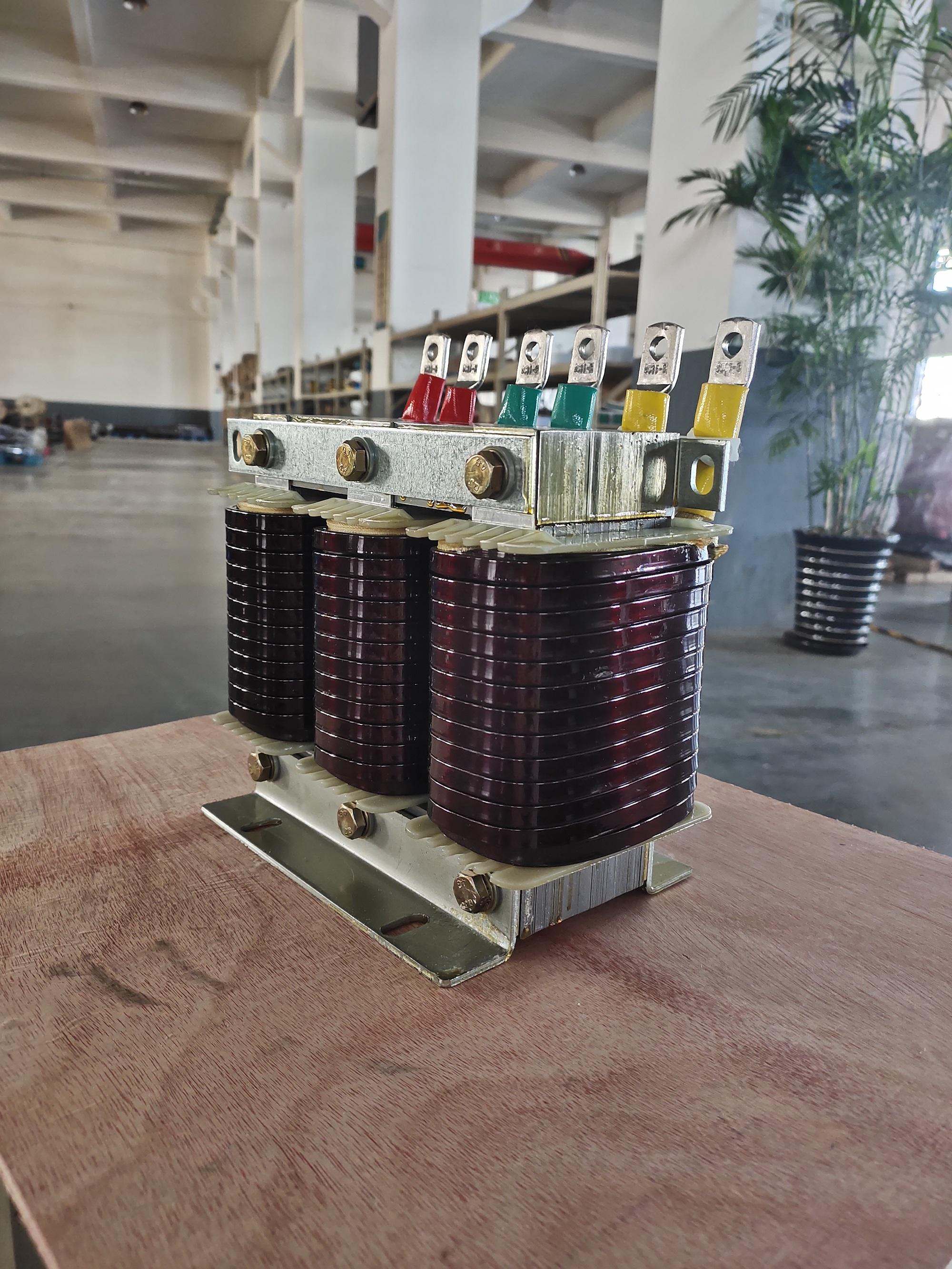
Series Dry type transformer vs Oil Filled Transformer: Key Differences
2026-08-07 16:49:14
Choosing between a Series Dry type transformer and an oil filled transformer can affect how well an industrial facility works, how safe it is, and how much it costs in the long run. Series Dry type transformers are great for installing indoors near sensitive equipment because they don't use any toxic liquids and are insulated with air or epoxy glue. Mineral oil is used to cool and insulate oil-filled transformers, which work especially well in high-capacity outdoor situations where good heat escape is needed. Knowing these main differences in how they are built and how they work helps building managers, utility operators, and EPC firms choose the best option for their power distribution needs.

Understanding Series Dry Type Transformers and Oil Filled Transformers
What Defines a Series Dry Type Transformer?
A Series Dry type transformer doesn't use any liquid coolants at all. Instead, it relies on air flow or solid insulator materials like fibreglass and epoxy glue. The vacuum-pressure-impregnated (VPI) coils in these units keep out moisture, so they can work at 100% relative humidity without having to be shut down for cleaning. This technology is shown by Xi'an Xikai's SC9 Series, which has laser-cut amorphous steel cores that cut no-load losses by 15-20% compared to regular silicon steel designs. These transformers meet IEC 60076 and IEEE C57.12.01 standards and are rated for continuous operation at 155°C and 180°C for insulation classes F and H, respectively. They also have up to 99% efficiency.
Concerns about fire safety in occupied spaces are directly addressed by the construction method. The non-flammable epoxy encapsulation stops combustion even when there is a fault. This means that it can be installed directly in places like data centers, hospitals, and manufacturing floors where protecting people and equipment is very important. Our plateau-rated models work reliably at elevations up to 4,000 meters, which gets around problems in the landscape that make oil-cooled equipment less effective.
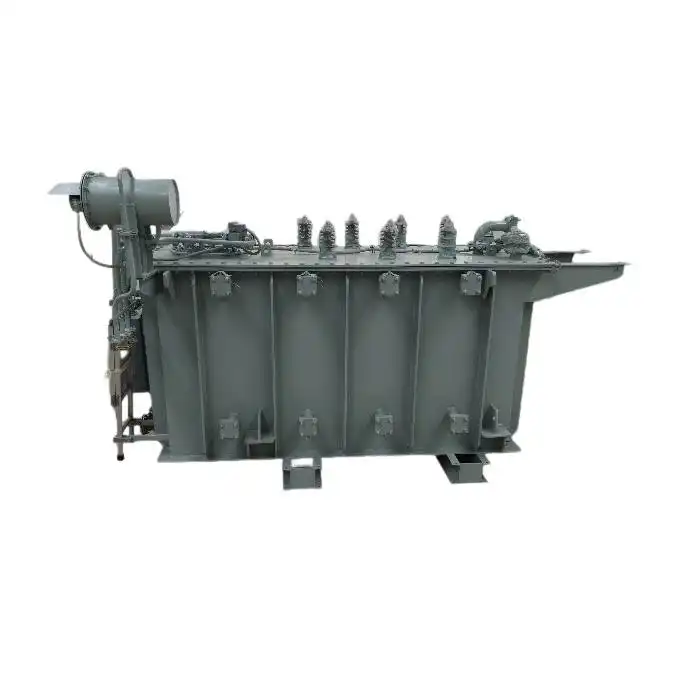
How Oil Filled Transformers Operate Differently?
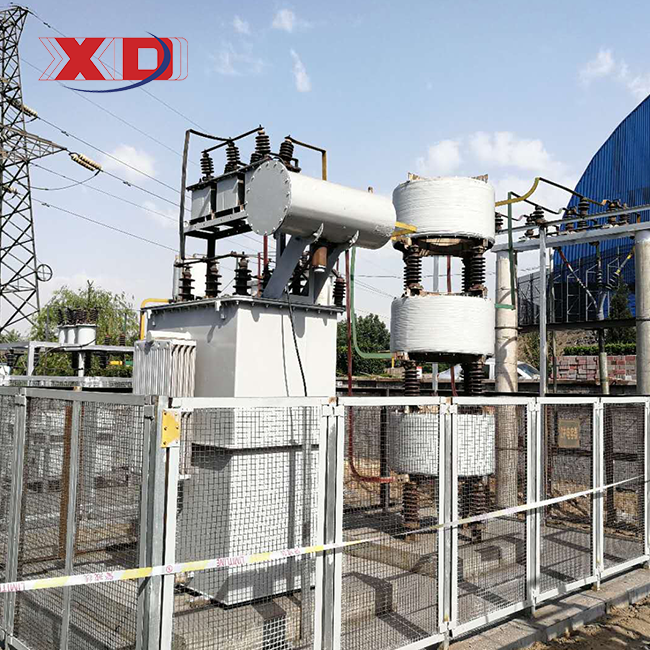
In oil-filled transformers, the windings are submerged in mineral oil, which acts as both an insulator and a heat transfer fluid. This design cools better than air-cooled units of the same size by using natural convection or forced air systems (ONAF configuration), and it can handle both higher continuous loads and short-term overloads. The oil's dielectric strength makes it possible for high-voltage designs to be small. This is why they are common in utility substations and big industrial plants where room needs to be managed along with temperature needs to be controlled.
This cooling benefit does, however, come with some running costs. Mineral oil needs to be tested on a regular basis for dissolved gas analysis, moisture content, and dielectric breakdown voltage. These are routine maintenance tasks that need specialised tools and more labour. Environmental laws about possible oil leaks require secondary containment systems, especially near waterways or areas that are sensitive to the environment. This adds to the cost of building the infrastructure during the initial installation phases.
Cooling Method Distinctions and Environmental Impact
The main thing that determines the environmental impact of each type of transformer is how it cools. Series Dry type transformers get rid of heat through natural airflow or forced-air systems, so they don't use any fluids that could be harmful to the environment. This is in line with strict environmental management standards like ISO 14001. Under rated loads, the SC9 Series keeps partial discharge levels below 10 picocoulombs and keeps temperature spikes below 100°C. These specs make shielding last longer and lower harmonic generation in sensitive electronics.
Under today's sustainability standards, oil-filled units are looked at more closely. Even though mineral oil breaks down naturally over time, when it leaks into the environment, it pollutes land and waterways, which costs a lot to clean up and leads to fines from the government. Facilities that are trying to get LEED certification or reach their carbon-neutral goals are increasingly choosing dry options that don't pose any of these risks. However, oil transformers can still be used in places where environmental controls are strong and there are lots of upkeep resources available.
Performance and Efficiency Comparison
Energy Efficiency Metrics That Impact Operating Costs
When looking at how much energy is used overall, both types of transformers have different loss profiles. Load losses go up as power is transferred, while no-load losses stay the same no matter what the demand is. With its precision-wound amorphous steel cores, the Series Dry type transformer loses as little as 0.15% of its maximum capacity when it's not in use. This is much lower than the 0.25–0.35% loss seen in regular oil units. Over the course of 25 years, this difference in a 1,500 kVA system running at 75% average load will save about $85,000 in energy costs at $0.12 per kWh, which is a very good return on investment (ROI) for procurement managers who are watching their budgets.
Load losses depend on how well the cooling works and how resistant the windings are. Due to better heat absorption, oil transformers still have a small edge in situations with constant high load. However, new dry type designs with ONAF cooling configurations can now handle 150% overload capacity for short periods of time, closing the performance gap. DOE 2023 efficiency standards push both technologies toward 99%+ full-load efficiencies. This reduces the difference in running costs while making upkeep costs and safety factors more important in figuring out the total cost of ownership.
Noise Emissions and Power Quality Considerations
In cities and sensitive facility locations, acoustic performance is important. Series Dry type transformers usually make 55 to 65 dB when they're fully loaded. The SC9 Series has vibration-dampening fixing systems that stop noise from travelling into building components. Due to magnetostriction in larger core structures and oil circulation pumps in forced-cooling versions, oil-filled transformers make 60 to 70 dB.
Both systems need to deal with harmonic distortion, which lowers the quality of the power and speeds up the ageing of the insulation. Harmonic generation is limited in the SC9 Series by controlled magnetic flux distribution and low-reactance coil shapes during manufacturing. This is very important in data centers where switched-mode power supplies and variable frequency drives create loads that are high in harmonics. To stop resonance conditions that could damage sensitive IT infrastructure, transformers that have a low harmonic contribution are needed.
Reliability and Service Life Analysis
Data from State Grid sites all over China shows that the mean time between failures (MTBF) for properly maintained dry type transformers is more than 250,000 hours. This is compared to 200,000 to 225,000 hours for oil units that are kept according to standard schedules. Since fluid degradation doesn't happen in dry designs, there isn't a main way for them to fail. However, for insulation to stay in good shape in toxic industrial environments, it needs to be rated IP54 or higher.
Oil transformers age because the cellulose insulation breaks down faster when it gets wet and when the temperature changes. Filtering and regenerating the oil on a regular basis can extend the service life, but putting off maintenance increases the chance of failure. Critical infrastructure that is used 24 hours a day, seven days a week, like hospitals, telecom hubs, and water treatment plants, can run with dry type solutions without any upkeep. Regular sight checks and infrared thermography are enough to keep an eye on things without having to shut down the system.
Installation, Maintenance, and Safety Factors
Space Requirements and Ventilation Considerations
A study of the physical size shows that Series Dry type transformers need 20–30% more space for clearance than oil versions of the same capacity. This is so that air can flow around them to cool them down convectively. An assembly area of 12' x 10' x 8' with minimum 3-foot gaps is needed for a 1,000 kVA dry unit, but 9' x 8' x 7' is enough for an equivalent oil transformer. This difference is important for retrofits where existing electrical rooms don't allow for growth. However, the modular design of the SC9 Series allows for vertical stacking configurations that make the best use of floor space.
The National Electrical Code (NFPA 70) says that ventilation rules require air changes depending on how fast heat is lost. Dry transformers that lose 25 kW of power need about 1,200 CFM of air flow to keep the room temperature below 40°C. This means that enclosed areas need automatic ventilation. Oil units use radiators or external cooling fans to send waste heat outside. This lowers the HVAC loads on the host building, which affects the modelling of the total facility's energy use.
Maintenance Protocol Differences and Downtime Implications
Oil-filled transformers need strict preventive maintenance plans that include checking the oil once a year, analysing the dissolved gases every three years, and completely replacing or regenerating the oil every five years. For typical industrial installations, each maintenance cycle costs between $4 and 8 hours of downtime and the cost of mobilisation for specialised service contractors. This adds up to between $12 and $18k a year in costs. Moisture contamination is the main reason why things break down early, so it needs to be fixed right away. This is done by vacuum drying processes that take transformers offline for 48 to 72 hours.
The SC9 Series, on the other hand, doesn't need any upkeep for the duration of its intended service life; it only needs visual checks and thermographic scans to be done every six months while it's running. Integrated temperature monitoring systems that are connected to the internet of things (IoT) send real-time data about hotspots in the winding. This lets predictive maintenance models plan replacements for planned outages instead of having to deal with failures that happen out of the blue. This business availability edge is very important in places like data centers and factories where unplanned downtime costs more than $5,000 per minute.
Fire Safety and Regulatory Compliance
Fire risk assessment makes a clear distinction between these tools. Transformers that are filled with oil have 200 to 400 gallons of flammable dielectric fluid inside them. This fluid can catch fire when something goes wrong, so they need special fire control systems that cost an extra $25,000 to $50,000 to install. Building codes usually don't allow installing oil transformers inside unless there are two-hour fire-rated walls between them, which limits where they can be put.
Series Dry type transformers are recognised by UL 1561 Class 220°C, which means they won't catch fire when they're overloaded. This means that installation can happen right next to flammable materials without the need for fire shields. This makes building easier and cuts the project timeline by two to three weeks. Insurance companies recognise this lower risk by giving premium discounts of 15 to 25 percent to buildings that use dry technology in high-value occupations. This creates another economic benefit on top of the direct operational savings.
Cost and Procurement Considerations for B2B Buyers
Initial Purchase Price vs. Total Ownership Economics
Capital cost studies show that Series Dry type transformers cost 15–25% more than oil versions when they are bought. An oil transformer with 1,500 kVA might cost $45,000, while a dry unit from the same series costs between $52,000 and $56,000. This relationship changes when you look at the total cost of ownership (TCO) over expected 25-year lifespans and include installation costs, maintenance contracts, energy efficiency differences, and insurance costs.
You can save money on installation by not having to build oil containment structures, fire suppression systems, or special supports for oil units, which are larger (30–40% more) than dry units because of the fluid and tank mass. These costs that were not needed add up to $15,000 to $30,000, depending on the site. In addition to the energy savings and lower maintenance costs already mentioned, TCO models always favour dry technology for commercial installations inside buildings. On the other hand, oil transformers are still more cost-effective for large outdoor utility applications over 5,000 kVA because they cool more efficiently.
Sourcing Strategies and Lead Time Considerations
When the market is normal, lead times for basic dry type transformers are 12 to 16 weeks. Lead times can go up to 20 to 24 weeks for custom voltage configurations or specialised insulation classes. Because their production methods are well-established and common parts are easy to find, oil transformers can be shipped within 10 to 14 weeks. Xi'an Xikai keeps a strategic stock of SC9 Series units in common ratings (315 kVA, 500 kVA, 750 kVA, and 1,000 kVA). This lets urgent projects in North American markets be delivered in 6 to 8 weeks.
When standardising transformers across multiple sites, bulk buying programs can save you 8–12% on prices. Engineering firms that are building infrastructure for the whole campus can benefit from single-source qualification, which speeds up the approval process and makes managing spare parts easier. The SC9 Series can be customised to work with different primary voltages (4.16 kV, 12.47 kV, 13.2 kV, 13.8 kV) and secondary configurations (480Y/277V, 208Y/120V) without adding to lead times. This allows for portfolio-wide standardisation even when each site has its own utility interconnection needs.
Warranty Terms and After-Sales Support Structures
Manufacturing guarantees for dry type transformers cover materials and labour for 24–36 months; extended 60-month warranties cost 4–6% extra, matching oil transformer terms but excluding routine items like gaskets and bushings. Xi'an Xikai's ISO 9001-certified systems back the SC9 Series, covering all components except external accessories damaged during improper installation. After-sales infrastructure is critical—regional service hubs provide 24/7 emergency response, dispatching technicians within 48 hours. Authorized wholesalers ship 95% of common replacement items same-week, preventing extended outages from 8–12 week overseas shipping cycles.
Application Suitability and Decision-Making Guide
Matching Transformer Types to Industry Requirements
Data centers and hospitals prioritize fire safety and power quality—Series Dry type transformers like SC9 provide low partial discharge for sensitive equipment and non-flammable construction meeting insurer requirements. Heavy industry (steel mills, chemical plants, mines) favors oil transformers for better overload capacity and lower capital costs in outdoor switchyards. Hybrid approaches use oil at main substations and dry units in production buildings. Utilities balance standardization with site constraints—overhead pole units use oil cooling, while urban padmounts increasingly adopt dry technology due to environmental regulations.
Technical Selection Criteria and Risk Assessment
Procurement decisions should consider more than initial price. Earthquake-prone facilities require transformer mounting meeting IEEE 693 standards—SC9 Series provides reinforced base frames and flexible buswork. Coastal sites need corrosion-resistant enclosures meeting ASTM B117 salt-fog testing. Risk tolerance for unplanned downtime influences technology choices—pharmaceutical plants processing $2M/day cannot accept 48-hour repair intervals, justifying dry technology's premium. Water treatment plants with backup capacity may accept maintenance downtime for capital cost savings.
Emerging Trends Shaping Future Procurement
Regulatory pressure drives transformer market shifts—California's Title 24 and EU SF6 phase-out favor dry technology as a green alternative to oil. Digital transformation with IoT sensors enables smart monitoring, with SC9 Series featuring built-in temperature sensors and cloud analytics. Condition-based maintenance cuts lifetime costs 12–18%. Renewable integration and EV charging increase harmonic loads, making dry transformers more resilient. Grid modernization projects increasingly prefer dry technology for distributed energy applications.
Conclusion
When choosing between Series Dry type transformers and oil filled transformers, each facility's safety needs, working limitations, and financial goals must all be taken into account. Series Dry type transformers work great indoors where they are needed for fire safety, environmental compliance, and trouble-free operation that makes up for slightly higher initial costs through better total ownership economics. Transformers that are filled with oil are still the best choice for large outdoor sites where managing heat is hard and upkeep resources are limited. The Xi'an Xikai SC9 Series is an example of advanced dry type technology. It has a 99% efficiency rate, a 150% overload capacity, and meets international standards in the commercial, industrial, and utility sectors. It comes with a lot of customisation options and a quick technical support system.
FAQ
1. Can series dry type transformers operate outdoors?
Modern enclosure designs make it possible to use a Series Dry type transformer outside while protecting the environment. Cabinets with an IP54 or IP65 rating protect against rain, dust, and UV light. However, cabinets that are directly exposed to the sun in hot countries may need extra shade to keep the temperature from rising too quickly. The SC9 Series can be installed outside with the help of optional weather-resistant enclosures. However, oil transformers are usually more cost-effective for permanent outdoor substations with more than 2,500 kVA of power because they are better at keeping out the weather and removing heat in places with free flow of air.
2. How often do oil filled transformers require maintenance compared to dry type units?
Oil transformers need to be inspected once a year, with eye checks and oil samples. Every three years, they need full maintenance, which includes dissolved gas analysis and oil filtering. Major repairs are done every 10 to 15 years, based on how much the ship has been loaded. When compared to oil technology, Series Dry type transformers have lower lifetime maintenance costs because they only need to be visually inspected every six months and have infrared thermography done on a regular basis.
3. What certification standards apply to industrial transformers in U.S. markets?
IEEE C57.12.01 covers the building and testing of dry type transformers, while IEEE C57.12.00 includes units that are submerged in oil. UL 1561 and UL 1562 are product safety standards for dry transformers and oil transformers, respectively. The SC9 Series is recognised internationally by IEC 60076 and is also compliant with IEEE standards. This makes it compatible with standards for facilities across multiple countries and makes purchasing easier for businesses that have to deal with multiple regulatory bodies.
Partner With Xi'an Xikai for Your Power Distribution Needs
Xi'an Xikai makes engineered transformer solutions that meet the complicated needs of today's business and industry systems. From 50 kVA to 10,000 kVA, our SC9 Series Dry type transformers come in a range of voltage configurations, insulation classes, and cooling options that can be changed to fit your needs. As a manufacturer of Series Dry type transformers with more than 20 years of experience in power systems and multiple patents in thermal management technology, we can help you with your project from coming up with the specifications to putting it into service and keeping it in good shape over its lifetime.
Get in touch with our expert team at serina@xaxd-electric.com, amber@xaxd-electric.com, or luna@xaxd-electric.com to talk about your application needs and get full proposals that take site-specific factors into account. Our engineering support looks at load profiles, environmental conditions, and regulatory compliance needs to help you choose the best transformers. This way, you can get the most uptime and the lowest total cost of ownership.
References
1. Institute of Electrical and Electronics Engineers, "IEEE Standard General Requirements for Liquid-Immersed Distribution, Power, and Regulating Transformers," IEEE C57.12.00-2015, New York, 2015.
2. International Electrotechnical Commission, "Power Transformers - Part 1: General," IEC 60076-1:2011, Geneva, Switzerland, 2011.
3. National Fire Protection Association, "National Electrical Code," NFPA 70-2023, Quincy, Massachusetts, 2023.
4. U.S. Department of Energy, "Energy Conservation Program: Energy Conservation Standards for Distribution Transformers," Federal Register Vol. 88, No. 78, 2023.
5. Kulkarni, S.V. and Khaparde, S.A., "Transformer Engineering: Design, Technology, and Diagnostics," Second Edition, CRC Press, Boca Raton, 2017.
6. Harlow, James H., "Electric Power Transformer Engineering," Third Edition, CRC Press, Boca Raton, 2012.